



Roguelike games clicked because they make every run feel like a fresh challenge, where smart decisions, build variety, and a bit of luck can completely change the outcome.
The best roguelikes keep you hooked through unpredictability, adaptation, and that constant sense that the next run could be the one where everything clicks. Some do it through fast combat, some through tactical planning, and some through wild build synergies, but the strongest entries all understand how to make repetition feel exciting instead of repetitive.
TL;DR – 10 Best Roguelike Games to Play
Table of Contents

Roguelikes have become one of the most flexible genres in gaming. They can support fast action, careful card play, procedural exploration, tactical movement, or pure arcade chaos, and the best ones make every failed run feel like part of the fun rather than a punishment.
This list leans away from the most overused recommendations and goes for a stronger editorial mix. There are still some bigger names here, but the full lineup feels fresher, more varied, and more useful for readers who have already seen the same standard roguelike article a dozen times.
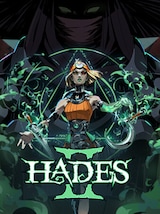
Hades II
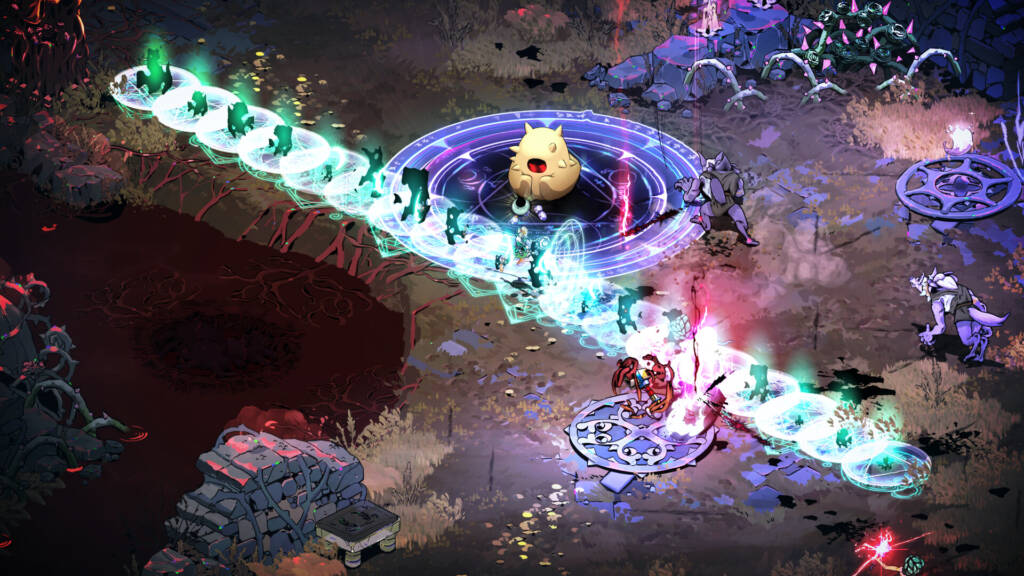
Hades II takes the fast, stylish action of the original and expands it with a darker magical identity, a new lead in Melinoe, and combat that feels more flexible from run to run. You still move through a sequence of shifting regions, collecting boons and upgrades, but the sequel has a broader feel that makes it more than just a familiar repeat.
What it does especially well is create build variety without sacrificing readability. The weapons are distinct, the spell tools give you more ways to shape encounters, and the gods and upgrades encourage experimentation instead of pushing you toward one obvious best route every time.
It belongs on this list because it represents the premium end of modern action roguelikes. It has the slick presentation, excellent character work, and polished combat you expect from a major genre standout, but it still understands that the real hook is the run loop itself.
For players who want a roguelike that feels current, stylish, and easy to get absorbed in for dozens of hours, this is one of the strongest picks around. It keeps the one-more-run appeal intact while giving the formula more room to breathe.
Why You Might Like It
- Sharp action combat with a strong magical identity
- Excellent build variety through gods, weapons, and spells
- High-end presentation and memorable worldbuilding
- A sequel that feels meaningfully bigger rather than just familiar
Hades II
Release Date: May 1, 2024
Genres: Role-playing (RPG), Adventure, Indie, Hack and slash/Beat 'em up
Slay the Spire 2
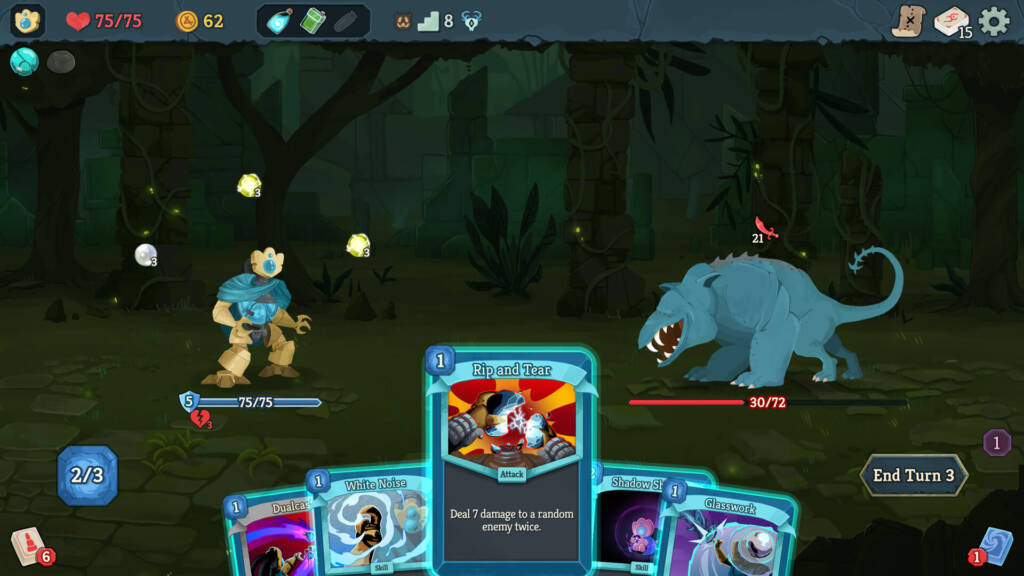
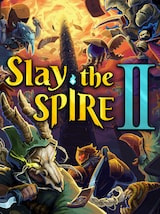
Slay the Spire 2 is an easy inclusion for a list like this because deckbuilding remains one of the smartest ways to use roguelike structure. The appeal is still built around climbing floor by floor, shaping your deck, choosing your route, and making constant trade-offs that affect the entire run.
What makes the series so strong is how much weight every decision carries. Adding a card, removing one, taking a relic, choosing a dangerous path, or resting instead of upgrading can all define your long-term success. There is very little filler in this kind of design. Nearly every choice matters.
It fits here because a best roguelike list should not be all action and spectacle. Deckbuilding roguelikes offer a different kind of intensity, one built on efficiency, planning, and adaptation. This sequel gives the lineup a strategic anchor without simply reusing the exact same title readers already know too well.
It is also one of the most reliable recommendations for players who like systems more than reflexes. If someone wants a game where understanding synergies matters more than reaction speed, this is exactly the sort of pick that earns its place.
Why You Might Like It
- Deep deckbuilding centered on meaningful decisions
- Excellent replay value through characters, relics, and route choices
- Great for players who prefer strategy over fast action
- A clean sequel upgrade for one of the genre’s smartest formulas
Slay the Spire 2
Release Date: March 5, 2026
Genres: Role-playing (RPG), Strategy, Turn-based strategy (TBS), Adventure, Indie, Card & Board Game
Enter the Gungeon
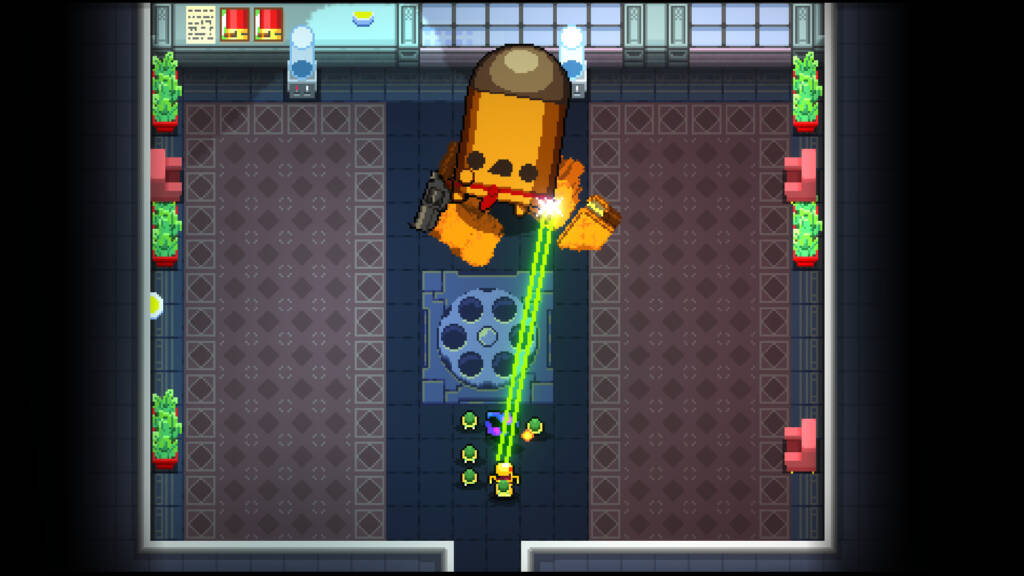
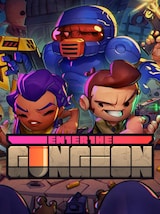
Enter the Gungeon stays on the list because it is still one of the best pure action roguelikes around. You push through room-based floors full of bullets, enemies, bosses, and ridiculous weapon drops, slowly building a run that can shift from barely controlled survival into complete destructive nonsense.
The game’s biggest strength is how well it mixes demanding mechanics with personality. The gun selection is enormous and often hilarious, but the action underneath the jokes is genuinely tight. Dodging, aiming, spacing, and reading enemy patterns all matter, so success never feels random.
It belongs here because it captures the arcade side of roguelikes better than almost anything else. The run loop is fast, satisfying, and full of variety, but it never loses sight of mechanical precision. Even when the weapons get absurd, the combat remains readable and skill-based.
Years later, it still feels worthy of a best-of list because very few roguelikes are this replayable while staying this confident in their own tone. It is funny, hard, fast, and endlessly fun to revisit.
Why You Might Like It
- Excellent twin-stick shooting and dodge-heavy combat
- Huge weapon variety keeps every run unpredictable
- Great mix of challenge and playful tone
- One of the strongest arcade-style roguelikes ever made

Enter the Gungeon
Release Date: April 5, 2016
Genres: Shooter, Adventure, Indie, Arcade
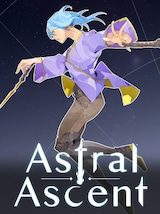
Astral Ascent
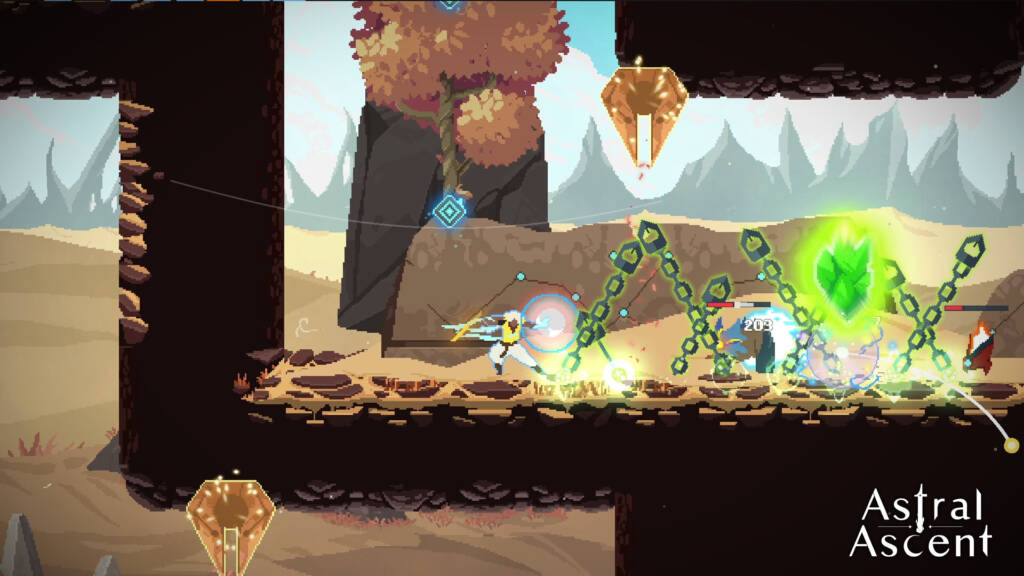
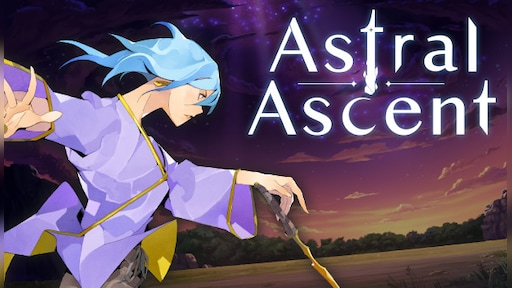
Astral Ascent is a 2D action roguelike that feels fast, stylish, and far more build-driven than many games in its lane. You choose from distinct heroes, chain together attacks, spells, and auras, and slowly shape each run into a combat style that feels more deliberate than simple button-mashing.
What it does especially well is make build expression visible. Different characters already change your rhythm, but the real fun comes from how spells and upgrades combine into a setup that feels uniquely yours. One run can emphasize mobility and burst damage, while another leans into controlled area denial or chaining magical effects.
It earns a place on this list because it covers the flashy 2D action slot without falling back on more recycled genre staples. It has strong movement, attractive pixel art, and enough mechanical flexibility to keep runs fresh well beyond the early hours.
It is also a very good recommendation for readers who want something modern and energetic, but not as universally cited as the usual top roguelike names. It feels accessible at first, then deeper the more you understand its systems.
Why You Might Like It
- Fast 2D combat with stylish spell-focused builds
- Multiple heroes create different playstyles
- Strong visual identity and great run-to-run variety
- A fresher action roguelike that still feels substantial
Astral Ascent
Release Date: April 12, 2022
Genres: Platform, Adventure, Indie
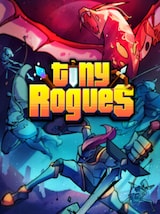
Tiny Rogues
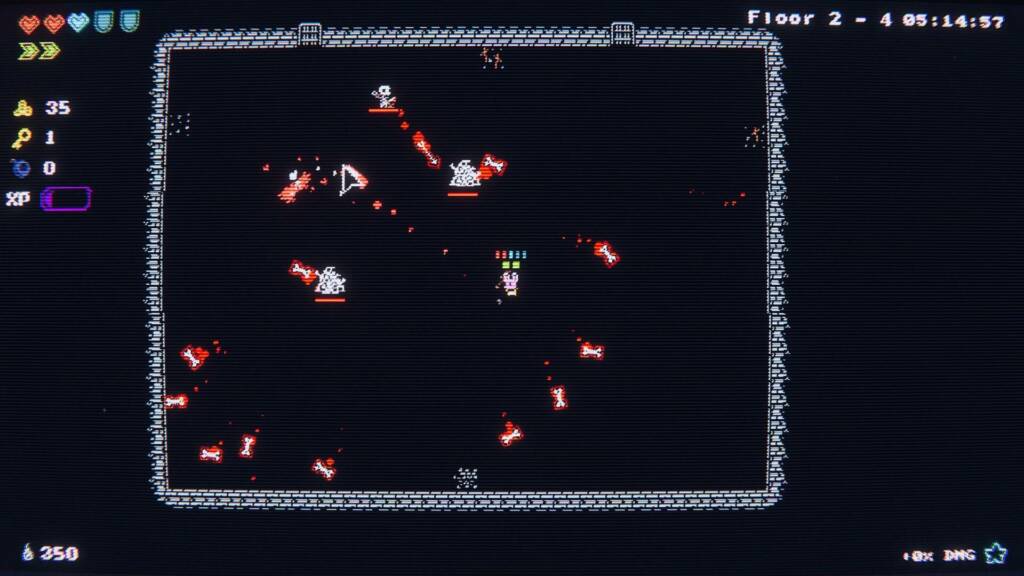
Tiny Rogues is a compact dungeon-crawling roguelike that nails the immediate pleasure of picking a class, diving into a run, and building around whatever gear, traits, and upgrades come your way. It has a classic feel to it, but the pacing is modern enough that it stays sharp instead of nostalgic for its own sake.
The game stands out because it packs a lot of variety into a clean structure. Different characters, weapon choices, stat paths, and class identities make runs feel meaningfully different, while the action stays readable and satisfying without drowning the player in unnecessary systems.
It belongs here because it gives the list a purer roguelike flavor without becoming too dense or inaccessible. It has that immediate “just one more run” energy, but it also rewards longer-term familiarity with its classes, bosses, and item combinations.
This is exactly the sort of recommendation that helps a best-of list feel fresher. It is not here just to be obscure. It is here because it genuinely captures the genre’s strengths in a tight, efficient, highly replayable format.
Why You Might Like It
- Compact runs with strong class and build variety
- Feels classic without being dated or clunky
- Great balance between accessibility and replay depth
- A strong less-obvious pick for readers tired of the same old lists
Tiny Rogues
Release Date: September 23, 2022
Genres: Shooter, Role-playing (RPG), Adventure, Indie, Arcade
0% OFF 10% OFF 75% OFF 85% OFF 10% OFF 10% OFF 78% OFF 90% OFF 65% OFF 92% OFF
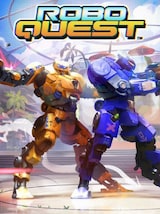
Roboquest
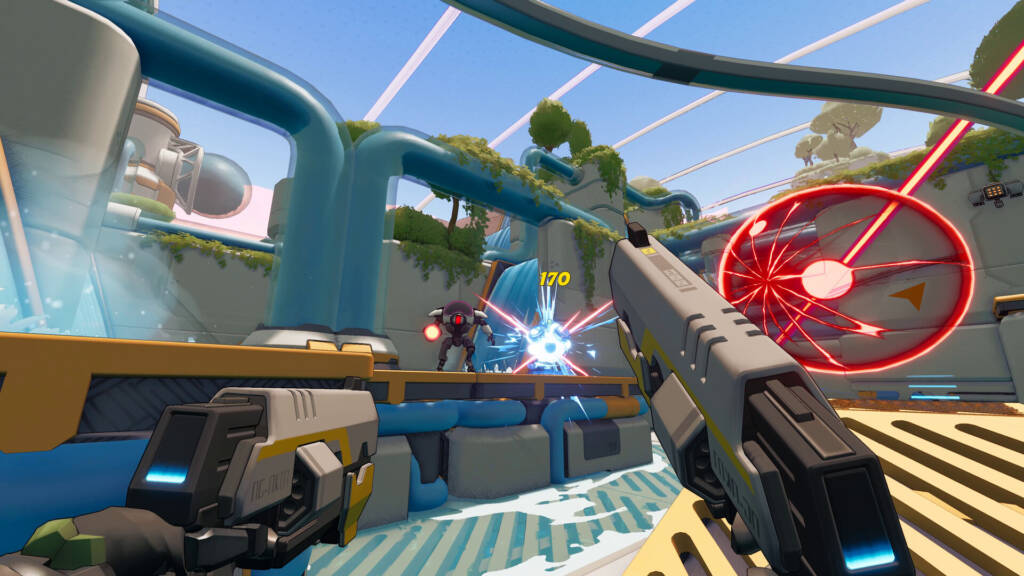
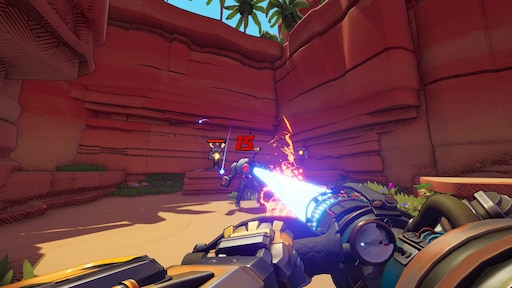
Roboquest is a fast first-person shooter roguelike built around momentum. You dash, jump, swap weapons, and tear through rooms with a sense of speed that makes the game feel closer to an arcade FPS than a slower, more methodical run-based shooter.
Its biggest strength is how naturally the gunplay fits into the roguelike structure. Some shooters feel awkward once randomization enters the mix, but Roboquest avoids that by making the baseline movement and combat so satisfying that even average runs are fun to play.
It fits this list because it gives the genre a strong modern shooter angle without leaning too much on cinematic presentation. The focus is on motion, weapon handling, and keeping a run alive through sharp play and smart class choices rather than on spectacle alone.
It is also a very easy recommendation for players who want action first. Even before you fully understand its systems, the game feels good in your hands, which is exactly what a shooter roguelike needs to get right.
Why You Might Like It
- Fast FPS combat with smooth movement and strong flow
- Run-based upgrades work naturally with shooter mechanics
- Ideal for players who want speed over slower strategy
- A fresher alternative to more overused shooter roguelikes
Roboquest
Release Date: August 20, 2020
Genres: Shooter, Indie
Wildfrost
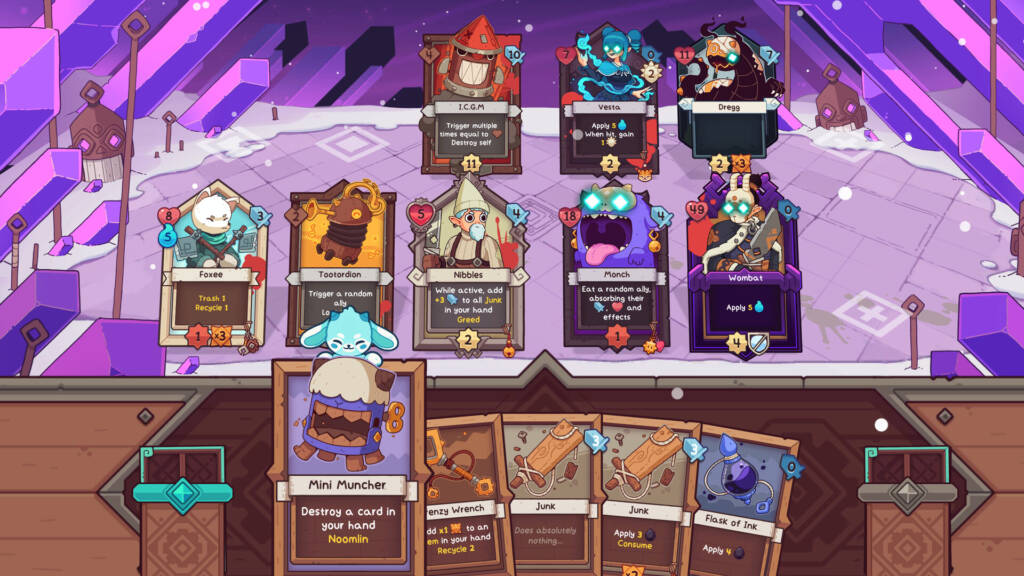
Wildfrost is a deckbuilding roguelike with a more tactical, board-based structure than many of its genre neighbors. Instead of only thinking about cards in isolation, you also manage timing, unit placement, companions, and cooldowns, which gives the game a very different feel from more straightforward deckbuilders.
What it does well is turn every battle into a sequencing puzzle. You are not just assembling a powerful deck. You are building a team, arranging effects, and thinking about how to survive long enough for your stronger synergies to take over. That creates a nice layer of tension that keeps runs from feeling autopiloted.
It belongs on this list because it broadens the strategy side of the lineup without overlapping too heavily with Slay the Spire 2. The structure is different enough that it feels like its own recommendation rather than a backup version of another card game.
It is also a strong editorial pick because it looks charming at first glance, then reveals a much tougher and smarter design underneath. That contrast gives it a lot of personality and helps it stand out in a crowded subgenre.
Why You Might Like It
- Deckbuilding mixed with board-based tactical decisions
- Strong visual identity with deeper systems than expected
- Great for players who enjoy sequencing and synergy planning
- A smart alternative to more overused card roguelikes
Wildfrost
Release Date: April 12, 2023
Genres: Strategy, Tactical, Adventure, Indie, Card & Board Game
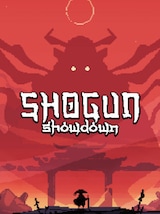
Shogun Showdown
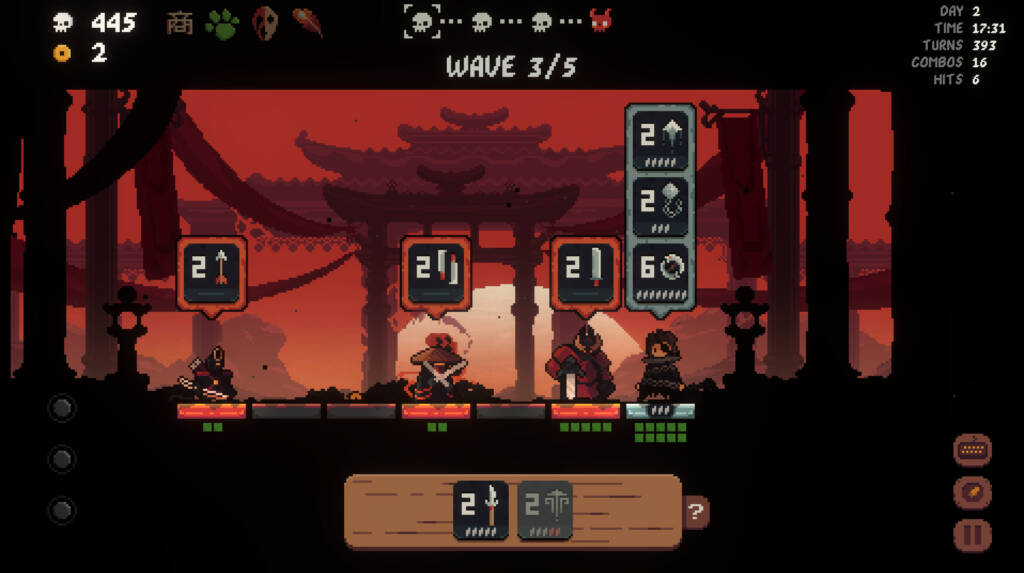
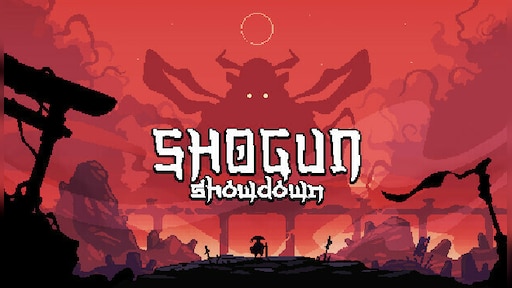
Shogun Showdown is one of the sharpest recent roguelike recommendations because it builds tension through turn-based positioning instead of raw speed. Combat takes place on a narrow battlefield where movement, order of actions, and precise attack timing matter more than flashy execution.
The game stands out because it turns simple rules into layered decision-making. You are constantly weighing whether to advance, retreat, set up a stronger combo, or manipulate enemy positions before they can box you in. That makes every fight feel like a tactical puzzle rather than a stat check.
It belongs here because it proves roguelikes do not need to be frantic to stay addictive. The run-based structure still works beautifully when the challenge comes from planning and sequencing, and the game’s clean presentation makes those decisions easy to read even when the pressure rises.
This is exactly the kind of title that gives the article more personality. It is current, distinctive, and good enough to earn its place without feeling like a token indie deep cut.
Why You Might Like It
- Smart turn-based combat built around movement and timing
- Runs feel tactical rather than reflex-driven
- Excellent synergy potential through attacks and upgrades
- A fresher pick with a very clear mechanical identity
Shogun Showdown
Release Date: June 27, 2023
Genres: Role-playing (RPG), Strategy, Turn-based strategy (TBS), Indie, Card & Board Game
Skul: The Hero Slayer
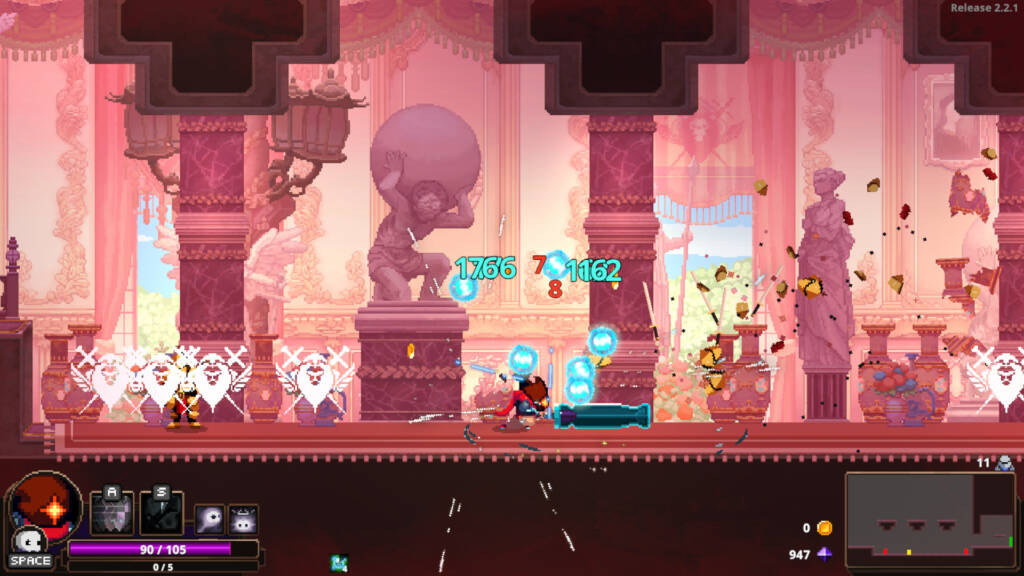
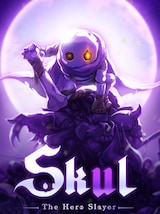
Skul: The Hero Slayer is a fast 2D action roguelike that flips the usual fantasy setup by casting you as the monster fighting back against the so-called heroes. Each run sends you through side-scrolling combat rooms full of enemies, traps, minibosses, and upgrade choices, but the real hook is how often your playstyle can shift depending on the skulls you collect.
What the game does especially well is build variety through its skull-swapping system. Different skulls effectively act like different classes, changing your moveset, range, mobility, and overall combat rhythm. One run might turn into a speedy melee build built around aggressive combos, while another leans into heavier attacks, summons, or more ability-focused damage.
It fits this list because it delivers the kind of replayable action roguelike loop that is easy to recommend, but it still has enough personality to avoid feeling like another generic side-scroller. The combat is quick, the runs move at a good pace, and the constant hunt for stronger skull combinations gives the progression a strong identity.
It is also a very solid pick for players who want a roguelike with clear action appeal, but do not want something as overexposed as the genre’s most repeated names. The class-like skull system gives it a fresh edge, and that makes each run feel like more than just a stat upgrade chase.
Why You Might Like It
- Skull-swapping system creates strong class-like build variety
- Fast 2D action with satisfying run-to-run progression
- A strong roguelike loop without relying on the most overused genre staples
- Great for players who want stylish combat and flexible playstyles
Skul: The Hero Slayer
Release Date: January 21, 2021
Genres: Platform, Indie
Revita
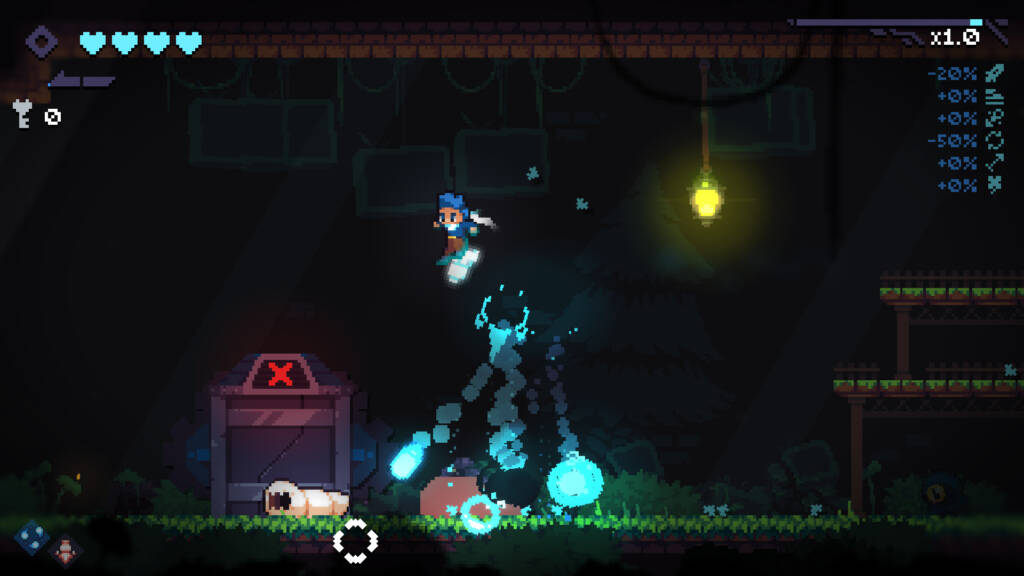
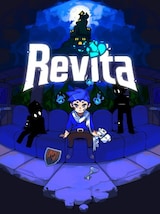
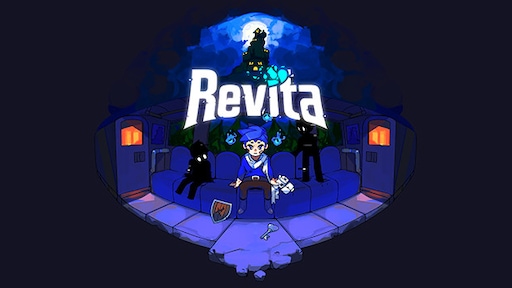
Revita is a side-scrolling twin-stick action roguelike built around one excellent central mechanic: health is currency. You spend your own HP on upgrades, bonuses, and opportunities, which makes every decision carry a bit more weight than in games where power-ups come with little real cost.
That system gives the game its identity. Combat is quick, the movement is fluid, and the whole run structure becomes more tense because survival and progression are directly tied together. Every time you choose more power, you are also increasing the risk that the next few rooms could end the run completely.
It belongs on this list because it adds another excellent action-oriented game without overlapping too much with the others. The structure is familiar enough to click instantly with roguelike fans, but the health economy creates a sharper risk-reward loop that keeps it feeling distinct.
It is especially good for players who enjoy compact runs and high tension. Few games make simple upgrade choices feel this loaded, and that makes every successful run much more satisfying.
Why You Might Like It
- Health-as-currency system creates constant pressure
- Fast 2D shooting and movement feel excellent
- A strong action roguelike with a unique core hook
- Rewards confident play and smart risk management
Revita
Release Date: March 3, 2021
Genres: Shooter, Role-playing (RPG), Adventure, Indie
Which games come closest to the best roguelike experience?
Final thoughts
The best roguelike games are not all chasing the same fantasy, and that is what makes the genre so hard to exhaust. Some are about speed, some are about strategy, and some are about discovering the kind of build that suddenly makes a run come alive.
The lineup here shows how much range the genre has beyond the same recycled recommendations. Whether you want premium action, tactical deckbuilding, class-based dungeon crawling, or a more arcade-like challenge, these roguelikes all capture the format in their own memorable way.
Author Recommendations
The list is quite extensive, so choosing the right title might be a bit difficult.
That is why I honestly recommend checking out Hades II first. It is the most complete all-rounder here, with fast combat, excellent presentation, and a run loop that stays rewarding for a very long time.
On the other hand, if you want something more compact and class-driven, then Tiny Rogues will be the best choice.