


Games without microtransactions still hit differently because they let the gameplay, progression, and world design do the heavy lifting.
This list focuses on premium games that feel complete when you buy them. Some have expansions, deluxe add-ons, or soundtrack extras, but they are not built around rotating stores, paid currencies, or constant cash-shop nudges. If you want great combat, exploration, co-op, survival, or story without that friction, these are some of the best places to start.
TL;DR – Best Games Without Microtransactions
Table of Contents
- Cyberpunk 2077
- Elden Ring
- Hades II
- Hollow Knight
- Stardew Valley
- Disco Elysium – The Final Cut
- Sekiro: Shadows Die Twice
- Slay the Spire 2
- Celeste
- Dead Cells
- Outer Wilds
- Cuphead
- The Witcher 3: Wild Hunt
- Divinity: Original Sin 2
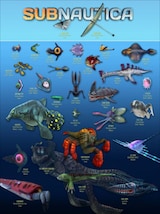
- Subnautica
- Terraria
- TUNIC
- SIGNALIS
- NieR:Automata
- SILENT HILL 2
- Which games should you start with first?


A lot of modern games are excellent right up until they start asking you to think about battle passes, premium currencies, cosmetic storefronts, or paid shortcuts. That is what makes these games so refreshing. They trust the base design enough to keep you hooked without turning every menu into a shop window.
The games below cover a wide spread of styles, from giant RPGs and metroidvanias to survival sandboxes, horror, deckbuilders, and platformers. What they share is simple: the satisfaction comes from mastery, discovery, progression, and worldbuilding, not from extra spending pressure.
Cyberpunk 2077
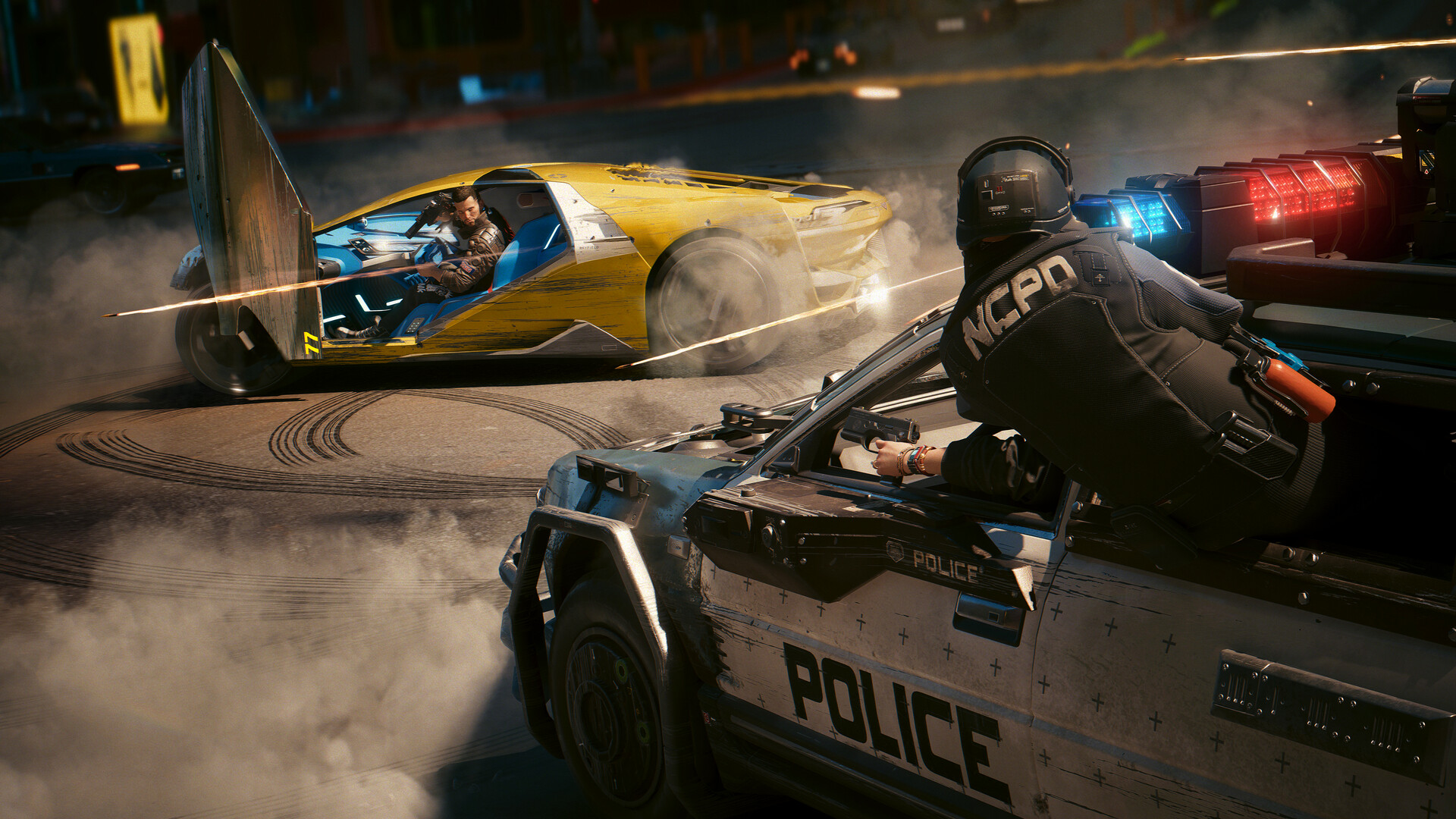
Cyberpunk 2077 is a huge open-world action RPG built around character builds, story choices, and one of the most visually distinctive cities in the genre. Night City is dense, loud, stylish, and full of side stories that make the world feel more personal than a lot of sandbox RPGs.
What it does especially well is atmosphere. Between the build variety, the first-person immersion, and the way quests slide from action spectacle into intimate character drama, the game keeps its identity strong for a very long time. It is big, but it rarely feels anonymous.
It belongs on this list because it plays like a premium single-player RPG rather than a storefront wrapped around a campaign. Your progression comes from gear, perks, cyberware, exploration, and quest outcomes. You stay in Night City because the world is compelling, not because the game is constantly trying to sell you something.
Why You Might Like It
- Night City is one of the strongest settings in modern RPGs
- Build variety supports stealth, hacking, guns, and melee equally well
- Side quests often hit as hard as the main story
- It delivers a full premium RPG loop without live-service pressure

Cyberpunk 2077
Release Date: December 10, 2020
Genres: Shooter, Role-playing (RPG), Adventure
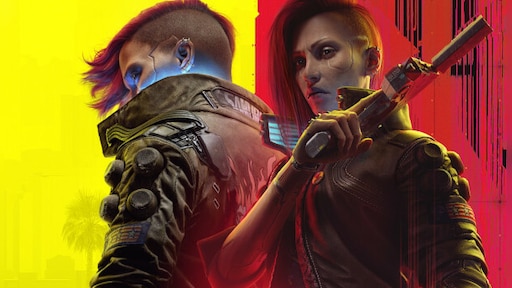
Cyberpunk 2077 & Phantom Liberty Bundle
Release Date: September 26, 2023
Genres: Role-playing (RPG), Adventure
Elden Ring
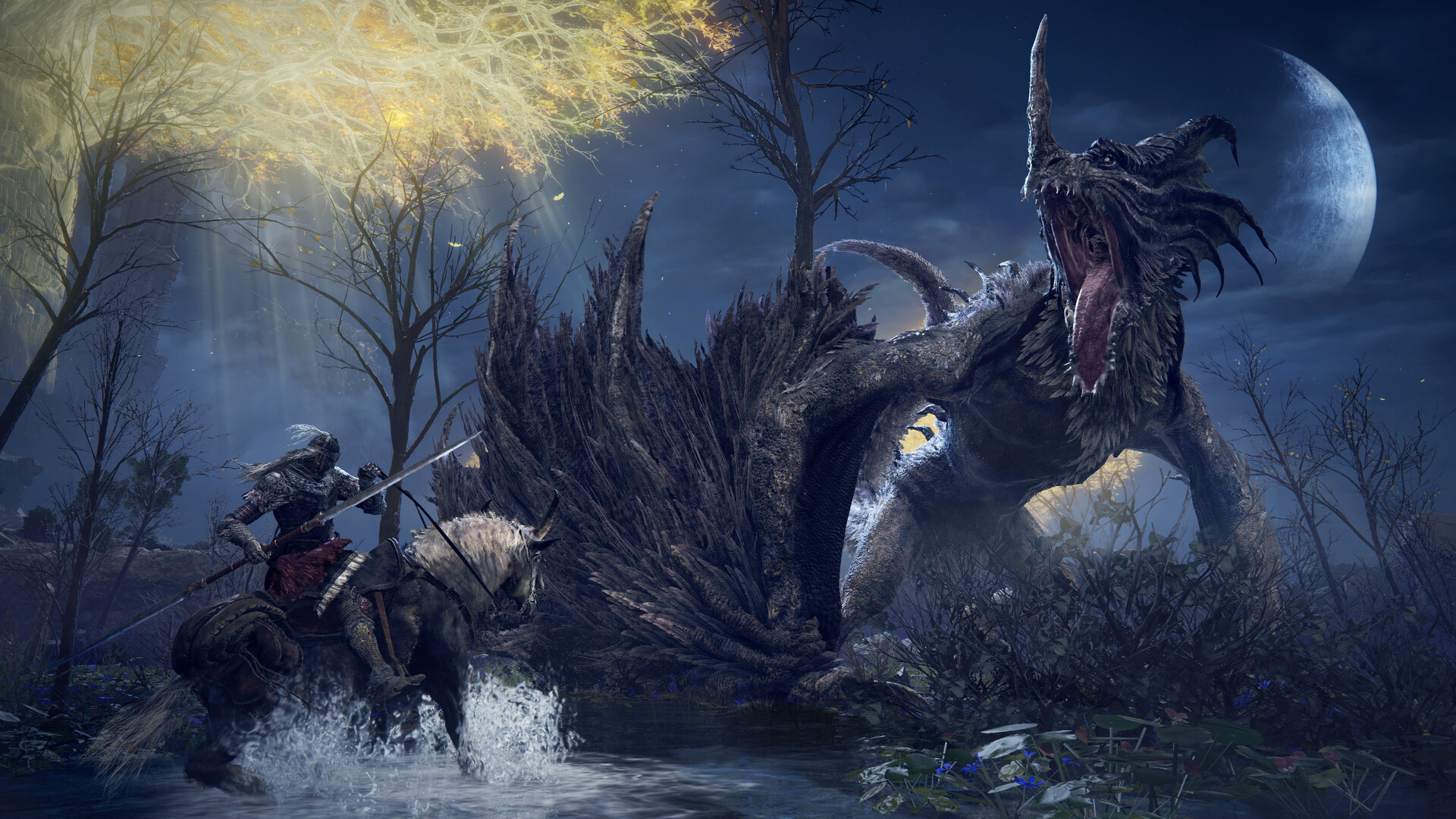
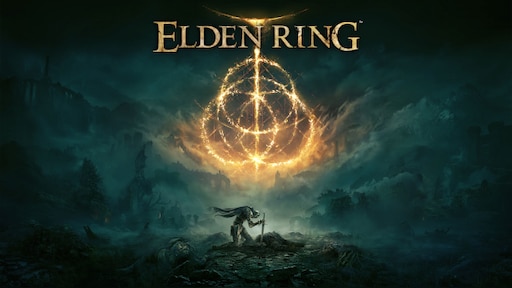
Elden Ring takes the classic FromSoftware formula and opens it up into a huge world that constantly rewards curiosity. You can ride into a lake, descend into a hidden underground kingdom, or stumble into a boss you are absolutely not ready for, and that unpredictability is a big part of the magic.
The game shines because it gives you space to solve problems your own way. You can build around melee, magic, summons, status effects, or weird hybrid setups, and the world supports that flexibility from start to finish. It is tough, but it is rarely one-note.
For a game this large, it is impressive how little it tries to monetize your attention beyond the game itself. Your victories come from learning attack patterns, exploring side areas, and tweaking builds. There is no rotating cash shop trying to interrupt the mood of that lonely, ruined fantasy world.
Why You Might Like It
- Open-world exploration feels mysterious instead of checklist-driven
- Build variety lets you shape your own version of the combat
- Bosses are challenging without needing grindy monetized systems
- The world is full of optional discoveries that feel earned
Elden Ring
Release Date: February 22, 2022
Genres: Role-playing (RPG), Adventure
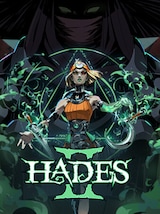
Hades II
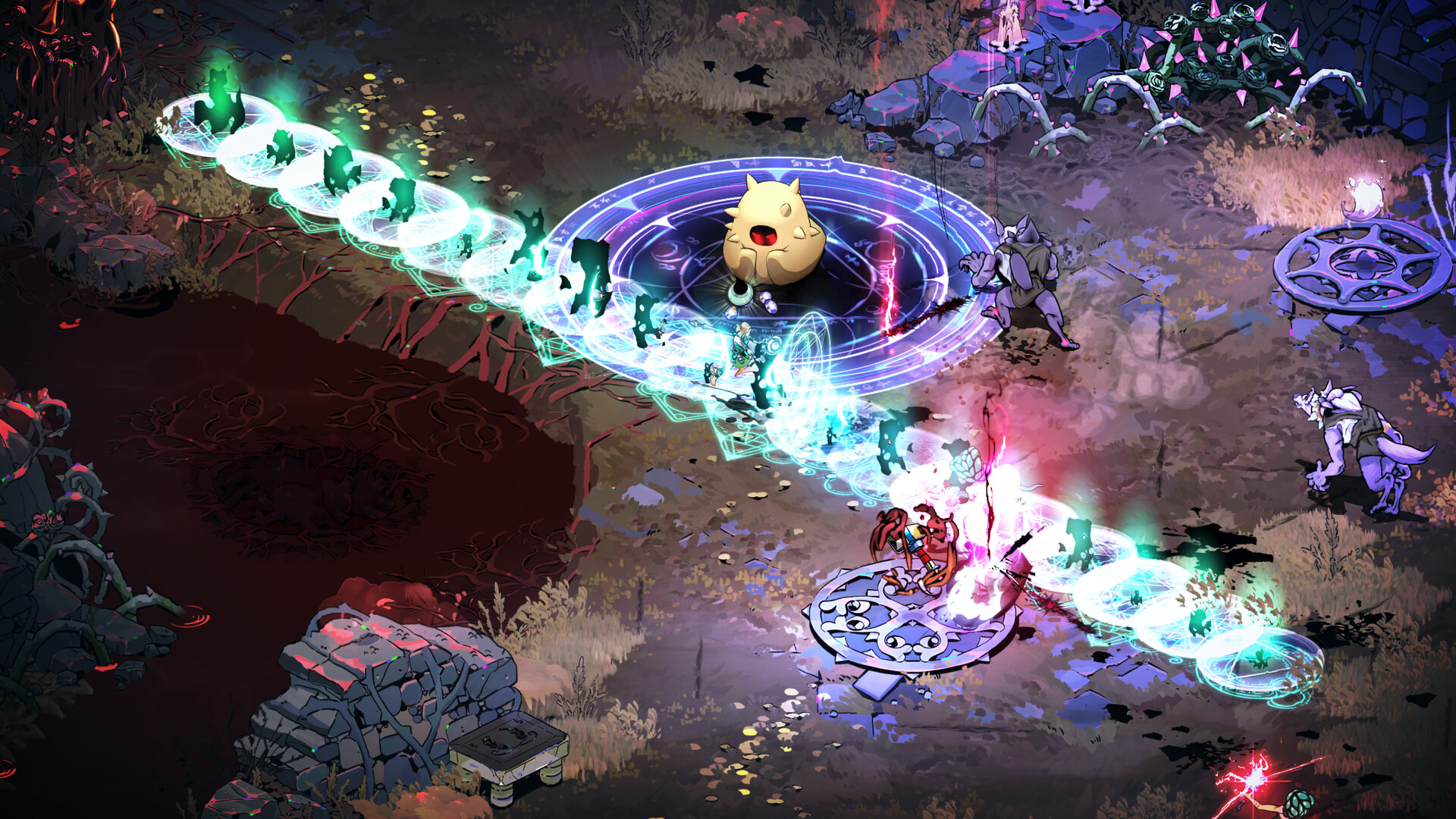
Hades II takes the fast, readable combat and character-driven roguelite structure of the first game and expands it into something larger, stranger, and more flexible. The witchy aesthetic, new weapon styles, and broader range of tools give the sequel its own identity rather than making it feel like more of the same.
What it does especially well is keep the run-to-run momentum sharp while layering in more build variety and a stronger sense of ritual, preparation, and magical experimentation. It still has that addictive one-more-run energy, but the combat systems feel broader and more expressive.
It belongs on this list because its long-term appeal comes from mechanics, storytelling, and replayability, not from monetized progression loops. You push deeper by learning enemy patterns, testing new builds, and uncovering more of the cast, not by spending extra money between attempts.
Why You Might Like It
- Combat is fast, stylish, and packed with build experimentation
- The narrative keeps unfolding naturally across repeated runs
- The new cast and atmosphere give it a distinct personality
- It keeps the roguelite hook clean and premium
Hades II
Release Date: May 1, 2024
Genres: Role-playing (RPG), Adventure, Indie, Hack and slash/Beat 'em up
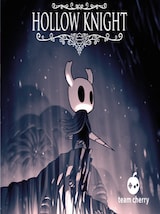
Hollow Knight
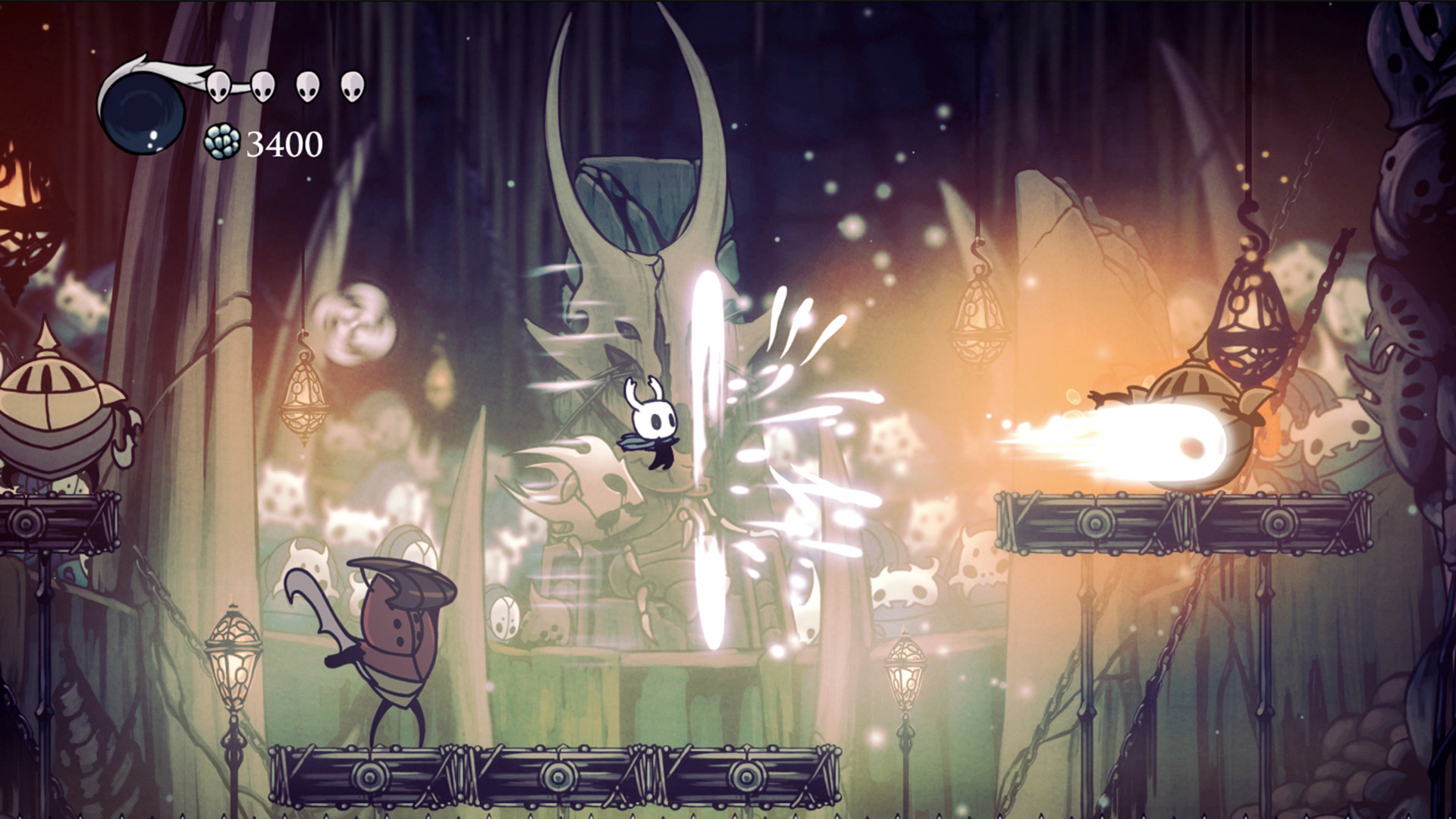
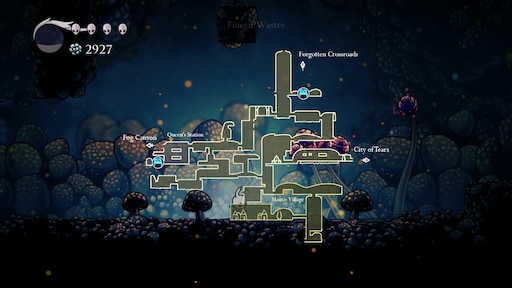
Hollow Knight drops you into a ruined insect kingdom and trusts you to figure it out. The result is one of the strongest metroidvanias ever made, with exploration that feels lonely, atmospheric, and deeply rewarding once the map starts connecting in your head.
What it does best is make discovery feel intimate. New movement abilities unlock more of Hallownest, but the real thrill comes from how each region has its own tone, enemies, and subtle storytelling. Boss fights are tense, and the world has a melancholy charm that sticks with you.
It belongs here because it is the opposite of a monetized attention trap. It is a hard, handcrafted adventure that respects your time by letting the world itself be the reward. You push forward because you want to see what is next, not because a limited-time offer is blinking at you.
Why You Might Like It
- Exploration is dense, layered, and full of memorable secrets
- Boss fights demand precision without feeling bloated
- The hand-drawn art and music create a powerful atmosphere
- Progression comes from mastery and map knowledge, not purchases
Hollow Knight
Release Date: February 24, 2017
Genres: Platform, Adventure, Indie
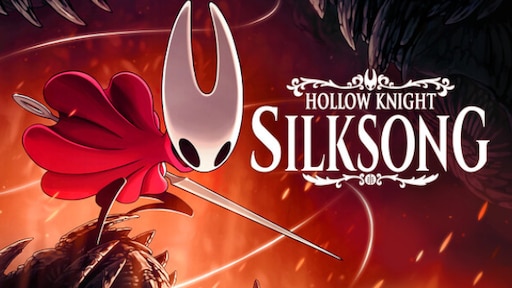
Hollow Knight: Silksong
Release Date: September 4, 2025
Genres: Platform, Adventure, Indie
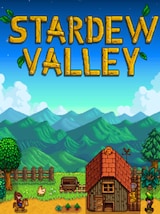
Stardew Valley
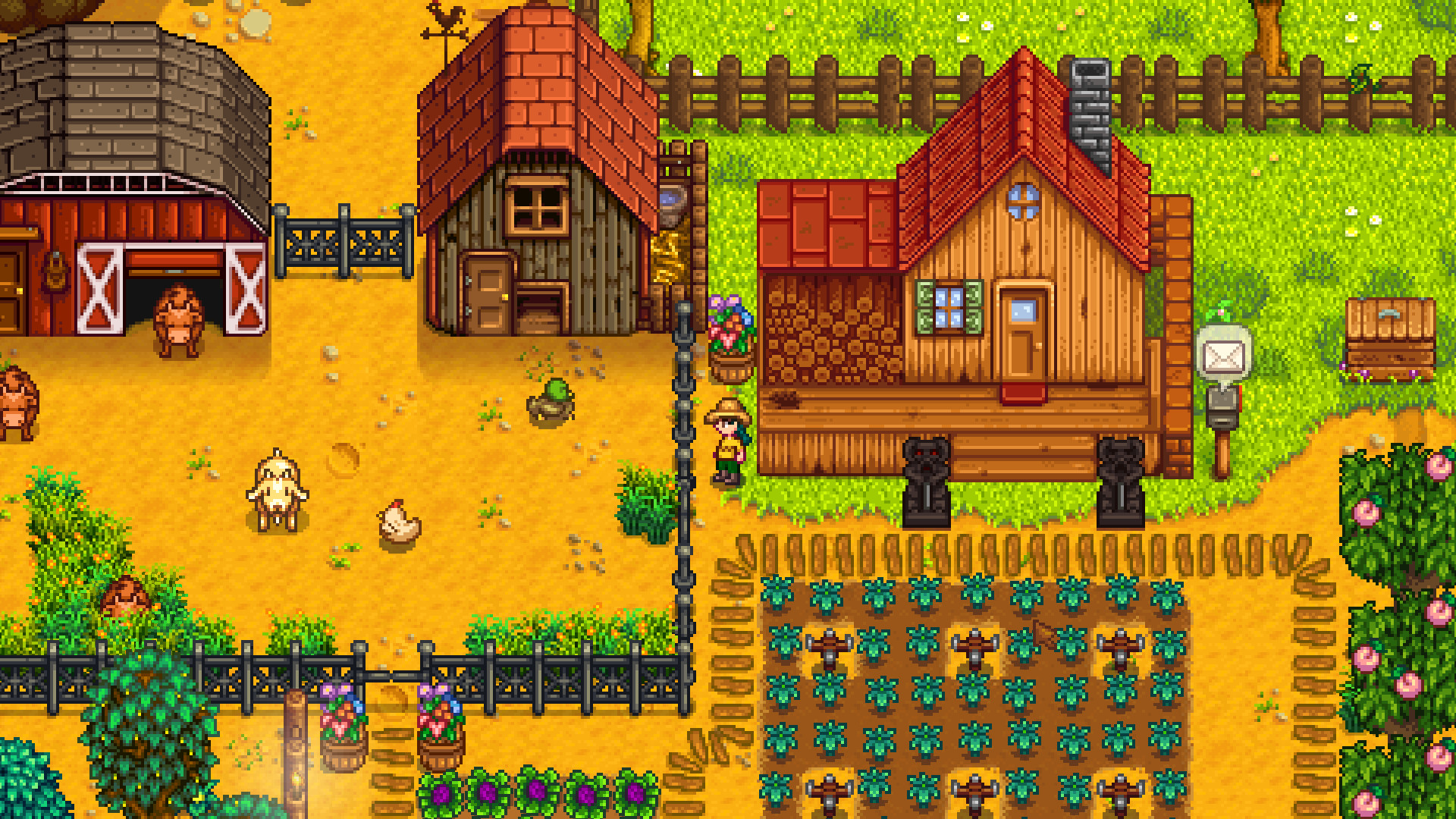
Stardew Valley is comfort gaming with incredible depth. At first it looks like a simple farming sim, but it steadily expands into relationships, fishing, crafting, mining, festivals, town restoration, automation, and personal routine building in a way that makes it easy to disappear into for months.
Its greatest strength is how flexible the pace is. You can min-max your farm, focus on romance, spend your time in the mines, decorate your land, or just wander through the seasons while listening to the soundtrack. It always feels inviting.
It is one of the clearest examples of a game that does not need microtransactions to keep people playing for years. There are no premium timers, no pay-to-skip chores, and no pressure to optimize with your wallet. The satisfaction comes from slow, personal progress and building something that feels like yours.
Why You Might Like It
- Relaxed progression makes it easy to play at your own pace
- The farming, crafting, and social systems all feed into each other
- Co-op adds even more long-term charm
- It stays compelling through design depth rather than monetized hooks
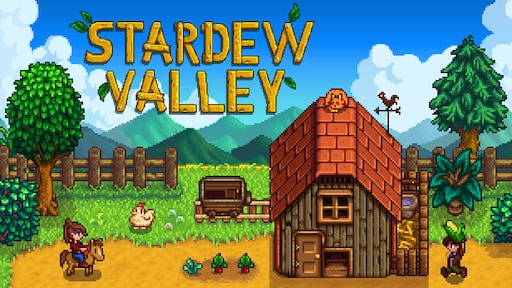
Stardew Valley
Release Date: February 26, 2016
Genres: Role-playing (RPG), Simulator, Strategy, Indie, Adventure
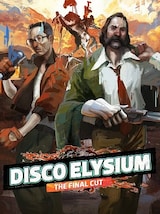
Disco Elysium – The Final Cut
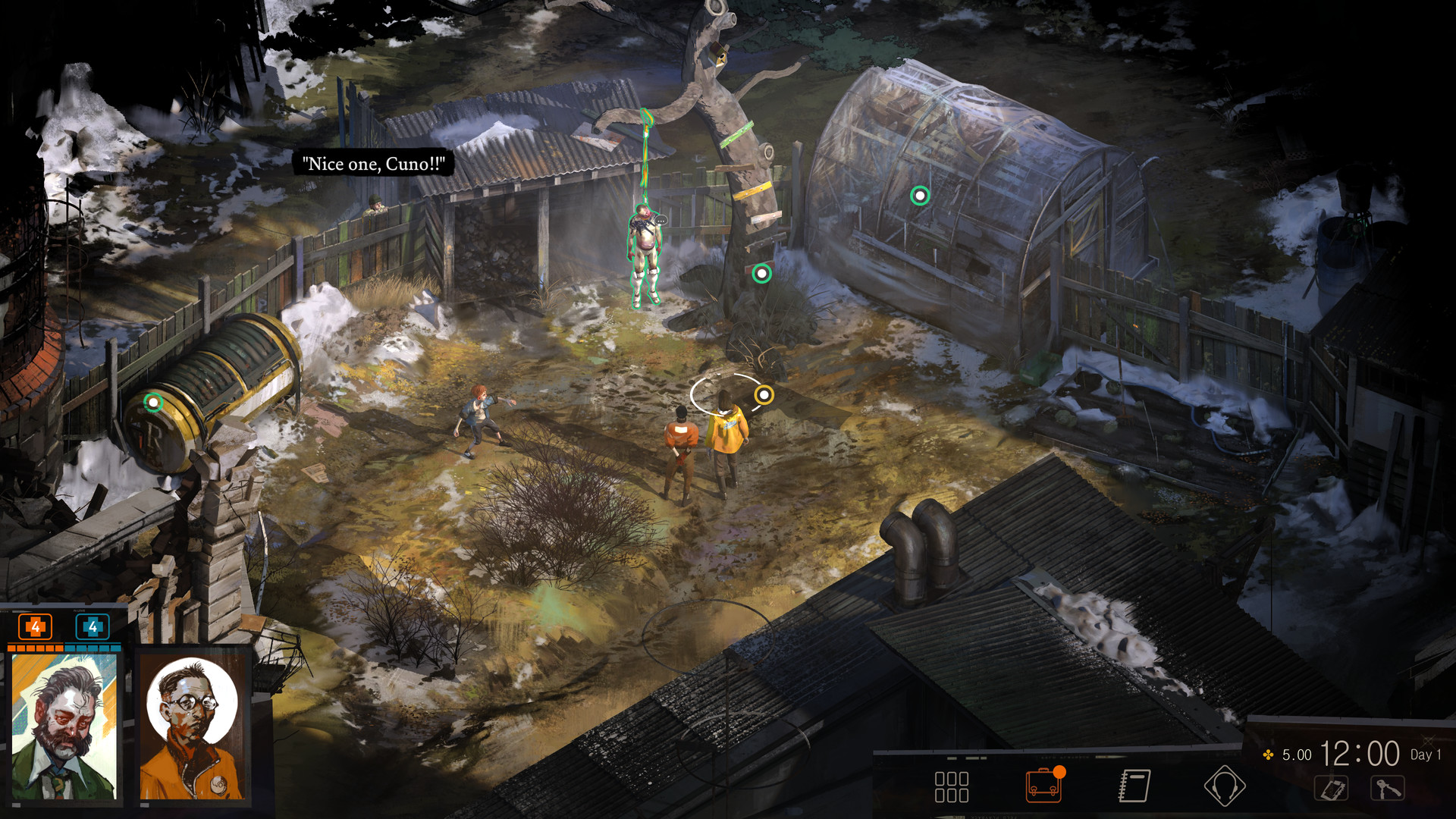
Disco Elysium is a detective RPG that replaces traditional combat with conversation, ideology, self-destruction, and psychological chaos. You spend more time interrogating people and arguing with your own thoughts than you do fighting, and that is exactly what makes it so distinctive.
The writing is the main attraction, but the skill system is what turns that writing into gameplay. Different stats alter how you interpret the world, which means your version of the detective can feel wildly different from someone else’s. It is part roleplaying game, part murder mystery, part existential spiral.
It fits this list because it trusts pure writing, roleplaying, and structure to carry the experience. There is no pressure to buy power or shortcuts. You are there for the case, the city, and the bizarre internal monologue, and the game never breaks that immersion with storefront clutter.
Why You Might Like It
- Some of the best writing and dialogue in modern RPGs
- Your build changes how you think as much as how you play
- Investigation feels open-ended rather than heavily scripted
- The game stays focused on roleplay instead of monetized progression
Disco Elysium
Release Date: January 1, 1970
Genres: Role-playing (RPG), Adventure, Indie
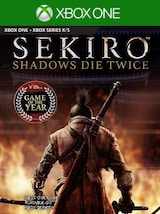
Sekiro: Shadows Die Twice
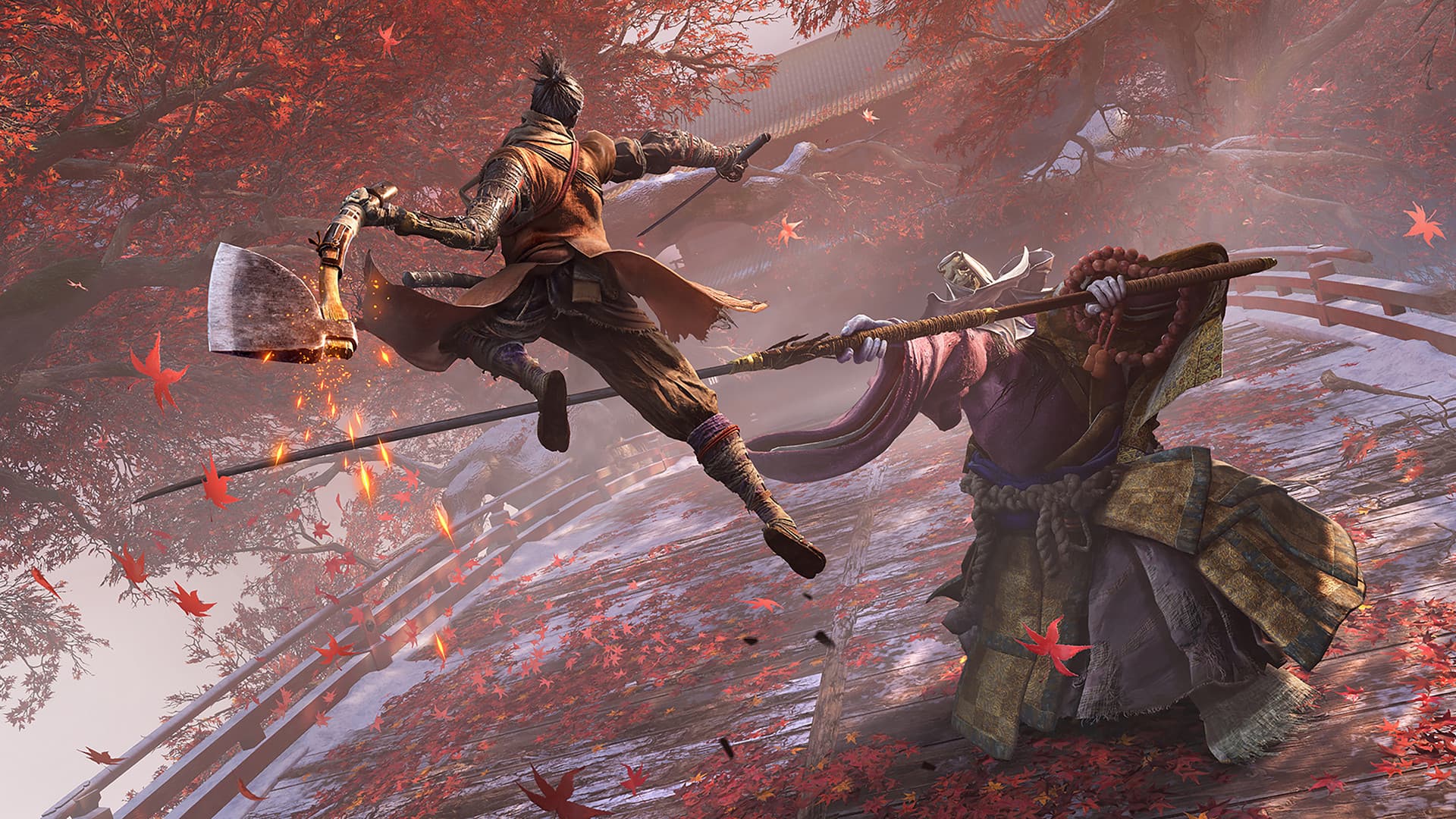
Sekiro is one of the most focused action games of the last decade. Instead of giving you endless build options, it narrows the toolkit and polishes every part of it until the swordplay feels brutally clean. Timing, posture pressure, and deflections matter more than stat stacking.
That focus is exactly why the combat hits so hard. Bosses feel like duels, not damage races. You do not really outgear the challenge. You learn it, internalize it, and eventually break through with a rhythm that feels almost musical.
It belongs on this list because progression is built around mastery rather than monetized convenience. There is no sense that the game wants to sell you a smoother path. It wants you to get better, and when you finally do, the payoff feels incredible.
Why You Might Like It
- Deflection-based combat feels precise and demanding
- Boss fights are some of the most memorable in action games
- Traversal and stealth add variety without diluting the core combat
- Success comes from skill, not spending or grinding shortcuts
Sekiro : Shadows Die Twice - GOTY Edition
Release Date: March 22, 2019
Genres: Role-playing (RPG), Hack and slash/Beat 'em up, Adventure
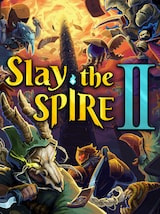
Slay the Spire 2
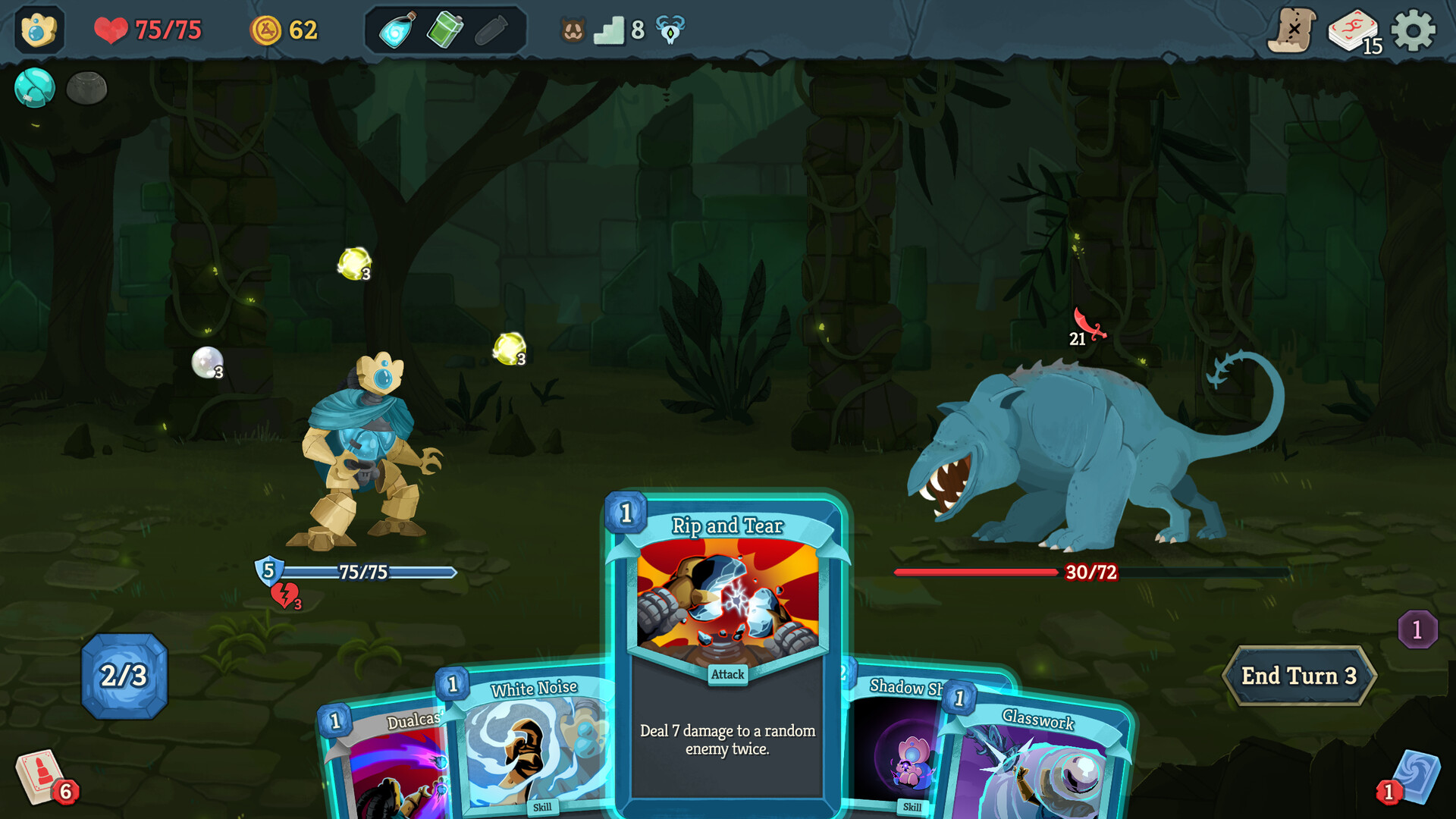
Slay the Spire 2 keeps the ruthless decision-making and deckbuilding clarity that made the first game such a monster, then builds on it with new cards, relics, characters, and the same constant pressure to think several turns ahead. It still looks readable at first glance, but every run becomes a chain of small choices that matter more than they seem.
What it does best is preserve that elegant strategy loop where pathing, deck trimming, relic synergy, and encounter planning all feel equally important. It is the kind of game where a clever early pick can carry a whole climb, while one greedy decision can undo twenty minutes of smart play.
It fits the theme because its replayability comes from systems mastery and experimentation, not from monetized progression. You come back because the design is sharp, the runs are tense, and the next build idea is already in your head.
Why You Might Like It
- Every run is packed with meaningful tactical choices
- New cards and characters keep the formula fresh
- Deckbuilding depth rewards long-term learning
- It stays addictive through design quality, not cash-shop systems
Slay the Spire 2
Release Date: March 5, 2026
Genres: Role-playing (RPG), Strategy, Turn-based strategy (TBS), Adventure, Indie, Card & Board Game
Celeste
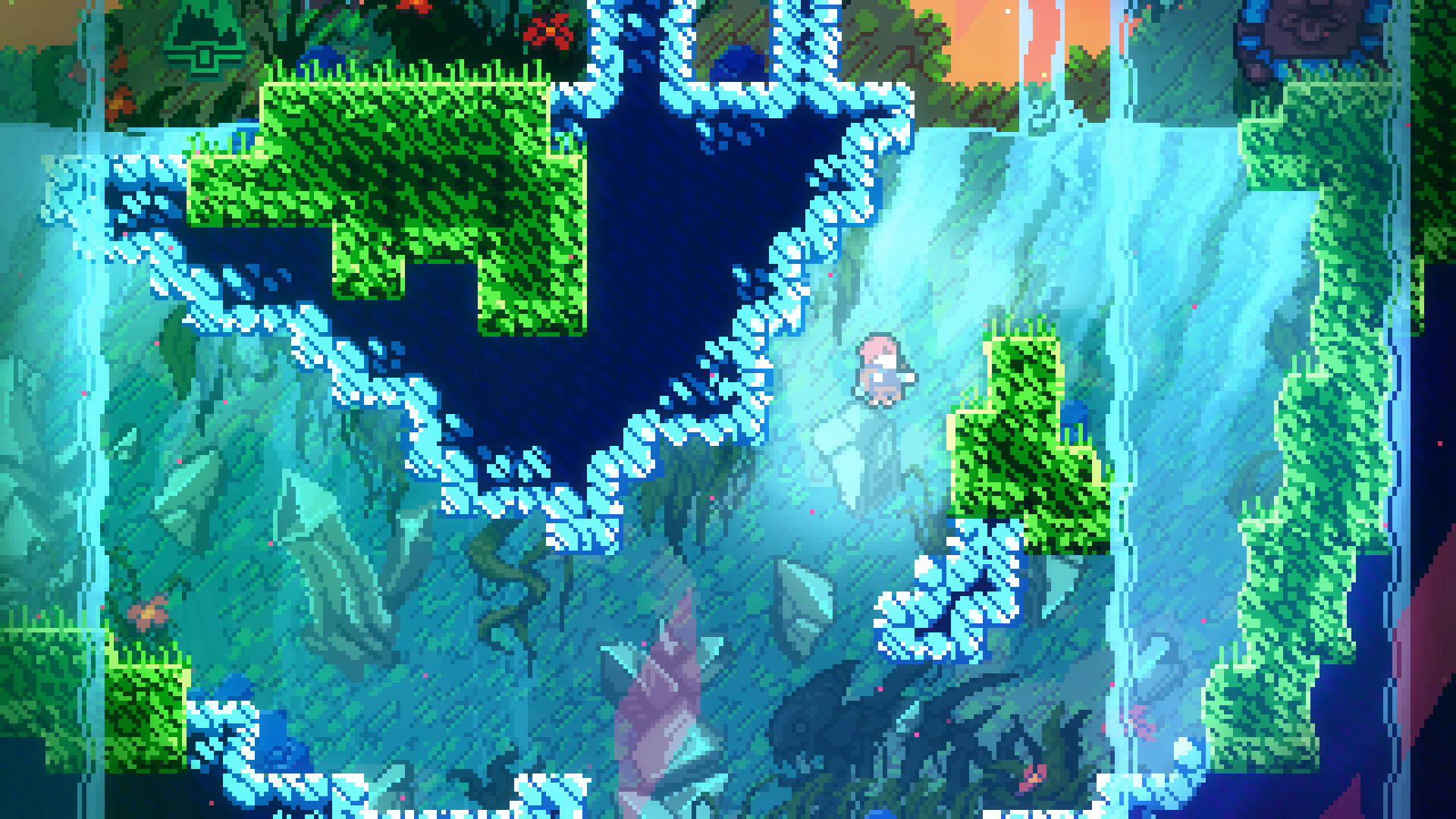
Celeste is a precision platformer with incredibly tight movement and a surprisingly heartfelt story about anxiety, self-doubt, and perseverance. The challenge is real, but the controls are so sharp that failure almost always feels like a prompt to try again rather than a reason to quit.
Its real trick is how cleanly it aligns mechanics and theme. Climbing the mountain is hard because the game wants that struggle to mean something, and the optional challenge rooms are there for players who want to push even further.
It belongs on this list because every piece of engagement comes from craftsmanship. There are no paid shortcuts to bypass difficulty and no cosmetic shop distracting from the experience. It is just you, the level design, and the satisfaction of nailing a room that seemed impossible ten minutes ago.
Why You Might Like It
- Movement is precise enough to make hard levels feel fair
- The story gives the challenge emotional weight
- Assist options make it welcoming without compromising its identity
- Its sense of progression is entirely skill- and persistence-driven
Celeste
Release Date: January 25, 2018
Genres: Platform, Adventure, Indie
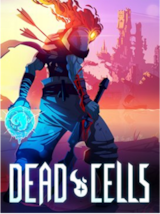
Dead Cells
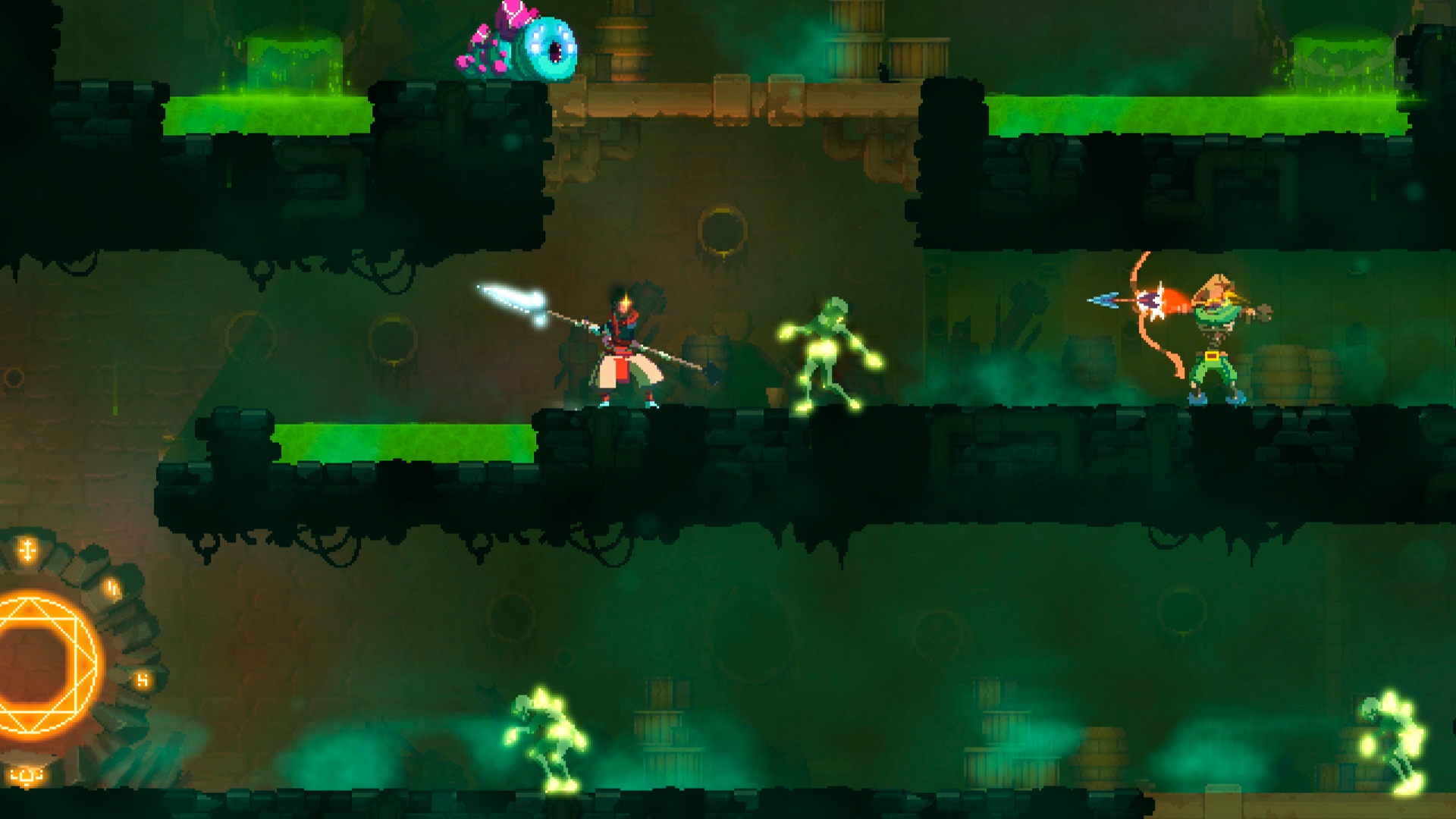
Dead Cells takes roguelite structure, metroidvania exploration, and fast 2D action combat and blends them into something that feels instantly fluid. You are always moving, reacting, and improvising, and the game is at its best when a run becomes a blur of dodges, crits, and risky aggression.
What it does particularly well is pace. Even short sessions feel productive because the unlocks, route choices, and weapon combinations keep shifting the rhythm. It is the kind of game that makes you say one more run and actually mean it.
For a list about games without microtransactions, it is an easy pick because the loop stands on its own. The appeal is getting better routes, smarter builds, and cleaner execution. It is a replayability machine powered by design, not by a store tab.
Why You Might Like It
- Combat feels fast, aggressive, and highly readable
- Weapon variety keeps runs from blending together
- Unlocks encourage long-term play without feeling manipulative
- The run-based structure is addictive without live-service habits
Dead Cells
Release Date: May 10, 2017
Genres: Platform, Adventure, Indie
67% OFF 48% OFF 16% OFF 36% OFF 10% OFF 89% OFF 85% OFF 10% OFF 73% OFF 64% OFF 46% OFF 35% OFF 71% OFF 61% OFF 28% OFF 10% OFF 30% OFF 0% OFF 9% OFF 50% OFF 63% OFF
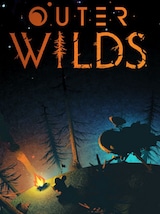
Outer Wilds
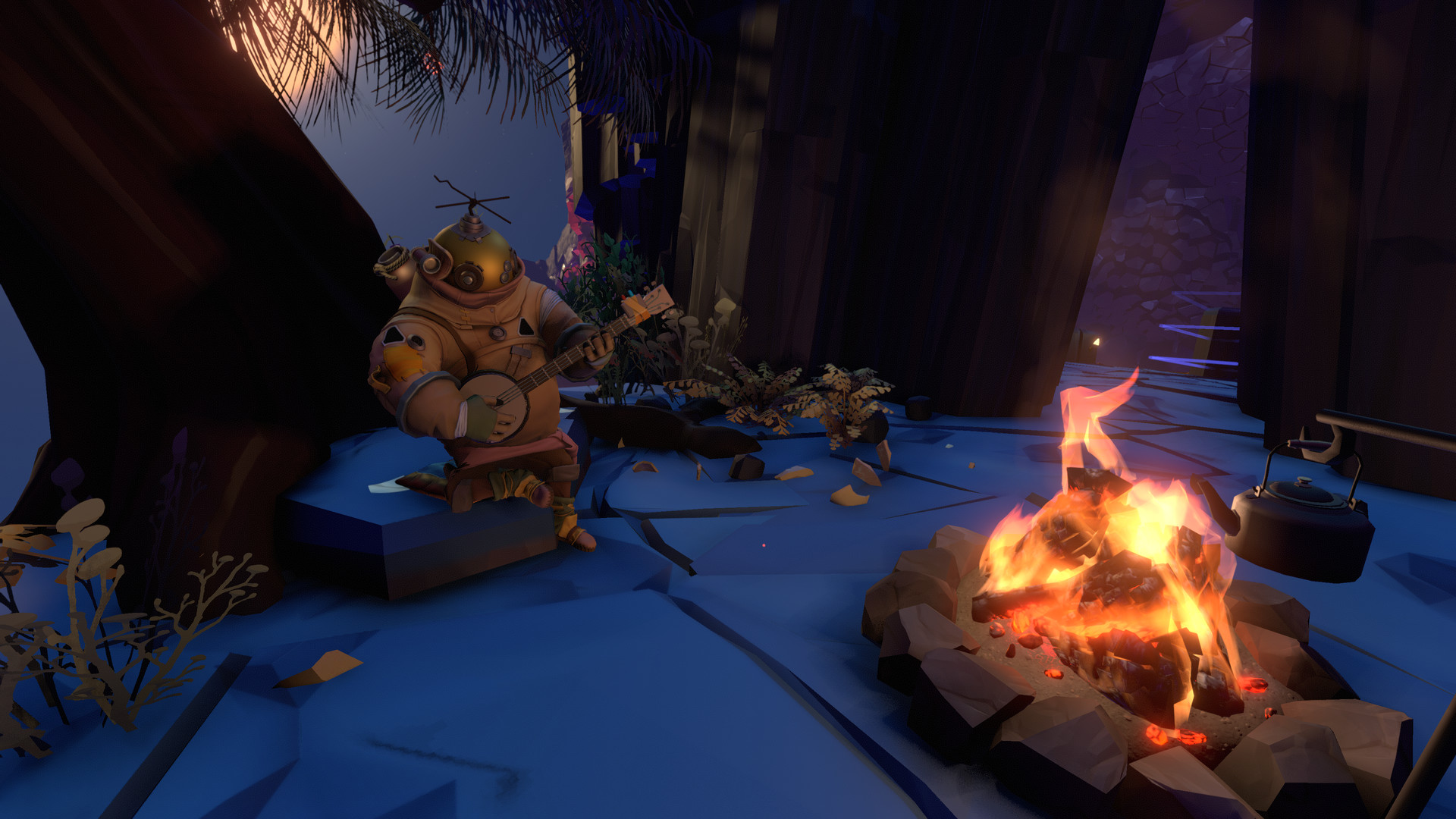
Outer Wilds is one of the best exploration games ever made because almost all of its progression is knowledge. You are not grinding levels or collecting better gear. You are learning how the solar system works, how its planets change over time, and how small clues connect into a much bigger mystery.
That design makes discovery feel personal. The game never really drags you around. It trusts curiosity to guide you, and that means every breakthrough feels like your own rather than something the game fed you on a schedule.
It is a perfect fit here because there is no room for microtransaction logic in a game built around wonder, insight, and player-driven investigation. The reward is understanding. Once that clicks, the entire experience feels refreshingly pure.
Why You Might Like It
- Exploration is built around mystery instead of map markers
- Progression comes from information rather than stats
- The world design is smart, weird, and unforgettable
- It respects your curiosity without trying to monetize it
Outer Wilds
Release Date: June 18, 2020
Genres: Puzzle, Simulator, Adventure, Indie
Cuphead
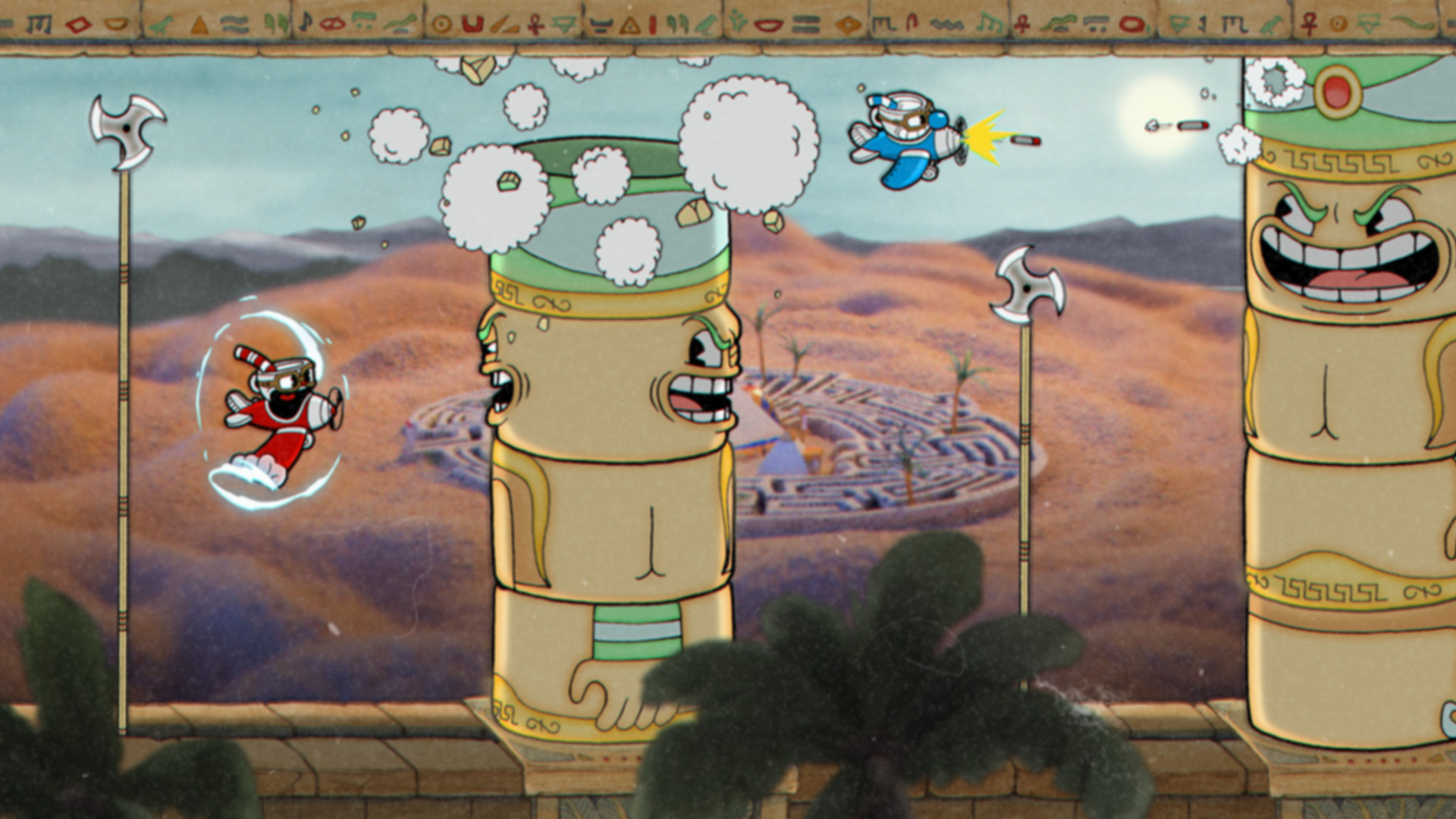
Cuphead is a run-and-gun action game built around demanding boss fights and one of the most distinctive visual styles in gaming. The hand-drawn animation and jazz-heavy presentation grab attention immediately, but the real reason people stay is the boss design.
Each fight is a compact test of pattern recognition, movement, and consistency. It can be punishing, but it also has that arcade-like clarity where every failure teaches you something concrete about the next attempt.
It belongs on this list because it delivers difficulty, style, and replay value without undermining itself with monetized friction. You improve because you read the fight better and execute better. The game never asks your wallet to smooth over the challenge.
Why You Might Like It
- Boss encounters are creative, varied, and memorable
- The animation style is still one of the best in the medium
- Local co-op makes the chaos even more fun
- Its challenge loop is satisfying because it stays skill-based
Cuphead
Release Date: September 29, 2017
Genres: Shooter, Platform, Indie, Arcade, Adventure
The Witcher 3: Wild Hunt
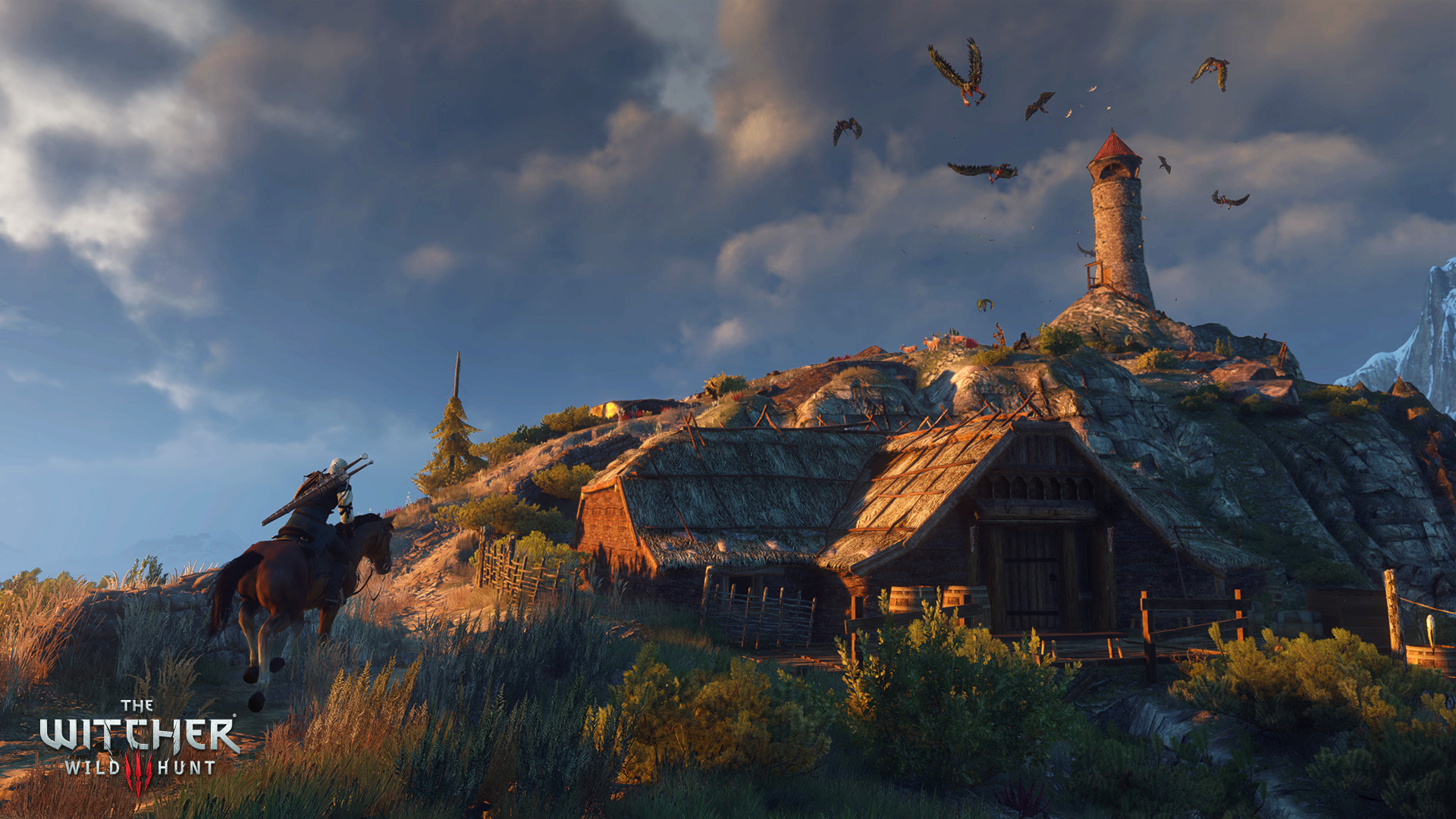
The Witcher 3 is still one of the strongest examples of a big-budget single-player RPG that feels complete on its own terms. Its open world is huge, but what really sets it apart is how often side quests carry the same emotional weight and narrative care as the main story.
Geralt is a defined protagonist rather than a blank slate, and that gives the writing a strong voice. The best parts are not just the monster hunts or the combat, but the moral ambiguity, regional politics, and smaller stories that make the world feel lived in.
It fits this list because it delivers scale, storytelling, and progression without trying to turn every part of the experience into a monetized loop. You are following contracts, uncovering secrets, and making decisions because the world pulls you in, not because a shop is pushing you along.
Why You Might Like It
- Side quests are far better than the genre standard
- The world feels rich without becoming bloated
- Story choices carry real emotional and political weight
- It offers a premium RPG flow without cash-shop interruptions
The Witcher 3: Wild Hunt GOTY Edition
Release Date: May 18, 2015
Genres: Role-playing (RPG), Adventure
Divinity: Original Sin 2
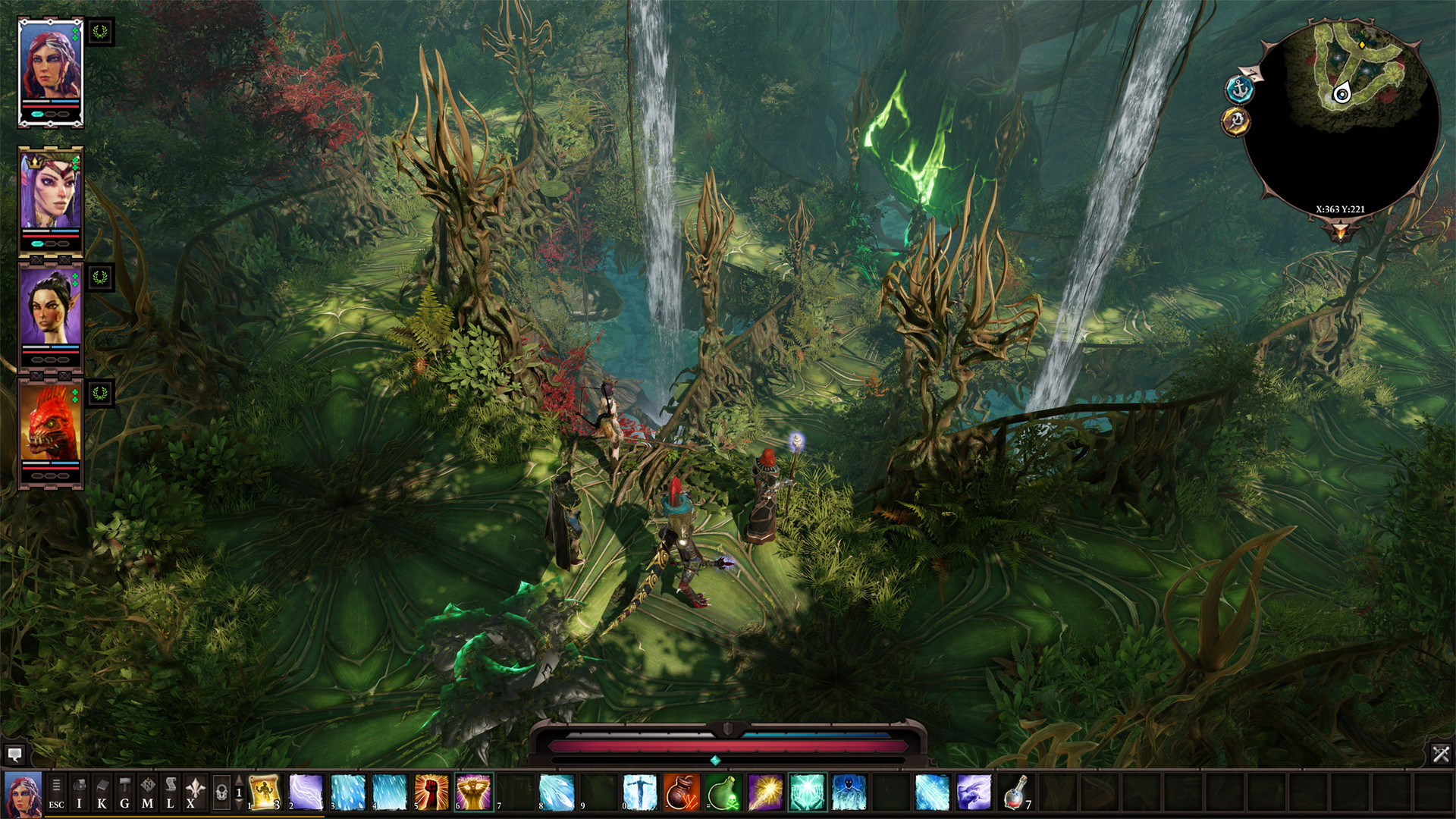
Divinity: Original Sin 2 is a tactical RPG that thrives on systemic freedom. You can combine surfaces, teleport enemies into hazards, use dialogue to reshape encounters, and generally approach problems with the kind of creativity that makes turn-based combat feel lively rather than slow.
The world is full of interlocking mechanics, and that makes even small fights memorable. Add in strong co-op support and a great cast of origin characters, and it becomes one of the easiest RPGs to recommend to players who want depth without compromise.
It belongs on this list because it treats player ingenuity as the reward loop. The game gives you tools and asks what you can do with them. It does not need a premium currency or shortcut economy because the experimentation itself is the hook.
Why You Might Like It
- Turn-based combat rewards creativity more than brute force
- Co-op adds a ton of replay value to an already huge RPG
- Origin characters make party composition genuinely interesting
- It feels dense and complete instead of monetized and fragmented
Divinity: Original Sin 2
Release Date: September 14, 2017
Genres: Role-playing (RPG), Strategy, Turn-based strategy (TBS), Adventure
Subnautica
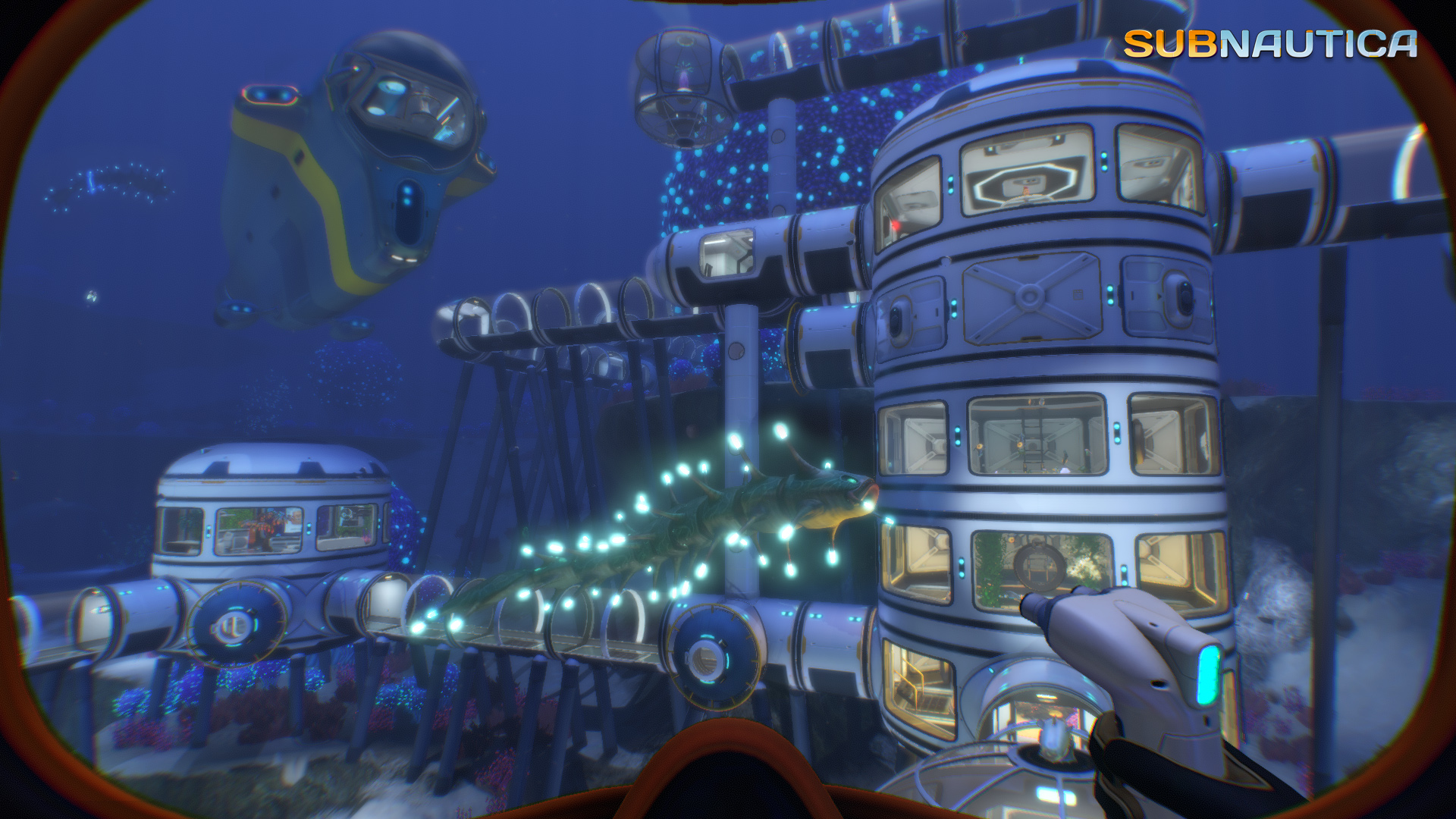
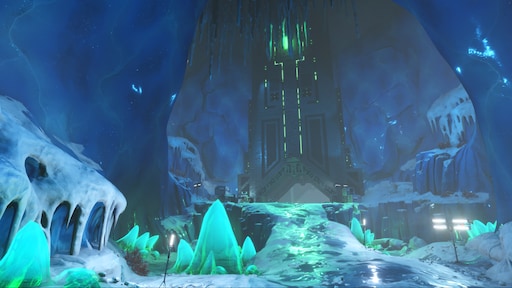
Subnautica starts with survival basics, then slowly transforms into a brilliant underwater exploration game full of tension, discovery, and quiet awe. The ocean is beautiful right up until it becomes terrifying, and that mix of wonder and dread is what makes the whole thing work.
What it does especially well is pacing the unknown. New tools, vehicles, and blueprints steadily pull you into deeper waters, and each step down feels like a meaningful leap into risk. Base building helps, but the world itself is always the star.
It fits the theme because its progression is rooted in exploration and self-sufficiency rather than monetized convenience. You build better gear because you found the materials and learned the map. The game respects the survival fantasy instead of trying to sell you out of it.
Why You Might Like It
- Exploration constantly balances beauty with danger
- Survival mechanics create tension without becoming tedious
- Base building supports the adventure instead of replacing it
- Progression feels earned through discovery and preparation
Subnautica
Release Date: October 31, 2017
Genres: Survival
Subnautica: Below Zero
Release Date: January 30, 2019
Genres: Survival
Terraria
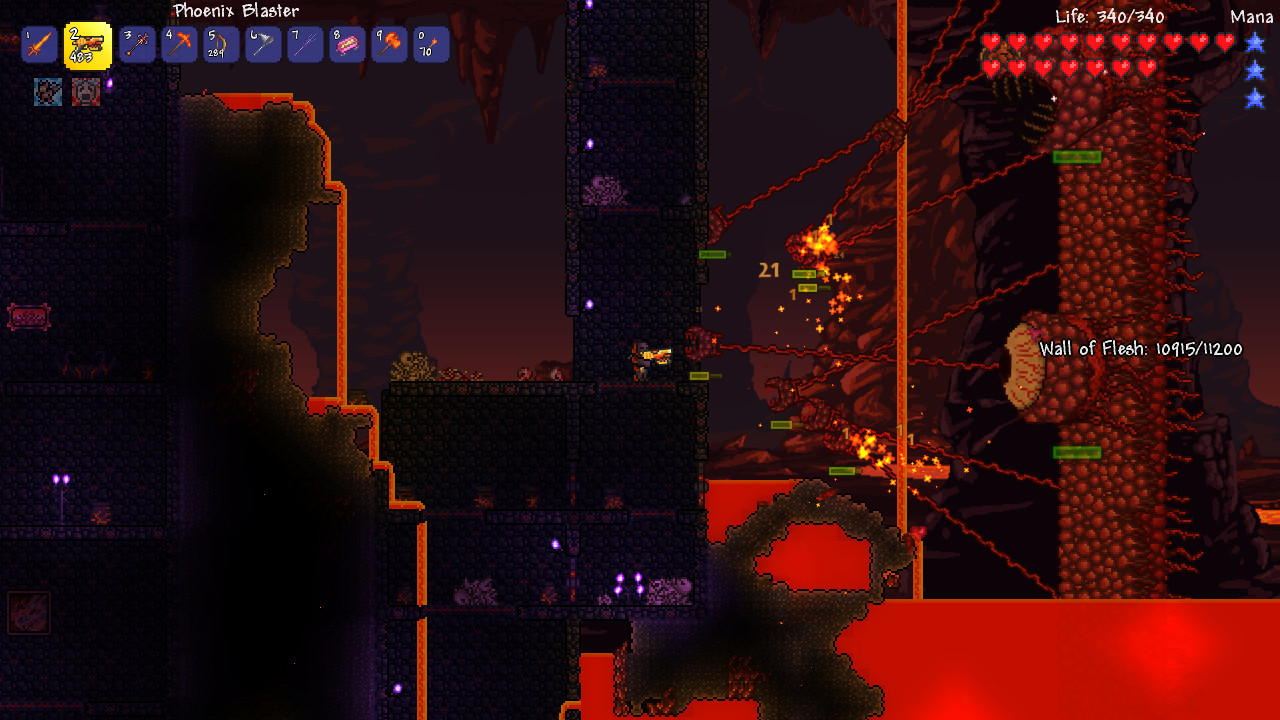
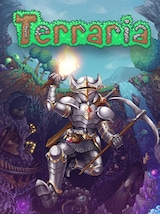
Terraria looks simple from the outside, but it is one of the deepest sandbox action games around. You start by chopping wood and hiding from nighttime monsters, then slowly build your way toward elaborate bases, movement upgrades, class builds, biome hunting, and some genuinely great boss fights.
Its biggest strength is how much freedom it gives the player without losing a sense of progression. You can focus on exploration, combat, fishing, construction, or resource gathering, and the game somehow keeps all of those paths feeding into one another.
It belongs on this list because it provides absurd value through content and replayability, not through constant upsells. The long-term hook comes from the sandbox depth and boss progression. Once you are in, you stay because the game keeps opening up.
Why You Might Like It
- Sandbox freedom and structured progression blend really well
- Bosses and gear tiers give the game strong forward momentum
- Building and exploration offer near-endless replay value
- It delivers longevity through content, not microtransaction systems
Terraria
Release Date: May 16, 2011
Genres: Adventure, Platform, Role-playing (RPG), Simulator, Strategy, Indie
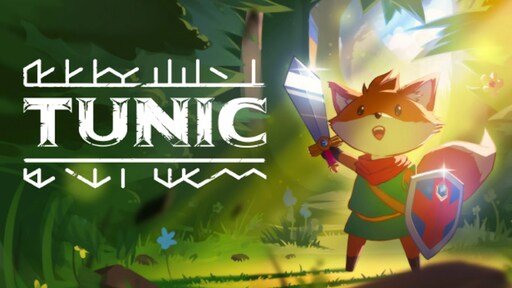
TUNIC
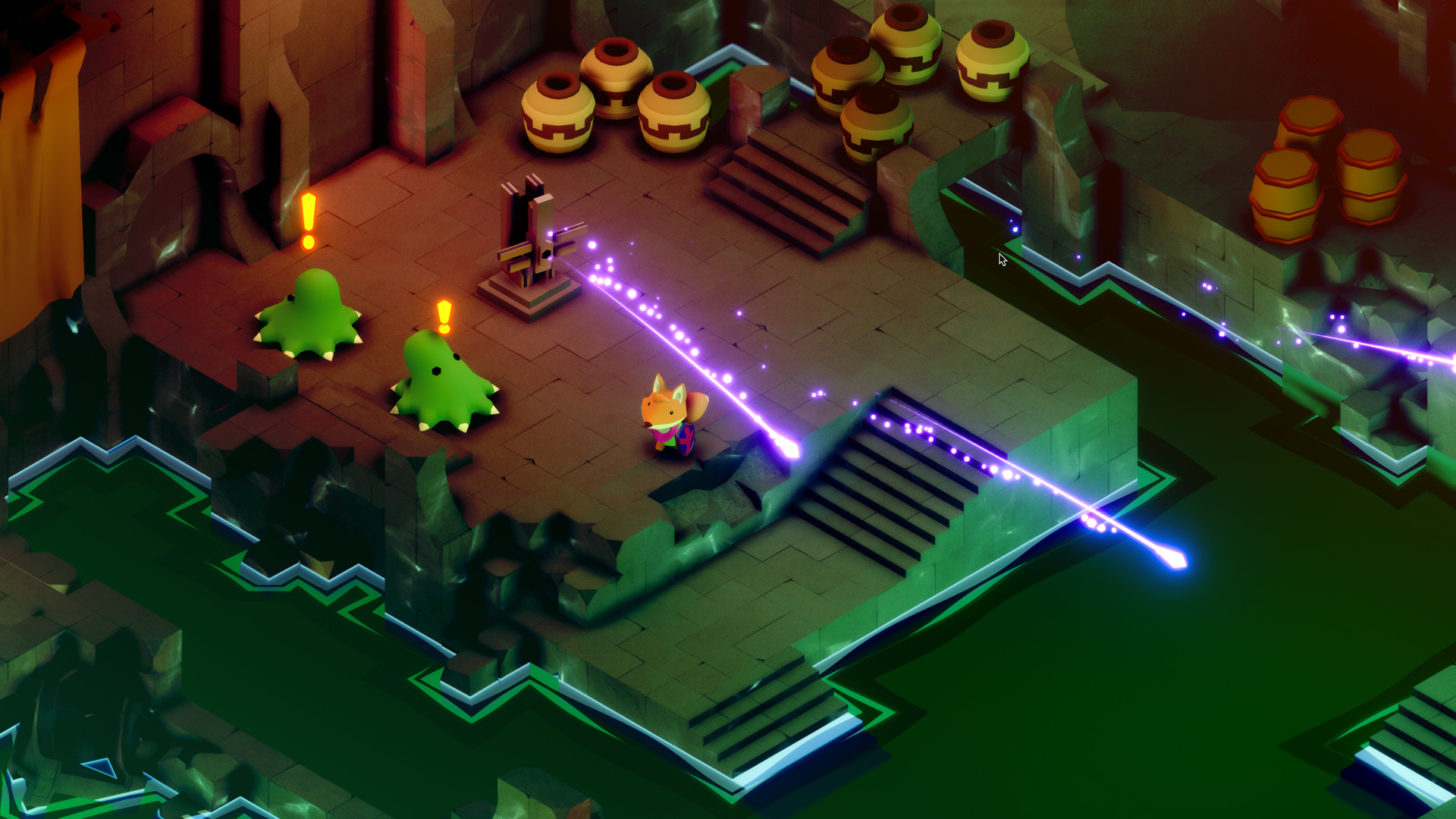
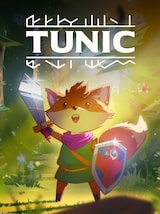
TUNIC looks cute at first glance, but it is much sharper and stranger than that surface suggests. It blends Zelda-like exploration, deliberate combat, environmental puzzles, and a really clever manual-based discovery system that makes learning the game feel like solving a secret language.
The special thing about TUNIC is how often it trusts observation over explanation. It lets you notice patterns, decode clues, and piece together mechanics in ways that feel rewarding because the game never over-explains the magic away.
It fits this list because it is built around mystery and respect for the player. Instead of cluttering the experience with monetized distractions, it leans into curiosity, atmosphere, and smart world design. The reward for playing is understanding more, not buying more.
Why You Might Like It
- Exploration feels old-school in the best possible way
- Puzzles reward observation and curiosity
- Combat has just enough bite to keep you honest
- The whole experience feels handcrafted and self-contained
Tunic
Release Date: March 16, 2022
Genres: Adventure, Puzzle, Souls-like, Metroidvania
SIGNALIS
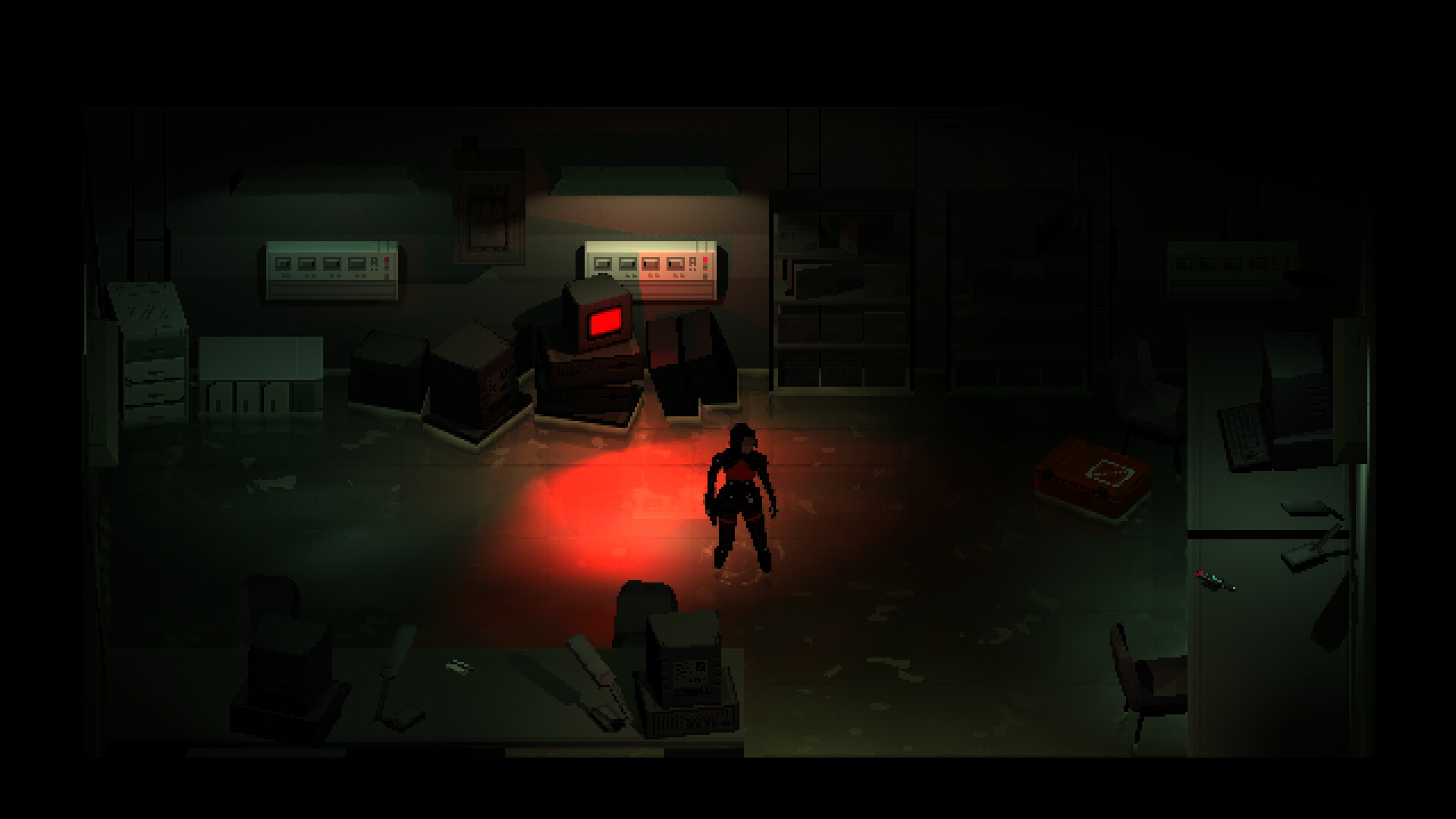
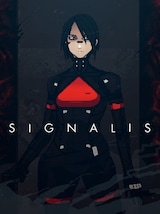
SIGNALIS is a survival horror game with classic DNA and a strong sci-fi identity. It combines limited resources, oppressive atmosphere, inventory pressure, and psychological unease with a cold, dreamlike world that feels both familiar and deeply unsettling.
What it does especially well is restraint. It does not flood you with noise or spectacle. Instead, it builds dread through sound design, sparse storytelling, visual texture, and the constant sense that you are only partially understanding what is happening.
It belongs here because it never breaks the mood with modern monetization clutter. The tension depends on scarcity, uncertainty, and commitment to the setting. A cash-shop mindset would ruin that instantly, and SIGNALIS is all the better for staying focused.
Why You Might Like It
- Classic survival horror structure feels tight and deliberate
- The atmosphere is dense, strange, and memorable
- Puzzles and resource management keep the tension high
- Its identity stays intact because it is not built around monetization

SIGNALIS
Release Date: October 27, 2022
Genres: Survival Horror
NieR:Automata
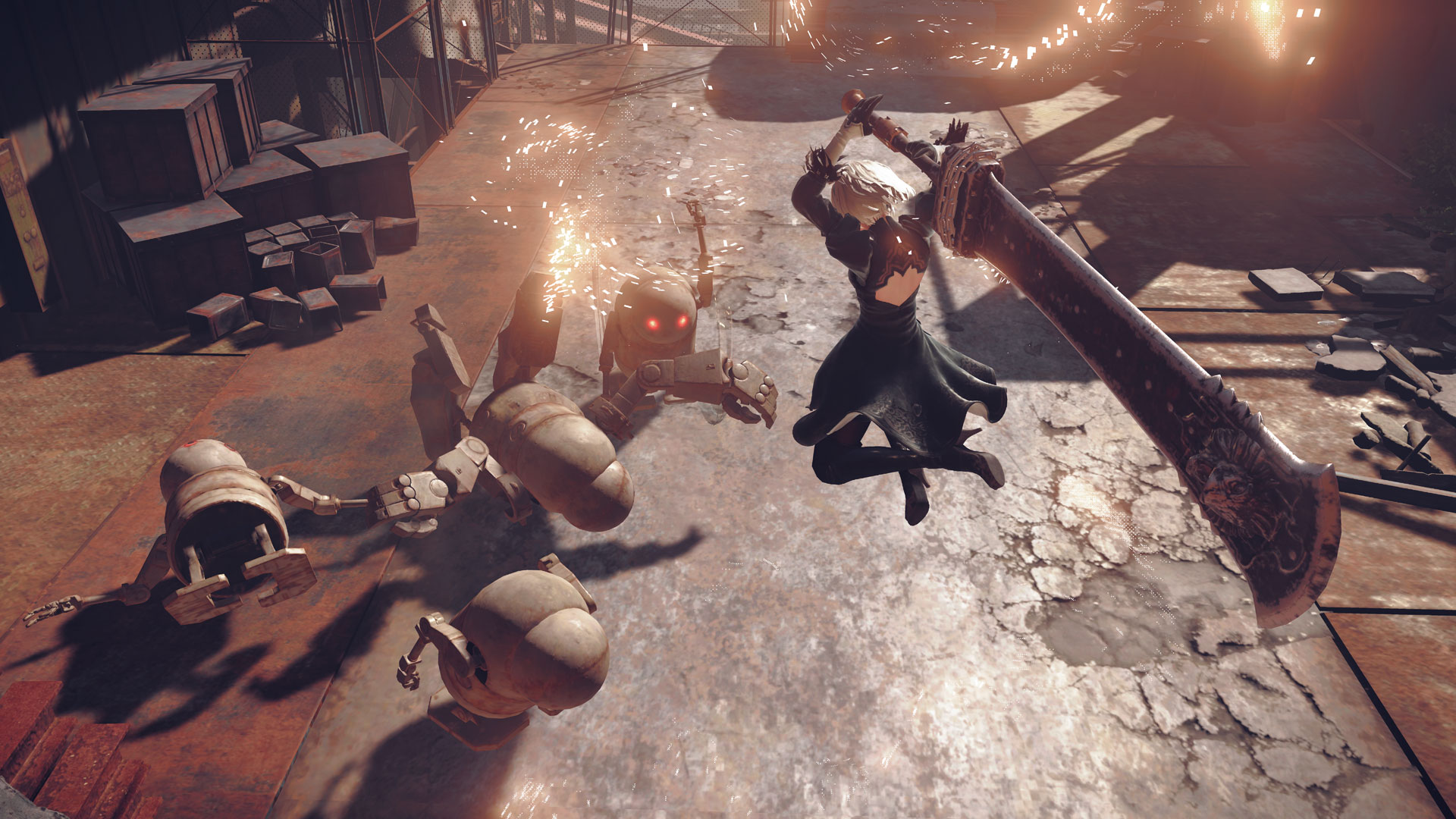
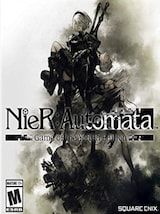
NieR:Automata mixes stylish action combat with shifting perspectives, melancholy sci-fi storytelling, and a structure that changes meaningfully across multiple playthroughs. It starts as a slick action RPG, then gradually reveals itself to be much stranger and more thoughtful.
The real appeal is that contrast. One minute you are doing fast action combat, the next you are in a bullet-hell sequence or a story beat that completely reframes what you thought the game was about. Few games blend style and existential weirdness this well.
It fits this list because the game is comfortable letting its ideas and combat do the selling. There is no need for in-game purchase pressure when the experience already has that much personality. It wants your attention on its world, not on a storefront.
Why You Might Like It
- Combat feels fluid, stylish, and varied
- The structure evolves in surprising ways across playthroughs
- The soundtrack and atmosphere carry major emotional weight
- Its replay value comes from story design, not monetized systems
NieR: Automata
Release Date: March 17, 2017
Genres: Role-playing (RPG), Hack and slash/Beat 'em up
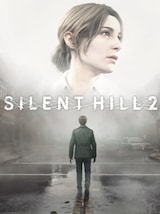
SILENT HILL 2
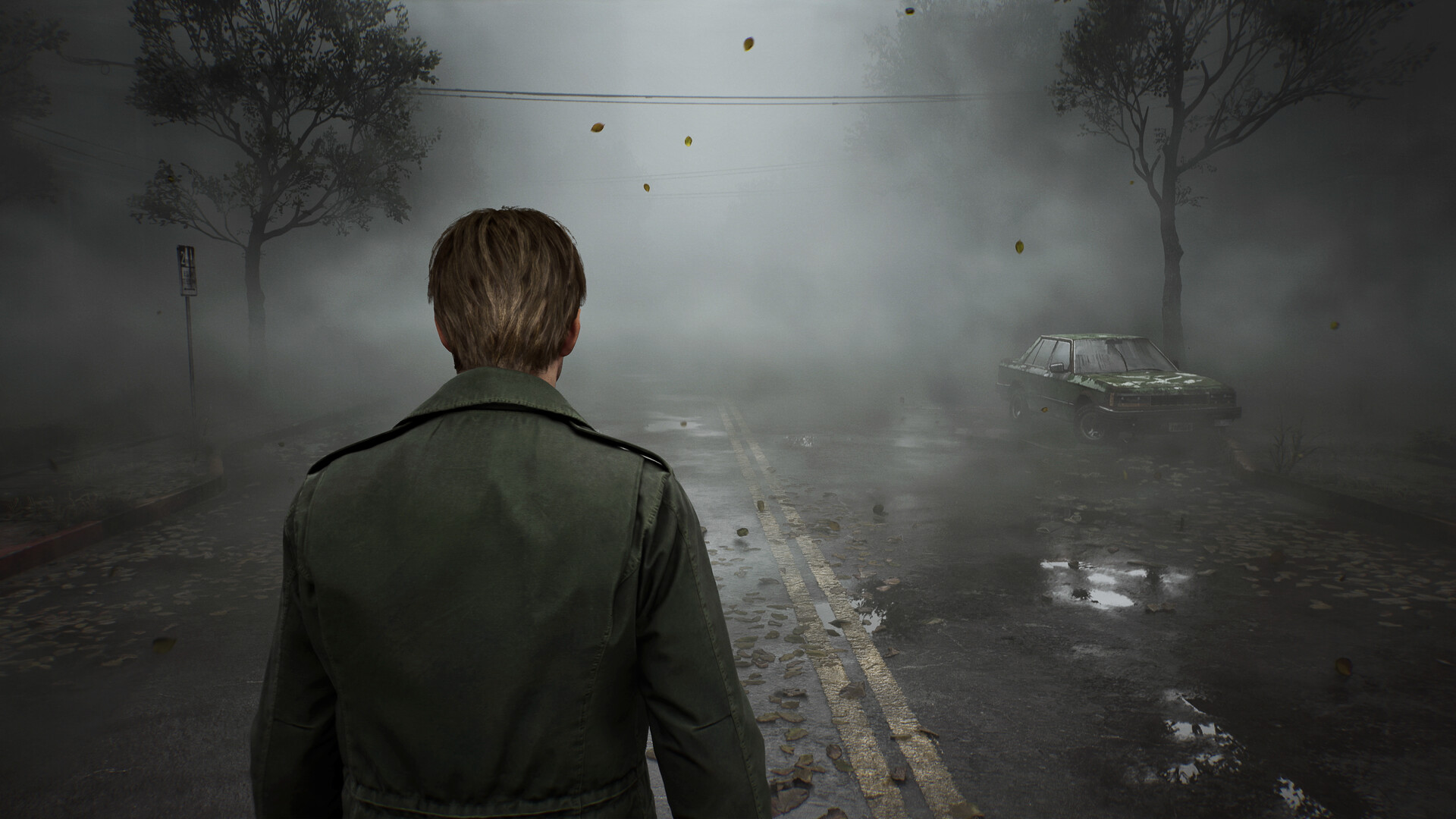
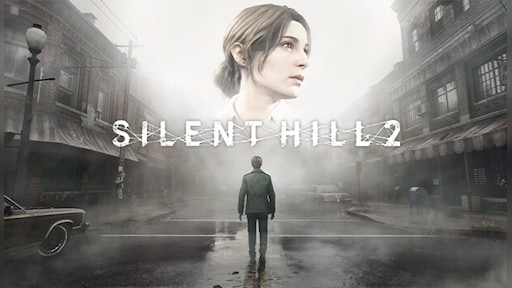
SILENT HILL 2 is a psychological survival horror remake that leans much harder into dread, atmosphere, and emotional unease than action spectacle. You are not blasting through enemies for the thrill of it. You are pushing deeper into a fog-covered town that feels hostile, grief-stricken, and deeply wrong at every step.
What it does especially well is tension through restraint. Combat feels intentionally uncomfortable, exploration is heavy with uncertainty, and the town itself does a lot of the storytelling. That slower, more oppressive rhythm makes every hallway, puzzle, and encounter feel more personal and more disturbing.
It fits this list better than Resident Evil 4 remake because it feels like a cleaner premium package for players who want horror without extra monetization baggage hanging over the experience. The appeal is the atmosphere, the symbolism, the puzzles, and the psychological pressure – not optional paid gameplay shortcuts.
Why You Might Like It
- Strong psychological horror atmosphere instead of action-first pacing
- Exploration and puzzles carry as much weight as combat
- The remake modernizes the original while keeping its oppressive tone
- It is a cleaner fit for a premium, non-microtransaction list
Silent Hill 2
Release Date: October 8, 2024
Genres: Puzzle, Adventure
Which games should you start with first?
Final thoughts
The best games without microtransactions tend to feel more cohesive because every system exists to strengthen the experience instead of steering you toward a purchase. Whether that means harder combat, deeper exploration, richer co-op, or stronger storytelling, the design usually feels cleaner and more confident.
That is exactly what these 20 games do. Some are huge adventures, some are tightly focused, and some are built to be replayed forever, but all of them prove that great retention can come from craftsmanship, not cash-shop design.
Author Recommendations
The list is quite extensive, so choosing the right title might be a bit difficult.
That is why I honestly recommend checking out Cyberpunk 2077 first. It is the most complete all-round package here if you want story, atmosphere, build variety, and huge long-term value in one game.
On the other hand, if you want something faster, more replayable, and easier to jump into in shorter sessions, then Hades II will be the best choice.