
One more run games clicked because they turn failure, experimentation, and progression into momentum.
The best examples never feel like a grind. They make every attempt meaningful, whether that means testing a fresh build, chasing a cleaner strategy, unlocking a new character, or simply believing your next run will be the one where everything finally clicks.
TL;DR – Best One More Run Games
Table of Contents
- Hades
- Balatro
- Slay the Spire
- Dead Cells
- Risk of Rain 2
- Monster Train
- Rogue Legacy 2
- Vampire Survivors
- The Binding of Isaac: Rebirth
- Spelunky 2
- FTL: Faster Than Light
- Into the Breach
- Noita
- Returnal
- RimWorld
- Factorio
- Sid Meier’s Civilization VI
- Against the Storm
- Deep Rock Galactic
- Darkest Dungeon
- Which games come closest to endless replayability?



The phrase “one more run” means different things depending on the game. Sometimes it is a 20-minute roguelite attempt where one lucky item drop changes everything. Sometimes it is a colony sim or strategy game where you suddenly realize you want to restart because now you finally understand the system well enough to do it properly.
That is what connects every title on this list. They all create a loop where failure teaches you something, success unlocks something, or experimentation reveals a better way to play. The result is the same every time – you finish a session, pause for a second, and then queue up another run anyway.
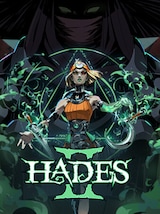
Hades
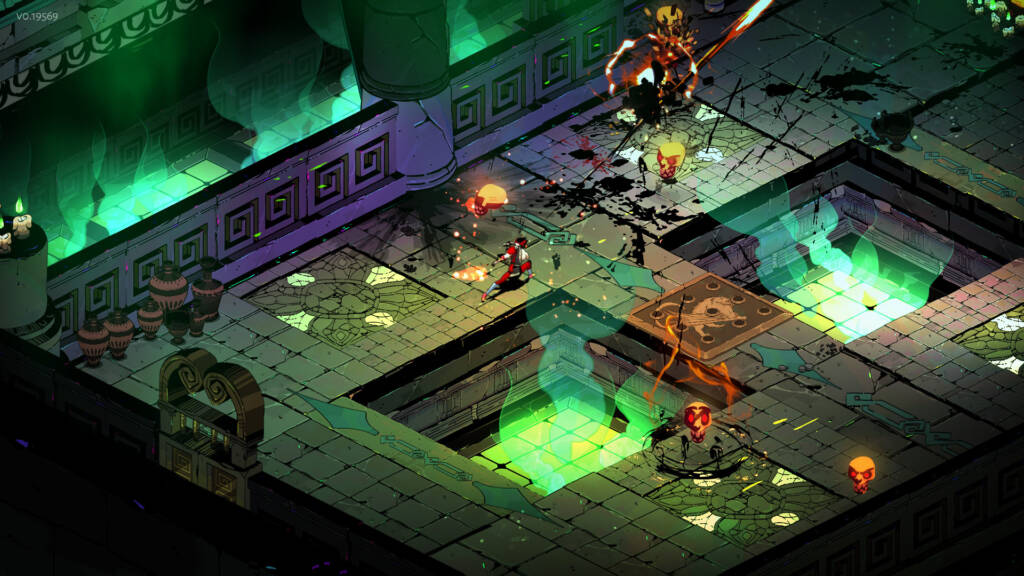
Supergiant’s breakout roguelite throws you into repeated escape attempts from the Underworld as Zagreus, with every weapon, boon, and godly blessing reshaping how a run feels. It is easy to pick up, instantly readable, and polished enough that even failed attempts feel good in the moment.
What Hades does especially well is momentum. Combat is fast, rooms move quickly, and the reward structure constantly feeds you fresh choices instead of slowing you down with too much downtime. At the same time, the game layers narrative progression, character relationships, weapon aspects, and upgrade paths over the top, so a failed run still moves something forward.
That is why it remains one of the best examples of endless replayability. You are never just retrying the same thing. You are testing a new spear build, fishing for duo boons, pushing Heat modifiers, or chasing a cleaner boss clear with a weapon you normally ignore.
Why You Might Like It
- Runs are fast enough to fit into short sessions without feeling shallow
- Boon combinations make builds feel different from one attempt to the next
- The story keeps progressing even when you die often
- It balances accessibility and depth better than almost any other roguelite
Hades
Release Date: September 17, 2020
Genres: Adventure, Role-playing (RPG), Hack and slash/Beat 'em up, Indie
Hades II
Release Date: May 1, 2024
Genres: Role-playing (RPG), Adventure, Indie, Hack and slash/Beat 'em up
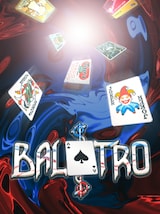
Balatro
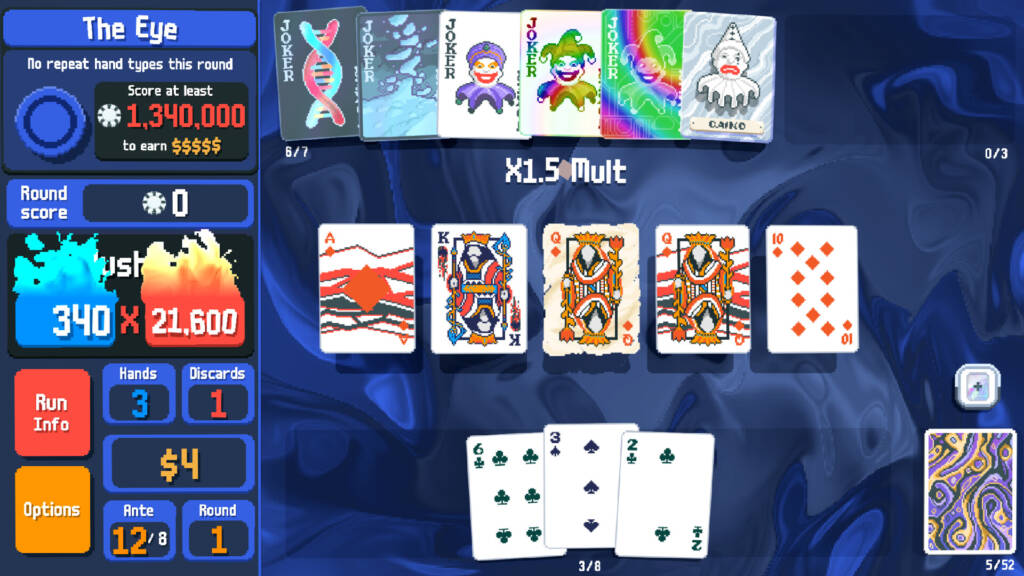
Balatro takes poker hands, throws in a pile of rule-breaking Jokers, and turns simple card math into one of the most dangerously addictive loops in modern gaming. It looks straightforward at first, but once the synergies start stacking, it becomes a game about breaking your own expectations.
The brilliance is in how quickly a run can pivot. A mediocre start can explode because one Joker suddenly turns flushes into monsters, or because a single multiplier card makes a previously average deck worth rebuilding around. Every shop visit feels meaningful, and every small decision can snowball into a ridiculous scoring engine.
It fits this list perfectly because it creates constant near-misses and what-if scenarios. You lose, but immediately start thinking about how that previous run could have worked if you had taken one different voucher, one different planet card, or one stronger scaling Joker.
Why You Might Like It
- It turns simple rules into surprisingly deep buildcraft
- Runs are short, readable, and loaded with comeback potential
- The score-chasing loop is incredibly clean and satisfying
- Every defeat usually suggests a better idea for the next attempt
Balatro
Release Date: February 20, 2024
Genres: Simulator, Strategy, Indie, Card & Board Game
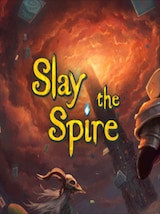
Slay the Spire
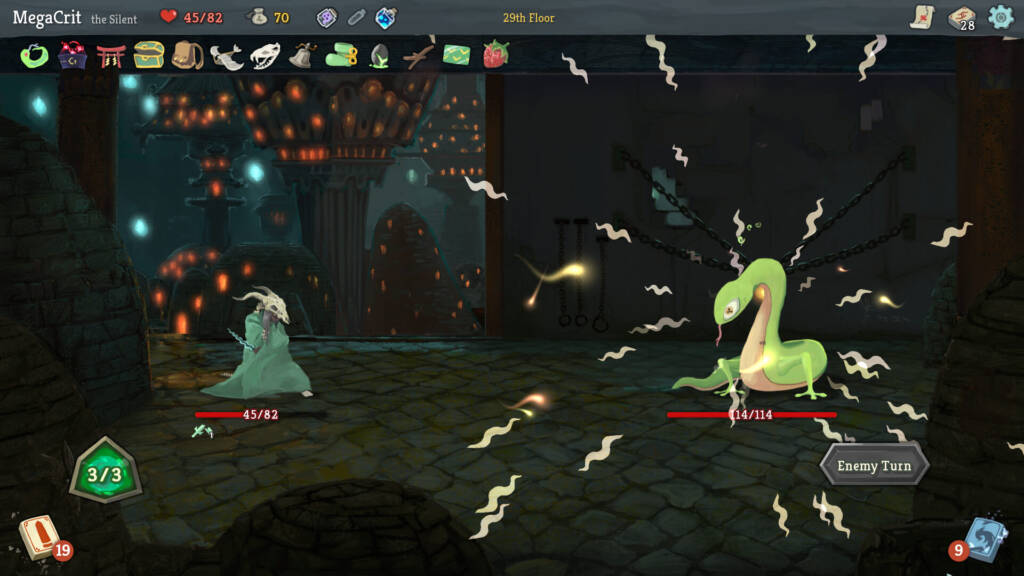
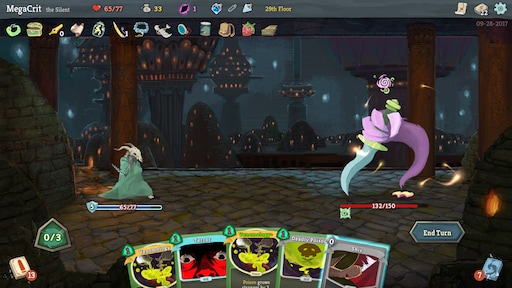
Slay the Spire is still the benchmark for deckbuilding roguelites. You climb a tower, fight through branching encounters, collect relics, and slowly build a deck that can either become beautifully efficient or collapse under its own bad decisions.
What makes it so replayable is how many layers of strategy operate at once. You are not only picking strong cards. You are planning future elites, managing health as a resource, deciding when to remove weak starters, and asking whether a flashy combo is actually better than consistency. The best runs feel earned because they are built card by card.
It nails the one more run feeling by making every failure educational. You can clearly see why your deck stalled, why you got greedy, or why you needed better scaling. That clarity turns frustration into immediate motivation, which is exactly what the most replayable games do.
Why You Might Like It
- Every class changes the rhythm and logic of a run
- Relics and cards create huge build variety without needless randomness
- The map makes route planning as important as combat
- Losses usually feel like lessons instead of wasted time
Slay the Spire
Release Date: January 23, 2019
Genres: Role-playing (RPG), Strategy, Turn-based strategy (TBS), Adventure, Indie, Card & Board Game
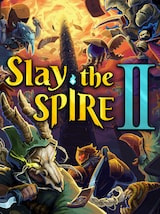
Slay the Spire 2
Release Date: March 5, 2026
Genres: Role-playing (RPG), Strategy, Turn-based strategy (TBS), Adventure, Indie, Card & Board Game
Dead Cells
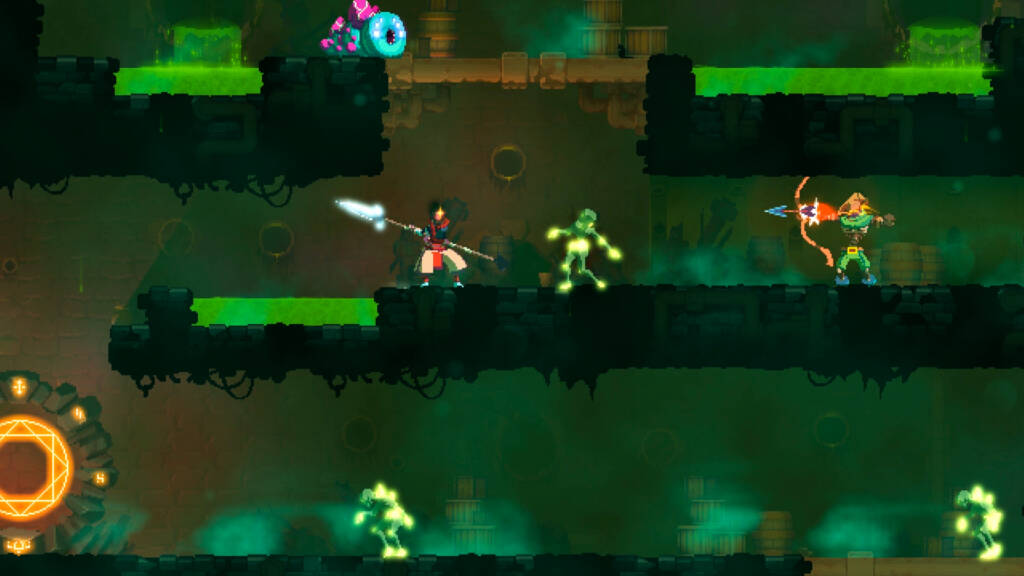
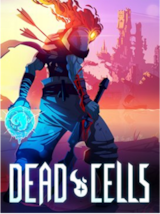
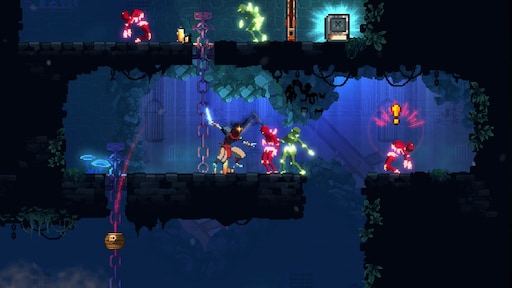
Dead Cells blends roguelite resets with the movement and combat feel of a top-tier action platformer. It is quick, aggressive, and built around the joy of dashing through biomes while improvising with whatever weapons and mutations your run offers.
The game shines because almost everything feels good in your hands. Even before you master it, the movement has flow, the hits have weight, and the weapons cover a wide range of playstyles, from brutal melee setups to trap-heavy or ranged builds. Biome routes also give each run some structure without locking you into the exact same sequence.
Its endless replayability comes from how naturally improvement happens. You get better at reading enemy patterns, better at pathing, better at deciding which scrolls and gear fit your current loadout. That means the next run always feels like a real opportunity, not just a reroll.
Why You Might Like It
- Movement is snappy enough to make repeat runs feel effortless
- Weapon variety keeps combat fresh for a long time
- Branching biomes add route decisions without slowing the pace
- It rewards both mechanical skill and build knowledge
Dead Cells
Release Date: May 10, 2017
Genres: Platform, Adventure, Indie
Risk of Rain 2
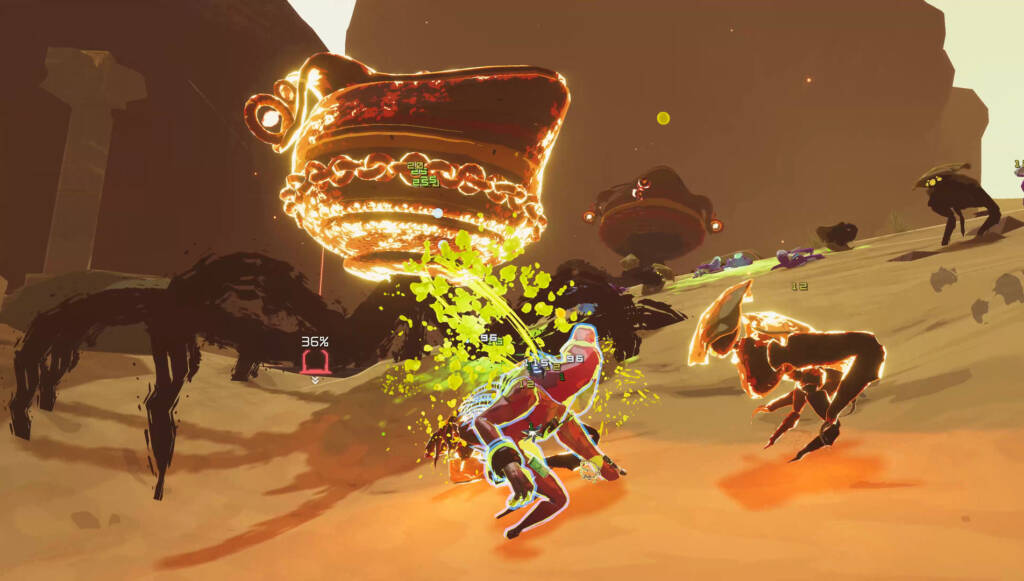
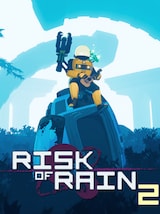
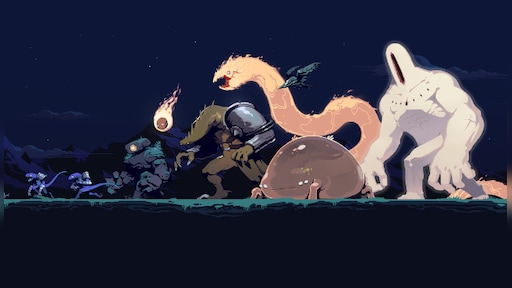
Risk of Rain 2 takes the roguelite formula into 3D and then lets it spiral into chaos. You land on hostile planets, scramble for loot, race against scaling difficulty, and slowly transform from a vulnerable survivor into something absurdly powerful.
The strongest hook here is accumulation. Every item stacks, and the stacking matters. A run can start out careful and awkward, then become a fireworks show of chain lightning, missiles, crits, drones, and on-kill effects covering the entire map. Different survivors also give the game radically different combat rhythms, especially in co-op.
It earns its place on this list because every run feels like a gamble on escalation. You are not just asking whether you can survive. You are asking what your build might become if you push one more stage, open one more chest, or squeeze out one more boss kill before the clock gets ugly.
Why You Might Like It
- Item stacking creates some of the most explosive builds in the genre
- Co-op makes the chaos even more entertaining
- Each survivor changes how you approach mobility and damage
- The risk-reward tension stays strong throughout a run

Risk of Rain 2
Release Date: August 11, 2020
Genres: Third-Person Shooter, Roguelike
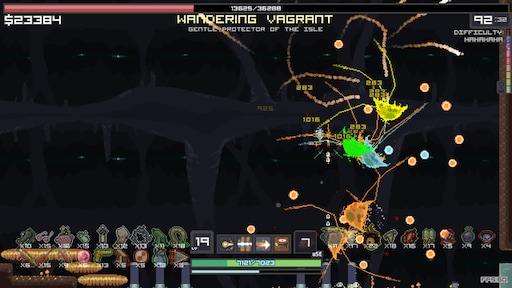
Risk of Rain
Release Date: November 8, 2013
Genres: Shooter, Platform, Role-playing (RPG), Hack and slash/Beat 'em up, Adventure, Indie
Risk of Rain Returns
Release Date: November 8, 2023
Genres: Shooter, Hack and slash/Beat 'em up, Indie
Monster Train
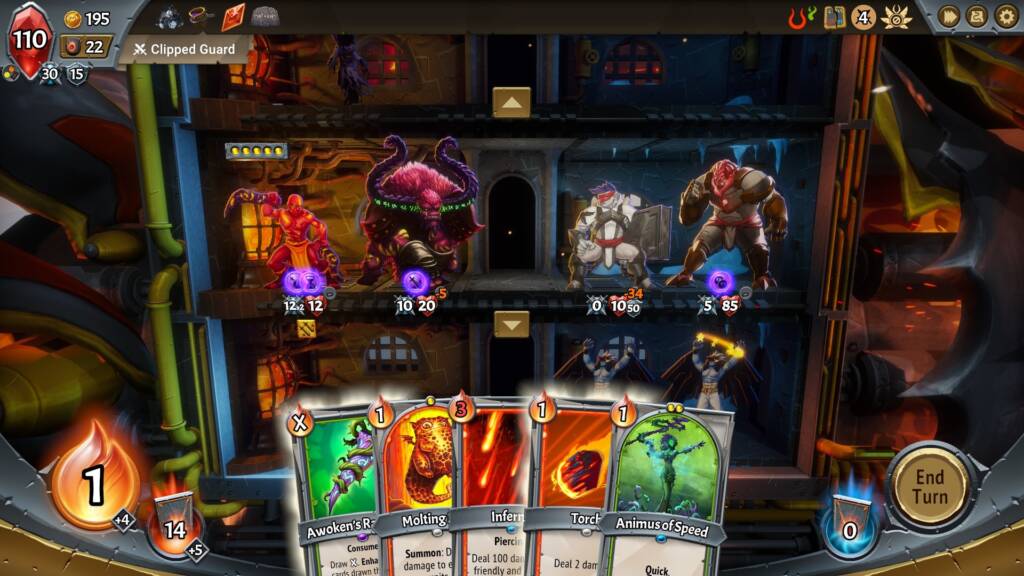
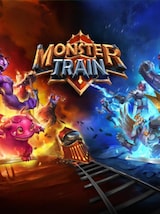
Monster Train is a deckbuilder with a smart twist – you defend multiple floors of a moving infernal train while enemies climb toward your vulnerable pyre. That layered structure instantly gives it a different tempo from other card roguelites.
Where it really stands out is in build identity. Combining clans creates powerful synergies, unit placement matters, and the upgrade system lets you heavily specialize your run instead of drifting through generic goodstuff picks. You often know what your deck is trying to do, but getting it online before the difficulty spikes becomes the fun challenge.
That makes it perfect one more run material. When a strategy almost works, it is hard not to queue another attempt to refine it. You start thinking in terms of cleaner openings, stronger champion lines, and better support units instead of just hoping for luck.
Why You Might Like It
- Multi-floor battles make every encounter more tactical
- Clan combinations create strong replay value from the start
- Upgrades let you commit hard to a build idea
- It is great for players who like planning more than twitch reactions
Monster Train
Release Date: May 21, 2020
Genres: Role-playing (RPG), Strategy, Turn-based strategy (TBS), Indie, Card & Board Game
Monster Train 2
Release Date: May 21, 2025
Genres: Role-playing (RPG), Strategy, Turn-based strategy (TBS), Indie, Card & Board Game
Rogue Legacy 2
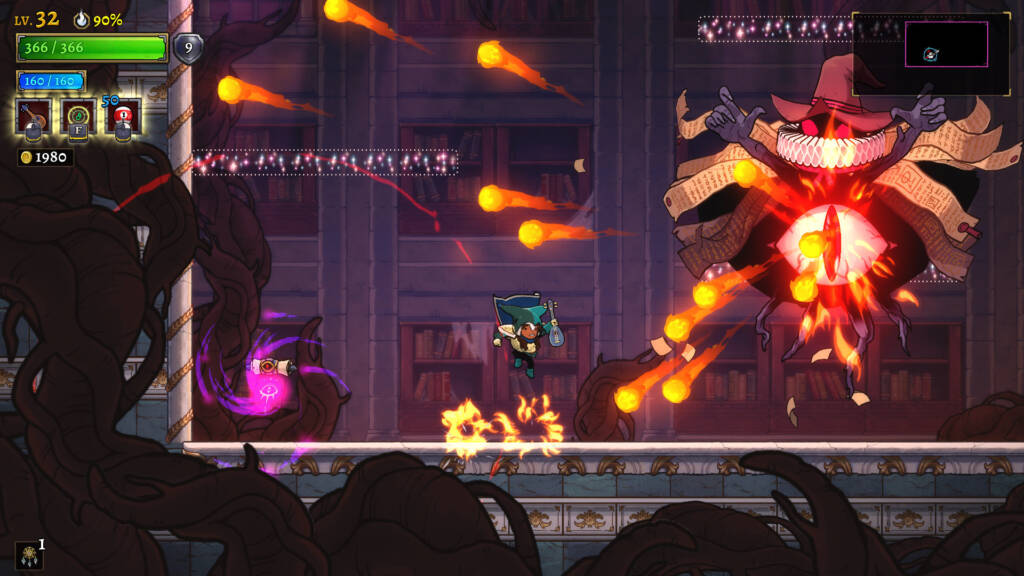
Rogue Legacy 2 expands the original game’s family-tree idea into a much richer action roguelite. Every death sends in a new heir with a different class and sometimes hilarious traits, which means the next attempt always comes with a built-in twist.
The game does a great job of making progression feel tangible without removing the thrill of fresh runs. Permanent upgrades steadily make the overall experience broader and more flexible, but success still depends on adapting to your current character, your current weapon set, and the hazards waiting deeper in the castle.
It fits the endless replayability theme because each death is immediately reframed as a setup for the next experiment. A bizarre trait, a new class, or a stronger piece of gear can be enough to spark another run on the spot.
Why You Might Like It
- The heir system makes repeated runs feel playful instead of repetitive
- Class variety changes movement, attacks, and priorities
- Meta progression is steady without trivializing the challenge
- It mixes platforming, combat, and build adaptation very well
Rogue Legacy 2
Release Date: August 18, 2020
Genres: Platform, Role-playing (RPG), Adventure, Indie

Rogue Legacy
Release Date: June 27, 2013
Genres: Platform, Puzzle, Role-playing (RPG), Adventure, Indie
Vampire Survivors
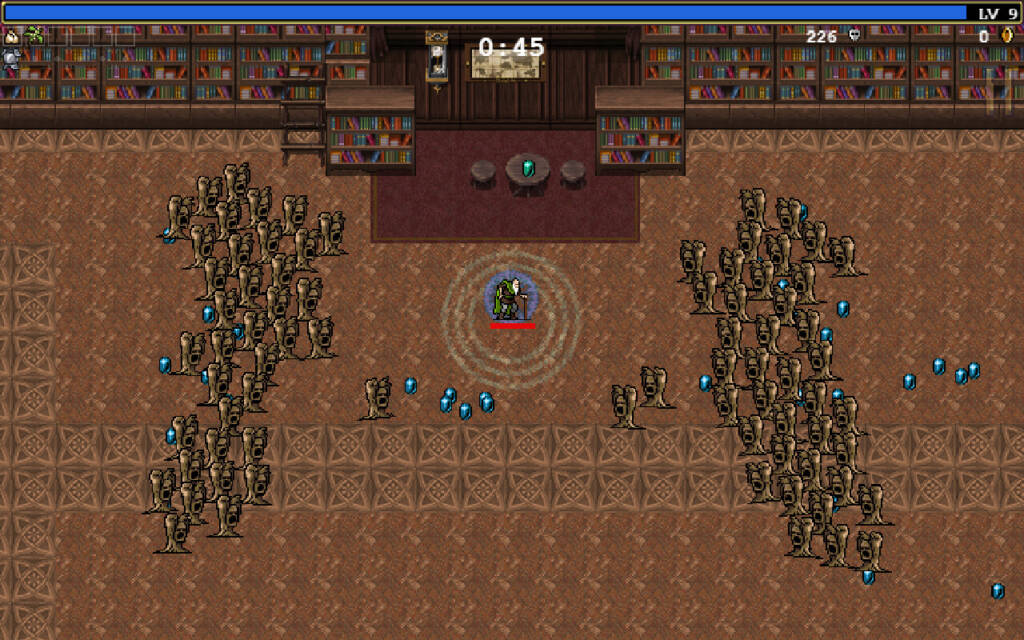
Vampire Survivors looks almost too simple at first. You move, enemies flood the screen, weapons fire automatically, and your job is to survive long enough for the run to evolve into total visual chaos. Then an hour disappears and you suddenly understand why the formula works.
The secret is pacing. Early choices are small but meaningful, mid-run evolutions feel powerful, and the unlock structure constantly introduces new characters, weapons, stages, relics, and modifiers. It keeps feeding you new toys at exactly the right speed, which makes the game almost impossible to quit cleanly.
This is one of the purest one more run games because the setup cost is so low and the payoff is so immediate. Even a bad run teaches you a better weapon pairing or a smarter level path, which is all it takes to convince you to jump back in.
Why You Might Like It
- Runs are easy to start and instantly readable
- Unlocks arrive constantly and keep the formula fresh
- Weapon evolutions create satisfying mid-run power spikes
- It is one of the best low-friction replay loops in gaming
Vampire Survivors
Release Date: December 17, 2021
Genres: Role-playing (RPG), Adventure, Indie, Arcade
The Binding of Isaac: Rebirth
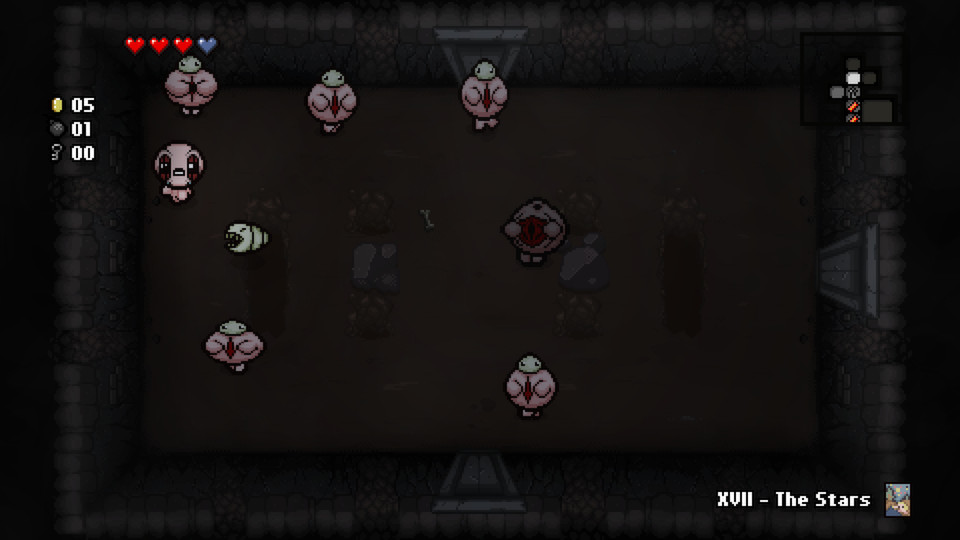
The Binding of Isaac: Rebirth remains one of the defining run-based games because it thrives on unpredictability. Randomized rooms, bizarre item combinations, hidden paths, and dozens of unlockable layers ensure that even veteran players still get surprised.
What it does especially well is turn volatility into identity. One run might be miserable because your damage refuses to scale. The next might hand you a wildly broken combination that melts everything on screen. The tension between those extremes is what keeps the game exciting after so many years.
It belongs here because few games produce stronger what-if energy. You die, but instead of feeling done, you start imagining the next seed, the next character, or the next item combo that might completely flip your luck.
Why You Might Like It
- Item interactions make runs feel unpredictable and memorable
- There is an enormous amount of unlockable content to chase
- The game rewards system knowledge over simple reflexes
- Each attempt has real potential to become wonderfully broken
The Binding of Isaac: Rebirth
Release Date: November 4, 2014
Genres: Shooter, Puzzle, Role-playing (RPG), Adventure, Indie, Arcade
Spelunky 2
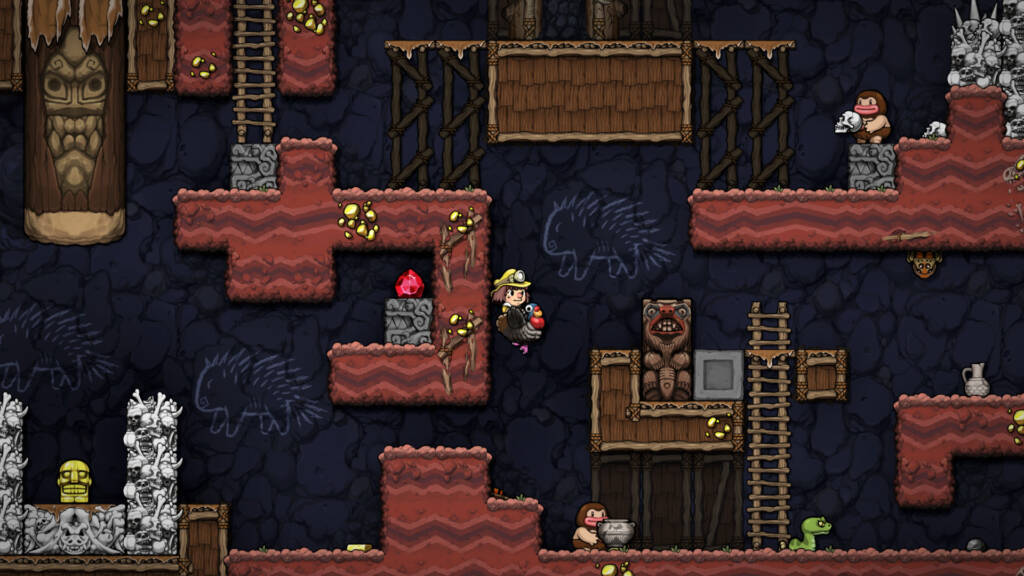
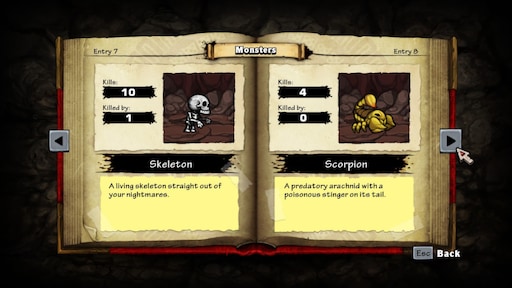
Spelunky 2 is a masterclass in emergent runs. It is a platformer, a roguelike, and a slapstick disaster simulator all at once, with traps, enemies, physics, and greed constantly colliding in ways that create stories you want to retell.
Its genius lies in how fair and cruel it feels at the same time. Death can come quickly, but it almost always comes from a system you understand. That means every mistake teaches you something about spacing, patience, routing, resource use, or just how not to get flattened by your own bad decision.
That loop is catnip for the right player. Spelunky 2 makes you want another run not because it hands out power, but because it convinces you mastery is possible if you just play slightly smarter next time.
Why You Might Like It
- Runs create memorable stories through physics and unpredictability
- The challenge feels skill-based in a very satisfying way
- Secrets and alternate routes reward curiosity
- It is one of the best games for players who enjoy learning through failure
Spelunky 2
Release Date: September 29, 2020
Genres: Platform, Adventure, Indie
Spelunky
Release Date: August 8, 2013
Genres: Platform, Adventure, Indie
FTL: Faster Than Light
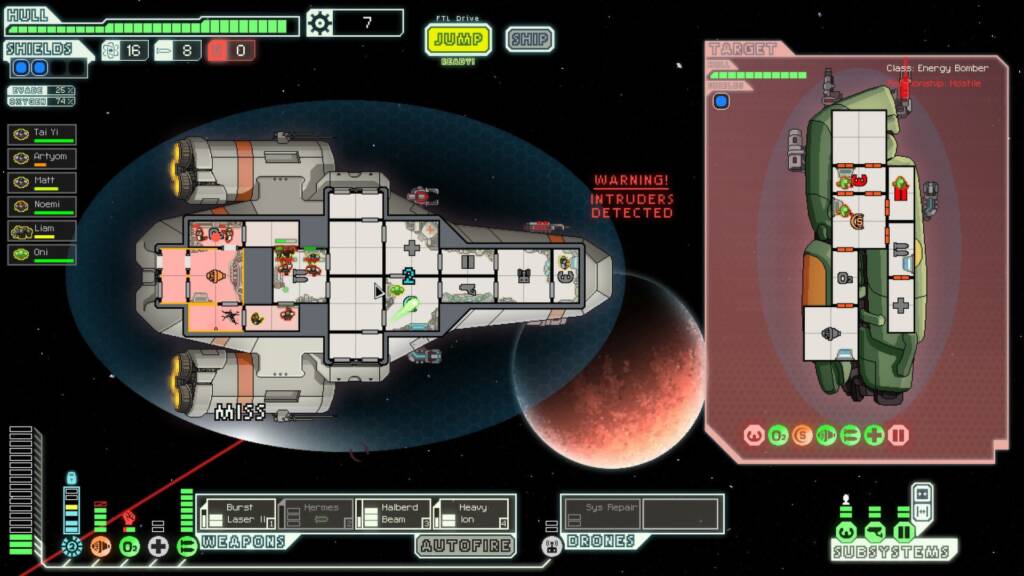
FTL compresses the drama of a desperate space campaign into brisk, decision-heavy runs. You manage a ship, crew, systems, and scarce resources while fleeing a pursuing rebel fleet, which gives every jump a sense of urgency.
What makes it so replayable is how many meaningful choices live inside a simple structure. You decide where to spend scrap, which events are worth the risk, how to handle boarding actions, and whether your current ship build can survive what is coming. Small early decisions often define the rest of the run.
It creates a perfect one more run loop because failure rarely feels random in isolation. Instead, it feels like the consequence of one greedy fight, one underdeveloped system, or one missed opportunity. That pushes you into another attempt almost immediately.
Why You Might Like It
- Ship management creates strong tension without overwhelming complexity
- Random events make every route feel a little different
- Unlockable ships dramatically change run planning
- It rewards calm decision-making under pressure
FTL - Faster Than Light
Release Date: September 14, 2012
Genres: Role-playing (RPG), Simulator, Strategy, Indie
Into the Breach
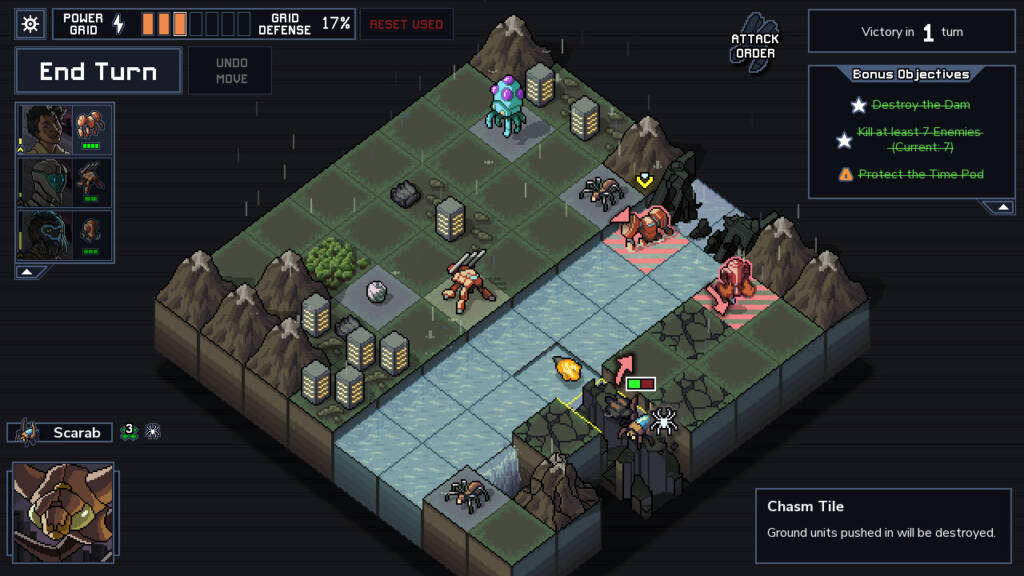
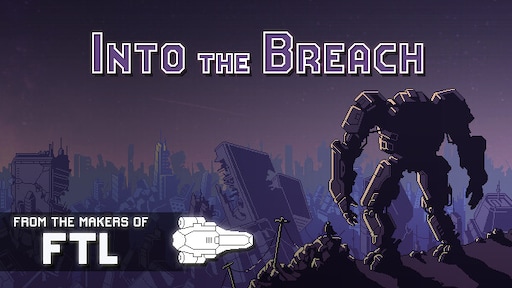
Into the Breach takes giant mech combat and distills it into compact, puzzle-like tactical battles. Instead of reacting to surprises, you see what the enemy plans to do and then solve the board by pushing, blocking, redirecting, or sacrificing at exactly the right moment.
The result is one of the smartest strategy loops around. Runs are short, each squad has a very different tactical identity, and every turn feels tight because you are juggling civilian defense, mech health, map positioning, and long-term survival all at once.
It earns that one more run quality through clarity and precision. When a run fails, you can almost always point to a critical choice. That makes restarting feel less like repeating content and more like taking another shot at solving the same challenge better.
Why You Might Like It
- Each battle feels like a clean tactical puzzle
- Squads radically change how you think about the board
- Runs are compact and easy to replay
- It is ideal for players who want deep strategy without long campaigns
Into the Breach
Release Date: February 27, 2018
Genres: Puzzle, Role-playing (RPG), Simulator, Strategy, Turn-based strategy (TBS), Indie
Noita
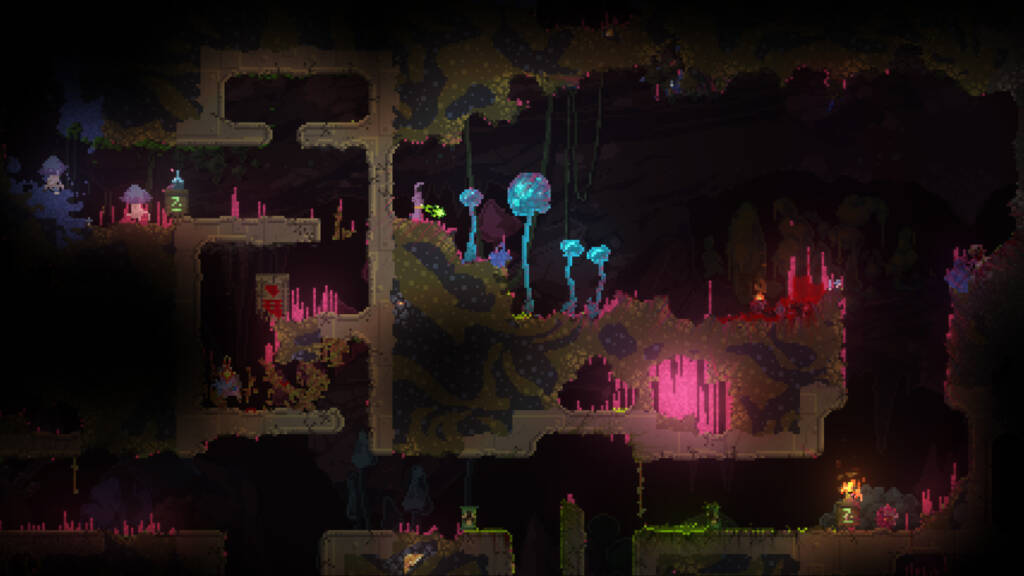
Noita is a roguelite built around simulation, experimentation, and hidden depth. On paper, it is a pixel action game where every pixel can burn, freeze, explode, or melt. In practice, it becomes a sandbox for dangerously creative spell design and spectacular self-destruction.
The wand-building system is the real star. Once you begin to understand how modifiers, triggers, payloads, and mana interact, the game opens up in wild ways. You stop thinking in terms of simple upgrades and start engineering weapons that either trivialize the run or kill you instantly when tested without enough caution.
That constant experimentation makes it hugely replayable. Noita always feels like it has another secret, another broken combination, or another run where your growing knowledge might finally let you push far deeper than before.
Why You Might Like It
- The spellcraft system supports absurd levels of creativity
- The simulated world makes experimentation genuinely fun
- Runs can shift from survival horror to chaotic power fantasy
- It rewards curiosity more than most games on this list
Noita
Release Date: October 15, 2020
Genres: Shooter, Role-playing (RPG), Simulator, Adventure, Indie, Arcade
Returnal
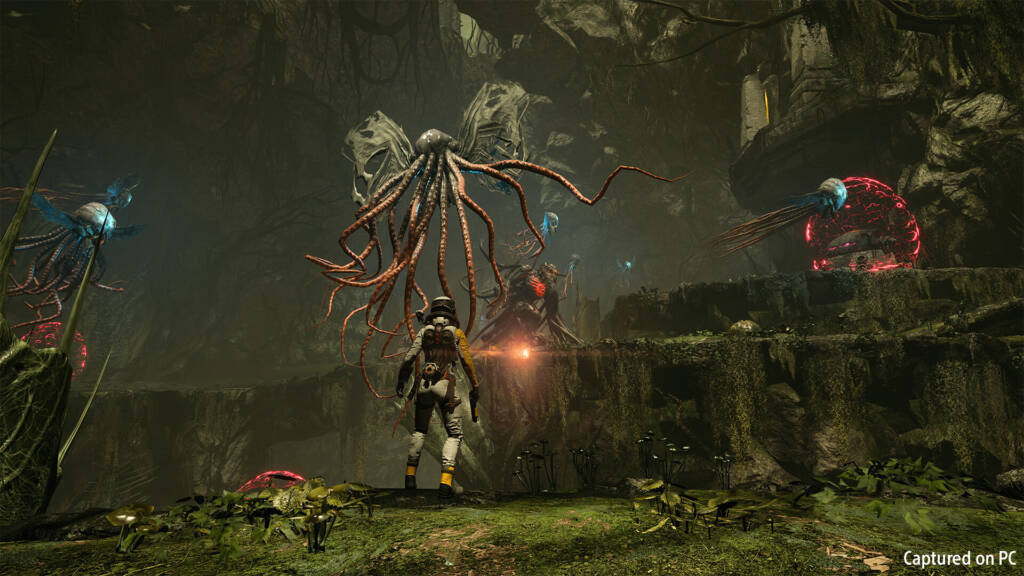
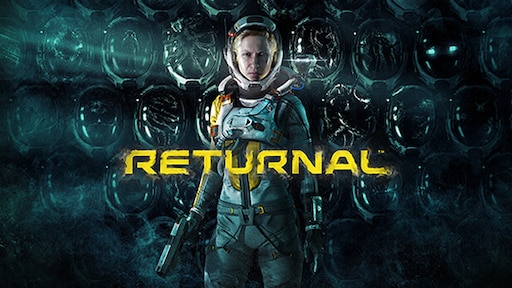
Returnal brings the one more run loop into a slick, high-budget sci-fi package. You explore an alien world, fight through intense bullet-hell encounters, and restart after death while gradually piecing together both the setting and your own progression path.
Its biggest strength is how well it fuses action mastery with roguelite rhythm. Combat feels immediate and athletic, with dodges, positioning, and weapon traits all pushing you to stay aggressive. At the same time, the game uses permanent unlocks and biome knowledge to make later attempts feel sharper and more deliberate.
That combination gives Returnal a strong replay hook even though it is more cinematic than many other run-based games. Every death hurts, but it also feels like practice for a cleaner, faster, more confident run the next time around.
Why You Might Like It
- Combat is fast, precise, and highly readable under pressure
- Weapon traits keep repeated runs from blending together
- The atmosphere adds tension without slowing the pace
- It is a great pick if you want roguelite structure in a premium action game
Returnal
Release Date: February 15, 2023
Genres: Shooter
RimWorld
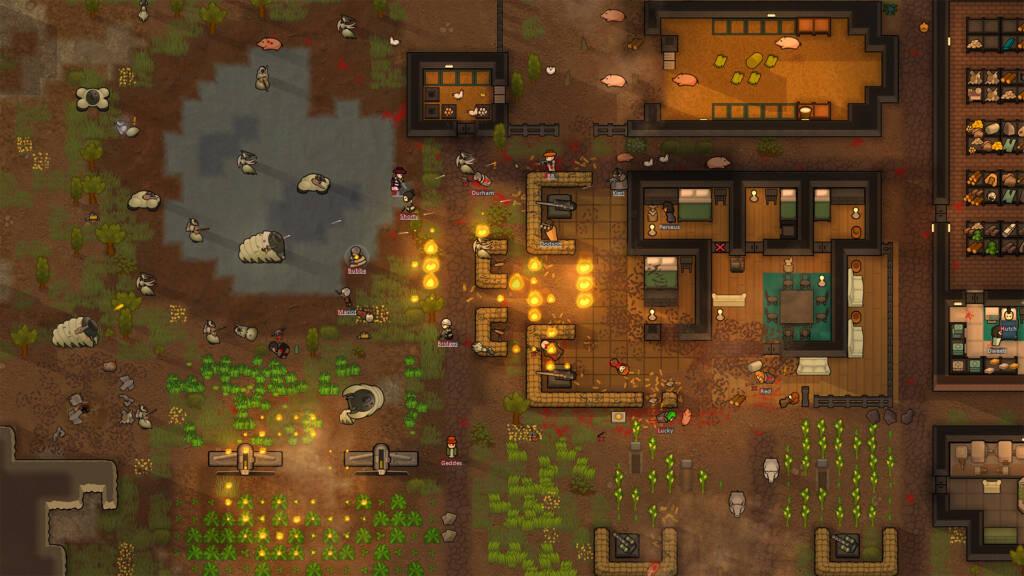
RimWorld is not a run-based action game, but it absolutely belongs in a conversation about endless replayability. Each colony starts with a different map, different colonists, different storyteller pressure, and a completely different set of disasters waiting to happen.
What makes it so compelling is the way it generates stories from interacting systems. A strong colony can collapse because of disease, mood spirals, raids, weather, bad planning, or one terrible decision. A weak colony can somehow survive through improvisation, luck, and the kind of chaos that only sandbox games create.
It is a one more run game in the long-form sense. Once a colony ends, you immediately start imagining a better landing site, a smarter ideology, a tighter base layout, or a more specialized roster. Restarting is not failure – it is part of the fun.
Why You Might Like It
- Procedural colonies create endless fresh scenarios
- The AI storytellers make each campaign feel different
- Base building and crisis management are deeply absorbing
- It has incredible long-term replay value, especially with mods
RimWorld
Release Date: July 15, 2016
Genres: Real Time Strategy (RTS), Simulator, Strategy, Indie
Factorio
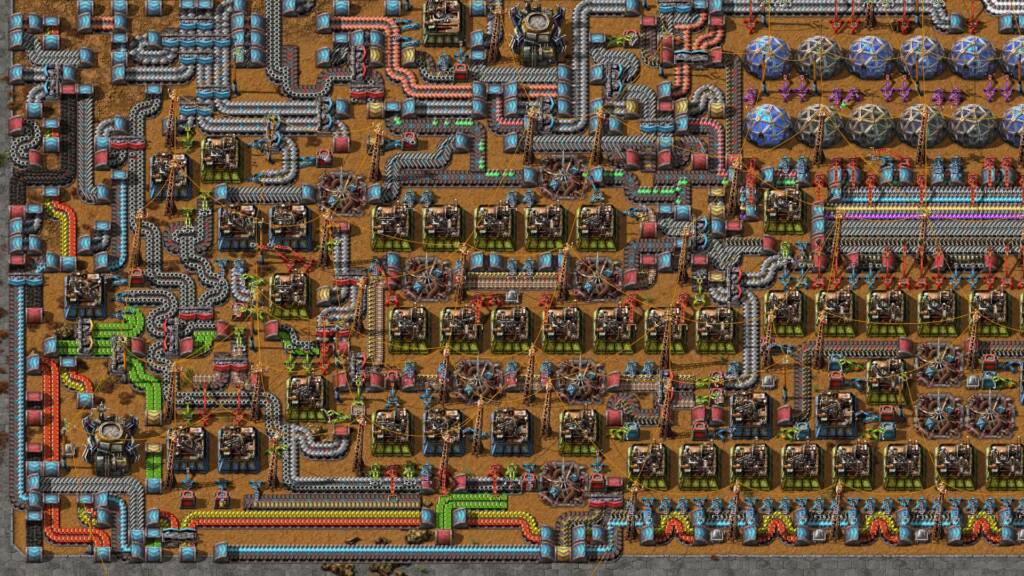
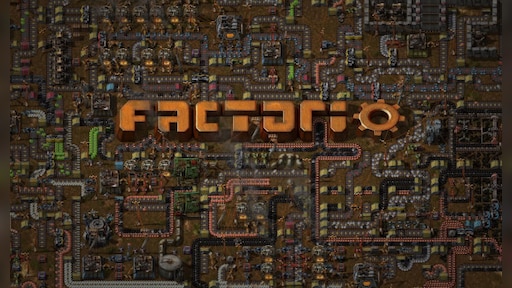
Factorio trades randomized dungeons for conveyor belts, mining drills, and industrial obsession. You land on an alien planet and slowly scale a tiny production setup into a sprawling automated machine that never quite feels finished.
The magic is in optimization. You are always solving a bottleneck, redesigning a line, or realizing your entire factory should probably be rebuilt now that you understand the system better. The game constantly creates little project chains where one fix reveals two more problems and somehow that is exactly what makes it satisfying.
That is why it delivers such a strong one more run pull even without traditional runs. Each new save becomes an opportunity to apply everything you learned before, build cleaner from the start, and chase a more elegant factory than the last one.
Why You Might Like It
- Automation loops are incredibly satisfying to refine
- Every new save benefits from your growing system knowledge
- It turns problem-solving into a powerful compulsion
- The sense of scale grows naturally and keeps you invested
Factorio
Release Date: August 14, 2020
Genres: Simulator, Strategy, Indie
Sid Meier’s Civilization VI
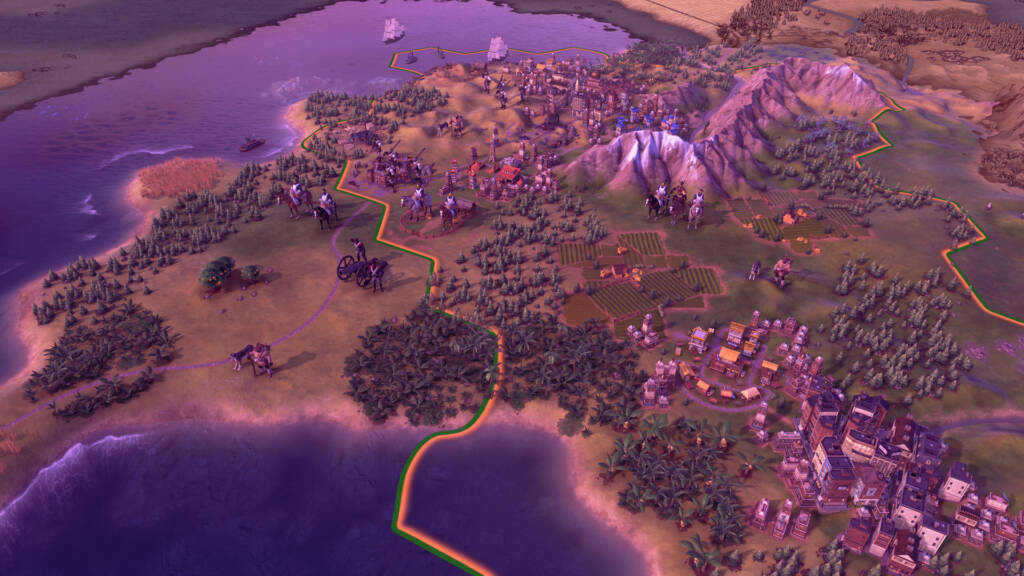
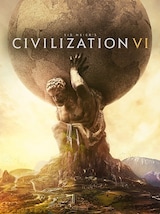
Civilization VI is famous for the phrase “one more turn,” but the same logic applies to entire campaigns. Every new map, leader, victory type, and starting position creates a fresh strategy puzzle that can play out in wildly different ways.
The game works because it constantly dangles short-term and long-term goals at the same time. You are always about to finish a district, unlock a wonder, settle a better city, pivot your diplomacy, or push toward a key tech. Those overlapping milestones make it very hard to step away cleanly.
It fits this list because replayability is built into the structure. Even after finishing a campaign, you often want to restart immediately with a different civilization, a different map script, or a cleaner approach to the same victory plan.
Why You Might Like It
- Different leaders create very different campaign rhythms
- Maps and victory conditions support endless variety
- The turn loop is famously hard to stop
- It is perfect for players who like long-form strategic replayability
Sid Meier's Civilization VI
Release Date: October 20, 2016
Genres: Simulator, Strategy, Turn-based strategy (TBS)
Against the Storm
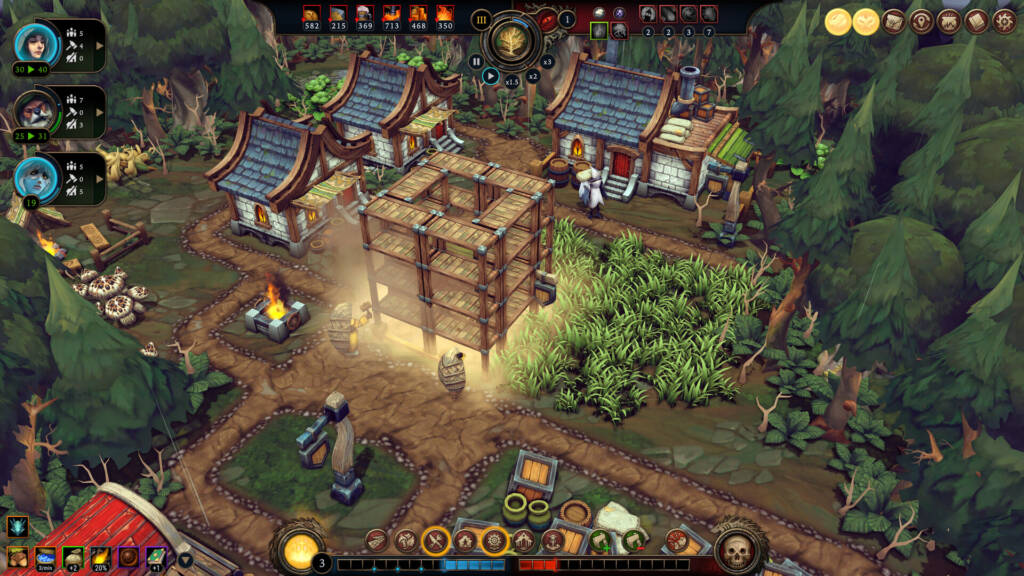
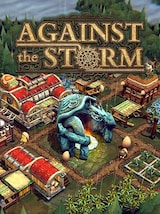
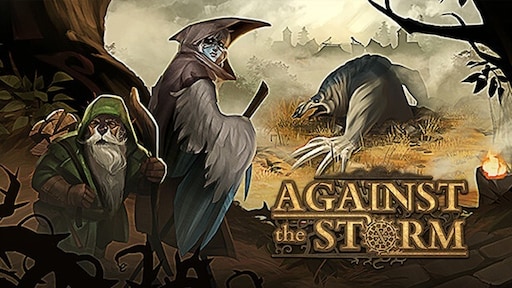
Against the Storm is one of the smartest modern spins on replayable structure because it mixes city-building with roguelite progression. Instead of pouring hundreds of hours into one giant settlement, you repeatedly found new outposts under different conditions while building long-term account progression across the wider meta-map.
That design choice solves a problem many management games have. A settlement gets interesting quickly, asks you to adapt to biome-specific resources and threats, and then ends before the systems go stale. Orders, species needs, weather pressure, and resource constraints give each run its own character.
It is one of the best one more run games for players who like systems more than combat. Every settlement feels like a fresh puzzle, and every failure or victory makes you want to test a better plan in the next patch of hostile wilderness.
Why You Might Like It
- It combines city-building with smart run-based structure
- Each biome changes how you value resources and planning
- The meta progression gives repeated attempts a strong payoff
- It avoids the late-game drag common in other builders
Against the Storm
Release Date: November 1, 2022
Genres: Real Time Strategy (RTS), Simulator, Strategy, Indie
Deep Rock Galactic
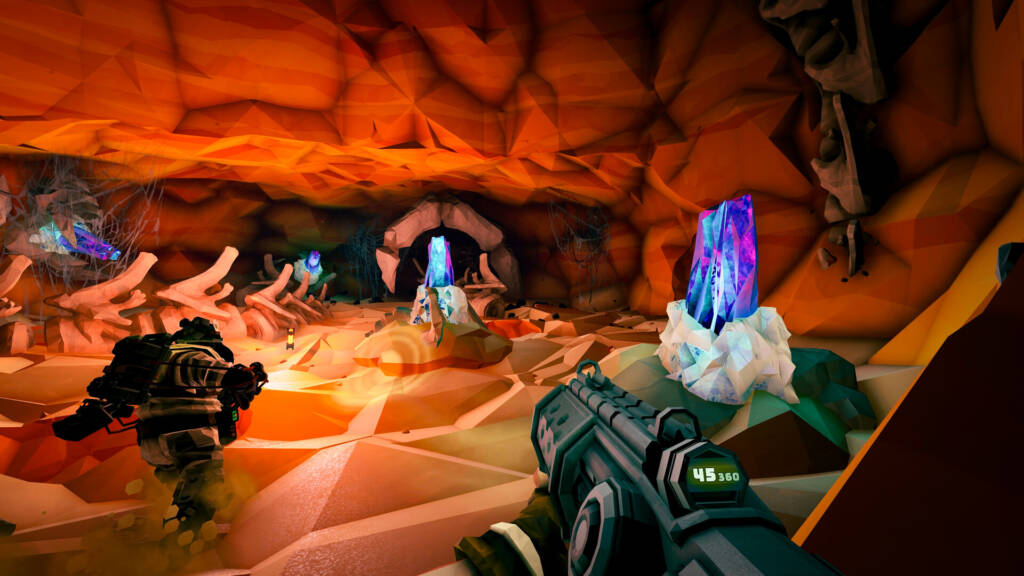
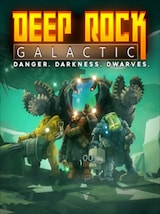
Deep Rock Galactic turns procedural co-op missions into one of the most reliable multiplayer comfort games around. You and your dwarf crew drop into hostile caves, mine resources, complete objectives, and fight off alien swarms while trying to survive the trip back out.
Its replayability comes from how well the systems support variation. Different cave layouts, mission types, modifiers, class combinations, and difficulty levels keep missions from feeling identical. The destructible terrain also adds a layer of improvisation that makes even familiar objectives play out differently.
This is a great one more run game because the loop stays light on friction. Missions are contained, teamwork feels good, and there is always room for just one more drop before calling it a night, especially when your last team sync was almost perfect.
Why You Might Like It
- Procedural caves keep co-op runs fresh
- Each class adds a useful role without forcing rigid teamwork
- Missions are compact enough for repeat play
- It is one of the best multiplayer games for casual long-term replayability
Deep Rock Galactic
Release Date: February 28, 2018
Genres: Shooter, Adventure, Indie
Darkest Dungeon
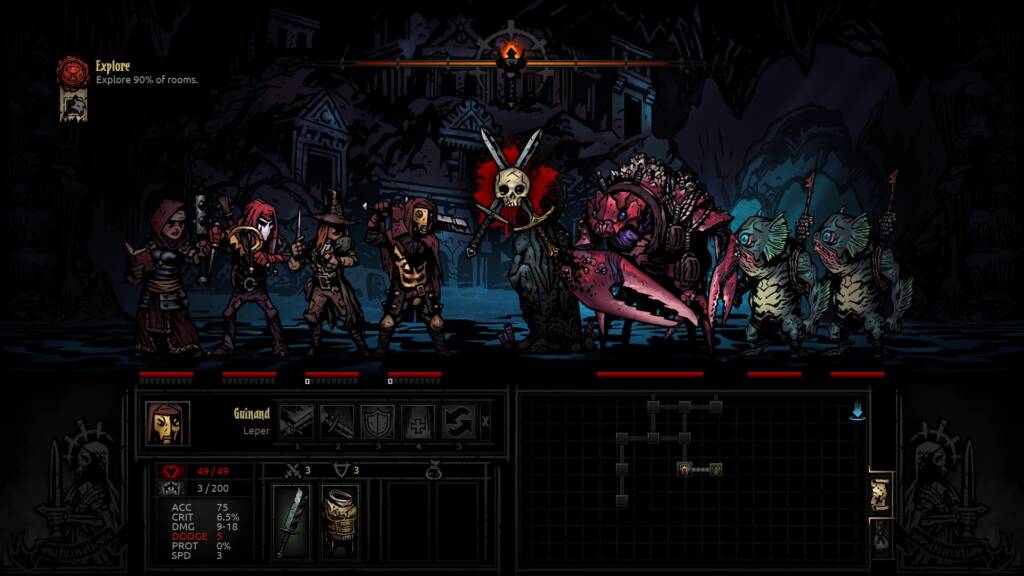
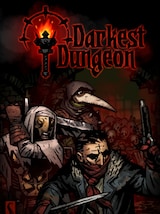
Darkest Dungeon wraps its run structure in stress, attrition, and grim atmosphere. You recruit heroes, send them into dangerous expeditions, manage their mental state, and watch entire plans crumble because one fight went slightly worse than expected.
That sounds punishing, and it is, but the punishment is exactly what gives the game its replay hook. Every expedition is a risk calculation involving supplies, party composition, quirks, disease, and the possibility that things will go badly enough to alter your whole roster. Victory feels earned because survival is never guaranteed.
It belongs here because the game constantly tempts you to recover from disaster. Lose a great party, and your first thought is not always to quit. Often it is to rebuild, adjust, and send the next team out with a better plan.
Why You Might Like It
- The expedition structure creates strong tension every time
- Party building matters as much as in-dungeon decisions
- The atmosphere makes each setback feel dramatic and memorable
- It is ideal for players who enjoy punishing but thoughtful progression
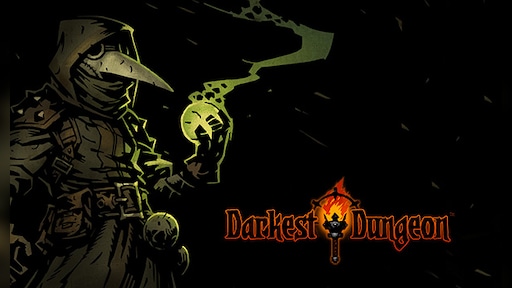
Darkest Dungeon
Release Date: January 19, 2016
Genres: Role-playing (RPG), Strategy, Turn-based strategy (TBS), Tactical, Adventure, Indie
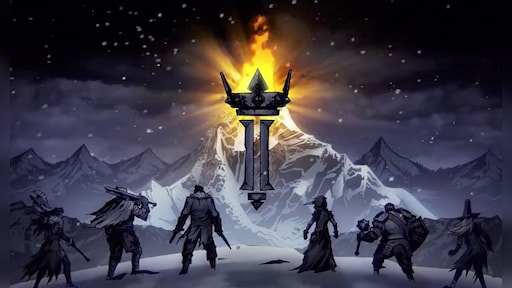
Darkest Dungeon II
Release Date: May 8, 2023
Genres: Role-playing (RPG), Strategy, Turn-based strategy (TBS), Tactical, Adventure, Indie
Which games come closest to endless replayability?
Final thoughts
The best one more run games all understand the same truth – repetition only works when every attempt creates a new angle. That might be a fresh build, a smarter route, a cleaner tactical decision, or a completely new campaign setup that lets your growing knowledge shine.
That is why this list works across so many genres. Hades, Balatro, and Dead Cells capture the instant, fast-session version of the hook, while games like RimWorld, Factorio, and Against the Storm prove that endless replayability can be just as powerful in strategy, management, and sandbox design.
Author Recommendations
Author Recommendations
The list is quite extensive, so choosing the right title might be a bit difficult.
That is why I honestly recommend checking out Balatro first. It is the fastest and clearest example of a game that turns simple rules into endless run-to-run obsession.
On the other hand, if you want a more action-heavy and character-driven loop, then Hades will be the best choice.