


Aliens: Fireteam Elite 2 is putting a lot of weight on two things: smarter Marine builds and nastier enemy pressure. The Specialist class handles the first part. The newly revealed Xenomorph and pathogen threats handle the second.

Based on the Steam store page and the game’s Steam News feed, the sequel is not just adding more bugs to shoot. It is building a stronger co-op loop around class synergy, custom loadouts, heavier enemies, pressure units, ambush creatures, and squad-breaking threats that punish lazy hallway camping.
Aliens: Fireteam Elite 2 expands the first game’s three-player co-op formula into a four-player fireteam. That one extra Marine sounds simple, but it changes almost everything. Squads can cover more roles, enemies can hit harder, and class composition matters more because the game is clearly designed around bigger, more flexible teams.
The most important new class feature is the Specialist, a customizable Marine class unlocked after leveling the other classes. On the enemy side, Steam News has already highlighted several threats, including the Warden, Harbinger, Crusher, Drone, and Exploder. Each one exists to create a different kind of problem for the squad.
Key Aliens: Fireteam Elite 2 Specialist and Xenomorph details
| Topic | What you need to know |
|---|---|
| Specialist class | A customizable class unlocked after leveling the other classes, built around mixing abilities, weapons, and perks. |
| Squad format | Aliens: Fireteam Elite 2 expands from three-player fireteams to up to four-player co-op. |
| Confirmed Steam News enemy posts | Warden, Harbinger, Crusher, Drone, and Exploder have all received Steam News feed entries. |
| Main enemy design idea | Each creature pressures squads differently: disruption, pursuit, ambush, charging, or splash-damage panic. |
| Best squad lesson | Do not build four Marines who all solve the same problem. Fireteam Elite 2 wants coverage, synergy, and quick target priority. |
Table of Contents
- What is the Specialist class?
- How do you unlock the Specialist?
- How Specialist builds should work
- What Duelist and Marauder tell us about Specialist builds
- Confirmed Xenomorph and pathogen threats from Steam News
- Warden – frontline brawler and zone controller
- Harbinger – pursuit and lockdown threat
- Crusher – charging heavy hitter
- Drone – fast ambush predator
- Exploder – splash-damage panic button
- Best team-composition lessons
- Why this matters for Horde mode
- Specialist and Xenomorph types FAQ
- Final thoughts
What is the Specialist class?
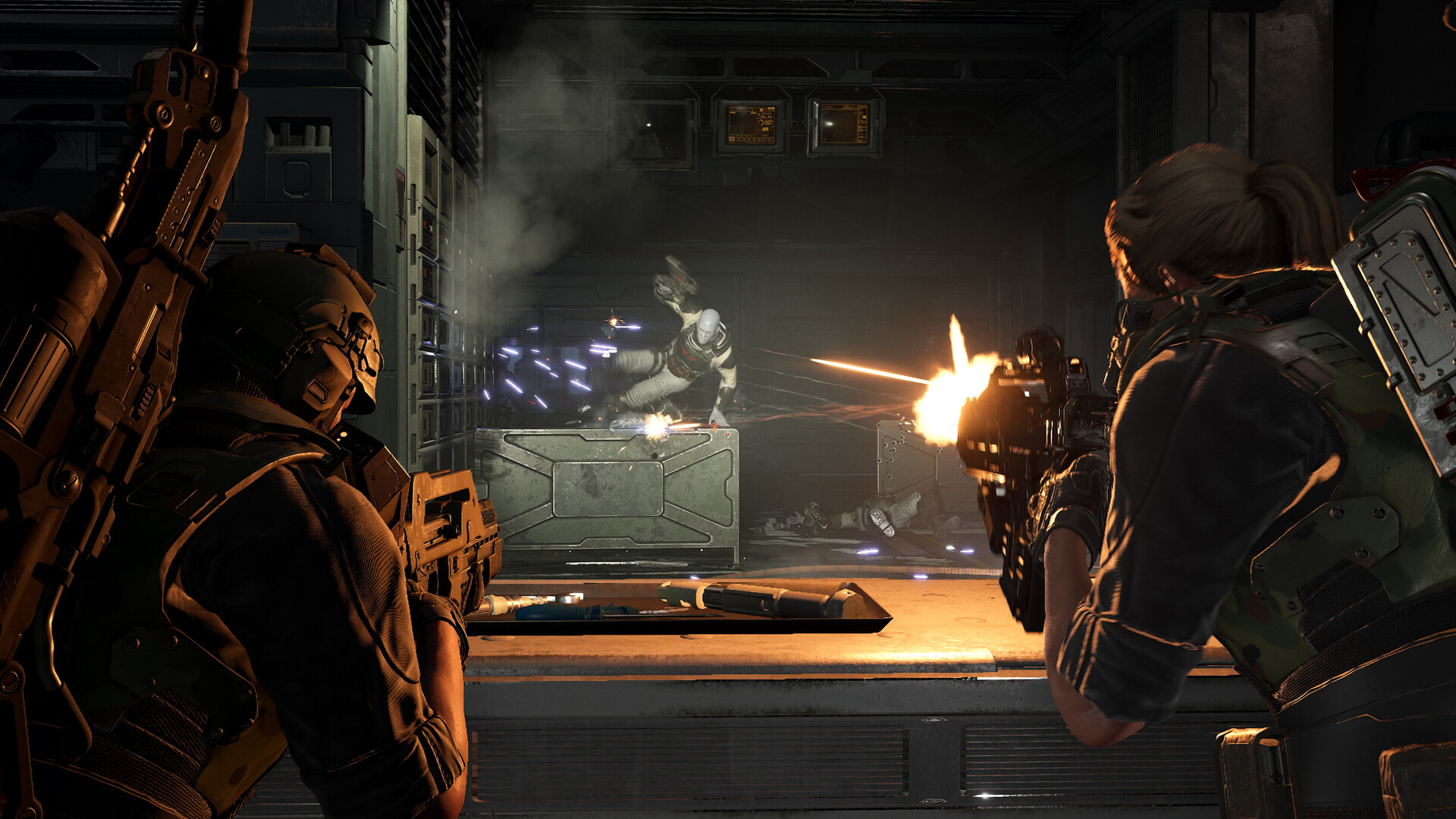
The Specialist is the big buildcraft class in Aliens: Fireteam Elite 2.
Instead of locking you into one fixed combat role, the Specialist is designed as a custom Marine that can mix and match unlocked tools from the other available classes. The Steam store page describes it as a fully customizable class that lets players combine major and minor abilities from every available class, while the Steam News Specialist overview says it unlocks after leveling the other classes.
That makes the Specialist less like a normal starting class and more like an endgame reward for players who actually learn the roster. You do not just pick Specialist on day one and instantly become the smartest Marine in the room. First, you level other roles, unlock their pieces, and then start building a Marine around the exact job your squad needs.
That is a smart idea for a co-op shooter. It gives players a reason to explore multiple classes instead of hard-maining one kit forever. It also makes the Specialist feel earned rather than handed out like free ammo at the worst possible time.
Simple version: the Specialist is the class for players who want to build their own Marine by borrowing from the rest of the class roster.
How do you unlock the Specialist?
The Specialist unlocks after leveling up the other classes.
The Steam News Specialist overview is clear about the basic structure: once the other classes have been leveled, the Specialist class unlocks and gives players more choices for building the ultimate Marine.
This matters because the class is tied to progression. It is not just a “custom class” menu button. It is a long-term goal. The better you understand Duelist, Marauder, Machinist, Hunter, Medic, and the rest of the roster, the more meaningful your Specialist options should become.
That also means the Specialist should reward game knowledge. If you know which tools work against swarm pressure, which ones stop big targets, and which ones help a squad recover after a bad push, you can build around those needs. If you just grab the flashiest abilities without a plan, congratulations, Marine, you have invented a very stylish liability.
How Specialist builds should work
The Specialist should work best when you think about problems, not just favorite abilities.
Aliens: Fireteam Elite 2 is throwing more pressure at players: smarter enemies, bigger co-op teams, dedicated Horde maps, and a wider variety of Xenomorph behavior. The Specialist exists to plug gaps in that chaos.
Instead of asking “What looks cool?”, start with questions like:
- Does the squad have enough crowd control?
- Can we stop big targets before they reach us?
- Do we have a way to recover after a failed defense?
- Can we deal with Exploders without wiping our own firing line?
- Do we need more single-target damage for heavies like Warden and Crusher?
- Do we need more mobility and stun recovery to survive ambushes?
That is where Specialist could become the most important class in high-level play. A normal class is built around a clear identity. A Specialist can be built around the mission, the enemy lineup, or the weakness of your current squad.
| Specialist build goal | What to prioritize | Best against |
|---|---|---|
| Swarm control | Area damage, explosives, knockback, fire, electric ammo, lane denial | Exploders, swarm waves, tight corridors, Horde mode |
| Heavy target killer | Sustained damage, precision damage, mobility, burst tools | Warden, Crusher, Drone, priority threats |
| Squad support | Healing, buffs, emergency tools, defensive utility | Long missions, bad pushes, Horde waves, mixed enemy packs |
| Control and recovery | Stun recovery, movement speed, knockback, traps, distance creation | Harbinger grapples, Drone ambushes, Crusher charges, Warden pressure |
What Duelist and Marauder tell us about Specialist builds
The Steam News feed currently highlights two class showcases that are especially useful for understanding how Specialist builds might come together: Duelist and Marauder.
Duelist – flexible explosive damage
The Duelist showcase describes the class as built to dish out explosive damage. Its highlighted tools include Burst Configuration, which can be modified into Fragment or Precision Configuration, and a Shrapnel Grenade that helps create distance by throwing explosive pressure into clustered Xenos.
The Duelist also has perks like Stay on Target, which rewards sustained damage on enemies, and Mobility, which increases speed and stun recovery. That makes Duelist tools attractive for a Specialist build focused on staying aggressive while still being able to move when the room turns bad.
In practical terms, Duelist-style tools look useful against:
- Priority targets that need focused damage
- Mixed waves where movement matters
- Drone pressure that demands sustained fire
- Exploder packs where you need space quickly
- Crusher or Warden pressure when the squad must keep repositioning
Marauder – heavy weapons and emergency crowd control
The Marauder showcase frames the class as built to go head-to-head with the toughest Xenomorphs. Its highlighted tools include the Blast Cannon, with modifiers like Blastwave or Thermal Cannon, and Titan Rockets, which can be modified into options such as Rocket Mines.
Marauder perks also reveal a lot about the sequel’s combat philosophy. Rampage stacks on kills and boosts fire rate, reload speed, and movement speed at 25 stacks for a short window. Reactive Charges trigger a concussive blast after taking a melee hit, knocking back nearby enemies.
For Specialist players, Marauder-style tools are perfect when the squad needs:
- Big area damage
- Emergency knockback
- Horde-clearing firepower
- Traps or explosive setups
- A way to punish enemies that break the front line
The obvious warning is that heavy tools can create overconfidence. Yes, rockets solve problems. They also create new ones when everyone is standing too close and the corridor is already full of acid, panic, and poor life choices.
Confirmed Xenomorph and pathogen threats from Steam News
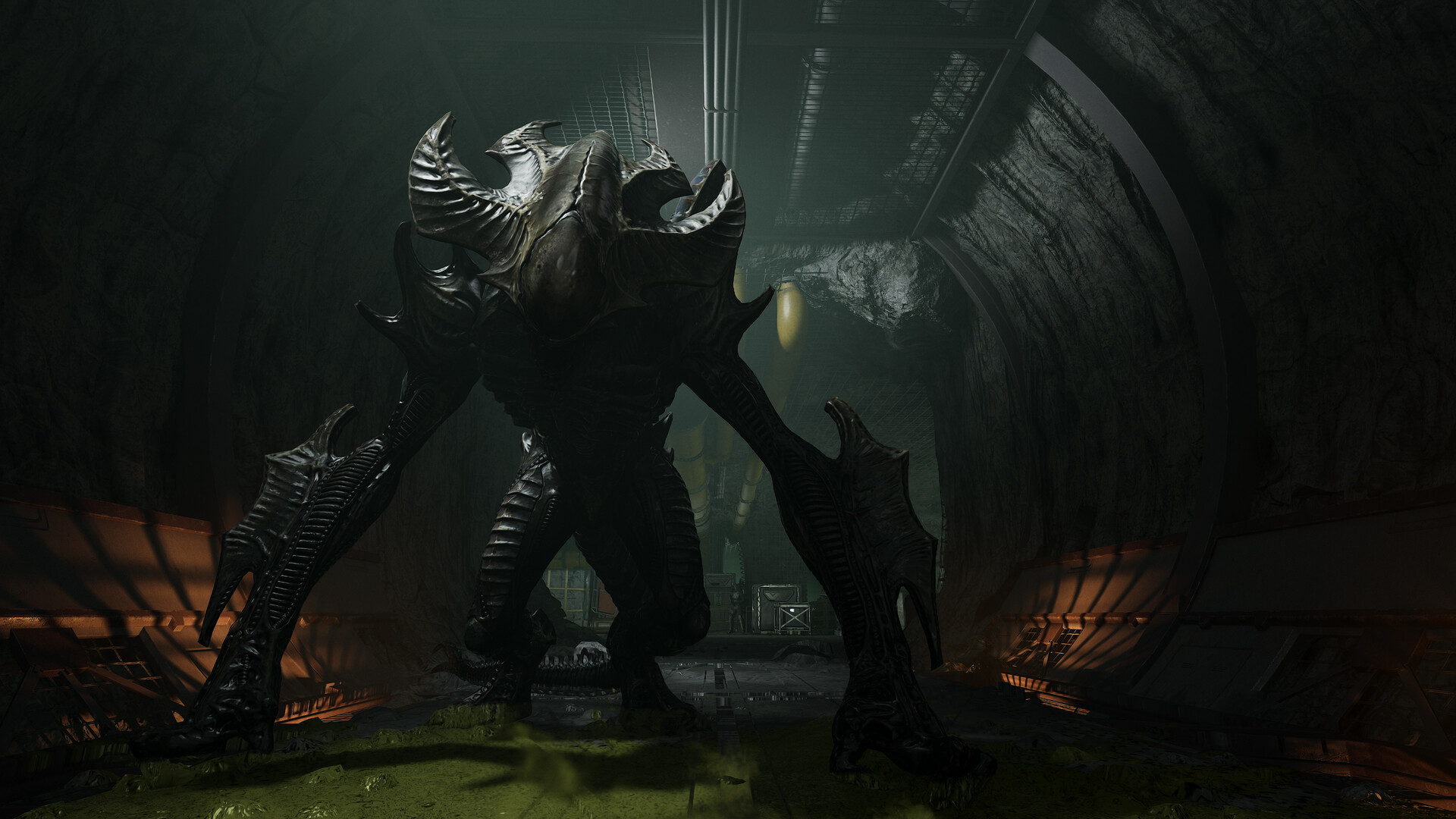
The Steam News feed has been teasing enemy types one by one, which is useful because it shows the design goal behind the sequel’s combat. These are not just “more aliens.” Each enemy is built to break a different bad habit.
| Enemy | Steam News role | What it punishes |
|---|---|---|
| Warden | Frontline brawler and zone controller | Stacking too tightly, fighting from one angle, ignoring heavy threats |
| Harbinger | Pathogen pursuit threat with a grapple | Poor movement, isolated players, slow reactions |
| Crusher | Charging heavy hitter | Standing in charge lanes, tunnel vision, weak dodging |
| Drone | Fast vent-network ambusher | Lack of focus fire, bad awareness, ignoring flank routes |
| Exploder | Splash-damage pressure unit | Camping, bad spacing, failing to check walls and ceilings |
The pattern is clear: Fireteam Elite 2 wants squads to move, communicate, split attention properly, and shoot the right target first. If everyone shoots whatever is closest, the squad is going to have a very cinematic problem.
Warden – frontline brawler and zone controller
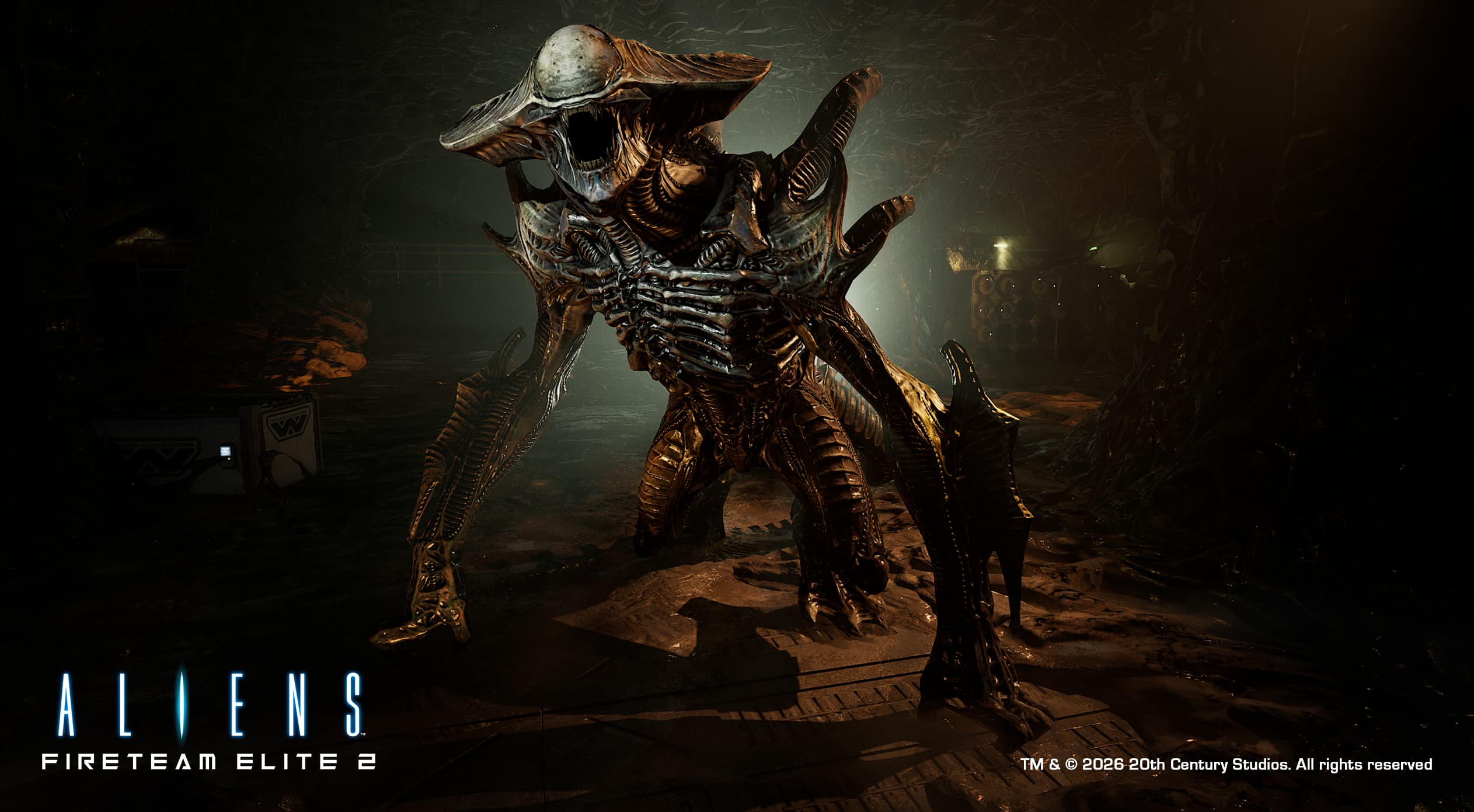
The Warden is a heavy pressure enemy built to break fireteam formations.
The Steam News feed describes it as a frontline brawler and zone controller. It also advises fireteams to split up and engage the Warden from multiple angles.
That tells us a lot. The Warden is probably not the kind of enemy you delete by forming a neat firing line and holding left click. If it is built for zone control, it likely denies space, forces movement, and punishes squads that stay clumped together.
How to fight the Warden
- Do not stack the whole squad in one tight corner.
- Split angles so it cannot pressure everyone at once.
- Assign one or two players to sustained damage while others clear smaller enemies.
- Use knockback, slows, or explosives to control its advance if available.
- Keep an escape lane open before the Warden reaches melee range.
The Warden is the enemy that asks, “Does your squad know how to reposition?” If the answer is no, the Warden will probably explain it with violence.
Harbinger – pursuit and lockdown threat
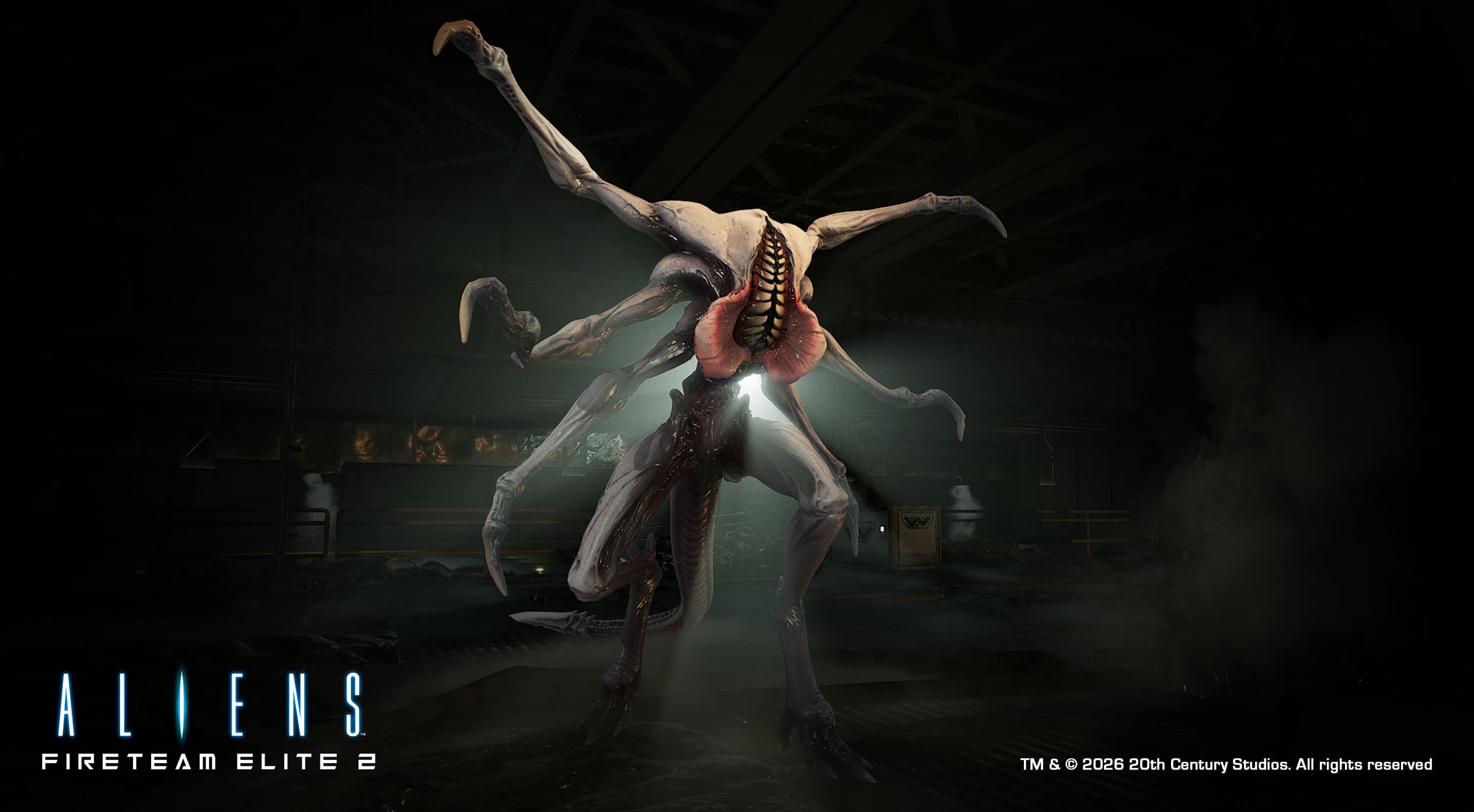
The Harbinger is a pathogen threat built around pursuit and immobilization.
The Steam News feed describes it as relentlessly chasing players and being able to immobilize them with a powerful grapple attack. That immediately makes it one of the most dangerous enemies for players who drift away from the group.
Unlike a normal swarm enemy, the Harbinger seems designed to create rescue moments. If it pins someone, the squad has to react quickly. If nobody reacts, that player is probably about to become a cautionary tale.
How to fight the Harbinger
- Stay close enough that teammates can break pressure quickly.
- Do not let one player kite too far away from the squad.
- Bring enough burst damage to punish it during openings.
- Keep defensive abilities ready when it starts chasing.
- Call it out immediately if it targets a specific Marine.
The Harbinger is not just a damage sponge. It is a teamwork check. The game is basically asking: when one Marine gets grabbed, does the fireteam respond, or does everyone keep reloading like nothing bad is happening?
Crusher – charging heavy hitter
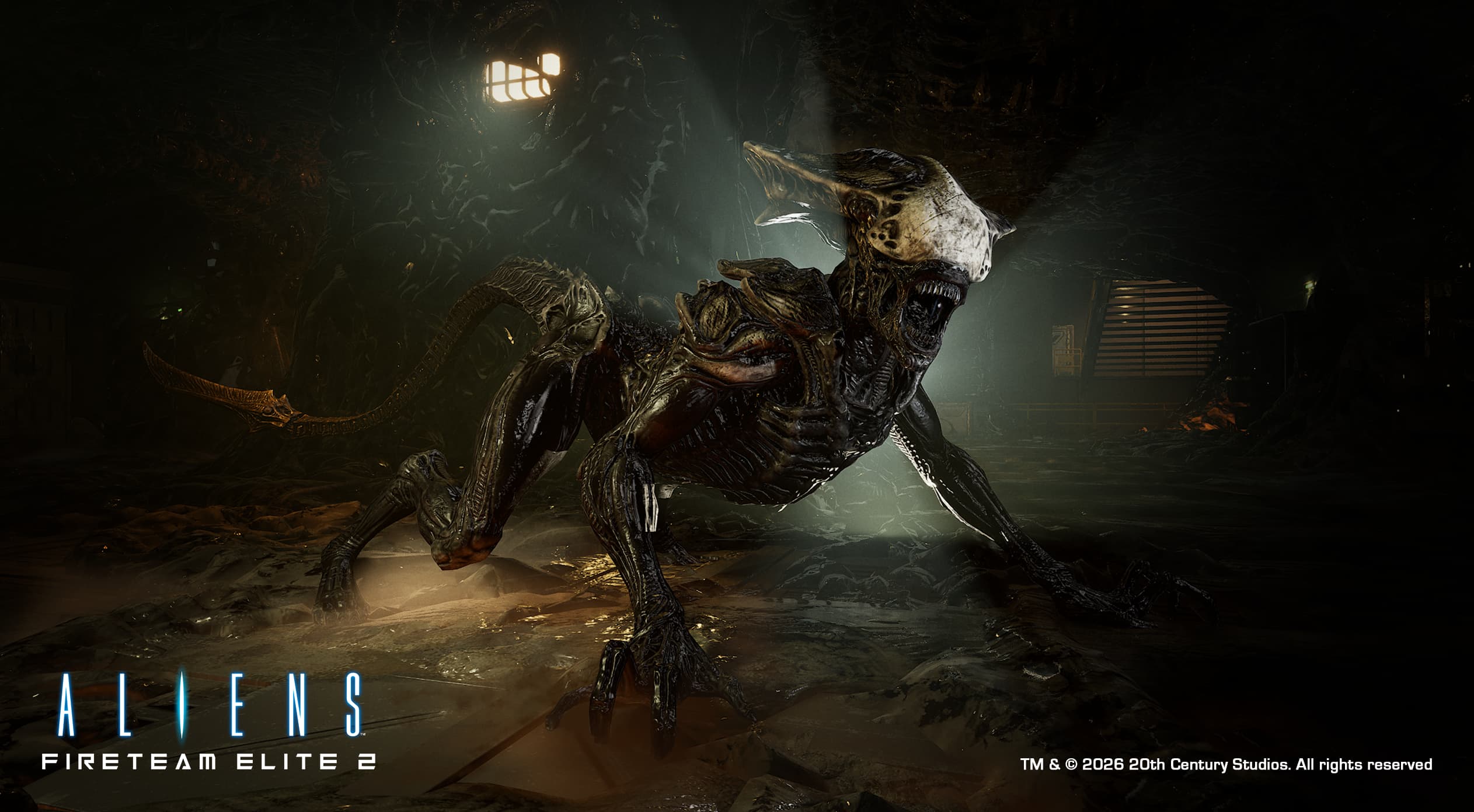
The Crusher returns from Aliens: Fireteam Elite with a very clear job: charge forward and ruin somebody’s day.
The Steam News feed calls it a fan favorite from the first game and says it charges head-on, bashing Marines in its path. It also gives the most important survival advice directly: dodge the full charge by jumping out of its path.
The Crusher is less complicated than some enemies, but that does not make it harmless. In a crowded fight, a charge can break formation, scatter the team, and open space for smaller enemies to flood in.
How to fight the Crusher
- Watch its approach angle and avoid standing in a straight line.
- Dodge sideways rather than backing up in panic.
- Do not burn all mobility tools before it commits to a charge.
- Focus fire after it misses or finishes its charge.
- Keep smaller enemies cleared so the dodge lane stays open.
Crusher fights are often lost before the charge even lands. If the squad has bad spacing, poor awareness, and no room to move, the Crusher does not need clever tactics. It just needs momentum.
Drone – fast ambush predator
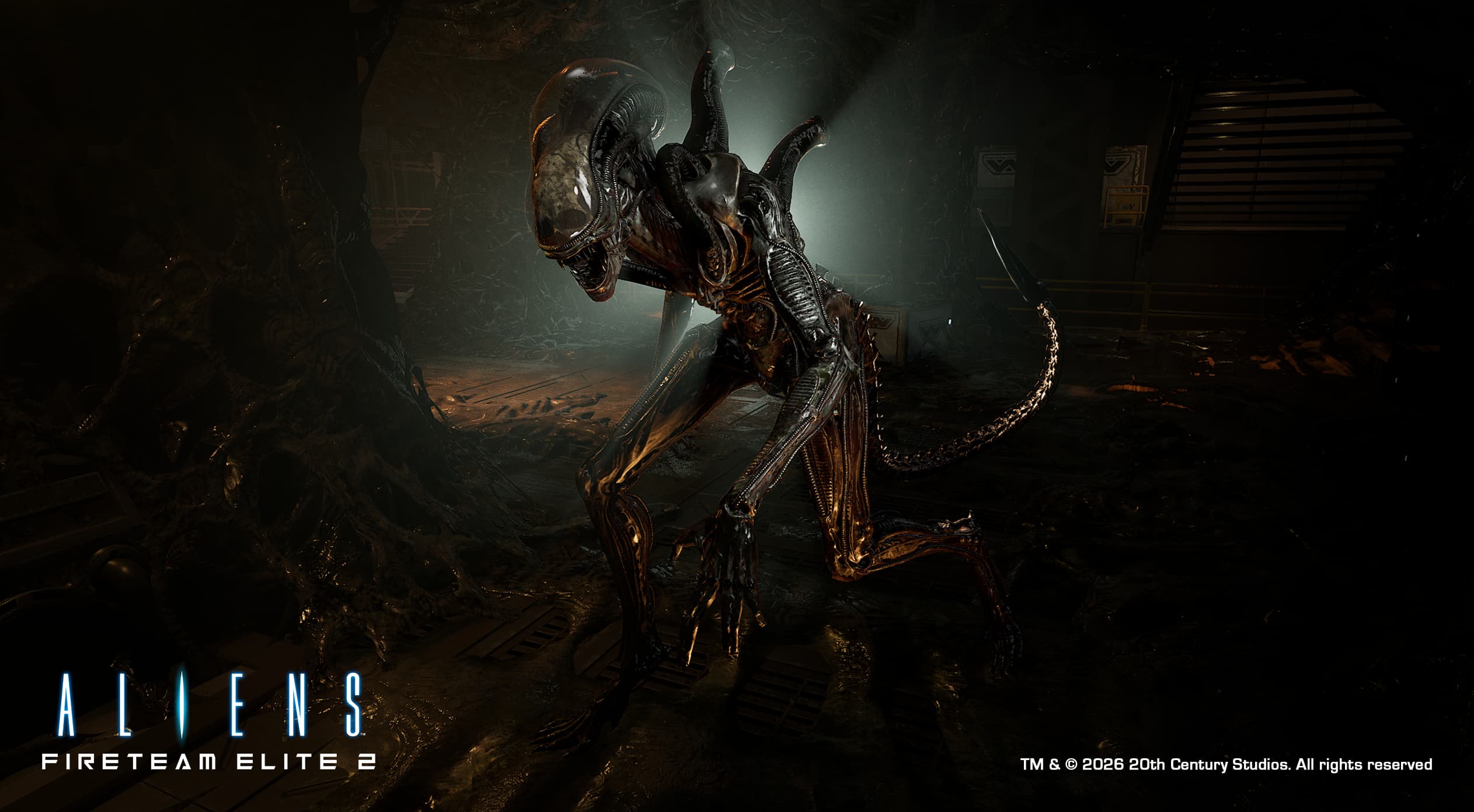
The Drone is the classic “where did it go?” nightmare.
The Steam News feed says the Drone hits hard, moves fast, and exploits vent networks. It also notes that pinning one down requires committed firepower and squad focus.
That means the Drone is not just another target in the swarm. It is a priority threat that can appear, strike, vanish, and reposition. If the squad does not call it out and focus it, it can keep creating chaos while smaller enemies drain attention.
How to fight the Drone
- Call it out the moment it appears.
- Do not split damage across low-priority enemies while the Drone is active.
- Watch vents, ceiling routes, and flank points.
- Use burst damage when it commits to an attack.
- Stay grouped enough that it cannot isolate one Marine easily.
The Drone is the enemy that punishes relaxed teams. You start thinking the room is clear, then the ceiling disagrees.
Exploder – splash-damage panic button
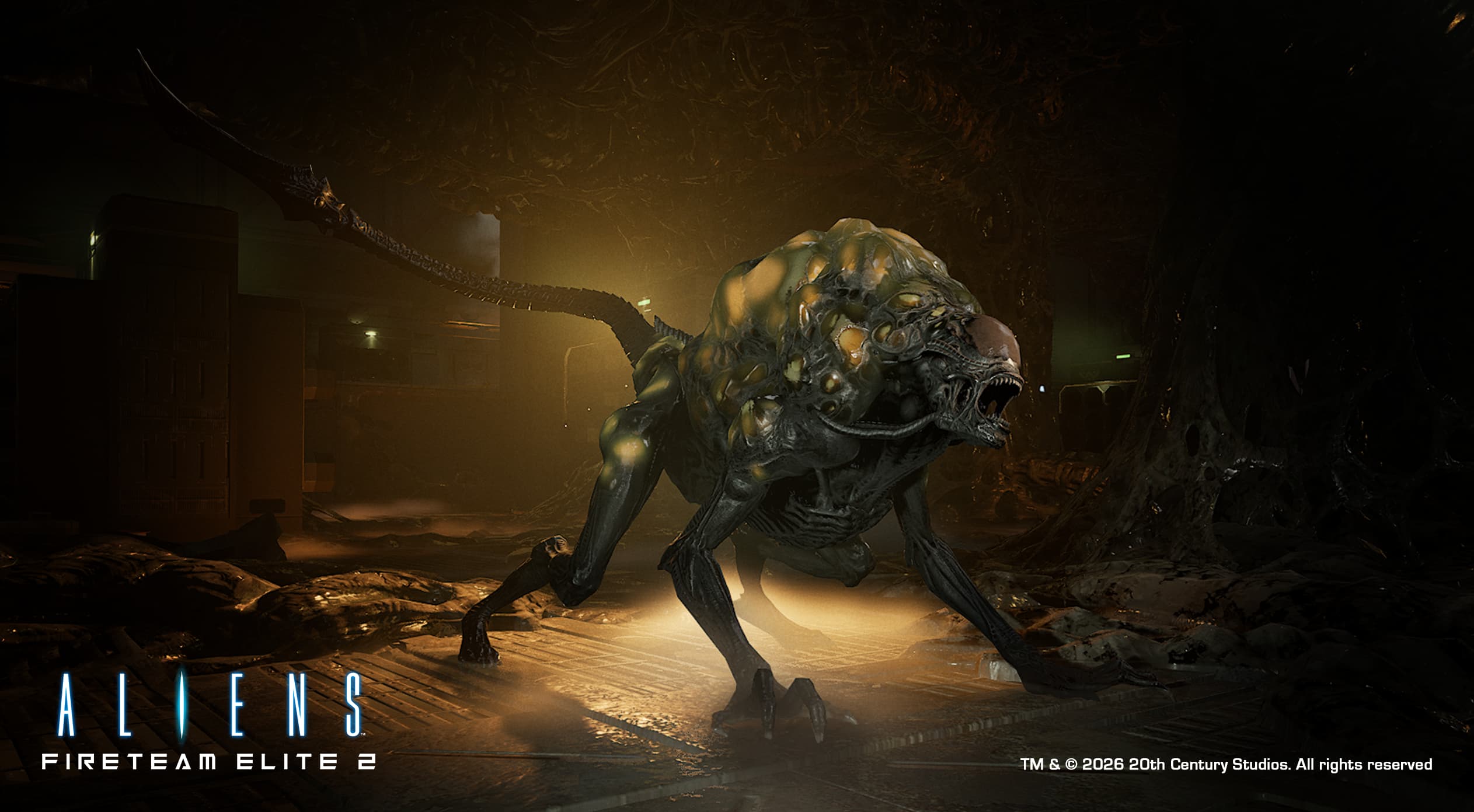
The Exploder is built around splash damage and surprise positioning.
The Steam News feed says it is all about splash damage and warns players to check walls and ceilings because these Xenos can creep up when least expected.
This is the kind of enemy that forces squads to stop treating every hallway like a safe shooting lane. If Exploders can approach from walls and ceilings, then vertical awareness matters. If they deal splash damage, then spacing matters. If they appear during other waves, then target priority really matters.
How to fight the Exploder
- Check walls and ceilings, not just the floor.
- Keep enough spacing that one detonation does not hit the whole squad.
- Prioritize them before they enter the team’s safe zone.
- Use controlled fire rather than panic spraying near teammates.
- Do not hold one tiny corner if Exploders are active.
The Exploder is basically the game saying, “Nice defensive position. Shame if something came crawling above it and detonated.”
Best team-composition lessons
The Specialist and enemy reveals point toward one big lesson: Aliens: Fireteam Elite 2 wants balanced squads, not four heroes doing the same thing.
Because the sequel supports four-player co-op, teams have more room to specialize. One Marine can build for heavy damage. Another can cover healing or recovery. Another can bring control tools. The Specialist can then fill whichever gap remains.
Here are useful squad-building ideas based on the currently revealed threats:
| Squad need | Why it matters | Threats it helps against |
|---|---|---|
| Single-target focus | Heavy enemies need fast priority damage before they break formation. | Warden, Crusher, Drone, Harbinger |
| Area control | The squad needs ways to slow, burn, shock, or redirect waves. | Exploders, swarm packs, Horde waves |
| Recovery tools | Grapples, charges, and ambushes can turn a clean fight into a rescue. | Harbinger, Drone, Crusher |
| Mobility | Standing still gets worse when enemies force dodges and repositioning. | Warden, Exploder, Crusher |
| Communication | Several threats require fast callouts and shared focus. | All of them, because the hive is rude like that. |
Example squad logic
A strong four-player setup might use one damage-focused Marine, one crowd-control Marine, one support or recovery Marine, and one Specialist built around the mission’s biggest weakness.
If the mission throws a lot of Exploders and swarm pressure at you, build the Specialist for area control. If the team keeps losing people to Harbinger-style pursuit threats, build the Specialist around burst response and rescue utility. If the team struggles with Warden and Crusher pressure, build for heavy-target damage and knockback.
The Specialist should not always be the same thing. That is the point.
Why this matters for Horde mode
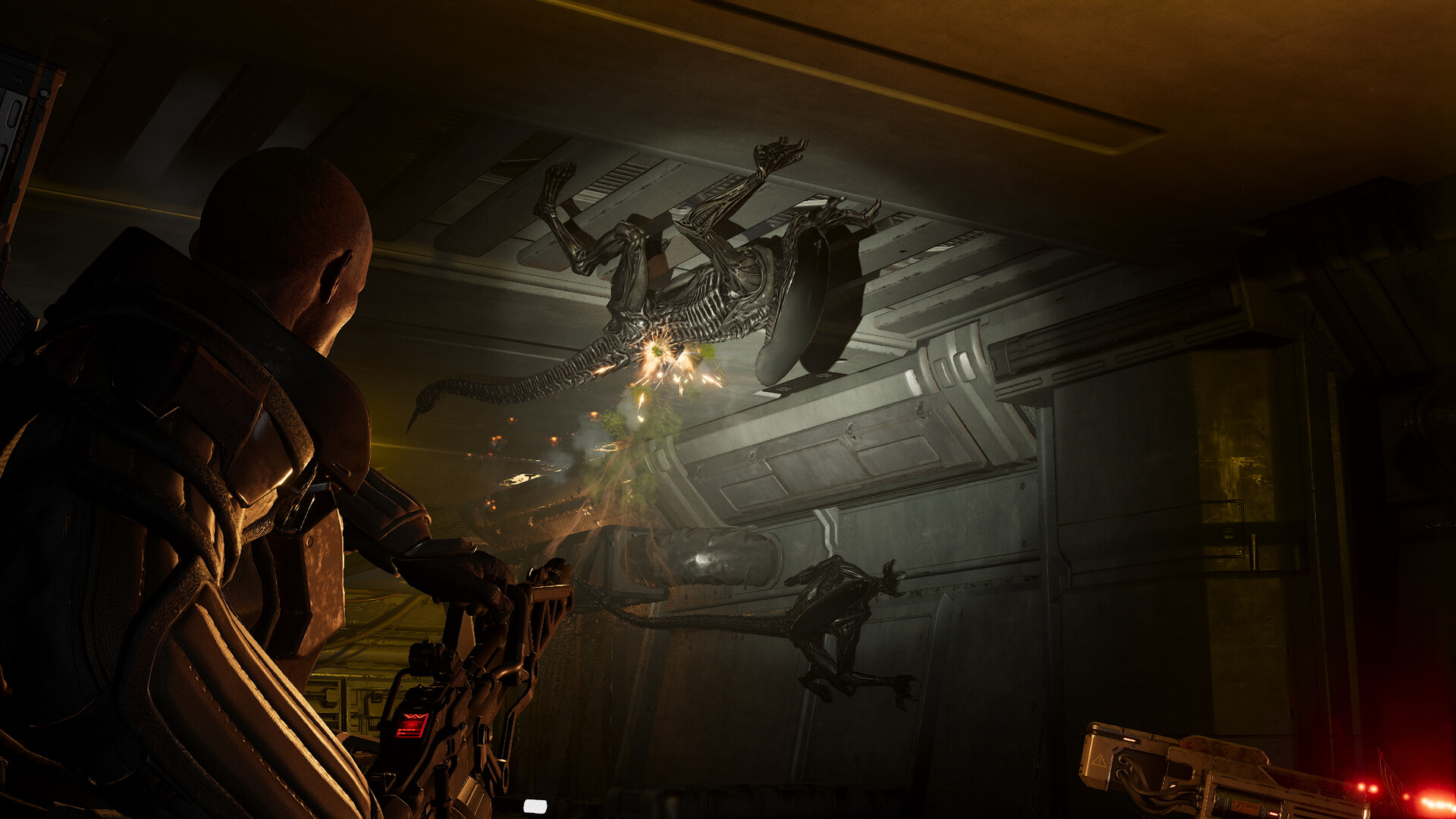
The Specialist system and enemy variety should matter most in Horde mode.
The Steam store page says Aliens: Fireteam Elite 2 launches with multiple dedicated Horde maps, escalating waves of Xenomorphs and other deadly enemies, and increasingly valuable rewards as squads survive deeper into the onslaught.
That is exactly where custom builds become important. In campaign missions, you can often survive with a decent general-purpose setup. In Horde mode, weaknesses get exposed. If nobody can stop Exploders, the squad loses the defensive line. If nobody can burn down a Warden, the frontline collapses. If the Drone keeps slipping through vents and picking people off, the run gets messy fast.
Specialist builds could become the glue for long Horde runs because they let experienced players adjust around problems instead of being locked into one preset identity.
Best Horde advice: build the squad for enemy behavior, not just raw damage. Firepower is great, but it does not help if everyone is knocked down, grappled, flanked, or standing inside an explosion.
Specialist and Xenomorph types FAQ
What is the Specialist class in Aliens: Fireteam Elite 2?
The Specialist is a customizable class that lets players build a Marine by mixing unlocked abilities, weapons, and perks from other classes.
How do you unlock the Specialist class?
According to the Steam News Specialist overview, the Specialist unlocks after leveling up the other classes.
Is the Specialist the best class?
Not automatically. The Specialist should be powerful for players who understand the other classes, but it depends on build quality, squad needs, enemy types, and mission structure.
What Xenomorph types have been shown in Steam News?
The Steam News feed has highlighted Warden, Crusher, Drone, and Exploder as Xenomorph threats, plus the Harbinger as a pathogen enemy.
What does the Warden do?
The Warden is described as a frontline brawler and zone controller. Fireteams are advised to split up and engage it from multiple angles.
What does the Harbinger do?
The Harbinger relentlessly chases players and can immobilize a Marine with a powerful grapple attack.
What does the Crusher do?
The Crusher charges head-on and bashes any Marine in its path. The Steam News feed advises dodging its full charge by jumping out of the way.
What does the Drone do?
The Drone hits hard, moves fast, and uses vent networks. Pinning it down requires focused squad firepower.
What does the Exploder do?
The Exploder is built around splash damage and can creep from walls and ceilings, so squads need to watch vertical routes and maintain spacing.
Why does four-player co-op matter?
Four-player co-op gives squads more room for specialized roles, making class composition and Specialist builds more important than in the first game’s three-player format.
Which Specialist build should I use first?
Start with a gap-filling build. If your squad lacks crowd control, build around area damage and knockback. If it lacks heavy-target damage, build around sustained fire and burst tools. If it keeps collapsing, build around recovery and support.
Final thoughts
Aliens: Fireteam Elite 2 looks like it is building a better co-op loop around cause and effect. Marines get more build freedom through the Specialist. In return, the enemies get nastier, faster, heavier, and better at punishing lazy squad play.
The Specialist is the long-term class to watch because it could turn Fireteam Elite 2 into a much deeper buildcraft game than the original. But it will only work if players treat it like a tool for squad needs, not just a greatest-hits playlist of flashy abilities.
On the enemy side, the Steam News feed already shows a strong direction. The Warden breaks formations. The Harbinger punishes isolation. The Crusher demands dodging. The Drone demands focus fire. The Exploder demands awareness and spacing. Together, they suggest a sequel where surviving is less about standing in the best corner and more about moving, calling targets, and building a team that can handle several kinds of disaster at once.
So yes, bring the big guns. But also bring a plan. The Xenos clearly did.