

Today we’ll talk about Anno 1800 and Anno 117 and how they compare. They’re like two different windows into history. One shows us the smoke and steel of the Industrial Revolution, the other the grit and glory of the Roman Empire.
Anno 1800, developed by Ubisoft Blue Byte (later rebranded as Ubisoft Mainz) was released back in 2019. It’s the seventh entry in the Anno series and it brought back historical settings after futuristic titles like Anno 2070 and Anno 2205.
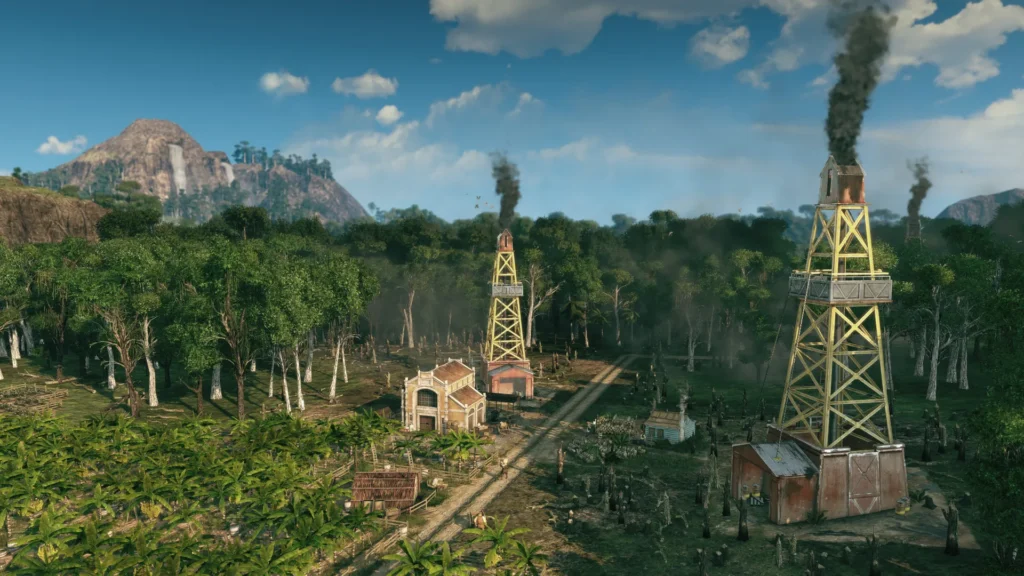
It throws you straight into the Industrial Revolution. You’re dealing with factories, steamships, trade routes, and even the social effects of industrialization.
It’s all about balancing progress with the needs of your people, and it feels like you’re running a society on the edge of modernity.
Anno 117: Pax Romana, also developed by Ubisoft Mainz, is the eighth installment in the Anno series, and the earliest historical setting so far.
Here, you’re a governor during the times of the ancient Roman Empire. You manage provinces like Latium or Albion.
Instead of smokestacks, you’re handling grain, religion, diplomacy, and the cultural clash between Romans and Celts.
It’s about shaping an empire, deciding between loyalty or rebellion, and watching how your choices ripple through society.
You need to know that I’m not just into the mechanics.
What gets me is how emotionally involved we become while playing them.
These worlds stop being just pixels. They turn into living societies we care about. We worry about citizens, celebrate growth, and feel the weight of leadership.
That’s why comparing Anno 1800 and Anno 117 is so fun to me.
One shows the birth of modern industry, the other the height of ancient empire, but both let us experience the joy (and stress!) of building these amazing worlds.
Let’s dive into my reflections on the heart of these games: building societies we get emotionally attached to.
Gameplay mechanics and our emotional engagement
In Anno 1800 you’re basically the real boss of the Industrial Revolution.
Factories are pumping out goods, steamships are hauling stuff across trade routes, and you’re constantly chasing that sweet industrial progress.
Move on to Anno 117 and you get a wholly different vibe.
Now, you’re a Roman governor worrying about grain supplies, religion, diplomacy stuff, and wondering if the Celts are going to rebel or not. Completely different worlds…
On the surface, these are just game mechanics, right? Production chains, resource bars, political sliders.
But I’ve got a feeling that they hit harder than just that.
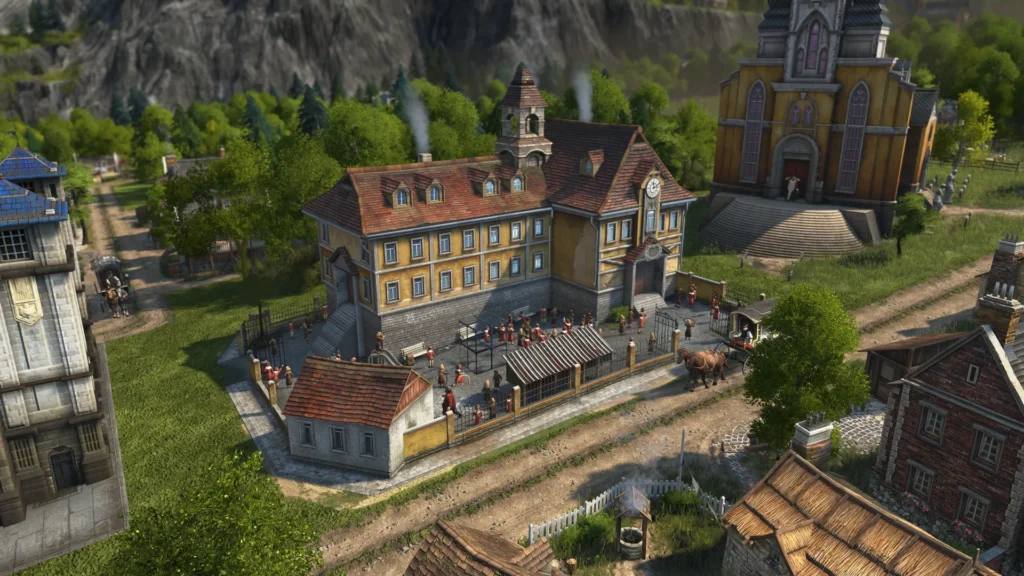
When your people are starving or rioting, it doesn’t feel like, “Oops, minus 20 happiness points.”
It feels like you totally messed up as a leader.
And don’t try to tell me it’s not like that! I’m not gonna buy it!
And when things go right, it honestly feels like you’re celebrating your own city thriving.
That little cheer you give yourself? Totally earned! Nice work!
That’s the real magic of these games, because they pull you into this back‑and‑forth between being a numbers geek (optimizing factories, trade routes, resources and so on) and actually caring about these tiny digital people who rely on you.
It stops being just a strategy game and it turns into empathy sneaking in while you’re busy figuring out logistics and stuff.
The moral weight of decisions
You know what I’m sure of?
These games don’t just make you shuffle resources around. They throw you into the hot seat as a leader.
Don’t you agree?
In Anno 117, you’re constantly weighing loyalty against rebellion. Do you push provinces to obey Rome at all costs or do you compromise to keep the peace?
In Anno 1800, the challenge is totally different. Do you chase industrial progress with new factories and trade routes or slow down to keep your society stable and your people happy?
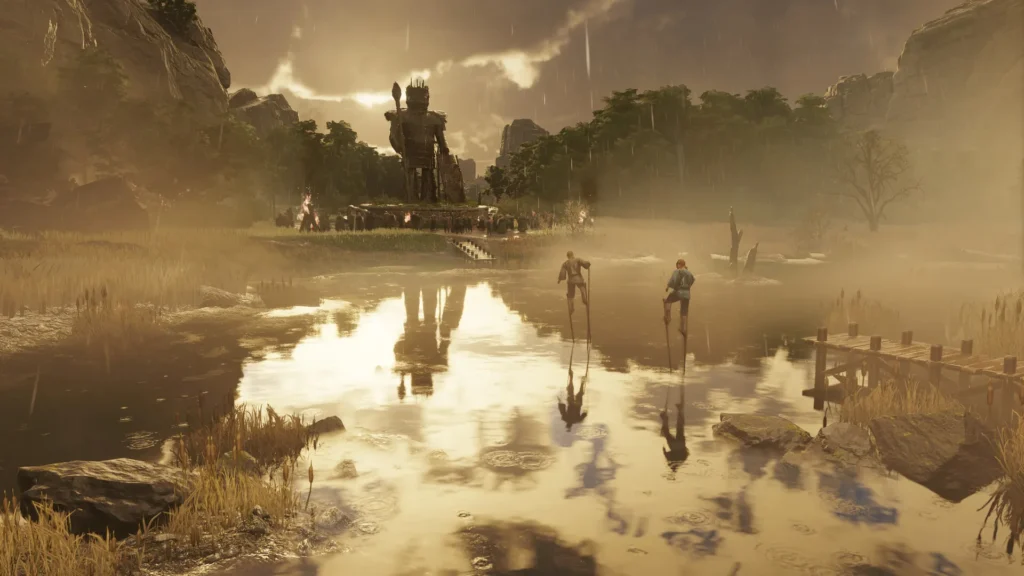
Either way, every choice carries weight, because you want something different than winning. You think about how your decisions in the world you’re building.
And here’s where the psychology kicks in. Games like these tap into our natural sense of responsibility and empathy. When citizens riot, we feel guilt. Our brain reacts as if we failed real people, not just pixels.
When things thrive, we feel pride, because humans are wired to celebrate growth and community.
Balancing progress with stability mirrors real-world leadership dilemmas, and our minds respond with the same tension leaders face in reality.
We feel the push and pull between ambition and care.
That’s why these decisions feel so heavy, because they trigger emotions like accountability, attachment, and even moral conflict inside of us.
Suddenly, you’re not just playing a strategy game. I think it’s like experiencing a mini version of the psychology of governance.
Sounds pretty serious, doesn’t it?
The joys and stresses of world building
You know why this mix of joy and stress hooks us so hard?
It’s because our brains love the “reward cycle.”
When you expand your world and see progress, dopamine kicks in. You know, the “feel-good” chemical that makes success so exciting.
On the other side, the stress of keeping everything balanced activates your fight-or-flight system, raising our tension and focus.
That combination of pleasure and pressure keeps you locked in, because you’re chasing relief from the stress and another hit of joy when things go right.
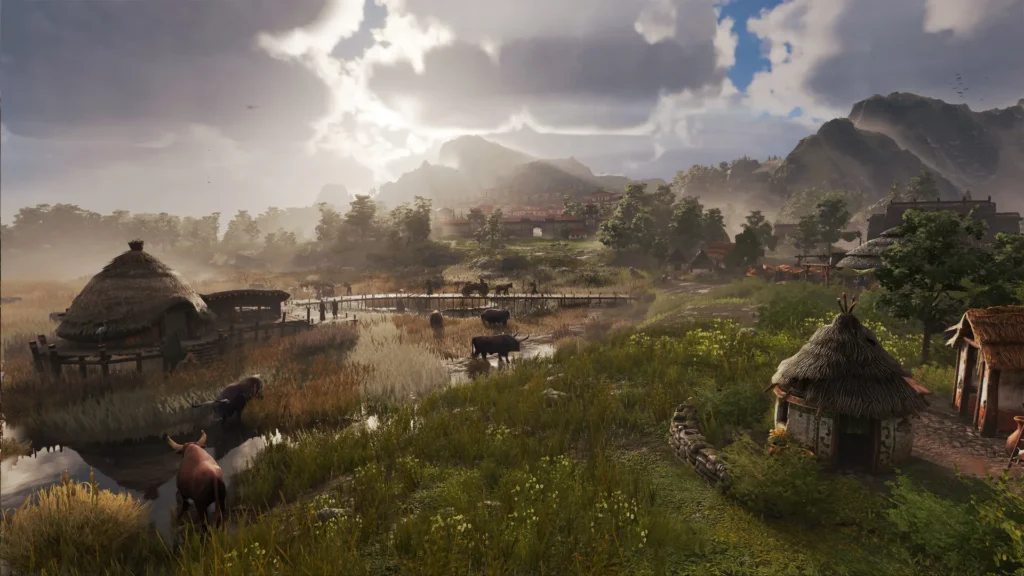
On top of that, psychologists talk about “flow” where a challenge is tough but still manageable.
World-building games hit that zone perfectly. They’re not too easy, but not impossible either.
And because you care about your citizens and the world you’ve built, your brain treats it like a real responsibility. That’s why it feels meaningful, not just like pushing buttons.
So the addictive part comes from this loop: stress makes you want to fix things, fixing things gives you joy, and joy makes you want to expand again.
It’s a cycle of tension and release that feels almost like real life, but safer, because YOU are in control.
Final reflections
You know what hits me about these two games most?
They really play on our deep “need for control.”
We’re emotionally involved, because every decision feels like it matters to the people in our world.
When things fall apart, we don’t just lose points, but we feel the burden of responsibility, right?
And when things flourish, the satisfaction feels close like we’ve actually built something that matters.
At the same time, they’re also good examples of a simulation of society. You clearly see class inequality, cultural integration, and all those messy dynamics that shape communities in our real life.
It’s so fascinating that different strategy games give us a safe space to experiment with history and society.
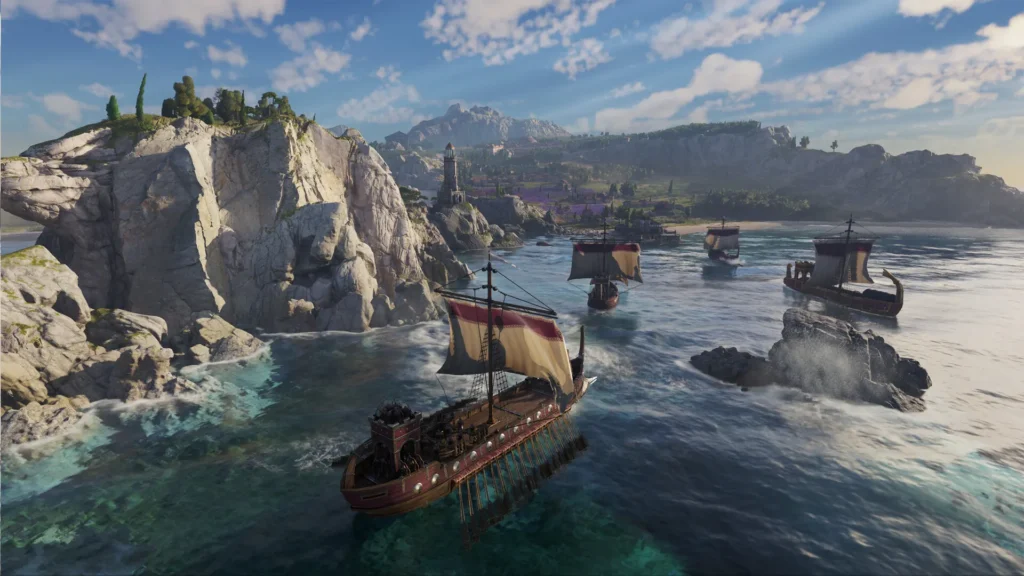
In Anno 117, you can push Rome to dominate provinces, while in Anno 1800 you can explore how industrial progress reshapes lives.
And all of it without consequences in real life.
And I think that’s the real magic here! These games let us explore identity, power, and community in ways real life rarely allows. You can ask yourself: what kind of leader am I? Do I chase ambition, or do I care for stability?
Such constant tension between control, empathy, and experimentation is what makes them so addictive, in my opinion, as it’s like playing with the psychology of governance, but in a world where you’re free to try, fail, and try again.
And that’s when I start wondering…
If such games can make us feel the weight of leadership and the joy of community, why not take those lessons into real life?