




Two of the biggest FPS franchises returned almost simultaneously, once again forcing players to ask the age-old question: Battlefield or Call of Duty?
The latest entries in both series launched at the end of 2025 — Battlefield 6 in October, followed by Call of Duty: Black Ops 7 a month later — and both aim to define what the next generation of shooters should look like. The catch? They go about it in completely different ways.
On one side, there’s Battlefield’s trademark scale, chaos, and war-themed sandbox. On the other, Black Ops delivers speed, precision, and that signature, finely tuned gameplay “flow”. Which vision has a stronger future within the FPS genre? The answer isn’t nearly as straightforward as it might seem.
Two Schools of FPS Design – What the Developers are Signaling
Battlefield 6 was developed by DICE under the EA banner and runs on a heavily upgraded Frostbite game engine. From the very beginning, the developers made it clear they wanted a return to the series’ roots, offering large-scale maps, full-blown battles, and destruction systems that meaningfully impact gameplay.
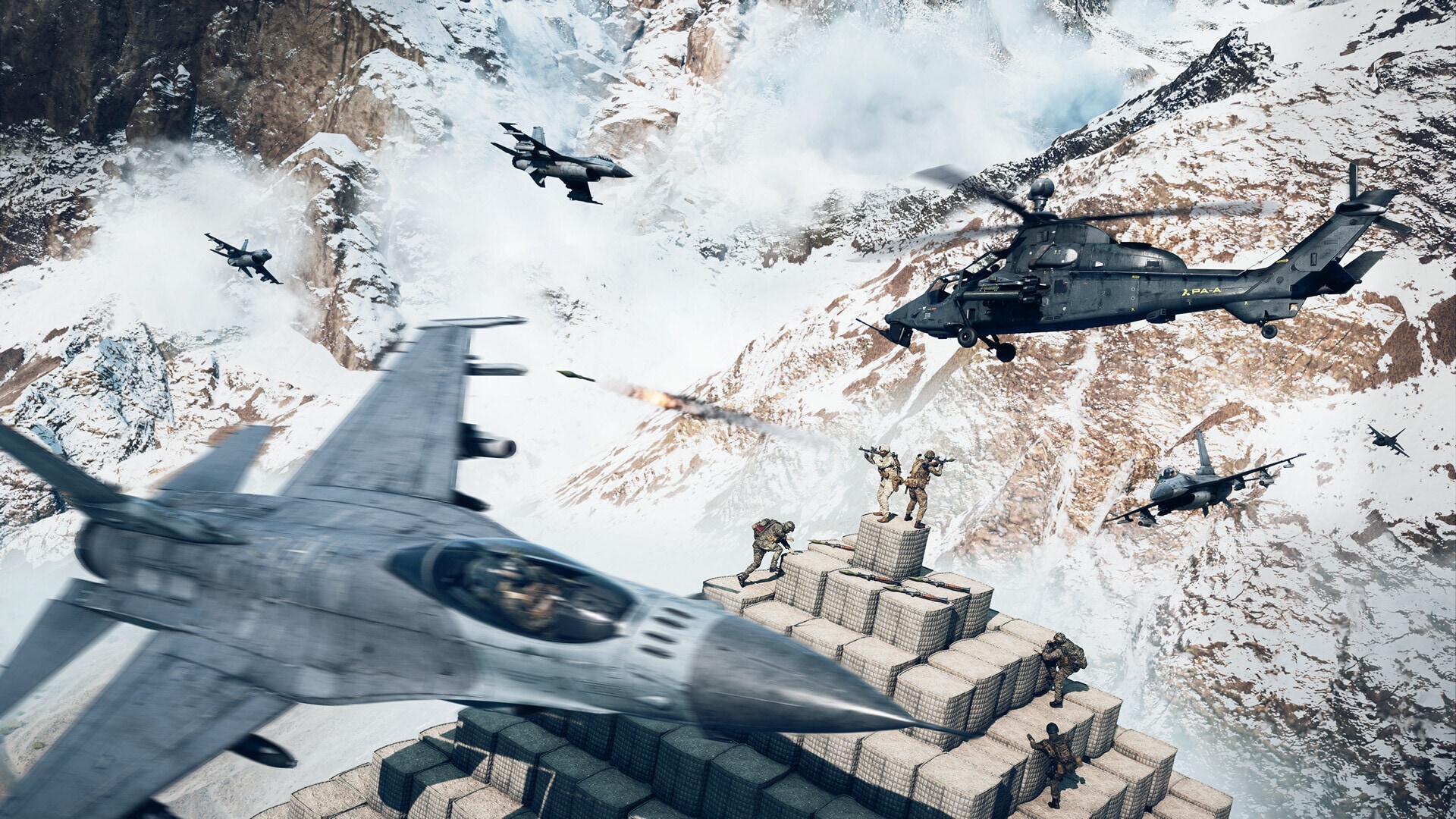
The game launched on PC, PlayStation 5, and Xbox Series X|S, with its October release standing out as one of the biggest shooter launches of late 2025.
Call of Duty: Black Ops 7, meanwhile, is a Treyarch project published by Activision, built on the IW 9.0 engine (the same technology powering Black Ops 6 and Modern Warfare III). Unlike Battlefield, Black Ops 7 launched across both current- and previous-generation PlayStation and Xbox consoles.
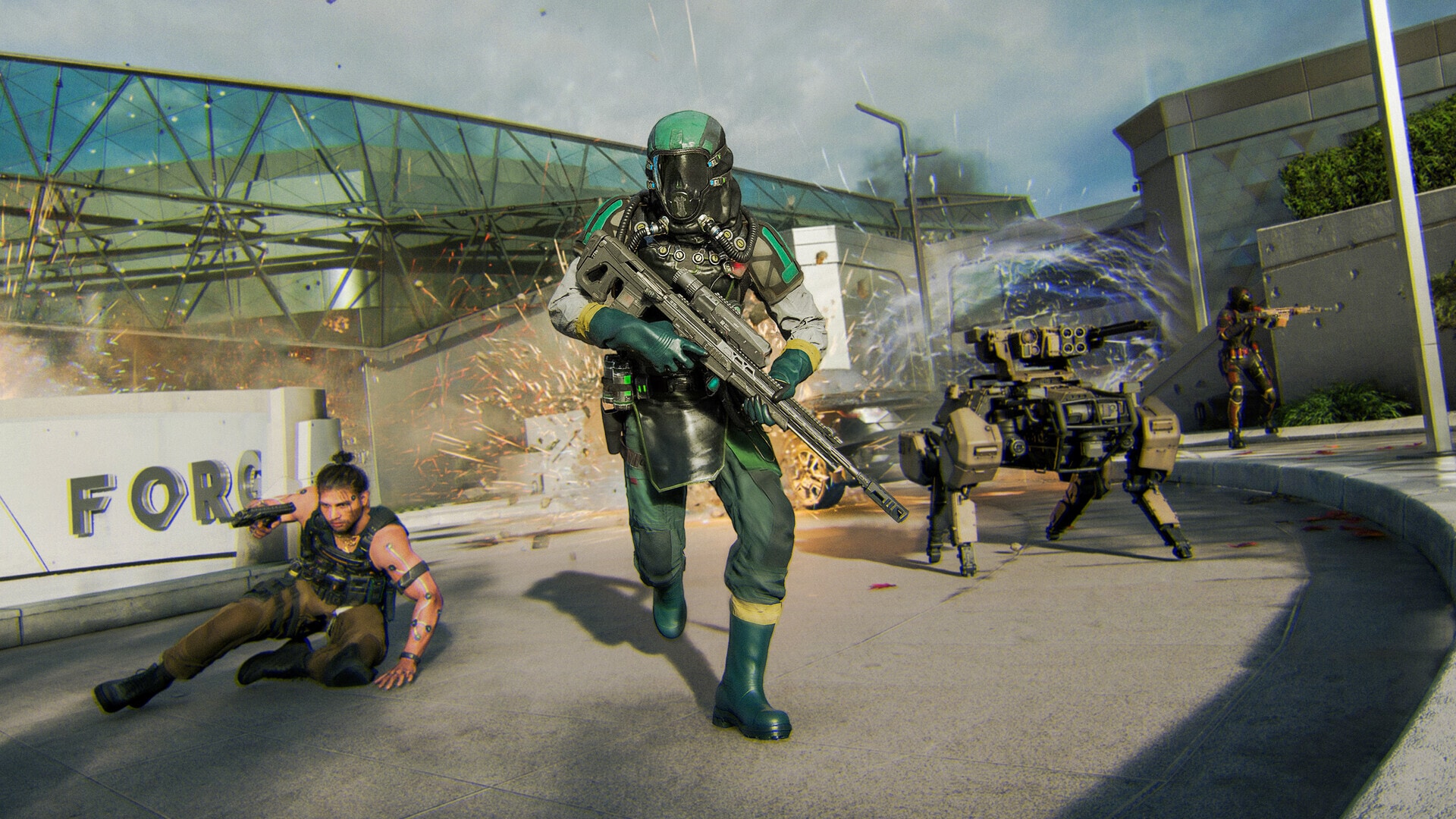
Treyarch leaned into a proven formula, refining the elements the Black Ops sub-series is known for… smooth movement, precise gunplay, and a highly polished live service model. Its November release effectively capped off an intense end-of-year period for shooter fans.
Even at the announcement stage, it was clear these games were aiming to deliver fundamentally different experiences.
Battlefield 6 vs Black Ops 7 FPS Comparison: Scale Versus Pacing
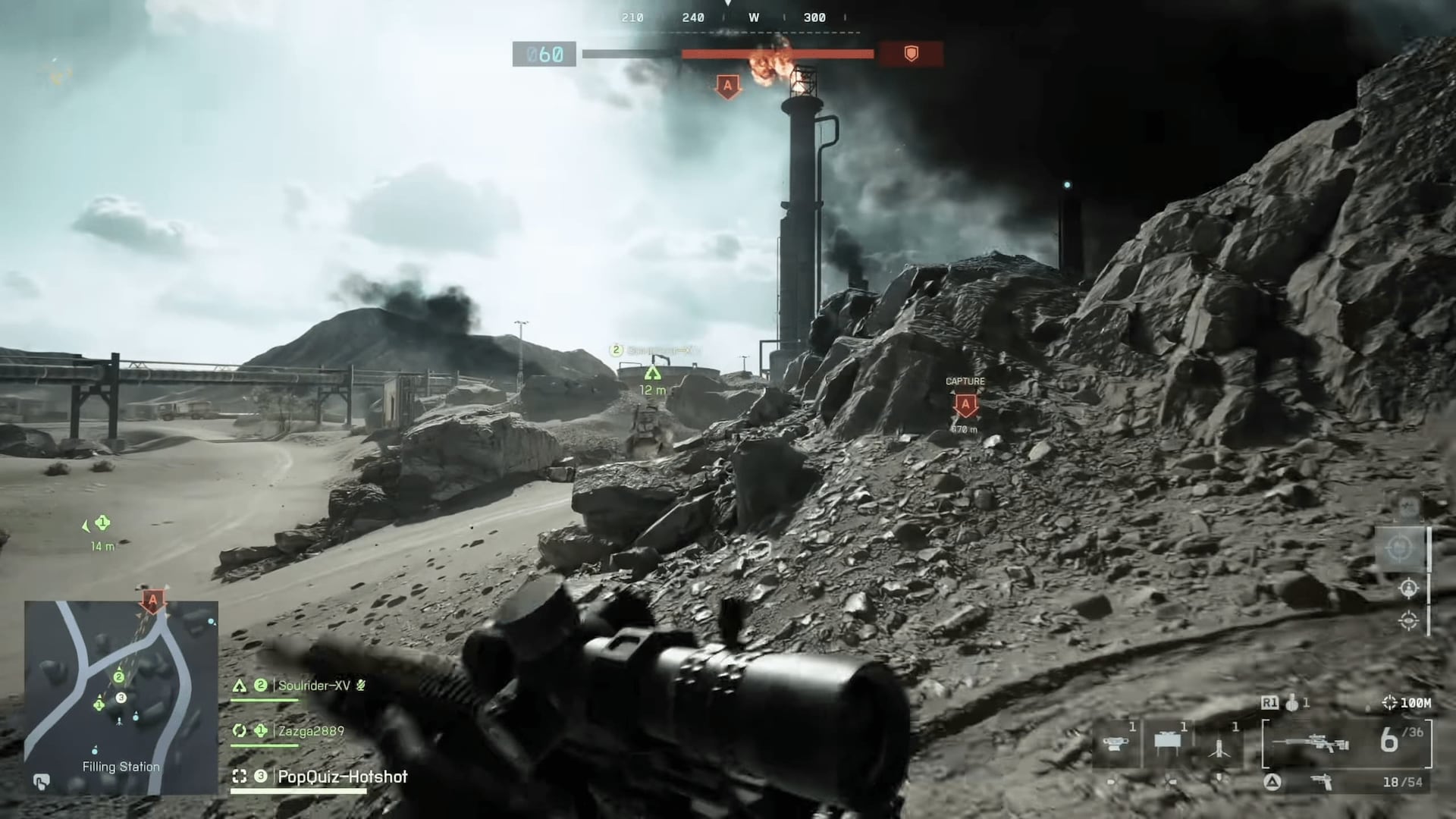
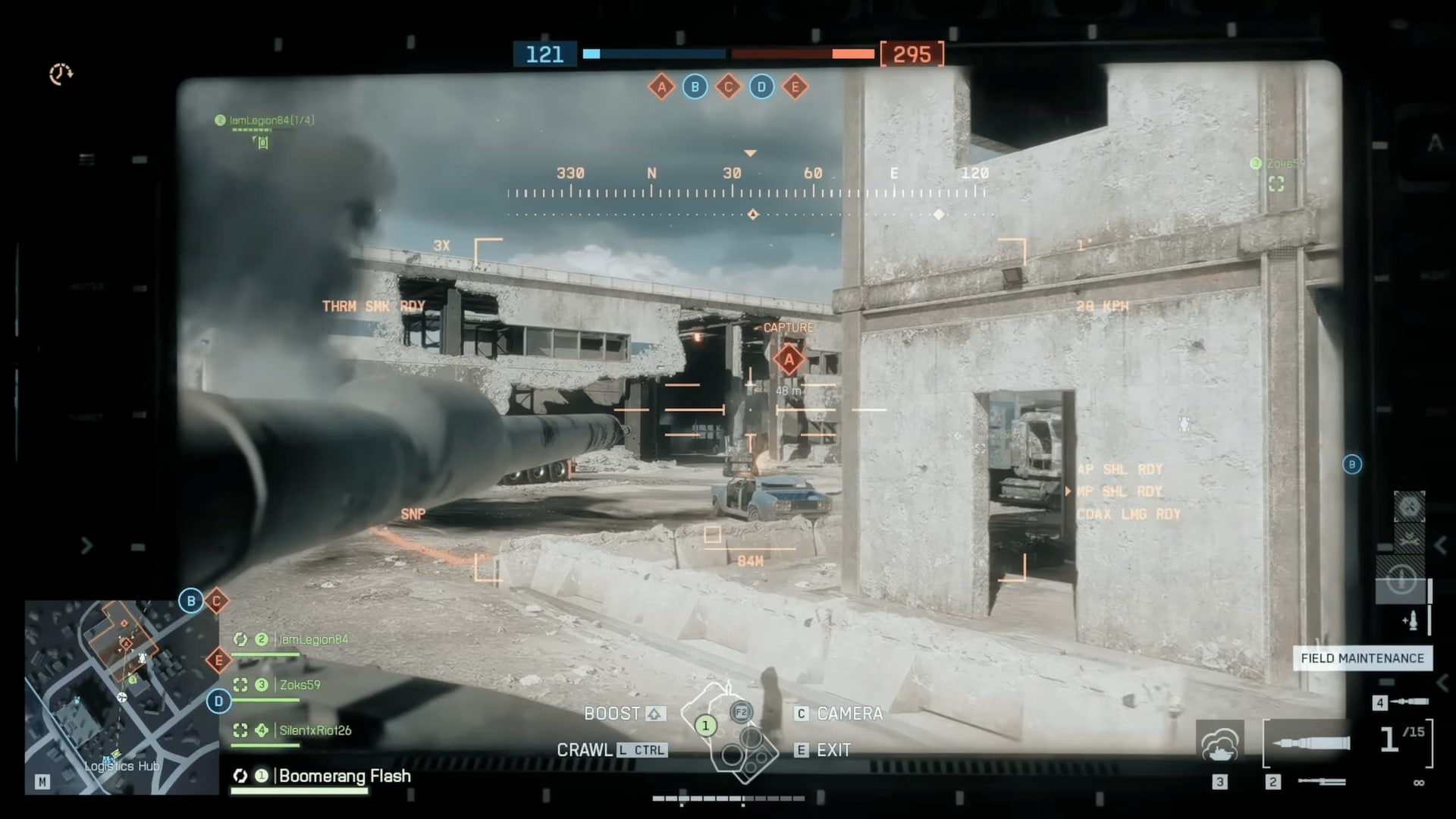
The sharpest contrast between the two titles lies at the very core of gameplay. Battlefield 6 focuses on massive maps and large-scale multiplayer modes, supporting 32v32 battles, extensive environmental destruction, and vehicles as a core part of combat. Classic Conquest-style modes and a strong emphasis on teamplay define its identity.
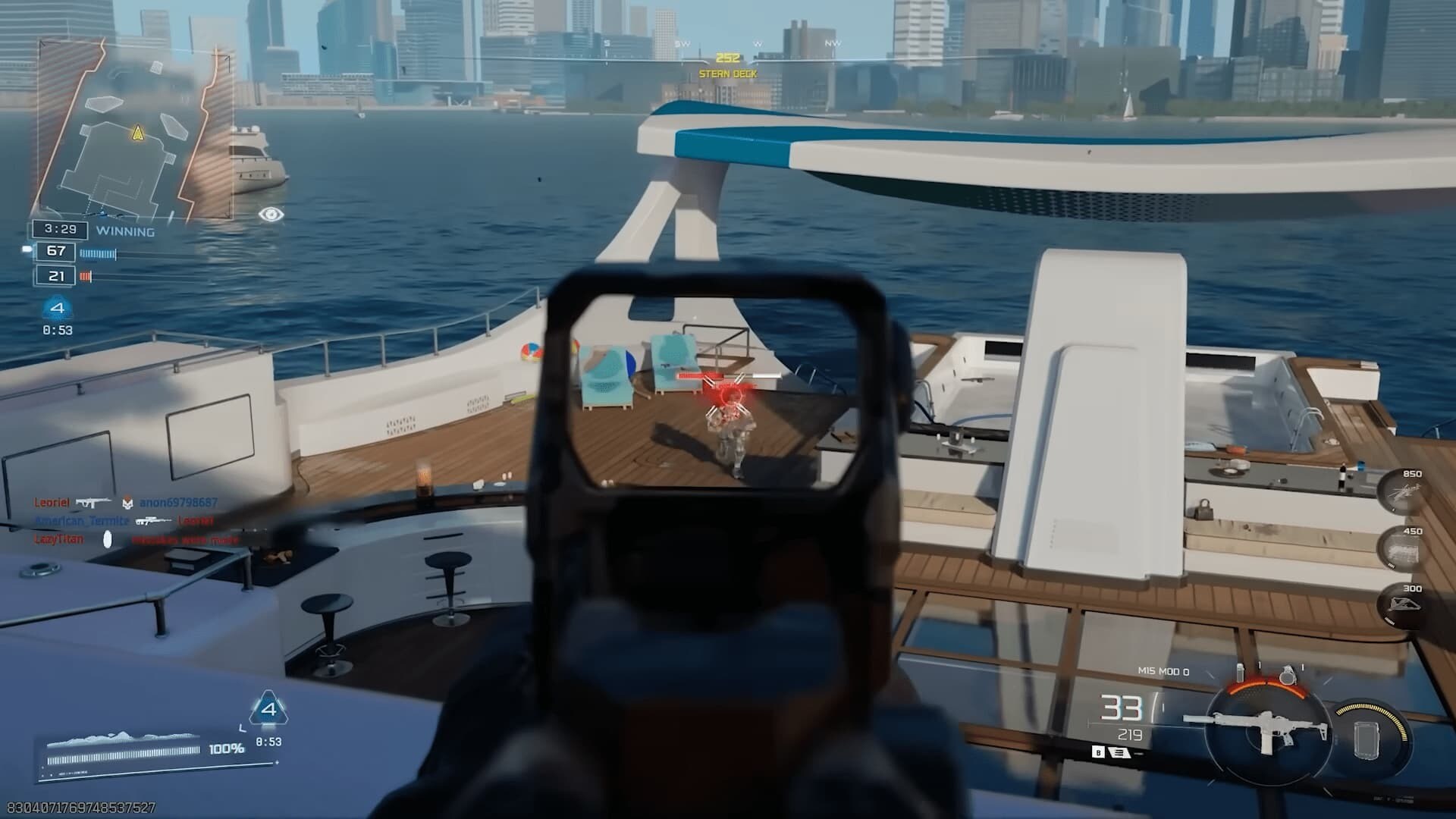
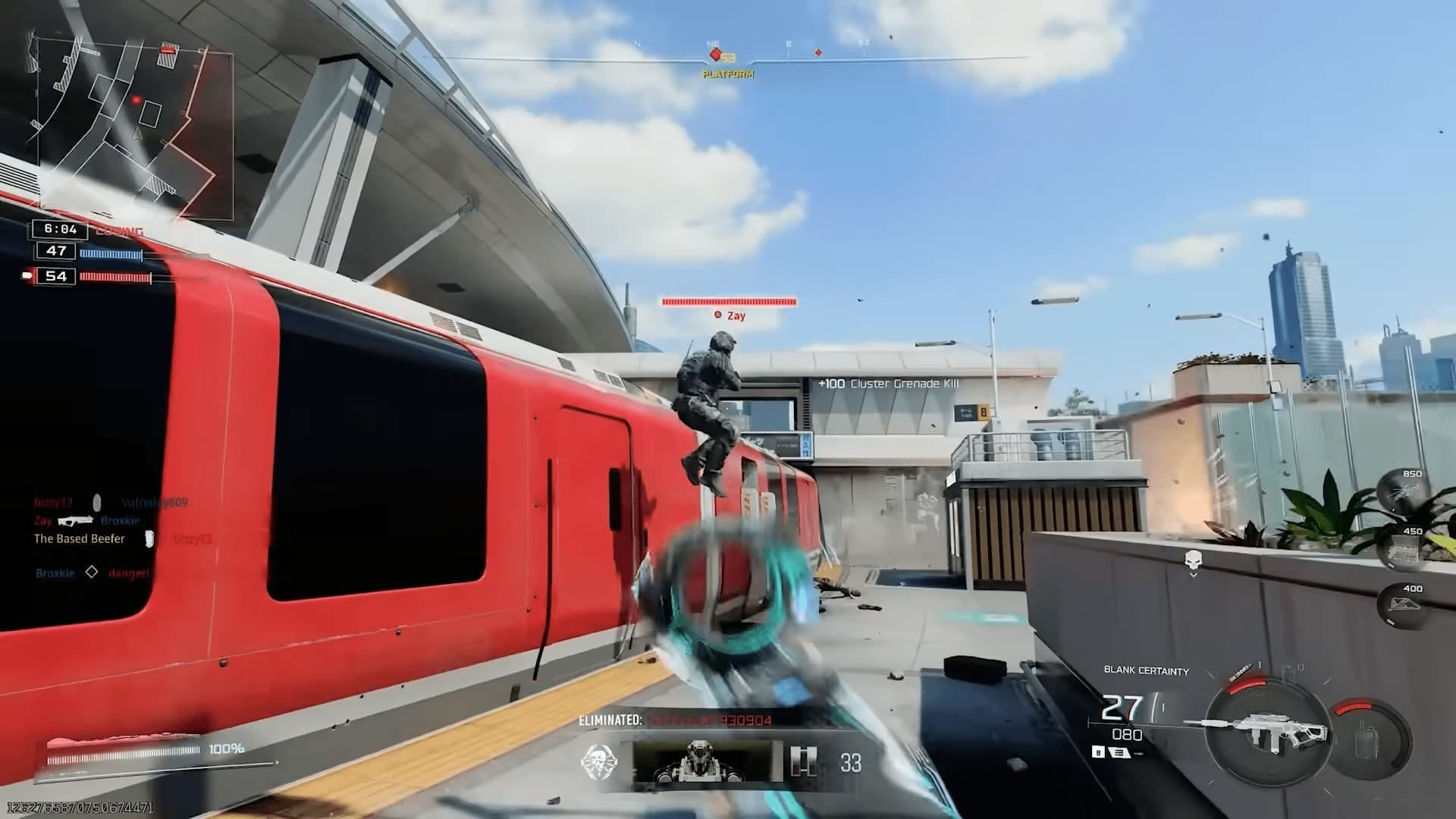
Black Ops 7 goes in the opposite direction. It offers smaller but more densely designed maps, a much faster overall pace, highly responsive gunplay, and dynamic movement systems. Multiplayer matches are built around significantly lower player counts (6vs6), while unique, franchise-specific modes — most notably the long-running fan-favorite Zombies — play a major role in the overall experience.
Technology and Modern Design Choices
These gameplay differences are deeply tied to each game’s technological priorities. Battlefield 6 uses next-gen hardware primarily to simulate scale (vast spaces, complex destruction systems, and dynamic map events that can completely reshape a match mid-game). The technology is there to sell the feeling of being part of a living, unpredictable battlefield.
Black Ops 7, on the other hand, prioritizes stability and responsiveness. High frame rates, fast input response, and a clear progression system are essential to delivering an experience that feels intense yet fair and consistent in competitive play. This approach aligns closely with current market trends, where shooters are increasingly designed to support long-term player engagement.
Community, eSports, and Long-Term Appeal
Call of Duty has spent years heavily investing in competitive play and its unique ecosystems. Black Ops 7 fits naturally into the world of streaming, esports, and skill-based competition, appealing to players who value short, high-intensity sessions and clearly defined rulesets.
Battlefield 6 takes a different route. Its strength lies in a community built around sandbox gameplay, where matches can unfold in unexpected ways and memorable moments often happen organically. While competitive play has never been the franchise’s main focus, Battlefield’s ability to sustain a dedicated community over the long term remains one of its biggest assets.
Franchise Legacy and Expectations
Both series carry significant historical weight. Battlefield spent years building a reputation for delivering unmatched scale, but it has also faced several high-profile missteps that made each new release a test of player trust. Battlefield 6 was widely considered a chance to rebuild that confidence.
The Black Ops sub-series, by contrast, is often viewed as one of the most consistent branches of the Call of Duty brand. Expectations for its seventh installment weren’t about reinvention, but rather a refined evolution of a well-established formula.
Battlefield 6 vs Black Ops 7 – Which One Wins?
So, can we clearly say which game will define the next generation of FPS titles? Not really. Both franchises have been “battling” for the top spot in military shooters for years… and they’ve been neck and neck for just as long.
That said, early community sentiment does paint an interesting picture. In the months following launch, Battlefield 6 tended to receive more favorable player feedback online and enjoyed a noticeably stronger reception among PC players. Black Ops 7, despite the sheer power of the Call of Duty brand, sparked more mixed reactions — especially from fans hoping for bolder changes compared to previous entries.
Ultimately, choosing between these games comes down to personal preference. If you value scale, realism, and unpredictable large-scale battles, Battlefield 6 is likely the better fit. If you prefer speed, precision, and classic competitive action, Black Ops 7 still delivers exactly what Call of Duty is known for.
One thing is certain: this rivalry continues to push the genre forward — and PLAYERS are the biggest winners, getting new entries from both series every year (or few years at most), each refining its own vision of what a modern FPS should be.