
Few gaming labels build expectations quite like “AAA.” The moment you hear it, you probably imagine enormous budgets, hundreds of developers, cutting-edge graphics, massive marketing campaigns, and a publisher expecting millions of copies sold.
But AAA is not an official classification, and a huge budget does not automatically make a game good. So, what does triple-A actually mean, and which games show the idea at its best? Let’s take a look at 10 evergreen blockbusters and 10 major AAA releases from 2025 and 2026.
TL;DR – Best AAA Games
Table of Contents
What does AAA mean in gaming?
AAA, or triple-A, is an informal term rather than an official industry rating. There is no committee handing out badges, and there is no universal budget a project must cross before becoming AAA.
Generally, the label describes games built with substantial development budgets, large teams, expensive technology, major marketing campaigns, and high commercial expectations. It is basically the gaming equivalent of a blockbuster movie.
AAA also has nothing to do with genre. A huge RPG, a relatively linear horror game, a fighting game, a racing title, or a multiplayer shooter can all qualify. Scale and production resources matter much more than the structure of the game itself.
Are triple-A games worth your money?
Sometimes absolutely. Sometimes the money is more visible in the advertising campaign than in the actual game.
A large budget can fund exceptional animation, motion capture, voice acting, huge environments, custom technology, orchestral soundtracks, complicated systems, and years of development. What it cannot guarantee is interesting design, good writing, or sensible pacing.
The games below are here because they use their scale well.
10 evergreen AAA games
Red Dead Redemption 2
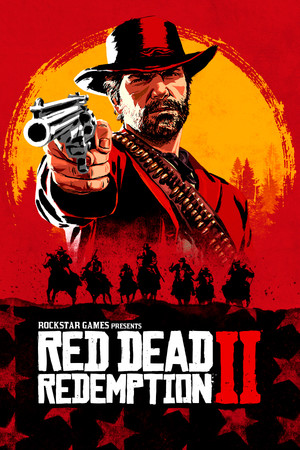
Red Dead Redemption 2 remains one of gaming’s most ridiculous displays of production value. Rockstar did not simply build a gigantic map and fill it with mission markers. Wildlife follows believable routines, towns react to Arthur’s actions, strangers remember previous encounters, mud and snow behave differently, and even routine actions such as cleaning a gun receive detailed animations.
All that detail supports the slow collapse of the Van der Linde gang. Arthur Morgan begins as one of Dutch’s most dependable enforcers, but the longer the gang runs from civilization, the harder it becomes to ignore that Dutch’s plans are falling apart. If AAA means spending enormous resources on something smaller teams could barely attempt at the same scale, RDR2 is still a textbook example.
Why You Might Like It
- one of the most detailed open worlds ever built
- excellent performances and character writing
- huge amount of optional exploration and incidental interaction
- still a benchmark for animation and environmental detail
The Witcher 3: Wild Hunt

The Witcher 3 helped reshape expectations for open-world RPG quest design. Geralt’s hunt for Ciri takes him through enormous regions, but the real strength is how often a seemingly insignificant contract turns into an involved story about politics, monsters, families, war, or people making terrible decisions.
The two expansions only strengthen its reputation. Hearts of Stone delivers a tighter supernatural tale, while Blood and Wine adds a huge new region that could almost pass for another game. The next-gen update also helped the presentation age considerably better than many other RPGs from the same period.
Why You Might Like It
- excellent quest writing and morally complicated choices
- huge worlds filled with meaningful side content
- memorable characters and monsters
- two exceptional expansions
Cyberpunk 2077

Cyberpunk 2077 had one of the roughest blockbuster launches in recent memory, but years of updates and the Phantom Liberty expansion transformed it into a considerably stronger RPG. Night City remains its greatest achievement: a dense, vertical metropolis full of corporations, gangs, fixers, neon, side jobs, and people trying to survive a world that treats almost everyone as disposable.
Update 2.0 redesigned progression, perks, cyberware, police behavior, and large parts of combat. That means current Cyberpunk feels substantially different from the launch build. Add Phantom Liberty’s spy-thriller storyline and it becomes one of the clearest examples of a troubled AAA project eventually realizing much of its original potential.
Why You Might Like It
- one of gaming’s most impressive urban environments
- flexible builds based around guns, hacking, blades, stealth, or cyberware
- strong character-focused quests
- Phantom Liberty is an excellent expansion
Elden Ring
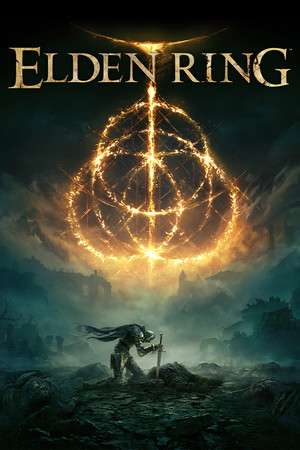
Elden Ring is what happened when FromSoftware took the structure of Dark Souls and gave players enough countryside to become completely lost. The Lands Between are huge, but the important part is how little the game does to drag you toward every interesting location.
Entire regions, bosses, questlines, spells, weapons, and underground worlds can be missed. That makes exploration genuinely rewarding instead of a process of clearing icons from a map. The demanding combat remains unmistakably FromSoftware, but the amount of build variety and alternate routes makes Elden Ring more flexible than the studio’s earlier Souls games.
Why You Might Like It
- huge open world built around discovery
- deep build and equipment customization
- dozens of memorable bosses
- massive replay value
Baldur’s Gate 3
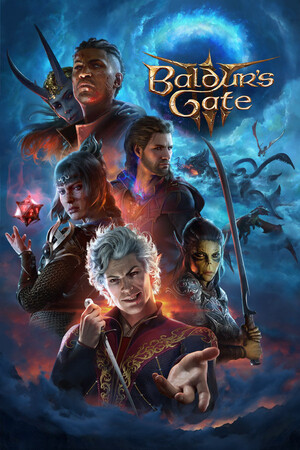
Baldur’s Gate 3 is an unusual AAA case because Larian remains independent, but very little about the finished game feels small. Dialogue is extensively cinematic, major characters are fully performed, and the world reacts to combinations of decisions and abilities that most RPGs would simply refuse to acknowledge.
The turn-based combat adapts Dungeons & Dragons 5th Edition while encouraging experimentation. Throw enemies into holes, ignite surfaces, collapse structures, use spells outside combat, talk bosses into bad decisions, or turn into something with enough claws that conversation becomes unnecessary. Production scale supports player freedom here rather than replacing it.
Why You Might Like It
- exceptional freedom in quests and combat
- excellent companions and performances
- great co-op
- one of the most reactive modern RPGs
God of War Ragnarök
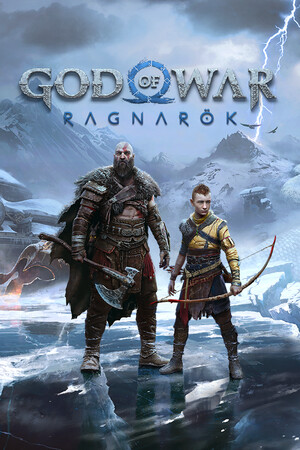
God of War Ragnarök takes everything the 2018 reboot established and dramatically expands the scale. Kratos and Atreus travel through all nine realms while Odin’s schemes, prophecy, family problems, and the approaching end of the Norse world gradually collide.
The combat remains heavy and immediate, but Kratos receives a broader arsenal, better traversal, more enemy variety, and increasingly elaborate boss battles. This is first-party Sony production at full power: detailed character animation, large set pieces, excellent performances, and enough quieter moments to stop the spectacle from becoming exhausting.
Why You Might Like It
- strong character-driven story
- weighty combat with several weapons
- spectacular boss encounters
- excellent audiovisual production
Resident Evil 4 Remake
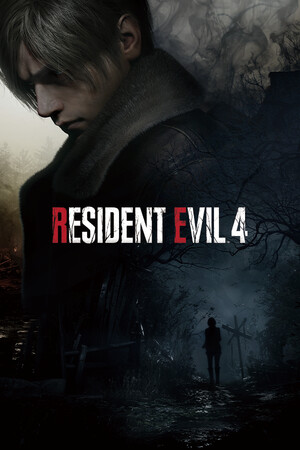
Resident Evil 4 Remake shows how to rebuild a classic without throwing away what made it work. Leon still travels to rural Europe to rescue the president’s daughter, but combat, movement, level design, atmosphere, and characterization have all been substantially modernized.
The knife parry transforms close-range combat, while scarce resources keep fights from becoming mindless shooting galleries. Enemies are aggressive, positioning matters, and the game constantly pushes you between feeling powerful and realizing that you are one bad reload away from a disaster.
Why You Might Like It
- great balance between action and horror
- excellent combat and encounter design
- high replay value
- one of the strongest modern remakes
Hogwarts Legacy
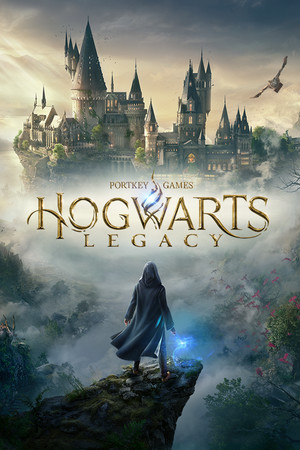
Hogwarts Legacy understands that many players wanted one thing above everything else: access to Hogwarts without being rushed through somebody else’s story. The school is enormous, full of moving staircases, puzzles, classrooms, hidden chambers, paintings, and little environmental details.
Outside the castle, Hogsmeade and the surrounding countryside provide combat, side quests, magical creatures, caves, and collectibles. It is perhaps closer to a theme-park version of the Wizarding World than a deep RPG simulation, but that presentation is exactly why it belongs in an AAA roundup.
Why You Might Like It
- extremely detailed Hogwarts
- large collection of combat and utility spells
- character creation and house selection
- original story set long before the novels
Marvel’s Spider-Man 2

Marvel’s Spider-Man 2 gives Peter Parker and Miles Morales equal billing, with the story pulling both heroes into conflicts involving Kraven, Venom, and one particularly troublesome alien symbiote.
The expanded version of New York is faster to traverse thanks to Web Wings, while both Spider-Men have distinct combat abilities. It is a great example of AAA technology improving the feel of an existing formula: traversal is quicker, fights are more elaborate, and major set pieces move through the city with very little friction.
Why You Might Like It
- two playable Spider-Men
- excellent movement around New York
- spectacular cinematic sequences
- fast, acrobatic combat
Grand Theft Auto V
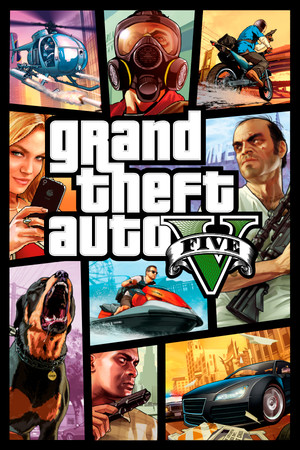
Grand Theft Auto V has survived several hardware generations for a reason. Los Santos remains an enormous urban playground filled with cars, weapons, stranger missions, heists, businesses, mountains, beaches, radio stations, and ways for a simple trip across town to turn into a police chase.
The three-protagonist structure also gives the campaign a distinct rhythm. Michael, Franklin, and Trevor approach crime from very different perspectives, and missions regularly switch between them during elaborate action sequences. Then there is GTA Online, which turned the game into a platform of its own.
Why You Might Like It
- large and varied open world
- three playable protagonists
- huge range of vehicles and activities
- enormous amount of multiplayer content
10 new AAA games from 2025-2026
Monster Hunter Wilds
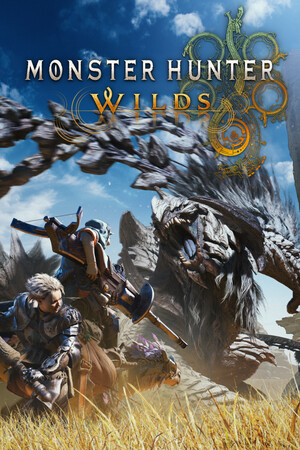
Monster Hunter Wilds pushes Capcom’s hunting formula toward larger, more reactive ecosystems. Weather can transform entire regions, herds move through the environment, and monsters interact with one another instead of simply waiting for the player to arrive.
The core loop remains wonderfully intact. Hunt something dangerous, study its behavior, carve materials from it, craft stronger equipment, then go after something even worse. Fourteen weapon categories make combat dramatically different depending on your choice, and co-op turns difficult hunts into small-scale raid encounters.
Why You Might Like It
- massive monsters with detailed behavior
- fourteen very different weapon classes
- dynamic ecosystems and weather
- excellent cooperative hunting
Assassin’s Creed Shadows
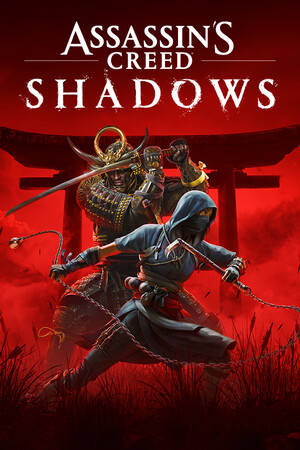
Assassin’s Creed Shadows finally takes Ubisoft’s flagship historical series to feudal Japan, but the more interesting idea is the contrast between its protagonists. Naoe is a shinobi built around stealth, darkness, climbing, distractions, and assassination. Yasuke is a samurai who is much happier walking through the front gate.
The difference affects more than combat animations. Naoe can exploit shadows and lighter equipment, while Yasuke excels in direct confrontations and heavier weaponry. Seasonal changes also alter vegetation and environmental conditions, giving the large open world more visual and tactical variety.
Why You Might Like It
- two protagonists with genuinely different playstyles
- beautiful feudal Japanese setting
- stronger stealth options than several recent Assassin’s Creed games
- large open world with seasonal changes
DOOM: The Dark Ages
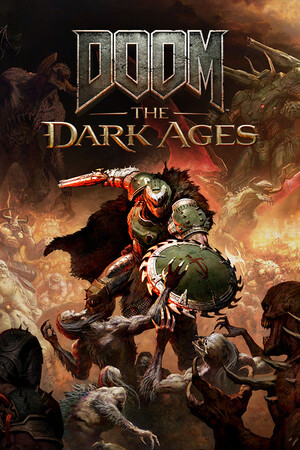
DOOM: The Dark Ages does not simply try to make Doom Eternal faster. Instead, the Slayer feels heavier, more grounded, and closer to a walking siege engine.
The Shield Saw sits at the center of the new combat rhythm. It can block, parry, damage enemies, and create openings for weapons that would be considered excessive in almost any other series. Broader levels and enormous encounters also make the game feel less like corridor-clearing and more like participating in a demonic medieval war.
Why You Might Like It
- heavier combat than Doom Eternal
- excellent shield and parry mechanics
- huge battles with lots of enemies
- fantastic techno-medieval art direction
Death Stranding 2: On the Beach

Death Stranding 2 keeps the strange core of the original but gives players more ways to approach the journey. Sam is still transporting cargo through hostile terrain, yet combat, stealth, vehicles, environmental hazards, and changing routes all play larger roles.
The appeal remains wonderfully specific. You can spend ten minutes carefully balancing equipment and planning a safe route, then immediately enter a cinematic sequence that feels like somebody gave Hideo Kojima a very large budget and forgot to establish adult supervision.
Why You Might Like It
- unusual traversal-focused gameplay
- stronger stealth and combat than the original
- spectacular cinematic presentation
- great alternative to conventional open-world design
Metal Gear Solid Delta: Snake Eater

Metal Gear Solid Delta takes one of the most beloved stealth games ever made and rebuilds its jungles, characters, animals, and military facilities with modern technology while staying extremely close to the original story.
That fidelity makes sense because Snake Eater’s Cold War spy story, camouflage mechanics, survival systems, bizarre bosses, and excessive conversations are exactly what people wanted preserved. The modern control option makes movement and aiming easier without rewriting the underlying game.
Why You Might Like It
- classic stealth design with modern visuals
- excellent Cold War storyline
- camouflage, hunting, survival, and injury systems
- great entry point into Metal Gear chronology
Borderlands 4

Borderlands 4 takes the series to Kairos, introduces another group of Vault Hunters, and once again makes a compelling argument that no human being has ever needed this many guns.
The more important changes concern movement and world structure. New traversal options make both combat and exploration more fluid, while the world feels less like isolated combat arenas joined together by transitions. Underneath it all, this is still Borderlands: loot, builds, bosses, co-op, elemental effects, and an endless search for a slightly better weapon.
Why You Might Like It
- enormous weapon variety
- four-player co-op
- improved traversal
- strong replay value through builds and loot
Ghost of Yōtei
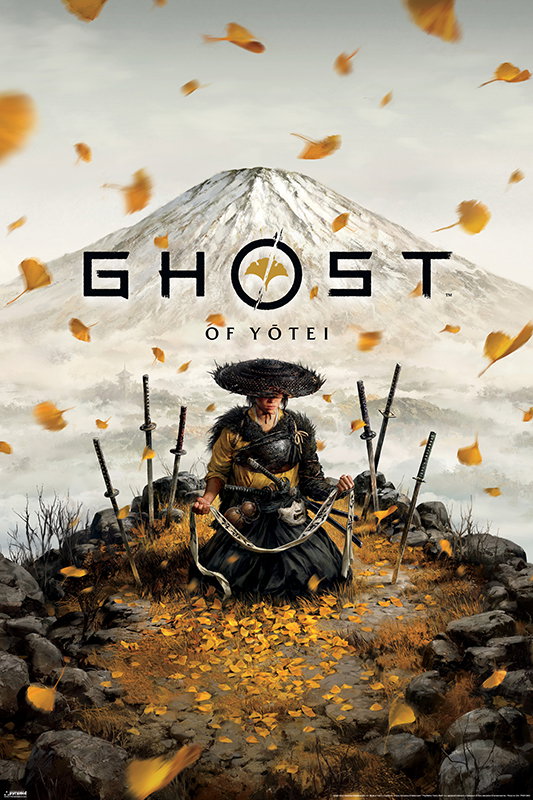
Ghost of Yōtei moves the series centuries beyond Ghost of Tsushima and follows Atsu, a mercenary hunting the people responsible for murdering her family.
The new setting around Mount Yōtei gives Sucker Punch another excuse to build landscapes that look like weaponized desktop wallpapers. Combat remains cinematic, but Atsu’s wider arsenal makes encounters more flexible than Jin’s mostly katana-centered approach. It is a polished first-party open-world adventure through and through.
Why You Might Like It
- stunning historical Japanese setting
- cinematic melee combat and duels
- new protagonist and standalone story
- minimalist exploration and navigation
Battlefield 6

Battlefield 6 brings the franchise back to modern combined-arms warfare, where infantry, tanks, helicopters, jets, explosives, buildings, and extremely questionable squad decisions all occupy the same battlefield.
Destruction is particularly important because blowing apart structures changes sightlines and cover rather than merely producing impressive dust clouds. Combined with large maps and class-based teamwork, it delivers the expensive, chaotic war-movie spectacle Battlefield has always chased.
Why You Might Like It
- large multiplayer battles
- infantry and vehicle combat in the same matches
- tactical environmental destruction
- strong squad-based structure
Resident Evil Requiem

Resident Evil Requiem shows how comfortably Capcom now moves between survival horror and blockbuster action. Grace Ashcroft handles the more vulnerable, investigative side of the game, while Leon S. Kennedy brings decades of experience and considerably louder solutions.
The split works because Requiem does not have to pretend that both characters should fear exactly the same things in exactly the same way. Grace’s sections lean more heavily into tension and resource management, while Leon gives longtime fans the polished action-horror combat modern Resident Evil does particularly well.
Why You Might Like It
- mixes survival horror and action
- excellent RE Engine visuals
- strong atmosphere and resource management
- major connections to Resident Evil history
007 First Light

007 First Light gives IO Interactive perhaps the most obvious license imaginable for the studio behind Hitman. Rather than adapting one of the movies, it follows a younger James Bond working toward his 00 status.
The result combines stealth, gadgets, social infiltration, shooting, hand-to-hand combat, driving, and cinematic set pieces. It is more directed than Hitman, but IO’s DNA is obvious whenever Bond gets room to observe a situation and choose whether charm, stealth, improvisation, or a suppressed pistol is the correct solution.
Why You Might Like It
- original James Bond origin story
- mix of stealth, gadgets, social infiltration, and action
- IO Interactive’s Hitman experience suits the license
- high-end cinematic presentation
AAA games on G2A.COM
Several games from the list are available as keys, gifts, or other digital offers on G2A Marketplace. Always check the platform, activation method, and region before buying.
Get more from G2A Plus
G2A Plus members can collect Plus Points and use them to pay less on future orders. Premium also includes better member prices, higher discount codes, regular bonuses and rewards, and priority post-purchase assistance.
AAA games FAQ
What does AAA mean in video games?
AAA is an informal term for high-budget games backed by substantial development resources, large teams, major marketing, and high commercial expectations.
Is AAA an official classification?
No. There is no official budget threshold and no organization decides whether a game qualifies.
Does AAA mean a game is better?
No. A large budget can improve technology, animation, content volume, voice acting, and presentation, but it cannot guarantee interesting design or good writing.
What is the difference between AA and AAA?
AA generally describes professionally produced games made with smaller teams, budgets, or marketing campaigns than the largest blockbusters. The boundary between the two categories is subjective.
Can an independent studio make an AAA game?
Yes. Baldur’s Gate 3 is a useful example. Larian is independently owned, but the game’s scale, development investment, cinematic presentation, and market impact make it reasonable to discuss alongside traditional AAA releases.
Big budgets, bigger expectations
AAA is useful shorthand, but it should never be treated as a quality seal.
The best blockbusters justify their size. Red Dead Redemption 2 uses its resources to make a world feel unusually alive. Baldur’s Gate 3 spends them on player freedom. Monster Hunter Wilds creates gigantic creatures that behave like parts of an ecosystem. DOOM: The Dark Ages uses them to give you a shield that is also a saw, which might be the most responsible use of a multimillion-dollar budget imaginable.
That is AAA gaming at its best: not simply bigger, but using that scale to do something memorable.