

Games under 10GB keep proving that install size and gameplay depth are two very different things.
Some of the smartest strategy games, best roguelikes, most demanding survival sandboxes, and most rewarding exploration-heavy adventures on PC barely take up any drive space at all. The trick is knowing which small-footprint games actually have enough systems, replayability, and long-term mastery to stay interesting for dozens or even hundreds of hours. These are the ones that genuinely punch above their size.
TL;DR – 20 Best Games Under 10GB With Surprisingly Deep Gameplay
Table of Contents
- RimWorld
- Against the Storm
- Oxygen Not Included
- Slay the Spire
- Balatro
- Into the Breach
- FTL: Faster Than Light
- Caves of Qud
- Noita
- Dead Cells
- Hollow Knight
- Terraria
- Stardew Valley
- TUNIC
- Darkest Dungeon
- Monster Train
- Inscryption
- Papers, Please
- Return of the Obra Dinn
- Baba Is You
- Best games under 10GB by playstyle





The easiest mistake to make with small games is assuming they are only good for short sessions or casual downtime. That is not how these picks work. Most of them are dense with systems, hidden interactions, long progression arcs, or run-based decision making that gets better the more you understand them.
That also means this list is intentionally broad. Some of these games create depth through simulation and survival pressure. Others do it through deckbuilding, tactics, exploration, deduction, or puzzle design. What links them together is simple: they stay under the 10GB mark while offering far more mechanical and strategic depth than their size suggests.
RimWorld
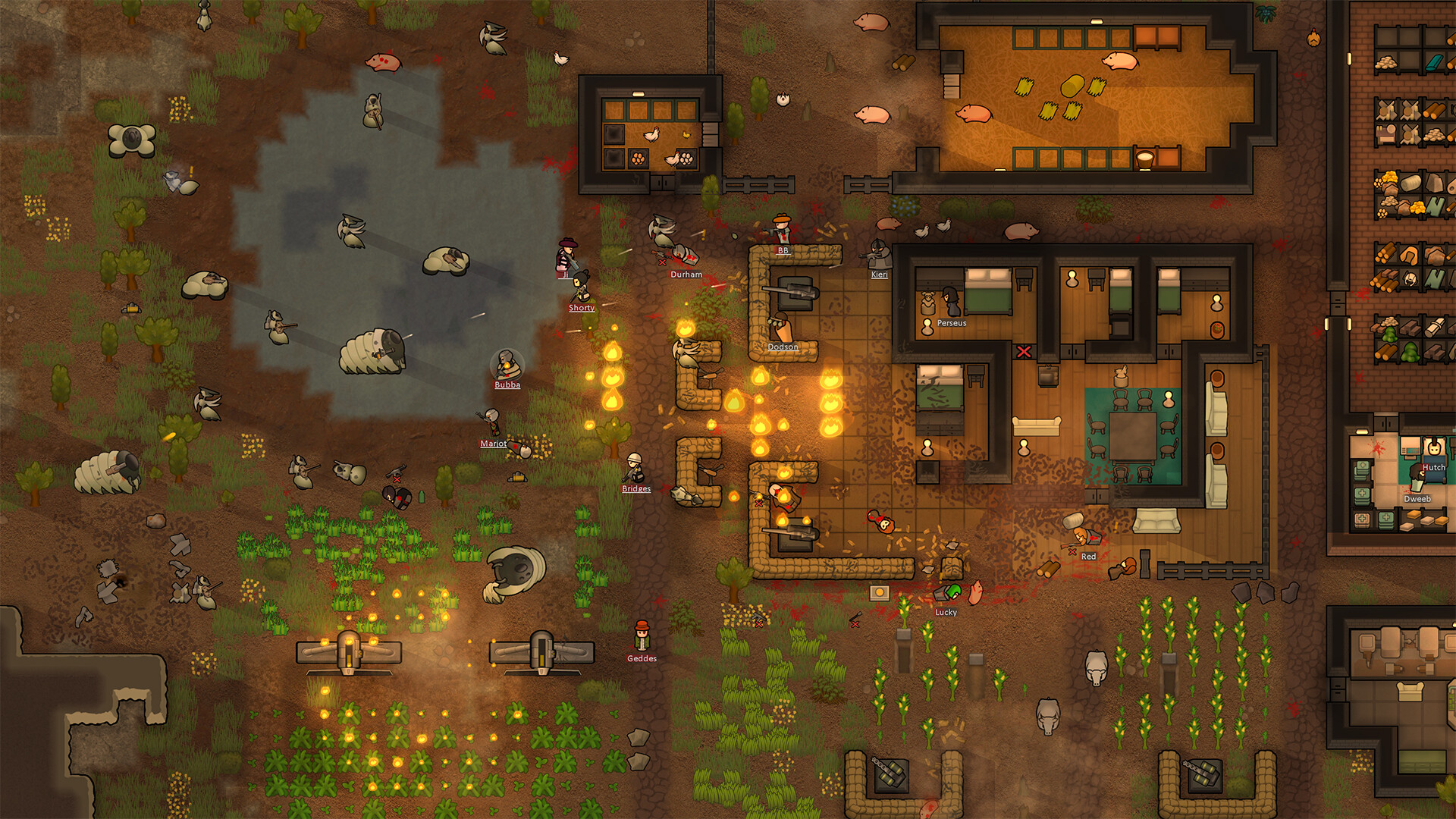
RimWorld is a colony sim and story generator where you guide a group of survivors trying to stay alive on a hostile world. On paper, it sounds like a base-building game. In practice, it becomes a machine for emergent drama, cascading disasters, and long-term strategic planning.
What makes it so deep is how many systems collide at once. Colonists have moods, injuries, personalities, relationships, addictions, skill specializations, and mental breaks. Your base design matters, your medicine stock matters, your food production matters, and one badly timed raid can turn a stable settlement into a medical and psychological catastrophe. Then the game keeps layering in weather, factions, biome pressure, caravans, prisoners, and increasingly weird crises.
That is why RimWorld belongs near the top of any under-10GB list. It does not feel like a small game at all once your colony starts telling stories you never planned. It is one of the best examples of a title that turns a compact install into hundreds of hours of improvisation, optimization, and survival storytelling.
Why You Might Like It
- Every colony run creates its own chain of disasters, recoveries, and unexpected stories.
- Base layout, resource flow, combat prep, and social management all matter at once.
- It scales from simple survival problems to huge long-term strategic planning.
- It has some of the best replay value on PC, regardless of install size.
RimWorld
Release Date: July 15, 2016
Genres: Real Time Strategy (RTS), Simulator, Strategy, Indie
Against the Storm
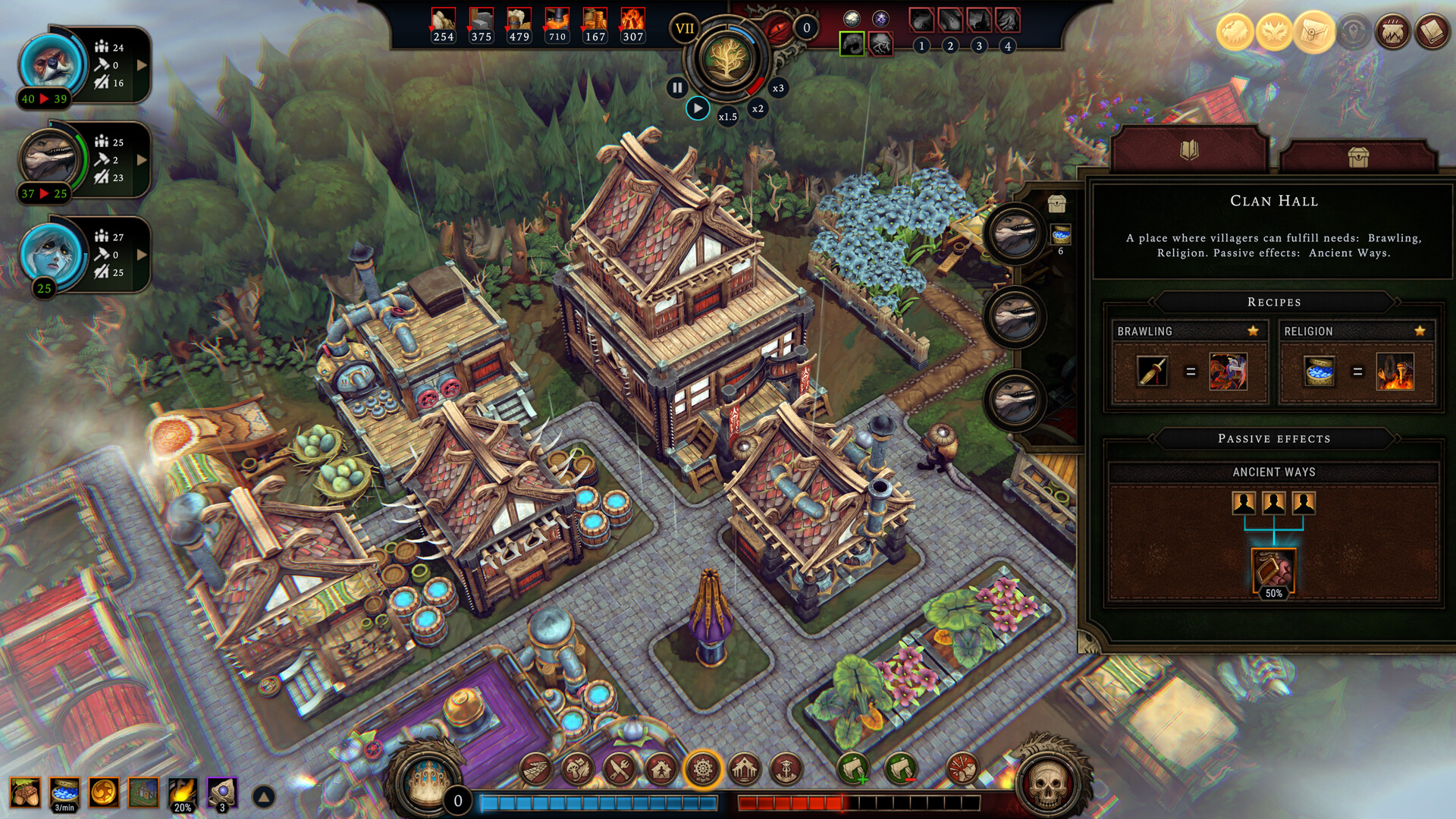
Against the Storm is a roguelite city-builder that solves one of the genre’s biggest problems: the late-game slowdown. Instead of asking you to commit to one endless city forever, it breaks progress into high-pressure settlements where you adapt to terrain, weather, species needs, and rotating objectives.
The depth comes from juggling several overlapping systems without letting any of them collapse. Different species want different working conditions and services. Resource chains feed into each other in smart ways. Orders, cornerstones, glade events, hostility, and storm cycles constantly force you to change plans instead of following a fixed build order. You are never just decorating a town. You are managing risk, tempo, and efficiency in a game that keeps pushing back.
That is what makes it such a strong pick here. It feels rich and systemic like a much larger strategy game, but its session structure keeps it sharp. If you want a small install that still gives you layered city-building decisions and serious replayability, Against the Storm is one of the best answers.
Why You Might Like It
- It turns city-building into a run-based strategy game with excellent pacing.
- Species management adds personality and real decision pressure.
- Every map changes your priorities instead of letting you autopilot.
- It delivers huge strategic value without the usual genre sprawl.
Against the Storm
Release Date: November 1, 2022
Genres: Real Time Strategy (RTS), Simulator, Strategy, Indie
Oxygen Not Included
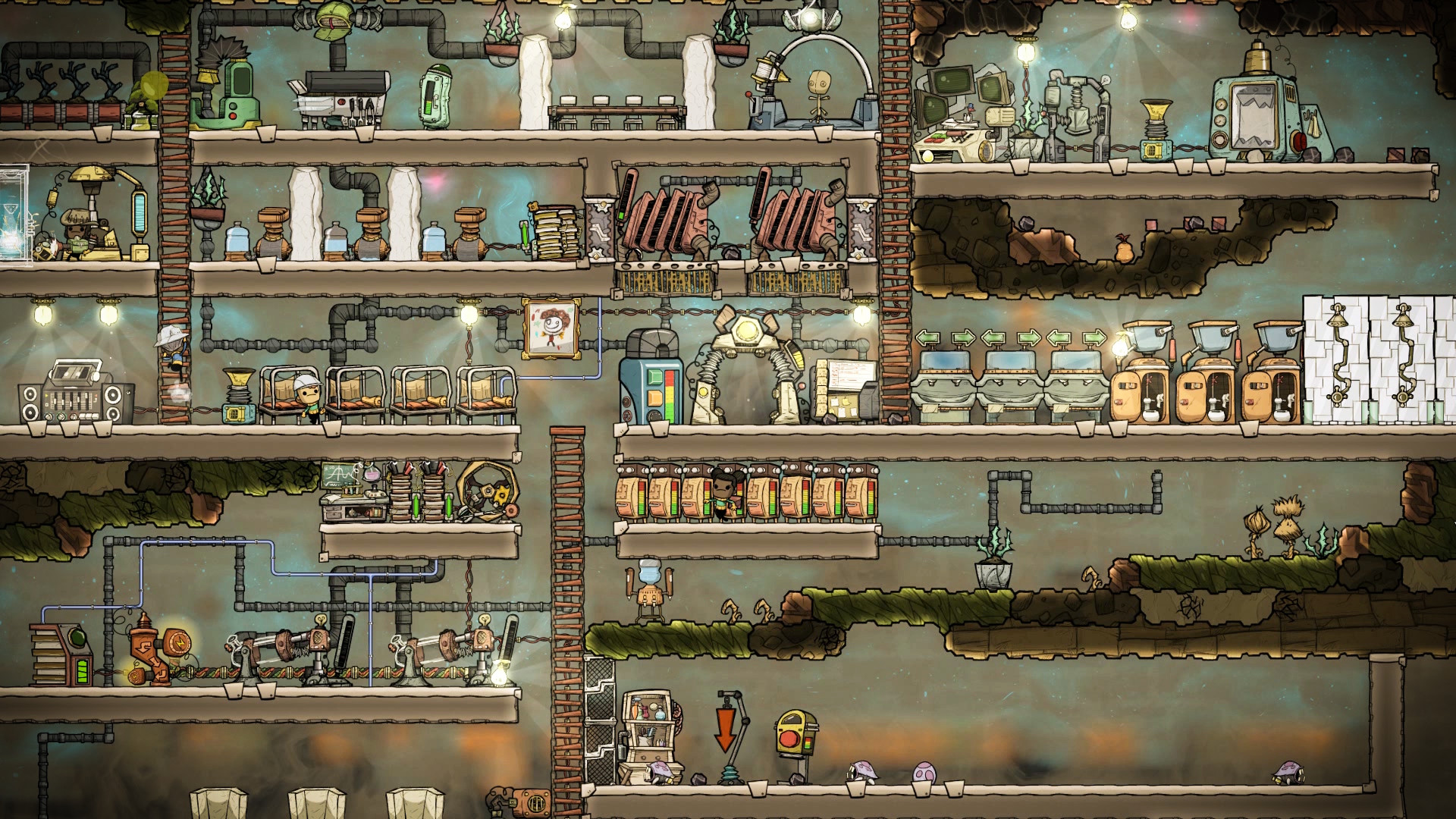
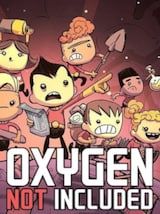
Oxygen Not Included starts like a cute colony sim and gradually reveals itself as an engineering obsession. You manage duplicants in an underground asteroid base while trying to solve oxygen production, food, plumbing, stress, power, disease, temperature control, and eventually highly optimized automation.
Its depth comes from simulation. Gases spread, liquids flow, heat transfers, machinery interacts, and every temporary fix eventually exposes a new bottleneck. A base that looks functional can suddenly fail because your cooling loop is inefficient, your power grid is overloaded, or your oxygen plan cannot keep up with expansion. The game is constantly asking you to think a few systems ahead.
That is why it feels so much bigger than its footprint. You are not just building rooms and ticking boxes. You are creating fragile life-support infrastructure inside a simulation that genuinely cares whether your design makes sense. Few under-10GB games offer this much room for experimentation, optimization, and glorious failure.
Why You Might Like It
- Plumbing, power, heat, and gas systems create real engineering-style depth.
- Problems are interconnected, so every solution has tradeoffs.
- Base design evolves from survival improvisation into elegant optimization.
- It is ideal if you like learning complex systems through trial and error.
Oxygen Not Included
Release Date: May 18, 2017
Genres: Simulator, Strategy, Indie
Slay the Spire
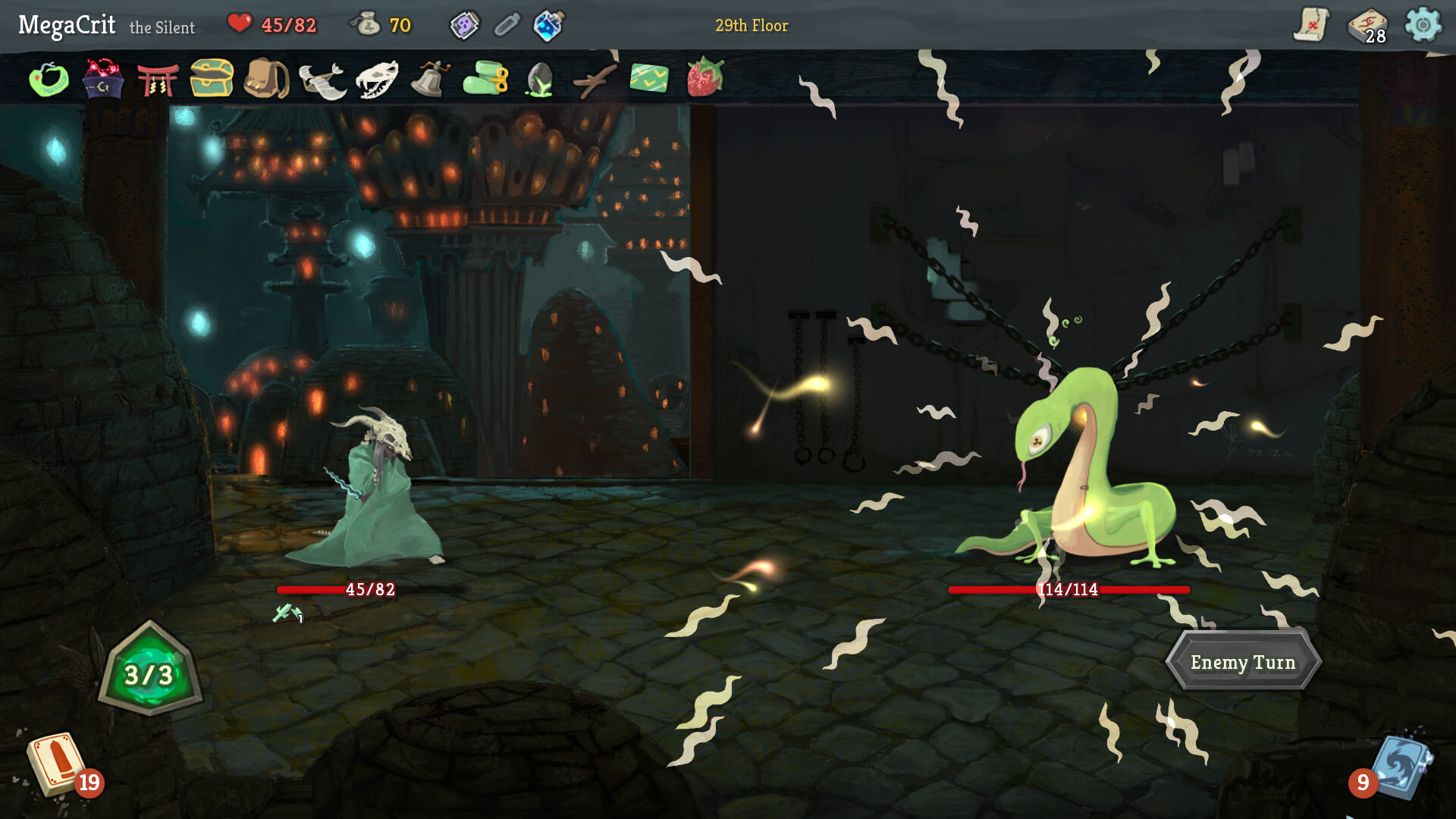
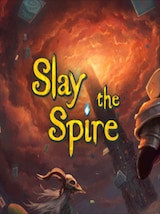
Slay the Spire is still one of the cleanest examples of deep gameplay through brilliant structure rather than sheer content volume. It is a deckbuilder roguelike where you climb a tower, fight encounters, draft cards, collect relics, and shape a run through dozens of tiny but meaningful decisions.
What makes it exceptional is how much depth it squeezes out of restraint. Every card choice matters because bloating your deck can kill a run. Every path on the map matters because elite fights, shops, and campfires all pull your strategy in different directions. Every relic can completely change how you value cards, and every character asks you to think differently about scaling, defense, and tempo.
It earns its place on this list because it stays endlessly interesting through decision quality, not spectacle. Even after dozens of runs, you keep spotting synergies, misplays, and smarter ways to build around a relic or boss. It is easy to launch, hard to put down, and almost absurdly deep for its size.
Why You Might Like It
- Runs are full of smart card, pathing, and risk-management decisions.
- Each character has a very different strategic identity.
- Relic synergies keep runs fresh even after you know the basics.
- It is one of the best replayable strategy games ever made, big or small.
Slay the Spire
Release Date: January 23, 2019
Genres: Role-playing (RPG), Strategy, Turn-based strategy (TBS), Adventure, Indie, Card & Board Game
Balatro
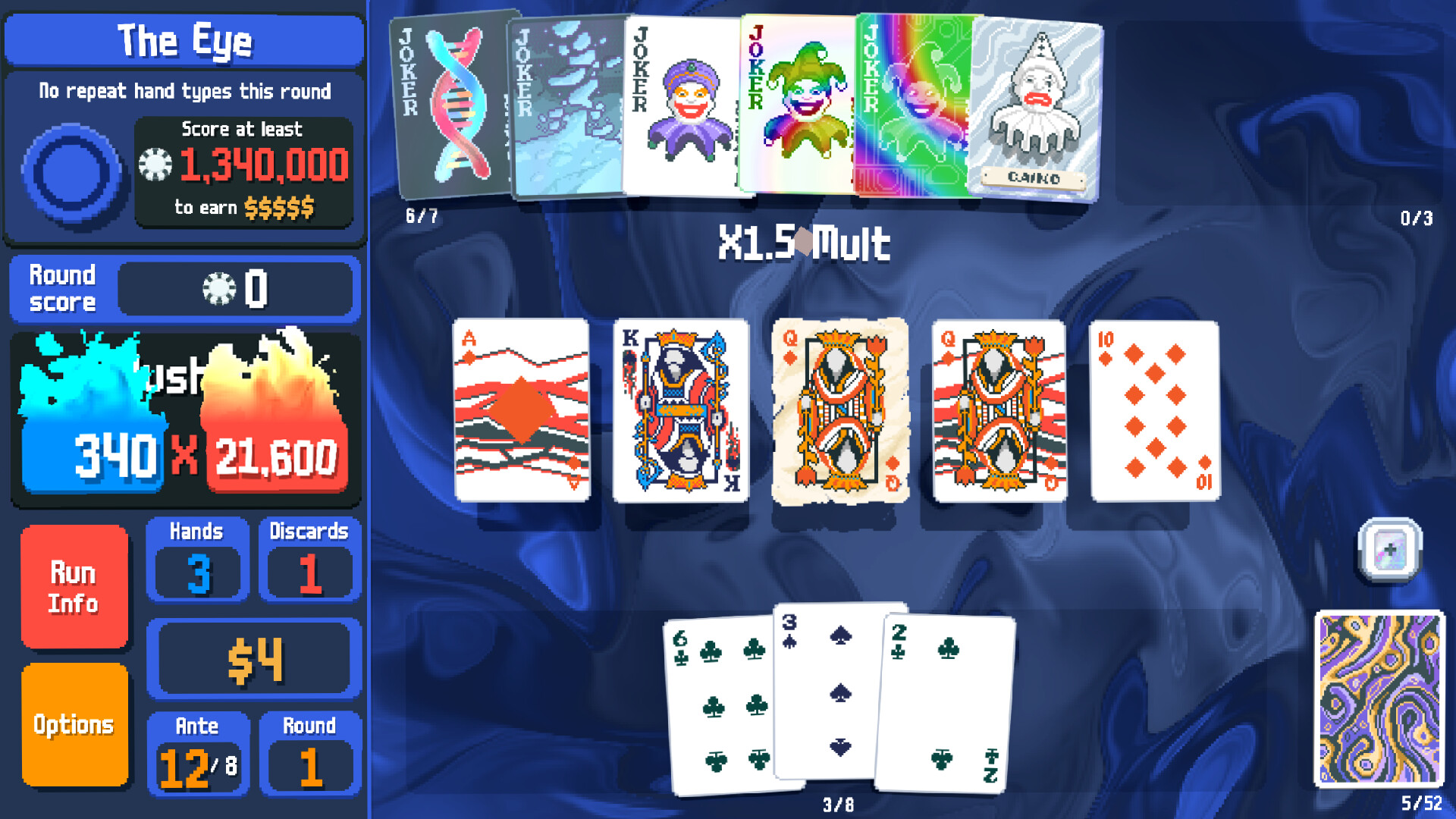
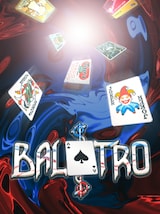
Balatro looks simple at first because the core language is familiar. You are making poker hands, chasing score thresholds, and buying upgrades between rounds. Then the joker system opens up and the whole game transforms into a combo-building monster.
Its depth comes from how many ways you can break the scoring logic. Deck manipulation, hand size changes, discard planning, multiplier stacking, suit synergies, economy choices, and joker interactions all start feeding into each other. What begins as straightforward poker math becomes a game about building outrageous engines and bending the rules until normal hands barely matter.
That is why it fits this topic so perfectly. Balatro is tiny, immediate, and easy to understand, but it has the same long-tail obsession factor as much larger roguelikes. The better you get, the more you realize the game is about planning explosive scaling, not just playing strong hands. It is one of the best examples of compact design with huge replay depth.
Why You Might Like It
- The joker system creates wild builds and ridiculous score escalation.
- Runs stay readable while still allowing a lot of strategic creativity.
- It is easy to learn fast, but mastery takes real planning.
- Few games offer this much replay value with such a tiny footprint.
Balatro
Release Date: February 20, 2024
Genres: Simulator, Strategy, Indie, Card & Board Game
Into the Breach
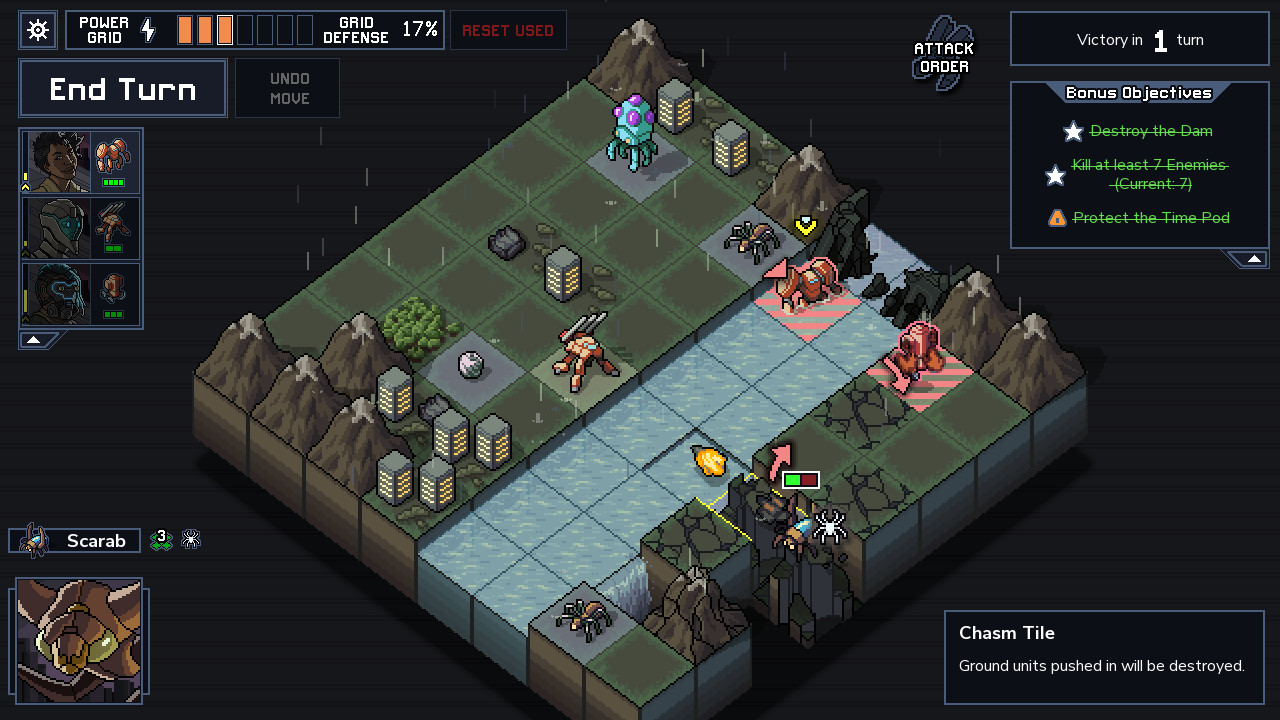
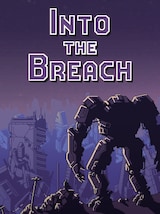
Into the Breach is a turn-based tactics game where giant mechs defend cities from invading monsters. That setup sounds familiar, but the design is unusually sharp because the game shows you exactly what enemies intend to do before they act.
That single choice unlocks most of its depth. Since enemy intent is visible, the challenge becomes positioning, displacement, body blocking, collateral management, and deciding which disaster you can afford to prevent. Sometimes the best move is not killing anything. Sometimes it is pushing one enemy into another, tanking damage to save a building, or sacrificing a better future turn to avoid immediate grid loss.
It belongs on this list because it proves that tactical depth does not require giant campaigns or endless unit rosters. Into the Breach makes almost every turn feel like a compact strategy puzzle, and it keeps that tension alive through squad variety, pilot combinations, and timeline-based run structure. It is elegant, readable, and seriously demanding in the best way.
Why You Might Like It
- Perfect information makes every tactical mistake feel fair and educational.
- Movement and positioning matter more than simple damage output.
- Different mech squads completely change how you solve encounters.
- It is one of the smartest strategy games ever made in a very small package.
Into the Breach
Release Date: February 27, 2018
Genres: Puzzle, Role-playing (RPG), Simulator, Strategy, Turn-based strategy (TBS), Indie
FTL: Faster Than Light
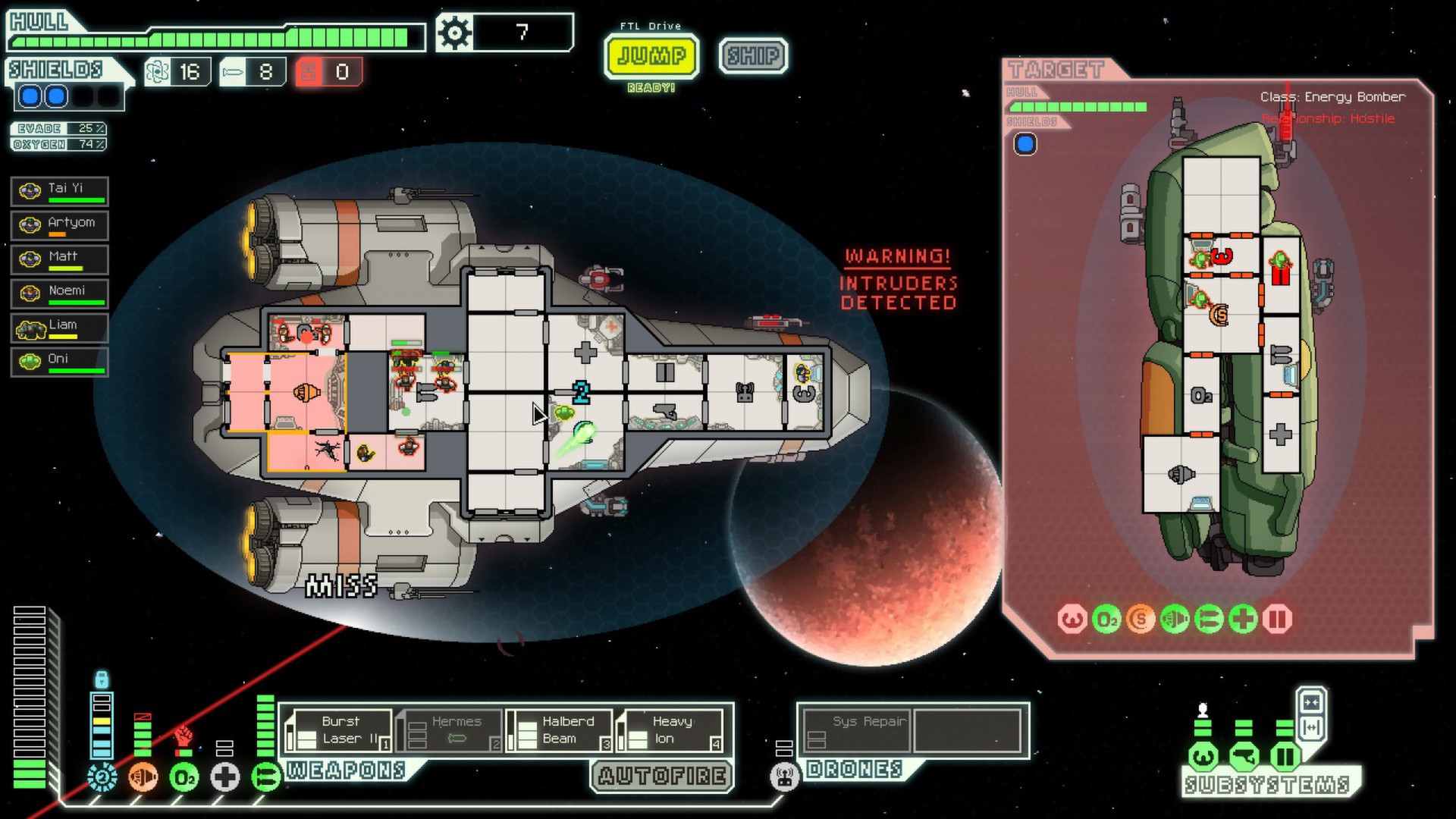
FTL: Faster Than Light remains one of the all-time kings of compact depth. You command a starship trying to outrun a rebel fleet, and every jump becomes a risk-reward choice involving combat, events, crew survival, and limited resources.
The brilliance of FTL is how many systems it asks you to manage at once without becoming unreadable. Power distribution matters. Weapon timing matters. Boarding decisions matter. Crew species, subsystem damage, fire spread, oxygen loss, and event outcomes all matter. Because combat runs in real time with pause, the game constantly tests your ability to think under pressure while still giving you room to plan.
It earns its place here because it creates huge tension and replayability out of very lean ingredients. A strong run can still collapse because of one bad route, a boarding disaster, or an unlucky fight at the wrong time. Few small games do such a good job of making every decision feel consequential from the opening sector to the final stand.
Why You Might Like It
- Ship power routing and crew management create constant tactical tension.
- Runs are unpredictable thanks to events, route choices, and combat outcomes.
- Pause-based battles feel strategic without losing urgency.
- It delivers huge replayability from a compact, focused ruleset.
FTL - Faster Than Light
Release Date: September 14, 2012
Genres: Role-playing (RPG), Simulator, Strategy, Indie
Caves of Qud
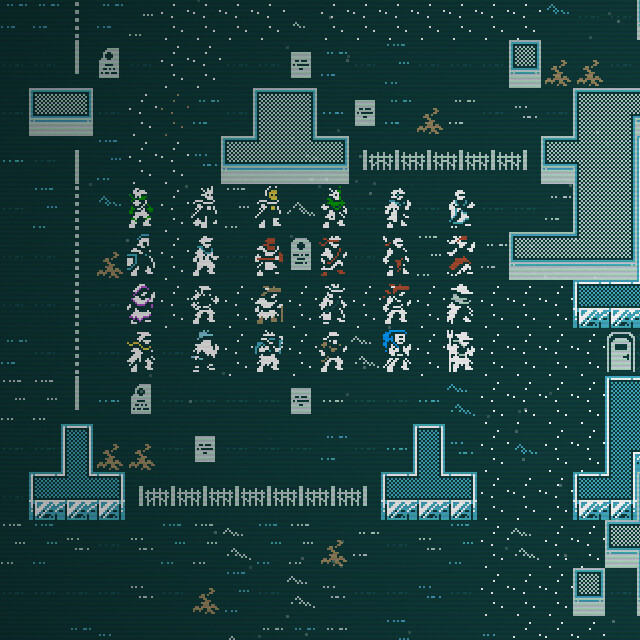
Caves of Qud is the kind of game that makes the phrase “small install” feel completely meaningless. This is a science-fantasy roguelike with absurd character build freedom, dense simulation systems, strange lore, faction dynamics, and enough weird interactions to keep players busy for years.
Its depth comes from how open-ended it is. You can build around mutations, cybernetics, social manipulation, stealth, raw brutality, or bizarre combinations of all of the above. The world itself also feels reactive and layered, with factions, procedural histories, handcrafted content, and a constant sense that the game is willing to support unexpected solutions.
This is not the easiest game on the list to get into, but it might be the most expansive in terms of imagination and possibility space. If you like systems-heavy RPGs where discovery comes from experimentation rather than tutorials, Caves of Qud is one of the most rewarding under-10GB games you can install.
Why You Might Like It
- Character building is wildly flexible and encourages weird experimentation.
- The world feels alive because simulation and faction systems matter.
- It rewards curiosity more than speed or superficial optimization.
- Few games offer this much depth, freedom, and personality in such a compact form.
Caves of Qud
Release Date: December 5, 2024
Genres: Simulation, Turn-based, RPG, Roguelike
Noita
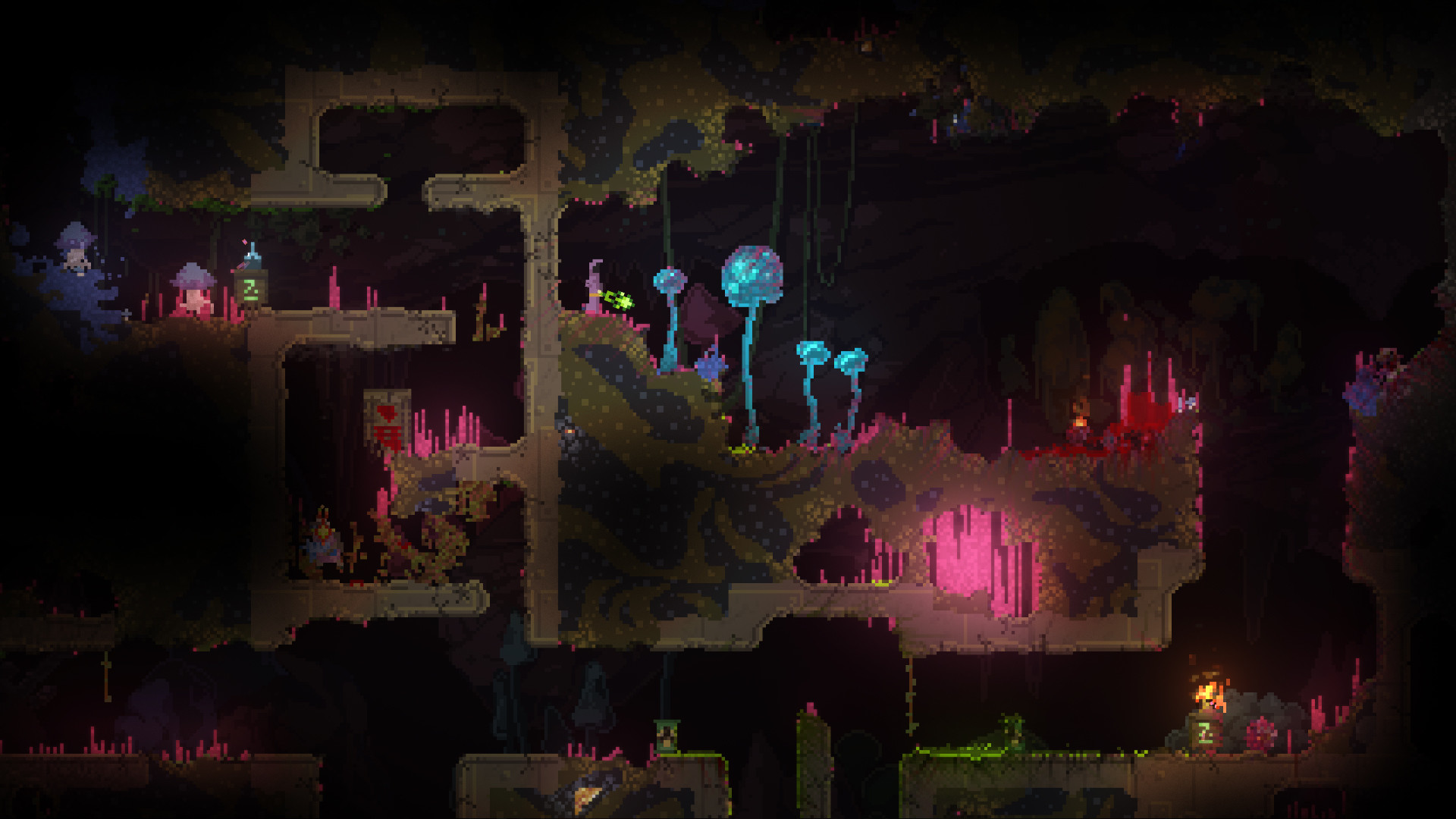
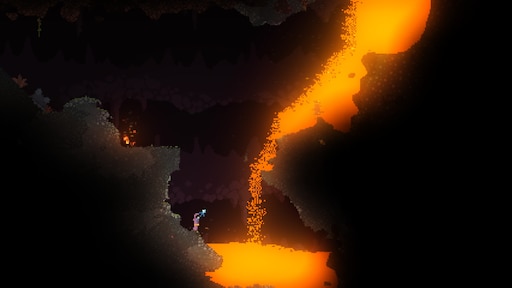
Noita is a roguelite action game where every pixel is simulated and almost everything can burn, explode, melt, poison, or otherwise ruin your day. That alone would be enough to make it interesting, but the real star is the wand-building system.
Depth comes from experimentation. You are constantly discovering how spells combine, how casting order changes results, how modifiers stack, and how certain effects interact with terrain, liquids, enemies, and your own very fragile body. The more you understand the systems, the more ridiculous and dangerous your builds become. It is a game about learning how chaos works, then trying to weaponize it before the chaos kills you first.
Noita belongs on this list because it feels bottomless once it clicks. It is small, harsh, and full of secrets, but that compact footprint hides one of the most inventive sandbox-like action systems in the genre. It is messy in a good way, and the stories it creates feel completely unique to how you experiment.
Why You Might Like It
- Wand crafting creates some of the most creative build experimentation in games.
- Pixel simulation makes the world feel dangerous and highly reactive.
- Runs reward curiosity, system knowledge, and risky improvisation.
- It is perfect if you like emergence more than rigid design.
Noita
Release Date: October 15, 2020
Genres: Shooter, Role-playing (RPG), Simulator, Adventure, Indie, Arcade
Dead Cells
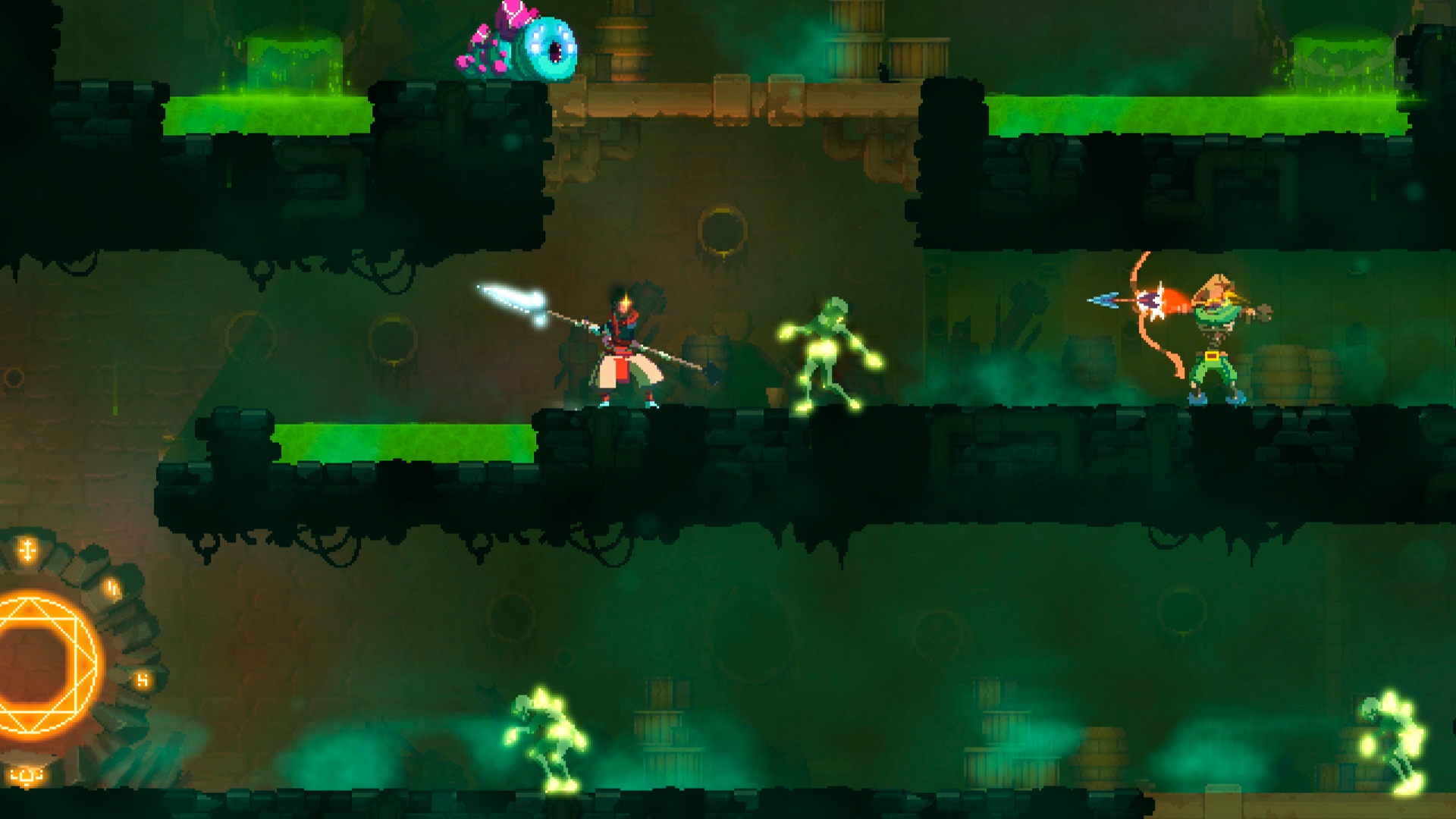
Dead Cells is a roguevania action-platformer that blends fast combat, procedural variety, route planning, and long-term unlock progression. It is one of those games that feels instantly good in your hands and then keeps revealing more depth as your skill improves.
What makes it deeper than it first appears is how much of the run is about commitment and adaptation. Weapon pairs define tempo. Mutations shape your scaling. Biome routes change risk and reward. Boss Cells push the game into much harsher territory, forcing you to understand enemy patterns, movement efficiency, healing pressure, and how different loadouts actually function under stress.
It earns its place here because it gives you both action feel and long-tail mastery. You can enjoy the speed immediately, but staying good at Dead Cells means learning systems, not just reacting quickly. For an under-10GB game, it offers a lot of combat depth, progression variety, and repeated reasons to come back.
Why You Might Like It
- Combat is fast, clean, and built around meaningful loadout choices.
- Route selection changes the flow and rewards of each run.
- Boss Cells add serious endgame challenge and long-term mastery.
- It balances instant fun with real mechanical depth.
Dead Cells
Release Date: May 10, 2017
Genres: Platform, Adventure, Indie
28% OFF 82% OFF 63% OFF 19% OFF 25% OFF 93% OFF 68% OFF 0% OFF 50% OFF 66% OFF 43% OFF 19% OFF 10% OFF 0% OFF 86% OFF 85% OFF 63% OFF 10% OFF 0% OFF 10% OFF
Hollow Knight
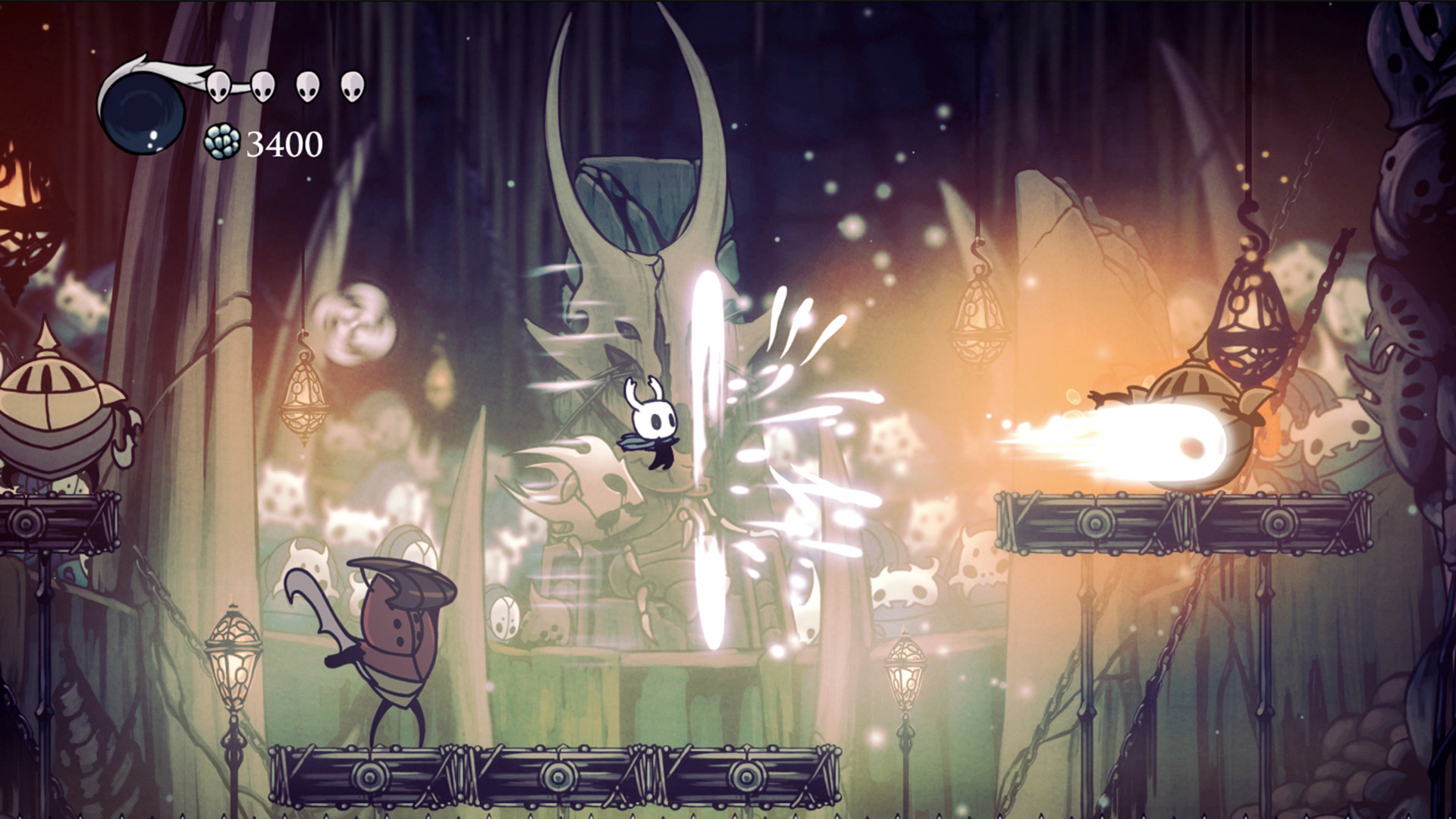
Hollow Knight is the closest thing on this list to a full-scale epic that just happens to stay under the 10GB ceiling. It is a metroidvania with a vast interconnected world, demanding boss fights, layered progression, optional challenges, and an incredible sense of place.
Its depth comes from exploration and mastery working together. Hallownest is not just big. It is cleverly connected, filled with secrets, and constantly giving you reasons to revisit old spaces with new tools. At the same time, the charm system, nail upgrades, spell usage, and boss design give combat a subtle but meaningful build and skill dimension.
That is why Hollow Knight fits so well here. It feels rich, handcrafted, and substantial in a way many bigger games fail to achieve. If you want a small install that still gives you a massive world to learn, difficult fights to overcome, and dozens of hours of discovery, this is one of the strongest picks on the list.
Why You Might Like It
- The world is dense with secrets, shortcuts, and memorable areas.
- Boss fights reward patience, pattern recognition, and clean execution.
- The charm system adds useful build flexibility without overcomplicating things.
- It feels like a huge adventure despite staying under the size cap.
Hollow Knight
Release Date: February 24, 2017
Genres: Platform, Adventure, Indie
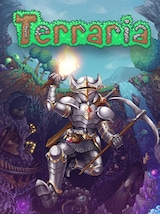
Terraria
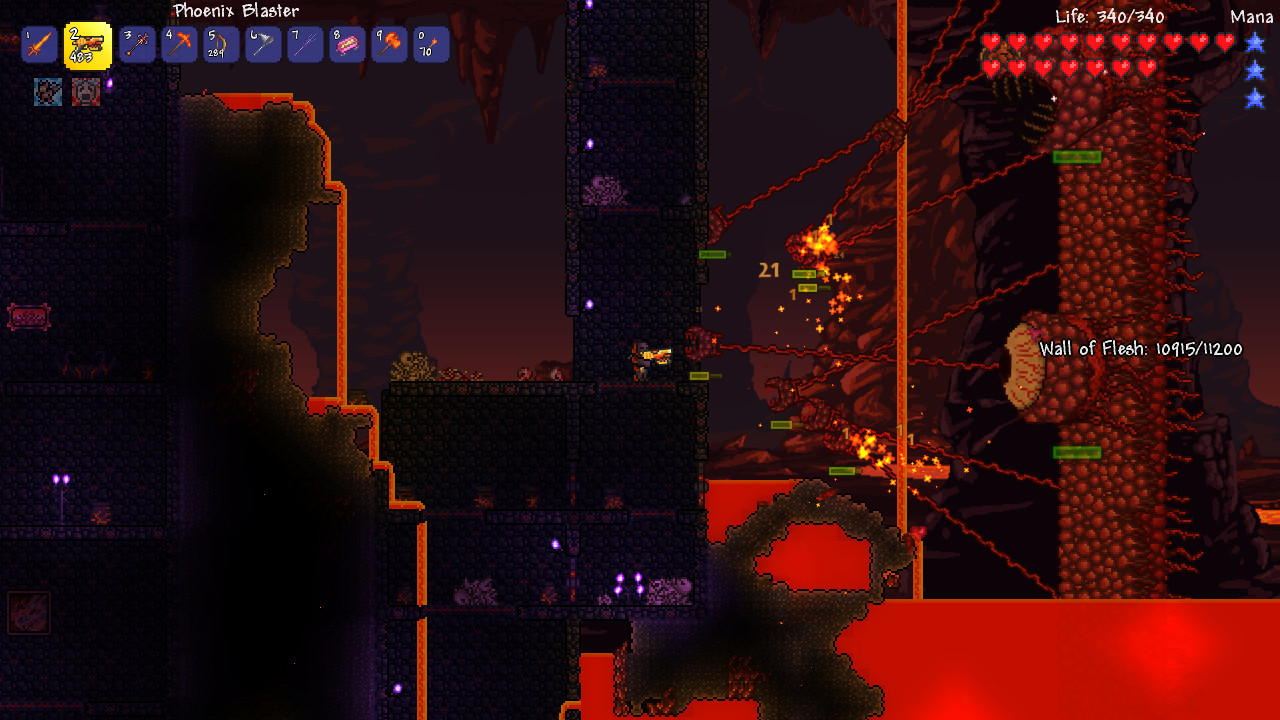
Terraria is one of the most ridiculous value-for-size games ever made. It starts as a 2D sandbox where you mine, build, and survive. Then it becomes an enormous progression game full of biomes, boss fights, crafting tiers, class-like loadouts, hidden events, and world-shaping tools.
Its depth comes from how many different playstyles the sandbox supports. You can focus on exploration, base building, boss progression, gear optimization, farming rare drops, wiring contraptions, or multiplayer chaos with friends. The world constantly opens up as new movement tools, materials, NPCs, and threats appear. What looks simple at first becomes a long-form adventure with real structure and momentum.
That is why Terraria absolutely belongs in this article. It is tiny by modern standards, but it offers the kind of breadth and replayability many large open-world games would love to have. If you want one small game that can cover survival, action, creativity, exploration, and progression at once, Terraria is almost impossible to beat.
Why You Might Like It
- It combines sandbox freedom with a surprisingly strong boss progression arc.
- There is always another biome, gear tier, event, or secret to chase.
- Building, combat, exploration, and crafting all feel meaningful.
- It is one of the best depth-to-size ratios in gaming.
Terraria
Release Date: May 16, 2011
Genres: Adventure, Platform, Role-playing (RPG), Simulator, Strategy, Indie
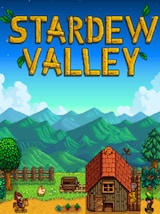
Stardew Valley
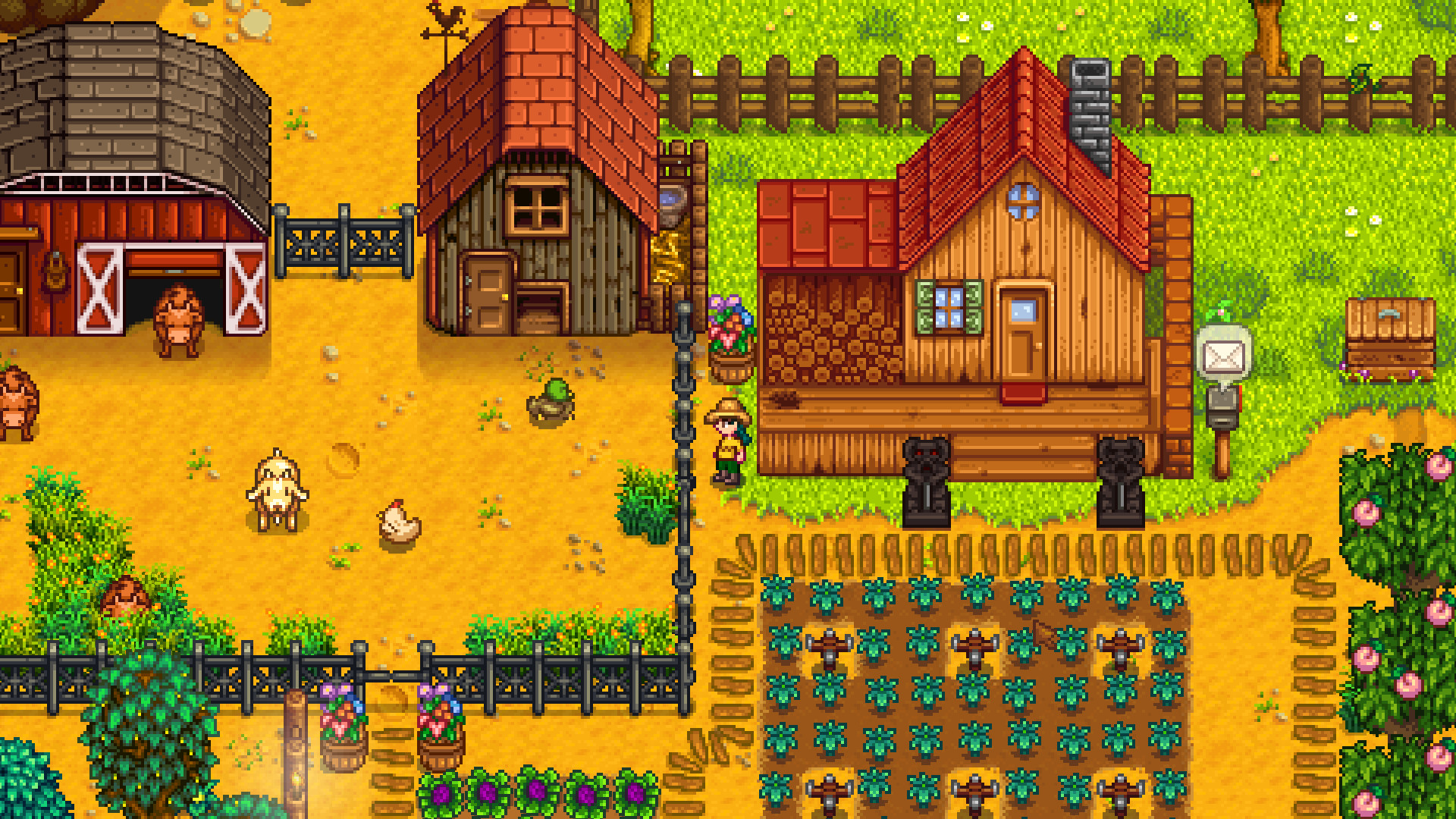
Stardew Valley is often recommended as a comfort game, and that description is fair, but it undersells how much strategic depth is hiding underneath the cozy surface. You are running a farm, building relationships, managing time, exploring mines, and gradually turning a neglected patch of land into a tightly optimized routine.
The depth comes from planning. Crop cycles, tool upgrades, bundles, relationships, fishing schedules, mining runs, seasonal priorities, and money routing all compete for your attention. The game is relaxed in tone, but there is a lot of meaningful decision making once you start thinking about efficiency, long-term goals, and how one season sets up the next.
It belongs on this list because it offers a huge amount of life-sim and management depth without ever feeling bloated. Whether you play casually or like to optimize every day on the calendar, Stardew Valley keeps rewarding attention. It is charming, yes, but it is also much smarter and more layered than its tiny install suggests.
Why You Might Like It
- Season planning and time management create real long-term strategy.
- Farming, mining, relationships, and money routes all intersect nicely.
- It supports both relaxed play and serious optimization.
- The amount of content and replay value is huge for such a small game.
Stardew Valley
Release Date: February 26, 2016
Genres: Role-playing (RPG), Simulator, Strategy, Indie, Adventure
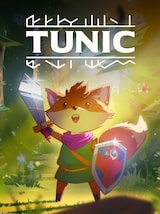
TUNIC
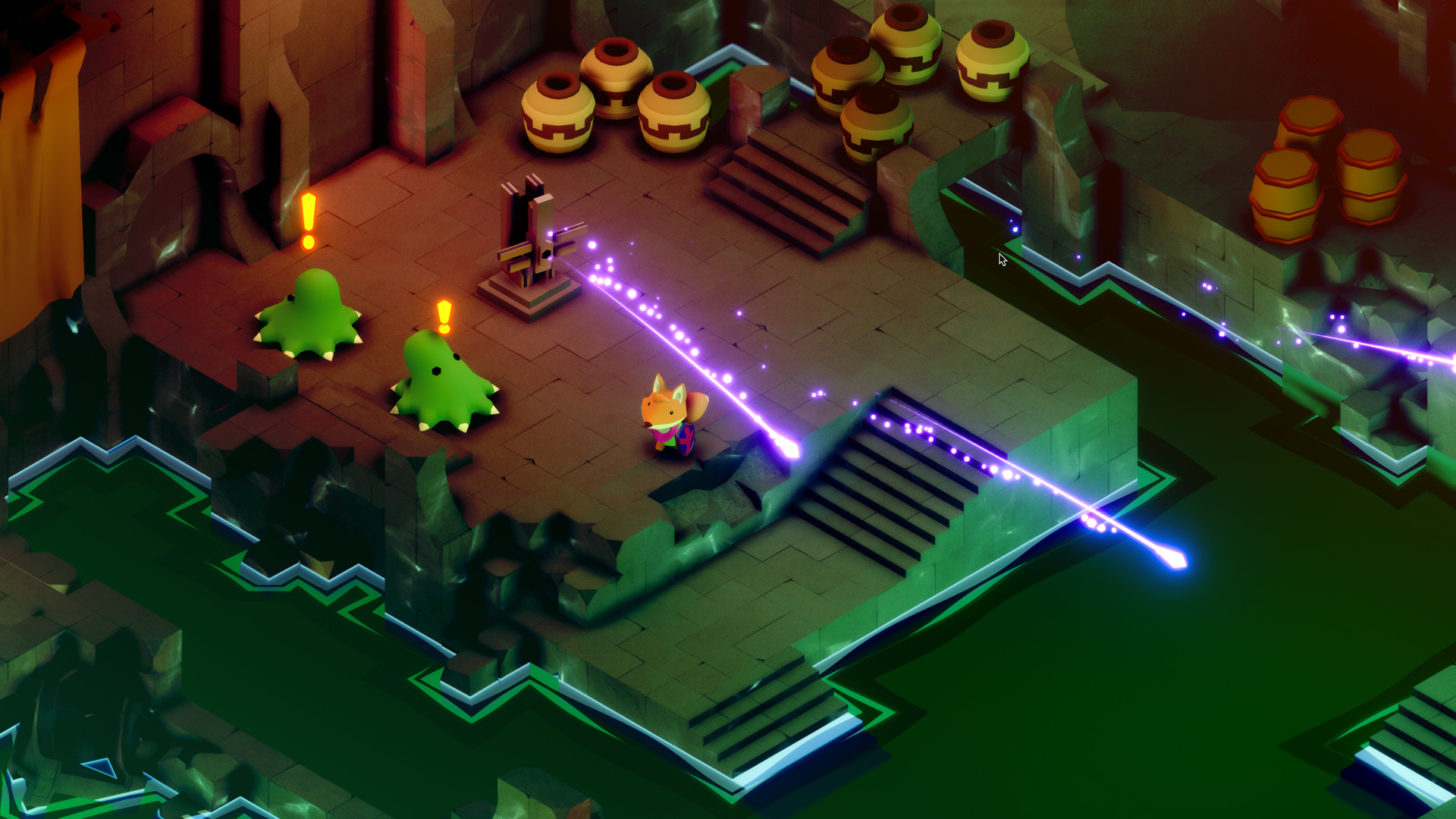
TUNIC is an action-adventure game that looks approachable and almost toy-like at a glance, but it quickly reveals itself as a layered experience built around mystery, interpretation, and discovery. Combat matters, exploration matters, and paying attention matters even more.
What makes it deep is that information itself is one of the game’s core resources. The in-game manual pages you collect are not just flavor. They teach mechanics, hint at secrets, and slowly reframe how you see the world. Combine that with interconnected environments, tricky enemies, hidden routes, and a growing sense that the game is saying more than it first appears to say, and TUNIC becomes much richer than a normal combat-and-collectibles adventure.
It earns its spot here because it trusts the player. It wants you to notice patterns, question assumptions, and slowly piece together how its world actually works. That makes its depth feel earned rather than merely stacked on through content volume.
Why You Might Like It
- Exploration is rewarding because hidden information changes how you play.
- The manual-page system turns discovery into a core mechanic.
- Combat has enough bite to keep progression satisfying.
- It is perfect if you like games that respect curiosity and observation.
TUNIC
Release Date: March 16, 2022
Genres: Metroidvania, Souls-like, Adventure
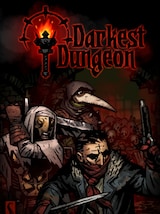
Darkest Dungeon
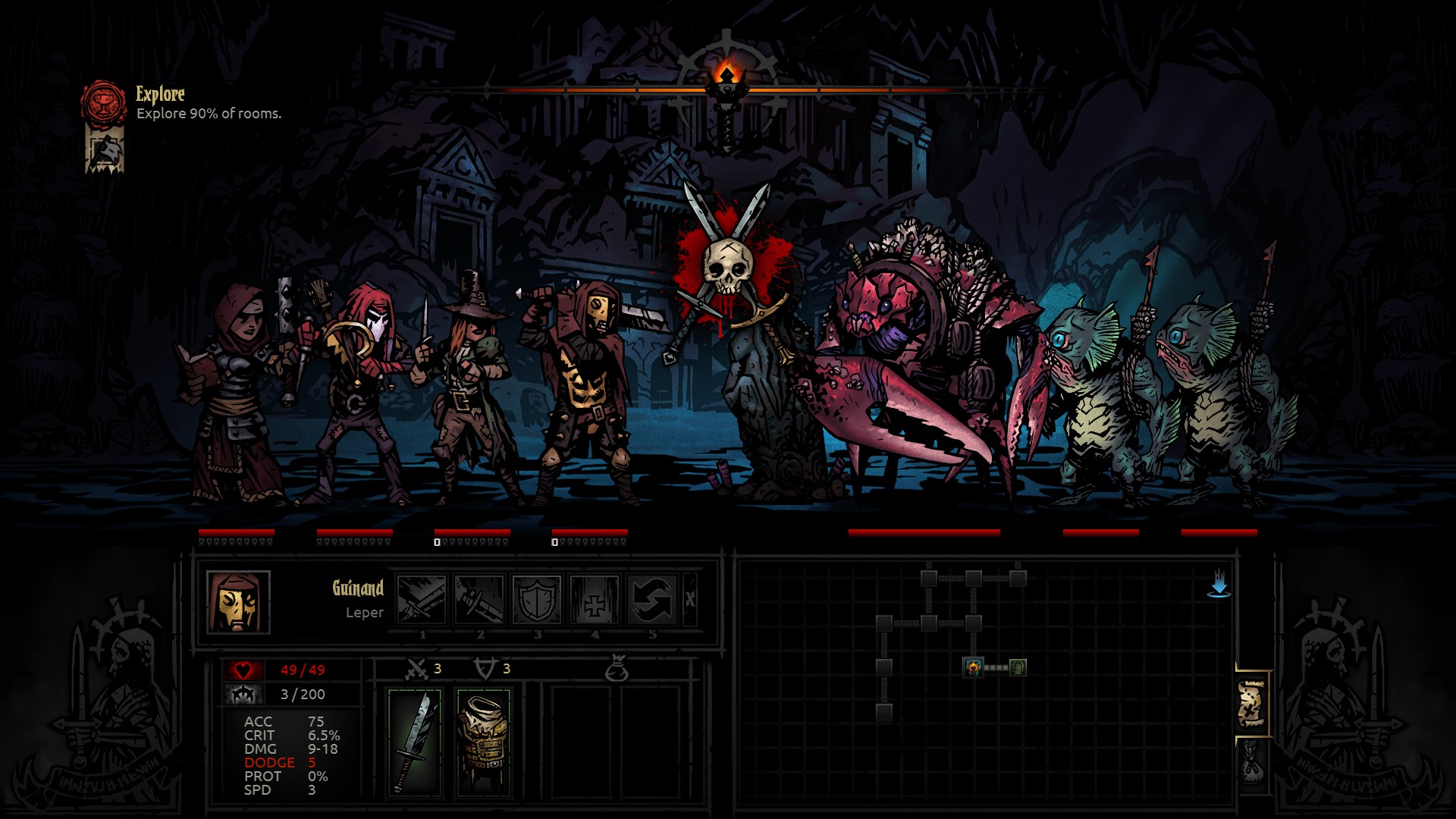
Darkest Dungeon is a turn-based RPG about sending fragile heroes into brutal dungeons and watching the stress of that work slowly destroy them. It is one of the most recognizable examples of a game that creates depth through pressure rather than sheer complexity for its own sake.
The strategy comes from managing a whole roster, not just one party. Position-based skills matter, enemy priority matters, retreat timing matters, and long-term attrition matters. Heroes can panic, develop quirks, catch diseases, and become liabilities if you mismanage them. Even when you win, you are often paying a price somewhere else in the campaign economy.
That is what makes it such a strong under-10GB pick. Darkest Dungeon does not need huge spaces or giant production values because the real game is about stress management, risk calculation, and knowing when survival is more important than greed. It is bleak, demanding, and packed with strategic texture.
Why You Might Like It
- Stress, disease, and roster management add depth beyond normal turn-based combat.
- Positioning and team composition matter in every dungeon run.
- The campaign constantly forces difficult risk-reward decisions.
- It is great if you like harsh strategy with memorable consequences.
Darkest Dungeon
Release Date: January 19, 2016
Genres: Role-playing (RPG), Strategy, Turn-based strategy (TBS), Tactical, Adventure, Indie
Monster Train
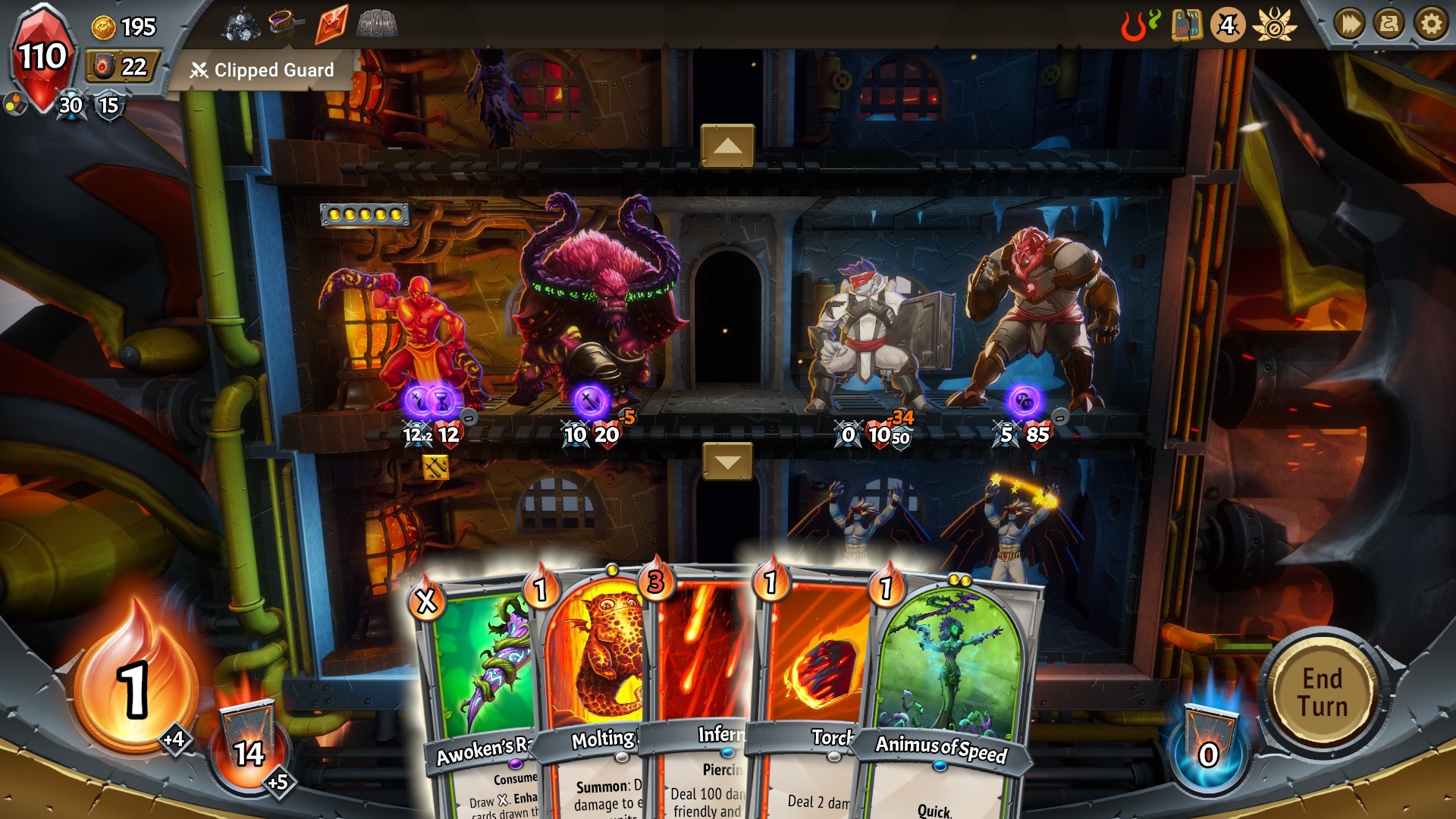
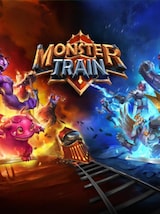
Monster Train is another excellent deckbuilder, but it earns its place next to Slay the Spire by doing something very different with space and positioning. You are defending a multi-floor train, placing units, casting spells, and trying to stop waves of enemies from reaching your Pyre.
Its depth comes from how deckbuilding and battlefield layout interact. Unit placement matters. Floor specialization matters. Clan combinations matter. Upgrades can completely reshape how a card performs, and the game constantly asks whether your run should scale around spells, fragile sweep units, massive tanks, summon abuse, or some odd hybrid that only works because of one lucky artifact.
That is why Monster Train works so well in a small footprint. It is fast, readable, and immediately satisfying, but it also has enough strategic range to support a lot of repeat play. If you want under-10GB depth with a more explosive and board-focused flavor than Slay the Spire, this is an easy recommendation.
Why You Might Like It
- Multi-floor combat adds positional strategy to deckbuilding.
- Clan combinations create lots of build variety between runs.
- Card upgrades can radically change how your deck functions.
- It is ideal if you like roguelike cards with more battlefield texture.
Monster Train
Release Date: May 21, 2020
Genres: Role-playing (RPG), Strategy, Turn-based strategy (TBS), Indie, Card & Board Game
Inscryption
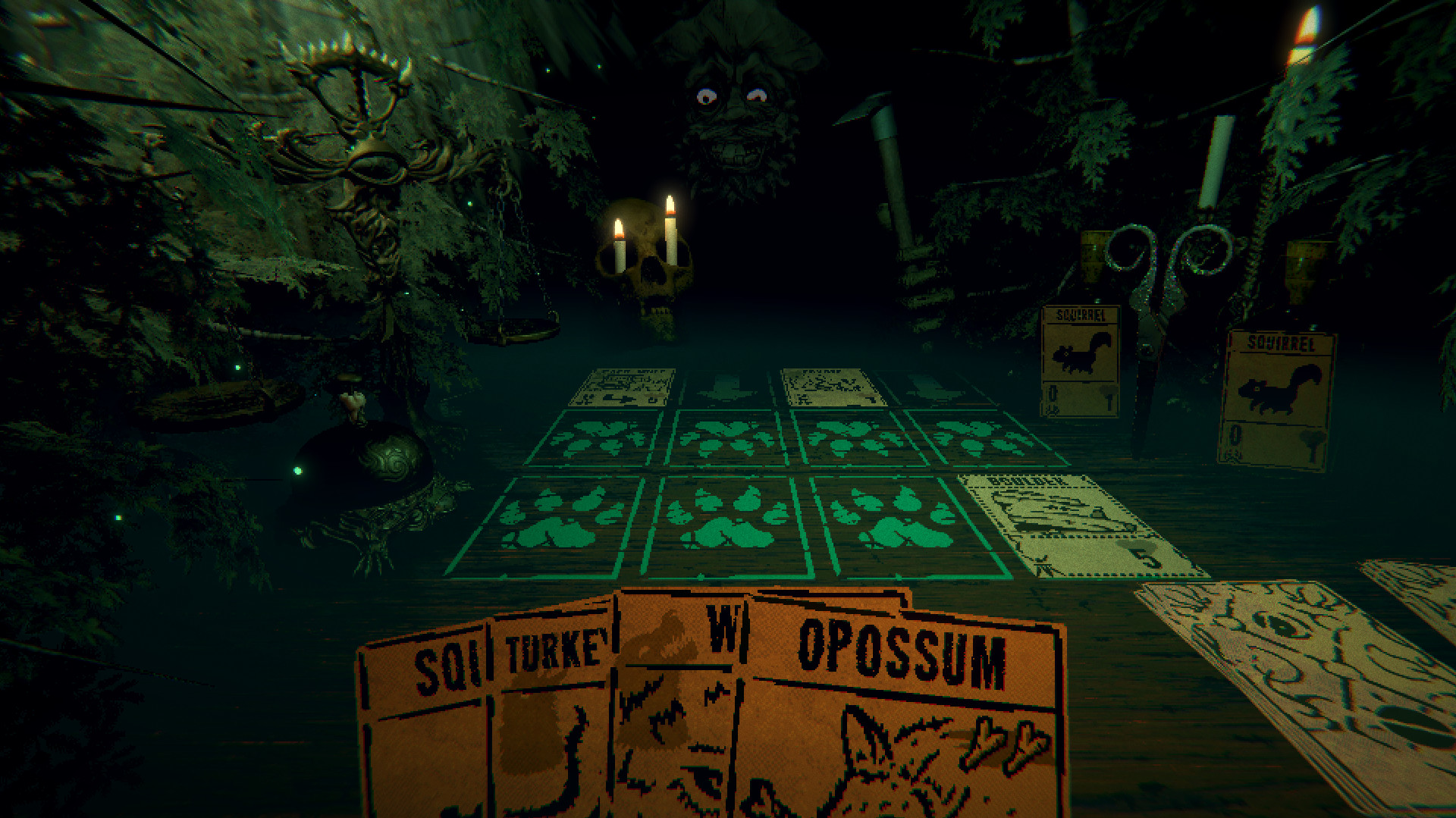
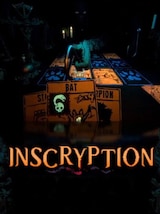
Inscryption is one of those games that is difficult to discuss without spoiling what makes it special, but even the early hours are enough to justify its place here. At first, it looks like a dark card battler with sacrifice mechanics and a creepy cabin atmosphere. Then it keeps expanding beyond that frame.
The depth comes from its willingness to mix systems. Card play matters, board positioning matters, resource timing matters, and escape-room-style observation matters too. The game is constantly layering mechanical surprise on top of psychological pressure, which gives it a rhythm very different from most deckbuilders.
It belongs on this list because it offers more than one kind of depth. There is strategic card play, yes, but there is also meta-structure, puzzle solving, and the thrill of realizing the game is larger than your first impression. It is compact, strange, and much more ambitious than its install size suggests.
Why You Might Like It
- It mixes deckbuilding with mystery and puzzle-box structure.
- Card battles are strong even before the bigger twists kick in.
- The atmosphere gives every decision extra tension.
- It is great for players who want depth with surprise and personality.
Inscryption
Release Date: October 19, 2021
Genres: Puzzle, Strategy, Adventure, Indie, Card & Board Game
Papers, Please
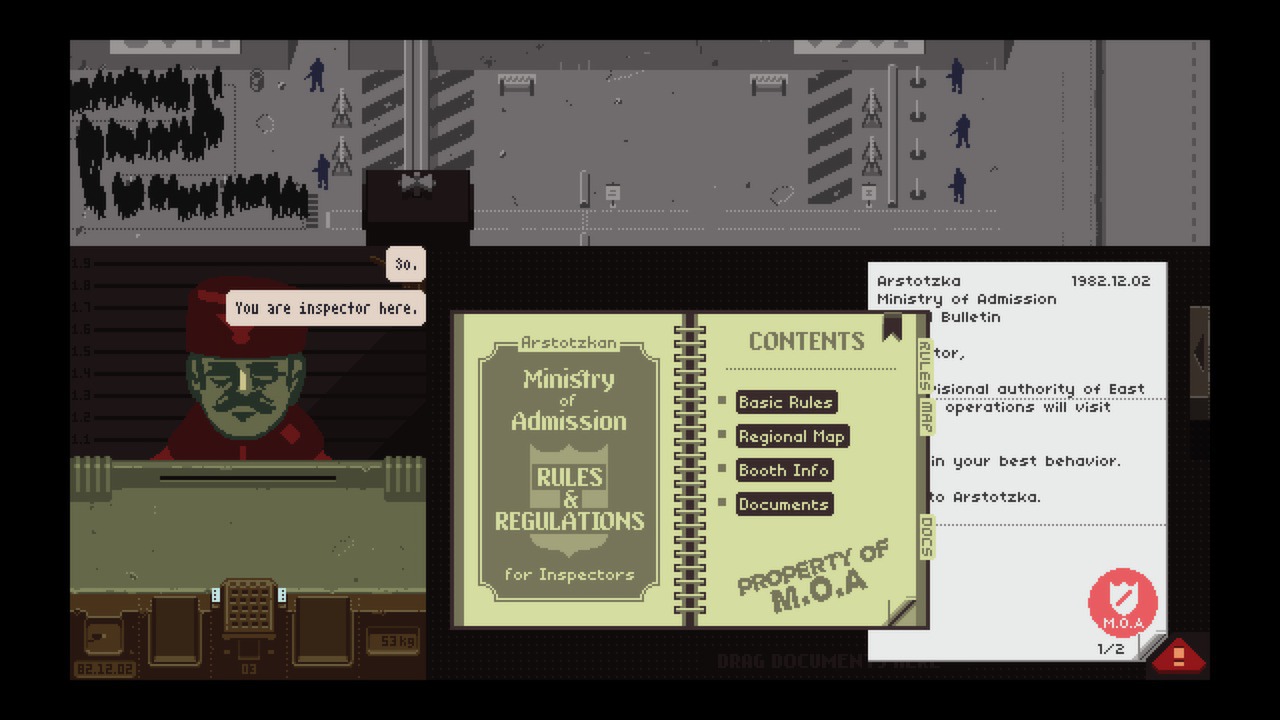
Papers, Please is proof that deep gameplay does not need combat, open worlds, or giant progression trees. You play as an immigration inspector checking documents at a border checkpoint, and the core loop is simply deciding who gets through and who does not.
What makes it brilliant is how the rules keep expanding while your personal situation keeps tightening. New document types appear, inconsistencies become harder to spot, time pressure increases, mistakes cost money, and your family’s survival turns every judgment into a small moral and economic calculation. The game transforms paperwork into a tense system of memory, pattern recognition, and compromise.
That is why it fits this article so well. It is tiny, focused, and mechanically narrow in the best possible way. Instead of spreading itself thin, it drills into one idea until it becomes stressful, political, and unexpectedly absorbing. Few small games feel this distinct or this complete.
Why You Might Like It
- Rule changes steadily raise the complexity of the core inspection loop.
- Time pressure makes even simple decisions feel intense.
- Moral tradeoffs give the system emotional weight.
- It shows how much depth can come from one well-designed mechanic.
Papers, Please
Release Date: August 8, 2013
Genres: Point-and-click, Puzzle, Simulator, Indie
Return of the Obra Dinn
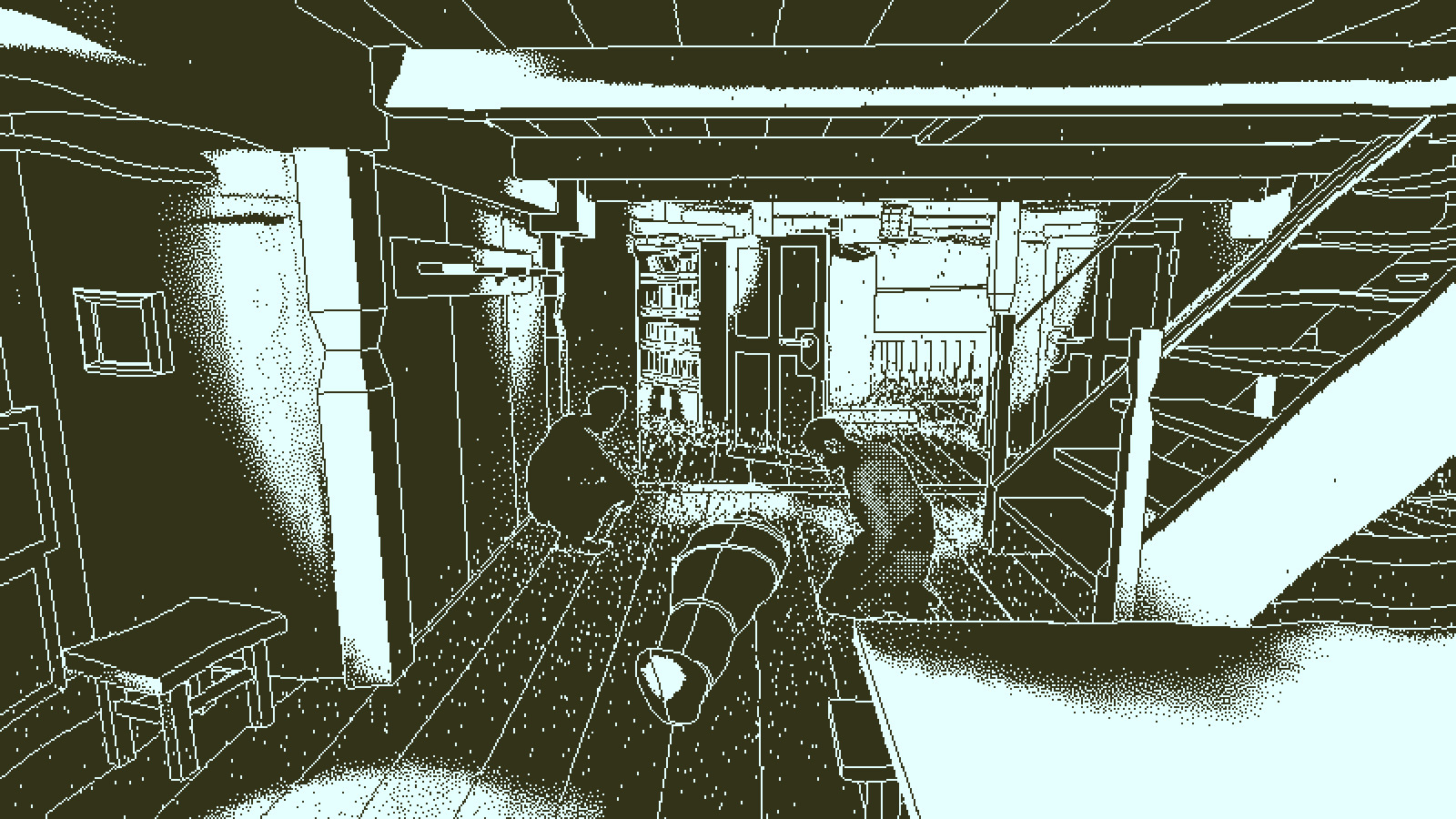
Return of the Obra Dinn is a deduction game about identifying every person aboard a lost ship and figuring out exactly what happened to them. There is no combat and very little traditional progression, yet it is one of the deepest games on this entire list because its whole structure is built around reasoning.
The brilliance here is in how information is distributed. You are not just finding clues. You are cross-referencing accents, uniforms, relationships, dialogue fragments, locations, job roles, and visual details across a web of frozen moments. The game respects your intelligence enough to let you reach conclusions through logic instead of hand-holding.
That is why it deserves a place in a list about depth. Return of the Obra Dinn creates hours of intense mental engagement out of observation and inference alone. It is a tiny game compared to modern blockbusters, but it feels enormous while you are inside its mystery because your brain is doing so much of the work.
Why You Might Like It
- Its deduction loop is one of the smartest in gaming.
- Every clue feels meaningful because the game trusts you to connect them.
- The structure rewards patience, focus, and genuine reasoning.
- It proves deep gameplay can be entirely about investigation.

Return of the Obra Dinn
Release Date: October 18, 2018
Genres: Puzzle, Adventure, Indie
Baba Is You
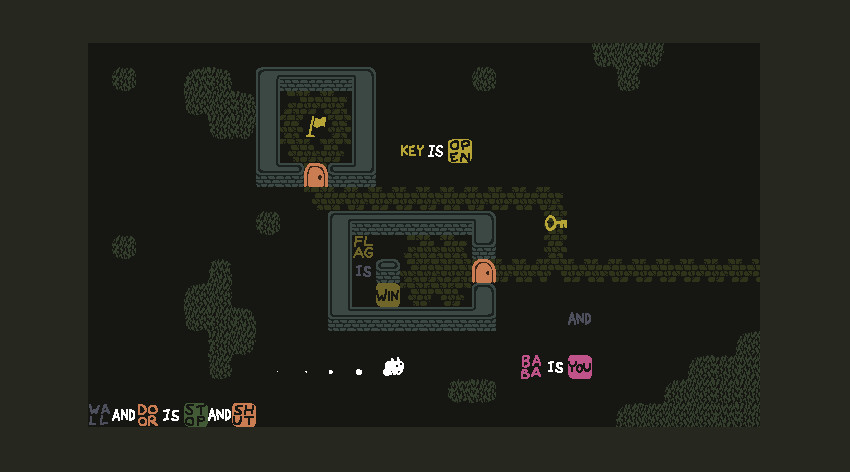
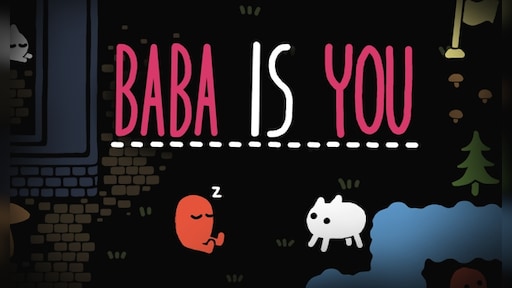
Baba Is You might be the purest design-driven pick on this list. It is a puzzle game where words in the level define the rules, and because those words are movable, you can rewrite how the game works in real time.
That concept is already clever, but the depth comes from how far it goes. Very quickly, you stop thinking in terms of normal puzzle solutions and start thinking about language, rule hierarchy, object states, identity, and the weird space between a level’s intended logic and the possibilities hidden inside it. The game keeps teaching you new ways to think about systems rather than just new mechanics to memorize.
It belongs here because it squeezes an incredible amount of intellectual depth out of a tiny presentation. Few games do a better job of making you feel like your understanding of the rules is evolving. It is compact, elegant, and one of the best examples of how deep gameplay can come entirely from idea quality.
Why You Might Like It
- The rule-manipulation mechanic keeps producing fresh puzzle logic.
- It challenges how you think, not just how quickly you react.
- Solutions often feel surprising without feeling random.
- It is one of the smartest small-footprint games ever made.
Baba Is You
Release Date: March 13, 2019
Genres: Puzzle, Indie
Best games under 10GB by playstyle
Final thoughts
The best games under 10GB are not impressive because they are small. They are impressive because they use that small footprint efficiently, focusing on systems, structure, and replayability instead of raw bulk. That is why so many of them stay relevant for years.
If you want the broadest strategy sandbox, start with RimWorld. If you want cards, go with Slay the Spire or Balatro. If you want action, Dead Cells, Hollow Knight, and Terraria are easy wins. And if you want something more unusual, Return of the Obra Dinn, Papers, Please, and Baba Is You prove that deep gameplay can come from deduction, bureaucracy, and pure puzzle logic just as easily as combat.
Author Recommendations
The list is quite extensive, so choosing the right title might be a bit difficult.
That is why I honestly recommend checking out RimWorld first. It offers the biggest sense of scale, replayability, and system-driven storytelling while still keeping a very small install footprint.
On the other hand, if you want something faster, cleaner, and instantly addictive, then Balatro will be the best choice.