

Games with permadeath mechanics stand out due to their ability to make every mistake matter.
The best ones do not just send you back to a checkpoint. They make you live with a lost soldier, a ruined run, a dead build, or a campaign that suddenly looks a lot worse because of one bad decision. That extra pressure can turn a good game into a great one, especially when the system is clever enough to make every choice feel heavier without becoming cheap or unfair.
TL;DR – Best Games With Permadeath Mechanics
Table of Contents
- Battle Brothers
- XCOM 2
- Returnal
- Into the Breach
- Darkest Dungeon II
- The Last Spell
- Cult of the Lamb
- Curse of the Dead Gods
- SYNTHETIK: Legion Rising
- Ravenswatch
- Barony
- Tainted Grail: Conquest
- Wizard of Legend
- Nuclear Throne
- Have a Nice Death
- Skul: The Hero Slayer
- EVERSPACE
- Void Bastards
- Loop Hero
- Crown Trick
- Which games with permadeath mechanics should you start with?





Permadeath can mean very different things depending on the game. Sometimes an entire run disappears the second you die. Sometimes one named soldier or mercenary is gone for good, which can be even worse because the campaign keeps going without them. The best versions of the mechanic understand that tension and build the whole experience around it.
That is why this list mixes true roguelikes, roguelites, tactical strategy games, and a few hybrids that use permadeath in smarter campaign-level ways. They all create pressure, but they do it differently. Some punish greed, some punish panic, and some punish long-term bad planning. All of them make survival feel meaningful.
Battle Brothers
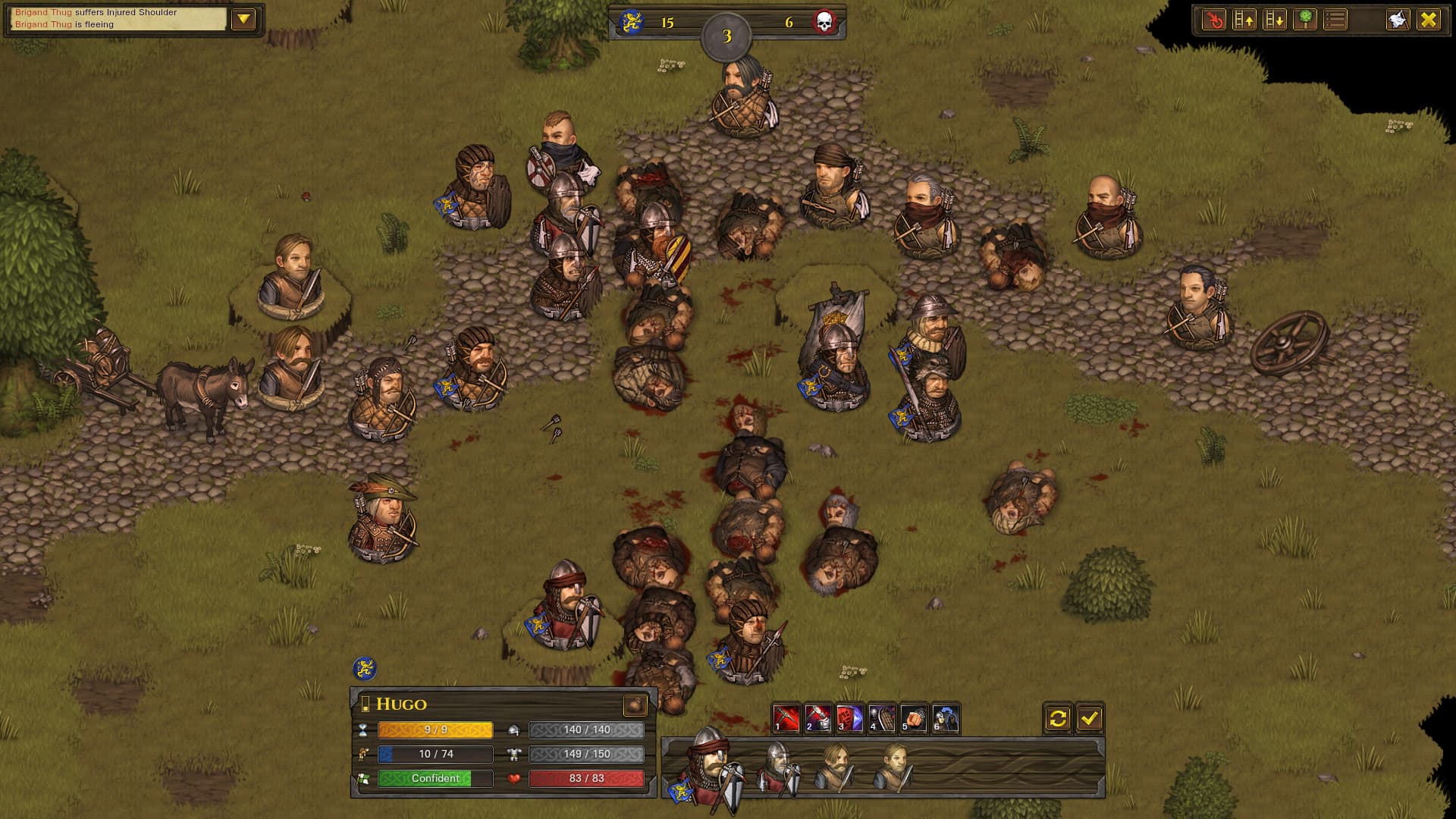
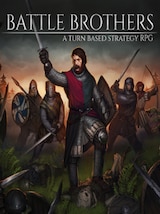
Battle Brothers is one of the strongest pure permadeath games around because it treats every mercenary like a real asset instead of disposable filler. You run a low-fantasy company of sellswords across a harsh overworld, taking contracts, managing supplies, and trying to keep your roster alive long enough to become something more than a group of desperate nobodies.
What makes it special is how permanent death reshapes the campaign. Losing a veteran is not just an emotional hit. It can destroy your frontline, ruin your economy, and leave your whole company weaker for several in-game weeks. Because progression is tied to individual brothers, every battle has real long-term stakes.
It belongs high on this list because permadeath is not a gimmick here. It is the core of the entire experience. You remember the brothers who survived impossible fights, and you remember the dumb decisions that got your best polearm user killed. Few games make loss feel this practical and this personal at the same time.
Why You Might Like It
- Campaign-level permadeath gives every battle real weight
- Roster building becomes much more meaningful when veterans can die forever
- Excellent if you like strategy games with long-term consequences
- One of the best picks for players who want tension beyond a single run
Battle Brothers
Release Date: March 24, 2017
Genres: Role-playing (RPG), Strategy, Turn-based strategy (TBS), Tactical, Adventure, Indie
XCOM 2
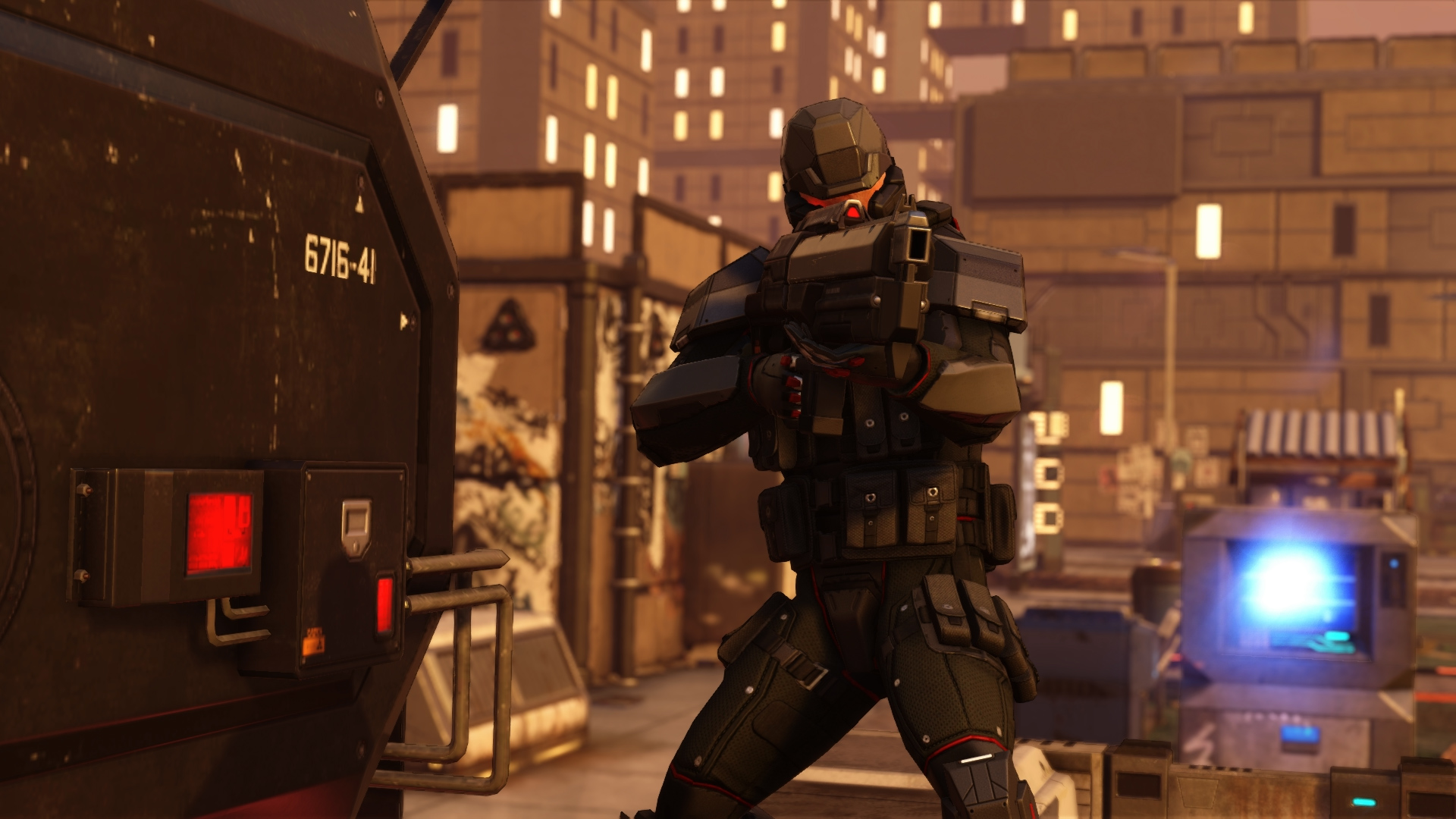
XCOM 2 remains one of the clearest examples of why soldier permadeath works so well in tactical strategy. You are managing a resistance force in a world controlled by alien occupiers, and every mission asks you to balance risk, time pressure, positioning, and the possibility that one bad turn can cost you a favorite operative forever.
The reason it still hits so hard is simple. The game encourages attachment. Your squad levels up, gains specializations, earns gear, and slowly becomes the backbone of the campaign. That means a death is never just a minor setback. It changes future missions, weakens your tactical options, and can force you into rebuilding at the worst possible time.
XCOM 2 fits this topic perfectly because permadeath is what makes the strategy memorable. Without it, missions would still be fun. With it, every flank, every missed shot, and every risky evac decision feels much more intense. The pressure is exactly what turns routine operations into stories people still talk about years later.
Why You Might Like It
- Named soldier permadeath creates unforgettable tactical tension
- Campaign momentum changes dramatically when elite units die
- Great fit if you want turn-based strategy with personal stakes
- Still one of the best examples of loss making a game better
XCOM 2
Release Date: February 4, 2016
Genres: Turn-based strategy (TBS), Tactical
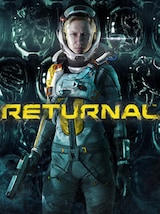
Returnal
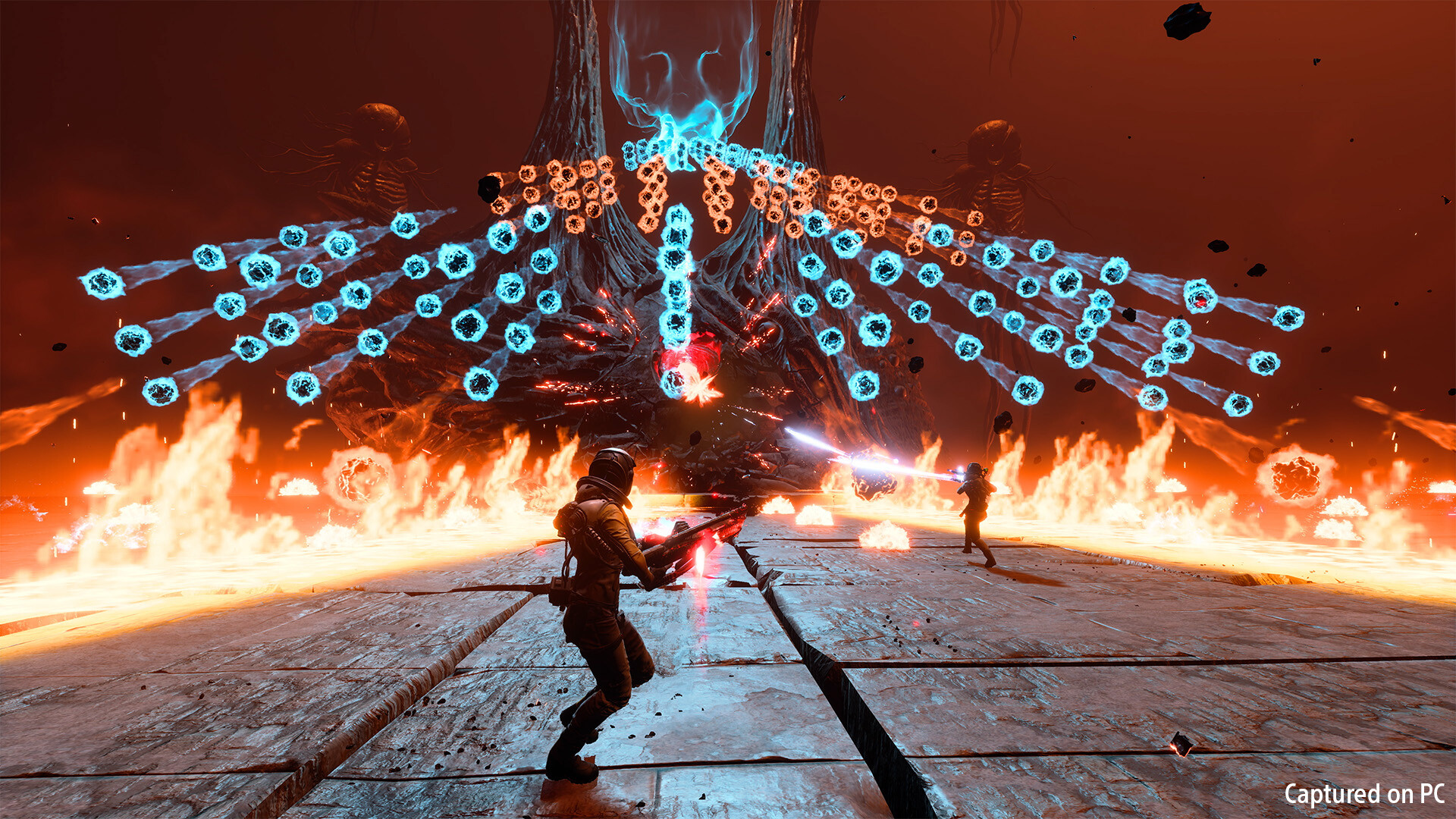
Returnal takes permadeath and wraps it in fast, stylish third-person combat and a time-loop story that actually supports the mechanic instead of just using it as structure. You crash on a hostile alien planet, die, return, and slowly piece together what is happening while your runs become sharper and more confident.
What it does especially well is make death feel like both punishment and progression. Your current build is gone, your momentum is broken, and the run is over, but your understanding of enemy patterns, biome routes, and weapon strengths stays with you. That makes improvement feel earned rather than grindy.
It belongs here because few high-budget games commit this hard to a permadeath loop. The combat is intense enough that death always feels close, and the atmosphere is good enough that restarting never feels empty. If you want a premium action game where dying is central to the whole identity, Returnal is one of the best choices available.
Why You Might Like It
- AAA presentation gives permadeath runs a bigger sense of drama
- Fast movement and bullet-hell pressure make every mistake matter
- The loop structure fits the story instead of fighting it
- Excellent if you want a more cinematic take on run-based failure
Returnal
Release Date: February 15, 2023
Genres: Shooter
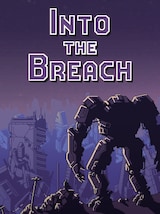
Into the Breach
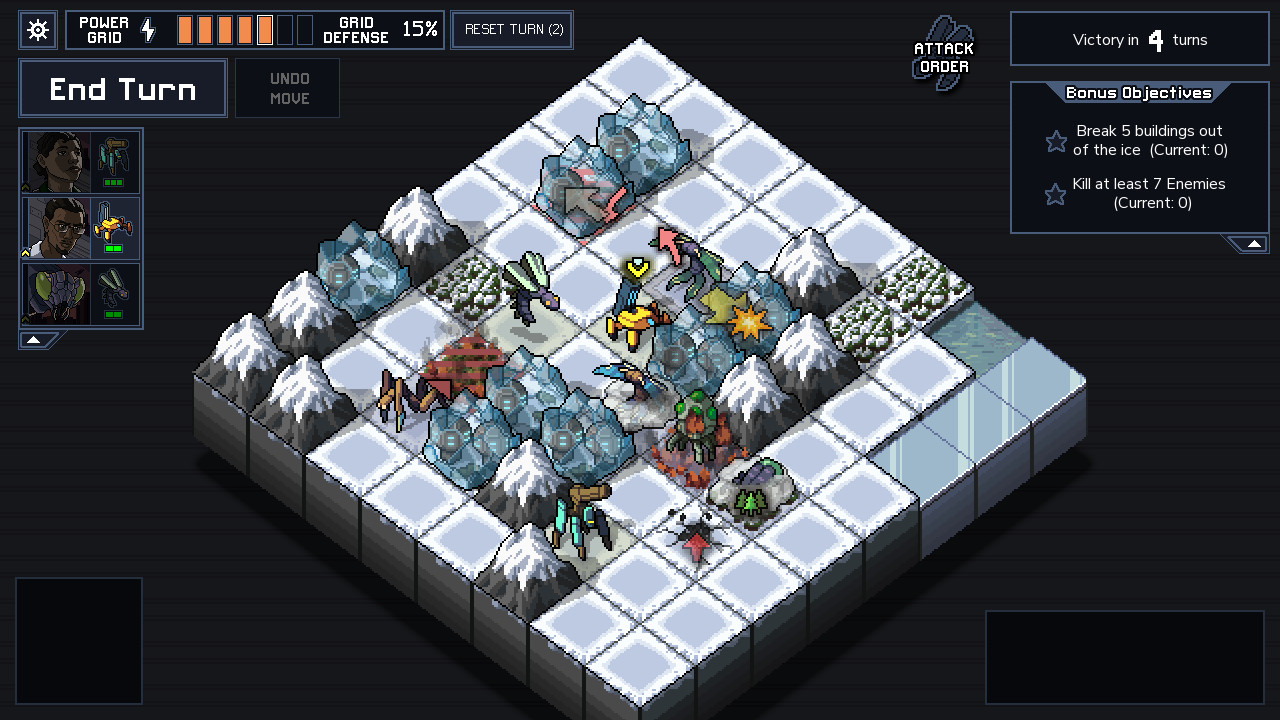
Into the Breach proves that permadeath does not need giant maps or huge campaigns to matter. This is a compact tactical game about protecting cities from giant creatures with a tiny squad of mechs, and every battle is built like a puzzle where you can clearly see the disaster coming if you are not careful.
Its biggest strength is clarity. You know what enemies are about to do, which means failure usually feels like your fault rather than random cruelty. That makes the permadeath side of the game much sharper. When a pilot is lost or a run falls apart, it stings because you can trace exactly where things started to go wrong.
It fits this list because it captures the essence of permadeath in a smarter, cleaner way than most games. Every turn matters, every bit of collateral damage matters, and every successful run feels like the result of better thinking rather than better loot. If you want strategy pressure without excess bloat, this is a brilliant pick.
Why You Might Like It
- Short runs keep the pressure high and the pacing tight
- Perfect information makes failure feel fair but painful
- Ideal for players who want permadeath in a more tactical format
- One of the smartest strategy games built around consequences
Into the Breach
Release Date: February 27, 2018
Genres: Puzzle, Strategy, Turn-based strategy (TBS), Indie
Darkest Dungeon II
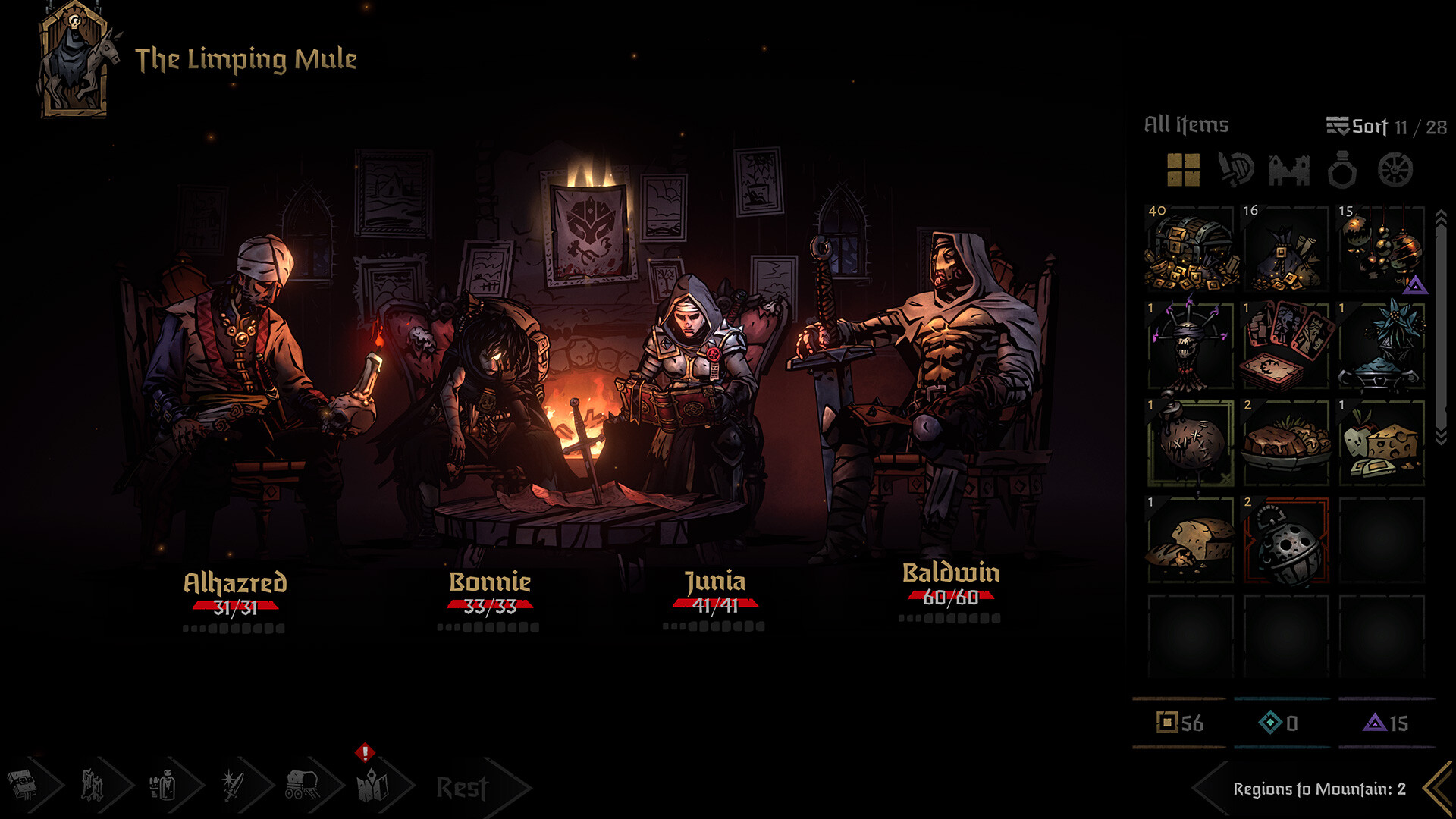
Darkest Dungeon II takes the brutal attrition of the first game and reshapes it into a run-based road trip through a collapsing world. Instead of managing one giant hamlet across dozens of missions, you are trying to guide a fragile party through a single doomed expedition, keeping stress, relationships, and health from tearing the group apart.
What makes the permadeath side work is how many systems push against you at once. A run can unravel because of combat, bad routing, negative relationships, or simple accumulated stress. When a hero dies, the party often does not have enough stability left to recover, which means the loss feels like the beginning of a collapse rather than a single isolated mistake.
It belongs on this list because it turns death into a slow-burn threat instead of just a sudden reset. Even before the final wipe, you can feel a doomed run forming. That sense of inevitability is a huge part of its identity, and it gives the whole journey a grim kind of momentum.
Why You Might Like It
- Hero deaths feel worse because the whole run usually destabilizes with them
- Stress and relationships add tension beyond basic combat survival
- Strong pick if you want permadeath with more party drama
- Excellent at making failure feel gradual, not random
Darkest Dungeon II
Release Date: May 8, 2023
Genres: Role-playing (RPG), Strategy, Turn-based strategy (TBS), Tactical, Adventure, Indie
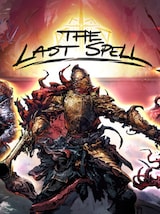
The Last Spell
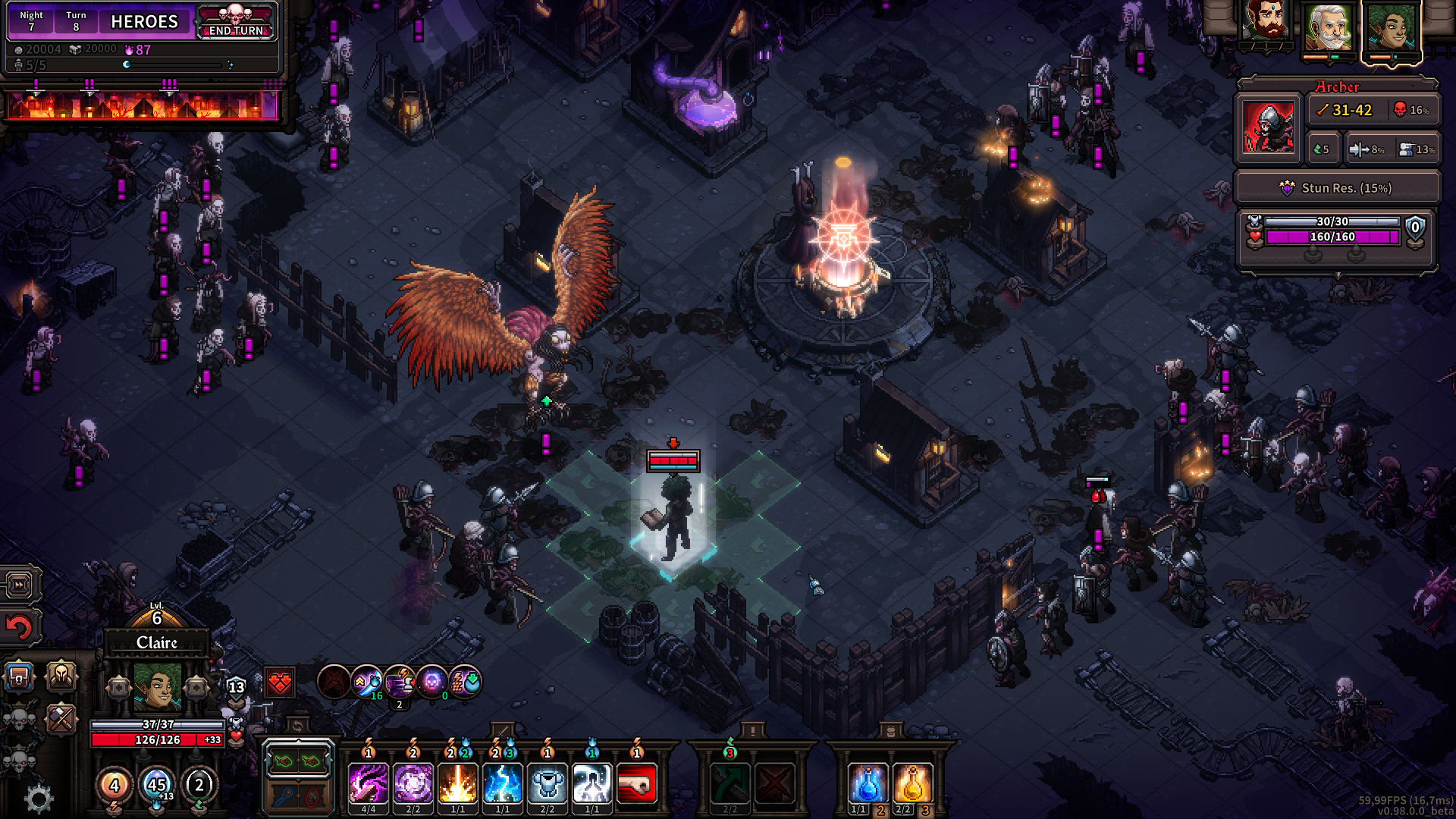
The Last Spell mixes tactical RPG combat, base defense, and roguelite structure into a game where every night feels like it could end the campaign. You are defending the last remaining cities against huge waves of enemies, trying to rebuild by day and somehow survive by night with a team that is never as safe as you want it to be.
The game works so well because it combines immediate combat pressure with longer-term planning. Positioning, hero builds, item choices, spell use, and town upgrades all matter, and a bad defensive setup can leave you in a spiral that is hard to stop once the horde starts chewing through your lines.
It fits this list because permadeath here creates attrition rather than clean heroic failure. You are trying to keep a fragile defense alive across escalating nights, and every loss feels like the walls getting thinner. If you like tactical games where survival depends on preparation as much as battlefield skill, this one deserves a look.
Why You Might Like It
- Tactical combat and horde defense make survival feel constantly urgent
- Bad long-term planning can quietly ruin a run before the final night
- Great for players who like strategy games with escalating pressure
- A strong alternative to more familiar turn-based permadeath games
The Last Spell
Release Date: June 3, 2021
Genres: Role-playing (RPG), Strategy, Turn-based strategy (TBS), Tactical, Indie
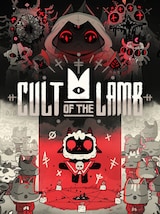
Cult of the Lamb
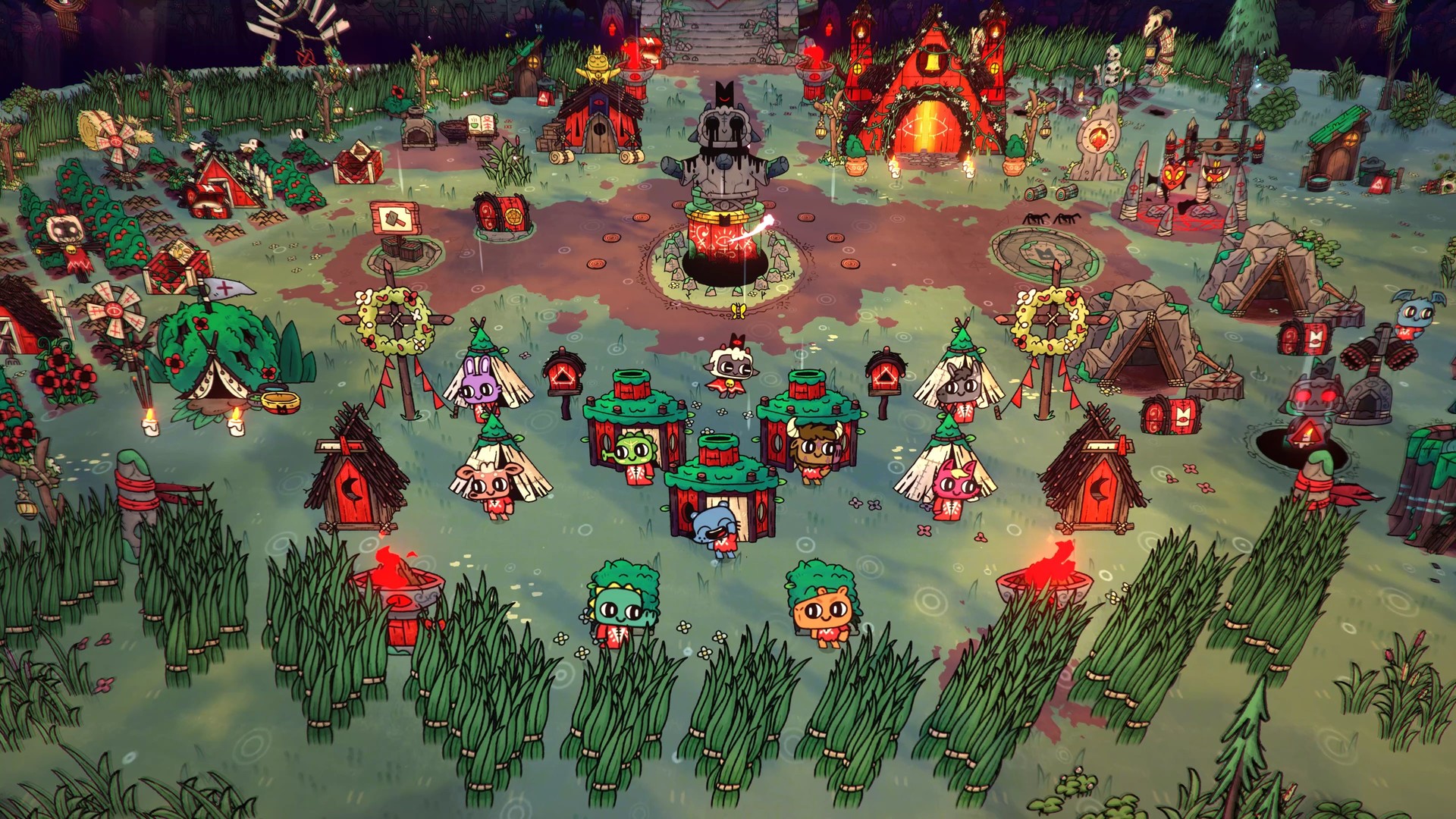
Cult of the Lamb gives permadeath mechanics a much lighter surface while still building the whole loop around risky runs. On one side, you are exploring randomized combat areas, collecting resources, and trying to make it back alive. On the other, you are managing a growing cult that depends on your success to stay loyal and productive.
What makes it stand out is the contrast between cute presentation and sharp run pressure. Death on a crusade means lost momentum, delayed upgrades, and more strain on the cult management side back home. That split structure keeps the game moving because even a failed run still affects the bigger picture in visible ways.
It belongs here because it uses permadeath to connect two different systems instead of isolating the mechanic inside combat. Survival matters not only because the run ends, but because your followers, rituals, and resources all feel the consequences too. That makes it one of the more distinctive picks on this list.
Why You Might Like It
- Permadeath runs feed directly into a larger management layer
- Failure matters without making the game feel joyless or punishing
- Excellent if you want a roguelite with more personality and structure
- The contrast between cute art and real pressure works surprisingly well
Cult of the Lamb
Release Date: August 11, 2022
Genres: Role-playing (RPG), Simulator, Strategy, Hack and slash/Beat 'em up, Adventure, Indie
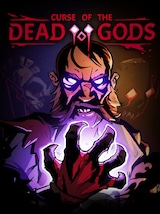
Curse of the Dead Gods
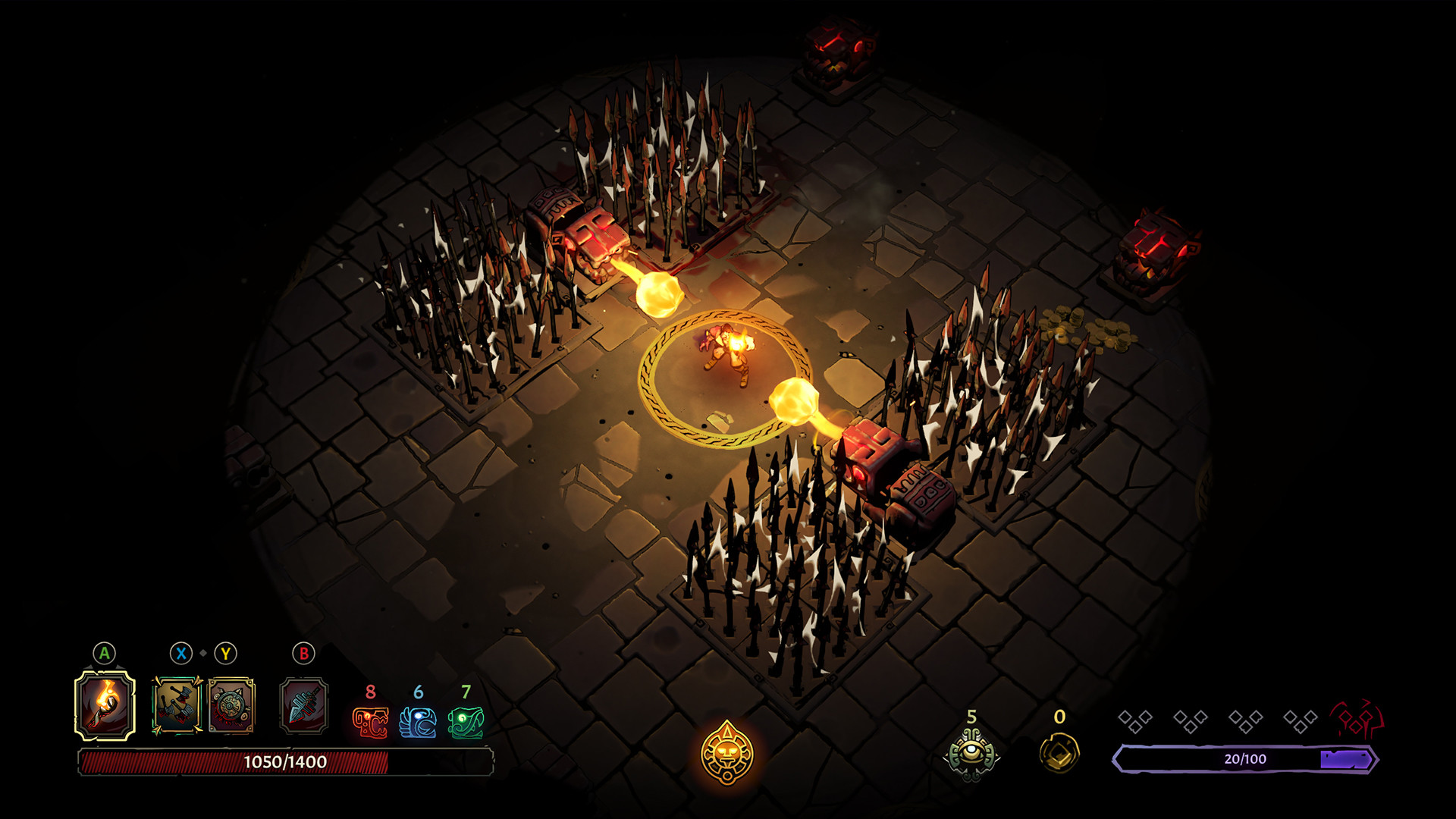
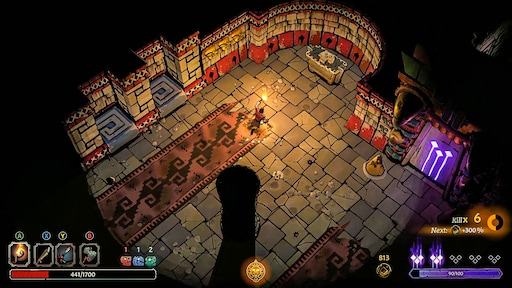
Curse of the Dead Gods is one of the cleanest action-focused permadeath games because it understands exactly where the tension should come from. You enter trap-filled temples, fight through room after room, balance greed against safety, and slowly become more cursed the deeper you push.
Its combat is the big draw. Dodges, parries, stamina management, weapon combos, and room awareness all matter, which makes every run feel skill-based in the best way. Add in darkness mechanics, curse choices, and branching temple routes, and the game constantly asks whether you are playing smart or just getting greedy.
It belongs on this list because permadeath sharpens every one of those choices. There is no loose cushion here. A bad room, a bad curse, or a reckless weapon swap can easily kill a promising run. If you want a tough, stylish game where death always feels one step away, this is one of the strongest options available.
Why You Might Like It
- Excellent melee combat makes every run feel skill-driven
- Curses and greed systems add smart risk-reward pressure
- Great for players who want punishing action without random nonsense
- One of the best pure run-based permadeath games on PC
Curse of the Dead Gods
Release Date: March 3, 2020
Genres: Role-playing (RPG), Adventure, Indie, Racing, Simulator
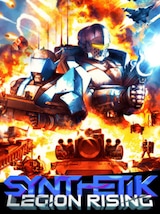
SYNTHETIK: Legion Rising
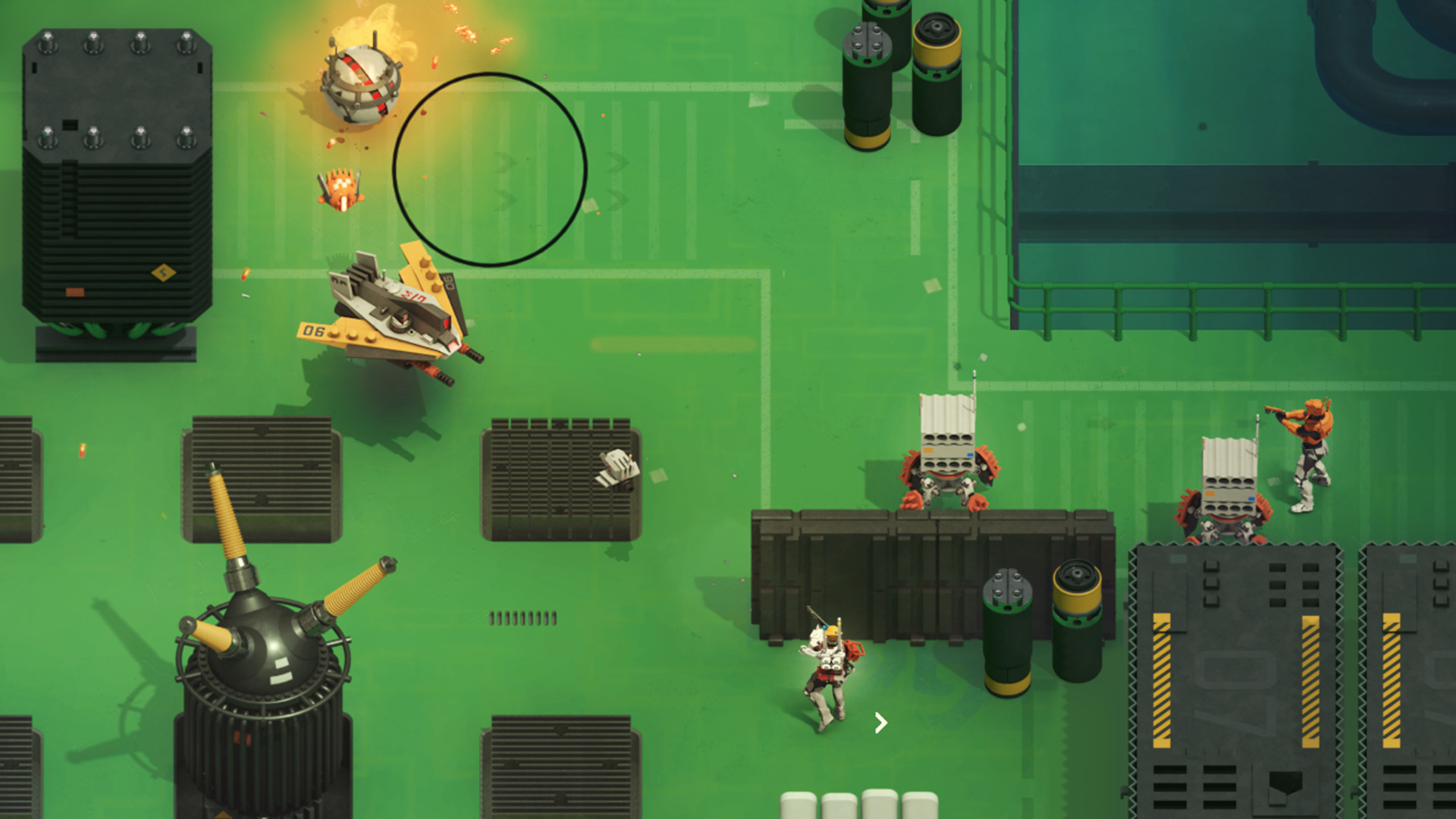
SYNTHETIK: Legion Rising is a top-down shooter roguelite that feels much more mechanical and demanding than most games in its lane. Between recoil, active reloads, heat management, and enemy pressure, it is a game where simply staying alive requires attention and clean execution.
That is exactly why the permadeath loop works so well. Runs can die very quickly, but they rarely feel empty because the game is constantly asking you to improve your control over weapons, movement, and class tools. Success feels less like luck and more like gradually mastering a system that does not forgive sloppiness.
It belongs here because it offers a different flavor of permadeath tension than swords, cards, or turn-based tactics. It is harsher, faster, and more about mechanical rhythm. If you want a shooter where death comes from your own bad habits as much as enemy damage, this is a fantastic choice.
Why You Might Like It
- Gunplay systems make survival more technical than usual
- Fast run-ending mistakes keep every room intense
- Excellent for players who want a harder shooter roguelite
- Feels distinct from more mainstream action permadeath games
SYNTHETIK: Legion Rising
Release Date: March 15, 2018
Genres: Shooter, Roguelike
Ravenswatch
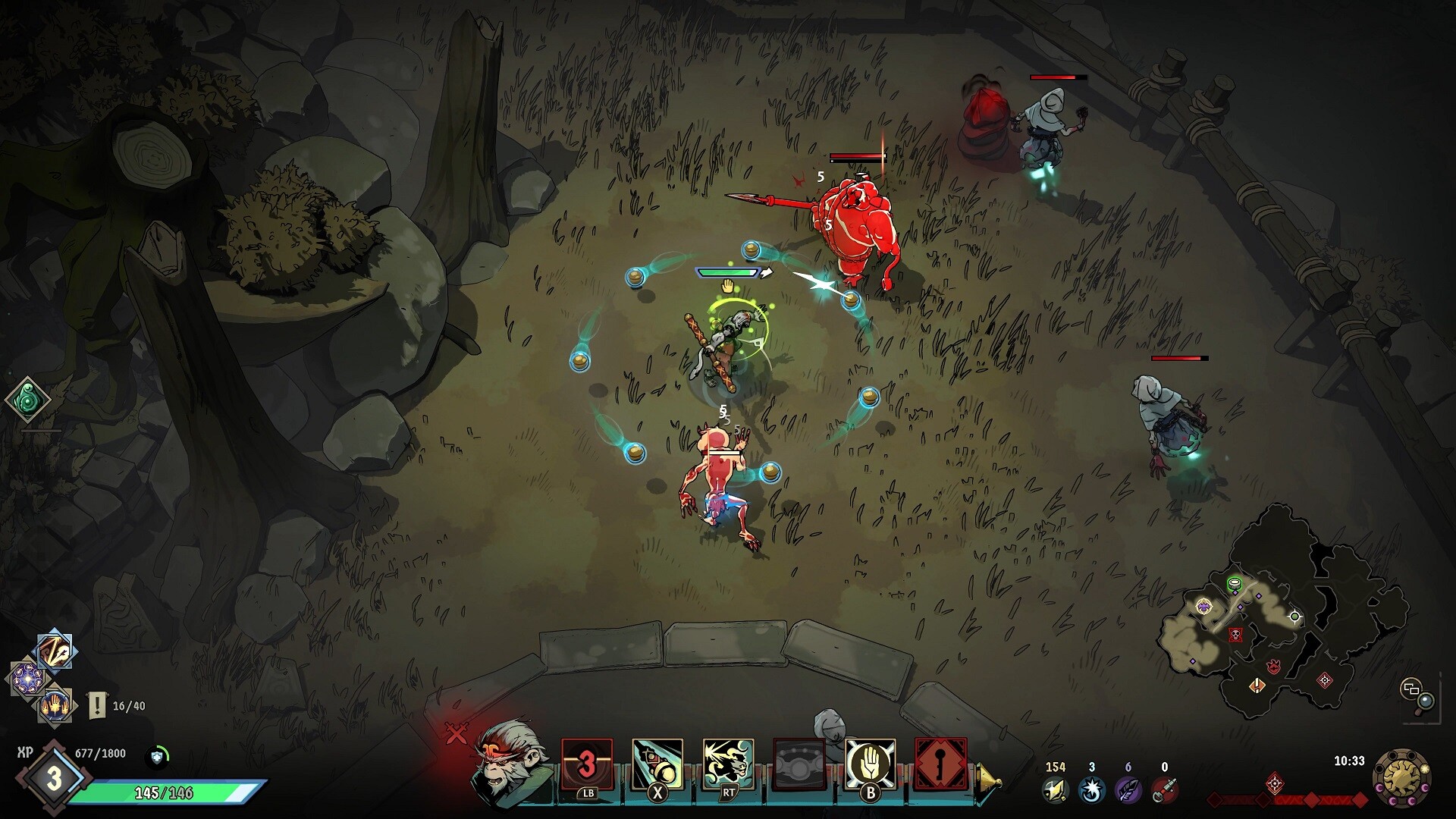
Ravenswatch brings a co-op-friendly action roguelike angle to the topic while still keeping permadeath central. You play reimagined storybook and myth-inspired heroes, push through a timed map, complete events, gather upgrades, and prepare for a difficult final boss encounter before the run expires.
What it does well is create pressure through pacing. Because the map is limited by time, every detour matters. Bad routing can hurt almost as much as bad combat, which gives the whole run a more strategic rhythm than a lot of action roguelites. You are not just surviving fights. You are trying to build enough power before the clock forces your hand.
It fits this list because permadeath is what makes those routing decisions exciting. When failure sends you back to the start, every lost minute and every unnecessary fight becomes more significant. It is a very good pick if you want action runs with a stronger sense of planning.
Why You Might Like It
- Timed runs make route planning almost as important as combat
- Distinct heroes keep repeated attempts feeling fresh
- Good choice for players who like co-op-capable roguelike action
- Permadeath works here because the map structure creates real urgency
Ravenswatch
Release Date: April 6, 2023
Genres: Hack and slash/Beat 'em up, Adventure, Role-playing (RPG)
72% OFF 93% OFF 82% OFF 72% OFF 93% OFF 59% OFF 86% OFF 56% OFF 79% OFF 78% OFF 48% OFF 59% OFF 76% OFF 74% OFF 78% OFF 78% OFF 65% OFF 94% OFF 78% OFF 84% OFF 79% OFF 95% OFF
Barony
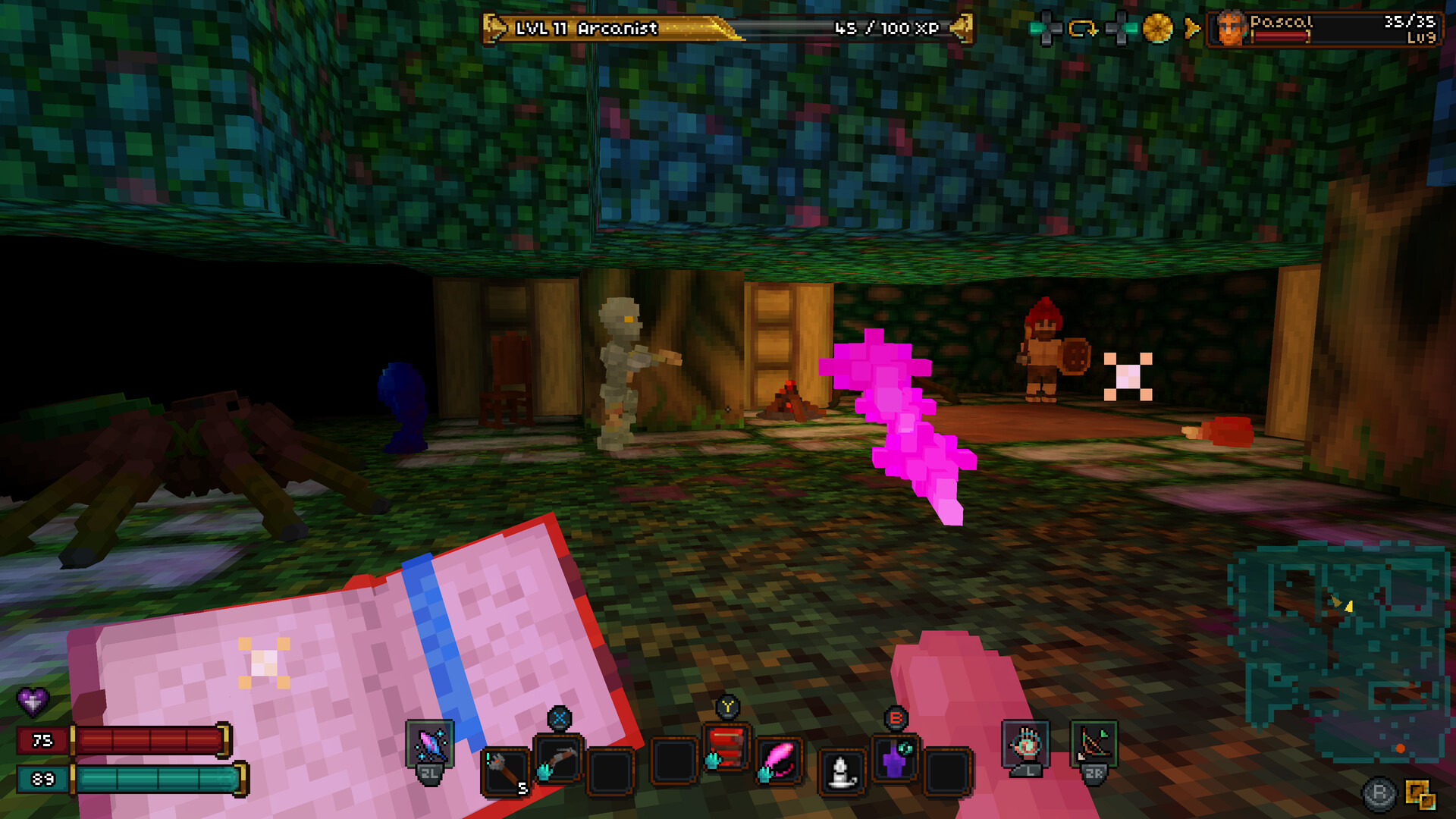
Barony is a first-person dungeon crawler that feels much closer to old-school roguelike thinking than most modern action games. Hunger, traps, status effects, class choice, loot, and dungeon danger all matter, and the game is more than happy to kill you for carelessness.
The best thing about its permadeath is how naturally it supports the dungeon-crawl fantasy. Every descent feels like a real expedition because you never know whether a weird room, a hidden trap, or a small bad decision will suddenly end the run. That unpredictability gives victories a scrappier, more old-school flavor.
It belongs on this list because it offers a very different tone from the more polished, heavily guided roguelites people usually talk about. Barony feels rougher and more simulation-minded, which makes survival more memorable. If you want permadeath with first-person exploration and genuine dungeon danger, it is a great pick.
Why You Might Like It
- First-person dungeon crawling makes danger feel immediate
- Traps, hunger, and weird encounters keep runs unpredictable
- Great for players who want a more old-school roguelike feel
- One of the fresher first-person takes on permadeath
Barony
Release Date: June 23, 2015
Genres: Roguelike, Role-playing (RPG), Adventure, Indie
Tainted Grail: Conquest
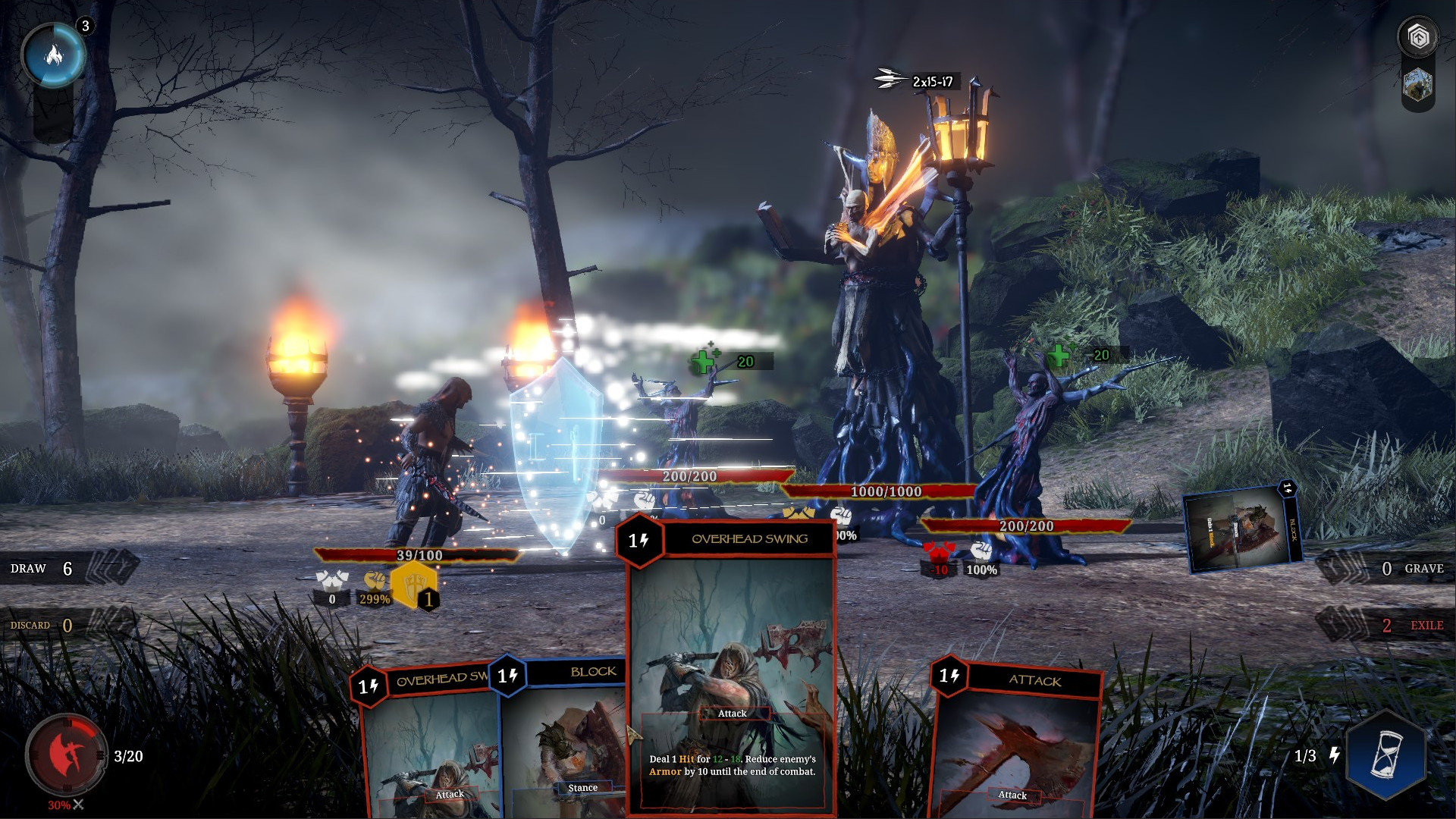
Tainted Grail: Conquest is a darker deckbuilding roguelite that uses permadeath to make every class experiment and route choice feel riskier. Set in a twisted version of Arthurian fantasy, it leans hard into bleak atmosphere, strange enemies, and builds that can either become brilliant or collapse if you draft badly.
Its biggest strength is mood. A lot of run-based card games feel clean and mechanical. Tainted Grail feels grim, oppressive, and a little more adventurous, which helps the permadeath structure land harder. You are not just climbing a system. You are surviving a hostile world while trying to shape a deck that can keep up with it.
It fits this list because death matters in a satisfying deckbuilder way. A failed run does not just mean bad luck. It usually means you misread your synergies, pushed too hard, or failed to prepare for the fights ahead. That makes it a strong recommendation for players who like planning-heavy permadeath without repeating the most obvious genre picks again.
Why You Might Like It
- Dark fantasy atmosphere gives the run structure more identity
- Deckbuilding choices matter because weak synergies get punished hard
- Great if you want a less overused permadeath deckbuilder
- Runs feel tactical without losing a sense of adventure
Tainted Grail: Conquest
Release Date: June 18, 2020
Genres: Role-playing (RPG), Strategy, Turn-based strategy (TBS), Indie, Card & Board Game
Wizard of Legend
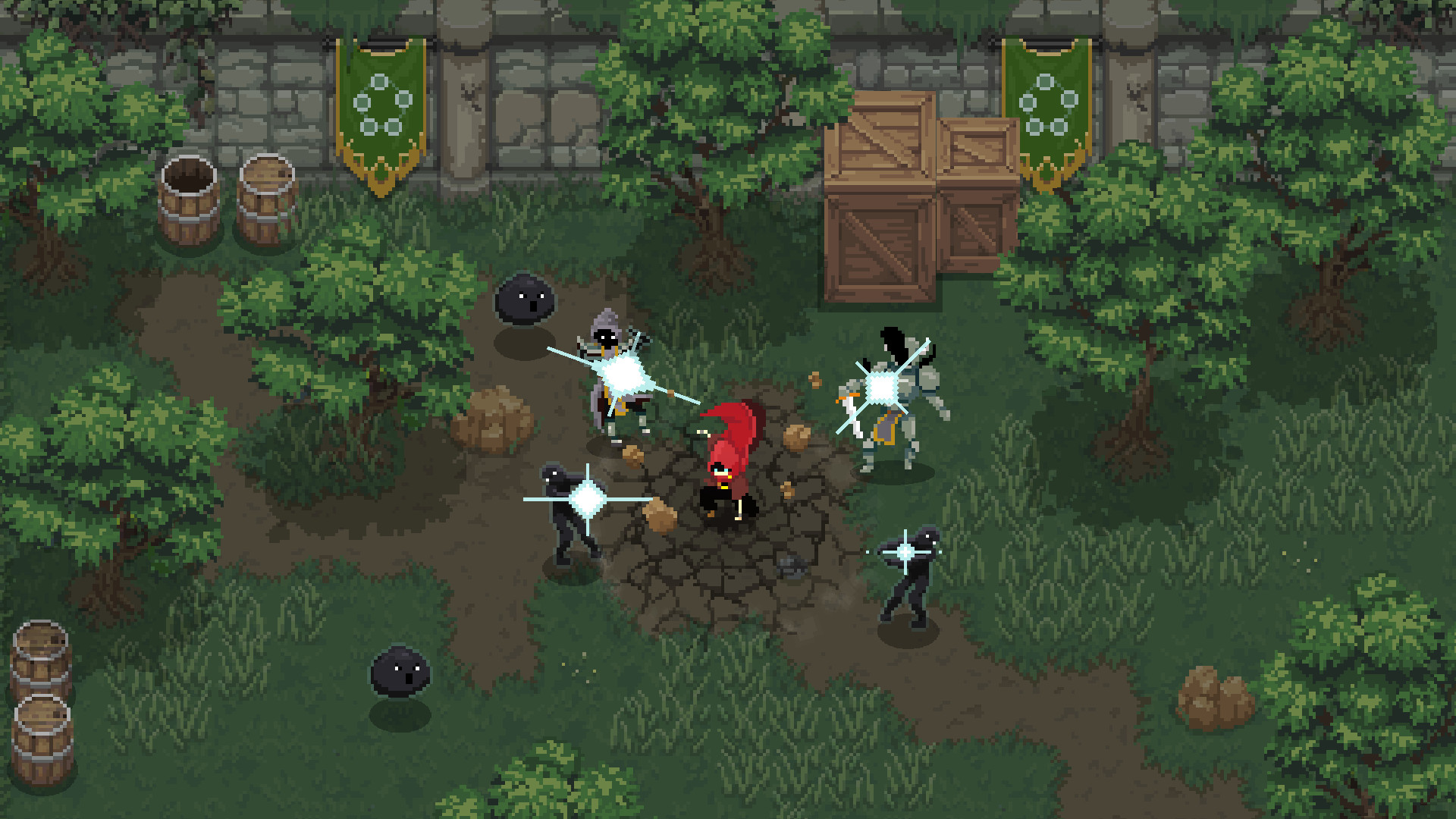
Wizard of Legend is one of the best magic-focused action roguelikes because it turns spell combinations into the whole point of a run. You dash through elemental chaos, build around arcana loadouts, and try to survive fast rooms that can go wrong very quickly if your setup lacks range, control, or defense.
The permadeath loop works because the combat is so crisp. When you die, it usually feels tied to bad spacing, greedy play, or an unbalanced build rather than random punishment. That makes experimentation fun. You are always learning which spell sets actually work under pressure instead of just looking flashy on paper.
It belongs here because it offers a very specific fantasy that not many permadeath games do this well. You are not swinging swords or managing soldiers. You are trying to become a terrifyingly efficient combat wizard, and every failed run teaches you a little more about how to do that.
Why You Might Like It
- Spell loadouts make each run feel mechanically distinct
- Fast combat keeps the danger constant without dragging the pace down
- Perfect if you want permadeath with a strong magic combat focus
- Great balance of skill, buildcraft, and replayability
Wizard of Legend
Release Date: May 15, 2018
Genres: Role-playing (RPG), Hack and slash/Beat 'em up, Adventure, Indie, Arcade
Nuclear Throne
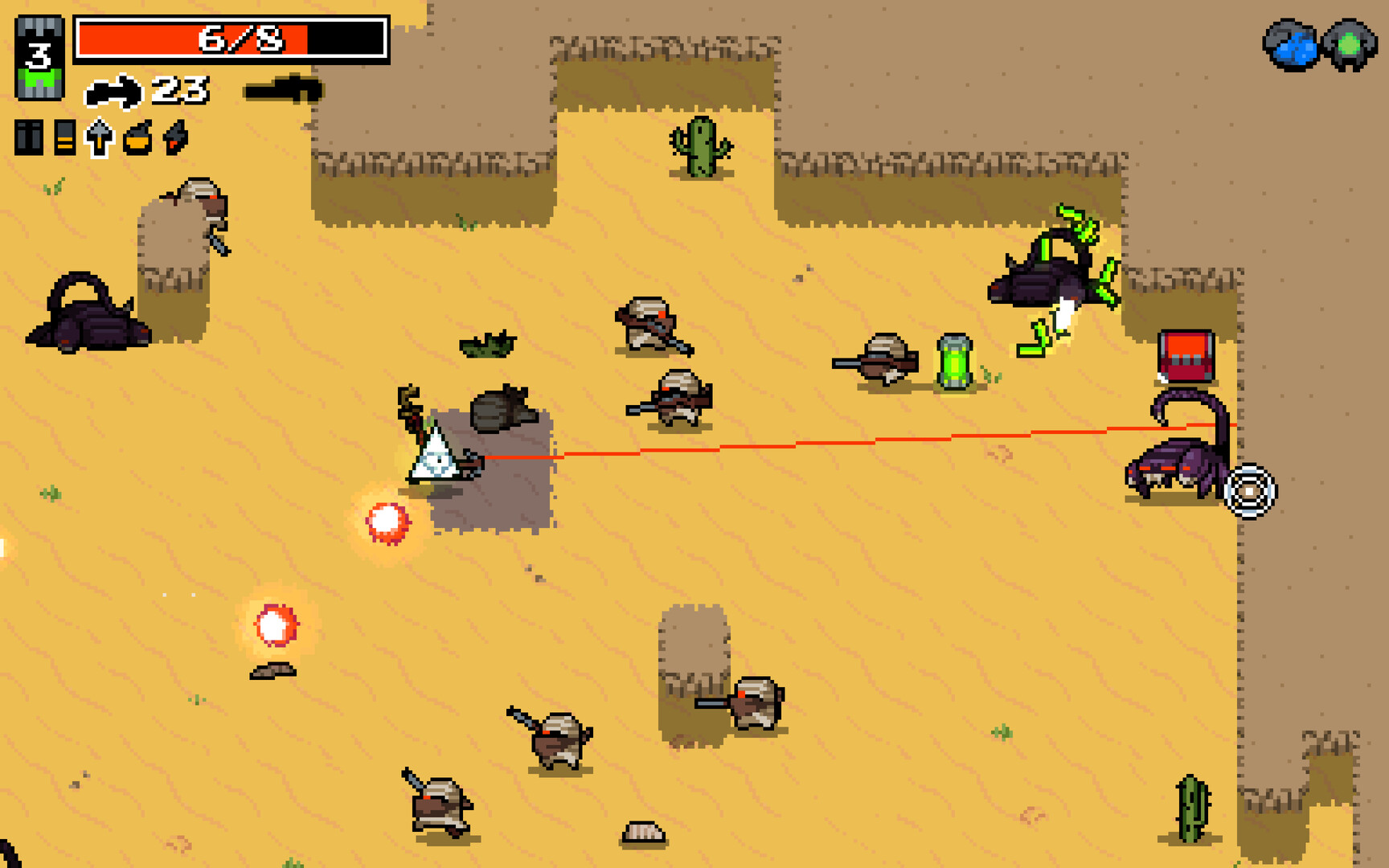
Nuclear Throne is one of the most viciously efficient permadeath games ever made. It drops you into mutant-filled arenas, throws absurd firepower at you, and expects you to survive on reflexes, positioning, and split-second decision-making while the run keeps accelerating.
What makes it special is speed. There is almost no wasted motion here. Runs can end in seconds, but that is part of the appeal. The game teaches through failure at a brutal pace, and every tiny improvement feels meaningful because surviving just a little longer requires noticeably better movement and threat awareness.
It belongs on this list because permadeath is the fuel for the entire experience. Without that constant possibility of instant failure, the game would not hit nearly as hard. It is one of the best choices for players who want a run-based game that feels raw, fast, and completely uninterested in comforting them.
Why You Might Like It
- Fast deaths make the skill curve feel sharp and addictive
- Weapon variety keeps chaotic runs interesting
- Excellent for players who enjoy high-pressure arcade aggression
- One of the purest examples of learn-by-dying design

Nuclear Throne
Release Date: December 5, 2015
Genres: Shooter, Roguelite, Indie, Arcade
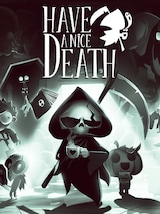
Have a Nice Death
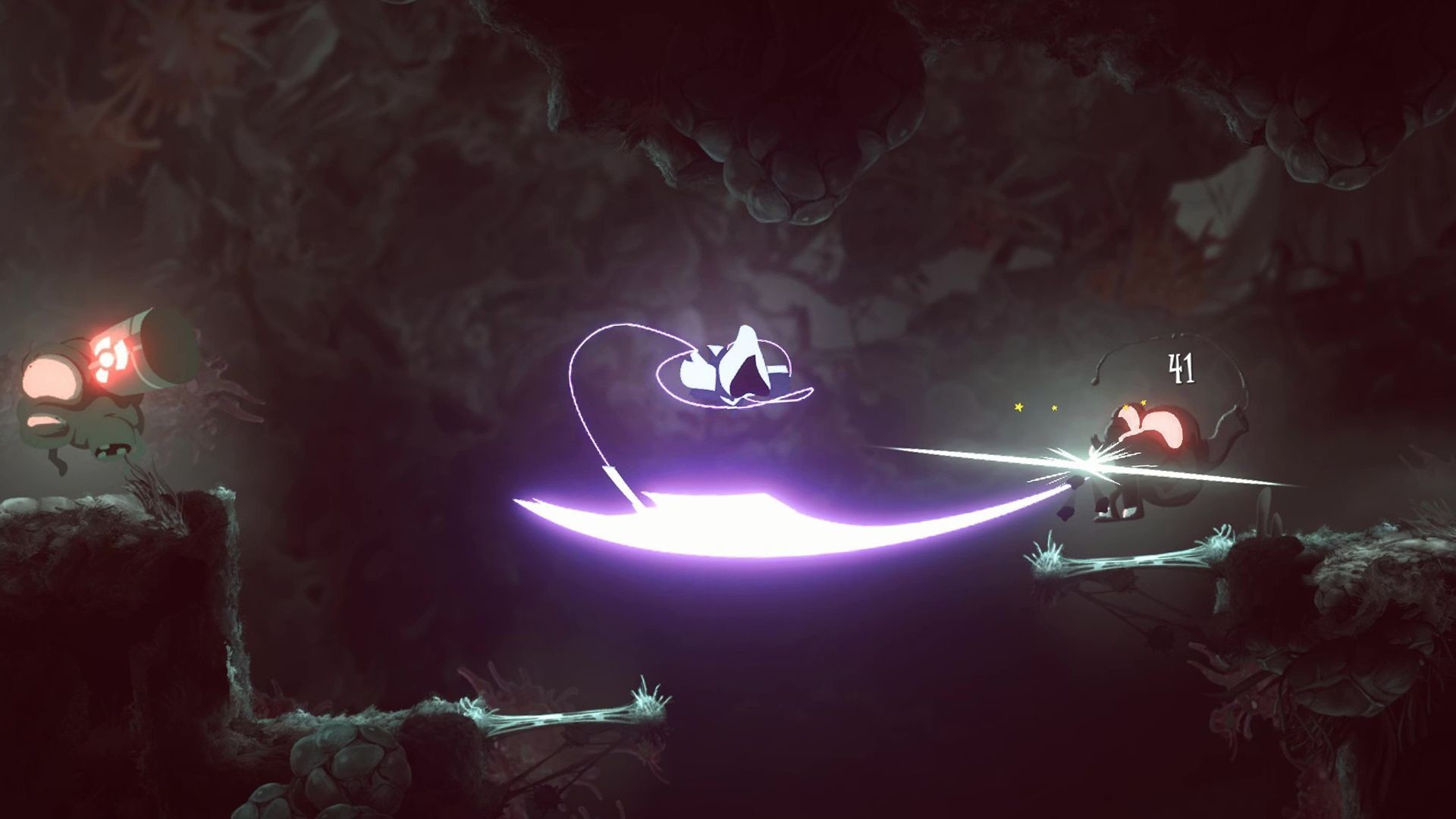
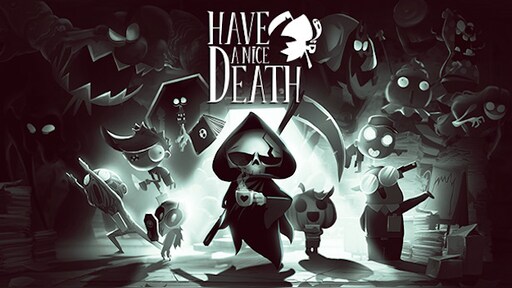
Have a Nice Death is a stylish side-scrolling action roguelite that turns office satire into a surprisingly strong permadeath framework. You play as an overworked Death navigating a company full of unruly departments, battling through rooms that mix mobility checks, enemy management, and boss patterns that demand attention.
Its biggest advantage is feel. Movement is snappy, weapons have personality, and the corporate underworld setting gives the whole loop more flavor than the average dark fantasy dungeon crawl. Because the action feels so readable, failed runs usually teach something useful about timing, range, or build priorities.
It fits this list because it makes permadeath fun without softening the sting of failure. A lost run still hurts, but the game is lively enough that restarting feels inviting instead of exhausting. If you want a cleaner, more stylish action-platform take on the mechanic, it is easy to recommend.
Why You Might Like It
- Fast 2D combat makes repeated runs enjoyable instead of repetitive
- The workplace-underworld theme gives it much more personality
- Good choice if you like action roguelites with slick presentation
- Permadeath feels fair because movement and combat are so readable
Have a Nice Death
Release Date: March 1, 2022
Genres: Platform, Indie, Arcade
Skul: The Hero Slayer
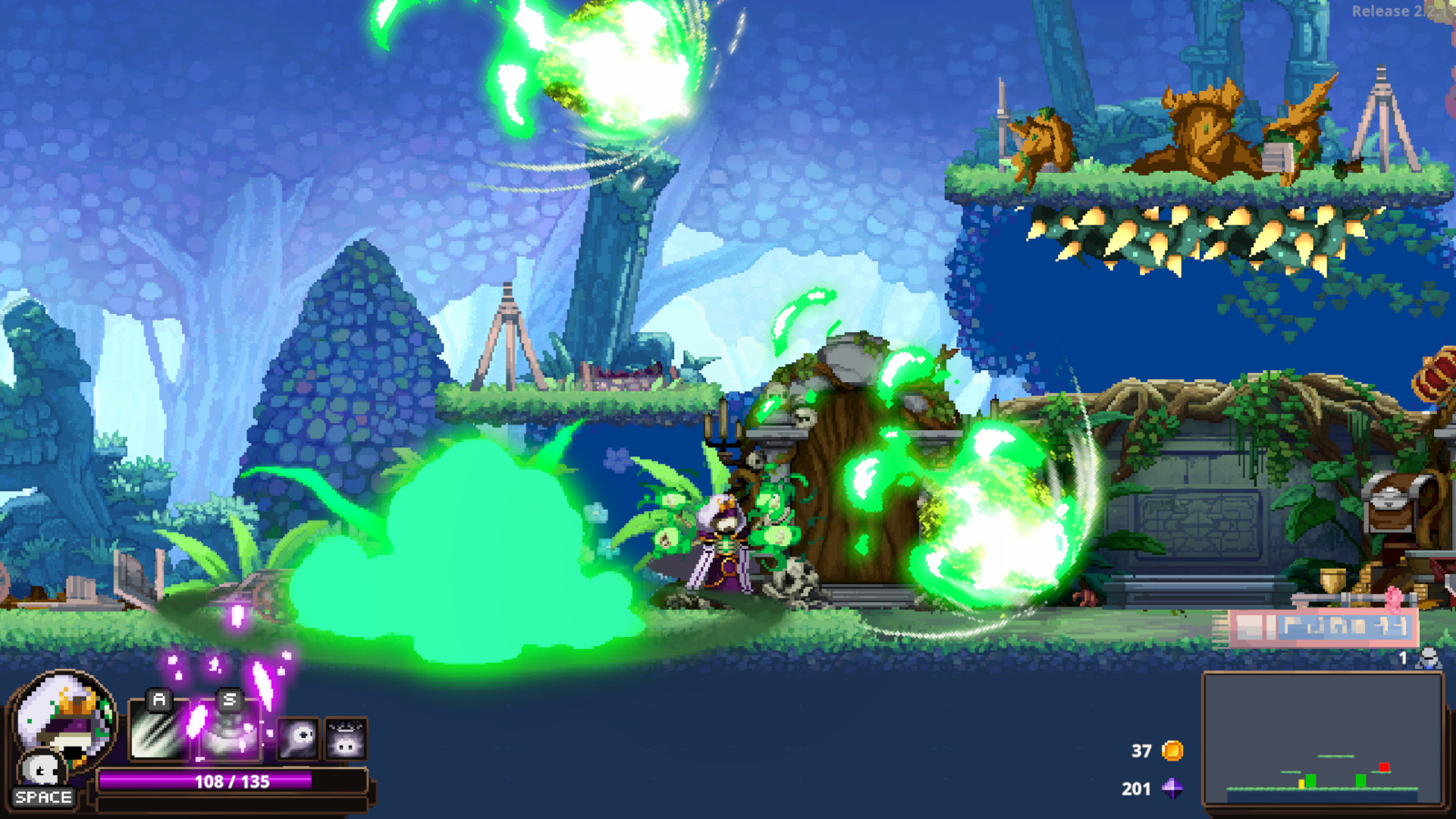
Skul: The Hero Slayer builds its permadeath loop around one clever idea: your character can swap identities by changing skulls, and each skull dramatically changes how the run plays. That means every attempt feels like an experiment in build direction, pacing, and combat rhythm rather than a simple retry.
The game works well because it sits in a nice middle ground between action and adaptation. It is fast enough to stay exciting, but the skull system gives runs just enough strategic texture that your choices matter beyond basic reflexes. A promising setup can still die quickly if you mishandle elites or overcommit in later rooms.
It belongs on this list because permadeath amplifies that experimentation. When a run ends, you are not only thinking about the mistake that killed you. You are also thinking about which skull path could have scaled better or which item choice might have saved the build. That makes it very replayable without leaning on the most overexposed names in the genre.
Why You Might Like It
- Skull swapping gives runs strong variety and build identity
- Fast combat keeps the loop exciting without becoming mindless
- Great for players who enjoy action roguelites with more build twists
- Failure often teaches something about both combat and setup choices

Skul: The Hero Slayer
Release Date: January 21, 2021
Genres: Platform, Indie
EVERSPACE

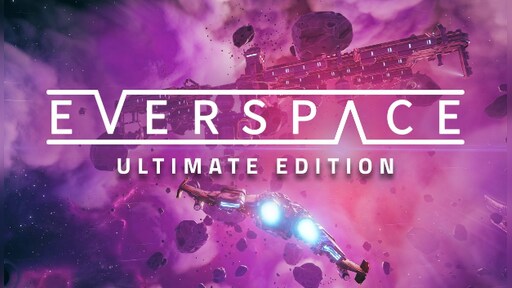
EVERSPACE gives the permadeath formula a space-combat angle, which already makes it feel different from the usual dungeon and corridor runs. You jump from sector to sector, scavenge resources, upgrade your ship, and try to survive firefights in a constantly changing run that becomes more dangerous the further you go.
What makes it work is the blend of speed and vulnerability. Ship combat feels fluid, but you are never completely safe. Bad resource management, a mistimed boost, or one ugly encounter can end a run quickly, especially if you have been too greedy about pushing into later sectors without enough preparation.
It belongs here because it shows how flexible permadeath can be when the surrounding systems are strong. EVERSPACE does not need swords or cards to create tension. It builds that pressure through movement, scavenging, route choice, and the constant risk of watching a well-equipped ship explode before the run pays off.
Why You Might Like It
- Space combat gives the permadeath loop a fresh identity
- Sector progression creates strong risk-reward pacing
- Great if you want roguelike tension outside fantasy settings
- Runs feel rewarding because ship growth is always under threat
EVERSPACE
Release Date: May 25, 2017
Genres: Indie, Fighting, Shooter, Simulator
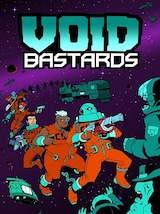
Void Bastards
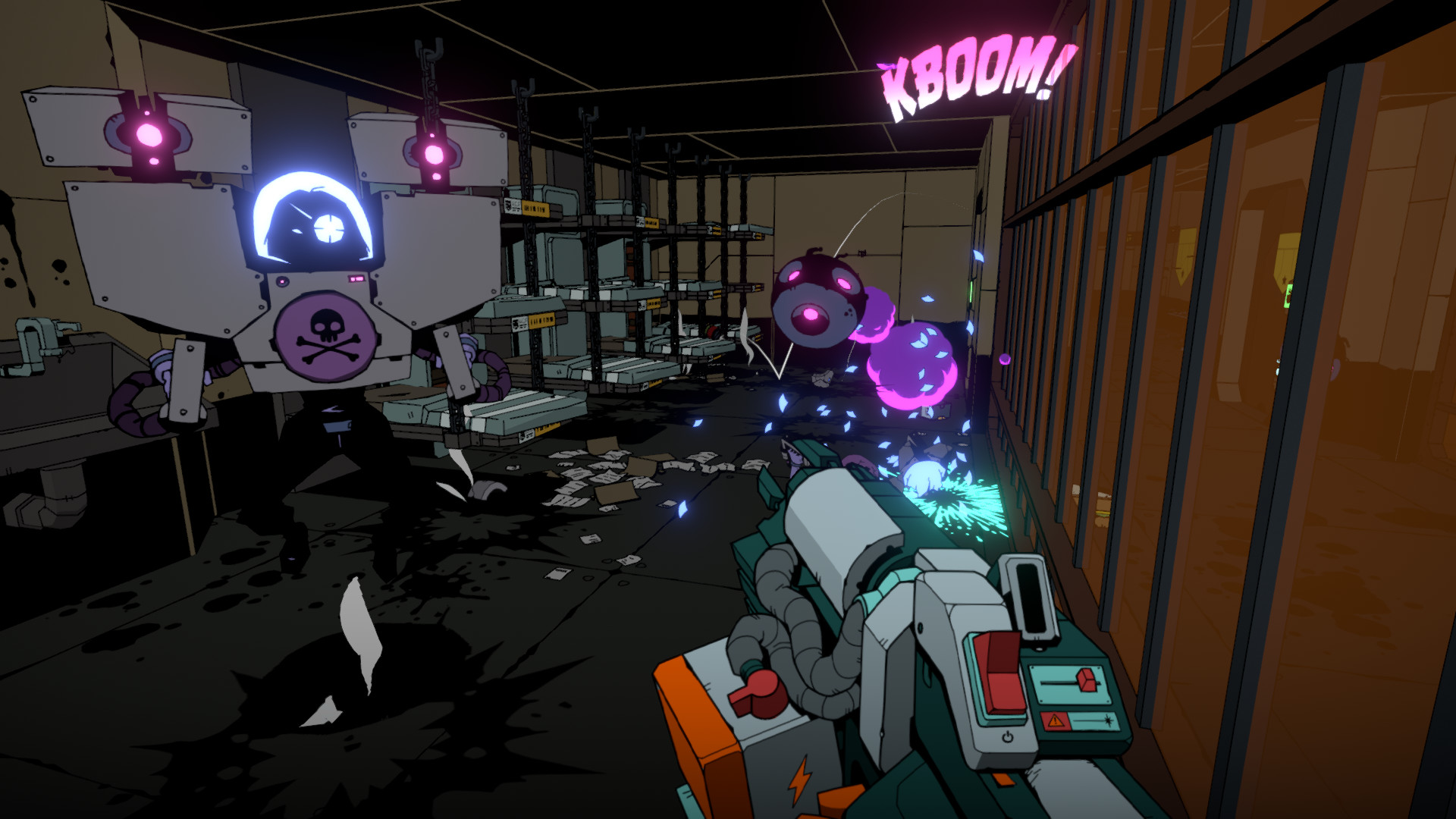
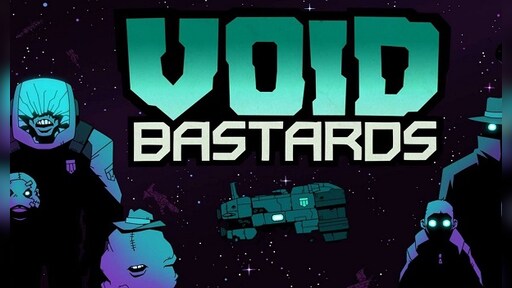
Void Bastards is a very smart twist on permadeath because it mixes run-based survival with a campaign that keeps moving through loss. You control disposable prisoners crossing a dangerous nebula, boarding ships for supplies, managing limited resources, and trying to complete a larger escape plan while every scavenging trip risks another body.
The best part is how well the system supports the setting. These characters are expendable in-world, which means death does not feel artificially gamified. When one prisoner dies, another takes over, but the campaign state, shortages, and strategic problems remain. That gives the mechanic a broader, more systemic feel than a simple reset-to-start structure.
It belongs on this list because it shows that permadeath can be interesting even when it is not absolute. The sting comes from resource pressure, interrupted momentum, and the way each death makes the larger journey rougher. If you want something more unusual than standard roguelike runs, Void Bastards is a very strong pick.
Why You Might Like It
- Permadeath works at the campaign level instead of only the run level
- Boarding missions create tense scavenging decisions
- Great for players who want a smarter sci-fi variation on the formula
- The comic-book style helps it feel distinct without losing danger
Void Bastards
Release Date: May 28, 2019
Genres: Shooter, Strategy, Arcade
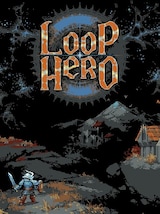
Loop Hero
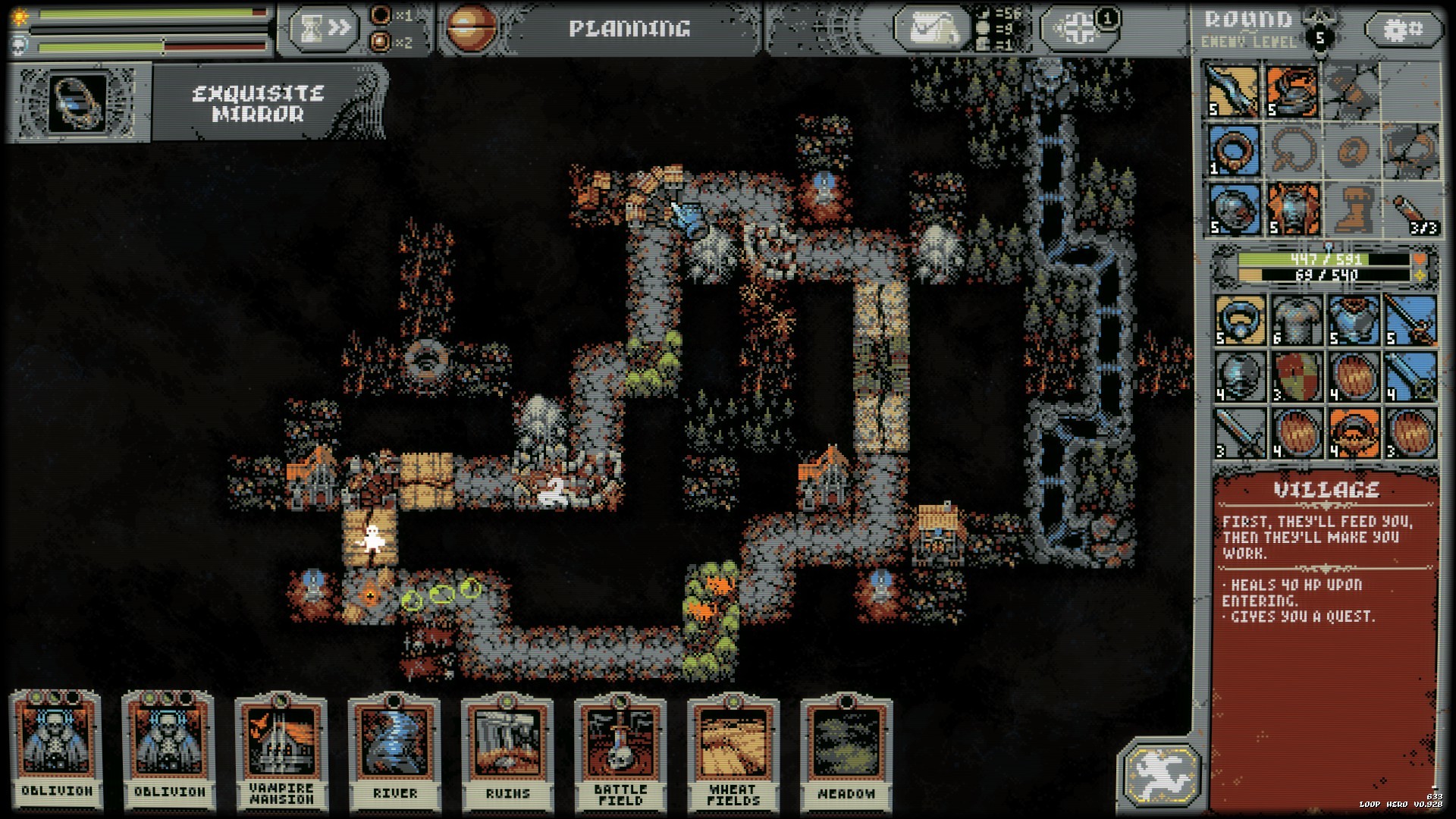
Loop Hero earns its place here because it lets you build the danger that might kill you. Instead of simply reacting to a premade map, you place enemies, terrain, and structures around your expedition loop, which means every run becomes a quiet argument between greed and control.
That design makes permadeath feel especially interesting. You are not just asking whether your hero can survive the next fight. You are asking whether the loop you created is still manageable or whether you have made it too rewarding, too crowded, and too dangerous to safely finish. Retreating at the right time becomes a real skill.
It belongs on this list because it turns failure into a planning problem rather than only a combat problem. The tension comes from self-inflicted escalation, which is a very smart use of permanent consequences. If you like strategic risk management more than twitch execution, Loop Hero is one of the most distinctive games here.
Why You Might Like It
- You create the threats, which makes failure feel unusually personal
- Retreat timing is just as important as pushing forward
- Excellent for players who prefer strategy over reflex-heavy action
- One of the most original takes on permadeath mechanics

Loop Hero
Release Date: March 4, 2021
Genres: Role-playing (RPG), Strategy, Adventure, Indie, Card & Board Game
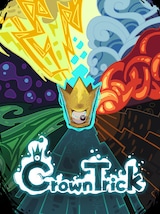
Crown Trick
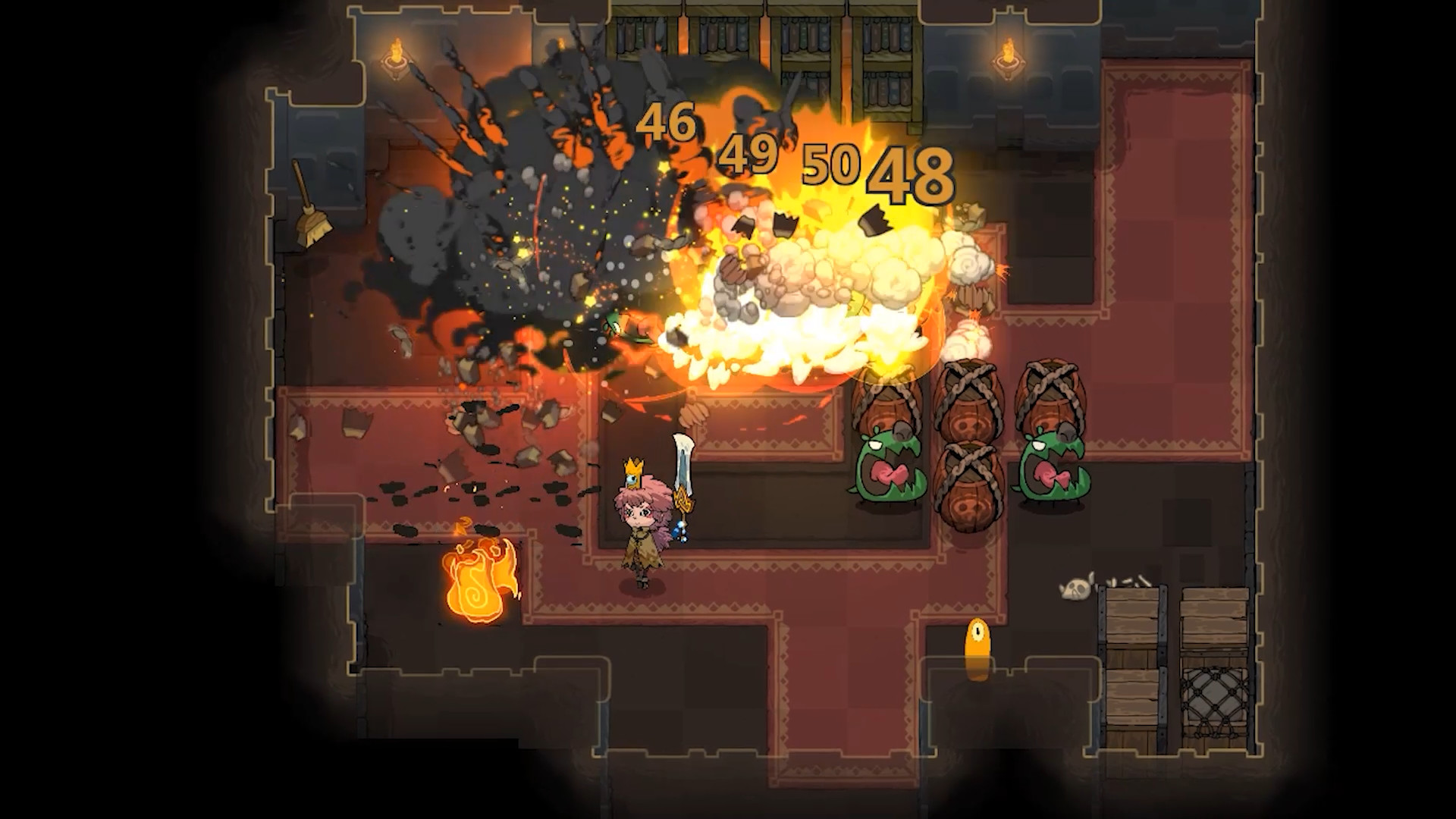
Crown Trick is a slower, more deliberate roguelike where everything moves in turn with you. That immediately changes the feel of permadeath. Instead of relying on reflexes, the game asks for patience, positioning, and careful use of abilities in rooms where one poor sequence can still ruin the entire attempt.
The appeal here is control. Because movement and combat are tied to turn-based logic, mistakes feel transparent. You can usually see why a run failed, which makes improvement satisfying. The game also keeps runs interesting through weapon types, elemental interactions, and the need to think about crowd control rather than simply burst damage.
It belongs on this list because it offers an alternative for players who like the structure of permadeath games but not always their speed. Crown Trick proves the mechanic can work just as well in a measured, tactical rhythm. If you want a calmer game that still punishes bad decisions, this is a very solid choice.
Why You Might Like It
- Turn-based structure makes failures easier to understand and improve on
- Great for players who want permadeath without real-time chaos
- Weapons and elemental effects keep runs from feeling flat
- A smart slower-paced option in a genre full of speed-focused games
Crown Trick
Release Date: October 16, 2020
Genres: Role-playing (RPG), Strategy, Turn-based strategy (TBS), Adventure, Indie
Which games with permadeath mechanics should you start with?
Permadeath works because it restores fear to systems that can otherwise become routine. When a dead mercenary stays dead, a failed run wipes a great build, or a campaign keeps going without your best unit, the game suddenly asks for a different level of respect. That extra tension makes victories feel cleaner and losses much easier to remember.
That is why this list covers so many different subgenres. Battle Brothers, XCOM 2, Returnal, Into the Breach, Darkest Dungeon II, The Last Spell, Cult of the Lamb, Curse of the Dead Gods, SYNTHETIK, Ravenswatch, Barony, Tainted Grail: Conquest, Wizard of Legend, Nuclear Throne, Have a Nice Death, Skul: The Hero Slayer, EVERSPACE, Void Bastards, Loop Hero, and Crown Trick all use permadeath differently, but each one proves the same point – games get a lot more exciting when failure actually sticks.
Author Recommendations
The list is quite extensive, so choosing the right title might be a bit difficult.
That is why I honestly recommend checking out Battle Brothers first. It is the purest long-form permadeath game here, and every lost mercenary changes the campaign in a way you actually feel.
On the other hand, if you want faster action and a more modern presentation, then Returnal will be the best choice.