
These games keep players hooked with gear drops, class choices, skill synergies, and the constant promise of a stronger run.
There is something timeless about entering a dungeon with a half-finished build and leaving with a weapon that changes everything. The best games in this genre make loot feel meaningful, progression feel personal, and every new room worth clearing because the next upgrade might complete your setup.
TL;DR – Best Hack and Slash Games With Loot and Builds
Table of Contents
Hack and slash games with loot and builds are perfect for players who love fast combat, constant progression, and the never-ending hunt for stronger gear.
The best titles in the genre turn every fight into a reward loop. You cut through waves of enemies, experiment with skills, collect new weapons and armor, then fine-tune your build until your character becomes faster, stronger, and more satisfying to play. These games are all about action, upgrades, and that addictive feeling of one more run.
Diablo IV
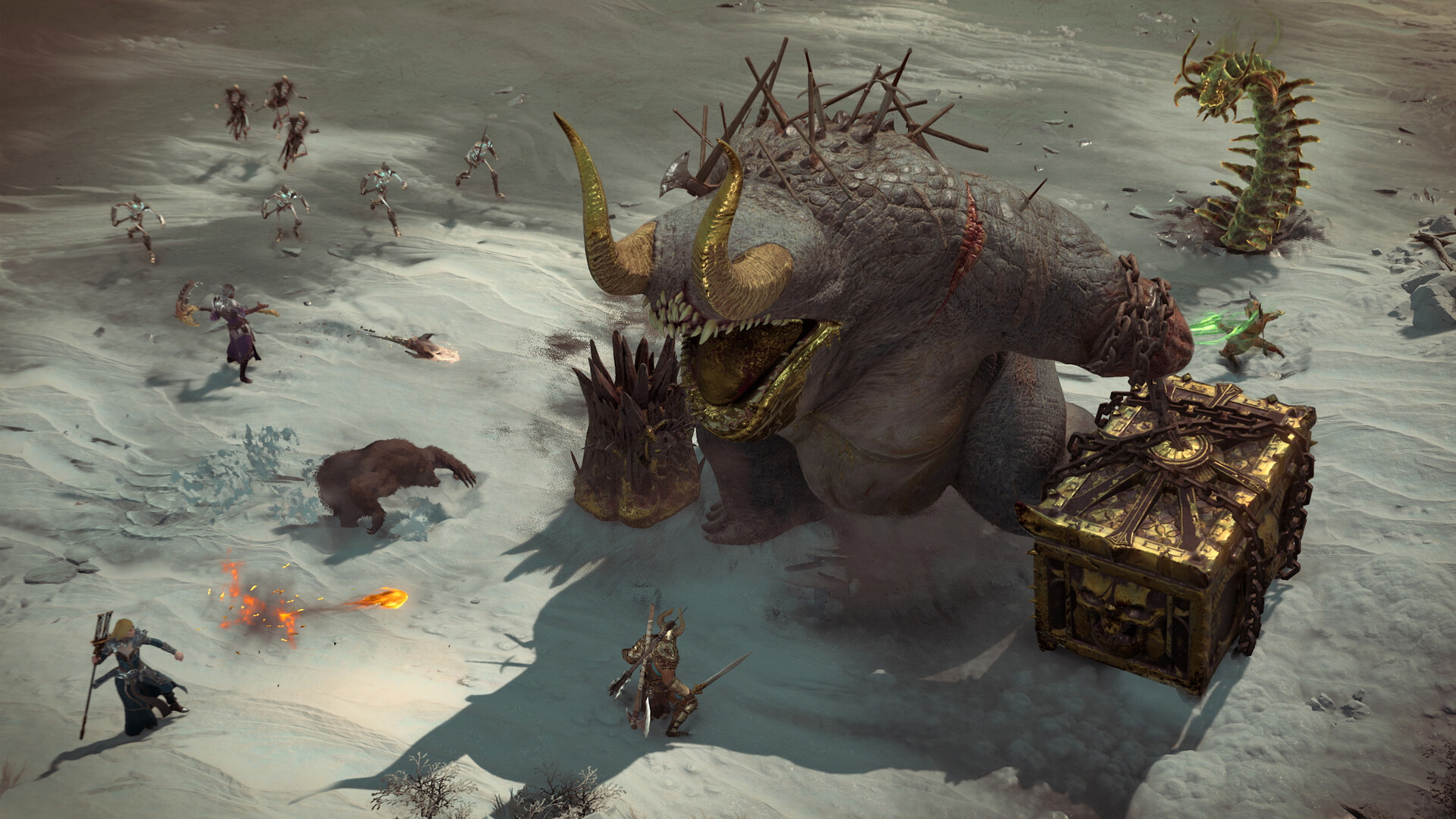
Diablo IV is a modern action RPG built around class fantasy, loot progression, grim dungeons, and constant character improvement. You choose from distinct classes such as Barbarian, Sorcerer, Rogue, Necromancer, and Druid, then shape your playstyle through skills, gear, aspects, paragon choices, and endgame activities.
What it does well is make moment-to-moment combat feel heavy and satisfying. Skills have strong visual impact, legendary effects can change how abilities behave, and dungeon runs constantly feed you new gear to compare, salvage, imprint, or upgrade. It is easy to understand at first, but the endgame gives you plenty of room to refine damage scaling, defenses, resource generation, and cooldown loops.
It fits this list because Diablo IV is all about the classic hack and slash fantasy: descend into dangerous places, destroy hordes of enemies, collect rare loot, and slowly turn your character into a build that feels unstoppable. Its dungeons, world events, bosses, and loot chase make it one of the most accessible modern choices for players who want gear-driven progression.
Why You Might Like It
- Strong class identity and polished combat feel
- Legendary aspects that reshape builds
- Endgame dungeons built around loot grinding
- Great entry point for modern ARPG fans
Diablo IV
Release Date: June 6, 2023
Genres: Role-playing (RPG), Hack and slash/Beat 'em up
Path of Exile
Path of Exile is one of the deepest loot-based action RPGs ever made. It throws players into a dark fantasy world full of skill gems, passive tree planning, item crafting, league mechanics, maps, bosses, and build-defining gear interactions.
The game is famous for its complexity, and that is exactly why many players love it. Skills come from socketed gems rather than fixed class kits, which means your build can evolve in wild directions. The passive tree is enormous, items can be crafted in many ways, and small upgrades can completely change how a character clears maps or survives boss fights.
It fits this list because it is the ultimate choice for players who see buildcraft as the real game. Dungeon crawling here is not just about killing monsters for loot. It is about designing a character, testing scaling ideas, adjusting defenses, finding the right gear bases, and pushing deeper into harder content.
Why You Might Like It
- Massive passive tree and skill customization
- Extremely deep itemization and crafting
- Huge endgame built around maps and bosses
- Perfect for theorycrafting-focused players
Path of Exile is a free-to-play game.
You can also get Path of Exile 2:
Path of Exile 2
Release Date: December 6, 2024
Genres: Role-playing (RPG), Hack and slash/Beat 'em up, Adventure
Last Epoch
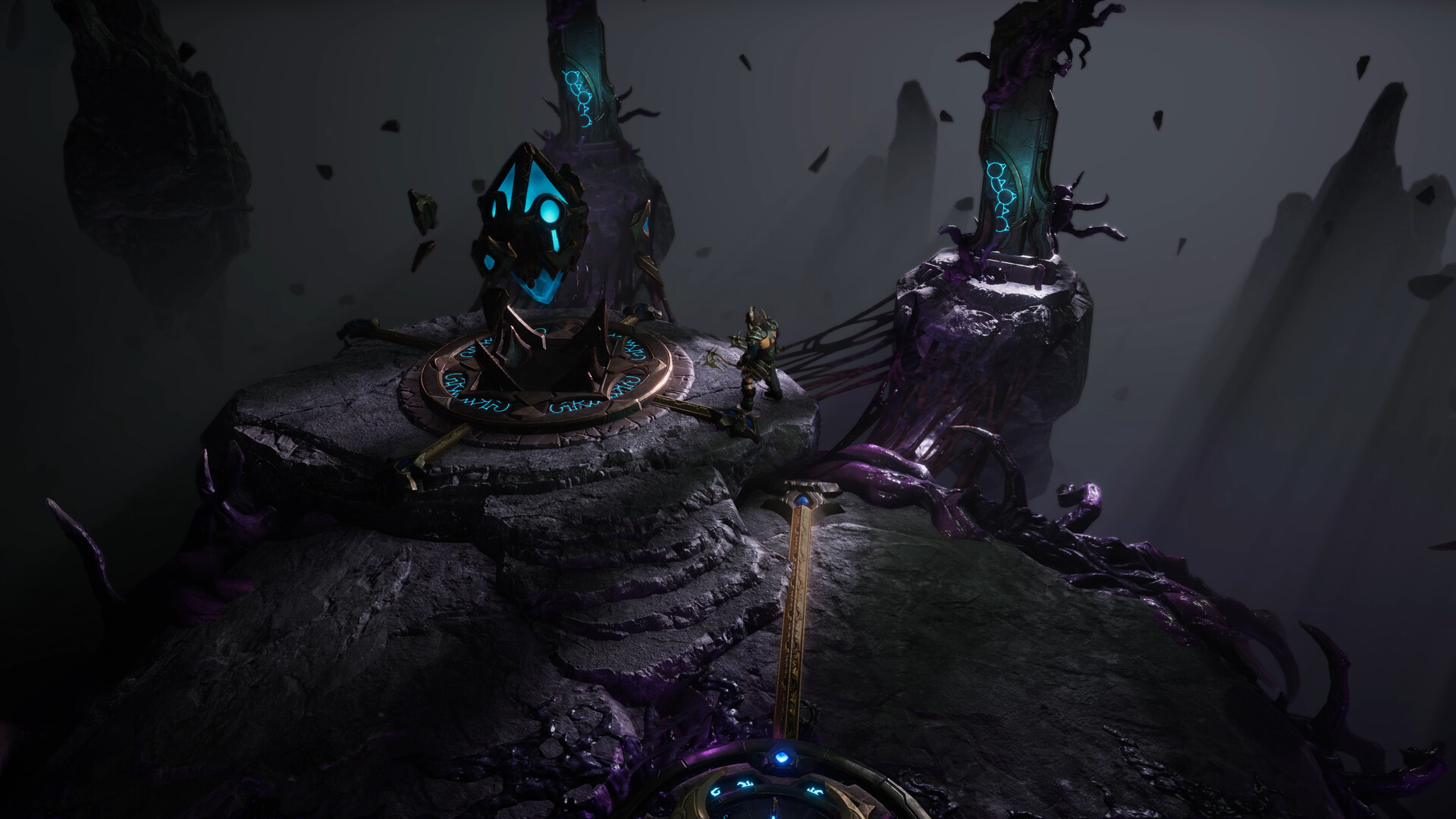
Last Epoch is an action RPG that sits comfortably between accessibility and depth. It gives players clear class identities, strong specialization paths, an approachable crafting system, and enough loot variety to support serious build experimentation.
One of its biggest strengths is how readable progression feels. Each base class branches into masteries, and skills often have their own upgrade trees, so you are not just increasing numbers. You are changing how abilities function, what damage type they use, how often they trigger, and how they support the rest of your setup.
It fits this list because it captures the loot-and-build loop without becoming too overwhelming too quickly. You can make a strong character without studying for hours, but there is still enough depth in crafting, idols, affixes, skill trees, and endgame echoes to keep build-focused players engaged.
Why You Might Like It
- Excellent middle ground between simple and complex ARPGs
- Skill trees that meaningfully change abilities
- Clear crafting and loot progression
- Strong class masteries for build variety
Last Epoch
Release Date: April 30, 2019
Genres: Role-playing (RPG), Hack and slash/Beat 'em up, Adventure, Indie
Grim Dawn
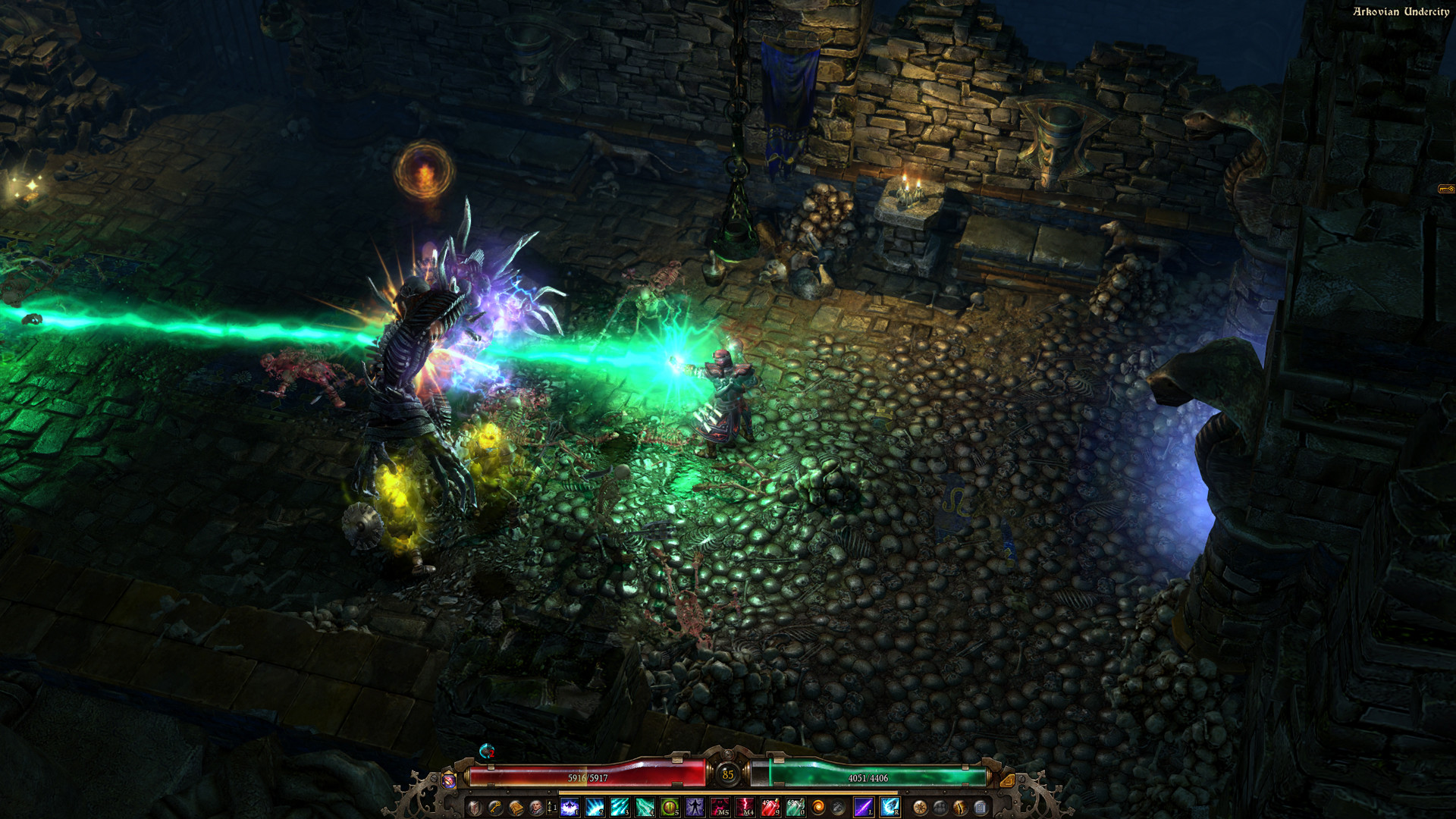
Credit: Crate EntertainmentGrim Dawn is a dark fantasy action RPG with a grim world, crunchy loot systems, and excellent character customization. Its biggest hook is the dual-class system, which lets you combine two masteries into one hybrid build.
That system gives the game a huge amount of replay value. You can create a gun-focused caster, a shield-heavy tank, a pet summoner, a poison assassin, an elemental melee fighter, or something stranger depending on your mastery pairing. Devotion constellations add another layer of passive bonuses and triggered effects, while faction gear and components help fine-tune your setup.
It fits this list because Grim Dawn is built for players who enjoy long-term character planning. The dungeons, bosses, hidden areas, loot drops, resistances, and crafting all push you to think carefully about how your build survives and deals damage.
Why You Might Like It
- Dual-class system creates tons of build options
- Deep devotion and faction progression
- Strong dark fantasy atmosphere
- Great for players who enjoy classic ARPG theorycrafting
Grim Dawn
Release Date: February 25, 2016
Genres: Role-playing (RPG), Hack and slash/Beat 'em up, Adventure, Indie
Torchlight II
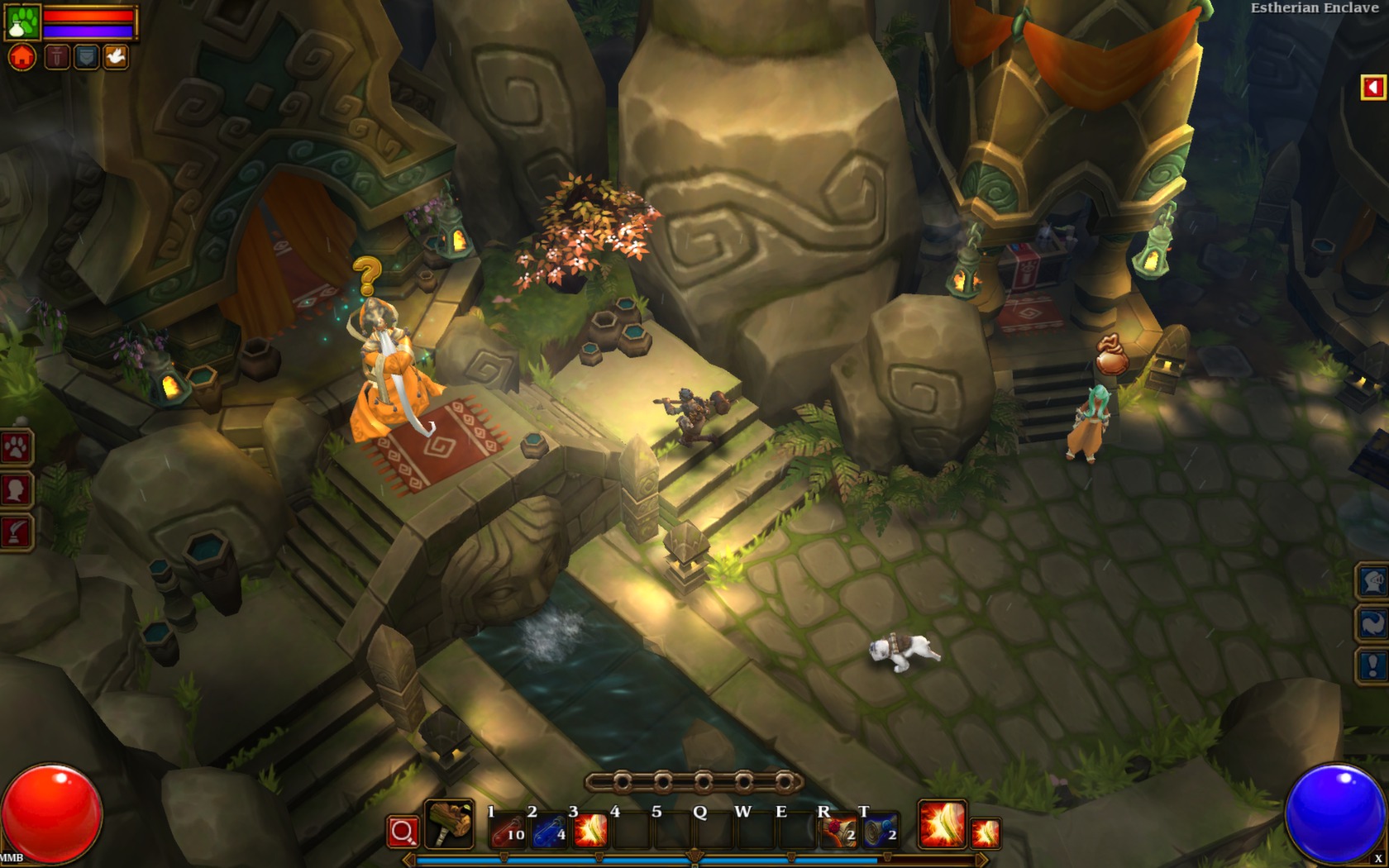
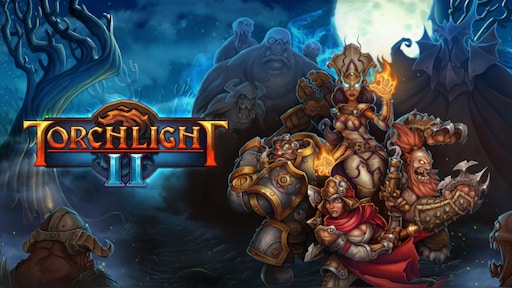
Torchlight II is a colorful action RPG with fast dungeon runs, satisfying loot drops, pets, classes, and a lighter tone than many darker ARPGs. It is easy to jump into, but still gives you plenty of skills and gear choices to shape your character.
What it does well is keep the pace brisk. You are rarely stuck in menus for too long, and the game constantly rewards exploration with weapons, armor, gems, enchantments, and class upgrades. The pet system also helps the flow by letting your companion carry loot back to town while you continue adventuring.
It fits this list because it represents the fun, straightforward side of dungeon crawling. You enter a zone, fight monsters, grab loot, improve your build, and continue deeper. It is not as complex as Path of Exile or Grim Dawn, but that simplicity is part of its charm.
Why You Might Like It
- Fast, colorful, and easy to get into
- Pet system keeps dungeon runs moving
- Good class variety without overwhelming complexity
- Great for classic loot ARPG fans
Torchlight II
Release Date: October 2, 2012
Genres: Role-playing (RPG), Hack and slash/Beat 'em up, Adventure, Indie
Chronicon
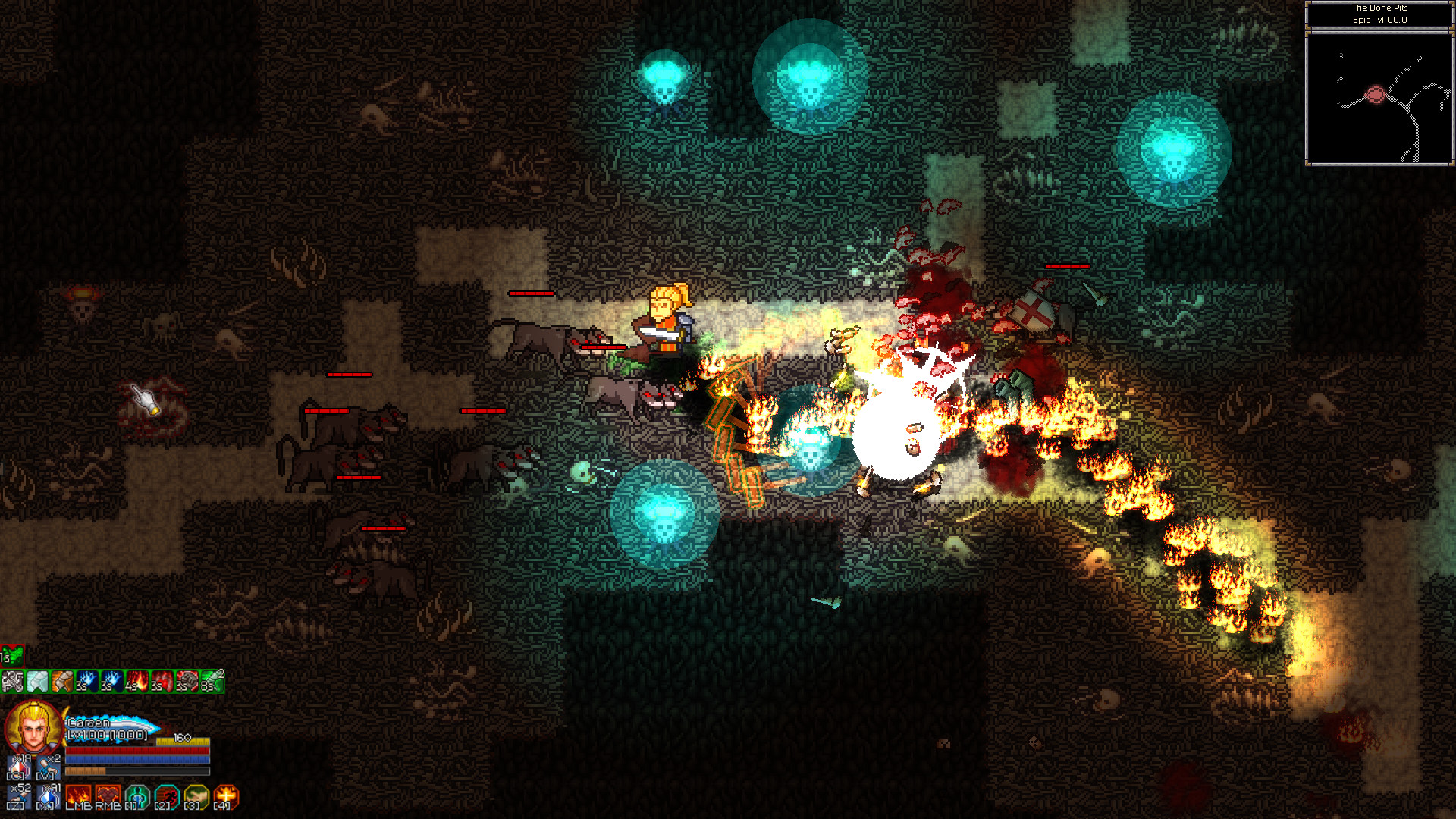
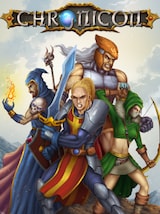
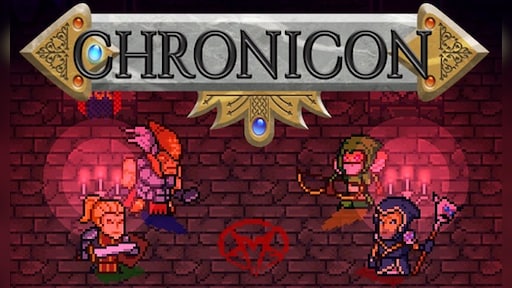
Chronicon is an indie action RPG that looks modest at first, but quickly reveals a huge amount of loot depth. It focuses on fast combat, massive enemy groups, class builds, set items, legendary powers, and wild damage scaling.
The game is great at making builds feel explosive. You can stack effects, trigger chain reactions, build around specific damage types, and create screen-clearing setups that feel ridiculous in the best way. Its pixel art style keeps things readable while the numbers and effects get increasingly chaotic.
It fits this list because it understands what loot-focused players want: constant upgrades, flexible builds, and the joy of pushing a character into absurd power levels. If you like ARPGs where item synergies matter more than flashy presentation, Chronicon is a hidden gem.
Why You Might Like It
- Surprisingly deep buildcraft beneath simple visuals
- Huge item synergies and set bonuses
- Fast combat with satisfying power scaling
- Excellent pick for loot grinders and min-maxers
Chronicon
Release Date: August 1, 2020
Genres: Role-playing (RPG), Adventure, Indie
Minecraft Dungeons
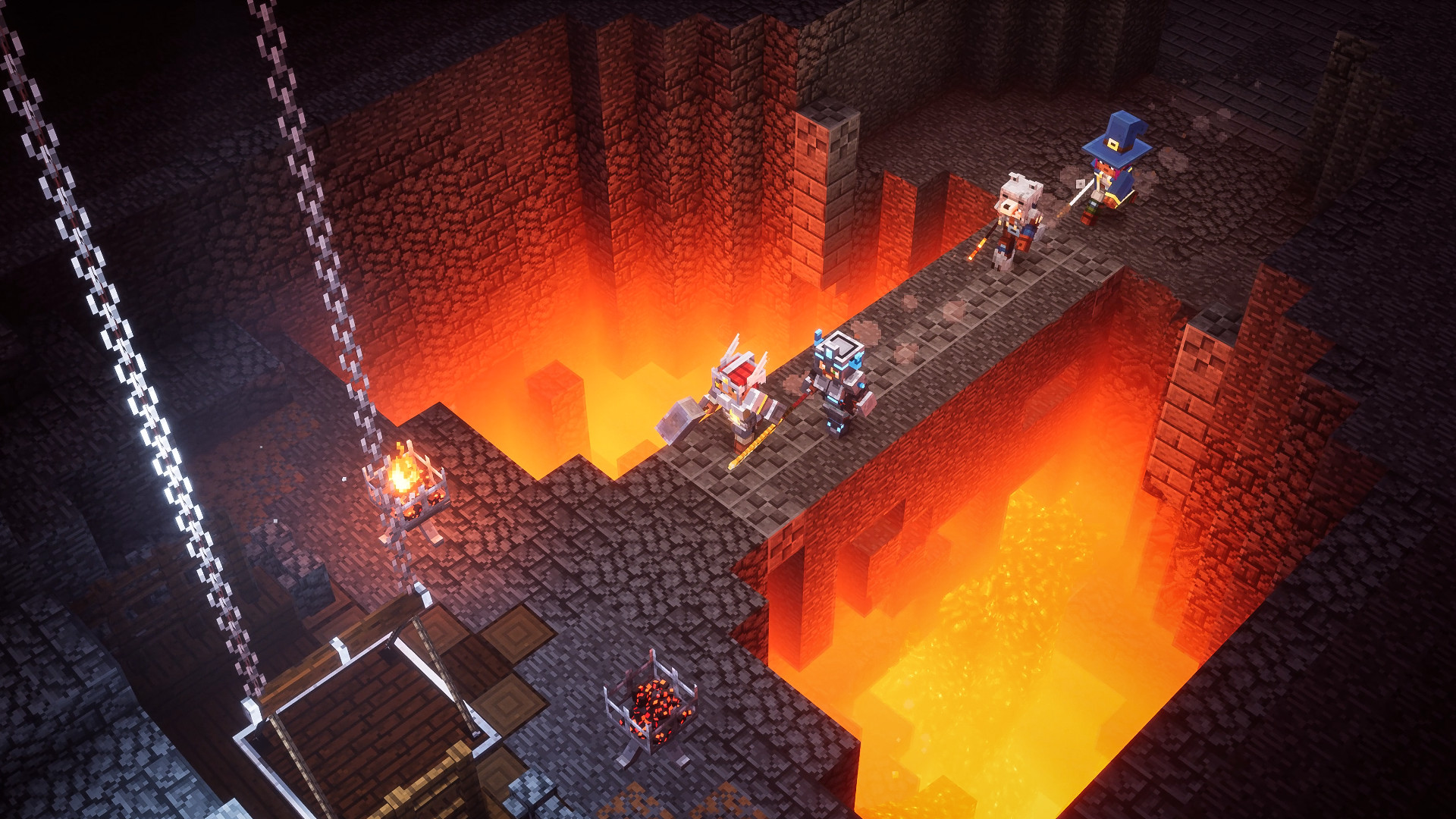
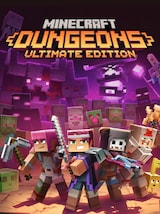
Minecraft Dungeons is a more accessible hack and slash that turns the Minecraft universe into a loot-driven action game. Instead of mining and building, you explore levels, fight mobs, collect gear, and experiment with weapons, armor, artifacts, and enchantments.
Its biggest strength is how easy it is to understand. A sword, bow, or armor piece can change your build immediately, and enchantments give even simple gear interesting twists. You might create a soul-based setup, a pet-focused build, a ranged damage build, or a melee tank with healing and crowd control.
It fits this list because it makes dungeon crawling friendly without removing the core loot chase. It is especially good for co-op sessions, younger players, or anyone who wants build experimentation without dense skill trees and complicated stat systems.
Why You Might Like It
- Accessible loot system with easy build swapping
- Great co-op dungeon crawling
- Enchantments make gear feel customizable
- Perfect for casual ARPG fans
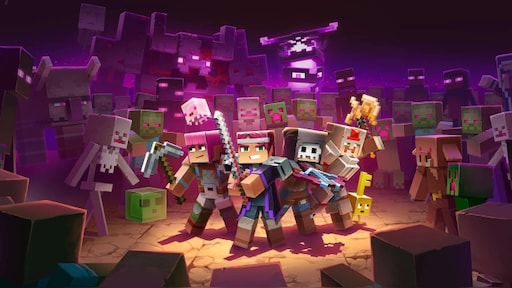
Minecraft: Dungeons
Release Date: September 22, 2021
Genres: Role-playing (RPG), Hack and slash/Beat 'em up, Adventure
Warhammer 40,000: Inquisitor – Martyr
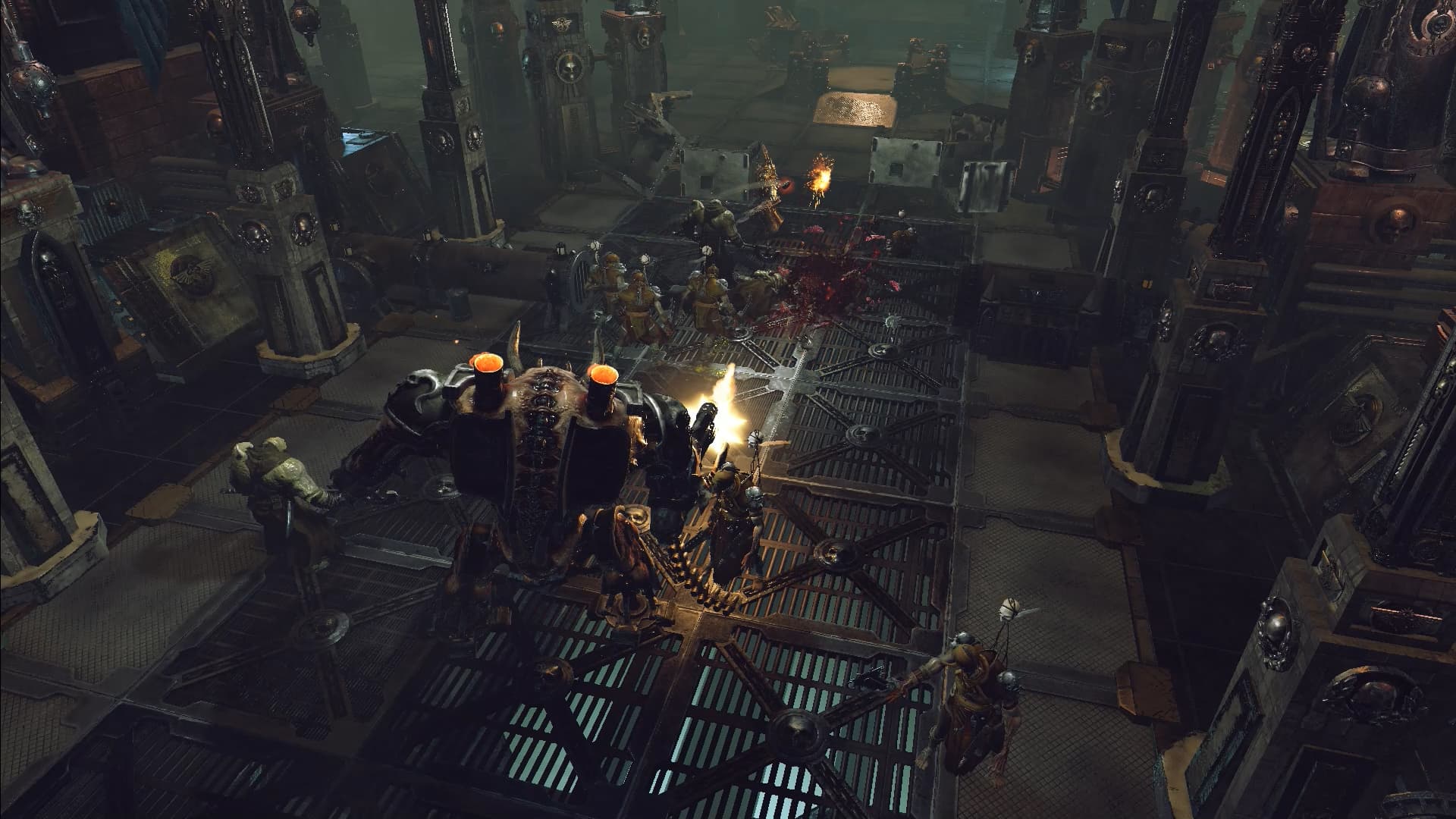
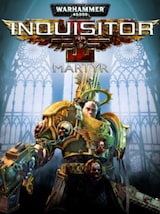
Warhammer 40,000: Inquisitor – Martyr brings loot-based dungeon crawling into the grim darkness of the far future. Instead of fantasy caves and skeletons, you fight heretics, daemons, xenos, and corrupted war machines across gothic sci-fi missions.
The game stands out because of its setting and combat variety. Depending on your class and gear, you can build around heavy weapons, melee executions, psychic powers, ranged suppression, minions, or armored durability. Loot tiers, enchantments, perks, and skill choices all shape how your Inquisitor handles missions.
It fits this list because it delivers the core ARPG loop through a very different atmosphere. If you want loot drops, class builds, repeatable missions, and gear progression, but you are tired of traditional fantasy, this is one of the better sci-fi alternatives.
Why You Might Like It
- Strong Warhammer 40,000 atmosphere
- Loot-driven missions with multiple classes
- Good ranged, melee, and psychic build options
- Great for players who want sci-fi ARPG progression
Warhammer 40,000: Inquisitor - Martyr
Release Date: June 5, 2018
Genres: Role-playing (RPG), Adventure, Indie
The Slormancer
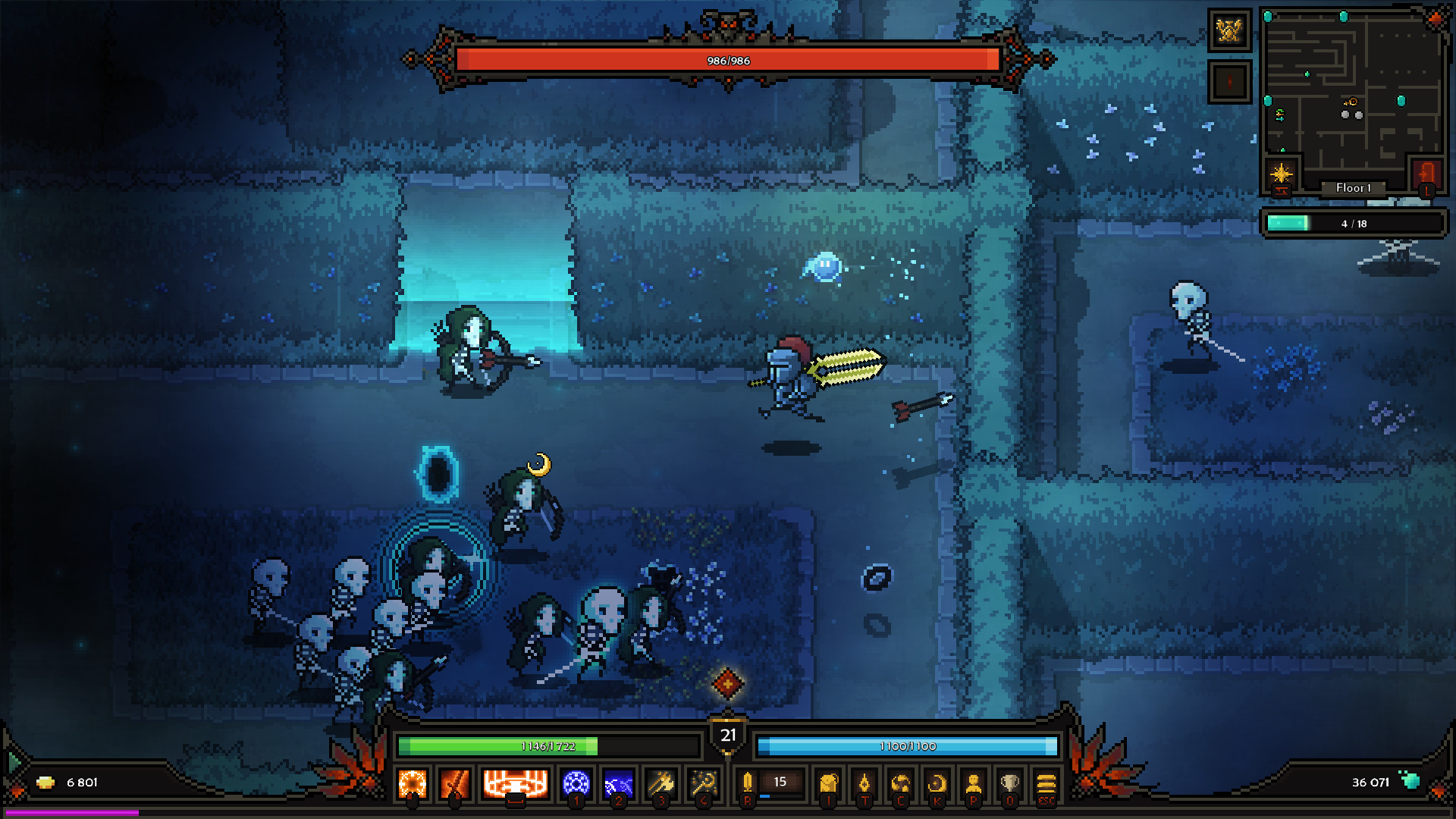
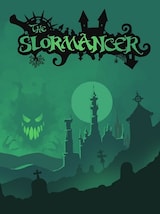
The Slormancer is a buildcraft-heavy indie ARPG focused on class specialization, weapon evolution, and absurd scaling. It leans into the joy of watching numbers grow while giving players many ways to shape their damage, defenses, cooldowns, and skill behavior.
What makes it interesting is its long-term progression. Characters have multiple specializations, skills can be modified, and weapons evolve as you use them. The game encourages experimentation because many systems feed into each other, creating builds that can become surprisingly powerful over time.
It fits this list because loot and builds are not side features here. They are the whole point. If you enjoy games where you constantly adjust passives, test skill interactions, chase better items, and push your character into higher difficulty, The Slormancer has that addictive ARPG rhythm.
Why You Might Like It
- Deep class specialization and skill customization
- Weapon evolution creates long-term goals
- Lots of scaling and build experimentation
- Great for players who enjoy indie ARPG systems
The Slormancer
Release Date: April 6, 2021
Genres: Role-playing (RPG), Adventure, Indie
Book of Demons
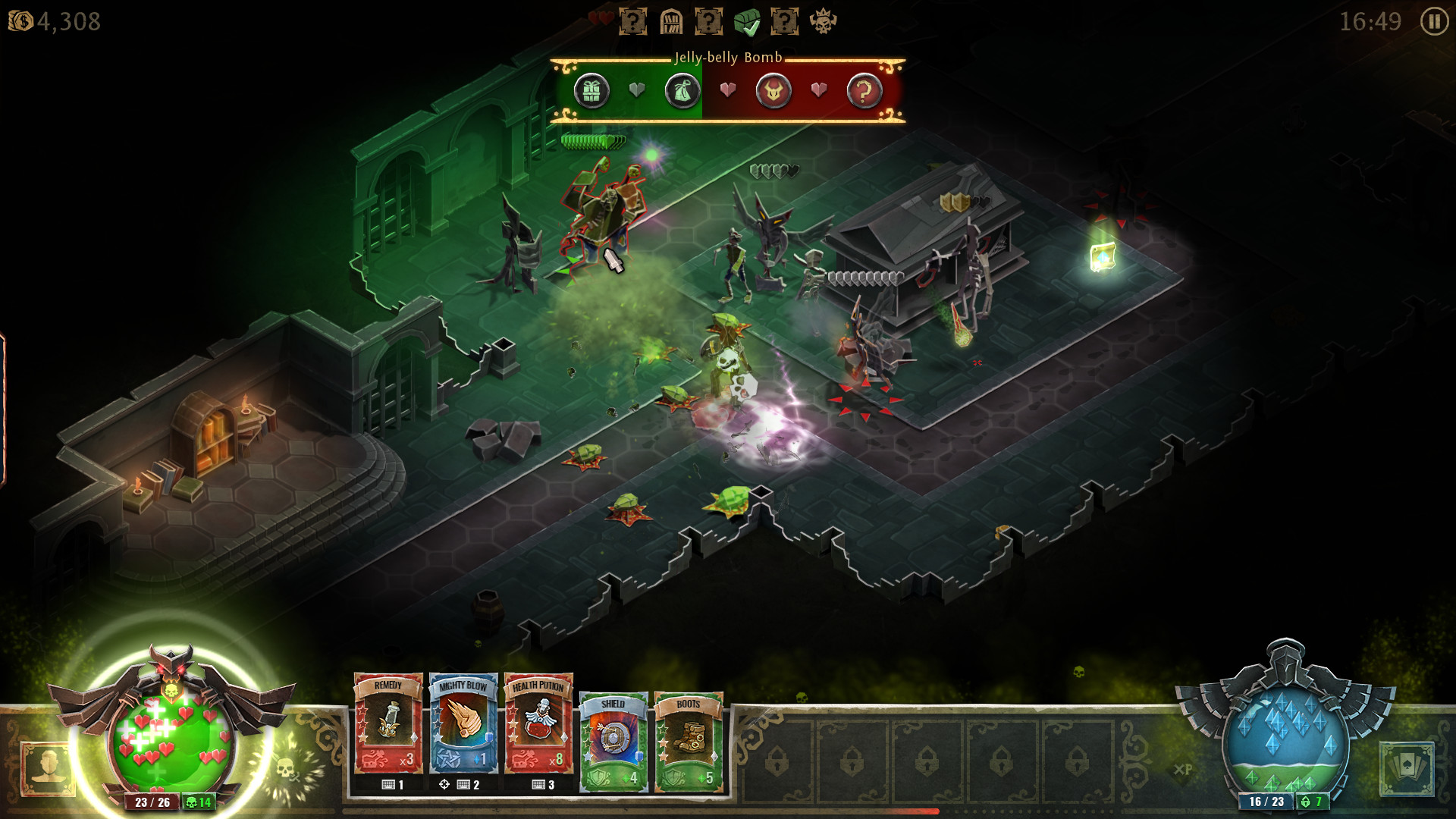
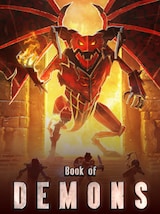
Book of Demons is a clever hack and slash inspired by classic Diablo, but with a unique card-based approach to gear, skills, and abilities. Instead of managing a traditional inventory full of equipment slots, you build a hand of cards that represent attacks, spells, items, and passive effects.
The game does a great job of simplifying dungeon crawling without making it boring. You still descend through monster-filled levels, collect rewards, upgrade your tools, and prepare for bigger threats, but the card system makes build management faster and more tactical.
It fits this list because it is a strong pick for players who want loot and progression with a strategic twist. Your build is not just a pile of stats. It is a curated set of cards that changes how you fight, survive, and react to enemy mechanics.
Why You Might Like It
- Card-based twist on classic dungeon crawling
- Easy to learn but still strategic
- Flexible session length for shorter playtimes
- Great for fans of Diablo-like games with fresh ideas
Book of Demons
Release Date: December 13, 2018
Genres: Role-playing (RPG), Adventure, Indie
Victor Vran
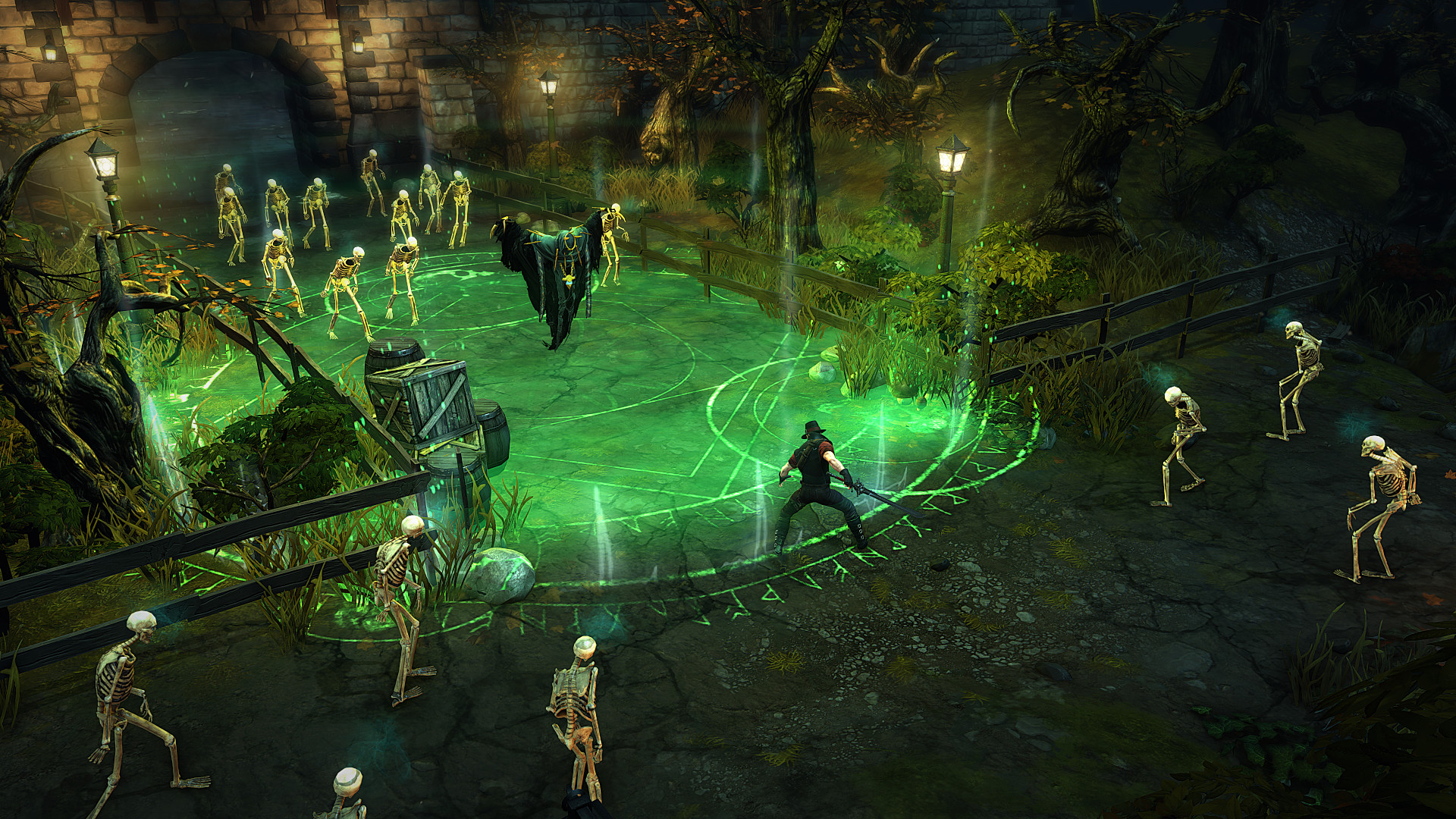
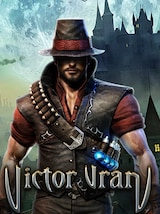
Victor Vran is an action RPG that puts more emphasis on movement and direct combat than many traditional hack and slash games. You dodge, jump, swap weapons, use demon powers, and build around cards, gear, and weapon-specific playstyles.
Its main strength is flexibility. Weapons define your attacks, so changing from a sword to a shotgun, scythe, hammer, or lightning gun can completely alter your rhythm. Destiny cards and demon powers then add another layer of customization, letting you lean into damage, survivability, utility, or special effects.
It fits this list because it combines loot-driven progression with action-game energy. If you like hack and slash games but want more control over movement and moment-to-moment skill expression, Victor Vran feels more agile than many classic ARPGs.
Why You Might Like It
- More active movement than most ARPGs
- Weapons strongly change your combat style
- Destiny cards add build customization
- Good choice for players who want faster action
Victor Vran
Release Date: July 24, 2015
Genres: Role-playing (RPG), Hack and slash/Beat 'em up, Adventure, Indie
Children of Morta
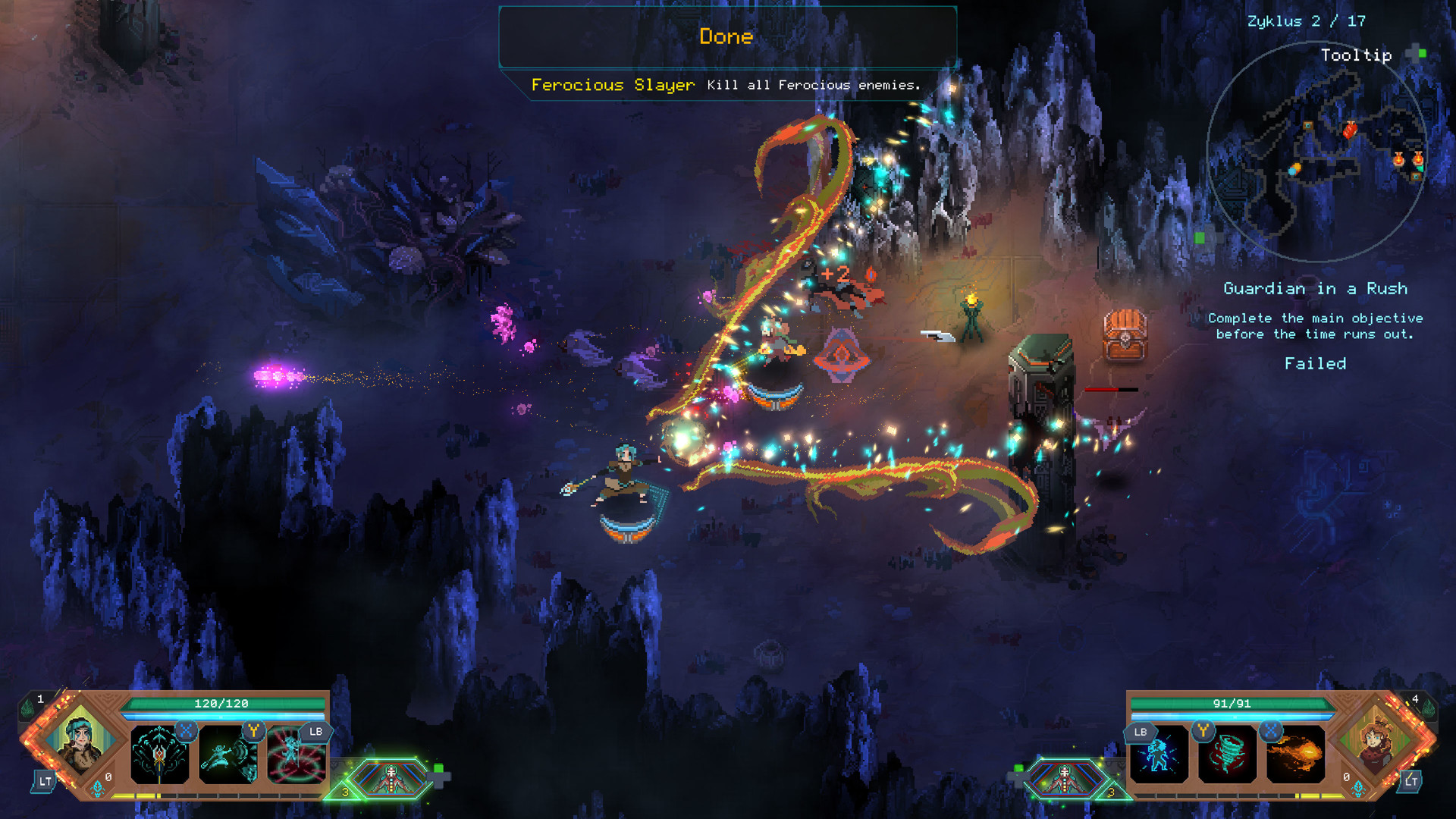
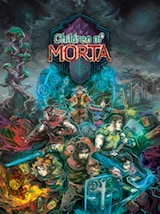
Children of Morta is a story-driven action roguelite about the Bergson family, where each family member has a different combat style. Instead of making one custom hero, you rotate between characters and gradually improve both individual abilities and shared family upgrades.
What it does well is blend progression with emotion. The dungeons are dangerous and randomized, but the story between runs gives the game warmth and personality. Each character feels distinct, from melee fighters and archers to magic users and agile specialists.
It fits this list because loot and builds are tied to run-based progression, relics, character upgrades, and family-wide development. It is not as gear-heavy as Diablo-style ARPGs, but it still gives you meaningful ways to improve, experiment, and approach dungeons differently.
Why You Might Like It
- Strong story focus for a hack and slash
- Multiple playable family members with unique styles
- Shared upgrades create steady progression
- Great for players who want roguelite action with heart
Children of Morta
Release Date: September 3, 2019
Genres: Role-playing (RPG), Adventure, Indie
Moonlighter
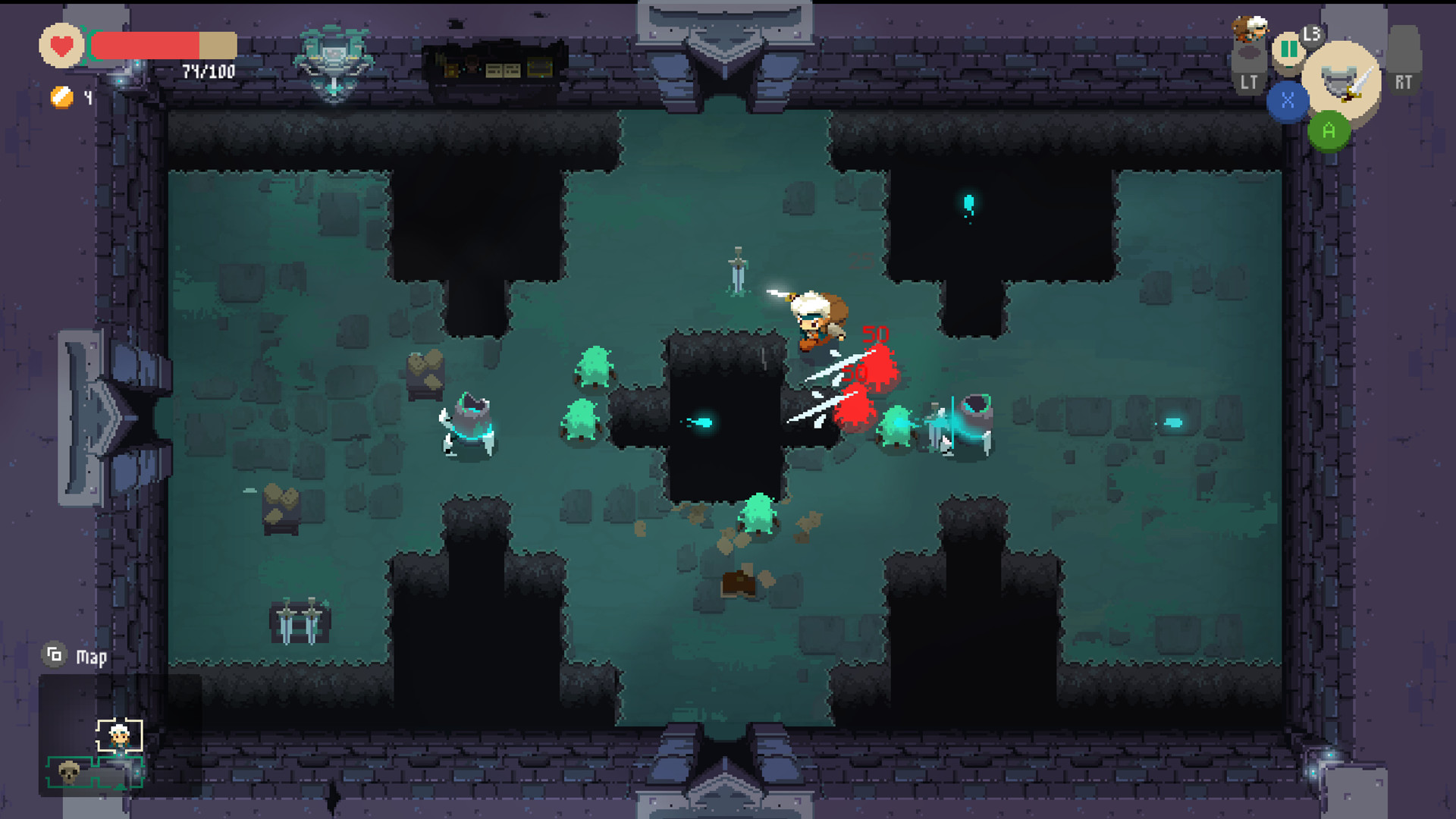
Moonlighter combines dungeon crawling with shopkeeping. By night, you explore dangerous dungeons, fight enemies, gather loot, and defeat bosses. By day, you sell your findings, set prices, upgrade your shop, craft better gear, and prepare for the next expedition.
The best part is how loot matters beyond combat. Items are not just equipment or crafting materials. They are also your economy. Deciding what to keep, sell, craft, or risk carrying deeper into a dungeon creates a satisfying loop between adventure and business management.
It fits this list because it gives dungeon crawling a different kind of progression. Builds come from weapons, armor, upgrades, and item planning, while the shop system makes every piece of loot feel connected to your long-term growth.
Why You Might Like It
- Great mix of dungeon crawling and shopkeeping
- Loot matters for crafting, selling, and progression
- Short dungeon runs with clear goals
- Perfect for players who enjoy economy and exploration
Moonlighter
Release Date: May 29, 2018
Genres: Role-playing (RPG), Simulator, Hack and slash/Beat 'em up, Adventure, Indie
Warhammer: Chaosbane
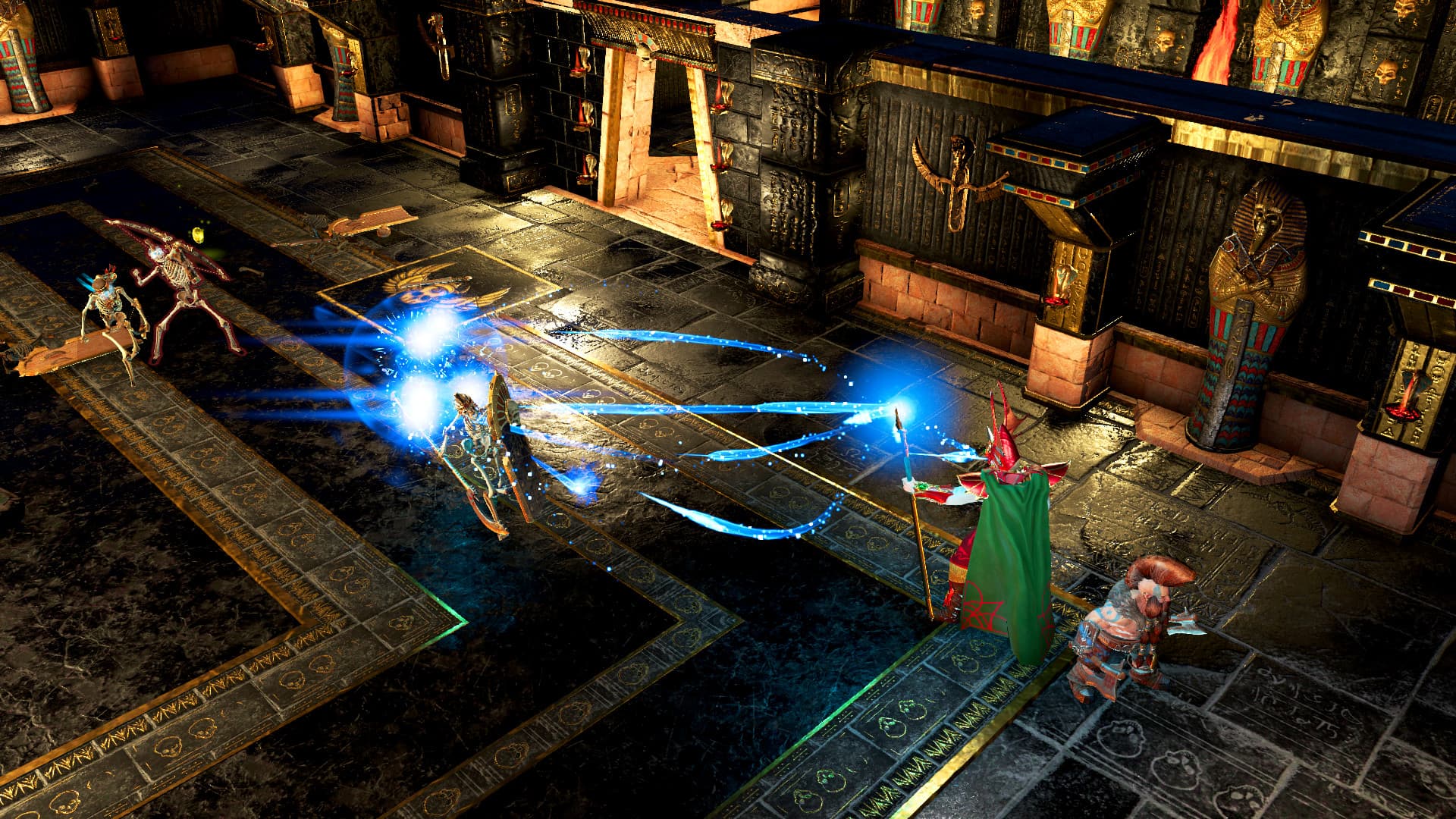
Warhammer: Chaosbane is an isometric action RPG set in the dark fantasy world of Warhammer, where you cut through hordes of Chaos enemies using class-based abilities, powerful gear, and fast real-time combat. It follows a familiar hack and slash structure: pick a hero, clear enemy-packed zones, collect loot, upgrade your build, and push into harder challenges.
What makes it stand out is how directly it leans into the Diablo-like formula. Each playable character has a clear combat identity, from heavy melee pressure to ranged attacks and magic-focused playstyles. The moment-to-moment gameplay is built around smashing through groups of monsters, triggering active skills, managing cooldowns, and constantly chasing better equipment.
The Warhammer setting also gives it a heavier, more brutal tone than many colorful ARPGs. The environments, enemy designs, and faction flavor make the campaign feel like a fantasy war against overwhelming corruption, while the loot and skill systems keep the focus on improving your character after every run.
Why You Might Like It
- Classic isometric hack and slash combat with constant enemy hordes.
- Loot-based progression built around gear upgrades and stronger builds.
- Distinct playable classes with different combat roles and ability setups.
- A dark Warhammer Fantasy setting that gives the ARPG formula a heavier tone.
Warhammer: Chaosbane
Release Date: June 4, 2019
Genres: Role-playing (RPG), Hack and slash/Beat 'em up, Adventure
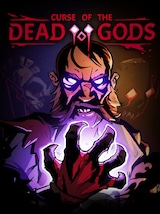
Curse of the Dead Gods
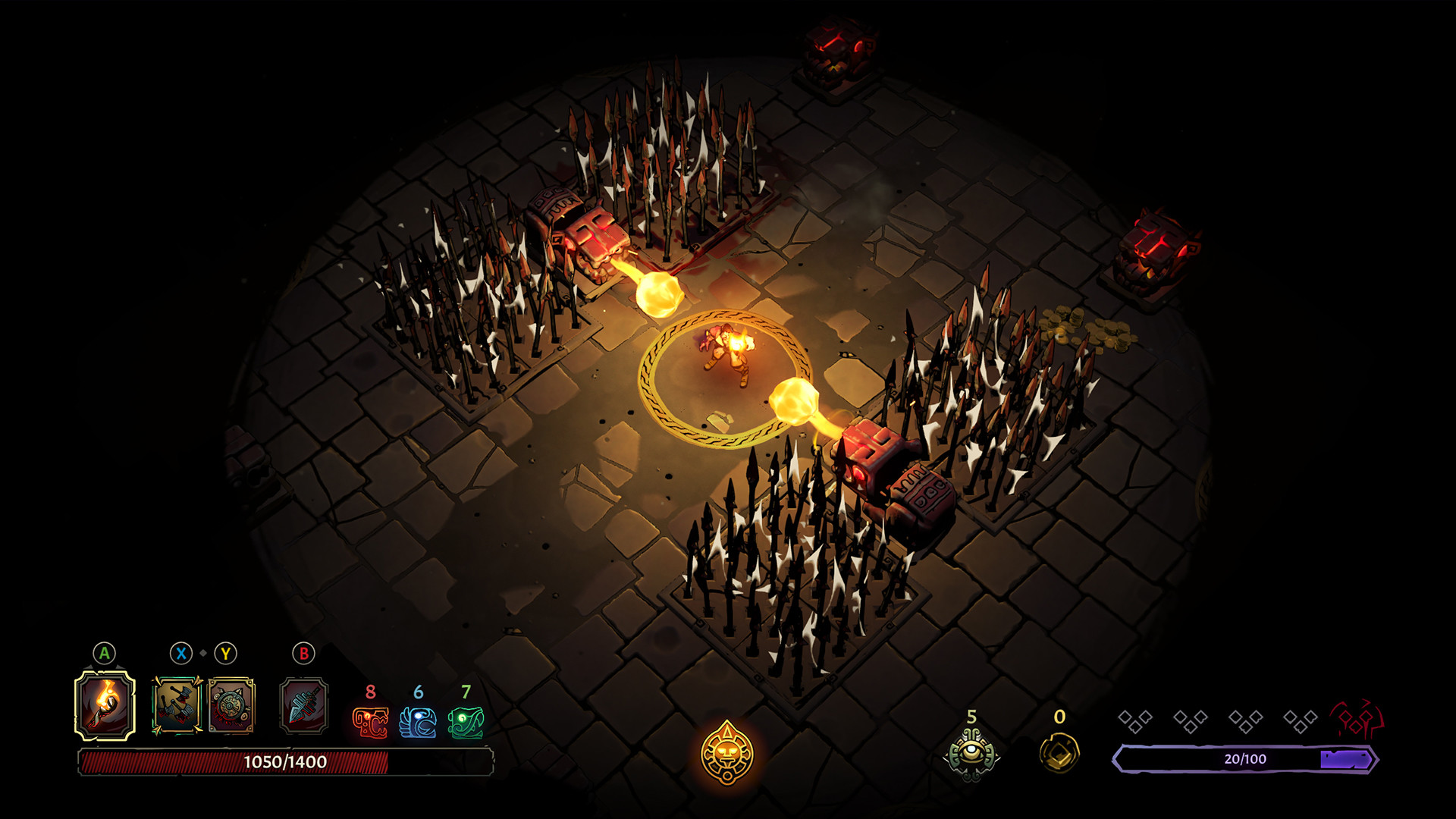
Curse of the Dead Gods is a dark action roguelite set inside deadly temples filled with traps, cursed rooms, weapons, relics, and brutal enemies. It focuses on skill-based melee combat, stamina management, parries, dodges, and risk-reward decisions.
What makes it stand out is the corruption system. Powerful rewards often come with curses, and those curses can reshape your run in dangerous ways. You are constantly deciding whether a new weapon, relic, or upgrade is worth the long-term cost.
It fits this list because builds are formed through weapons, relics, attributes, and curse management rather than traditional skill trees. It is ideal for players who want loot and progression, but also want combat where timing and execution matter.
Why You Might Like It
- Dark temple crawling with strong atmosphere
- Weapons, relics, and curses shape each run
- Skill-based combat with dodges and parries
- Great for fans of high-risk reward systems
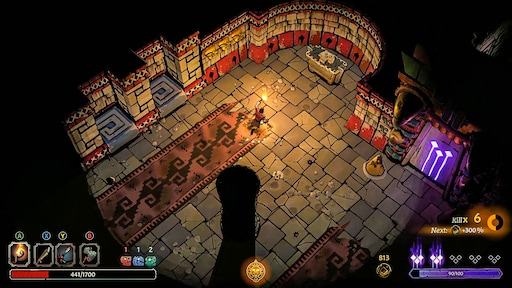
Curse of the Dead Gods
Release Date: March 3, 2020
Genres: Role-playing (RPG), Adventure
Which hack and slash games should you play first?
Hack and slash games are at their best when combat feels immediate, progression feels meaningful, and every loot drop has the potential to change how your character plays. That mix of fast action, build crafting, enemy hordes, and gear chasing is what makes the genre so easy to return to for dozens or even hundreds of hours.
If you enjoy smashing through enemies, testing new builds, and constantly improving your loadout, this selection gives you plenty of strong places to start.
Author Recommendations
The list is quite extensive, so choosing the right title might be a bit difficult.
That is why I honestly recommend checking out Last Epoch first. It offers a great balance of class depth, loot progression, crafting, and build experimentation without overwhelming new players immediately.
On the other hand, if you want the most complex theorycrafting and long-term loot chase possible, then Path of Exile will be the best choice.