



Story-rich RPGs with choices that matter make role-playing feel personal instead of cosmetic.
The best ones do not just give you dialogue wheels and pretend everything changed. They react to your build, your loyalties, your companions, and the calls you make under pressure. Some let you reshape entire factions. Others make one conversation hit harder than a boss fight. Either way, they stick with you because your version of the story actually feels like your own.
TL;DR – Story-Rich RPGs With Choices That Matter
Table of Contents

Not every RPG sells the fantasy of choice equally well. Some games let you tweak a few lines of dialogue and still push you toward the same outcome. The best story-heavy RPGs do the opposite. They let your build, worldview, allies, and priorities shape what happens next, and they make those changes easy to feel.
That is what ties this list together. Some of these games are classic isometric CRPGs, some lean more cinematic, and some barely care about combat compared to how much they care about role-playing. What they all share is that your decisions do not feel like decoration. They drive tone, relationships, quest structure, and the kind of ending you walk away with.
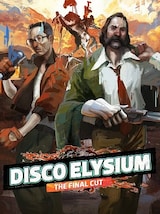
Disco Elysium
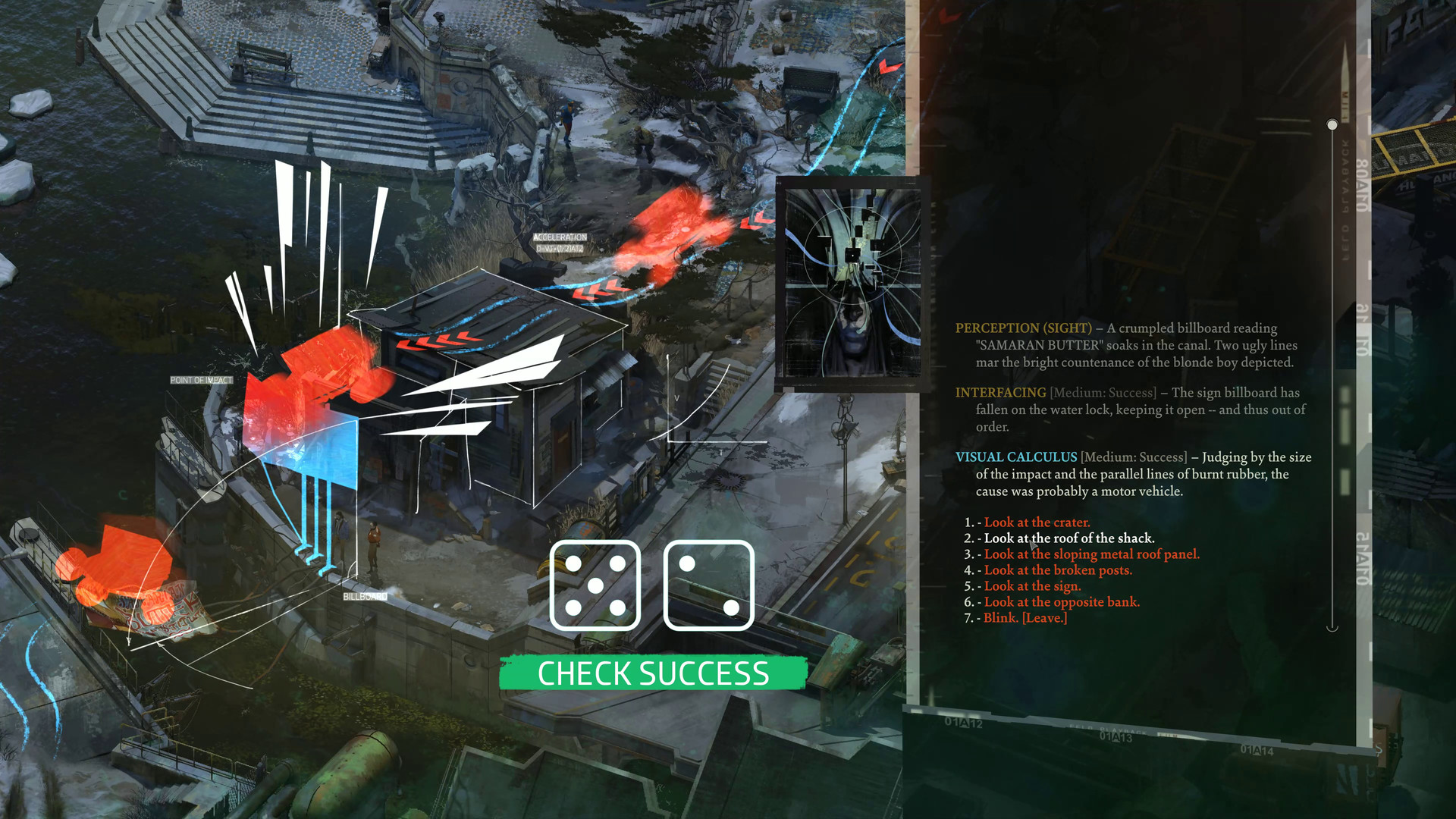
Disco Elysium is the purest example of a story-rich RPG where choices really do matter, even though it barely resembles the traditional sword-and-spell idea of the genre. You play a ruined detective trying to solve a murder in a city that feels politically tense, morally complicated, and painfully human. From the first conversation onward, the game makes it clear that who you are is not fixed. It is built one thought, one failure, and one weirdly specific decision at a time.
What makes it stand out is how completely it commits to role-playing through dialogue, internal monologue, and character build. Your skills are not just stat boosts. They become voices in your head that interrupt, tempt, advise, and sabotage you. That means choices happen on multiple levels at once. You are deciding what to say, what kind of person to become, and which parts of your own mind you trust. Few RPGs make self-expression feel this mechanical and this messy.
It belongs on this list because consequences in Disco Elysium are not limited to a clean good-or-bad morality meter. They show up in relationships, political identity, the way quests open up, and how the world reacts to your behavior. You can solve problems through empathy, intimidation, absurd improvisation, or total collapse, and the game is unusually willing to go along with your version of the protagonist.
It is also one of the strongest picks here if you care more about narrative texture than combat systems. There are no flashy party fights to carry the experience. The writing, structure, and character work do all the heavy lifting, and they do it better than almost anyone else in the genre.
Why You Might Like It
- Your build changes conversations, investigations, and even your inner narration
- Choices feel personal, ideological, and character-defining instead of cosmetic
- The setting is dense, smart, and full of memorable side stories
- Perfect if you want an RPG where writing matters more than combat
Disco Elysium
Release Date: October 15, 2019
Genres: Role-playing (RPG), Adventure, Indie
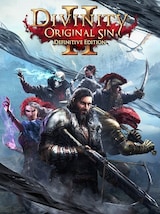
Divinity: Original Sin 2
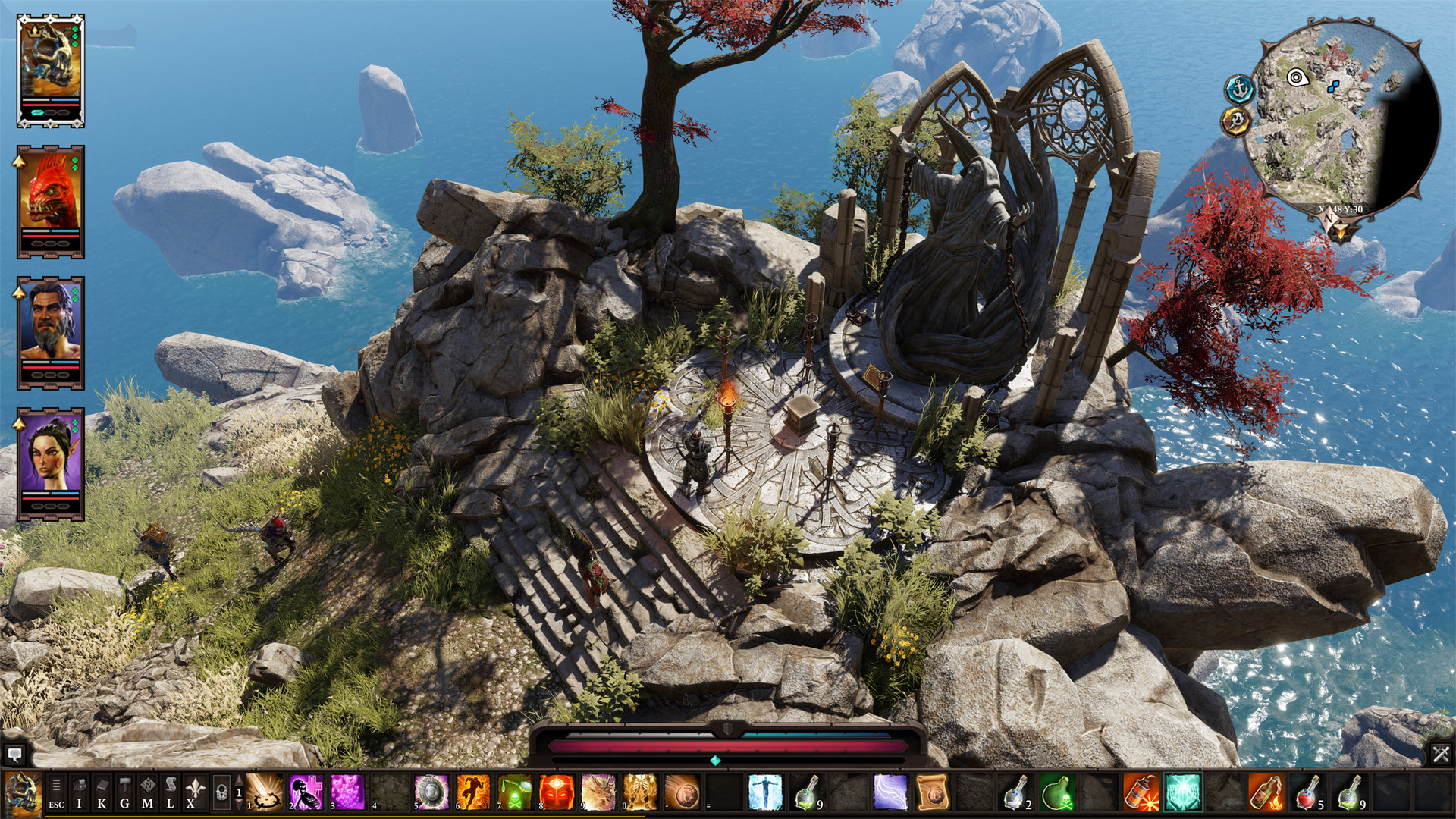
Divinity: Original Sin 2 is one of the best modern CRPGs because it combines reactive storytelling with systems-driven freedom. Set in Rivellon, it gives you origin characters with personal baggage, faction conflicts that do not have easy answers, and quest design that constantly lets you approach problems from different angles. It is the kind of RPG where even a simple objective can turn into a long chain of consequences depending on how you enter the situation.
What it does especially well is blend narrative choice with mechanical choice. Your race, origin, party composition, abilities, and moral stance all affect how encounters unfold. Dialogues are reactive, but the game goes further by making the environment reactive too. You can talk your way through a problem, sneak around it, exploit the terrain, or break the whole situation open with combat and elemental chaos. That flexibility makes each decision feel broader than a single line on a dialogue wheel.
It earns a high spot here because it respects player agency in both story and structure. Companion arcs matter, faction alignments matter, and your choices around power do not stay abstract for long. You are constantly deciding who deserves trust, who deserves mercy, and whether the pursuit of strength is making your character better or worse. It is one of those RPGs where players often finish and immediately want to compare how wildly different their runs became.
It is also easy to recommend because it is not just deep. It is fun minute to minute. Even when the plot is not peaking, the game keeps you engaged through exploration, party banter, tactical combat, and environmental interactions. That makes it one of the best all-round packages on this list.
Why You Might Like It
- Origin characters and companion stories add real weight to your decisions
- Quests allow multiple solutions through dialogue, stealth, magic, or combat
- Party building and world reactivity make every run feel a bit different
- One of the strongest picks if you want classic CRPG depth without feeling dated
Divinity: Original Sin 2
Release Date: September 14, 2017
Genres: Role-playing (RPG), Strategy, Turn-based strategy (TBS), Adventure
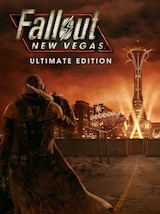
Fallout: New Vegas
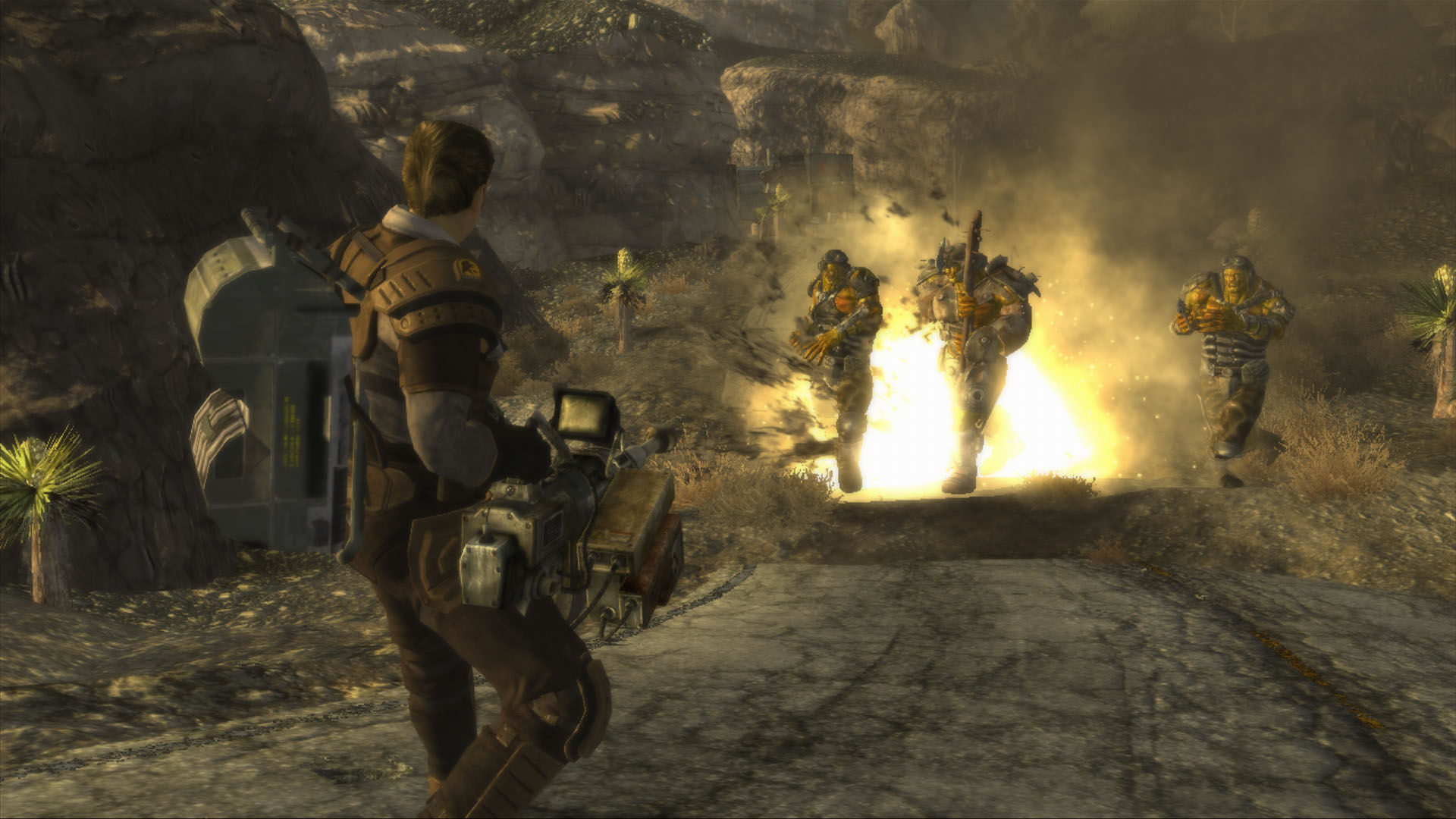
Fallout: New Vegas remains one of the most beloved choice-driven RPGs for a reason. Its Mojave setting is packed with competing ideologies, struggling communities, opportunistic factions, and companions who are more than just extra firepower. Right from the start, the game makes it clear that the central conflict is not only about who wins. It is about what kind of future you believe the wasteland deserves.
The biggest strength here is faction design. New Vegas does not hand you one clearly correct side and call it a day. Every major group has strengths, blind spots, and consequences attached to supporting them. Your reputation changes how people see you, quests branch in meaningful ways, and even smaller regional choices feed into the wider shape of the ending. That gives the whole game a political texture many RPGs never quite achieve.
It fits this list so well because the role-playing is not just cosmetic. Skills unlock different dialogue paths, companion quests reflect your behavior, and the world often rewards specialized builds in ways that feel natural rather than scripted. A smooth talker, a sniper, and a science-heavy problem solver can all experience the same situation differently. That flexibility is exactly what players mean when they talk about choices mattering.
Even years later, it still feels special because it trusts you to sit with ambiguity. It does not flatten every problem into heroics. Sometimes you are choosing between flawed visions, temporary stability, or total personal control, and the game is better because it never pretends those outcomes mean the same thing.
Why You Might Like It
- Faction reputation and endgame outcomes make your alliances feel meaningful
- Skills and perks open up different ways to solve quests
- Companion arcs add emotional weight to your role-playing choices
- Still one of the best RPGs for players who love political and moral gray areas
Fallout: New Vegas Ultimate Edition
Release Date: October 21, 2010
Genres: Role-playing (RPG), Shooter
Tyranny
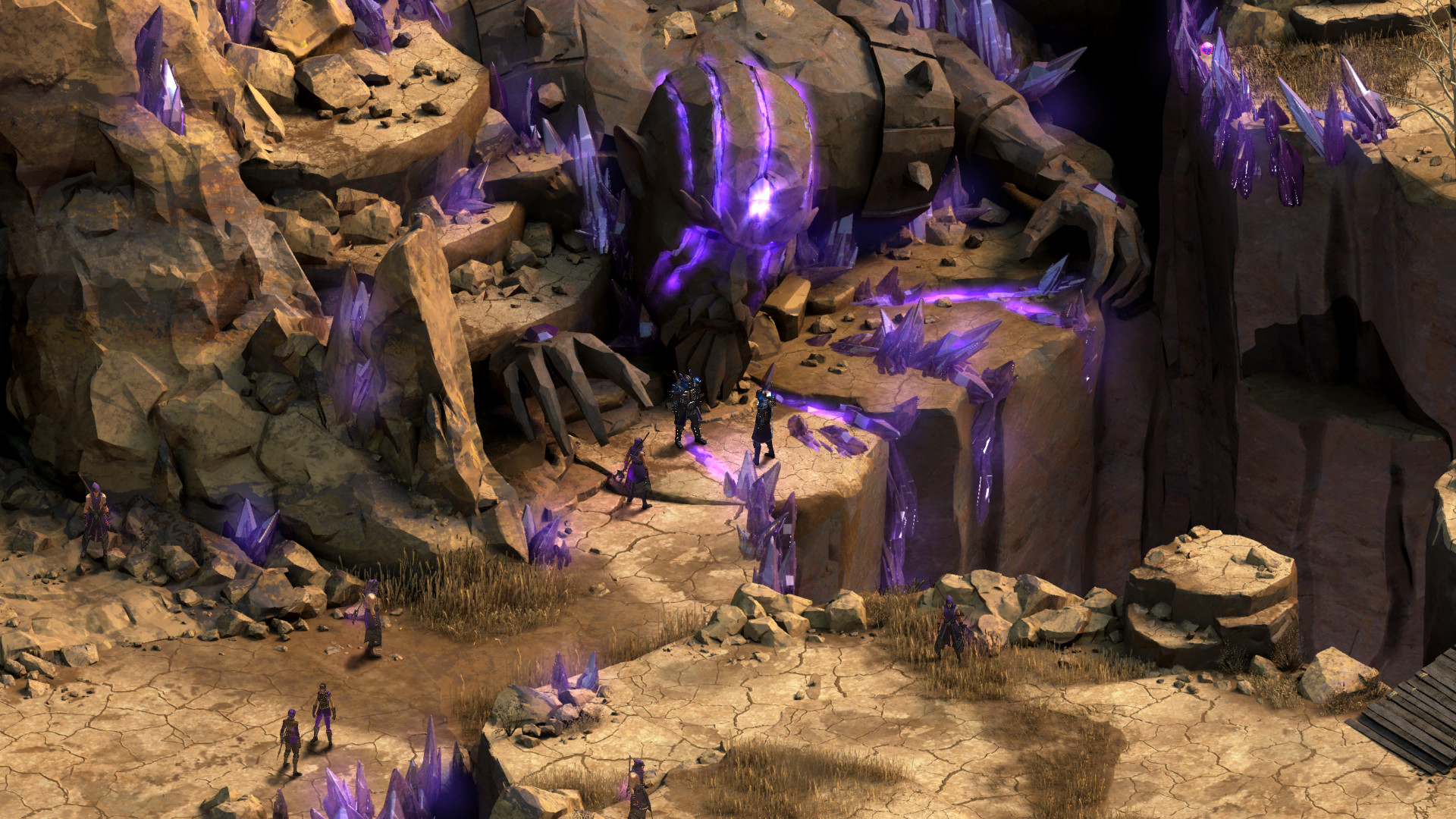
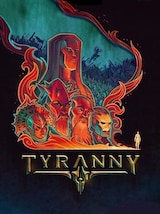
Tyranny takes one of the smartest premises in the genre and runs with it. Instead of asking how you stop evil from winning, it asks what happens after evil already won. You play as an agent of a conquering regime, and from that point on the game becomes a constant exercise in navigating power, obedience, ambition, and survival inside a broken world.
What makes Tyranny so effective is how early it starts shaping the world around your decisions. The opening conquest phase is not just exposition. It lets you define the political reality you are stepping into, and those choices ripple outward through later quests, regional tensions, and the way different groups respond to you. That immediately sells the idea that your actions are setting the tone instead of just reacting to it.
It deserves a spot here because it handles morality in a more interesting way than most RPGs. You are not simply picking saint or monster. You are balancing fear, loyalty, order, pragmatism, and personal conviction inside a system built on domination. The game constantly asks whether you are enforcing power, manipulating it, or slowly twisting it toward something else. That gives even smaller choices a strategic edge.
Tyranny is also impressively efficient. It is not the biggest game on this list, but it wastes very little time. Companion dynamics, faction relationships, and story branches start paying off early, which makes it ideal for players who want strong reactivity without needing a hundred-hour commitment before things get interesting.
Why You Might Like It
- One of the most original moral setups in any modern RPG
- World-state choices begin affecting the story from the very start
- Faction and companion relationships create constant political tension
- Great for players who want a sharper, darker, more focused CRPG
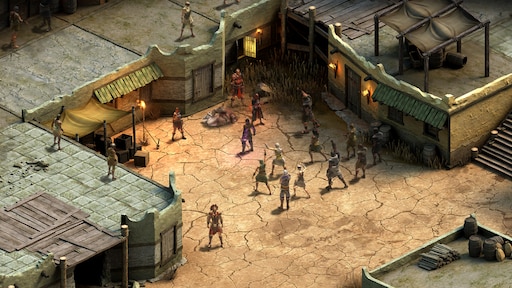
Tyranny
Release Date: November 10, 2016
Genres: Role-playing (RPG), Adventure
Wasteland 3
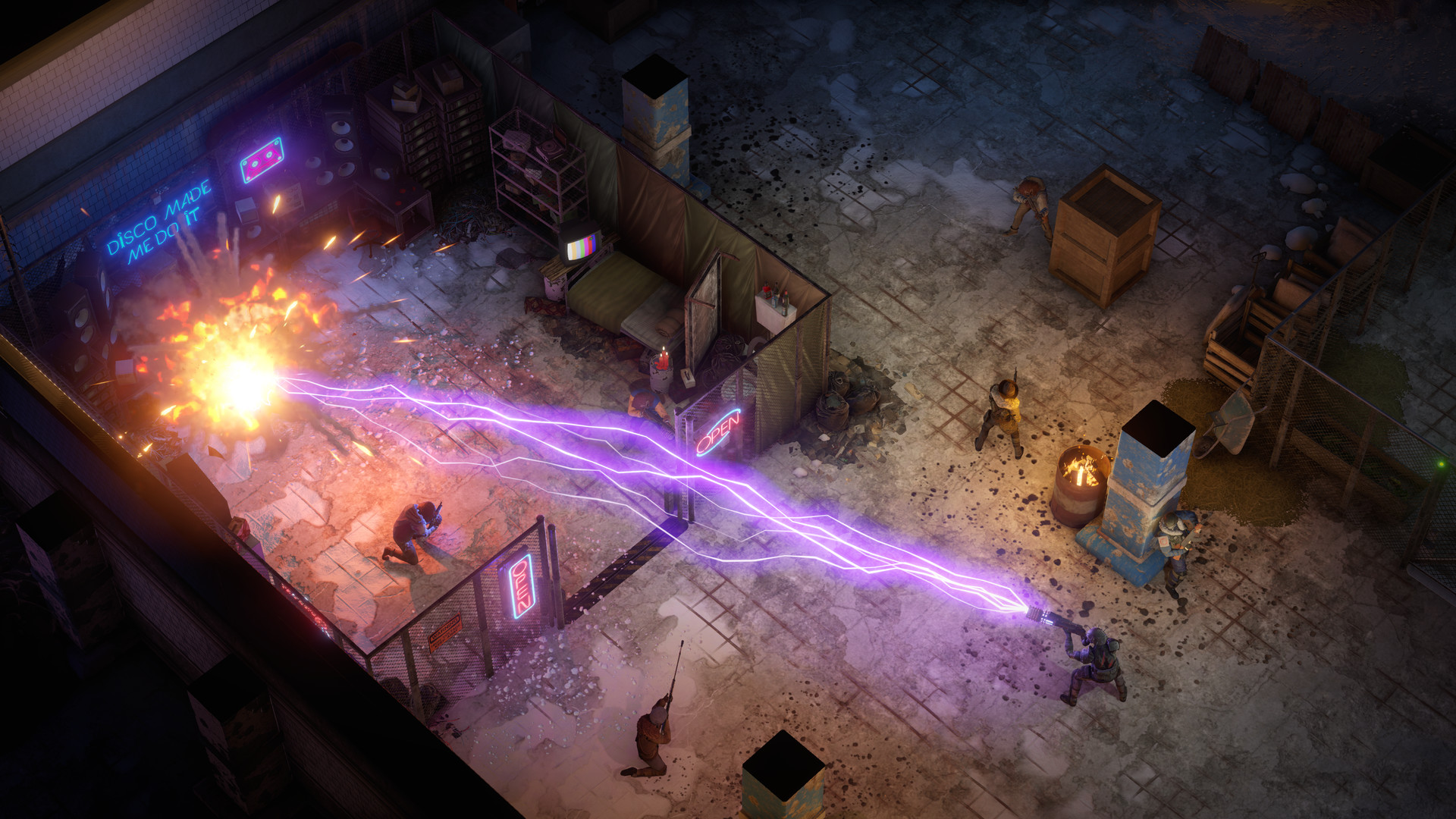
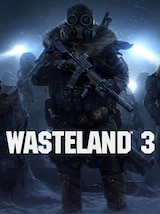
Wasteland 3 takes the post-apocalyptic choice-driven RPG formula and pushes it into a colder, meaner setting where survival, leadership, and reputation all collide. As the Desert Rangers, you are trying to stabilize a fragile presence in Colorado while dealing with local power structures, internal compromises, and the uncomfortable gap between ideals and what you can actually enforce.
It stands out because its choices are rarely framed as easy moral tests. The game likes to put pressure on you from several directions at once. You might know what the kindest option is, but not be able to afford it politically. You might secure short-term order at the cost of long-term trust. That tension makes the narrative feel reactive in a way that is more practical and grounded than the usual fantasy hero setup.
Wasteland 3 also benefits from its squad structure. Party composition, companion reactions, and tactical combat all feed into the storytelling. You are not just steering one hero through dialogue scenes. You are managing a team, building a faction, and watching how your priorities shape the Rangers’ identity. That larger organizational angle helps the consequences land harder.
If you like your RPGs a bit rougher, funnier, and more cynical, this is an easy recommendation. It mixes serious choices with dark humor and tactical momentum, which keeps the story from ever feeling too static even when the themes are heavy.
Why You Might Like It
- Tough decisions often have political and practical consequences at the same time
- Squad-based play makes leadership feel central to the role-playing
- Tactical combat supports the pacing instead of distracting from the narrative
- A great fit if you want post-apocalyptic choice RPGs beyond Fallout

Wasteland 3
Release Date: August 28, 2020
Genres: Role-playing (RPG), Strategy, Turn-based strategy (TBS), Tactical, Adventure
90% OFF 60% OFF 60% OFF 74% OFF 10% OFF 94% OFF 97% OFF 58% OFF 10% OFF 78% OFF 70% OFF 88% OFF
Pathfinder: Wrath of the Righteous
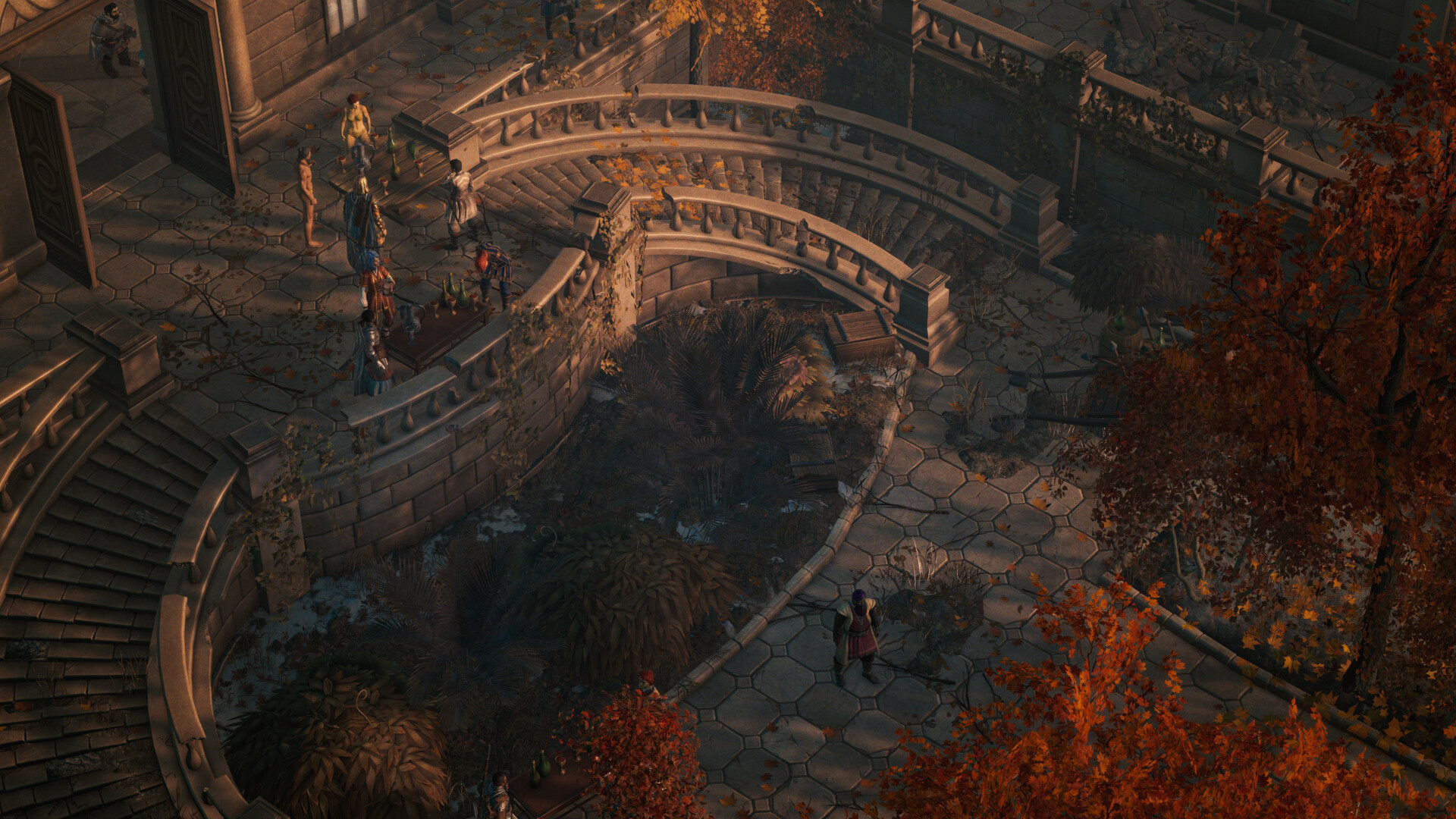
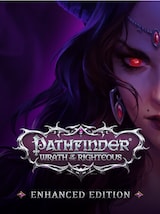
Pathfinder: Wrath of the Righteous is huge, complex, and very willing to let your character become something dramatically different from one run to the next. On the surface, it is a massive fantasy CRPG about fighting a demonic invasion. In practice, it is also a game about identity, power, faith, corruption, and the kind of leader your companions and armies are willing to follow.
The core reason it fits here is the mythic path system. Instead of offering only small flavor variations, the game lets your ascent reshape your character’s tone, abilities, worldview, and place in the story. That changes not just combat style, but how people perceive you and what kind of arc your campaign takes on. Few RPGs give your build this much narrative weight.
It also goes hard on companion writing and long-form consequences. Relationships evolve over time, party members challenge your decisions, and your moral stance does not stay safely tucked away in background dialogue. The further you go, the more the game pushes you to define whether you are a righteous savior, a ruthless pragmatist, a corrupted force, or something stranger in between.
This is not the most approachable entry on the list, but for players who love deep systems and sweeping fantasy stakes, it is incredibly rewarding. It captures that specific CRPG magic where rules-heavy character building and story role-playing actually enhance each other instead of competing for attention.
Why You Might Like It
- Mythic paths make your build feel narratively important, not just mechanically strong
- Companion arcs and alignment choices have long-term impact
- Excellent for players who want big fantasy stakes with genuine role-playing depth
- One of the richest modern CRPGs if you enjoy complexity and replay value
Pathfinder: Wrath of the Righteous
Release Date: September 2, 2021
Genres: Role-playing (RPG), Strategy, Tactical, Adventure, Indie
The Outer Worlds
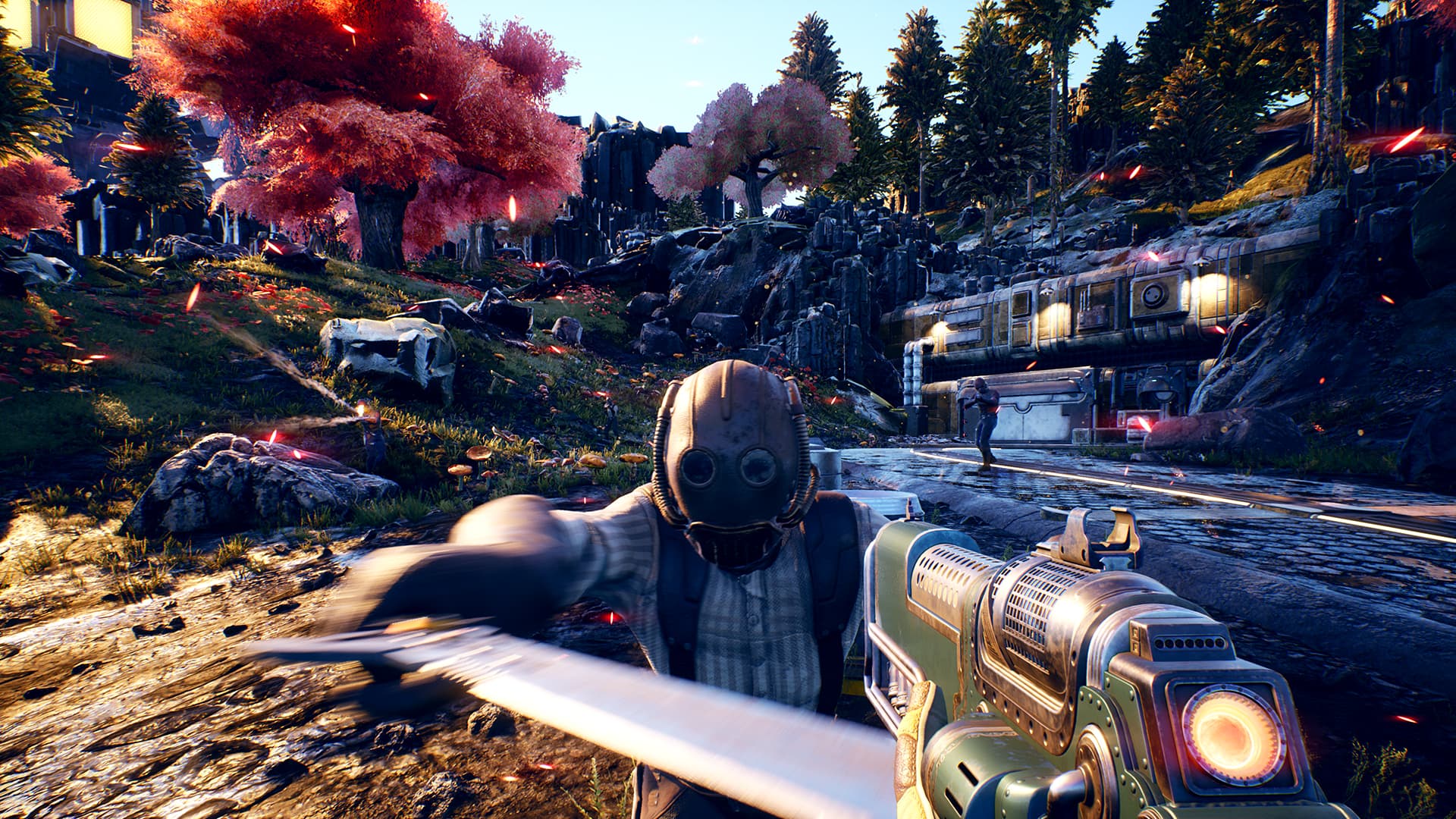
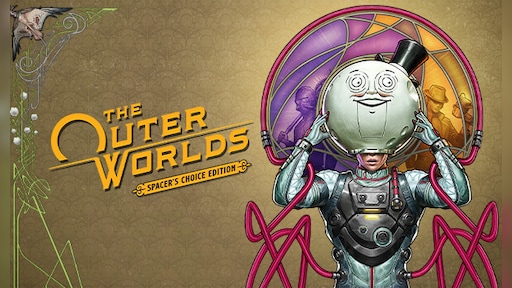
The Outer Worlds takes first-person sci-fi RPG structure and builds it around corporate absurdity, colony politics, and a surprisingly steady stream of meaningful decisions. It is lighter in tone than some of the darker games on this list, but that does not make the role-playing shallow. Under the humor is a setting full of exploitation, propaganda, and communities trying to survive inside systems designed to use them up.
What makes it work is how readable its choices feel. The game is good at presenting clear ideological tensions without turning every decision into a giant lore dump. Companion quests, faction disputes, town leadership, and colony-wide priorities all give you chances to define what kind of person your captain is. Are you a negotiator, a self-interested opportunist, a rebel, or someone just trying to minimize the damage?
It belongs here because it offers a strong balance between accessibility and reactivity. Character build matters in dialogue, perks shape your style, companions contribute distinct perspectives, and your choices feed into a broader ending structure that reflects where you left each major group. That makes it easy to follow while still feeling like a real RPG rather than a guided shooter with a few extra lines of dialogue.
The Outer Worlds is especially good for players who want a choice-driven RPG that moves at a brisker pace. It is easier to get into than some of the heavier CRPGs here, but it still gives you enough room to define your character and leave a visible mark on the world.
Why You Might Like It
- A strong first-person RPG for players who want clear but meaningful choices
- Companion quests and faction conflicts keep the story reactive
- Sci-fi setting mixes humor with genuine social and political bite
- Great entry point if you want choices that matter without CRPG overload
The Outer Worlds: Spacer's Choice Edition
Release Date: March 7, 2023
Genres: Shooter, Role-playing (RPG), Adventure
Warhammer 40,000: Rogue Trader
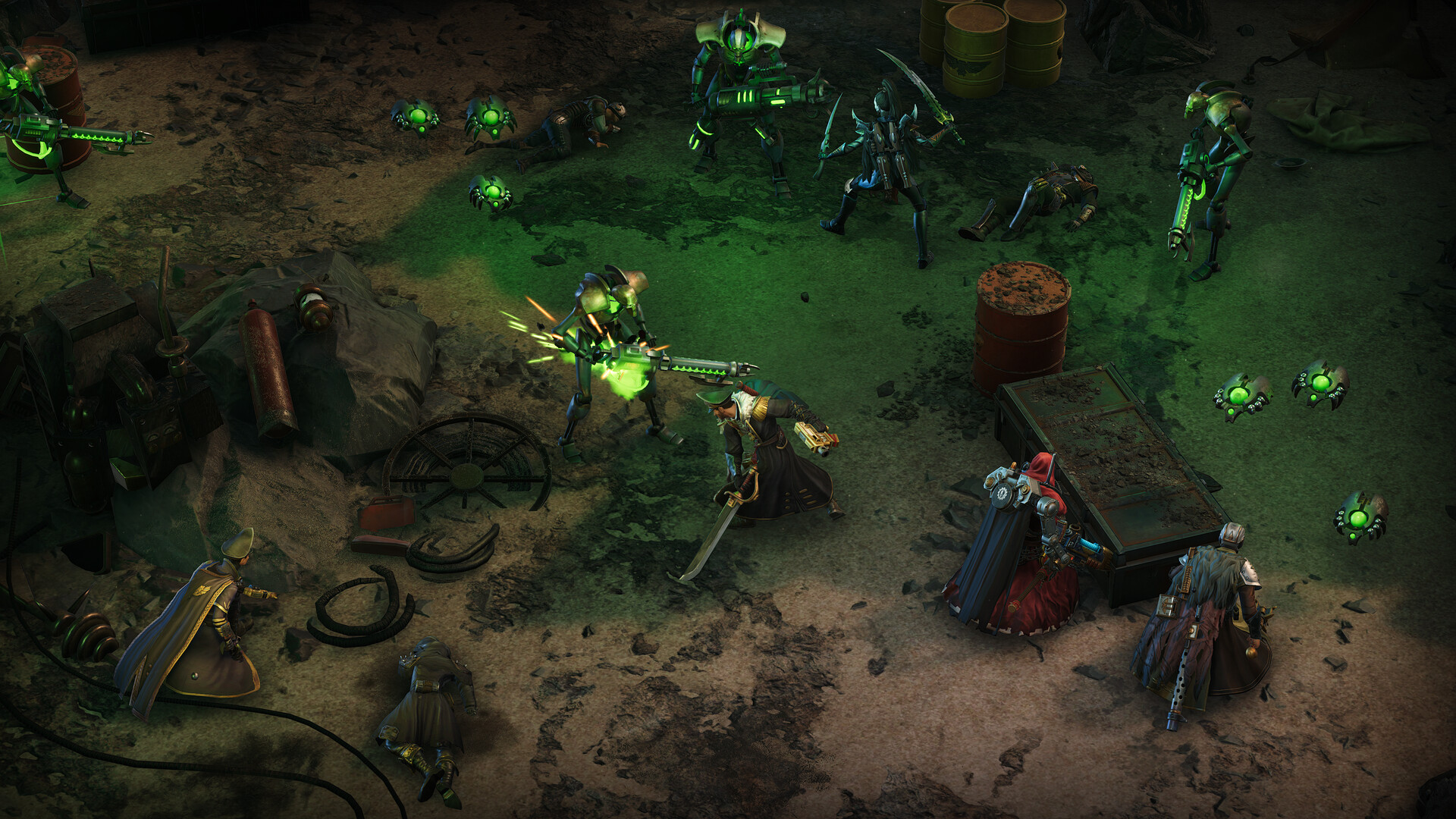
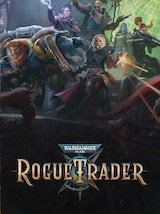
Warhammer 40,000: Rogue Trader is one of the strongest recent examples of a story-rich RPG built around power, ideology, and the consequences of command. Set in the grim darkness of the Koronus Expanse, it puts you in charge of a vast dynasty with enough authority to make huge calls, but never enough safety to make those calls cleanly.
The game stands out because it blends CRPG party storytelling with the scale of a much larger political role. You are not just choosing what one adventurer says in a tavern. You are deciding how a dynasty rules, how it treats subjects, what lines it will cross for survival, and how far it will bend or resist the brutal logic of the Imperium. Those choices ripple through companions, planetary situations, and the general tone of your entire campaign.
It fits this topic extremely well because ideology is woven into the structure. Your decisions are not only about immediate quest outcomes. They also communicate what kind of ruler you are becoming. That matters in a setting as extreme as Warhammer 40,000, where mercy, ambition, obedience, and heresy all carry very different risks. The result is an RPG that makes worldview feel mechanically and narratively relevant.
If you like dense lore, turn-based combat, and darker stories where leadership comes with a real cost, Rogue Trader is easy to recommend. It has the scale and seriousness to make your decisions feel big, but it still gives enough companion and quest detail for those decisions to feel personal too.
Why You Might Like It
- Your role as a ruler gives choices broader weight than in many party RPGs
- Companion dynamics are shaped by ideology as much as personality
- Strong pick for darker sci-fi fans who want real narrative consequence
- Combines tactical combat with political and moral role-playing very well
The Witcher 2: Assassins of Kings
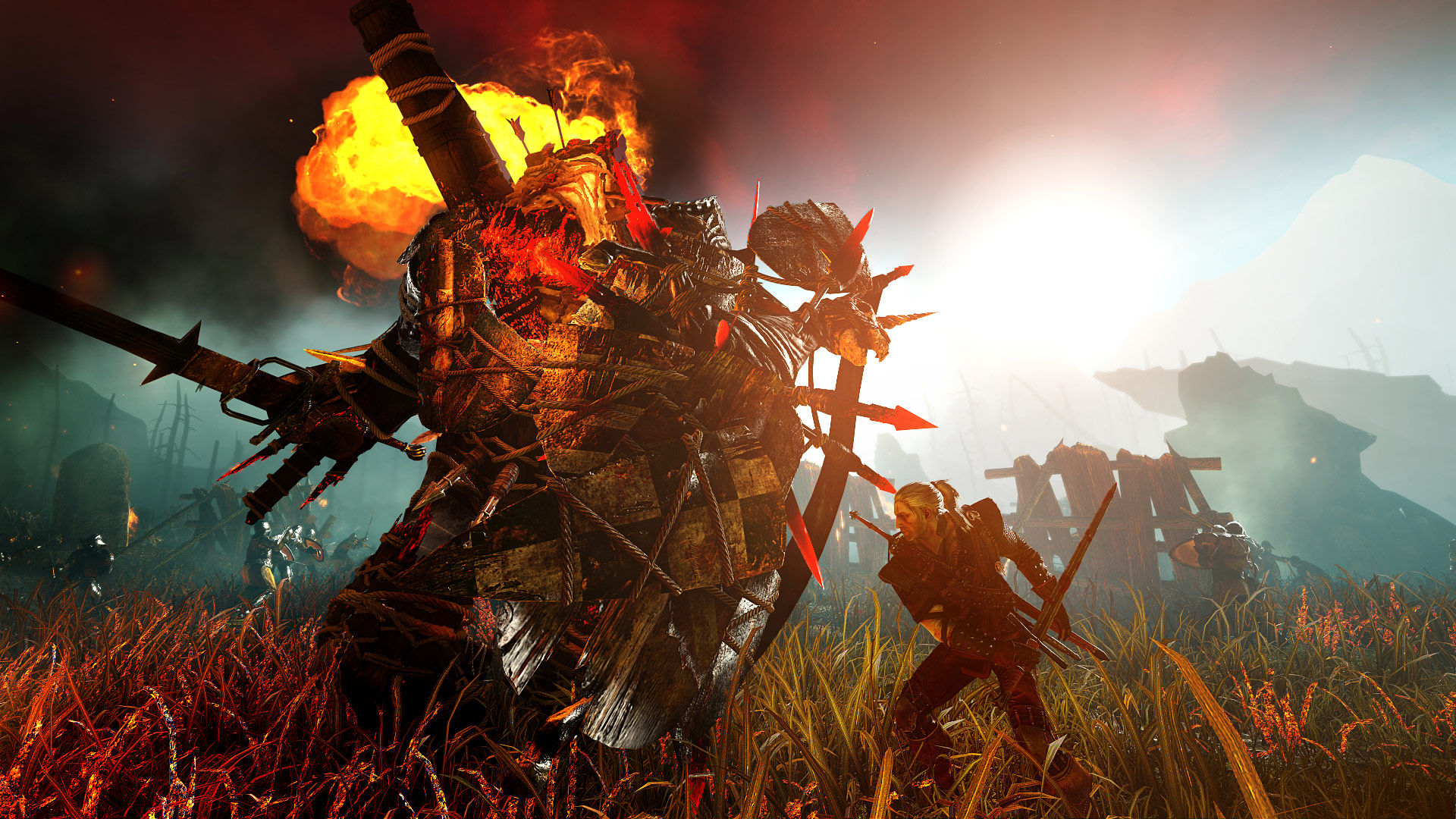
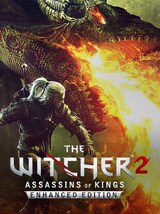
The Witcher 2: Assassins of Kings still deserves respect as one of the most clearly branched story RPGs ever made. While many games advertise choices that matter and mostly deliver flavor, The Witcher 2 famously commits to major divergence in a way that changes entire chunks of the campaign depending on who you side with and how you read the political chaos around you.
Its biggest strength is how tightly it combines personal drama with large-scale consequences. Geralt is not a blank slate, so the role-playing here is different from something like New Vegas or Disco Elysium. You are shaping the actions of an established character instead of inventing one from zero. But that structure works because the choices are bound up in loyalty, justice, manipulation, and competing visions of order rather than simple morality points.
It belongs on this list because few RPGs make political alignment feel this concrete. Key decisions lead to very different routes, character interactions, and perspectives on the same wider conflict. That branching design gives the game replay value while also making your first playthrough feel uniquely yours. It is one of the clearest examples of narrative commitment in the genre.
The Witcher 2 is also a good reminder that choice-driven RPGs do not have to be endlessly sprawling to be effective. It is more focused than some CRPG giants, and that focus helps the consequences hit harder because the game is always driving toward the fallout of what you chose.
Why You Might Like It
- Major branching paths make choices feel truly structural
- Political intrigue gives even dialogue-heavy moments real tension
- Strong fit if you like story-driven RPGs with a more cinematic edge
- Still one of the best examples of replay-worthy narrative divergence
The Witcher 2 Assassins of Kings Enhanced Edition
Release Date: November 5, 2017
Genres: Role-playing (RPG), Adventure
Expeditions: Rome
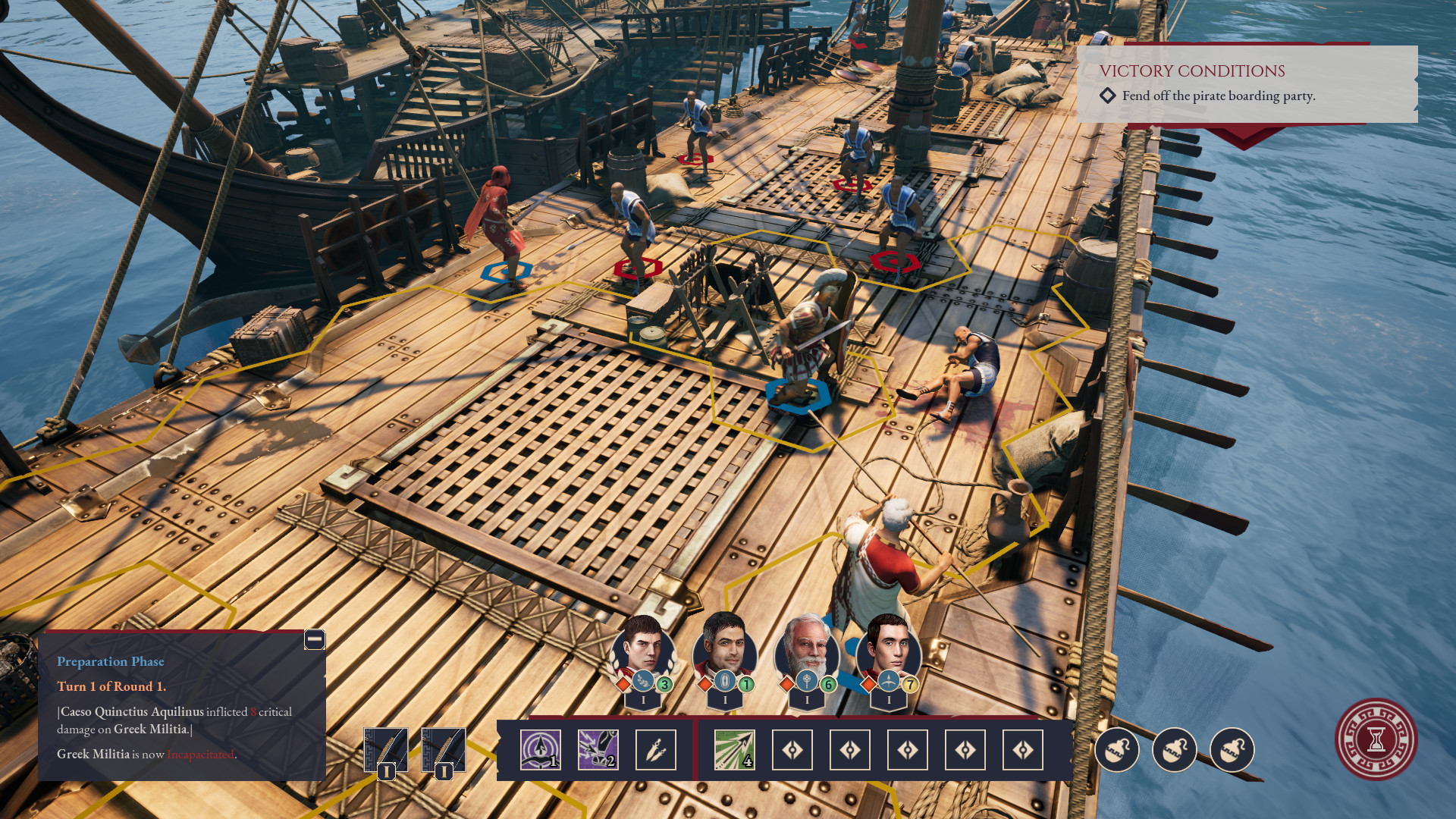
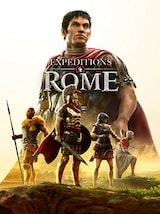
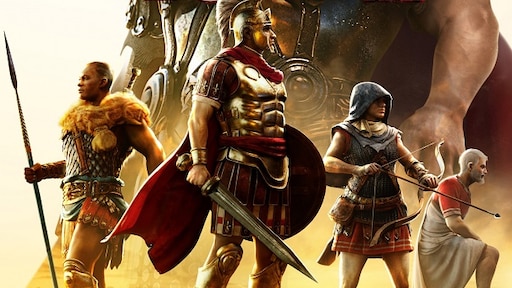
Expeditions: Rome blends historical RPG storytelling with party tactics, political maneuvering, and the feeling that your rise through Roman power always comes with trade-offs. You are not just wandering from quest to quest. You are building a reputation, commanding soldiers, navigating family expectations, and deciding what kind of leader can survive inside Rome’s vicious political machine.
What makes it a great fit for this list is how well it merges personal and strategic decision-making. Conversations matter, companion relationships matter, and your campaign choices matter too. The result is a role-playing experience where leadership is not abstract. You are constantly managing how your actions look to allies, enemies, and the institutions around you, which makes even quieter moments feel tied to a larger arc.
The game also does a nice job of giving your protagonist enough identity to suit the setting while still leaving room for player expression. You are playing a Roman noble with specific stakes, but there is still plenty of space to define temperament, priorities, and methods. That balance helps the story feel authored without becoming restrictive.
Expeditions: Rome is a particularly smart recommendation for players who want story consequence outside the usual fantasy and post-apocalyptic settings. The historical framing, tactical battles, and political tension give it a different flavor, but the appeal is the same: your choices shape relationships, momentum, and the kind of legacy you leave behind.
Why You Might Like It
- Strong political storytelling makes leadership choices feel weighty
- Companions, strategy, and dialogue all feed into the same role-playing loop
- A refreshing alternative to fantasy-heavy choice RPGs
- Ideal if you want a more grounded setting without losing RPG depth
Expeditions: Rome
Release Date: January 20, 2022
Genres: Role-playing (RPG), Simulator, Strategy, Turn-based strategy (TBS)
Which story-rich RPGs should you start with?
Final thoughts
The thing that separates a good RPG from a memorable one is usually not just the world or the combat. It is whether the game can make you stop and think before you answer, commit to a side because it feels right for your character, and live with an outcome that feels earned rather than scripted.
That is exactly why these ten games stand out. Disco Elysium, Divinity: Original Sin 2, Fallout: New Vegas, Tyranny, Wasteland 3, Pathfinder: Wrath of the Righteous, The Outer Worlds, Warhammer 40,000: Rogue Trader, The Witcher 2, and Expeditions: Rome all approach choice-driven storytelling differently, but each one proves that role-playing gets a lot more interesting when your decisions actually leave a mark.
Author Recommendations
The list is quite extensive, so choosing the right title might be a bit difficult.
That is why I recommend checking out Disco Elysium – The Final Cut first. It is the sharpest pure narrative RPG here, and almost every build, thought, and dialogue choice changes how your detective feels to play.
On the other hand, if you want a bigger party-based adventure with tactical combat, reactive quests, and tons of role-playing freedom, then Divinity: Original Sin 2 will be the best choice.