

The first Death Stranding was weird, slow, and oddly emotional. You delivered boxes through ghost-filled terrain while listening to chill Icelandic music.
It wasn’t for everyone, but it built something strange and memorable. Now the sequel, Death Stranding 2: On The Beach, is here. It’s faster, weirder, and aiming much bigger. If you liked the first one, this one might blow your boots off. If you didn’t… well, Kojima’s still not interested in making something normal.
Here’s what’s changed.
- Faster, Riskier, More Action
- Stealth Got Serious
- Sam Moves Better (Finally)
- Old Faces, New Jobs
- Now With Actual Weather Hazards
- You’re Not Just Delivering Packages Anymore
- Combat Doesn’t Suck Anymore
- The New Enemies Are Worse (In a Good Way)
- Vehicles Aren’t Just Boxes on Wheels Now
- Traversal Just Got a Lot Smarter
- Corefall Changes the Game (Literally)
- More Biots, More Buffs
- Skeletons With a Punch
- This Thing Is Massive
- Bottom Line
Faster, Riskier, More Action
The original made you crawl before you could walk. Literally. You were balancing boxes and stumbling over rocks for hours. DS2 skips the slow burn. Combat kicks in early, and the pacing is way snappier. It’s clear Kojima wants you in the fight sooner.
Stealth Got Serious
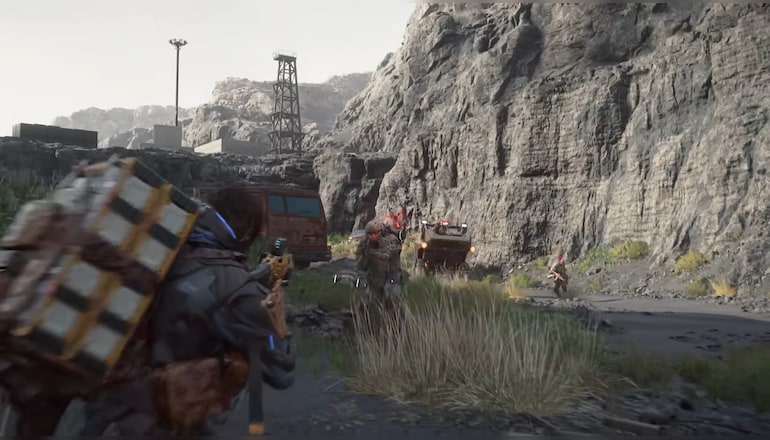
Stealth in the first game was mostly just crouching and bolas. Now? It’s a full-on system. You’ve got decoy grenades that mimic BTs, a tranquilizer pistol, quieter movement upgrades, and even tricks like tossing Doll Man to distract enemies. Lowering your backpack makes you harder to detect, and sneaking at night gives a legit edge. Feels more like a sneaky sim than a delivery boy fantasy.
Sam Moves Better (Finally)
Sam’s not a clumsy delivery mule anymore. You can dash into cover, dodge, tackle, even dive out of the way. The controls don’t feel like you’re steering a shopping cart downhill anymore.
Old Faces, New Jobs
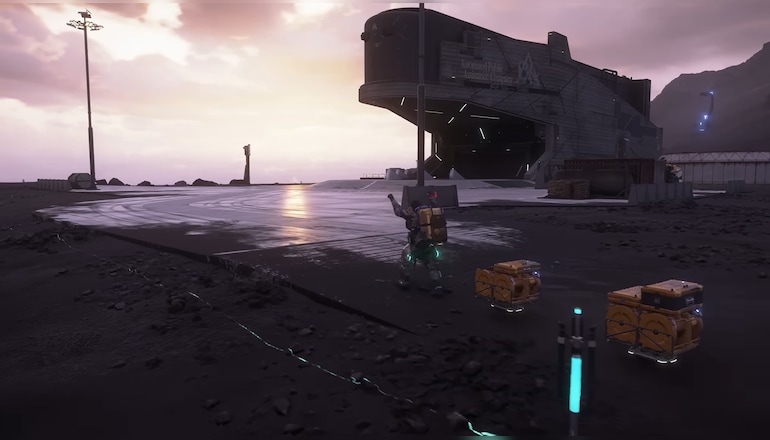
A lot can change in ten months. Fragile’s running a company now. Hartman found a way to die standing up (yes, really). Higgs is back, clown-faced and guitar-wielding, like an anime villain that raided a rock concert. Deadman and Die-Hardman are in, but their roles are murky. The UCA might not be what it was.
Now With Actual Weather Hazards
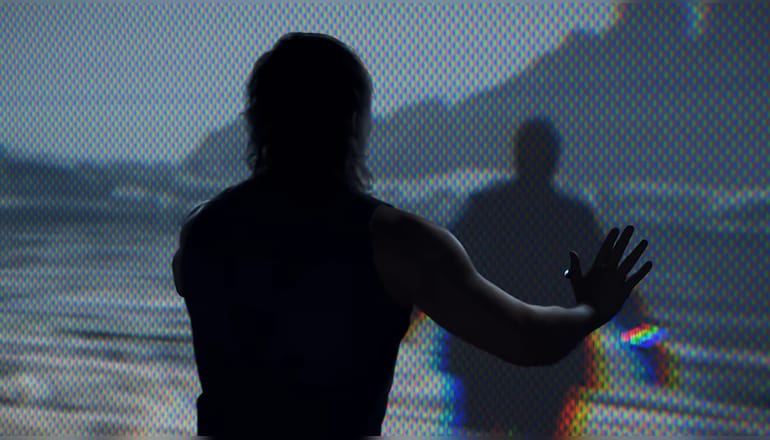
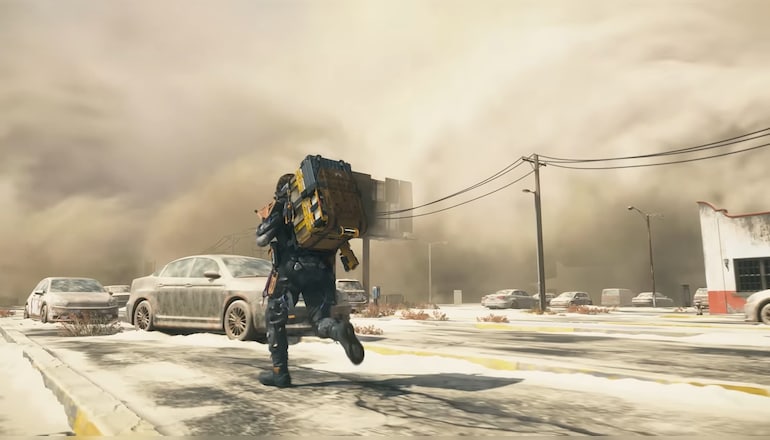
The sequel brings a real day/night cycle and throws in natural disasters just to mess with you. Flash floods can wipe you out, dust storms kill your vision, landslides change routes, and earthquakes knock you on your ass. Time to rethink those shortcuts.
You’re Not Just Delivering Packages Anymore
Yes, you still move cargo. But now there’s way more to do: rescuing animals, restoring mines, fixing railways, and odd missions that show up out of nowhere. Variety’s up, grind’s down.
Combat Doesn’t Suck Anymore
Kojima said he was going for Aliens-level escalation. You can tell. There’s a blood boomerang, a tar cannon, and an electrified MULE pole that zaps whoever you throw it at. Even grenade launchers make an appearance. MP bullets are the real kicker as they auto-adjust based on who you’re fighting. Efficient and weirdly polite.
The New Enemies Are Worse (In a Good Way)
There’s a thing called the Watcher that can spot you and call in friends. Armed survivalists are nastier than MULEs ever were. And then there are frozen freaks like spiders, jellyfish and bats that not only mess you up, but some even drain your batteries. Fun.
Traversal Just Got a Lot Smarter
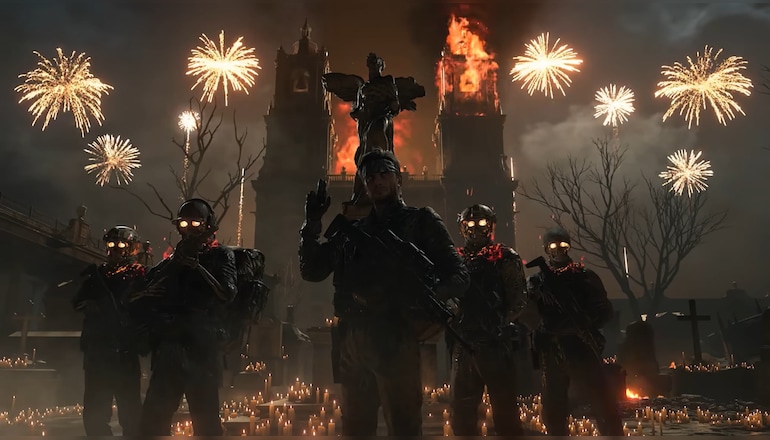
You can now connect ladders to make longer bridges, zip lines can bend around terrain, and boots have perks. Some boost kicks, others silence your steps. It’s all about getting around smarter, not just faster.
Vehicles Aren’t Just Boxes on Wheels Now
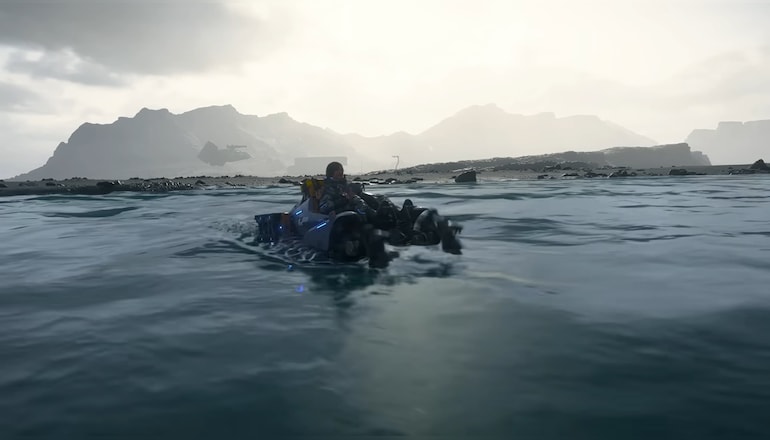
Turret attachments? Check. Grab cargo or resources while still riding? Check. Some vehicles even float now. And they don’t drain battery like they used to, which is honestly a relief.
Corefall Changes the Game (Literally)
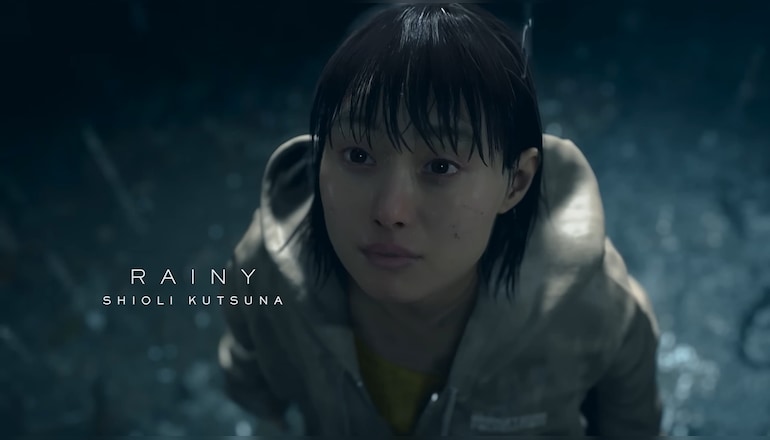
Timefall’s back, but there’s something new called Corefall. It surrounds a new character named Rainy and actually reverses aging within a small radius. That’s going to matter — especially since Tomorrow’s got some connection to tar travel. You know Kojima’s cooking something weird with that.
More Biots, More Buffs
Cryptobiots are still your go-to for healing, but now there’s Electrobiots (charge batteries) and Chlorobiots (restore stamina). There might be more types we don’t know yet.
Skeletons With a Punch
New skeletons include the Battle, Bokeh, and Boost variants. The Battle skeleton is built for soaking up damage, so expect some heavy firefights. The other two? Still under wraps.
This Thing Is Massive
The first game took 40–100 hours depending on how obsessed you were. DS2? People who previewed it said they spent 30 hours and only saw 40% of the story. Kojima says the main story might hit 75 hours. That’s not counting all the extras. So yeah, bring snacks.
Bottom Line
Death Stranding 2: On the Beach is Kojima letting loose. It’s faster, weirder, and packed with new systems. Still deeply odd, still obsessed with connection, but now there’s actual gameplay meat to chew on from the start. It might still be a niche obsession, but it’s looking like a better, bigger version of what made the first game so unforgettable.
If you loved Death Stranding, this looks like it’s been worth the wait.