


Some of the most influential games didn’t come from studios with big budgets or massive teams. They came from fans with an idea, a free toolset, and a ton of time.
Modding has always been part of gaming, but in the past 25 years, it’s gone from something done in basements to a legit launchpad for global hits. Whether it’s Team Fortress, Counter-Strike, or Dota, the pattern is clear: if a mod catches fire, studios pay attention and sometimes the entire industry shifts.
A brief history of modding
The first mods appeared in the 1980s, for example “Castle Smurfenstein,” a humorous rework of Castle Wolfenstein in the style of the Smurfs.
But the real turning point came with Doom (1993). Thanks to the WAD (Where’s All the Data) format, players could easily swap graphics, sounds, and levels, establishing a modding standard.
With the spread of the Internet in the second half of the 1990s mods started spreading globally and communities formed where players saw flaws in games, from bug fixes to entirely new features.
Later studios began to consciously support modder communities. Id Software, Valve, and Epic Games released editors and software development kits, encouraging fans to create their own content.
When a mod becomes a game
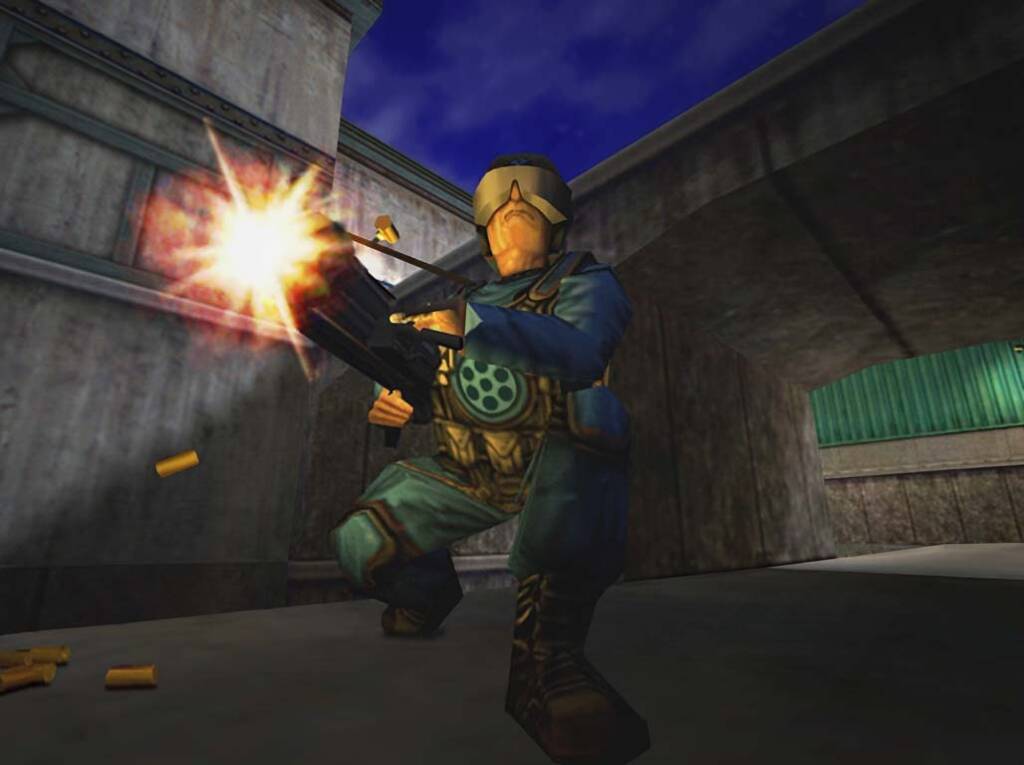
One of the loudest examples is Team Fortress, a mod for Quake that revolutionized team‑based play. Valve saw the project’s potential, hired its creators, and released Team Fortress Classic (1999).
A similar path awaited Counter-Strike, originally a mod for Half Life. Thanks to its millions‑strong community the mod evolved into an independent title, generating billion‑dollar profits and attracting over a million players daily.
Defense of the Ancients (DotA), a mod map for Warcraft III, also evolved into a standalone game, Dota 2, generating more than 200 million dollars in esports prize pools.
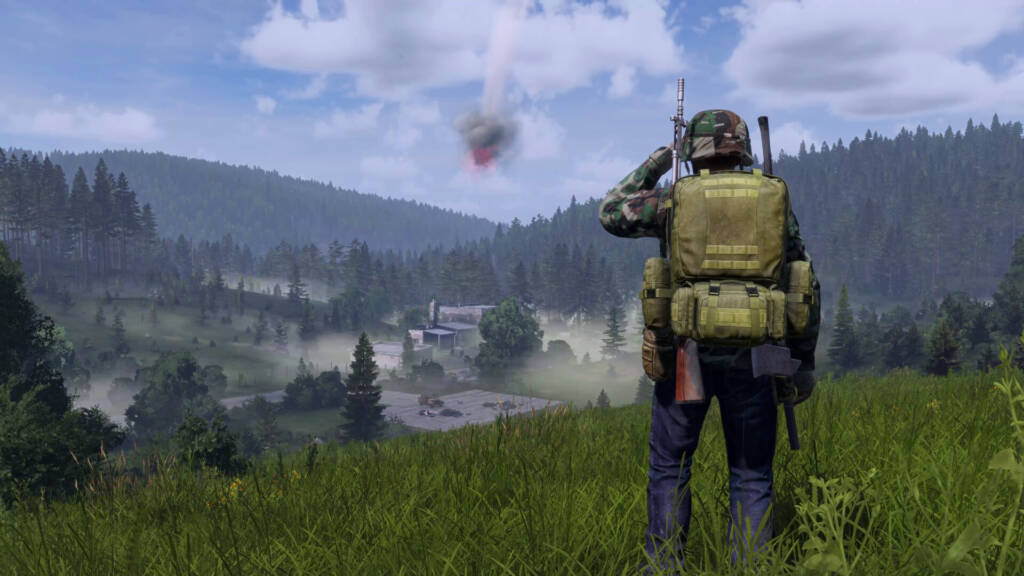
Another example is PlayerUnknown’s Battlegrounds (PUBG), which grew out of the DayZ modification for Arma 3. Modder Brendan “PlayerUnknown” Greene turned it into a full game, selling over 75 million copies and starting the battle royale genre.
Other success stories
Once modding showed its commercial value, more projects followed the same path.
League of Legends took DotA’s idea and streamlined it. Riot Games built an entire company on that foundation and LoL went on to become one of the most watched and played games in the world. It started with a simple pitch: take the best parts of DotA and make them easier to access.
DayZ, a total conversion of Arma II that became a standalone title, sold 4 million copies and allowed its creator Dean Hall to found the studio RocketWerkz.
Dear Esther, an artistic mod for Half Life 2, after its success was released as a commercial game.
Portal, based on a student project called Narbacular Drop, led Valve to hire the team and create a cult classic.
These examples show that fan projects can become serious commercial products, generating huge profits and transforming the industry.
This is no niche phenomenon. According to GameDiscoverCo analyses games with user‑created content get two‑year retention rates 64% higher and enjoy 50 to 70% longer lifespans, and 28% of game creators started their careers as modders.
From hobbyists to professionals: modders as a driving force in the industry
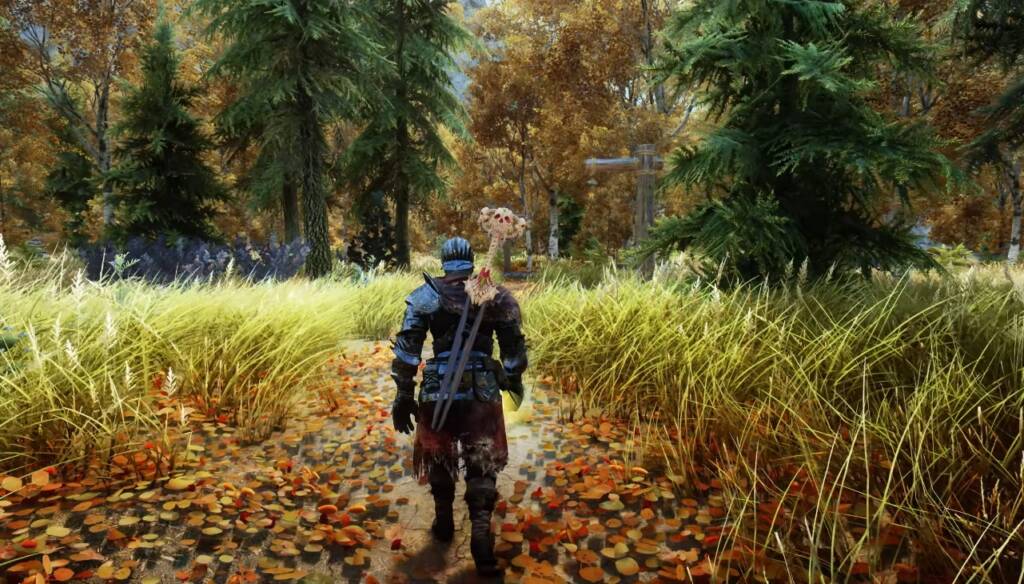
For a lot of people, modding is the first step into the game industry. A Washington Post feature on Skyrim modders showed just how far that can go. The tool Creation Kit released by Bethesda makes it possible to modify every element of the game, from plants to auroras.
Because of that Nick Pearce transformed his mod “The Forgotten City” into an award‑winning commercial game and left his job as a lawyer. Emmi Junkkari, who began creating houses in Skyrim, now works in games as a designer and co‑founded her own studio. Kevin Brock, known as Trainwiz, created a humorous mod that replaced dragons with trains. This viral mod earned him a position at Human Head Studios. Alex Velicky built an entire island for Skyrim, complete with voiced characters. Because of that he was hired by Bungie.
And it’s not just isolated examples. Cliff Bleszinski (co-founder of Boss Key Productions, formerly lead game designer at Epic Games) has said publicly that he hires straight from the modding scene. One candidate he considered had no formal experience, just good TF2 maps.
Sumo Digital recruited nearly an entire team of LittleBigPlanet 3 modders.
Modding builds skills fast. Game design, scripting, level building, testing, iteration, teamwork: it’s all there. And it’s real-world proof you can ship something that works and people enjoy.
Infrastructure of modding
Today, the modding ecosystem is massive. Nexus Mods hosts over 300 000 mods for more than 1 000 games, Steam Workshop supports over 20 000 titles, and the cross-platform mod.io reached a billion downloads and hosts 4 million user‑made contents.
These platforms make mod integration easier in games and APIs let creators implement modifications in any supported title. In many cases modding brings multimillion‑dollar revenues. Counter Strike Global Offensive earned over one billion dollars and Dota 2 collected over 200 million dollars in prize money.
But it’s not always clean
Modding has always walked a fine line. Modders create value, but studios own the platforms. That creates some tension, especially around compensation and ownership.
Critics argue that some companies profit from free labor. Modders spend months (or years) building projects that companies benefit from without paying for. And licensing, copyright, and DRM can make things worse, especially when studios lock down tools or go after creators for small violations.
Over time, more companies have started to embrace modders rather than fight them. But it’s still messy. And that conversation around who owns what isn’t going away anytime soon.
Recent stories prove it’s still growing
Between 2023 and 2025, a wave of new hires, studio deals, and game launches showed that modding is still one of the fastest ways into the industry.
Kris Takahashi, known for his Fallout and Skyrim mods, now works at Bethesda on Starfield. He started by writing quests for Oblivion and taught himself scripting, dialogue pacing, and balance.
CD Projekt Red’s Pawel Sasko said over half the Cyberpunk 2 quest team came from modding backgrounds. One of them, Eero Varendi, was a beet farmer in Estonia who built mods in his spare time. Now he’s a senior designer on Witcher 4.
Jeremy “Hothtrooper44” Soucy, the mind behind Immersive Armors and Immersive Weapons (with 35+ million downloads), launched his own game in 2024, a sci-fi RPG called Far Horizon. His modding work gave him the tools, feedback, and confidence to go all in.
The industry’s secret weapon has always been modders
Modding isn’t just a hobby. It’s a creative engine. It launches games, trains developers, builds communities, and improves the medium.
For studios, supporting mods is a way to grow the audience, keep games alive, and stay relevant in a crowded market.
For players, it’s a way to give back, get noticed, and maybe (just maybe) turn a passion project into a career.
If you’re playing mods, you’re part of something bigger. If you’re building them? You might be closer to “game developer” than you think.