

TL;DR – Gallipoli vs. Battlefield 1
| Category | Gallipoli | Battlefield 1 |
|---|---|---|
| Core approach | Realistic, tactical WW1 combat | Cinematic combined-arms warfare |
| Player count | 50 players, 25v25 | Up to 64 players |
| Gunplay | One-shot lethality, slow reloads, weighty handling | Faster, more accessible arcade-style shooting |
| Vehicles | Infantry-focused | Tanks, aircraft, boats, cavalry, Behemoths |
| Classes | 10 historically inspired battlefield roles | 4 core infantry classes plus specialist roles |
| Best for | Players who want teamwork, authenticity, and tension | Players who want scale, chaos, vehicles, and spectacle |
Table of Contents
- Realism vs. spectacle
- Gunplay: every bullet matters vs. constant action
- Battlefield scale
- Classes and teamwork
- Expedition vs. Operations
- How both games depict Gallipoli
- Which game feels more historically authentic?
- Which WW1 shooter should you play?
- WW1 shooters on G2A.COM
- Gallipoli vs. Battlefield 1 FAQ
- Mud or movie?
Realism vs. spectacle
The biggest difference between Gallipoli and Battlefield 1 becomes obvious almost immediately.
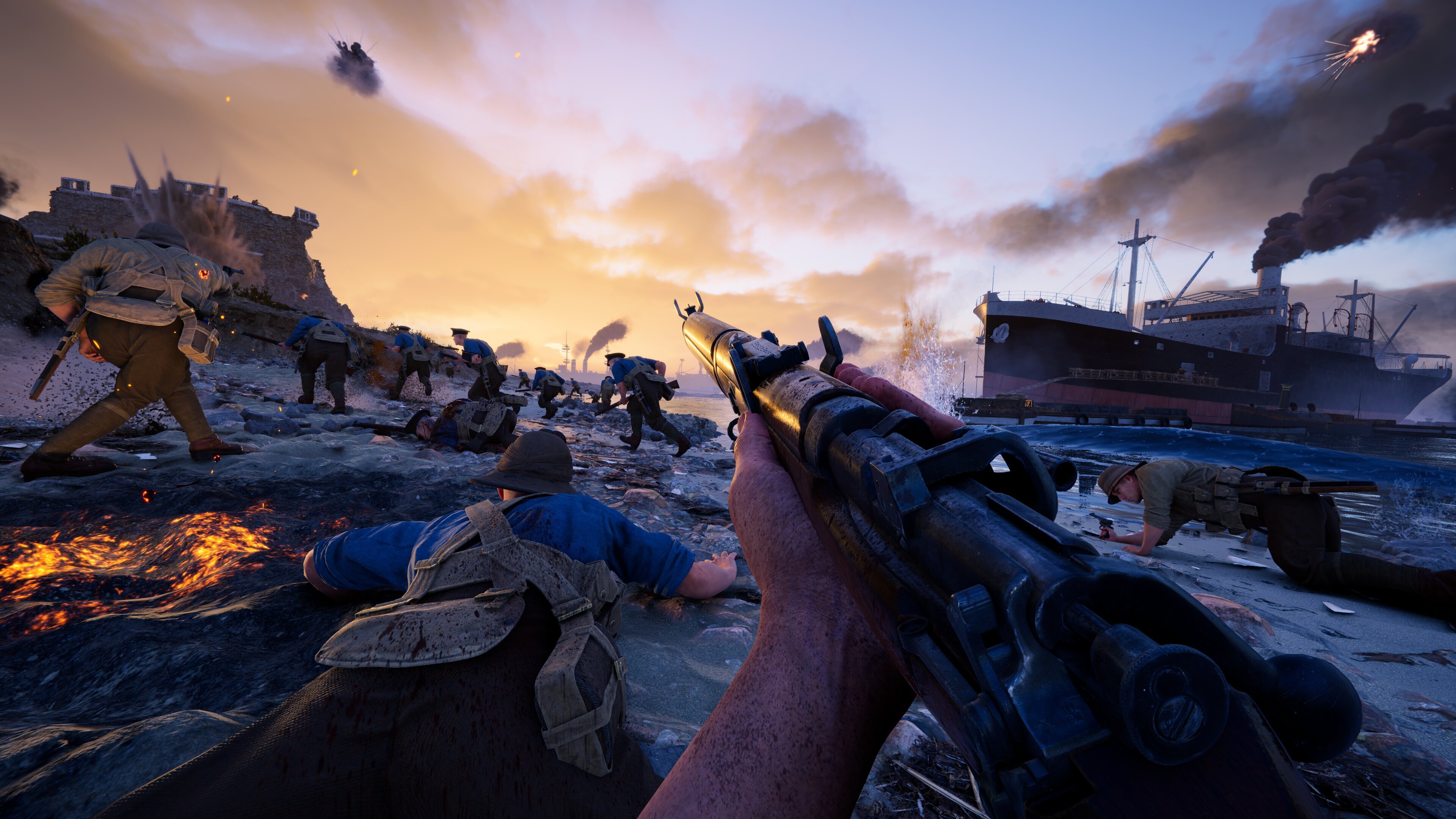
Gallipoli describes itself as a hardcore, one-shot-one-kill multiplayer FPS. BlackMill Games focuses on historically accurate weapons, uniforms, battlefield roles, and locations, with deliberate weapon handling and objective-based 25v25 combat.
Battlefield 1 takes history as the foundation for something much more cinematic. Its multiplayer supports up to 64 players and combines infantry with tanks, airplanes, boats, cavalry, destructible environments, dynamic weather, and enormous Behemoth vehicles.
Both are trying to immerse you in World War I. They simply disagree about what immersion should mean.
Gallipoli wants you to feel vulnerable. Battlefield 1 wants you to feel like you are standing in the middle of the biggest war movie ever made.
Gunplay: every bullet matters vs. constant action
Gallipoli’s gunplay is designed around the limitations of period weapons. Rifles are powerful, reloads are methodical, and weapon handling is affected by factors including your soldier’s condition and familiarity with the firearm.
That changes the rhythm of a firefight. Taking a shot is a commitment. Missing can leave you exposed while you cycle the action or reload, and sprinting carelessly across an open position can end your life almost instantly.
Battlefield 1 is much faster and more forgiving. Its weapons still draw heavily from historical firearms, but they are adapted to fit the Battlefield sandbox. Automatic weapons are more common than their real-world battlefield prevalence might suggest, and every class needs enough options to remain fun across a wide variety of maps.
The difference is less about which game has “better” shooting and more about what the shooting is supposed to accomplish.
Gallipoli uses lethality to create tension. Battlefield 1 uses gunplay to keep a huge combined-arms battle moving.
Battlefield scale
This is where Battlefield 1 earns the spectacle half of the comparison.
A Battlefield match can contain up to 64 players alongside tanks, biplanes, armored vehicles, horses, boats, artillery, and gigantic Behemoths. Buildings and fortifications can be damaged or destroyed, while weather can change visibility and alter how a battle develops.
Gallipoli’s 50-player limit is hardly small, but its battles are much more focused on infantry and squad roles. You are one soldier inside the battle rather than one component of a giant military playground filled with vehicles.
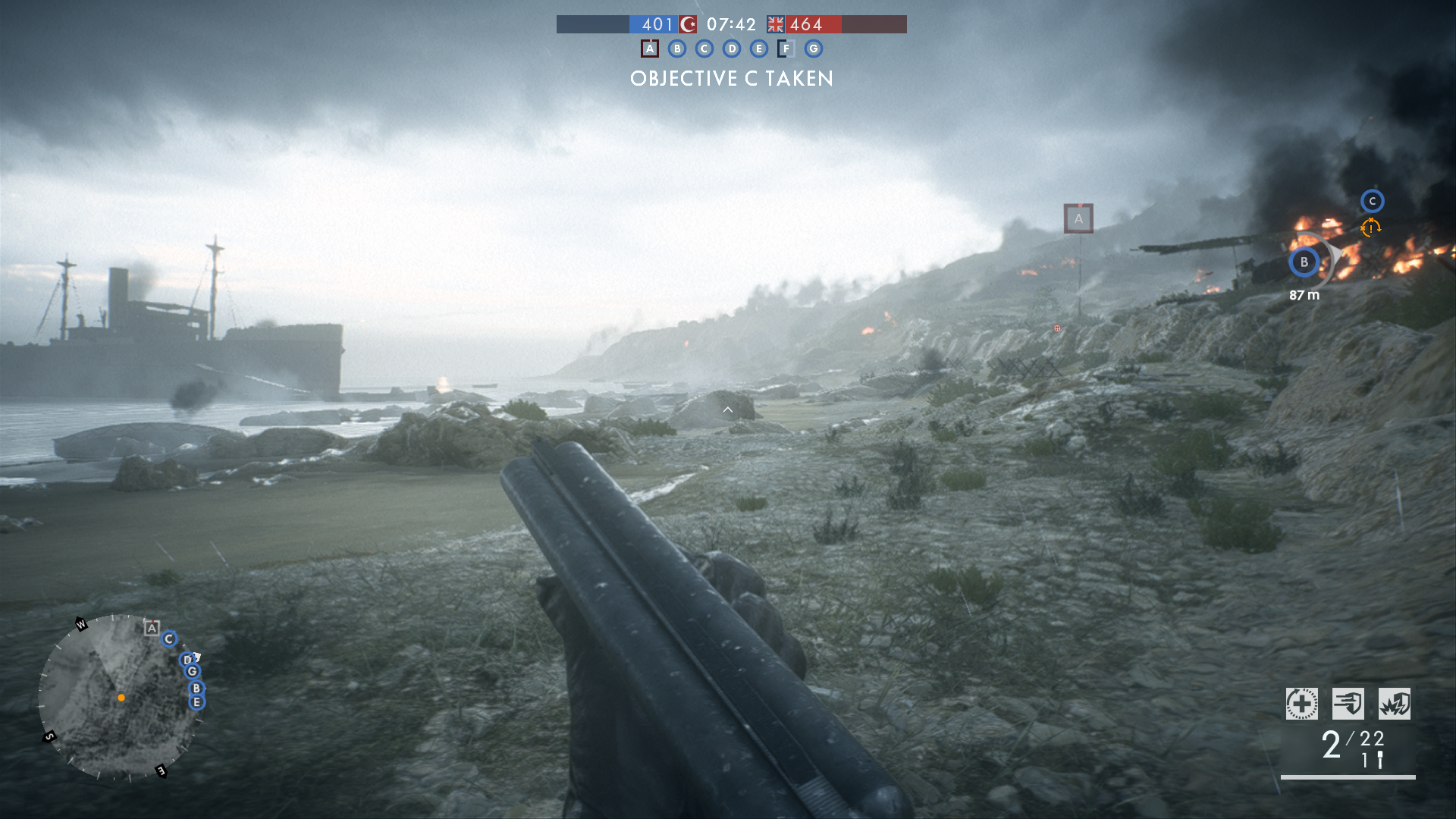
Battlefield 1 can generate moments where a zeppelin crashes onto an objective while aircraft fight overhead and a tank smashes through a wall next to you.
Gallipoli’s drama is more likely to come from hearing a rifle crack, watching the soldier next to you drop, and realizing your squad still has to cross the same exposed ground.
Classes and teamwork
Gallipoli launches with 10 historical classes, including Officer, Rifleman, Engineer, Sniper, Heavy Machine Gunner, Ammo Bearer, Bomber, and Stretcher Bearer.
The names already tell you what BlackMill is trying to achieve. These are battlefield jobs first and character builds second. An Ammo Bearer keeps weapons supplied. A Stretcher Bearer keeps casualties alive. An Officer coordinates the squad and gains access to support abilities.
Battlefield 1’s main multiplayer structure is broader. Its four core infantry classes are Assault, Medic, Support, and Scout, with additional vehicle and Elite roles appearing around them.
That setup is easier to understand at a glance. Assault destroys vehicles and dominates close-range fights, Medic heals and revives, Support supplies ammunition, and Scout handles long-range shooting and reconnaissance.
Gallipoli divides responsibilities more finely. Battlefield 1 packages them into larger, more flexible roles.
Expedition vs. Operations
The similarities become particularly interesting when comparing the games’ large objective modes.
Gallipoli introduces Expedition, where attackers push through objectives while trying to preserve momentum. Wasting too much time drains that momentum, meaning defenders can succeed simply by making every advance slow and expensive.
Battlefield 1’s Operations mode works on a grander scale. Attackers attempt to capture sectors and push defenders back across interconnected battlefields. A single Operation can continue across multiple maps, turning the match into a long military campaign rather than an isolated round.
The idea behind both modes is similar. Territory should feel connected, and defending a position should matter even when that position eventually falls.
The difference again comes down to presentation. Expedition reinforces Gallipoli’s tactical pacing. Operations turns the breakthrough into a cinematic event complete with mass charges, vehicles, artillery, and reinforcements.
How both games depict Gallipoli
Battlefield 1 has already visited the same campaign through its Turning Tides expansion.
Cape Helles recreates the Allied amphibious assault on Ottoman defenses, combining infantry combat with aircraft and naval units. Achi Baba strips the formula back into a much tighter infantry-focused map built around gullies, trenches, ruins, and close combat.
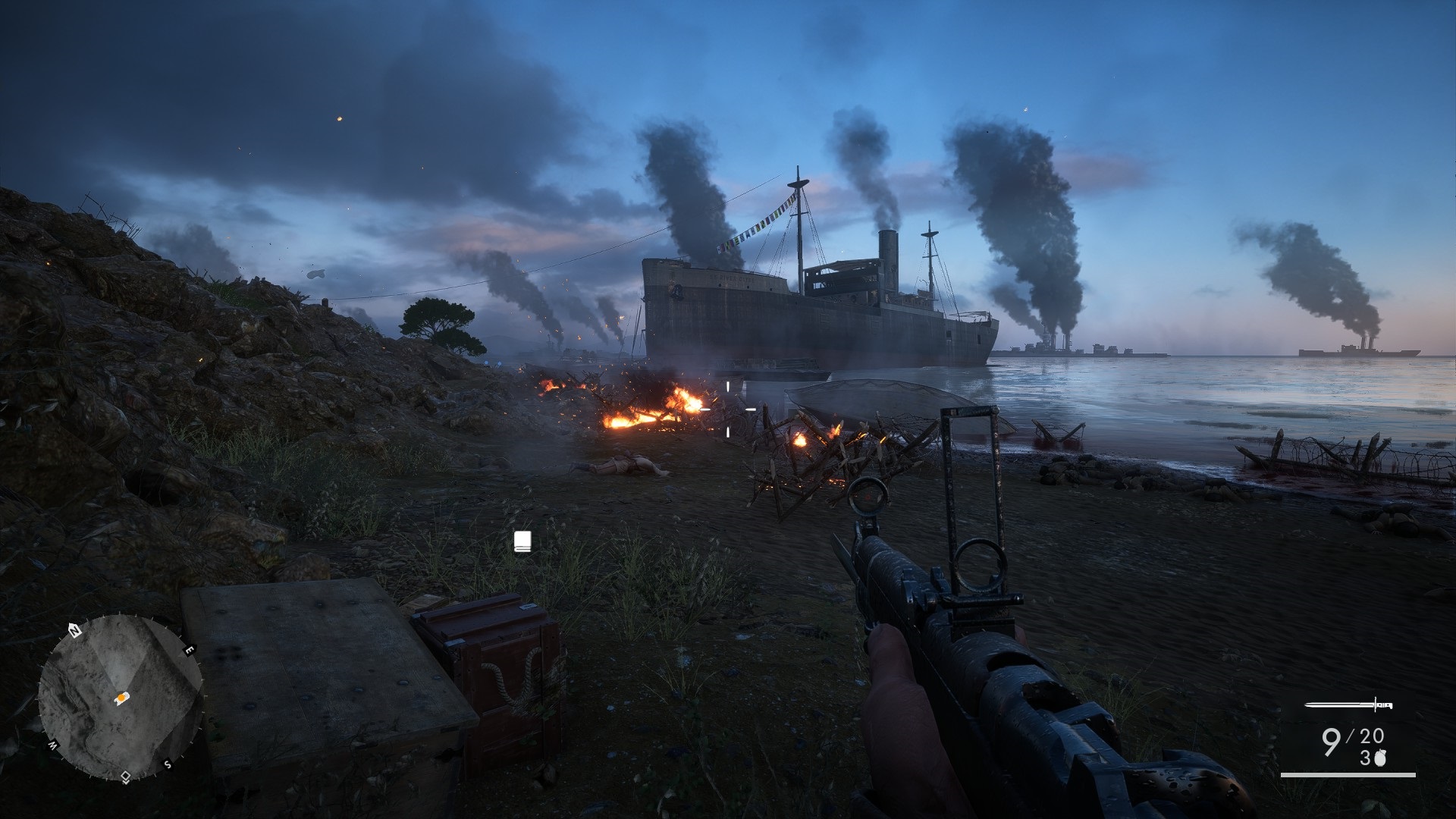
The two maps form Battlefield 1’s Gallipoli Operation.
Gallipoli takes those ideas much further because the Ottoman Front is the foundation of the entire game rather than one expansion. Anzac Cove, Cape Helles, Kut Al Amara, Ctesiphon, and other battlefields cover coastal landings, trenches, deserts, settlements, and the Mesopotamian campaign.
That gives BlackMill more room to focus on the specific weapons, uniforms, soldiers, geography, and battlefield roles associated with these fronts.
Which game feels more historically authentic?
If historical authenticity is your priority, Gallipoli is the obvious choice.
Its one-shot lethality, historically inspired classes, detailed British and Ottoman equipment, restrained movement, and more methodical weapon handling are deliberately designed to make combat feel less like a modern shooter wearing an old uniform.
Battlefield 1 is historically inspired rather than strictly realistic. DICE recreates weapons, uniforms, locations, and major battles, but then bends them around the needs of a fast 64-player sandbox.
That is not necessarily a weakness.
Battlefield 1’s approach creates a powerful impression of industrial warfare. Artillery explodes around you, aircraft scream overhead, tanks roll through defensive lines, and entire landscapes become scarred by the fight.
Gallipoli may be more convincing at showing what one infantryman’s weapon and battlefield role could feel like. Battlefield 1 is more interested in conveying the terrifying scale of the conflict.
Which WW1 shooter should you play?
For the purest historical shooter experience, Gallipoli should be the stronger fit. For an explosive sandbox that happens to be set during World War I, Battlefield 1 remains difficult to beat.
And if both sides of that equation sound good, there is no real reason to choose only one.
WW1 shooters on G2A.COM
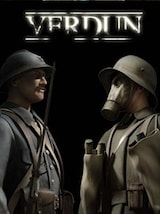
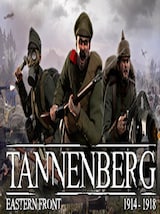
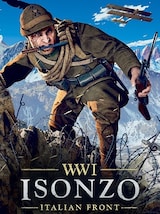
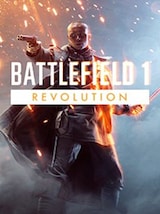
Battlefield 1 Revolution is particularly relevant here because it includes the Turning Tides expansion and its Gallipoli content. You can also explore BlackMill Games’ previous historical shooters while waiting for Gallipoli.
Check eligible WW1 shooter deals with G2A Plus
G2A Plus can provide lower prices on eligible marketplace offers and let members collect Plus Points for future purchases.
Gallipoli vs. Battlefield 1 FAQ
Is Gallipoli more realistic than Battlefield 1?
Yes. Gallipoli is explicitly designed as a realistic, highly lethal WW1 shooter with historical classes, authentic equipment, and more methodical weapon handling. Battlefield 1 prioritizes accessible combined-arms action.
Does Battlefield 1 have Gallipoli maps?
Yes. The Turning Tides expansion includes Cape Helles and Achi Baba, which are connected through the Gallipoli Operation.
Which game has bigger battles?
Battlefield 1 supports up to 64 players. Gallipoli supports 50-player battles with teams of 25.
Does Gallipoli have vehicles like Battlefield 1?
Gallipoli is much more infantry-focused. Battlefield 1 makes tanks, aircraft, boats, cavalry, and other vehicles a major part of its sandbox.
Which game is better for solo players?
Battlefield 1 is generally easier to enjoy without heavy squad coordination because individual classes are flexible and the larger sandbox creates more opportunities for independent play. Gallipoli places greater emphasis on specialized roles and squad cooperation.
Mud or movie?
Gallipoli and Battlefield 1 demonstrate how differently the same war can work as a multiplayer shooter.
Battlefield 1 takes the history and turns the volume all the way up. Gallipoli strips much of that spectacle away and asks you to pay attention to your rifle, your squad, the terrain, and the few meters of battlefield immediately in front of you.
One gives you the war movie. The other wants you stuck in the mud.
For WW1 shooter fans, having both approaches is probably the best outcome.