



Pragmata is one of those games that instantly grabs attention even before you fully understand what it is. Developed by Capcom, it’s a sci-fi action-adventure game set in a mysterious near-future world—likely on the Moon—where technology, isolation, and human-machine relationships take center stage.
What really makes Pragmata stand out is its dual-character gameplay. You control a heavily armored protagonist, but you’re also constantly working alongside Diana, a small android girl.
The twist? Combat isn’t just about shooting. You need to hack enemies in real time using Diana’s abilities to weaken them before dealing proper damage. It’s a mix of third-person shooting, puzzle-solving, and tactical thinking, all wrapped in a cinematic narrative.
If that combo sounds exciting, here are some games that tap into similar ideas, whether through combat mechanics, storytelling, or the overall vibe.
TL;DR — Quick overview
- Pragmata blends shooting, hacking, and dual-character gameplay
- Strong focus on sci-fi atmosphere, isolation, and emotional storytelling
- Games like Death Stranding, NieR: Automata, and Dead Space share key elements
- Each recommended title captures a different aspect of Pragmata’s design
Death Stranding (1 & 2)
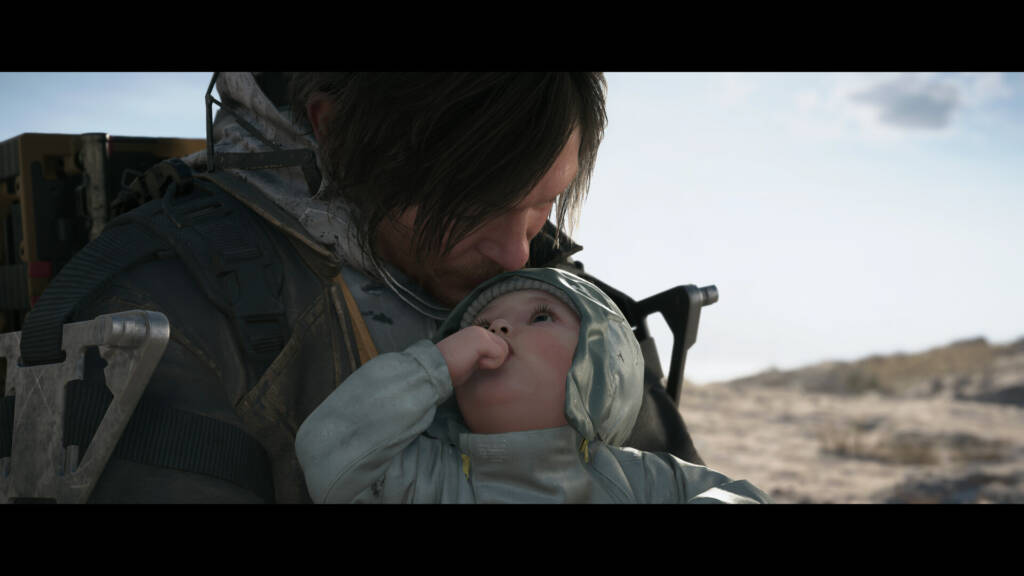
Death Stranding might not look like an obvious comparison at first—but the more you think about it, the more it lines up with Pragmata’s core identity.
Both games lean heavily into a lonely, atmospheric sci-fi setting where the world itself feels strange, fragmented, and slightly “off.” In Death Stranding, you traverse a broken America filled with supernatural phenomena and invisible threats. In Pragmata, the setting appears similarly isolated and mysterious, with a heavy emphasis on exploration in an unfamiliar, almost surreal environment.
Gameplay-wise, Death Stranding introduces systems that feel just as unconventional as Pragmata’s hacking. Managing the Chiral Network, reconnecting regions, and navigating terrain while delivering cargo isn’t just a side activity—it’s the game. It’s a deeply systemic experience where understanding mechanics is more important than traditional combat, much like how Pragmata requires you to engage with hacking systems before you can even think about dealing damage.
There’s also a strong parallel in how both games handle interaction with technology. Death Stranding’s network-building and asynchronous multiplayer elements create a shared, invisible connection between players, while Pragmata’s hacking mechanics suggest a more direct manipulation of systems. In both cases, the gameplay revolves around interfacing with the world in unconventional, tech-driven ways.
And then there’s the tone. Death Stranding thrives on quiet moments, emotional distance, and introspection, something Pragmata seems to echo with its isolated setting and the bond between its two main characters.
Why Death Stranding Feels Like Pragmata
- Strong lonely sci-fi atmosphere and unusual world design
- Focus on unique, system-driven mechanics (Chiral Network, cargo management)
- Emphasis on technology interaction and unconventional gameplay loops
- A shared sense of isolation, mystery, and emotional storytelling
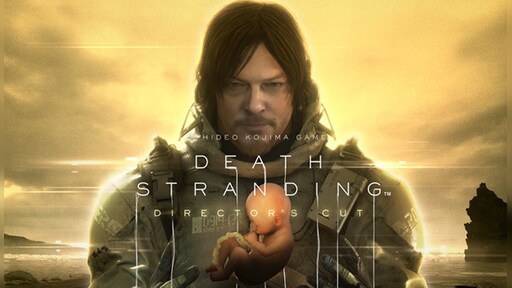
Death Stranding
Release Date: March 30, 2022
Genres: Action-adventure
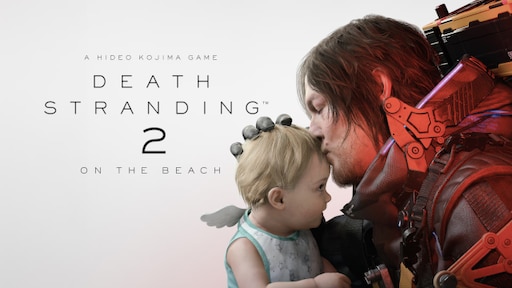
Death Stranding 2: On the Beach
Release Date: June 26, 2025
Genres: Action-adventure
Dead Space
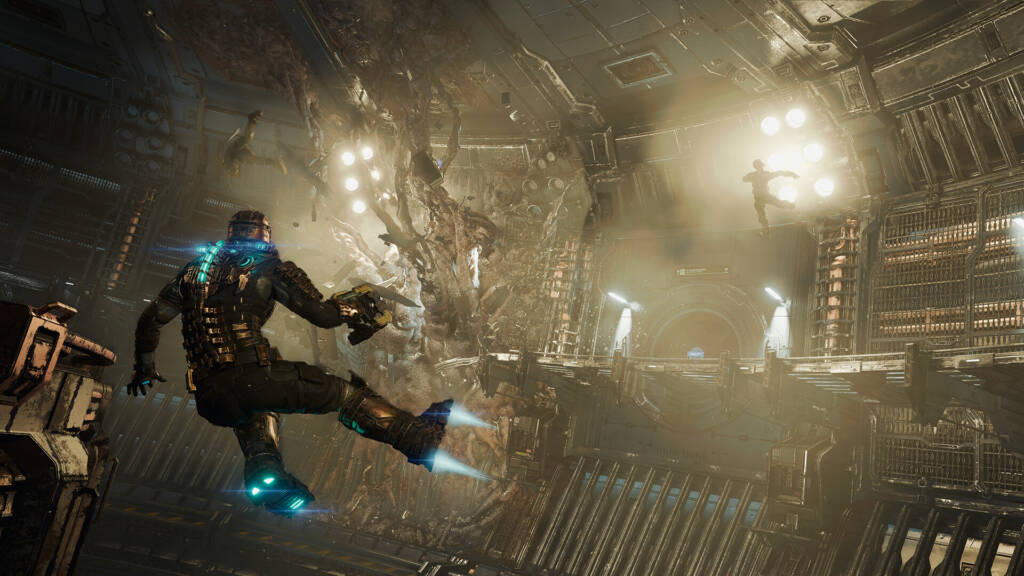
Dead Space is, on paper, a completely different beast. It’s a survival horror game set aboard a derelict spaceship, packed with grotesque enemies and claustrophobic tension. But once you actually start playing, the similarities to Pragmata’s combat design become pretty clear.
The core mechanic in Dead Space revolves around strategic dismemberment. You’re not supposed to just shoot enemies until they drop. Instead, you have to target specific limbs to disable them. Shooting off legs slows enemies down, removing arms prevents attacks, and so on. It turns every encounter into a kind of puzzle where you’re constantly figuring out how to weaken threats efficiently.
That’s where the connection to Pragmata kicks in. In Pragmata, you don’t just fire away. You hack enemies first to expose vulnerabilities. Both games force you to engage with enemies on a deeper level.
You’re not just reacting. You’re analyzing. Combat becomes less about reflexes alone and more about understanding systems under pressure.
Dead Space also shares that heavy, grounded sci-fi atmosphere. It’s gritty, lonely, and tense—something Pragmata seems to lean into as well.
Why Dead Space Feels Like Pragmata
- Combat focused on weakening enemies before finishing them
- Requires precision and awareness, not just shooting
- Strong sci-fi atmosphere with isolation and tension
Dead Space Remake
Release Date: January 27, 2023
Genres: Survival Horror
Horizon Zero Dawn & Forbidden West
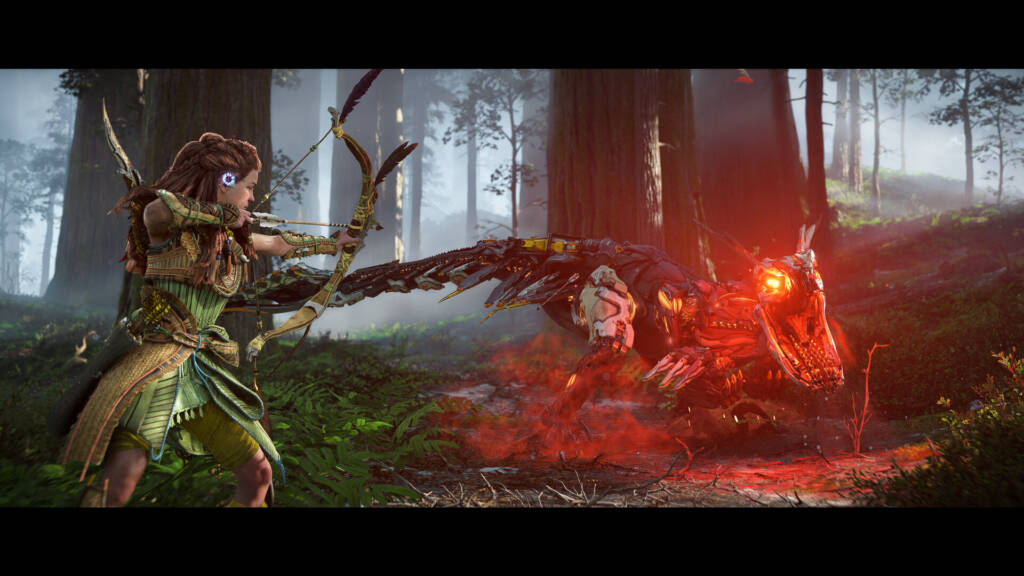
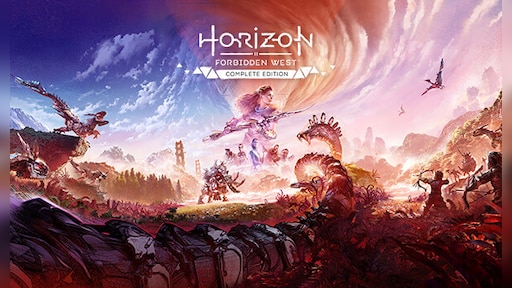
If Pragmata’s combat looks appealing to you, Horizon might feel instantly familiar once you pick up a controller.
In Horizon, you fight robotic creatures by targeting specific components. Armor plates, power cells, weapons—everything can be destroyed or disabled. Shooting blindly won’t get you far. You need to identify weak points and exploit them, often mid-fight.
That’s very close to Pragmata’s approach. Instead of hacking, Horizon uses physical targeting, but the idea is the same: break down your enemy piece by piece before going for the kill.
There’s also a subtle connection through the hacking-like mechanics. Aloy can override machines, turning them into allies or mounts. While it’s not as puzzle-based as Pragmata’s system, it reinforces the theme of interacting with technology rather than just fighting it.
Both games also encourage preparation. You scan enemies, plan your approach, and execute it carefully.
It’s not chaotic shooting. It’s controlled, deliberate combat.
Why Horizon Matches Pragmata’s Style
- Emphasis on weak points and tactical combat
- Interaction with machines through overrides and tech
- Battles that reward planning and precision
Horizon Zero Dawn Remastered
Release Date: October 31, 2024
Genres: Action-adventure
Horizon Forbidden West
Release Date: March 21, 2024
Genres: Action-adventure
Resident Evil 4 (Remake)
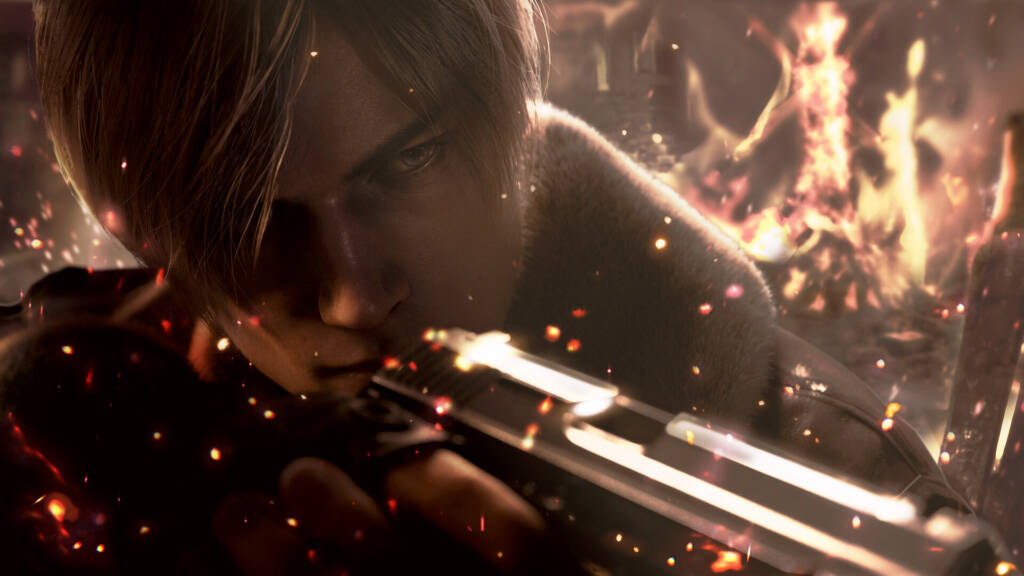
Resident Evil 4 Remake might not seem like an obvious comparison at first. But it makes a lot of sense once you look at character dynamics.
Just like Pragmata, it’s a Capcom game built around a central partnership. Leon is sometimes accompanied by Ashley, and protecting her becomes a core part of the gameplay loop. She’s not just there for story reasons. You have to keep her safe and adapt your playstyle around her.
That’s very similar to Pragmata’s setup with Diana. She’s not just a companion; she’s essential to gameplay, especially with the hacking mechanic. You’re effectively playing two roles at once: protector and operator.
However, Ashley doesn’t hold as much meaning for the gameplay of RE4 as Diana does for Pragmata.
There’s also a shared pacing philosophy. Resident Evil 4 balances action, positioning, and situational awareness. You’re always thinking about space, timing, and threats from multiple directions, something Pragmata will likely demand even more with its dual-character system.
Where RE4 Remake Aligns with Pragmata
- Strong companion-based gameplay
- Need to protect and manage another character
- Combat that blends action with positioning and awareness
Resident Evil 4 Remake
Release Date: March 24, 2023
Genres: Survival Horror
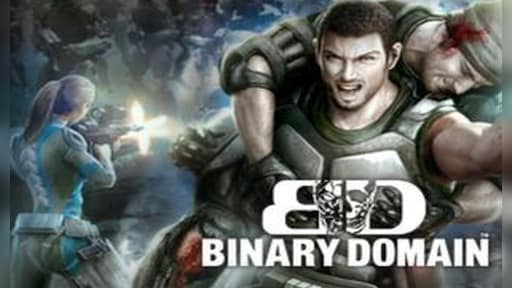
Binary Domain
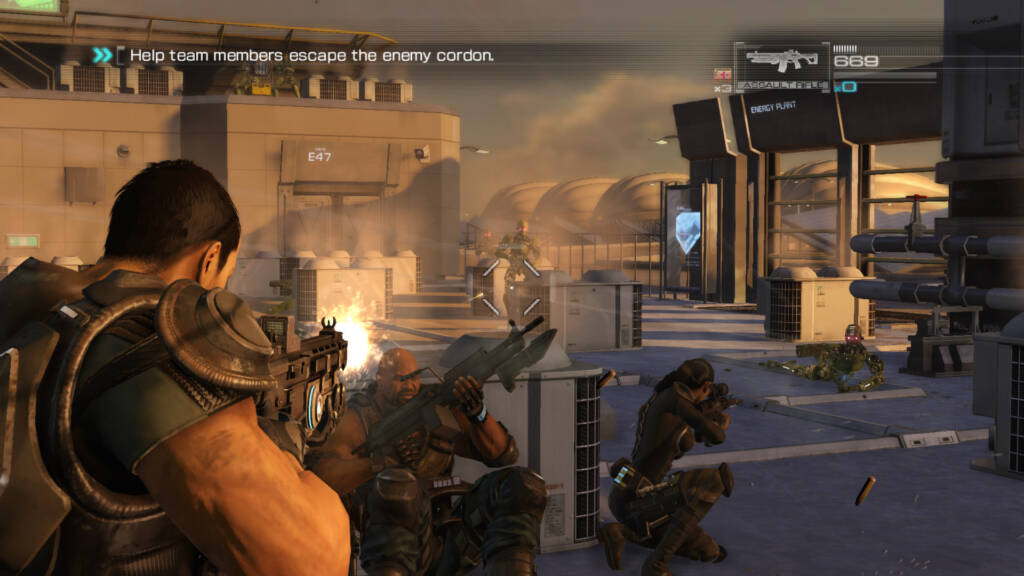
Binary Domain is one of those underrated gems that feels surprisingly ahead of its time. And very relevant when talking about Pragmata.
The game revolves around squad-based combat where you can issue commands to teammates, even using voice input. This creates a dynamic where you’re not just fighting. You’re coordinating actions across a team.
That idea lines up nicely with Pragmata’s dual-character design. While you don’t command a full squad, you still have to balance your actions with Diana’s abilities, creating a similar sense of layered gameplay.
Binary Domain also features a unique system where you install nanomachines into specific slots to enhance abilities. It’s not hacking in the same sense, but it still taps into the idea of modifying systems to gain an advantage in combat.
On top of that, both games explore themes of humanity, AI, and identity, giving them a similar narrative backbone.
Why Binary Domain Fits the Bill
- Focus on team coordination and shared combat roles
- System-based upgrades similar to tech manipulation
- Narrative themes around AI and human connection
Binary Domain
Release Date: April 26, 2012
Genres: Shooter, Puzzle
NieR: Automata
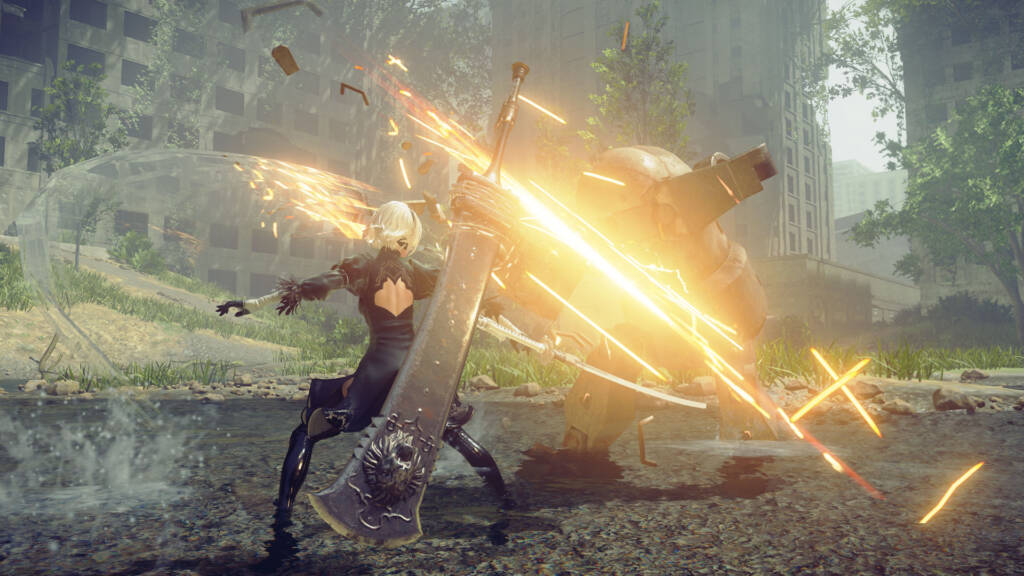
NieR: Automata is probably the closest match when it comes to tone and storytelling.
Like Pragmata, it explores the relationship between humans and androids, blending emotional storytelling with philosophical questions about identity, purpose, and consciousness. The connection between characters is central. It’s not just background flavor.
Gameplay-wise, NieR also plays with multiple systems. You have hack-based gameplay segments, especially when playing as 9S, where you dive into enemies’ systems to deal damage. It’s not identical to Pragmata’s real-time hacking puzzles, but it’s conceptually very close.
Combat in NieR is also fluid and layered. You combine melee, ranged attacks, and abilities while constantly adapting to different enemy types. It’s less about raw difficulty and more about flow and versatility, something Pragmata seems to aim for as well.
And then there’s the atmosphere. Both games lean into melancholic, sci-fi loneliness, where the world feels just as important as the characters.
What Makes NieR: Automata a Perfect Match
- Strong android-human relationship themes
- Hacking mechanics integrated into combat
- Emotional, philosophical storytelling with a sci-fi edge

NieR: Automata
Release Date: March 17, 2017
Genres: Role-playing (RPG), Hack and slash/Beat 'em up
Returnal
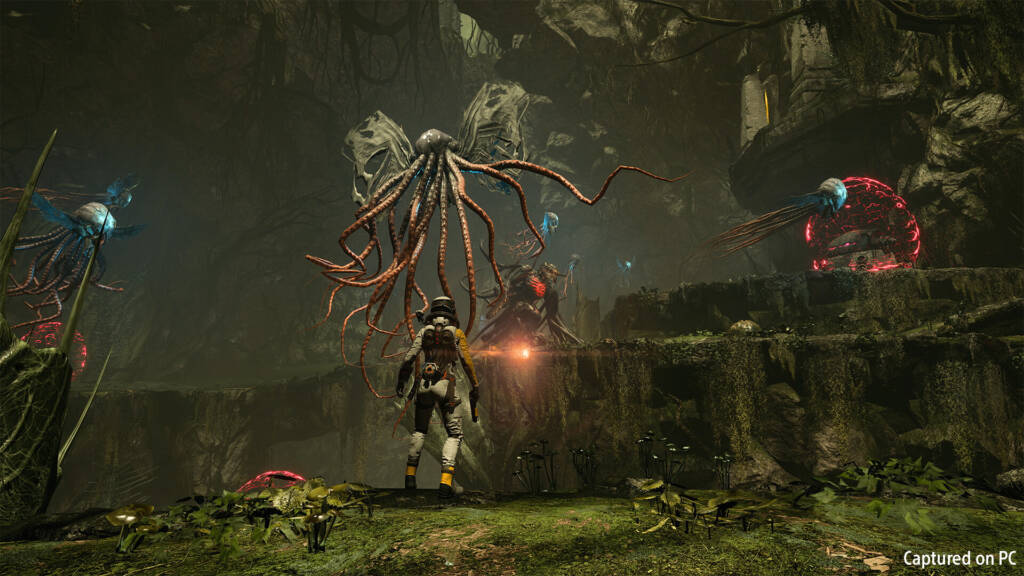
Returnal might be the most different structurally, but it absolutely nails the vibe Pragmata seems to be going for.
Set on a mysterious alien planet, Returnal is all about isolation, looping timelines, and psychological storytelling. You’re alone, trying to piece together what’s happening while surviving increasingly intense combat encounters.
The gameplay is fast and punishing, built around movement, awareness, and adapting to enemy patterns. While it doesn’t feature hacking, it shares that idea of learning enemy behaviors and exploiting openings.
Atmosphere is where the comparison really shines. Returnal’s world feels strange, hostile, and deeply mysterious, just like Pragmata’s early trailers suggest. It’s the kind of game where story and environment blend together, leaving you constantly questioning what’s real.
Returnal’s Pragmata Energy
- Strong sci-fi mystery and isolation
- Combat based on learning and adapting to enemies
- Narrative delivered through environment and atmosphere
Returnal
Release Date: February 15, 2023
Genres: Shooter
Metal Gear Rising: Revengeance
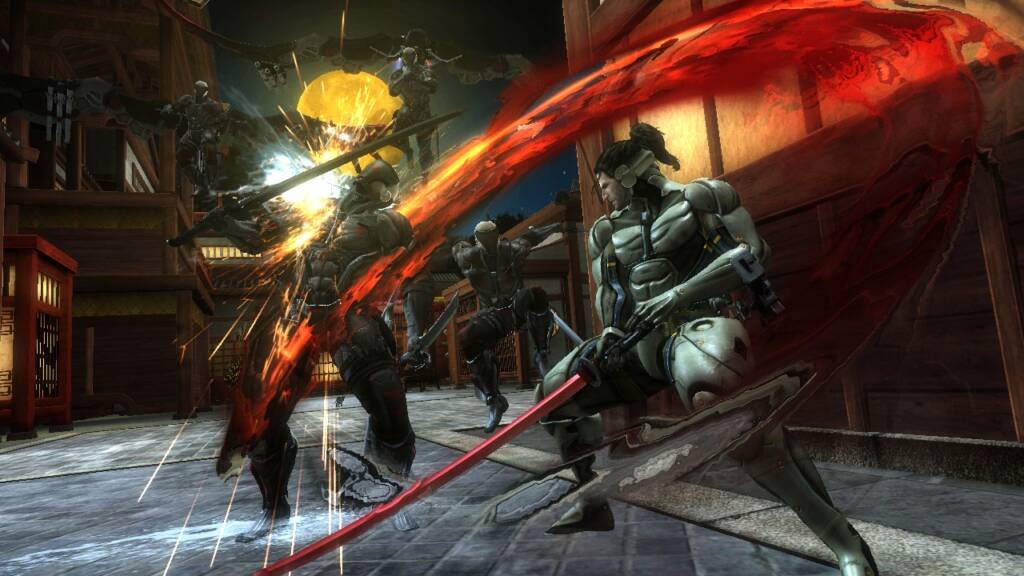
If you’re craving something more explosive and over-the-top, Metal Gear Rising: Revengeance hits a different—but still relevant—side of what Pragmata might offer.
This is a game built on pure, high-octane action, wrapped in a wildly exaggerated sci-fi narrative. Cyborg ninjas, absurd villains, and cinematic boss fights define the experience. It’s loud, flashy, and unapologetically intense—something that contrasts Pragmata’s slower pacing, but still connects through its futuristic setting and tech-driven world.
Where the comparison gets interesting is in the people behind the scenes. Yonghee Cho, who worked on animations and visual effects for Metal Gear Rising, is also the Game Director of Pragmata. That influence could absolutely show up in how Pragmata handles movement, combat feel, and visual presentation, even if the overall gameplay is more tactical.
And while Rising doesn’t feature hacking in the same structured way, it does emphasize mechanical interaction with enemies, especially through its signature Blade Mode. You’re slicing enemies apart with precision, choosing exactly where and how to strike. It’s not hacking—but it still delivers that sense of engaging with systems rather than just mashing attacks.
Ultimately, Metal Gear Rising represents the flashier, action-heavy end of the sci-fi spectrum, and gives us a glimpse of the kind of stylish flair Pragmata might carry under the hood.
Why Metal Gear Rising Connects to Pragmata
- Over-the-top sci-fi action with cinematic presentation
- Shared creative DNA via Yonghee Cho (Pragmata’s director)
- Emphasis on precision and system-based combat (Blade Mode)
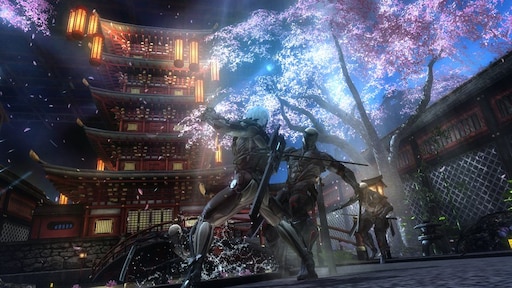
Metal Gear Rising: Revengeance
Release Date: January 09, 2014
Genres: Shooter, Strategy, Hack and slash/Beat 'em up, Adventure
Final Thoughts
Pragmata is shaping up to be something pretty unique—a mix of tactical combat, real-time hacking, and emotional storytelling wrapped in a high-concept sci-fi setting.
While no single game replicates that exact formula, the titles above each capture a piece of it:
- Dead Space and Horizon nail the combat logic
- Resident Evil 4 and Binary Domain explore companion dynamics
- NieR: Automata and Returnal bring the tone and narrative depth
If you’re waiting for Pragmata, these games are the perfect way to get a feel for what’s coming…and maybe discover a few underrated classics along the way.