

If you want one game that feels closest to The Witcher 3: Wild Hunt in 2026, start with The Blood of Dawnwalker.
It comes from a studio built around experienced RPG developers, including The Witcher 3’s game director, and carries over the things that matter most: a defined protagonist, morally messy decisions, dark European fantasy, monsters, exploration and quests that can shape the story.
After that, the answer depends on what you actually loved about Geralt’s adventure. Kingdom Come: Deliverance II is the strongest alternative for believable quests and a reactive medieval world, Cyberpunk 2077 is the obvious pick for CD Projekt RED-style storytelling, while Baldur’s Gate 3 goes even harder on choices and consequences.
Closest overall: The Blood of Dawnwalker. Best for grounded quests: Kingdom Come: Deliverance II. Best for CDPR-style writing: Cyberpunk 2077. Best for choice and consequence: Baldur’s Gate 3.
Research basis: This ranking compares each game against the parts of The Witcher 3 that define the experience rather than simply grouping together open-world RPGs. Match scores are editorial assessments based on six weighted criteria, checked against current game information and marketplace availability in October 2026.
Table of Contents
- What makes a game like The Witcher 3?
- How we calculated the match scores
- The closest games to The Witcher 3
- Pick based on what you loved most
- 1. The Blood of Dawnwalker
- 2. Kingdom Come: Deliverance II
- 3. Cyberpunk 2077
- 4. Baldur’s Gate 3
- 5. Gothic 1 Remake
- 6. Dragon Age: Inquisition
- 7. Final Fantasy VII Rebirth
- 8. Dragon’s Dogma 2
- 9. Assassin’s Creed Odyssey
- 10. The Witcher 2: Assassins of Kings
- Which game should Witcher 3 fans play first?
What makes a game like The Witcher 3?
Calling something an open-world fantasy RPG is not enough. Plenty of games have swords, skill trees and maps full of question marks without feeling anything like Wild Hunt.
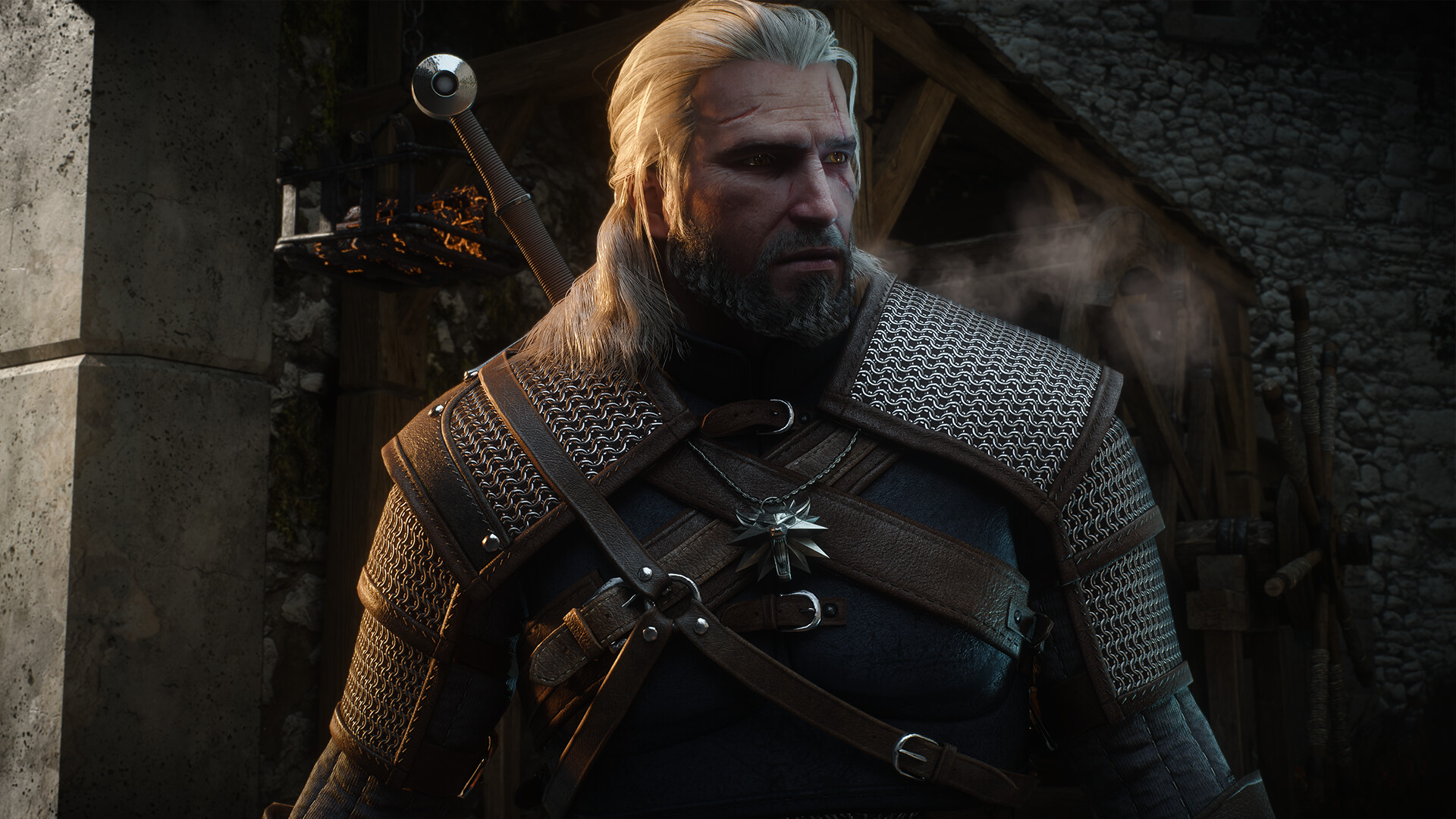
The Witcher 3 works because several systems reinforce one another. Geralt is a defined character rather than an empty avatar. Side quests often have enough writing to feel like short stories. Choices can create uncomfortable consequences. The world mixes political problems with supernatural folklore, and even a simple monster contract can turn into something much more complicated than “kill creature, collect reward.”
How we calculated the match scores
Each game was assessed from 0 to 5 in each of the six categories above. The scores were then weighted according to how important that trait is to the overall Witcher 3 experience and converted into a percentage.
The score is not meant to suggest mathematical certainty. It is a transparent editorial tool. A game can rank highly because it reproduces The Witcher 3’s storytelling and decision-making even if its combat or setting is completely different. Likewise, a fantasy game with excellent sword fighting can rank lower if it lacks strong quests and characters.
The closest games to The Witcher 3
| Game | Match | Strongest overlap | Biggest difference | G2A.COM |
|---|---|---|---|---|
| The Blood of Dawnwalker | 94% | Dark fantasy, choices, Witcher development lineage | Day/night vampire structure and time pressure | Check offer |
| Kingdom Come: Deliverance II | 91% | Quests, consequences, authored protagonist | Historical realism, no monsters or magic | Check offer |
| Cyberpunk 2077 | 90% | CDPR quest writing and characters | First-person science fiction | Check offer |
| Baldur’s Gate 3 | 88% | Choice, consequence and character relationships | Turn-based party combat | Check offer |
| Gothic 1 Remake | 85% | Reactive European RPG world | Harsher, more old-school structure | Check offer |
| Dragon Age: Inquisition | 83% | Companions, politics, fantasy choices | Party-driven structure and weaker open-world filler | Check offer |
| Final Fantasy VII Rebirth | 81% | Characters, exploration and action RPG combat | Much more linear main narrative | Check offer |
| Dragon’s Dogma 2 | 79% | Monster fights and dangerous exploration | Story is far less central | Check offer |
| Assassin’s Creed Odyssey | 77% | Third-person open-world adventuring | More checklist-driven quest structure | Check offer |
| The Witcher 2: Assassins of Kings | 76% | Geralt, politics and hard choices | Far less open and more linear | Check offer |
Pick based on what you loved most in The Witcher 3
1. The Blood of Dawnwalker 94% match
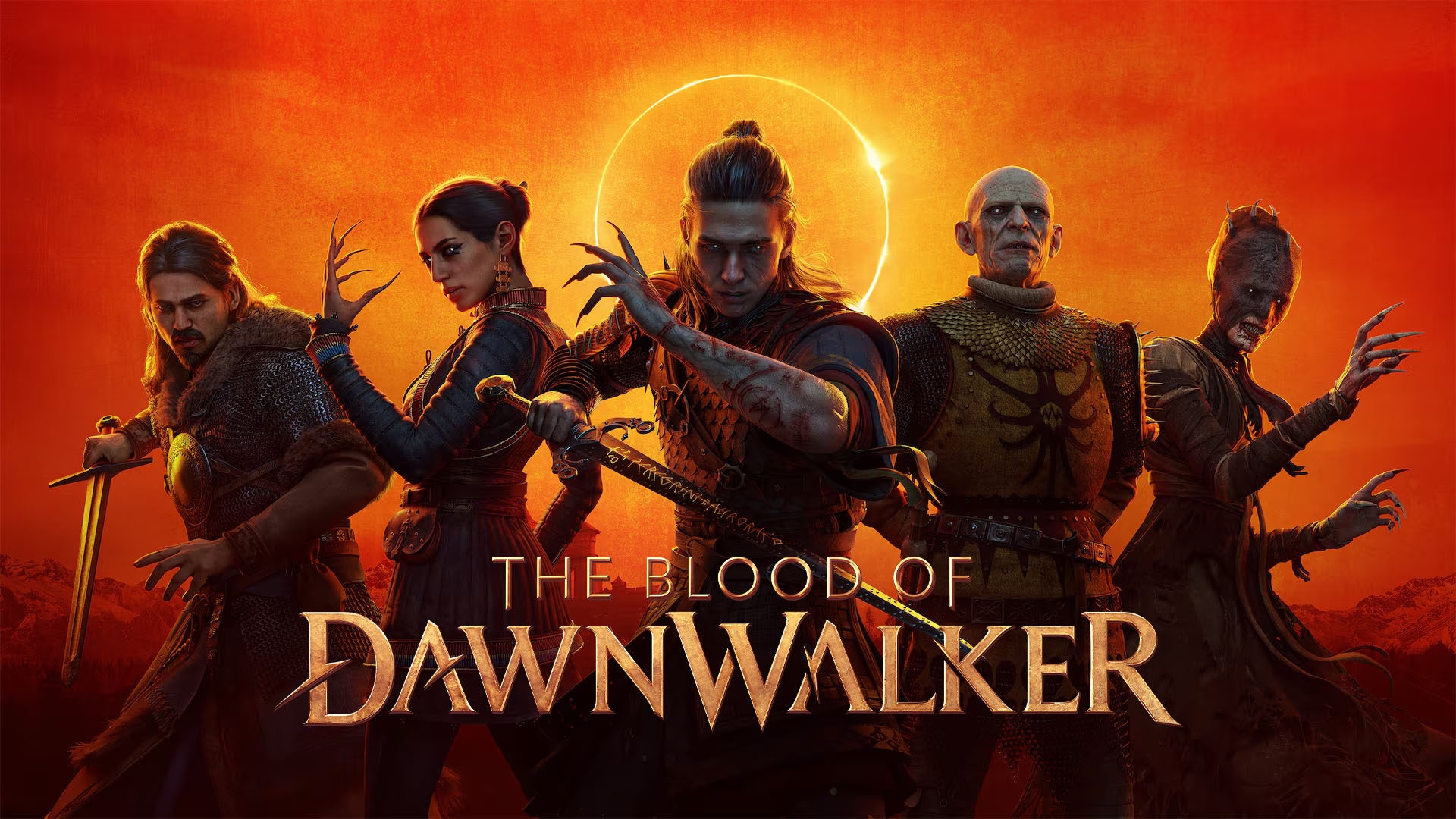
No game on this list has a stronger claim to being the next stop after Wild Hunt. The Blood of Dawnwalker comes from Rebel Wolves, a studio co-founded by The Witcher 3 game director Konrad Tomaszkiewicz, and that lineage shows in what the game prioritizes.

You play Coen in a dark version of 14th-century Europe, navigating a world of vampires, human conflict, fragile alliances and choices that determine how his story develops. There is no clean divide between a huge main quest and disposable side content. Time itself becomes a resource, and whether you operate as a human by day or embrace vampiric powers at night changes both your abilities and your options.
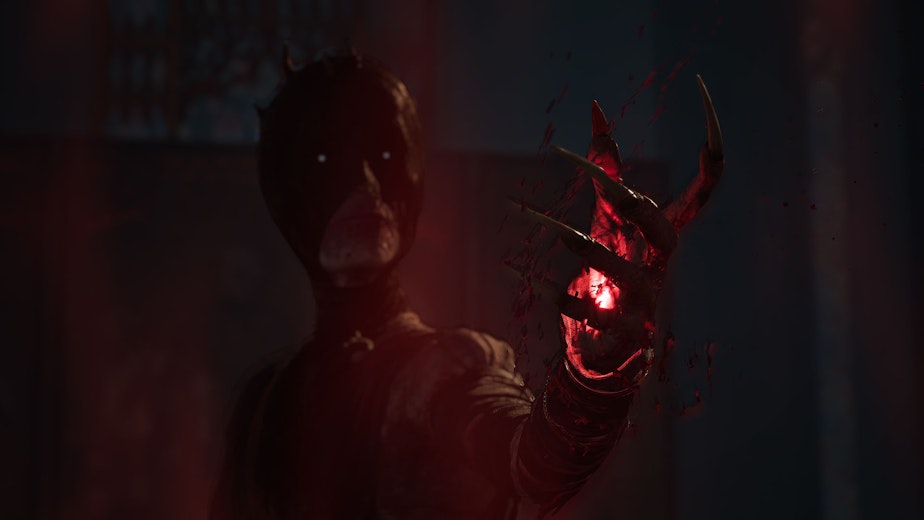
Image credit: Rebel Wolves
2. Kingdom Come: Deliverance II 91% match
Take away Geralt’s Signs, monsters and fantasy creatures and you get surprisingly close to the parts of The Witcher 3 that often stick with people longest. Kingdom Come: Deliverance II excels at turning ordinary people, local politics and small decisions into memorable RPG stories.

Henry is a defined protagonist with history, relationships and a place in the world. Quests often support several approaches, NPCs react to what you do, and the medieval setting feels like a society rather than a backdrop. It is the closest game here to Wild Hunt’s talent for making a village argument feel as important as the main plot.


3. Cyberpunk 2077 90% match
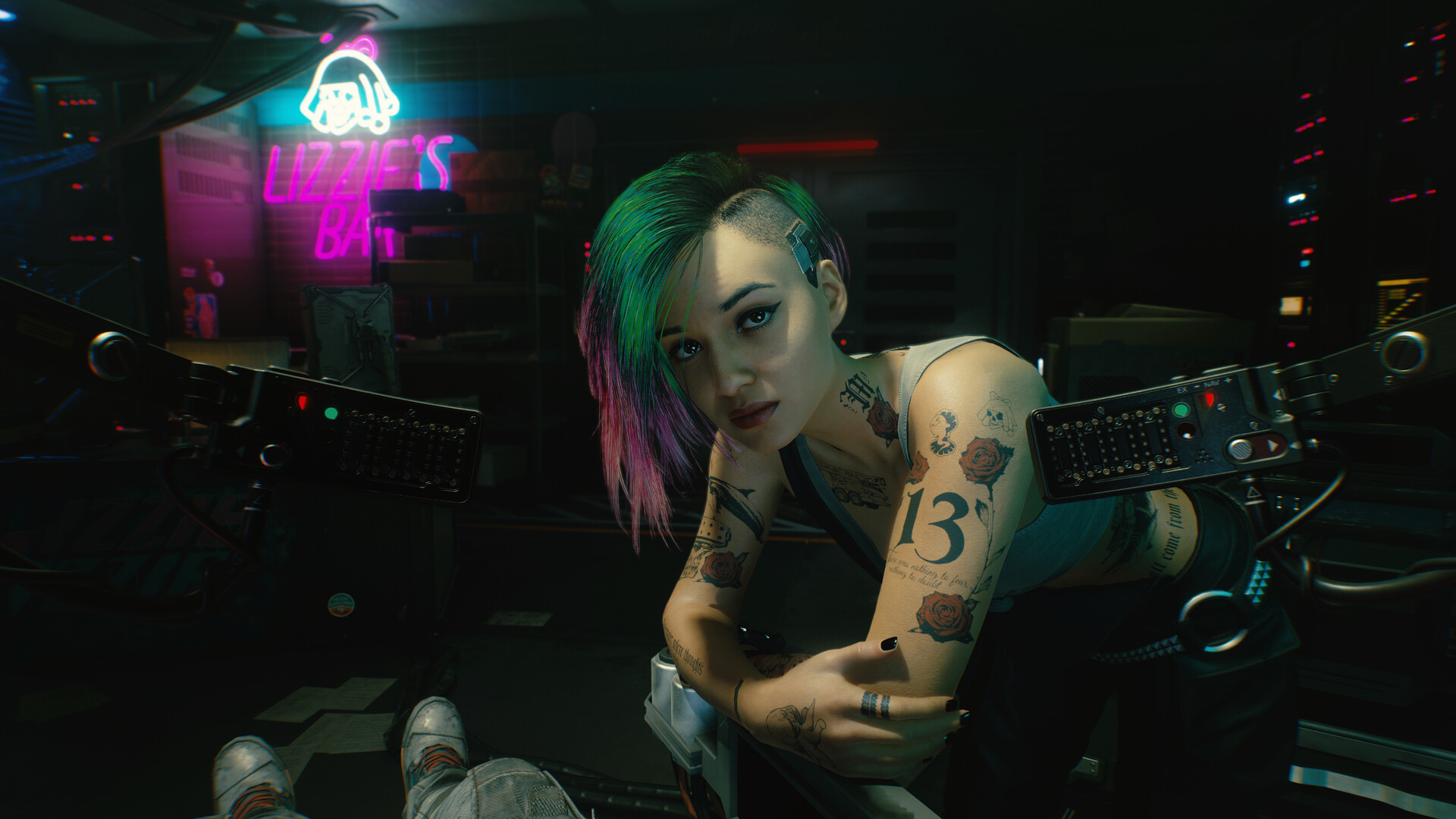
Cyberpunk 2077 looks like the odd one out until you ignore the neon signs and look at how the game actually tells stories. The CD Projekt RED DNA is everywhere: major side characters receive long narrative arcs, apparently simple jobs escalate into much bigger problems, and choices can return much later in ways that are not always obvious when you make them.
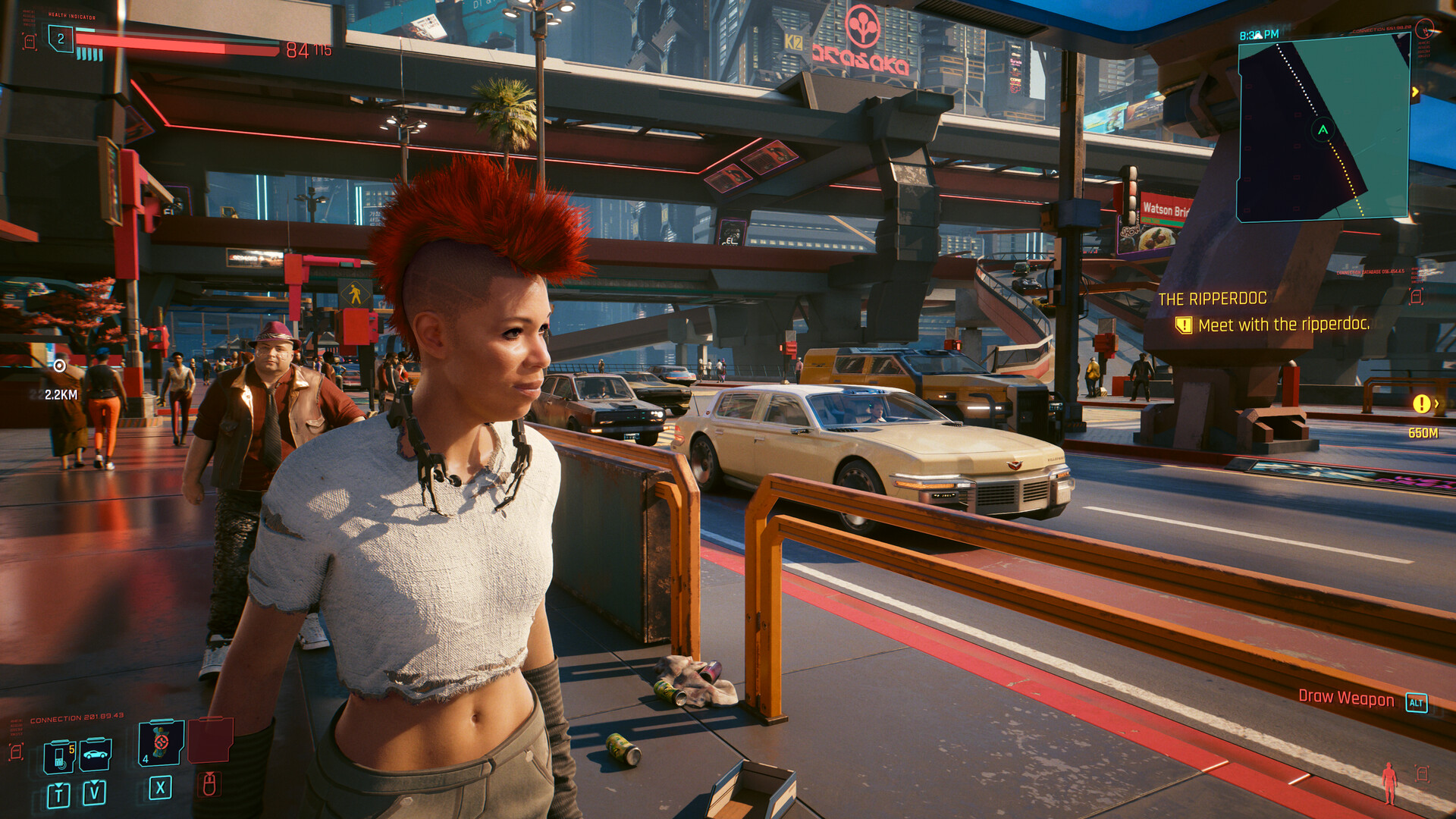
V fills a similar role to Geralt as a protagonist with a clear identity who still leaves plenty of room for player choice. Night City is obviously nothing like Velen, but the feeling of following one thread and accidentally disappearing into a three-hour side story is very familiar. Our Cyberpunk 2077 endings guide also shows how far some of those decisions can reach.
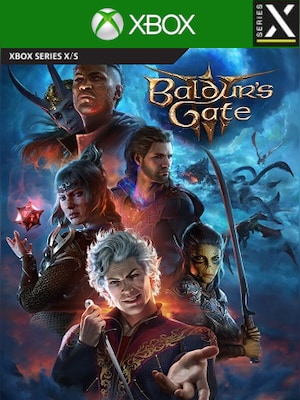
4. Baldur’s Gate 3 88% match
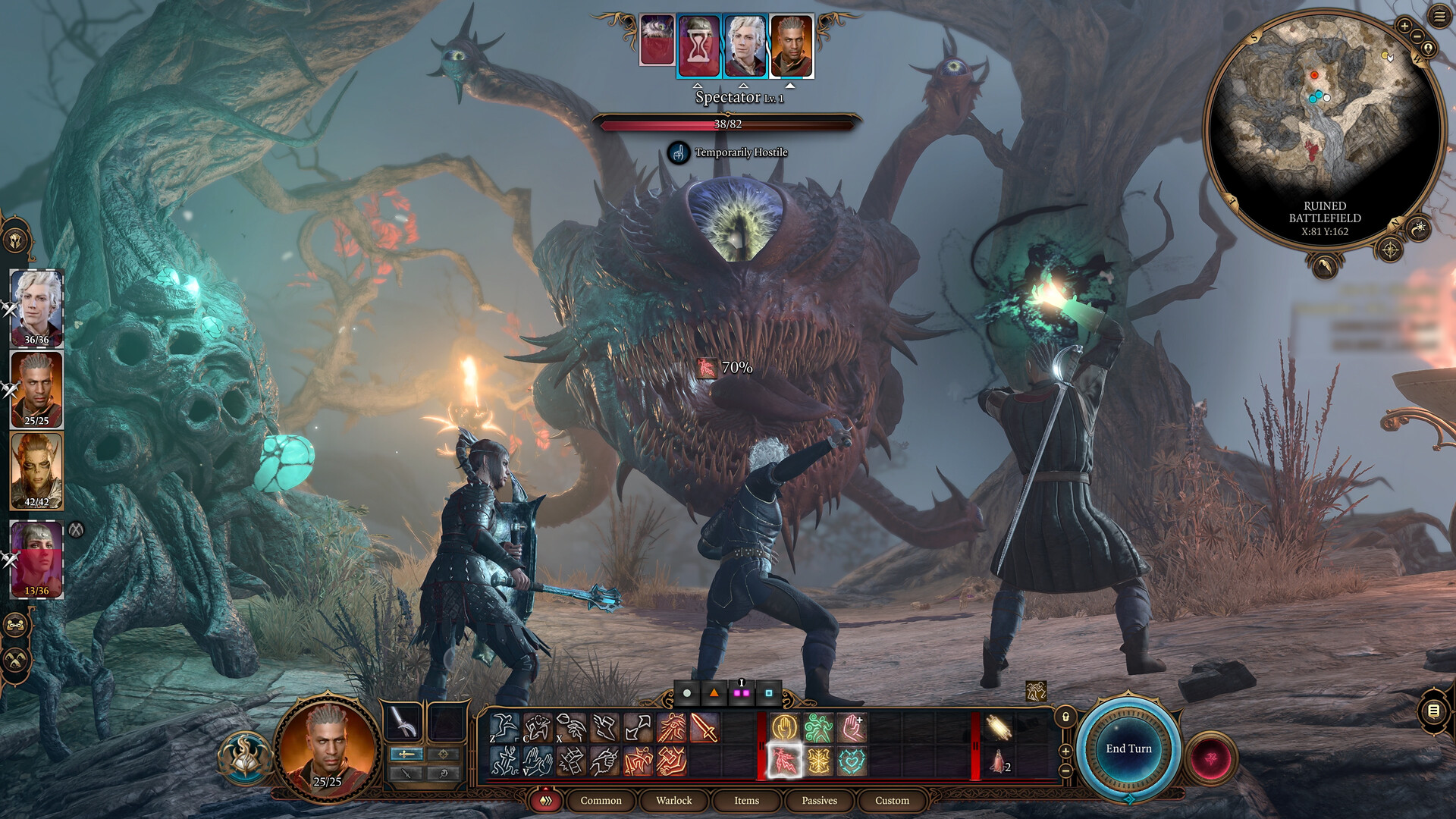
If your favorite Witcher 3 memories are quests like The Bloody Baron, where there rarely seems to be a clean answer and every solution creates a new problem, Baldur’s Gate 3 should be near the top of your list.
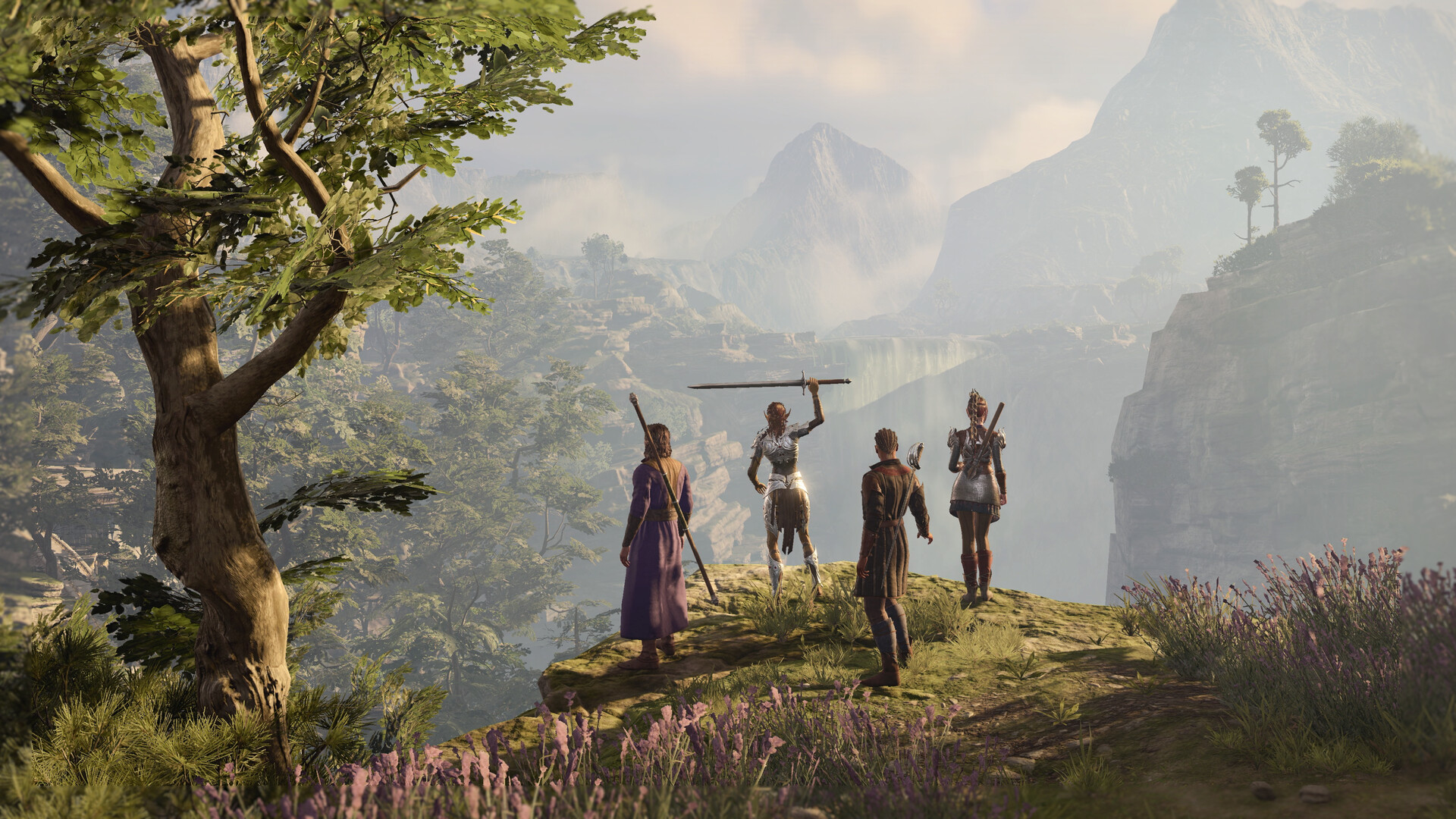
Larian’s RPG gives the player much more systemic freedom than Wild Hunt, and its companions can react dramatically to what you do. Characters can become allies, enemies, lovers or casualties depending on your decisions. The result is less like playing Geralt’s authored story and more like directing an unpredictable fantasy campaign, but the obsession with consequences is very much compatible with what makes The Witcher 3 special.
5. Gothic 1 Remake 85% match
Gothic 1 Remake is here for a different reason than most modern open-world RPGs. Its strongest similarity is the sense that the world exists independently of the player. NPCs have routines, factions matter, dangerous areas are genuinely dangerous, and exploration often feels like entering somewhere you probably should not be yet.

The Colony is smaller than Wild Hunt’s enormous map, but it is more densely interconnected. That makes Gothic a particularly good fit for Witcher players who value atmosphere, local politics and the distinctly Central European style of RPG design. If you’re heading in for the first time, our Gothic 1 Remake tips will make the first hours much less brutal.
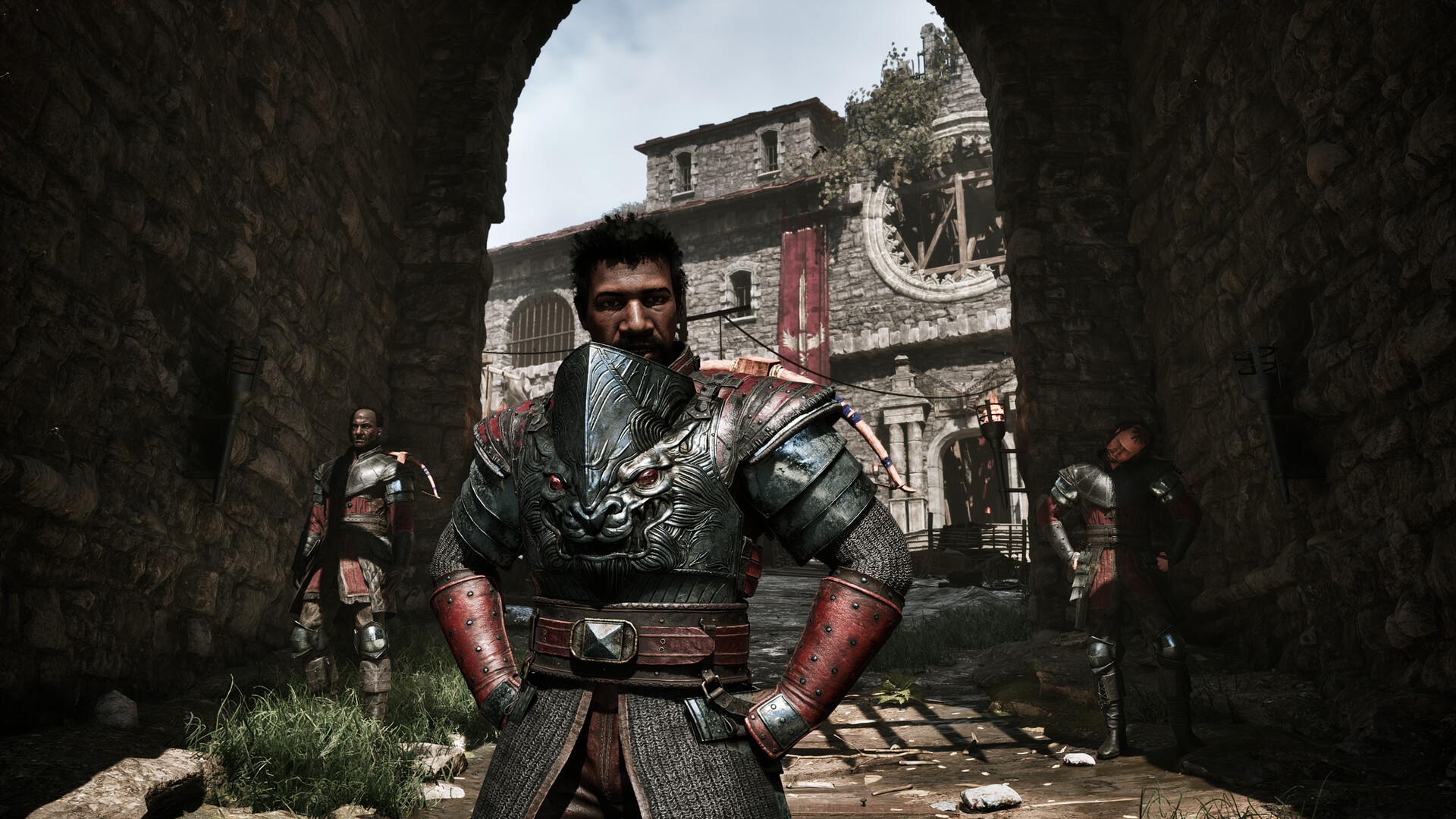
Image credit: Alkimia Interactive / THQ Nordic
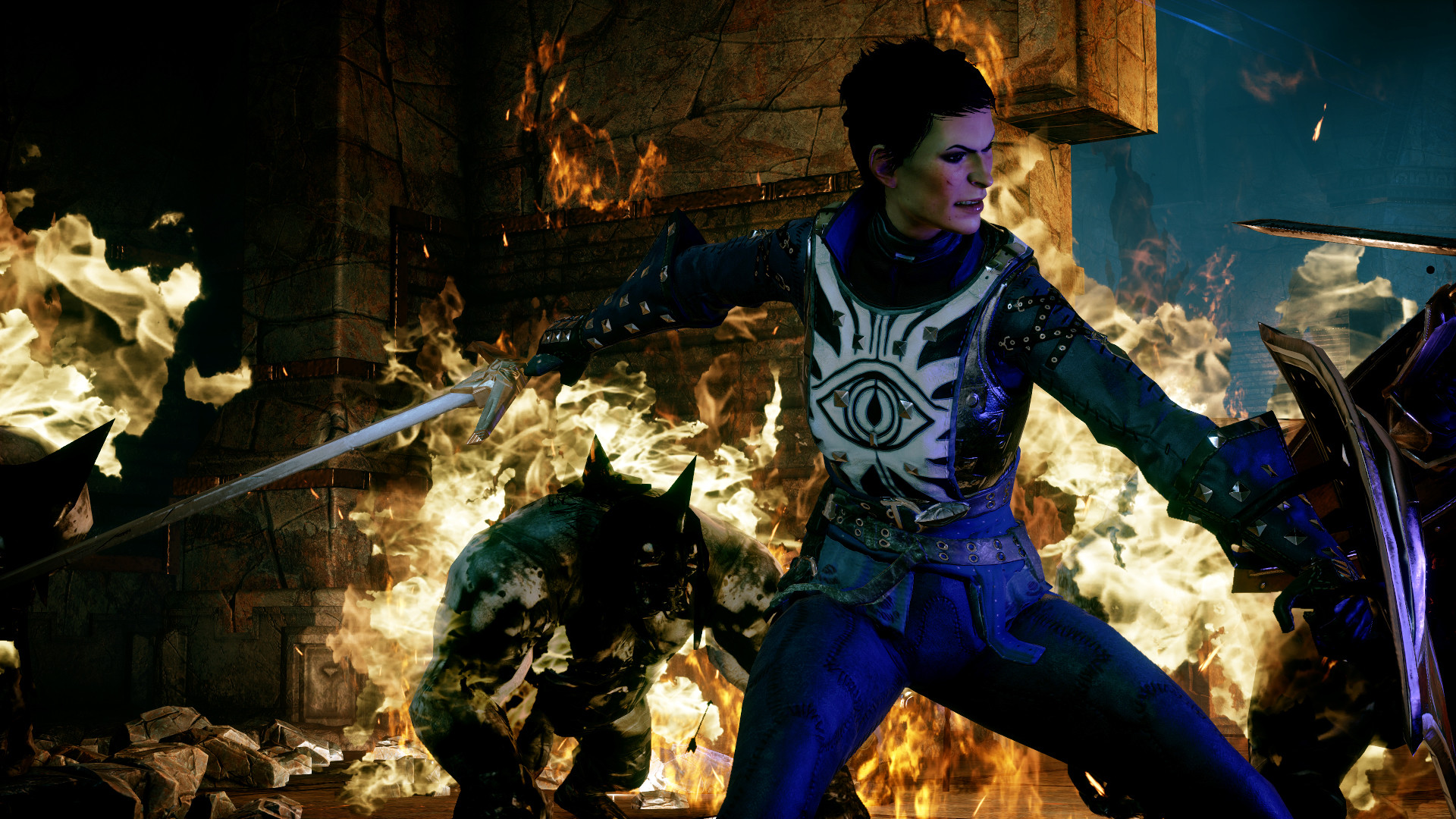
6. Dragon Age: Inquisition 83% match
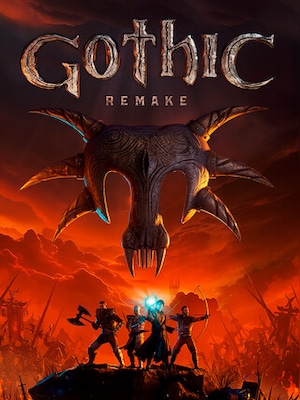
Dragon Age: Inquisition approaches fantasy from a more party-driven angle, but it scratches several of the same narrative itches.
Politics, religion, war, romance and competing factions all matter, while your companions bring their own loyalties and problems into the story.
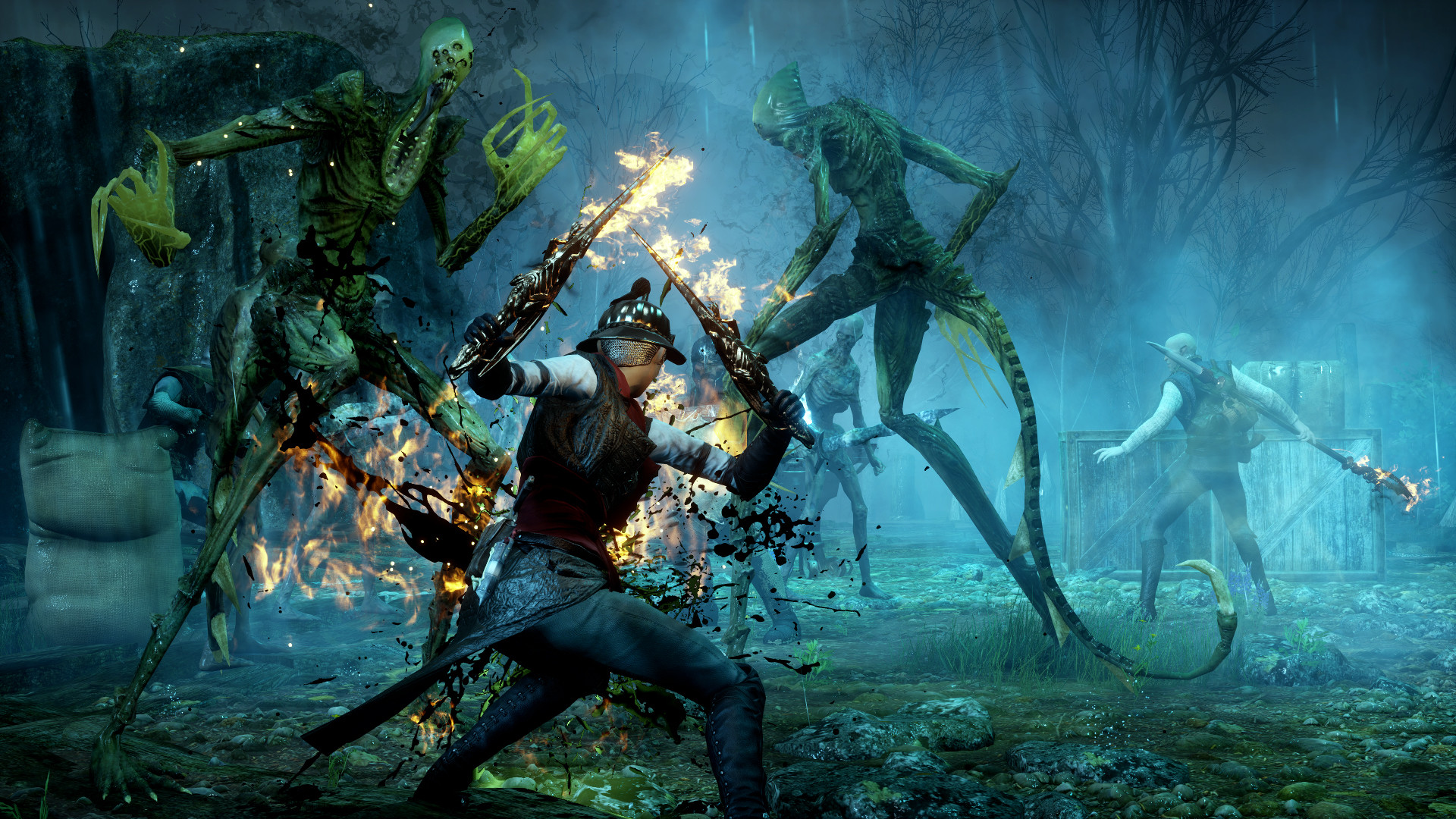
Where it falls behind The Witcher 3 is consistency. Its best character and story material is excellent, but some of its large areas lean more heavily on activities and collection tasks. If you focus on the companions, major quests and faction decisions rather than clearing every icon, the overlap becomes much stronger.
7. Final Fantasy VII Rebirth 81% match
Final Fantasy VII Rebirth is not the first game that usually appears in a Witcher 3 alternatives list, and that is exactly why it is worth considering. Both games center on a recognizable protagonist surrounded by a strong cast, then use large explorable regions to create space between major story beats.

Cloud’s journey is much more tightly authored than Geralt’s and the story offers far less branching, but Rebirth compensates with excellent party chemistry, extensive side content and one of the strongest action-RPG combat systems on this list. Our Final Fantasy VII Remake and Rebirth buying guide covers the current editions in more detail.
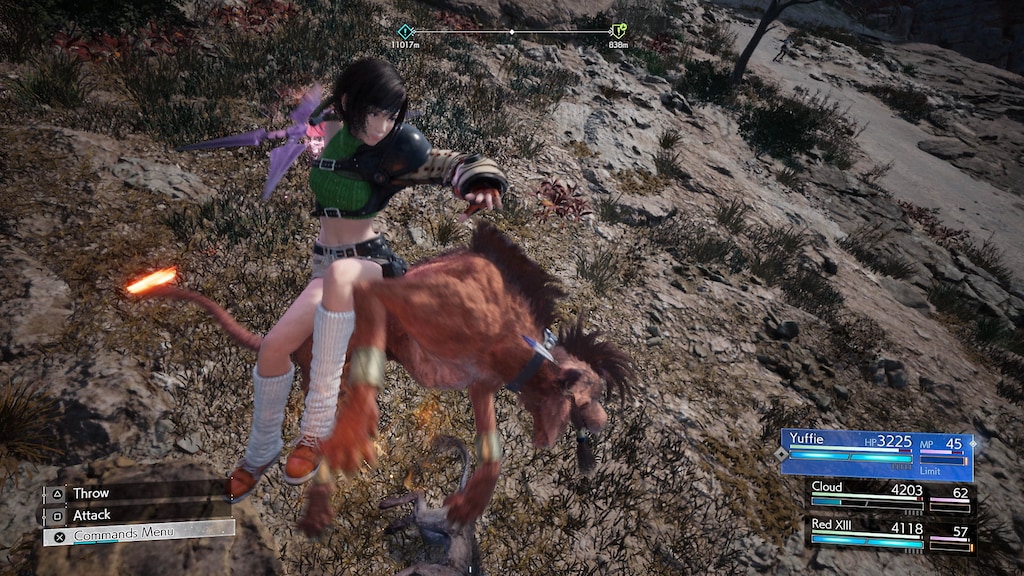
Image credit: Square Enix
8. Dragon’s Dogma 2 79% match
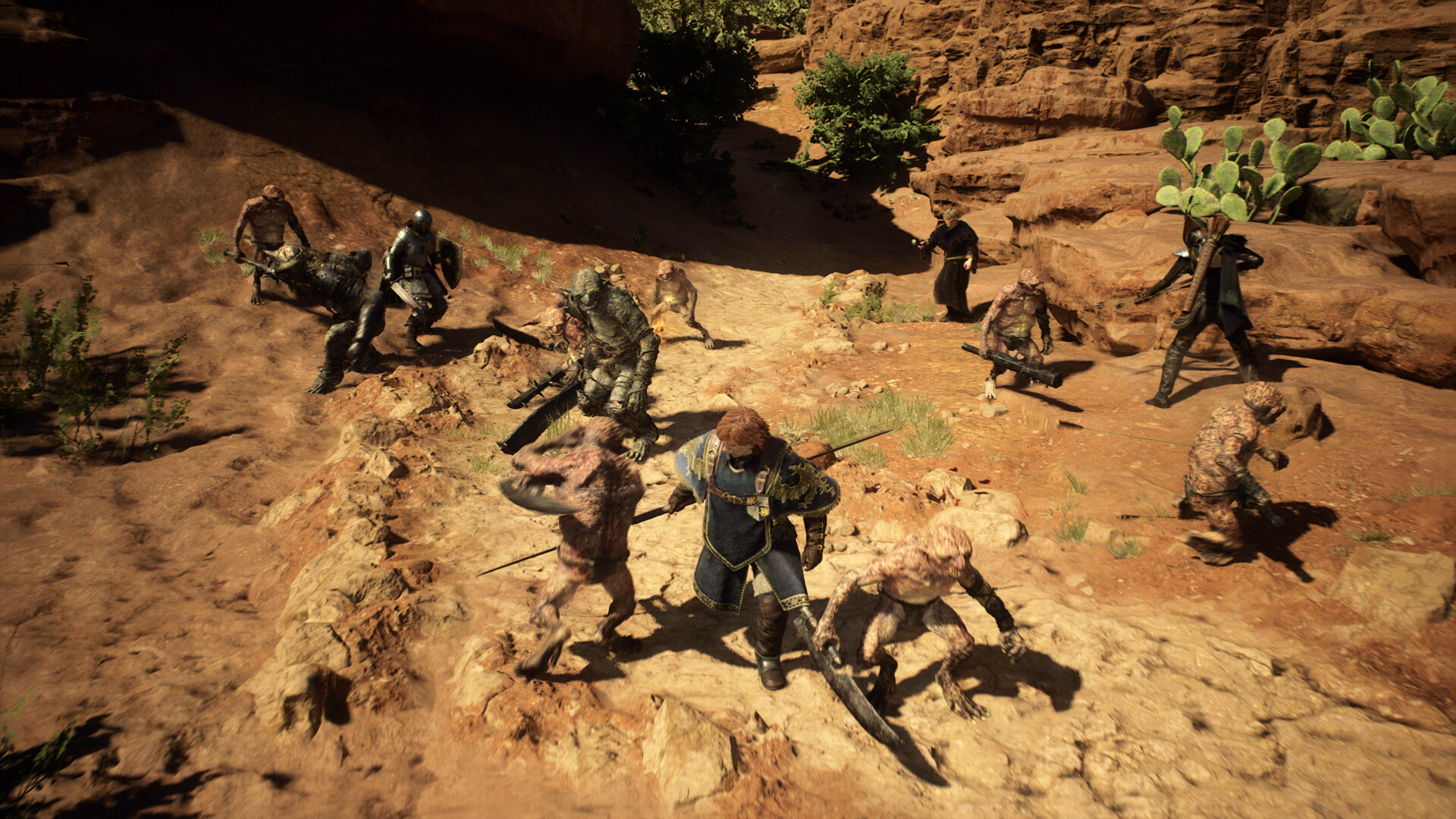
Dragon’s Dogma 2 is the recommendation for anyone whose favorite part of being a witcher was preparing for something enormous and unpleasant, then climbing into a fight that immediately stops going according to plan.
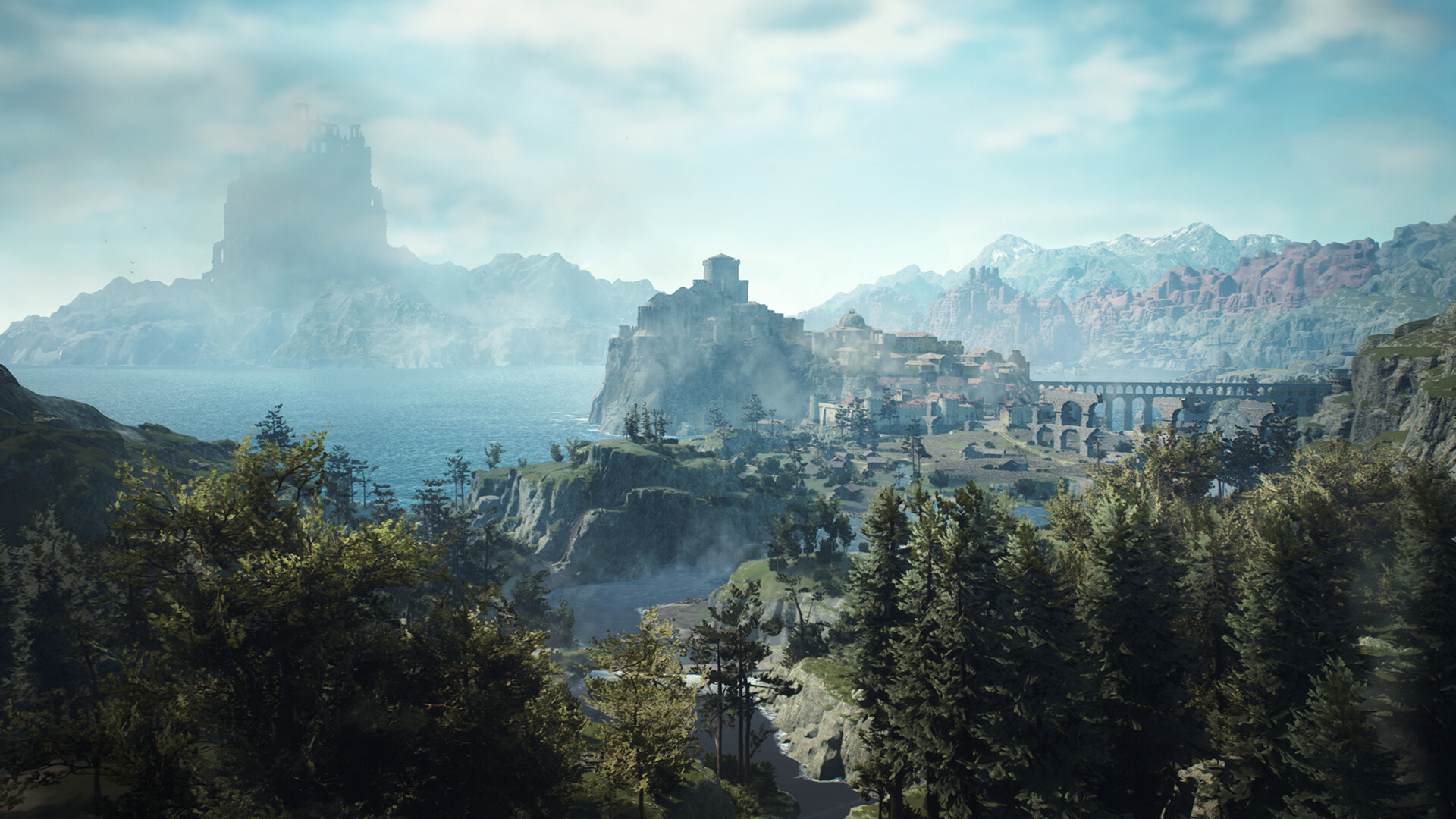
Its monsters are more systemic than Witcher contracts. Griffins can interrupt journeys, giant creatures react physically to attacks and the world frequently creates unscripted encounters while you travel. The Pawn system also makes every expedition feel different. What it does not provide at the same level is Wild Hunt’s dense quest writing.
9. Assassin’s Creed Odyssey 77% match
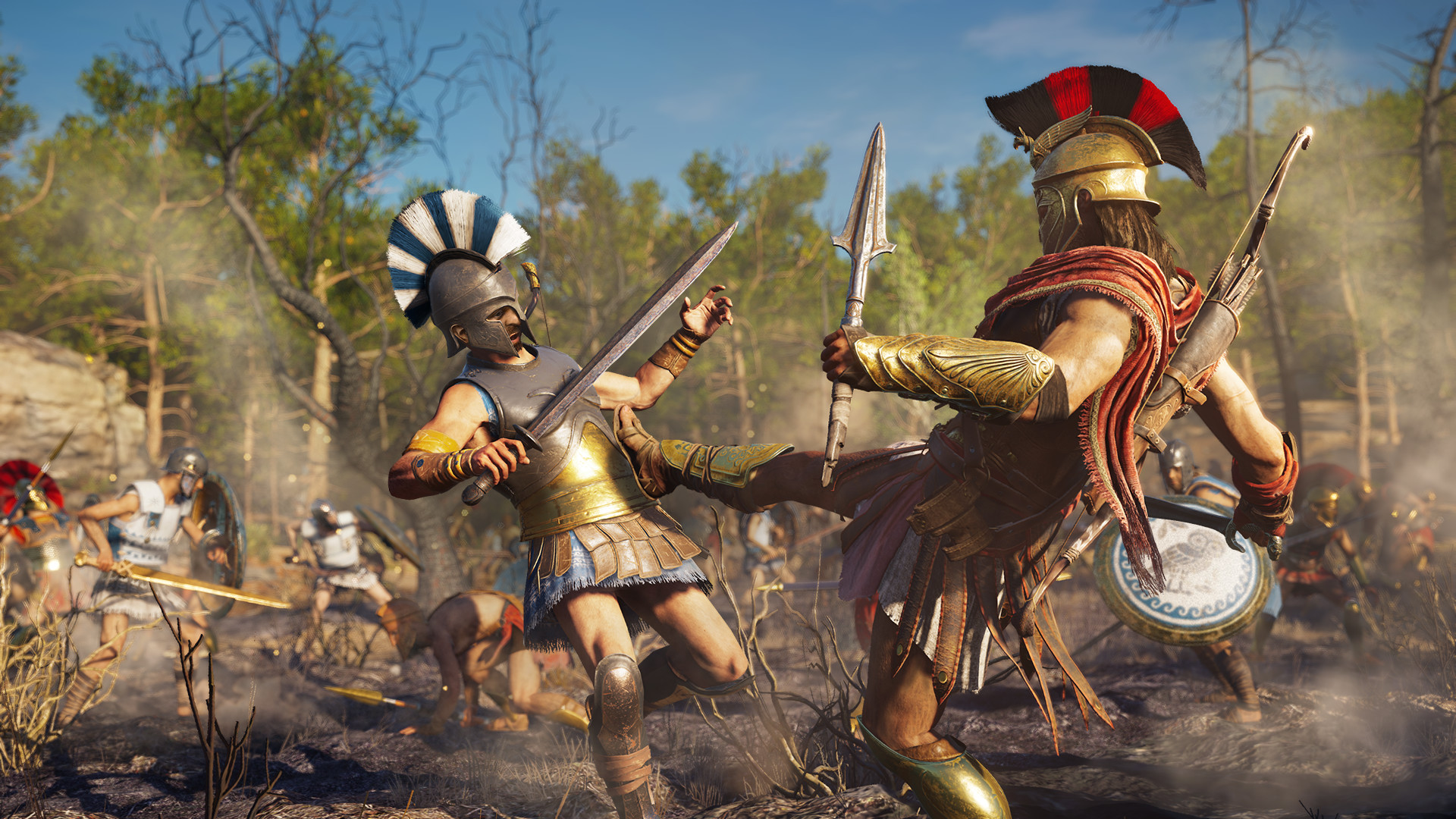
Assassin’s Creed Odyssey is probably the easiest transition on this list if what you want is another enormous third-person adventure with quests, dialogue choices, gear, ability builds and a world you can spend weeks exploring.
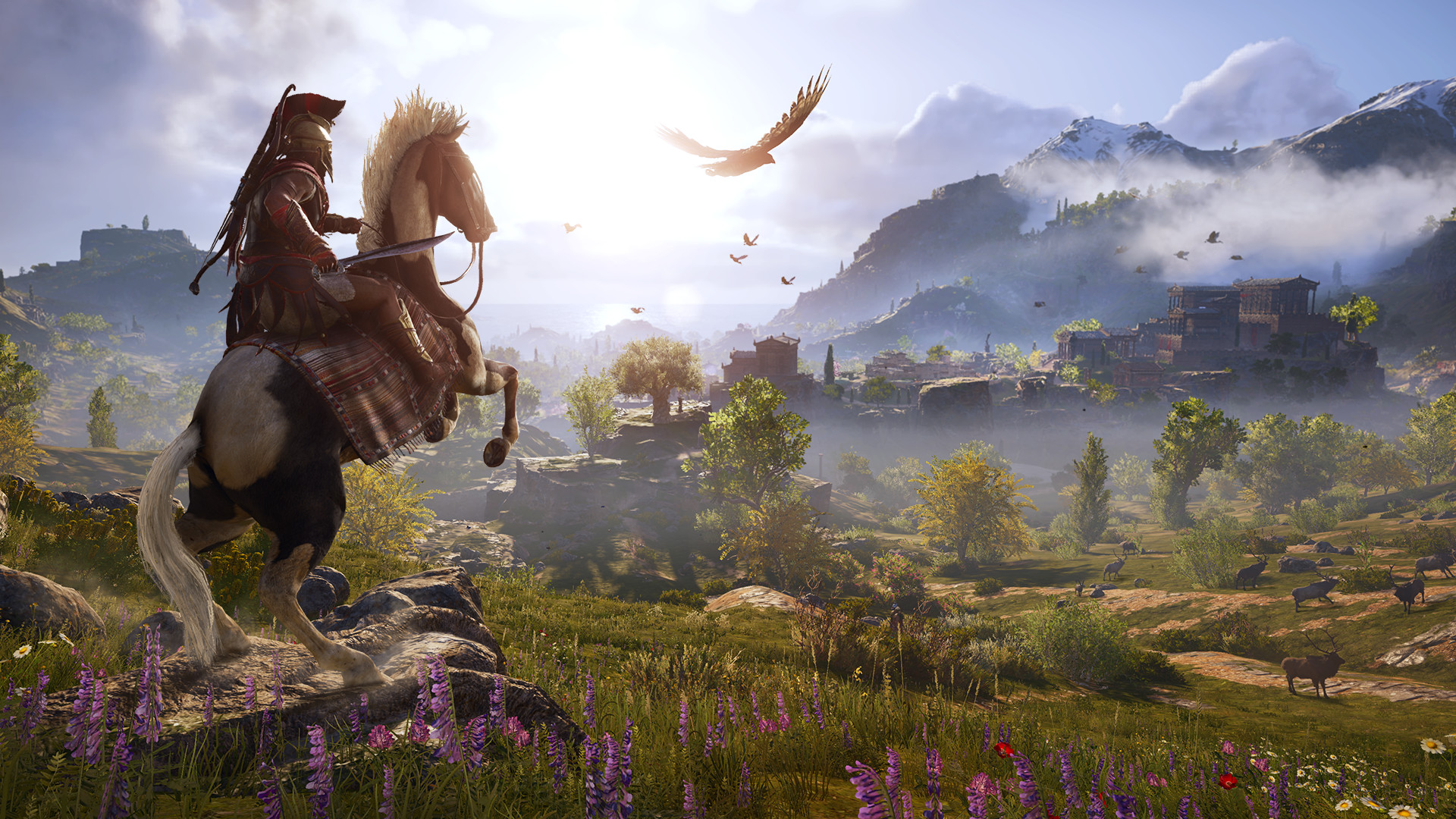
Kassandra is also a stronger fit for a Witcher fan than a completely blank RPG avatar because she has a recognizable personality and personal history. The trade-off is content density. Odyssey offers much more map-clearing and repeated activity design, while The Witcher 3 generally does a better job of making side quests feel individually authored.
10. The Witcher 2: Assassins of Kings 76% match
Putting another Witcher game at the bottom might look strange, but the score measures similarity to the experience of Wild Hunt rather than lore alone.
The Witcher 2 obviously gives you Geralt, familiar characters, monsters, kingdoms and CD Projekt RED’s appetite for difficult political decisions. What it does not give you is Wild Hunt’s huge open-world freedom.

In some ways its choice structure is actually more dramatic. A major decision can send you down a substantially different path through the campaign. If you’ve only ever played Wild Hunt, that alone makes Assassins of Kings worth revisiting. Our Witcher 2 save guide for The Witcher 3 also explains how some of those choices carry forward.

Which game should Witcher 3 fans play first?
The Blood of Dawnwalker is the closest overall recommendation. It is not a copy of Wild Hunt, and its day-and-night powers plus limited-time narrative structure give it a clear identity of its own. But no other current RPG combines Witcher development lineage, dark European fantasy, open-world exploration, monsters and consequence-driven storytelling quite so directly.
If you care more about grounded quest design than fantasy, go with Kingdom Come: Deliverance II. If what you actually miss is CD Projekt RED’s way of writing characters and long side stories, choose Cyberpunk 2077. And if the thing you want most is to push choice and consequence much further than Wild Hunt ever did, Baldur’s Gate 3 is the strongest alternative.
Compare your next RPG on G2A.COM
Every game in the comparison above is linked directly to a current G2A.COM marketplace page. Compare the live offers, pick the RPG that matches the part of The Witcher 3 you miss most and check what makes sense for your platform and budget.
Save more with G2A Plus
G2A Plus members collect Plus Points when shopping on G2A.COM, with every 100 Plus Points worth €1 toward future orders. Plus Premium can also add member pricing of up to 10% off eligible items, higher discount codes, gaming rewards and priority post-purchase assistance.
Games like The Witcher 3 FAQ
Is The Blood of Dawnwalker made by The Witcher 3 developers?
It is developed by Rebel Wolves rather than CD Projekt RED, but the connection is substantial. The studio was co-founded by The Witcher 3 game director Konrad Tomaszkiewicz and includes experienced developers who previously worked on The Witcher series and other major RPGs.
What is the closest game to The Witcher 3?
Our closest overall pick is The Blood of Dawnwalker. Kingdom Come: Deliverance II is the strongest alternative for quest design and a believable medieval world, while Cyberpunk 2077 is closest to CD Projekt RED’s narrative style.
Do you need to play The Witcher 2 before The Witcher 3?
No. Wild Hunt explains enough for new players to follow Geralt’s story. The Witcher 2 is still worth playing if you want more political context, returning characters and a better understanding of several choices referenced in the third game.
More RPG and Witcher reading
- The Blood of Dawnwalker has a lot to offer The Witcher 3 fans
- Why Kingdom Come: Deliverance II is a medieval RPG worth playing
- Best tips for Gothic 1 Remake
- How to get Final Fantasy VII Remake and Rebirth cheaper
- Should you simulate a Witcher 2 save in The Witcher 3?
- The Witcher video game series explained