





An immersive sim, at least by the definition I am using here, is a first-person game built around interacting systems, meaningful player freedom, reusable tools, and spaces that let you solve problems in more than one believable way. The important word is not just “sim.” It is “immersive.” You should feel like you are standing inside a place whose doors, lights, bodies, machines, weapons, hazards, vents, security systems, and sometimes people can be understood and manipulated.
That makes the family broader than Thief, Deus Ex, System Shock, Dishonored, and Prey, but narrower than “any game with choices.” And with RetroSpace finally launching on October 1, 2026, this is a good time to draw that line again. Its released systems put it firmly in the conversation, not because somebody attached an Immersive Sim tag to the store page, but because Aurora 5 is designed around alternate routes, interacting systems, environmental tricks, different approaches, and player-driven problem solving.
The short version: systems and choice are only half of an immersive sim. The best ones also make their worlds feel physical, readable, and tangible enough that you want to touch things, move things, break things, climb through things, and see whether the game understands your stupid idea.
- What actually makes a game an immersive sim?
- Why embodiment matters
- System Shock, Thief, and Deus Ex build the foundation
- Dishonored and Prey make the toolbox louder
- Ctrl Alt Ego, Cruelty Squad, and Consortium stretch the definition
- Indiana Jones takes immersive-sim ideas mainstream
- Thick as Thieves brings the light gem back
- RetroSpace is the 2026 test case
- What comes next for immersive sims?
- Where to start on G2A.COM
- Related G2A News articles
- Immersive sim FAQ
- The genre survives when the plan breaks
What actually makes a game an immersive sim?
The label has always been annoyingly slippery. That is partly what makes talking about immersive sims fun. They can be stealth games, RPGs, shooters, horror games, adventure games, or some mutant combination of the lot. What connects them is not a single combat system or setting. It is a philosophy about how the player and the world are allowed to interact.
For this guide, I am deliberately using a fairly strict definition. I want the following things to matter:
| Trait | What I mean by it |
|---|---|
| Interacting systems | Rules should affect one another instead of existing as isolated scripted mechanics. |
| Multiple viable solutions | Objectives should survive the player approaching them in ways the designer did not explicitly prescribe. |
| Reusable tools | A gadget, weapon, power, body, or environmental object should ideally solve more than one kind of problem. |
| Readable spaces | Exploration should reveal alternate routes, vulnerabilities, shortcuts, hiding places, hazards, or opportunities. |
| Embodiment | First-person presence, body awareness, physical interaction, and a sense that you actually occupy the world. |
| Emergence | The rules should occasionally collide in ways that create stories the game never needed to script. |
That does not mean more systems automatically make a better game. Quite the opposite. A focused set of rules that you understand and trust is more useful than fifty mechanics that barely acknowledge one another.
Why embodiment matters
First-person perspective is not universally considered mandatory for an immersive sim. For this guide, however, it matters. Not because I want to play genre police, but because physical presence changes how you think about a space.
There is a difference between knowing that a crate is an interactive gameplay element and standing in front of a crate, grabbing it, moving it, climbing on it, discovering something behind it, or throwing it at the nearest unfortunate guard because the game never told you not to.
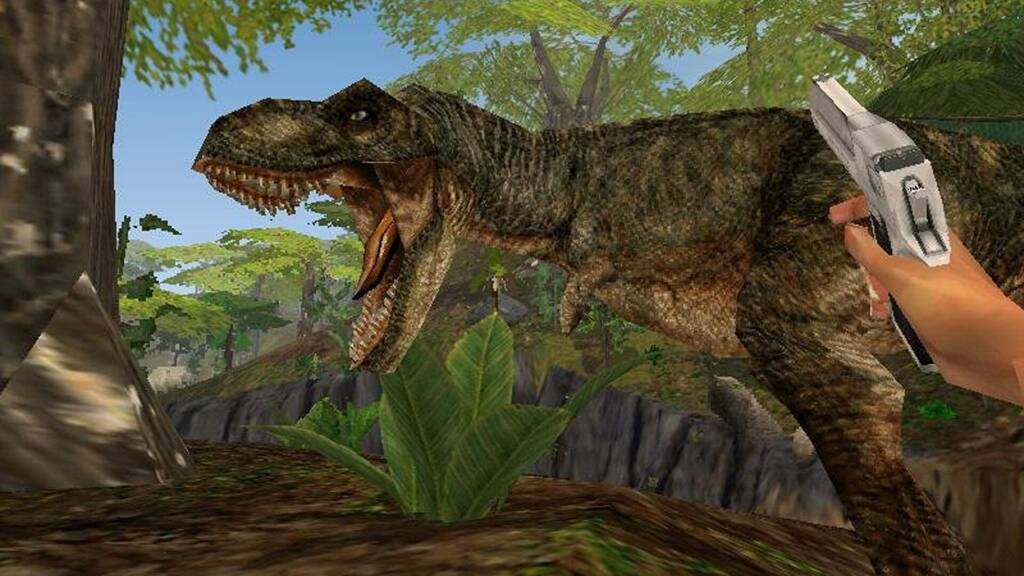
This is also why Jurassic Park: Trespasser still belongs in this conversation for me. I played it back in 1998 and loved it before I had any idea that the critical reception was so hostile. Anne’s body and famously awkward arm are not just presentation. They are part of the interface. Weapons and objects exist as physical things in the world rather than icons floating neatly inside a conventional inventory.
And sometimes that physical freedom creates the exact kind of moment I want from these games. I still remember reaching what appeared to be a puzzle, noticing a hole in a wall, and simply walking through it instead. Maybe that was what the designer intended. Maybe it was not. The important part is that the world allowed the question.
System Shock, Thief, and Deus Ex build the foundation
System Shock, Thief, and Deus Ex are useful because they show how many different directions the same design philosophy can travel.
System Shock makes the space itself the problem
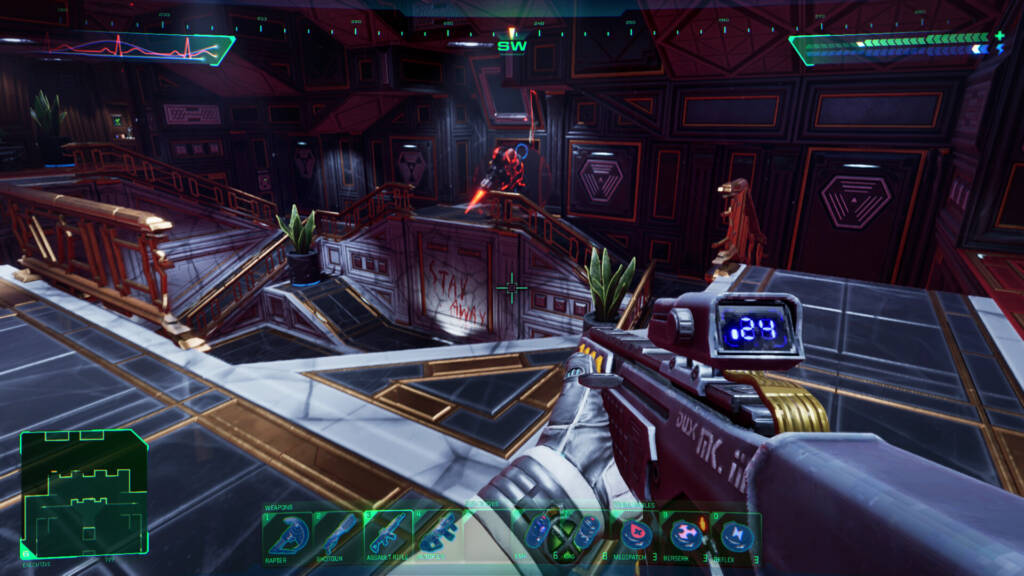
System Shock established one of the most durable immersive-sim fantasies: waking up somewhere hostile, learning how the place works, and gradually turning its own systems into your advantage. Its descendants keep returning to stations, ships, laboratories, computer networks, locked sectors, audio logs, security systems, and environmental storytelling for a reason. Those spaces naturally reward curiosity.
System Shock 2 pushed that mixture further into RPG progression and survival horror, while the modern System Shock remake makes the original lineage far easier to approach today without sanding away its maze-like hostility completely.
Thief proves that stealth can be a simulation
For me, Thief remains the stealth benchmark. Light matters. Sound matters. The material beneath Garrett’s feet matters. Patrols matter. Architecture matters. You are not simply crouching until an awareness meter goes away. You are reading a place.
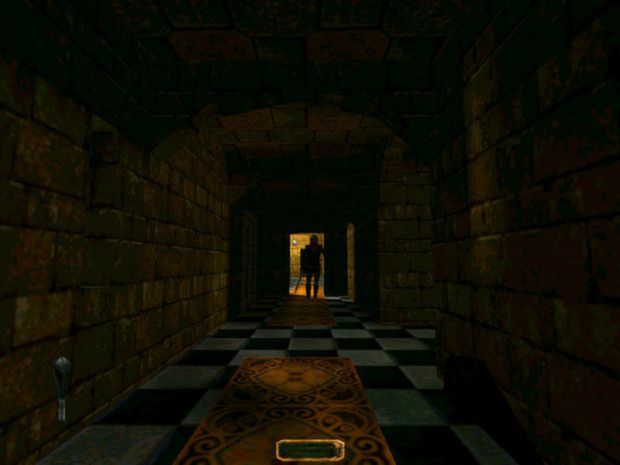
I do have a slightly awkward relationship with the original game as a whole. At its best, Thief Gold is brilliant. At its worst, it veers into what I can only describe as Tomb Raider in first person, with supernatural adventure and platforming pulling attention away from the stealth systems that make it special. The Gold bonus missions do not automatically make that better, either.
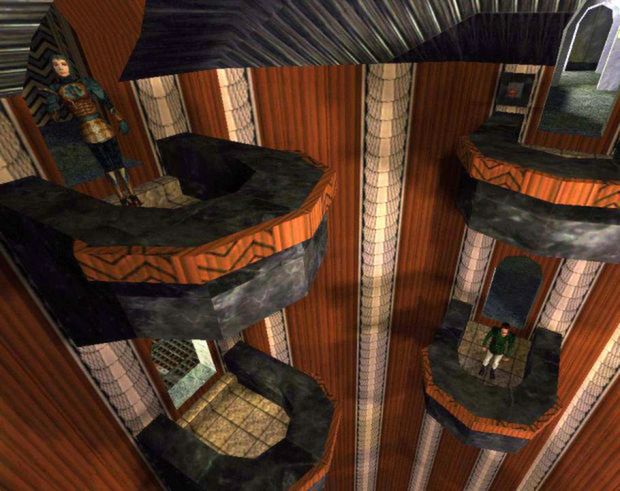
Thief II is the cleaner achievement. It takes what works and pushes it about as far as the original formula could reasonably go. If I had to pick the best-designed Thief, that is the one.
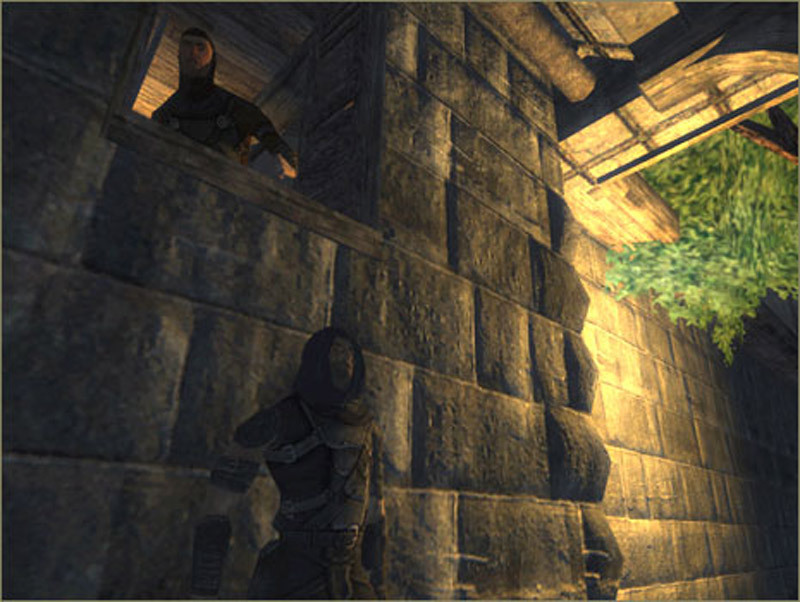
And yet Thief: Deadly Shadows is the one I most want to replay. Its City areas give Garrett a world to inhabit between jobs, and its atmosphere can be oppressive, ancient, creepy, and strangely cozy at the same time. Best designed and most replayable do not always have to mean the same thing.
The scariest Thief moment I remember was not even from the much-celebrated Robbing the Cradle. It came from Return to the Cathedral. I alerted several Hammerite ghosts, ran up a tower, looked down the stairwell, and watched one of them cover what felt like the entire distance to me in about two seconds. That scared me because the game appeared to be doing it rather than staging it. Systemic horror can be much nastier than a room announcing, “this is the scary part now.”
Deus Ex turns the philosophy into an RPG
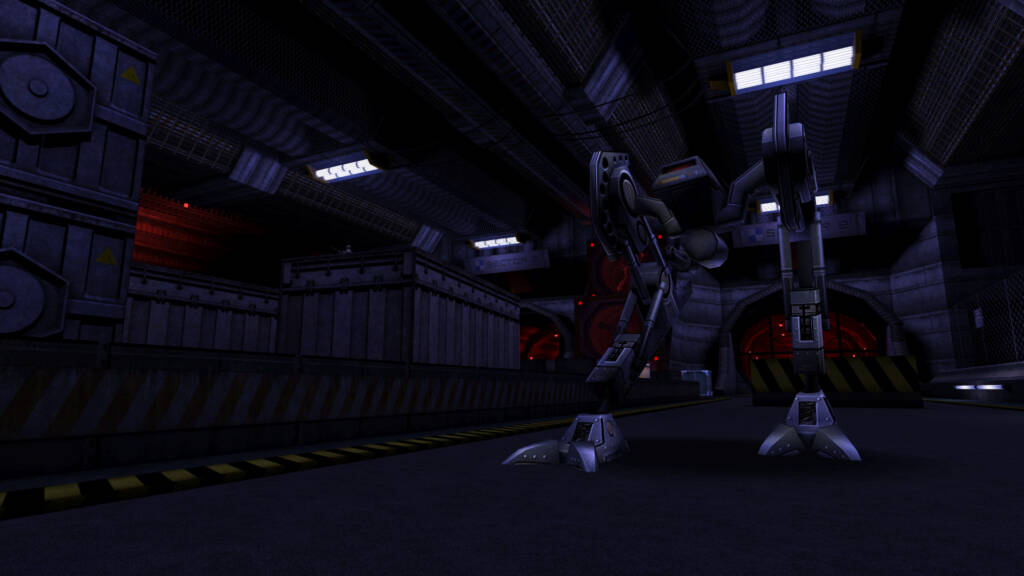
Deus Ex expands the question from “how do I get through this room?” to “what kind of person am I building, and therefore what solutions are even available to me?” Combat, stealth, hacking, exploration, augmentation, conversations, alternate routes, and character development all become part of the same problem-solving language.
That is also why Deus Ex remains such a useful reference point whenever a new first-person RPG promises player agency. The interesting part is not merely that a level contains three doors. It is whether your character build, knowledge of the space, equipment, and willingness to improvise let you create a fourth answer.
Dishonored and Prey make the toolbox louder
Arkane’s games made immersive-sim improvisation spectacular enough that you could build entire highlight reels from it.
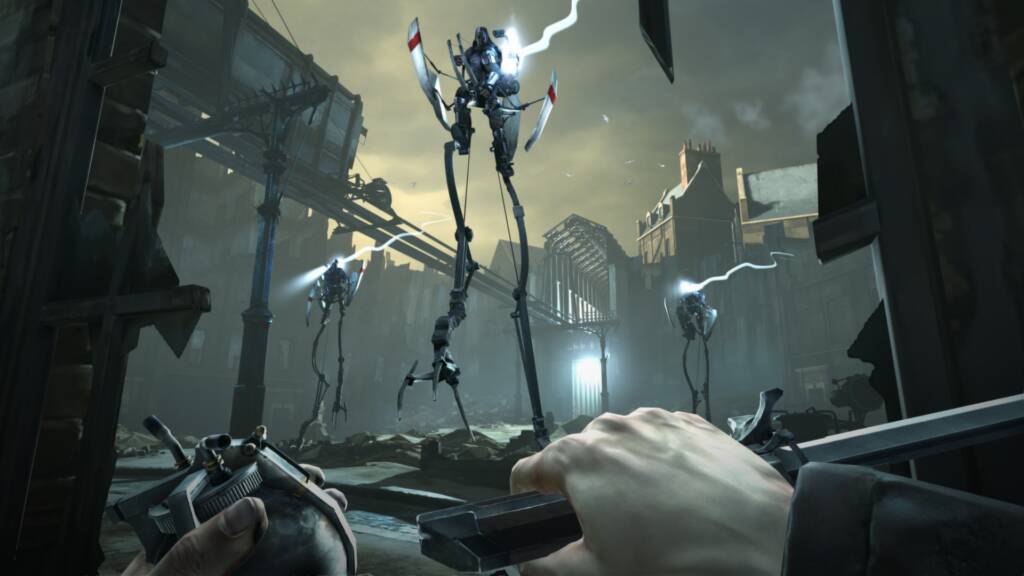
I originally did not like Dishonored much at all. I disliked the tone, struggled with its stealth rules, found patrol behavior frustrating, and generally did not enjoy living in Dunwall. Over time I learned to love the visual side of it and, more importantly, stopped expecting it to be another Thief.
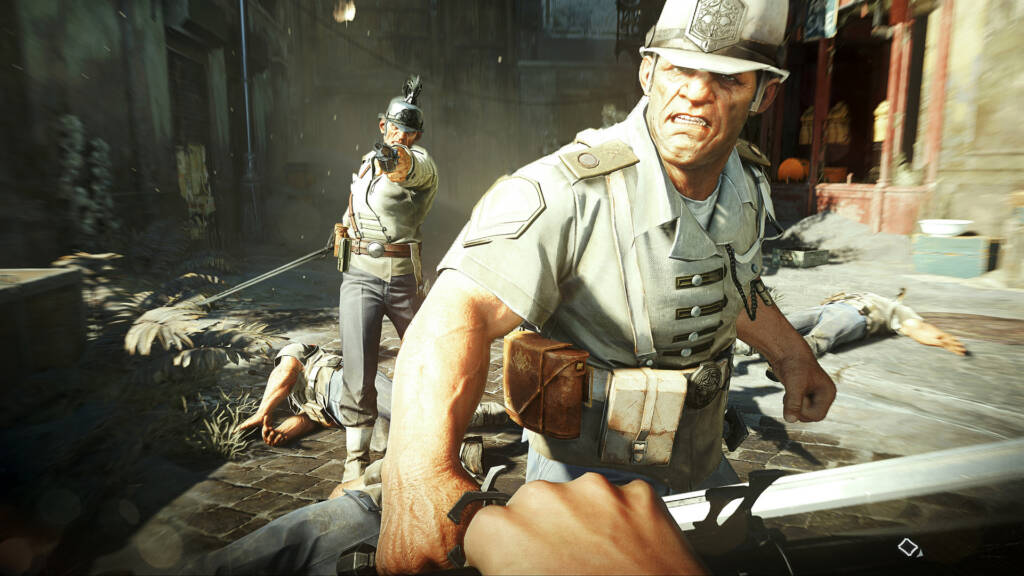
I still do not think Dishonored is an especially great pure stealth game compared with Thief. Its real strength is everything surrounding the stealth: Blink, possession, gadgets, vertical movement, environmental hazards, alternate routes, supernatural powers, and the ridiculous combinations you can build from them. Dishonored 2 pushes that creative violence even further.
There is an interesting tension in that design. Dishonored hands an assassin an enormous pile of entertaining lethal toys, then its Chaos system gives you reasons not to use them too enthusiastically. Whether that makes your decisions meaningful or occasionally feels like the game wagging a finger at its own best mechanics is part of what makes it worth discussing.
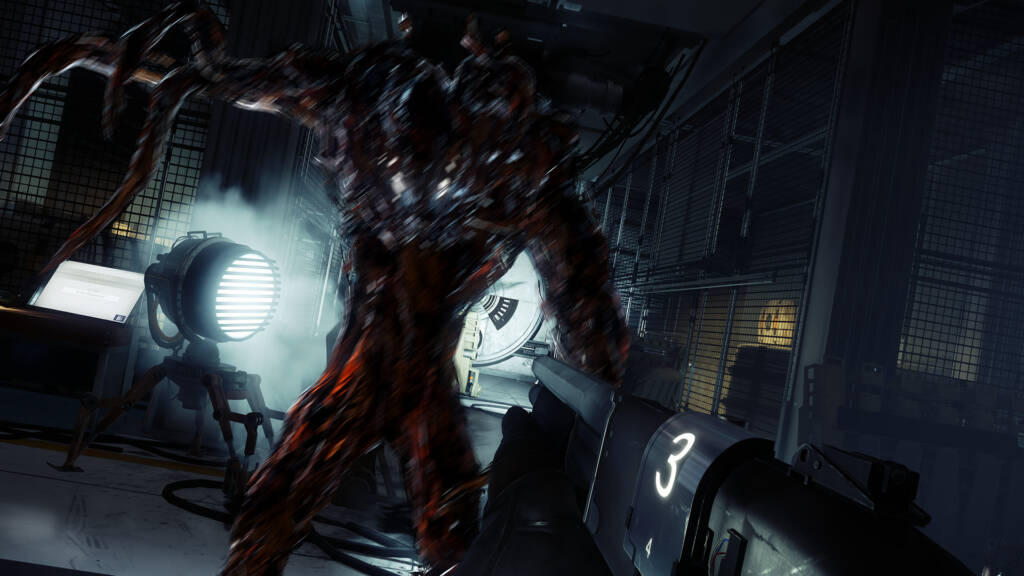
Prey takes the Arkane philosophy somewhere closer to the System Shock branch. Talos I is not merely a sequence of combat arenas. It is a connected place to learn, revisit, exploit, and eventually understand. Its tools are valuable precisely because their usefulness does not stop at their most obvious function. That is the good stuff.
Ctrl Alt Ego, Cruelty Squad, and Consortium stretch the definition
The most interesting modern immersive sims are often the ones that take one piece of the formula and become slightly deranged about it.
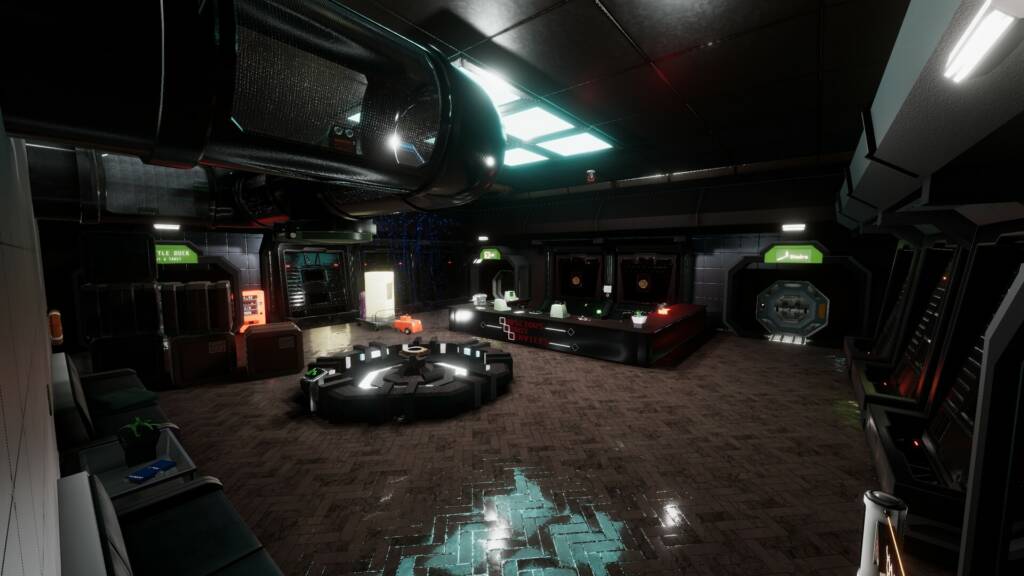
Ctrl Alt Ego almost seems designed to cause problems for my own emphasis on embodiment. You are literally a disembodied consciousness. Yet the central mechanic lets that consciousness jump between bots and devices, turning possession into movement, survival, puzzle solving, and combat all at once. The game even treats the environment itself as a kind of diegetic inventory. Presence is still central. It is simply being defined in a very strange way.
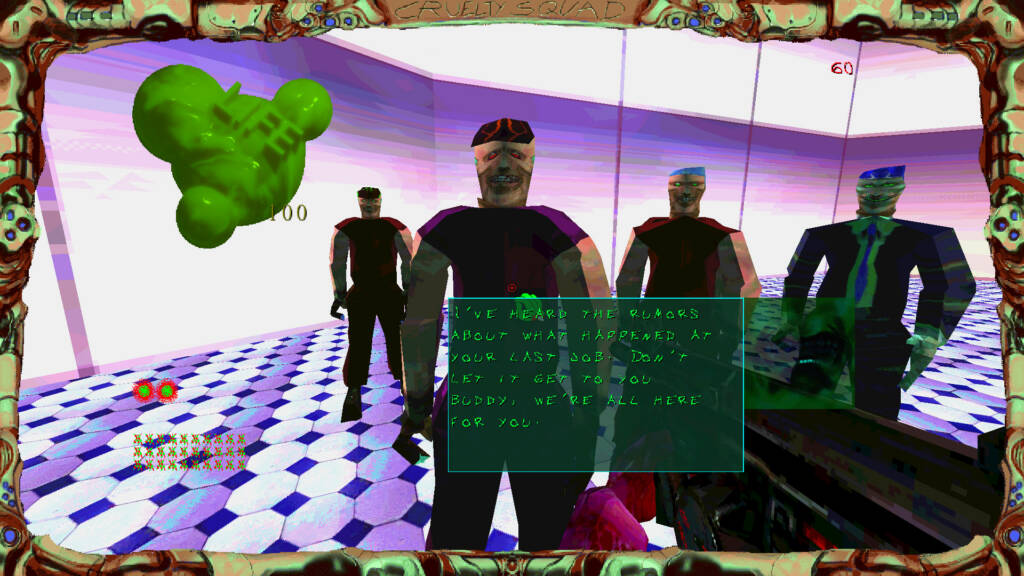
Cruelty Squad is another useful stress test. The aggressively ugly presentation is irrelevant to whether the underlying design fits. Missions offer multiple routes, different equipment can radically change an approach, lethal and non-lethal options exist, and objectives sit inside spaces that reward planning, discovery, and abuse of the rules. An immersive sim does not need mahogany walls and tasteful brass machinery.
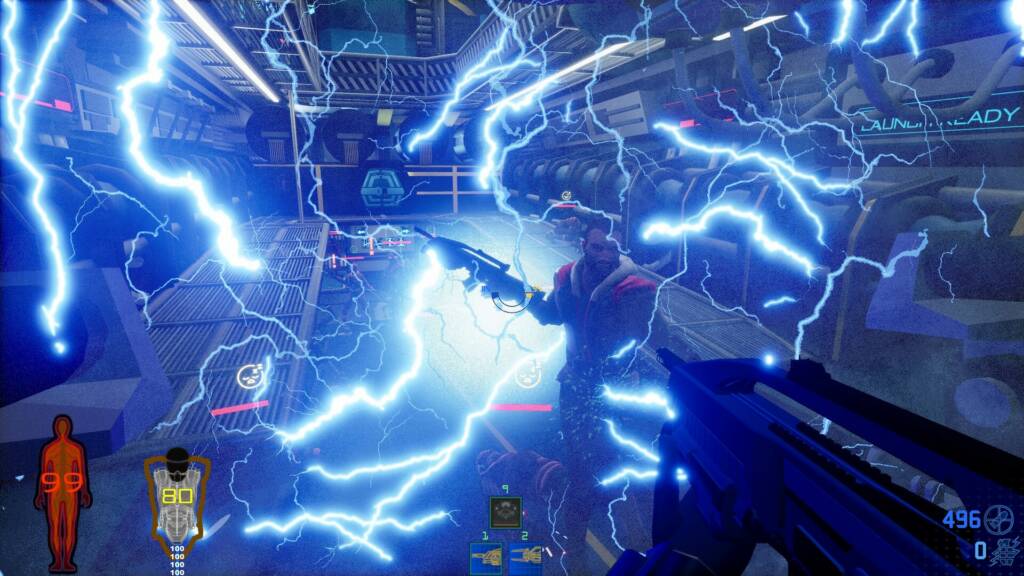
CONSORTIUM is worth mentioning here too, but from another direction. CONSORTIUM Remastered is first-person and highly reactive, but much of its simulation is social rather than purely physical. Bishop Six can investigate, talk, shape relationships, pursue diplomacy without drawing a weapon, or take a more aggressive route. I would not use it as the main example of tactile environmental simulation, but it is a useful reminder that “multiple solutions” can involve people as well as vents, switches, and explosive barrels.
Indiana Jones takes immersive-sim ideas mainstream
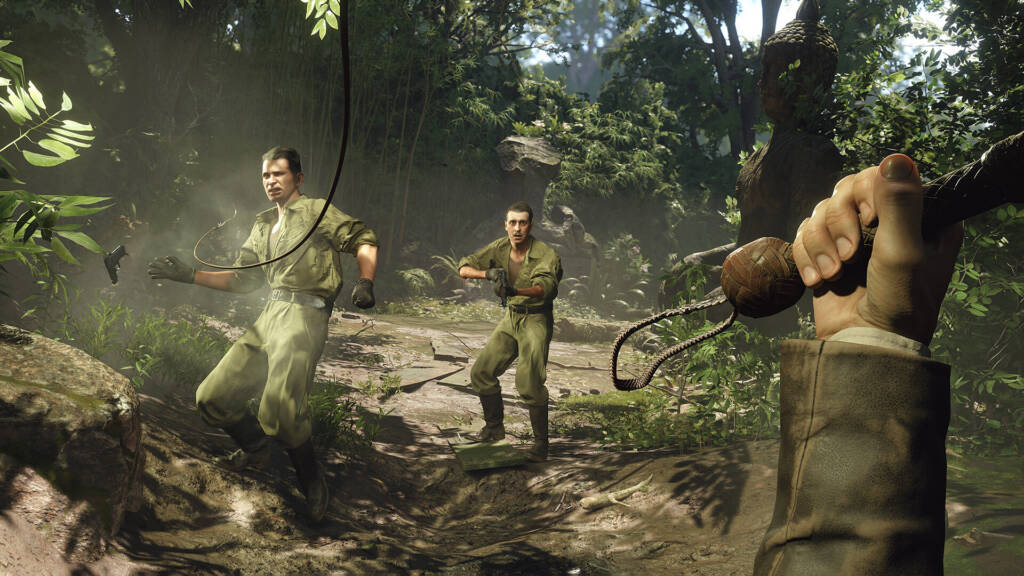
Indiana Jones and the Great Circle is especially interesting because it packages a lot of this thinking inside a blockbuster adventure that never feels like it is asking the player to join an obscure PC-gaming cult first.
It is first-person. Its larger areas support exploration and alternate routes. Stealth, disguises, melee combat, gunplay, traversal, and environmental interaction overlap rather than existing as completely separate modes. Even Indy’s whip is deliberately multi-purpose: weapon, distraction, disarming tool, and traversal device.
I would call it a mainstream-facing immersive sim rather than an “immersive sim for casuals.” The latter makes it sound as if the design philosophy needs to be watered down for normal humans. It does not. The Great Circle simply hides a lot of the machinery inside a familiar cinematic adventure.
Thick as Thieves brings the light gem back
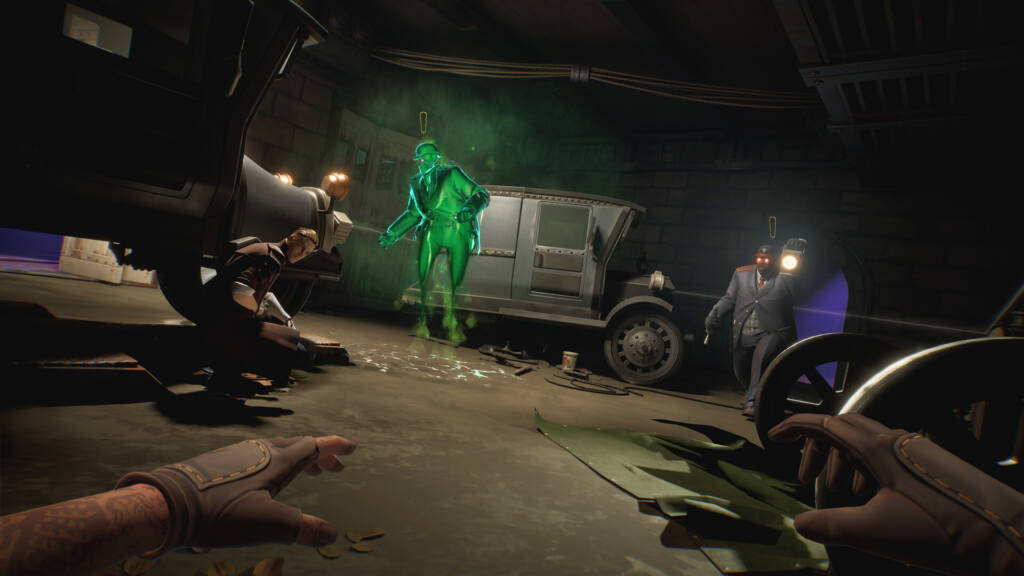
Then there is Thick as Thieves, which arrived in May 2026 and makes its ancestry pretty obvious.
I think it is a very competent Thief successor. The music is excellent, the light gem actually gives you readable stealth information, and the fundamentals of hiding, observing, and moving through guarded spaces work.
My biggest problem is that its places are simply not as much fun to inhabit as Thief’s, and its decision to split different skills across different characters rubs against one of my favorite immersive-sim pleasures: building one toolbox and gradually discovering increasingly stupid ways to combine everything inside it.
That criticism is more useful than dismissing the game because its post-launch momentum has been messy. Commercial reception and systemic design are not the same question.
RetroSpace is the 2026 test case
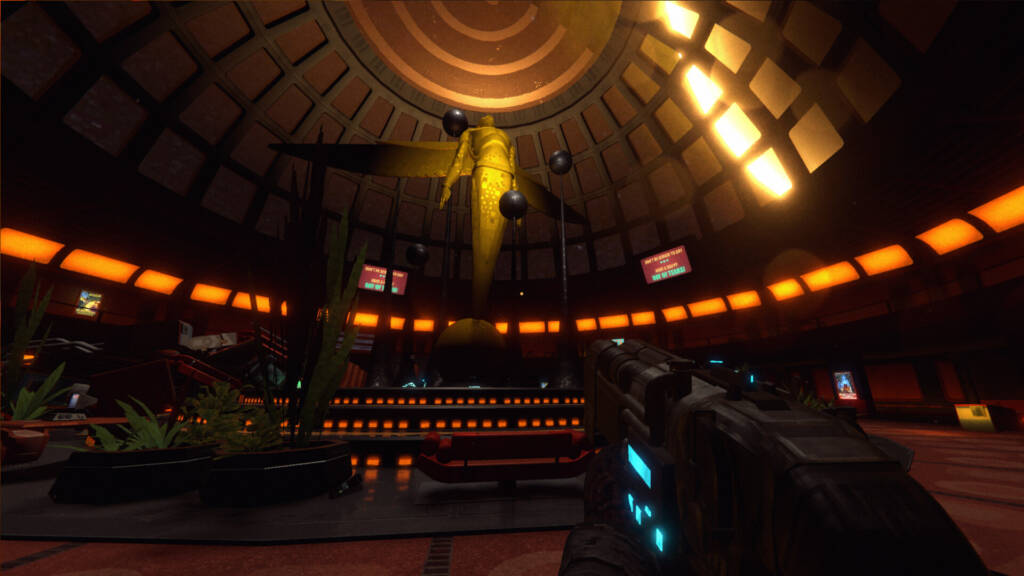
RetroSpace released on October 1, 2026, so we no longer have to judge it entirely from developer promises.
And based on what is actually in the released game, it clears the bar used in this guide. Aurora 5 is an interconnected first-person space. Obstacles support stealth, hacking, diversions, traps, hidden routes, or direct combat. Security and environmental hazards can be turned against enemies. Mutamods affect stealth, combat, exploration, and mobility. Death feeds into an in-world cloning system rather than existing only as a conventional reload screen.
More importantly, launch coverage independently points toward the same strengths. Reviewers have highlighted tools that invite experimentation, a station built for exploration, enemies that support different attack methods, and room for self-directed problem solving. That makes the “immersive sim” label more than marketing shorthand.
There is a caveat, and it is an important one. Early reviews also suggest that RetroSpace’s simulation is not perfectly universal. Some ideas that feel as though they should work apparently do not, while navigation around Aurora 5 can become demanding. That is worth mentioning because immersive sims depend heavily on trust. Once a world teaches you that certain rules exist, you naturally start poking those rules to find the edges.
Still, that makes RetroSpace more interesting to discuss, not less. It is not here because it borrowed the correct Steam tag. It is here because it is clearly trying to build problems first and let the player assemble answers afterward.
What comes next for immersive sims?
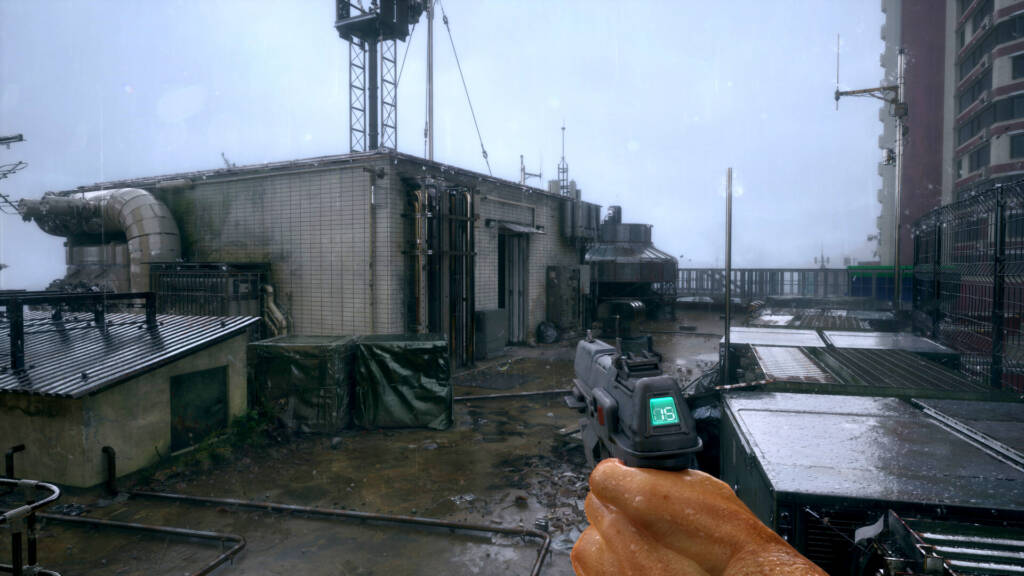
One of the more obvious games to watch now is NO LAW from Neon Giant.
“Cyberpunk Dishonored” is tempting shorthand. NO LAW is first-person, its current pitch emphasizes player agency, stealth or direct action, different tools, vertical movement, and a reactive story inside Port Desire. Its official site currently targets 2027.
But this is exactly where the distinction between promise and proof matters. Multiple routes in a trailer do not automatically create an immersive sim. The real test will come when players start doing things the designers did not put in the trailer and we find out whether Port Desire knows how to respond.
Where to start with immersive sims on G2A.COM
If all of this has made you want to disappear into some vents for the weekend, these are useful entry points into different branches of the design tradition.
| If you want… | Start with… | Why | G2A.COM |
|---|---|---|---|
| the stealth lineage | Thief Collection | Light, sound, patrols, tools, and levels built to be read rather than conquered head-on. | Check it out |
| RPG choices and cyberpunk | Deus Ex Collection | Character builds, hacking, stealth, combat, dialogue, exploration, and alternate solutions. | Check it out |
| creative supernatural mayhem | Dishonored: Definitive Edition | A huge sandbox of powers, gadgets, movement, hazards, stealth, and violence. | Check it out |
| a modern systemic space station | Prey | Exploration, flexible tools, interconnected spaces, and problem solving that rewards experimentation. | Check it out |
| the System Shock lineage in modern form | System Shock | A modern route into the hostile station design that helped establish the tradition. | Check it out |
| a more approachable adventure wrapper | Indiana Jones and the Great Circle | Stealth, disguises, traversal, exploration, and flexible encounters inside a blockbuster adventure. | Check it out |
Looking for RetroSpace? If you are playing on Steam, another route is to top up your Steam Wallet through G2A.COM and buy the game there. Choose a gift card that matches your Steam account’s currency and region.
Save more with G2A Plus
G2A Plus Free lets you earn Plus Points on purchases, while Plus Premium adds member prices, including up to 10% off on up to 10 eligible items each month, along with exclusive discount codes, monthly rewards, and priority support.
Related G2A News articles
- Conspiracies, augments, and choice: A complete guide to the Deus Ex games
- Games like Prey
- Games like Dishonored
- Best stealth games to hide and sneak
- The best cyberpunk video games
Immersive sim FAQ
Is an immersive sim actually a genre?
It is often more useful to think of immersive sims as a design tradition or philosophy. Thief, Deus Ex, System Shock, Prey, and Dishonored belong to different conventional genres, but they share an emphasis on systemic interaction, player agency, exploration, and flexible problem solving.
Does an immersive sim have to be first-person?
There is no universally accepted rule. For this guide, first-person embodiment is part of the core definition because physical presence and interaction with space matter to the experience. Games such as Weird West and Streets of Rogue can still inherit immersive-sim design ideas without fitting that narrower category.
Is RetroSpace really an immersive sim?
Under the definition used here, yes. The released game combines a first-person interconnected world with multiple routes, stealth, hacking, combat, traps, environmental hazards, security manipulation, flexible upgrades, and player-driven problem solving. Launch coverage does suggest limits to how consistently every improvised idea works, so the interesting question is how deep those systems remain over a full playthrough.
The genre survives when the plan breaks
The thing I love about immersive sims is not that they give me twenty buttons to press. It is that they occasionally let me realize the solution in my head is completely different from the solution somebody probably expected.
That might mean reading the light and soundscape in Thief, finding another path through Deus Ex, combining powers in Dishonored, turning a station against its inhabitants in Prey or RetroSpace, possessing the machine you were supposed to fight in Ctrl Alt Ego, or simply noticing that there is a perfectly good hole in a wall and wondering why on Earth you would bother solving the puzzle next to it.
The technology changes. The genre arguments never end. But the central pleasure is remarkably stable: understand the world, make a plan, break the plan, and discover that the game was willing to come along for the ride.