



Ezio Auditore is still our best Assassin’s Creed protagonist in 2026, but the gap is smaller than it used to be.
Edward Kenway now has a second chance to shine through Assassin’s Creed Black Flag Resynced, Bayek remains one of the series’ strongest dramatic leads, and Assassin’s Creed Shadows has added two very different contenders in Naoe and Yasuke.
This update also changes how we rank the cast. A great protagonist needs more than charisma. We are weighing character development, writing, relationships, how well the hero fits the Assassin-Templar conflict, and whether their personality actually shapes how their game feels. That is why some entertaining characters rank below quieter ones with stronger arcs.
Quick answer: Ezio ranks #1 for the most complete long-form character arc, Edward Kenway is #2 for the strongest transformation inside a single major story, Bayek takes #3 for emotional weight, and Naoe enters the list at #6 as the strongest new Assassin-style protagonist since Mirage.
Updated: October 19, 2026.
Major changes: Naoe and Yasuke added after the full Assassin’s Creed Shadows campaign, Claws of Awaji and Black Tides; Edward reevaluated after Black Flag Resynced; Basim reassessed with Mirage fully established.
Scope: Principal historical protagonists from the main console/PC Assassin’s Creed line, including Rogue and dual-protagonist games. We do not rank modern-day avatars, temporary playable characters, mobile-only leads, or spin-off-only protagonists such as those from Chronicles.
Assessment basis: Story writing, character arc, franchise relevance, gameplay identity, relationships, and long-term impact.
How we ranked every main Assassin’s Creed protagonist
This is a character ranking, not a ranking of the games themselves. A protagonist can come from an excellent game and still rank lower if the world, villains or systems do more of the heavy lifting than the hero.
| Criterion | Weight | What we value |
|---|---|---|
| Writing and character arc | 35% | Growth, motivation and whether the story changes the character. |
| Creed and lore relevance | 20% | How meaningfully they engage with Assassins, Hidden Ones, Templars or precursor lore. |
| Relationships | 15% | Family, mentors, rivals and allies who reveal different sides of the protagonist. |
| Gameplay identity | 15% | Whether the character’s background and personality are reflected in how they play. |
| Legacy and memorability | 15% | How strongly the character still defines the franchise. |
Best Assassin’s Creed protagonists by category


Every main Assassin’s Creed protagonist ranked
| Rank | Protagonist | Main game | Biggest strength | Score |
|---|---|---|---|---|
| 15 | Alexios | Odyssey | Charisma | 65 |
| 14 | Arno Dorian | Unity | Personal tragedy | 68 |
| 13 | Jacob Frye | Syndicate | Energy | 71 |
| 12 | Connor | Assassin’s Creed III | Conviction | 74 |
| 11 | Shay Cormac | Rogue | Moral reversal | 77 |
| 10 | Yasuke | Shadows | Distinct combat identity | 80 |
| 9 | Eivor | Valhalla | Leadership | 82 |
| 8 | Basim | Mirage | Lore depth | 85 |
| 7 | Evie Frye | Syndicate | Creed discipline | 87 |
| 6 | Naoe | Shadows | Stealth identity | 89 |
| 5 | Kassandra | Odyssey | Charisma and range | 91 |
| 4 | Altaïr Ibn-La’Ahad | Assassin’s Creed | Creed philosophy | 93 |
| 3 | Bayek | Origins | Emotional performance | 95 |
| 2 | Edward Kenway | Black Flag | Transformation | 97 |
| 1 | Ezio Auditore | AC II / Brotherhood / Revelations | Complete life arc | 99 |
15. Alexios – Assassin’s Creed Odyssey
Alexios can be funny, intimidating and larger than life, and his performance works especially well when Odyssey leans into broad adventure. The problem is that he shares almost all of his protagonist material with Kassandra, and the same scenes often feel more tonally consistent with her delivery.
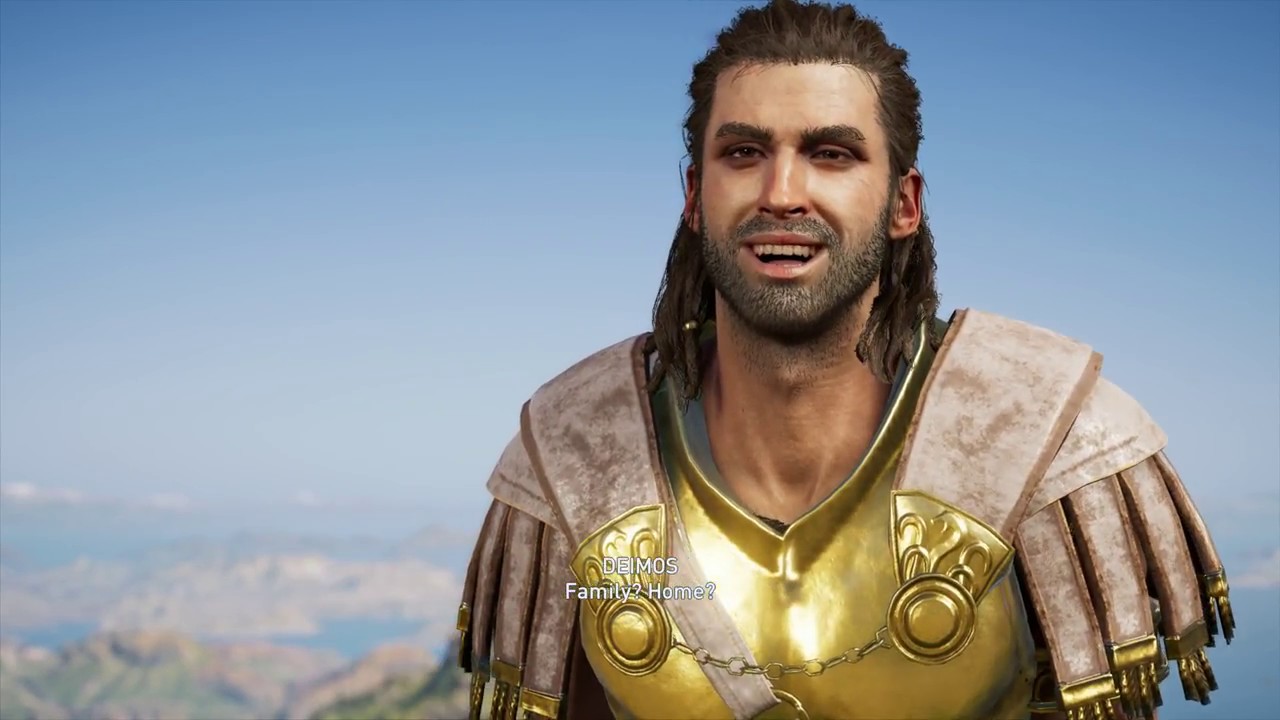
Why he ranks here: he is enjoyable, but he has the weakest individual identity on this list because most of what defines him is interchangeable with another protagonist.
14. Arno Dorian – Assassin’s Creed Unity
Arno has the ingredients for a classic Assassin’s Creed lead: personal tragedy, guilt, romance and a city collapsing into revolution. His relationship with Élise also gives Unity a conflict that cannot be reduced to “Assassin good, Templar bad.”

The weakness is payoff. Arno spends much of the game reacting to other people, and his growth never lands with the force of Edward, Bayek or Ezio. His dry charm helps, but the French Revolution often feels larger than its protagonist.
13. Jacob Frye – Assassin’s Creed Syndicate
Jacob is deliberately the reckless half of Syndicate’s sibling pairing. He builds gangs, picks fights and creates messes for Evie to clean up, which gives Victorian London plenty of momentum.

That same energy limits him. His humor works until the story needs weight, and he often feels less invested in the Creed than in proving he can take London apart faster than the Templars can rebuild it.
12. Ratonhnhaké:ton / Connor – Assassin’s Creed III
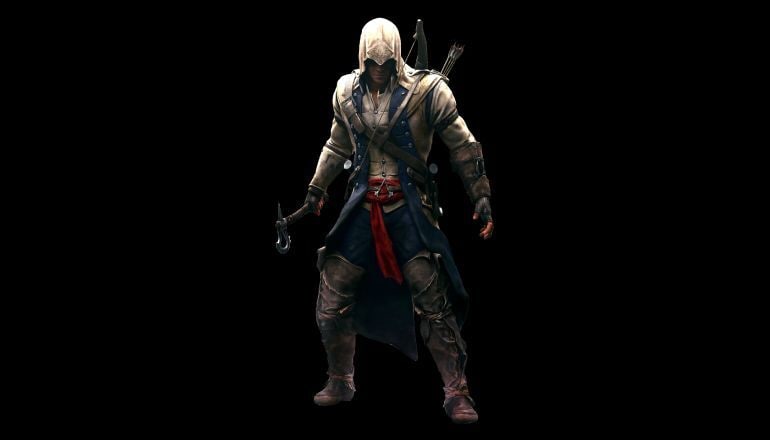
Connor is often criticized for being emotionally reserved, but that undersells what Assassin’s Creed III is doing with him. His seriousness makes sense for someone watching colonists speak about freedom while his own people face displacement and destruction.
His biggest weakness is not the concept but the presentation. Important warmth and humor live outside the main campaign, so players who rush the story can come away with a flatter version of Connor than the full game actually contains.
11. Shay Cormac – Assassin’s Creed Rogue
Shay succeeds because Rogue is willing to make its protagonist reject the Assassins. His break with the Brotherhood gives the franchise one of its few substantial attempts to examine what happens when Assassin certainty becomes dangerous.
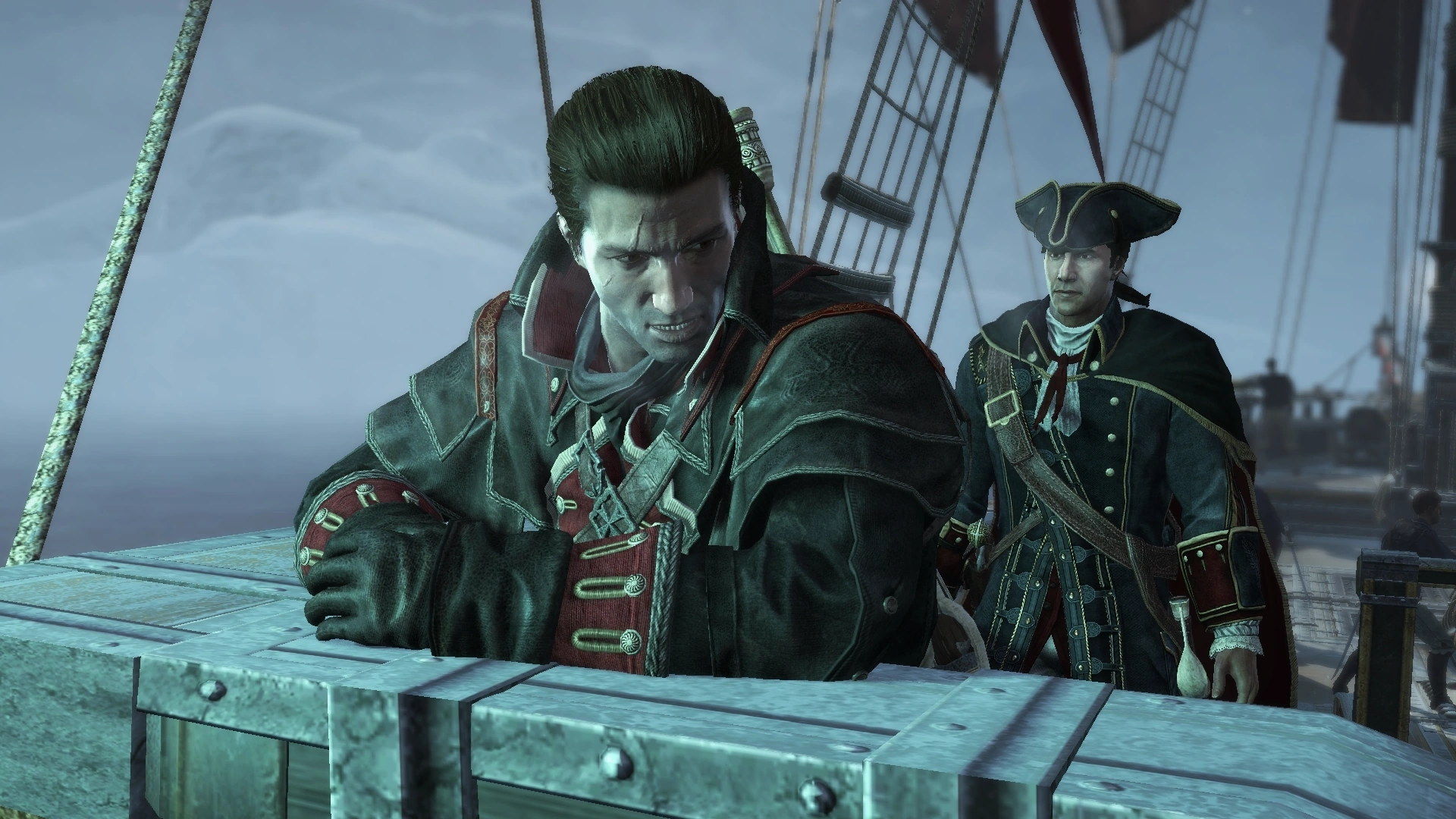
The issue is that Rogue sometimes solves the moral complexity too neatly by making particular Assassins unusually reckless while the Templars become surprisingly reasonable. Shay’s perspective is valuable, but the argument around him could have been messier and more convincing.
10. Yasuke – Assassin’s Creed Shadows
Yasuke is one of the most mechanically distinctive leads in the series. His heavy armor, direct combat, large weapons and ability to overpower enemies make him feel fundamentally different from Naoe rather than like a second skin for the same character.
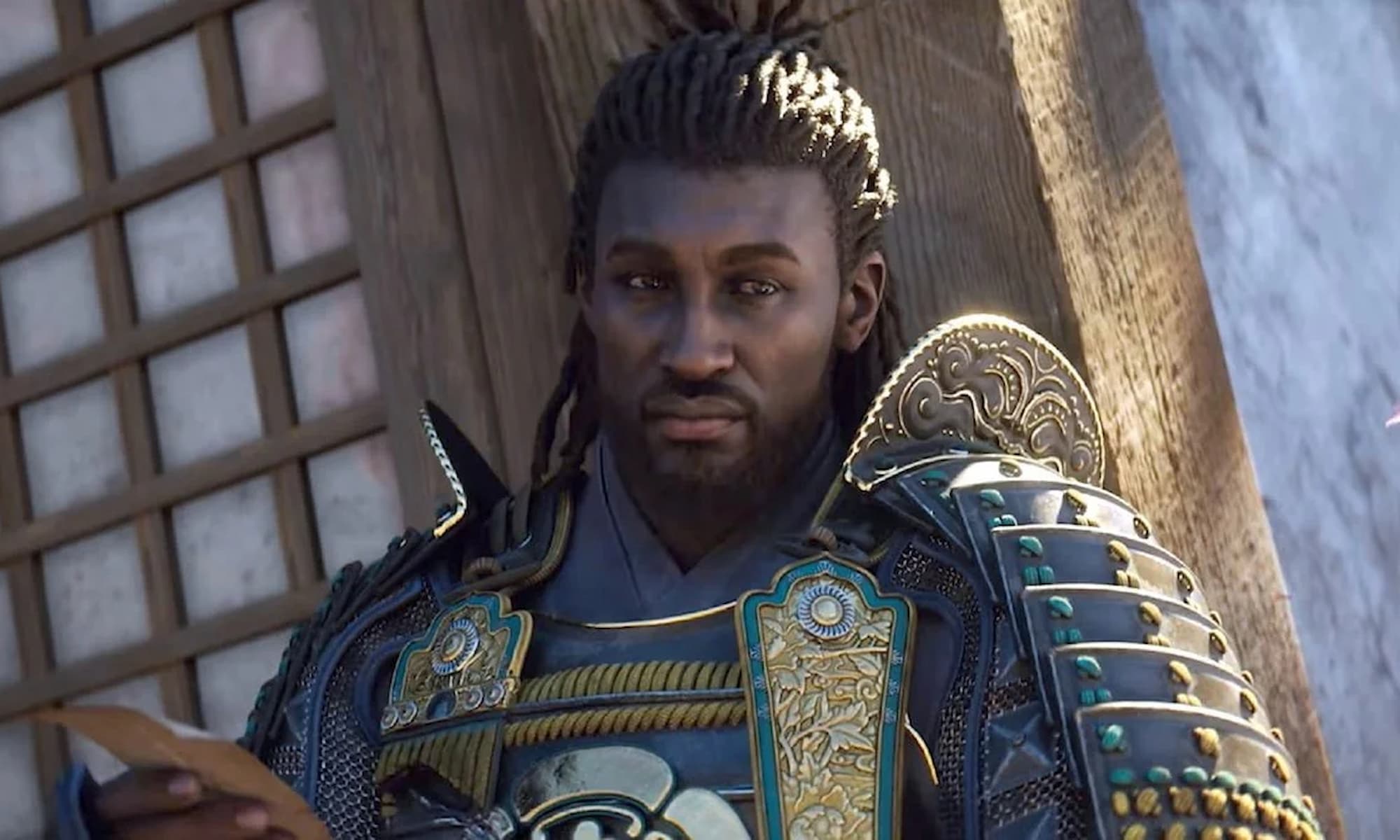
His story is stronger after the complete Shadows cycle, including Claws of Awaji and later post-launch quests, but he still feels somewhat less central to the Assassin fantasy than Naoe. His personal journey is about purpose, loyalty and identity, while hers connects more naturally to the franchise’s stealth and Brotherhood themes.
Core strength: one of the strongest gameplay-character matches in the franchise. Main weakness: his arc does not dig as deeply into the Creed itself as the protagonists above him.
9. Eivor – Assassin’s Creed Valhalla
Eivor is convincing as a clan leader. Negotiating alliances, protecting Ravensthorpe and balancing violence with responsibility all fit the Viking setting and give Valhalla a protagonist who feels tied to the structure of the game.

The drawback is that Eivor spends an enormous game adjacent to the Hidden Ones without ever becoming as ideologically invested in them as many earlier leads. Valhalla’s Isu story is important, but the Assassin identity often remains secondary.
8. Basim Ibn Ishaq – Assassin’s Creed Mirage
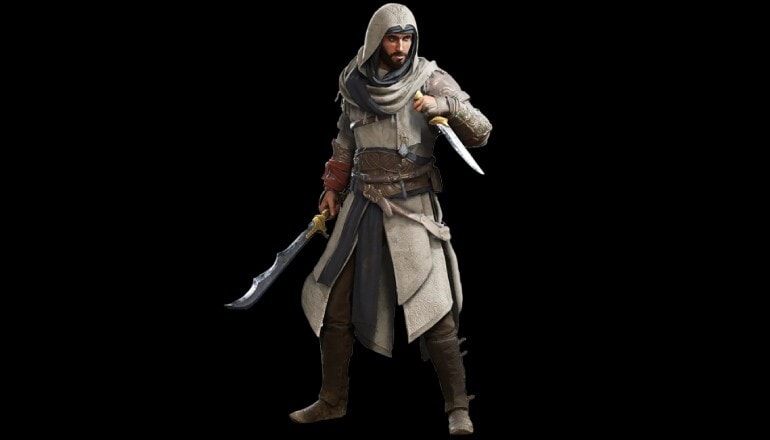
Mirage makes Basim far more interesting than he is when first encountered in Valhalla. His progression from street thief to Hidden One gives the series a clean Brotherhood-focused arc, while his internal conflict adds a second layer for players who know where his story goes.
He ranks below the very best because part of his appeal depends on external franchise lore. Basim is compelling on his own, but he becomes significantly richer when you already understand his connection to Valhalla and the Isu storyline.
7. Evie Frye – Assassin’s Creed Syndicate
Evie is the more natural Assassin of the Frye twins. She values planning, stealth, information and the Creed itself, which makes her sections feel closer to the franchise’s traditional fantasy.
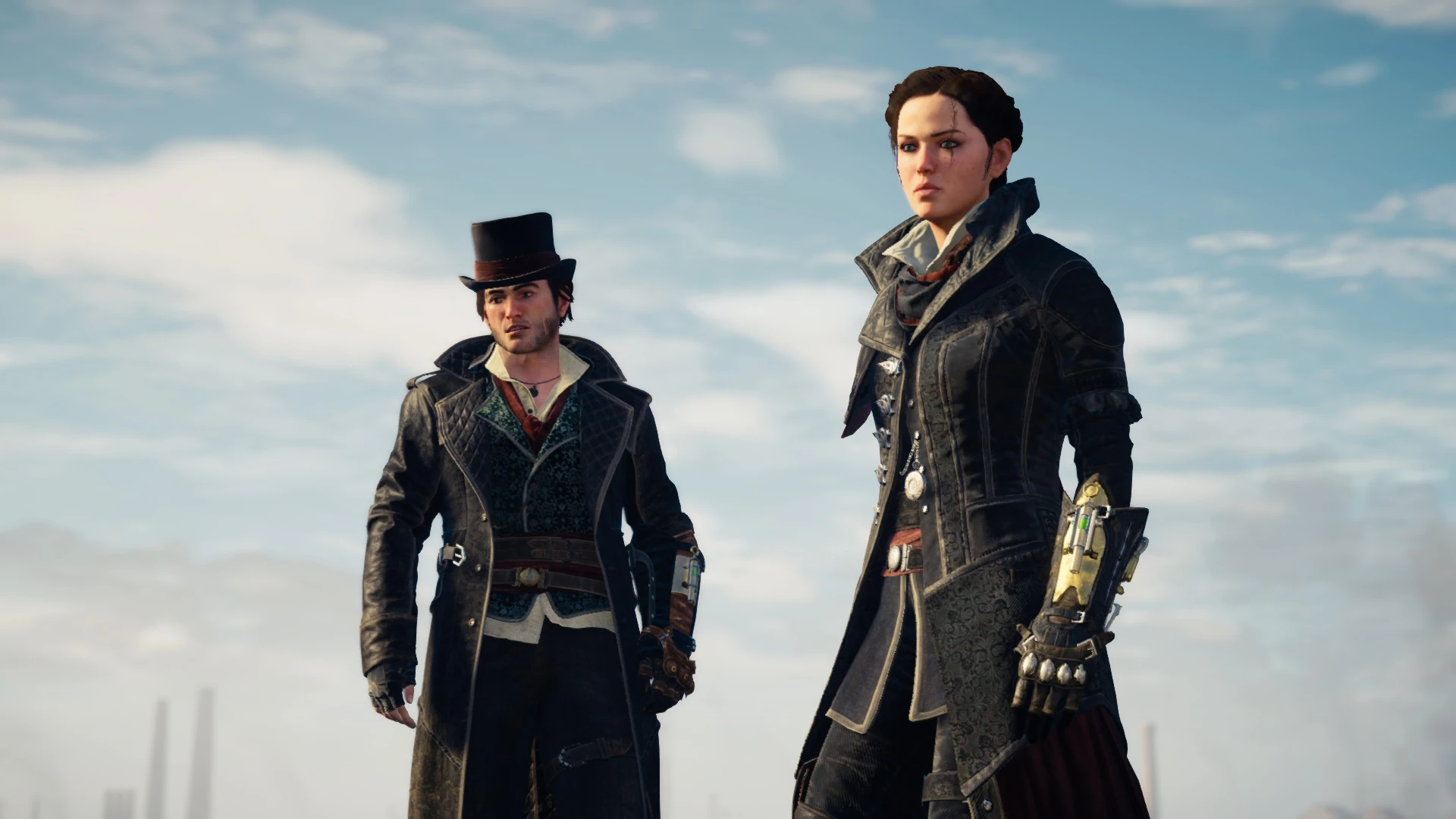
Her frustration with Jacob also gives Syndicate a useful internal conflict. Unfortunately, the game does not give her the same share of major story beats, so she sometimes feels like the sharper protagonist trapped inside a story that wants to split attention evenly.
6. Naoe – Assassin’s Creed Shadows
Naoe immediately feels like she belongs in Assassin’s Creed. Her shinobi background supports stealth, parkour, reconnaissance, tools, darkness and precise assassinations without needing the game to explain why those mechanics exist.

Her revenge-driven opening is familiar territory for the franchise, but Shadows gradually gives her more than revenge. The relationship with Yasuke, her family history and the later post-launch story content help her grow beyond the standard “young killer hunting names from a list” setup.
Why not higher? The five protagonists above her have either deeper long-term development or a larger role in defining what Assassin’s Creed became. Naoe has the right ingredients, but she has had less time to build that legacy.
5. Kassandra – Assassin’s Creed Odyssey
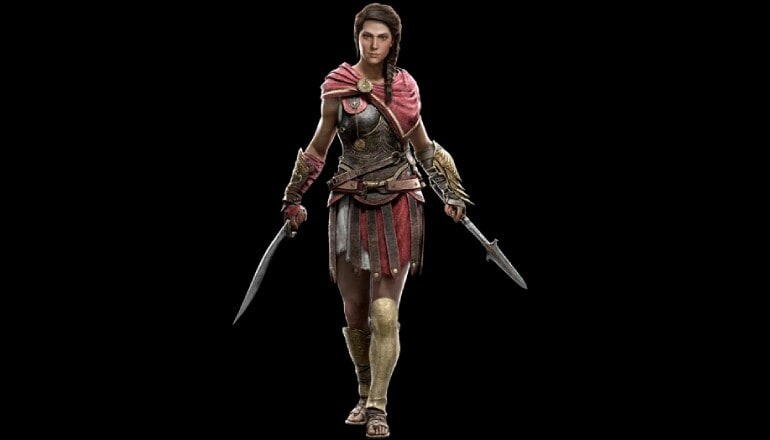
Kassandra carries an enormous RPG with enough personality to survive wildly different player choices. She can be sarcastic, furious, affectionate or ruthless without feeling like four unrelated characters, which is difficult in a dialogue-driven structure.
Her family story is also stronger than Odyssey’s broader political plot. The limitation is thematic: she predates the Assassin Brotherhood, so even though Odyssey is packed with precursor lore, she is less directly tied to the Creed than the four characters above her.
Why not higher? Exceptional protagonist, weaker Assassin identity.
4. Altaïr Ibn-La’Ahad – Assassin’s Creed
Altaïr starts the franchise by failing. His arrogance gets people hurt, costs him rank and forces him to rebuild himself through discipline. That basic structure remains one of Assassin’s Creed’s cleanest character arcs.

What elevates him is the way later material expands that arc. He becomes a thinker, reformer and mentor whose influence changes the Brotherhood long after the first game ends.
Why not higher? His importance is enormous, but the original game’s deliberately restrained presentation makes him less immediately expressive than Bayek, Edward or Ezio.
3. Bayek of Siwa – Assassin’s Creed Origins
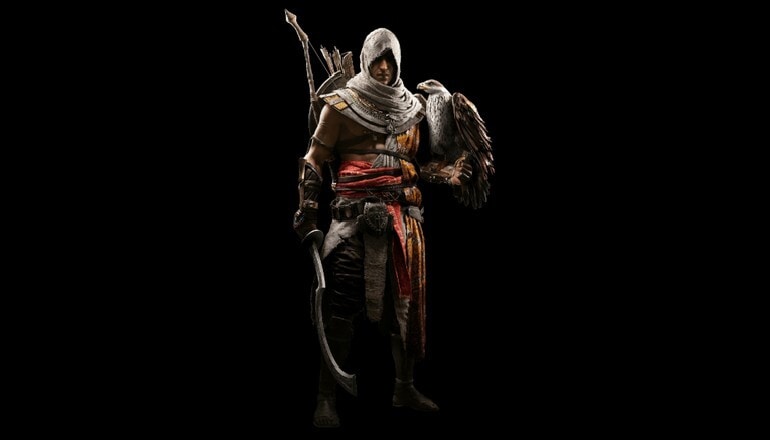
Bayek feels human in a way few Assassin’s Creed protagonists do. He can be terrifying when hunting the people responsible for his son’s death, then become gentle and playful around ordinary families moments later.
His relationship with Aya is equally important because Origins understands that shared grief does not guarantee two people will heal in the same direction. The birth of the Hidden Ones comes from that personal loss rather than abstract ideology.
Why not higher? Bayek gets one major game. Edward has a slightly sharper transformation within one story, while Ezio benefits from an entire trilogy built around his life.
2. Edward Kenway – Assassin’s Creed IV: Black Flag / Black Flag Resynced
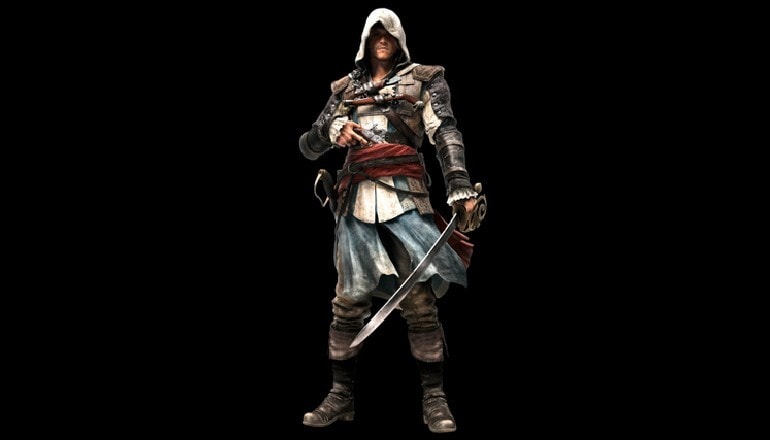
Edward is compelling precisely because he does not begin as an Assassin. He steals the robes, chases money and treats the wider conflict as something useful only when it serves him.
Black Flag then makes him lose people, confront what his ambition has cost and slowly understand why something larger than personal freedom might matter. The transformation feels earned because the story spends so long letting Edward be selfish before asking him to grow.
Black Flag Resynced strengthens his current position even further by returning to the same core story with additional character material and modernized presentation rather than replacing him with a new lead.
Why not #1? Edward may have the best self-contained arc, but Ezio’s journey covers decades and shows more stages of one Assassin’s life than any other protagonist gets.
1. Ezio Auditore da Firenze – Assassin’s Creed II, Brotherhood and Revelations
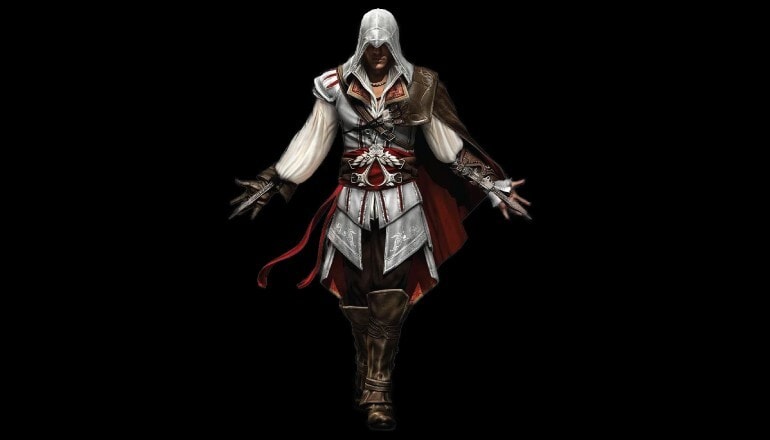
No Assassin’s Creed protagonist gets the same amount of meaningful time as Ezio. Assassin’s Creed II introduces him before he understands the Brotherhood. Brotherhood shows him learning to lead it. Revelations lets him question what a lifetime of service has actually meant.
That long view matters. His charm is memorable, but the reason Ezio still works is that he changes. Revenge turns into responsibility, confidence turns into perspective, and by the end he understands that being an Assassin does not mean sacrificing every part of his identity to the Creed.
He also sits at the center of the franchise’s most successful combination of personal story and historical conspiracy. Leonardo, Claudia, Mario, Yusuf, Sofia and Altaïr all reveal different versions of Ezio rather than merely following him around.
Closest overall challenger: Edward Kenway. If this ranking judged only a single game’s character arc, Edward could reasonably take first place. Across a full life story, Ezio still wins.
Shopping on G2A.COM? G2A Plus Free members can earn Plus Points on eligible purchases, with 100 Plus Points equal to 1 EUR toward future orders. Plus Premium adds member pricing with up to 10% off on 10 eligible items every month, higher discount codes, a free game every month and priority help after purchase.
Assassin’s Creed protagonist FAQ
Who is the best Assassin’s Creed protagonist?
Ezio Auditore remains our #1 because Assassin’s Creed II, Brotherhood and Revelations show more stages of his life and development than any other protagonist receives. Edward Kenway is the closest challenger.
Where do Naoe and Yasuke rank after Assassin’s Creed Shadows?
Naoe ranks #6 and Yasuke #10. Naoe places higher because her shinobi background, stealth gameplay and personal story align more directly with the traditional Assassin fantasy. Yasuke has one of the strongest combat identities in the franchise, but his connection to the Creed is less central.
Does Black Flag Resynced change Edward Kenway’s ranking?
It reinforces it. Black Flag Resynced keeps Edward as the protagonist and expands the original experience rather than replacing his story, giving a new generation another route into one of the franchise’s strongest character arcs.
Why are Aveline, Adéwalé and the Chronicles protagonists not included?
This update keeps the original article focused on principal protagonists from the main console and PC series, including Rogue and games with dual selectable leads. Liberation, Freedom Cry, Chronicles, mobile releases and modern-day playable characters would make a broader spin-off ranking rather than a directly comparable mainline list.
Ezio still leads, but Assassin’s Creed has a deeper bench than ever
The interesting part of revisiting this ranking in 2026 is not that Ezio remains first. It is how many different kinds of protagonist now work under the Assassin’s Creed name. Altaïr represents the Creed itself. Bayek gives the Brotherhood an emotional origin. Kassandra proves the RPG format can support a memorable lead. Naoe brings stealth back to the center, while Yasuke shows how far the series can push combat identity without making both protagonists feel interchangeable.
Edward’s return in Black Flag Resynced also shows why great protagonists endure. Better graphics and modern systems can refresh an old game, but the reason players still care about the Caribbean is that Edward has something worth revisiting. That remains the standard every new Assassin’s Creed lead has to chase.