





Medieval games cover a lot of ground. One game asks you to defend a carefully designed castle against an invading army. Another lets you marry into a royal family, murder an inconvenient rival, or spend generations turning a minor dynasty into an empire. Others are more interested in whether your village has enough grain to survive winter.
That variety makes ranking them difficult, especially when this list includes classic RTS games, grand strategy, survival city builders, tactical RPGs, and medieval life simulations. So rather than judging everything by the same narrow standard, this ranking looks at how well each game delivers its particular version of the Middle Ages.
The winner is Age of Empires II: Definitive Edition. More than two decades after the original game changed historical RTS design, its modern version remains extraordinarily complete, replayable, and well supported. Crusader Kings III comes very close if political intrigue and dynastic storytelling matter more to you than traditional real-time strategy.
A note on “worst”: every game here has something worth recommending. Number 10 is simply the weakest choice among these ten right now, usually because it is less complete, less consistent, or a weaker fit for the medieval strategy theme.
Ranking criteria: current quality and completeness, medieval identity, strategic or management depth, replay value, and how well the game delivers its core idea.
Checked: October 14, 2026
- How we ranked the games
- The ranking at a glance
- 10. The Guild 1 Remake: Europa 1410
- 9. Graveyard Keeper 2
- 8. Europa Universalis V
- 7. Medieval Dynasty
- 6. Manor Lords
- 5. Farthest Frontier
- 4. Wartales
- 3. Stronghold Crusader: Definitive Edition
- 2. Crusader Kings III
- 1. Age of Empires II: Definitive Edition
- Which medieval game should you play?
- FAQ
How we ranked the best medieval games
This is not a ranking based purely on review scores. A deep grand strategy game and a first-person village simulator are trying to achieve very different things.
Instead, the order considers five factors:
- Current quality: how strong the game actually is today, not how promising it might become later.
- Completeness: finished and mature games have an advantage over Early Access projects that are still missing planned systems.
- Medieval identity: how strongly the setting affects the mechanics rather than simply decorating them.
- Depth and replayability: how much room the systems give you for different strategies, stories, or campaigns.
- Execution: whether the economy, combat, politics, management, or survival systems actually work together.
The medieval games ranking at a glance
| Rank | Game | Best for | Biggest strength | Main weakness |
|---|---|---|---|---|
| 10 | The Guild 1 Remake: Europa 1410 | Business and political simulation | Dynasty-driven economic sandbox | Very early in Early Access |
| 9 | Graveyard Keeper 2 | Dark comedy and automation | Original management premise | Less strategically deep than most of the list |
| 8 | Europa Universalis V | Extremely deep state simulation | Economy, populations, diplomacy, and politics | Uneven current reception and enormous learning curve |
| 7 | Medieval Dynasty | Living inside a medieval settlement | Survival, village building, and co-op | Less strategic than the games above it |
| 6 | Manor Lords | Organic medieval city building | Settlement design and atmosphere | Still unfinished |
| 5 | Farthest Frontier | Survival-focused settlement management | Food, farming, logistics, and disease systems | Less military depth than top strategy games |
| 4 | Wartales | Tactical RPG campaigns | Mercenary management and turn-based battles | Long campaigns can become repetitive |
| 3 | Stronghold Crusader: Definitive Edition | Castle building and siege warfare | Excellent castle economy plus combat | Still fundamentally built on a 2002 RTS |
| 2 | Crusader Kings III | Politics, dynasties, and emergent stories | Unmatched medieval character simulation | Expansion-heavy ecosystem |
| 1 | Age of Empires II: Definitive Edition | The complete medieval RTS package | Campaigns, multiplayer, civilizations, balance, and longevity | Competitive mastery can be intimidating |
10. The Guild 1 Remake: Europa 1410
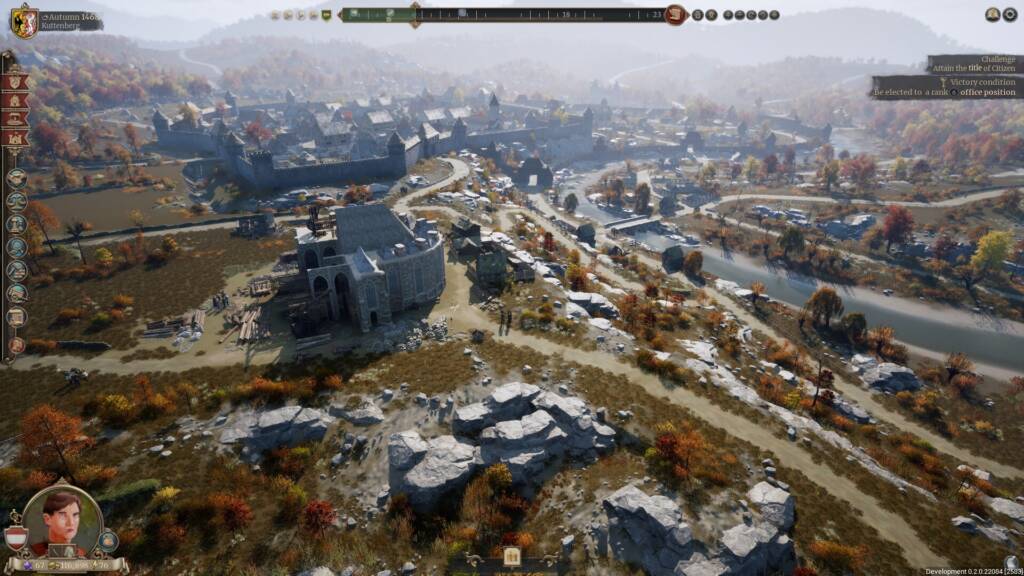
The Guild 1 Remake: Europa 1410 has one of the most interesting concepts on this list. You begin with a modest profession, build a business, accumulate wealth, enter politics, manipulate rivals, establish a family, and try to leave a dynasty capable of surviving for generations.
It deliberately returns to the economic and political focus of the original Europa 1400: The Guild rather than copying the more character-driven life-simulation structure of The Guild 2 and 3.
Why it ranks here: it only entered Early Access on September 17, 2026, so its economy, balance, content, and multiplayer ambitions are still being built out.
Core strength: few medieval games make business ownership and municipal politics this central.
Main weakness: this is currently the least mature game in the ranking.
Best for: players who want medieval capitalism, politics, and dynasty building.
Current status: Early Access on PC.
There is plenty of potential here, but ranking potential above finished games would make the rest of the list meaningless. Europa 1410 needs more time.
9. Graveyard Keeper 2
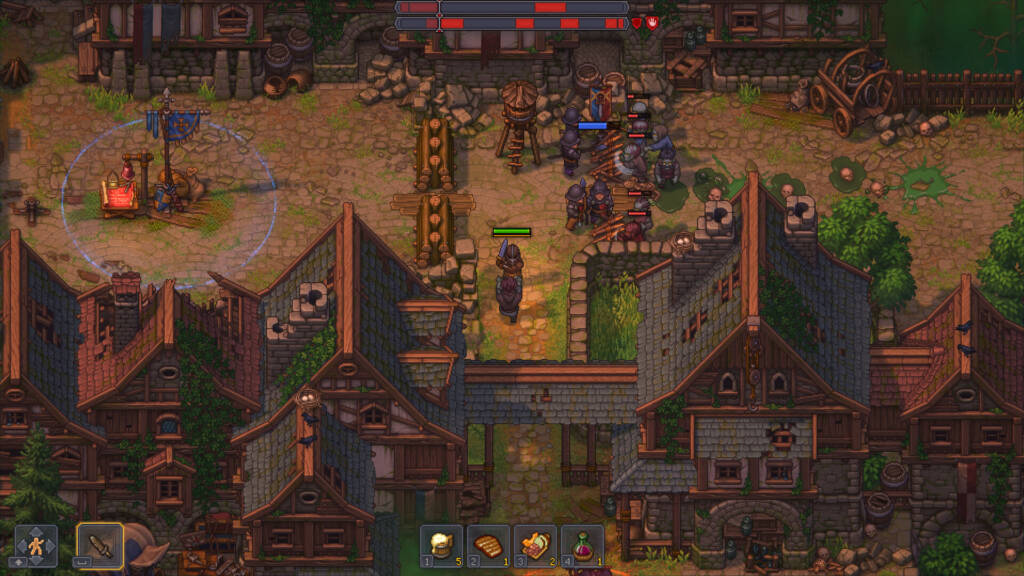
Graveyard Keeper 2 is the least conventional medieval game here. As the new Grand Inquisitor, you restore the town, manage a cemetery, automate production with zombies, build businesses, and command an undead force against new threats.
Why it ranks here: its management systems are entertaining, but this is more crafting, automation, and dark-comedy simulation than deep historical strategy.
Core strength: nothing else here turns cemetery management and zombie labor into quite the same economic loop.
Main weakness: weaker fit for players specifically looking for armies, diplomacy, or historically grounded kingdom management.
Best for: crafting and management fans who like their Middle Ages absurd.
Current status: fully released September 22, 2026.
Check out Graveyard Keeper 2 on G2A.COM
8. Europa Universalis V
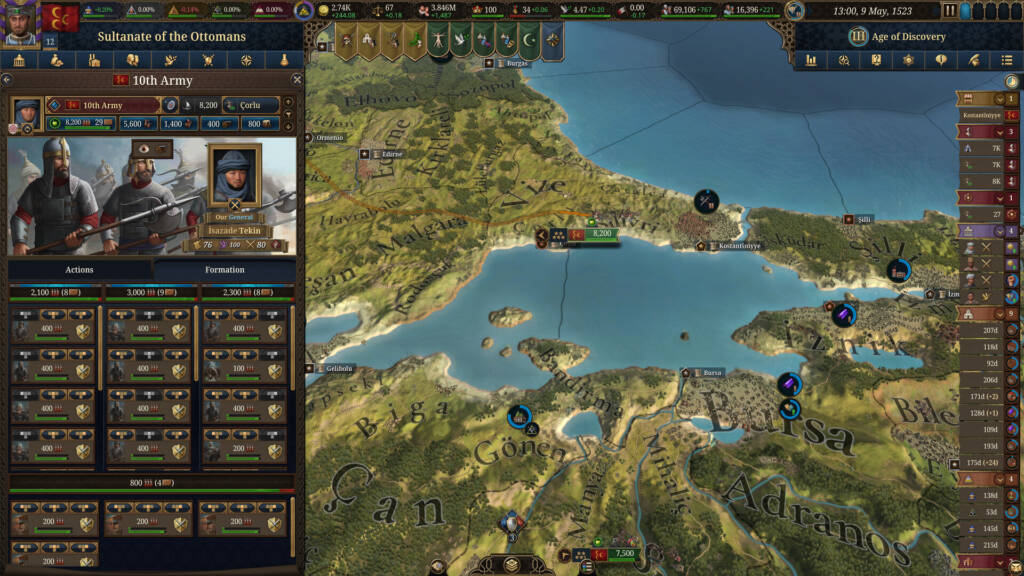
Europa Universalis V is easily one of the deepest strategy games in this ranking. It begins in the late medieval world and follows nations across centuries of demographic, economic, religious, diplomatic, and military change.
Populations matter. Goods move through markets. Social groups, government systems, religion, diplomacy, and warfare all feed into one enormous simulation. Expanding is often easier than managing everything you conquered afterward.
Why it ranks here: its ambition is extraordinary, but its current player reception remains mixed and the complexity can become slow, opaque, and demanding.
Core strength: the deepest country-level simulation on this list.
Main weakness: a huge learning curve and a current version that still divides players.
Best for: players who want to manage populations, markets, diplomacy, and states rather than individual rulers.
Current status: fully released on PC.
Check out Europa Universalis V on G2A.COM
7. Medieval Dynasty
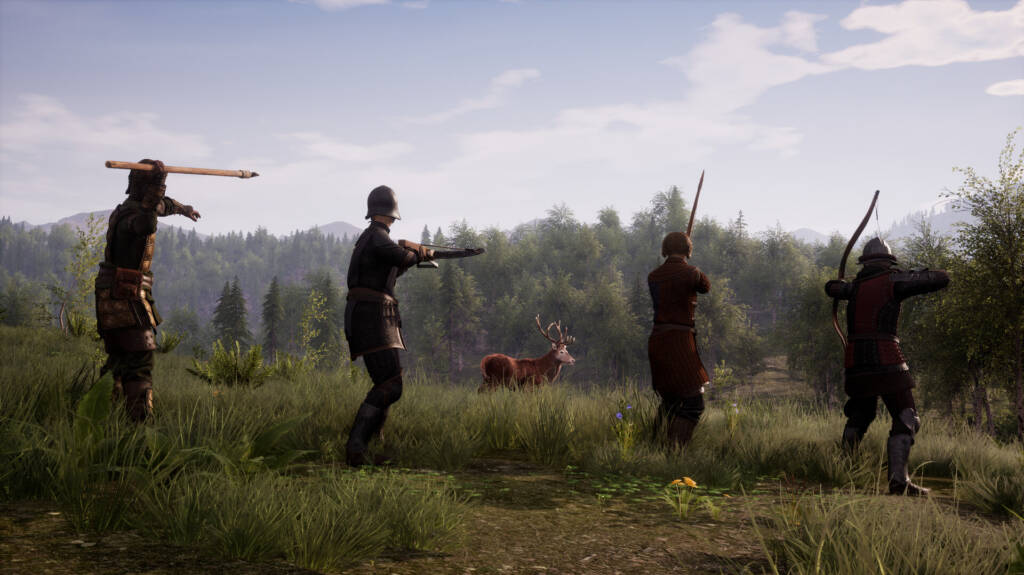
Medieval Dynasty approaches the period from ground level. You hunt, farm, gather resources, construct buildings, recruit villagers, start a family, and gradually turn a patch of wilderness into a functioning settlement.
Its strongest feature is perspective. Crusader Kings asks you to think like a ruler. Medieval Dynasty asks you to think about firewood, food, housing, tools, and whether everybody will survive another winter.
Why it ranks here: it is an excellent medieval life simulator, but the strategic layer is lighter than the games above it.
Core strength: the feeling of personally building and living inside your settlement.
Main weakness: long stretches can feel routine once your village is stable.
Best for: survival, crafting, and village-building fans.
Current status: fully released, with online co-op support.
Check out Medieval Dynasty on G2A.COM
6. Manor Lords
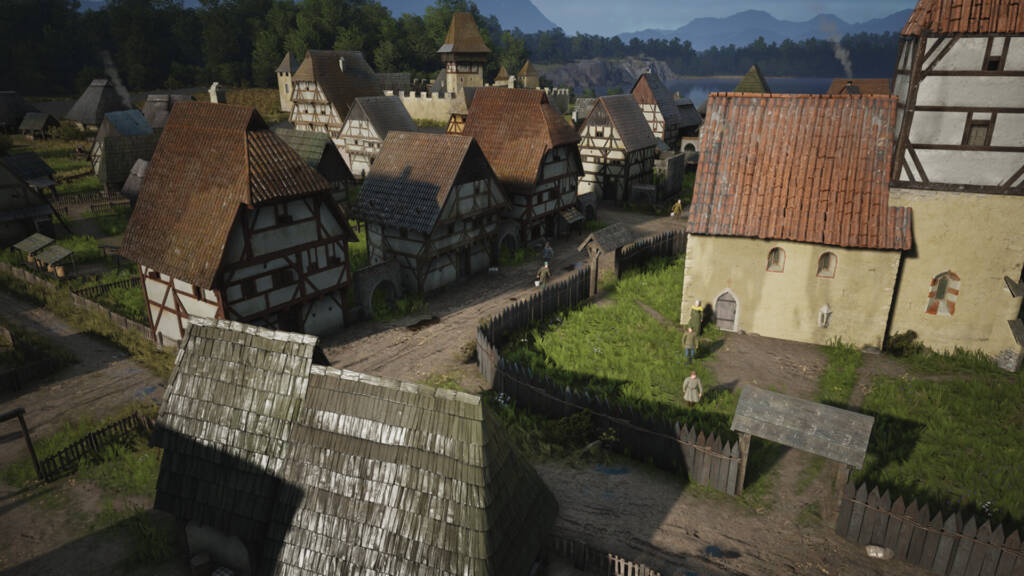
Manor Lords combines an unusually natural-looking city builder with tactical warfare inspired by late-medieval Europe. Roads form organically, houses do not need to fit into a rigid grid, and burgage plots can develop into gardens, animal pens, or workshops depending on their layout.
That creates settlements that look like places rather than perfect strategy-game spreadsheets. When war arrives, you also need to think about equipment, manpower, formations, terrain, and the economic cost of pulling workers away from their jobs.
Why it ranks here: what is already playable can be excellent, but Manor Lords remains an Early Access game rather than a finished strategy package.
Core strength: perhaps the best-looking and most organic medieval settlement building on this list.
Main weakness: major systems are still evolving.
Best for: players who care about town planning, economics, and atmosphere more than campaign completeness.
Current status: Early Access.
Check out Manor Lords on G2A.COM
5. Farthest Frontier
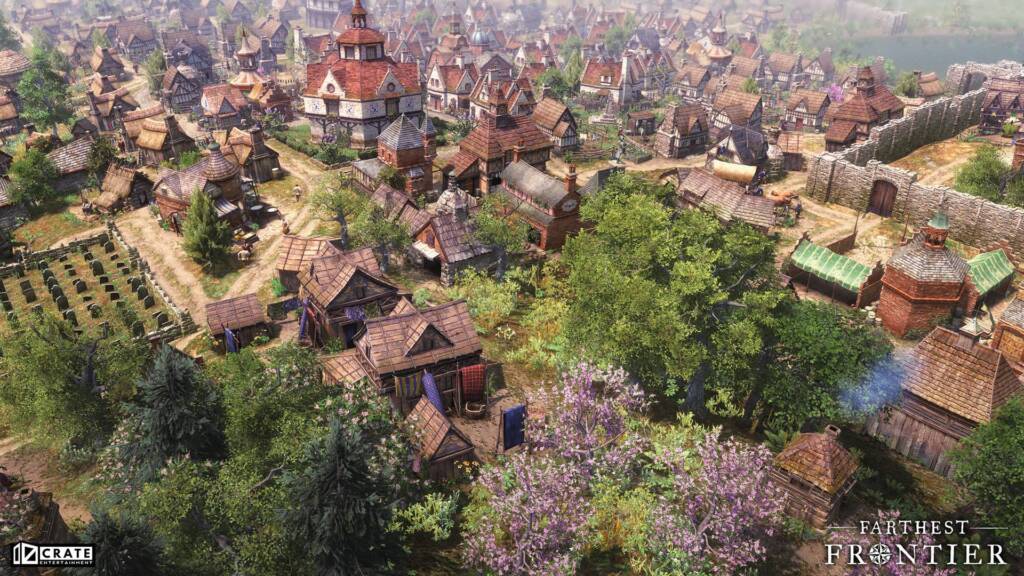
Farthest Frontier is what happens when a city builder refuses to treat food as a simple number at the top of the screen.
Crops have different properties. Soil matters. Food spoils. Diseases spread. Villagers need clothing, tools, medicine, and safe water. Raiders can destroy the settlement you spent years optimizing.
It reached full release in October 2025 after several years in Early Access, which gives it an important advantage over Manor Lords: its systems now form a much more complete package.
Why it ranks here: it is one of the strongest pure settlement-management games in the ranking.
Core strength: farming, food, disease, logistics, and survival all interact meaningfully.
Main weakness: military strategy is secondary to settlement survival.
Best for: players who want Banished-style survival management with more agricultural depth.
Current status: fully released.
Check out Farthest Frontier on G2A.COM
4. Wartales
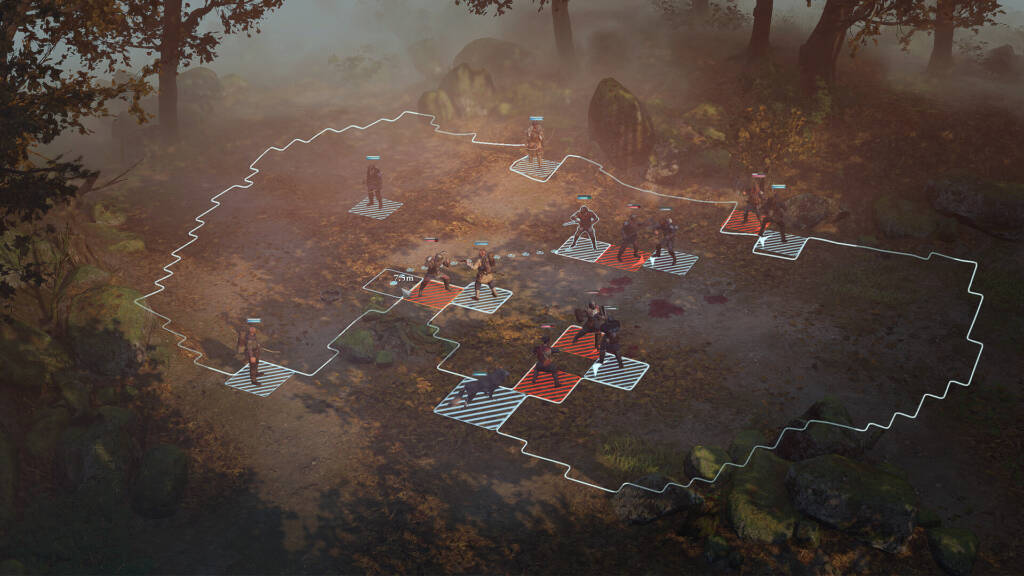
Wartales does not make you a king. It gives you a mercenary company and lets you worry about whether everybody can eat and get paid.
The open world is structured around contracts, exploration, party management, equipment, professions, camp systems, and turn-based battles. Every extra recruit makes the company stronger, but also increases the amount of food and wages you need to provide.
Why it ranks here: it blends tactical combat and campaign management better than almost anything else on the list.
Core strength: every soldier is simultaneously a tactical asset and an economic responsibility.
Main weakness: long campaigns can become repetitive, and recent player feedback has been less consistently positive than its strong lifetime reception.
Best for: tactical RPG fans who enjoy maintaining a company between battles.
Current status: fully released, with continued expansions and a 2026 roadmap.
Why not higher? The top three simply represent their particular kind of medieval strategy more completely. Wartales is excellent, but part RPG, part management game, and part tactical sandbox rather than the definitive medieval strategy experience.
3. Stronghold Crusader: Definitive Edition
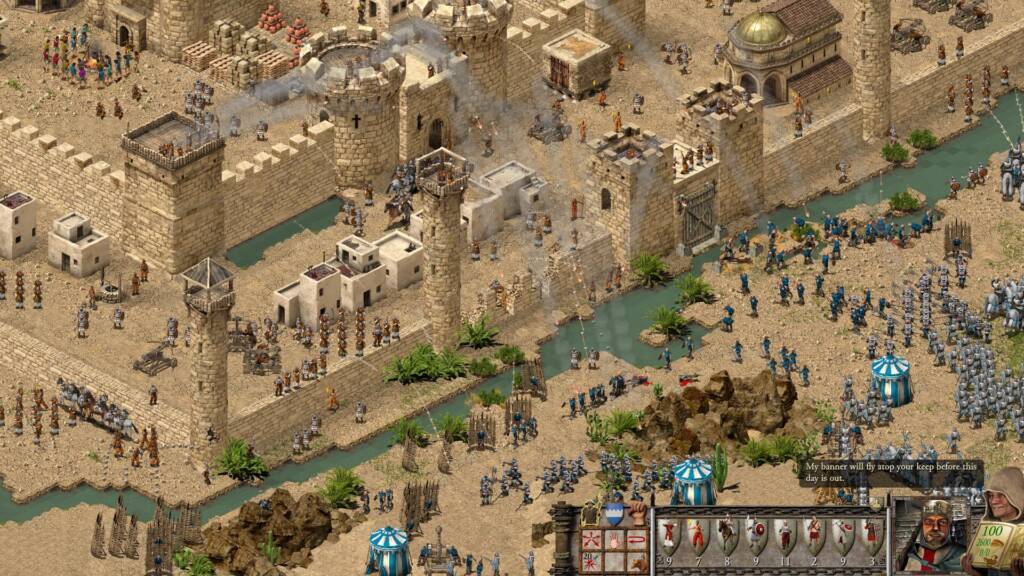
Stronghold Crusader has always understood something important: the castle should be part of the strategy rather than scenery around the battlefield.
The Definitive Edition preserves that castle economy while expanding the classic with larger maps, eight new playable units, four additional AI lords, new historical campaigns, extra skirmish trails, Workshop support, and an entirely new co-op trail.
Why it ranks here: it remains one of the clearest expressions of castle-building strategy ever made, and the remaster substantially expands rather than merely repackages it.
Core strength: designing a working economy and then turning it into a defensible fortress.
Main weakness: some systems still reveal their early-2000s origins.
Best for: castle builders, siege fans, and classic RTS players.
Current status: fully released and actively expanded with DLC.
Why not higher? Its focus is intentionally narrower than Crusader Kings III or Age of Empires II. If castles and sieges are your priority, that narrow focus may actually make it your personal number one.
Check out Stronghold Crusader: Definitive Edition on G2A.COM
2. Crusader Kings III
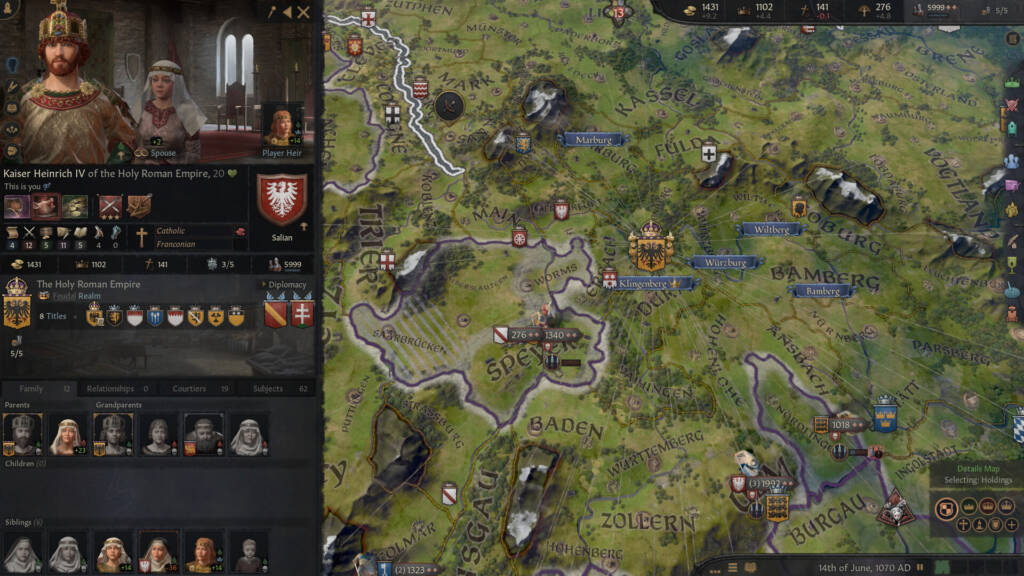
Crusader Kings III is arguably the best game here at making the Middle Ages feel personal.
You control a ruler rather than an immortal country. That ruler gets married, develops relationships, acquires rivals, raises children, suffers illnesses, starts wars, plots murders, and eventually dies. The campaign then continues through an heir who may be nothing like the person you spent the previous decades shaping.
That succession system turns ordinary strategy decisions into stories. A perfect military campaign can be undone by inheritance. A strategically useful marriage can create a disaster two generations later. A harmless younger sibling can become the center of a succession crisis.
Why it ranks #2: no other game on this list simulates medieval dynastic politics and personal power this convincingly.
Core strength: emergent stories created by families, succession, politics, religion, and ambition.
Main weakness: the full ecosystem now includes a substantial amount of expansion content beyond the base game.
Best for: players who want to rule a family rather than simply command an army.
Current status: fully released, mature, and still receiving substantial content.
Why not #1? Crusader Kings III is the better medieval role-playing simulation, but Age of Empires II wins the overall ranking through accessibility, competitive depth, campaigns, multiplayer, co-op, scenario creation, and sheer longevity.
Check out Crusader Kings III on G2A.COM
1. Age of Empires II: Definitive Edition
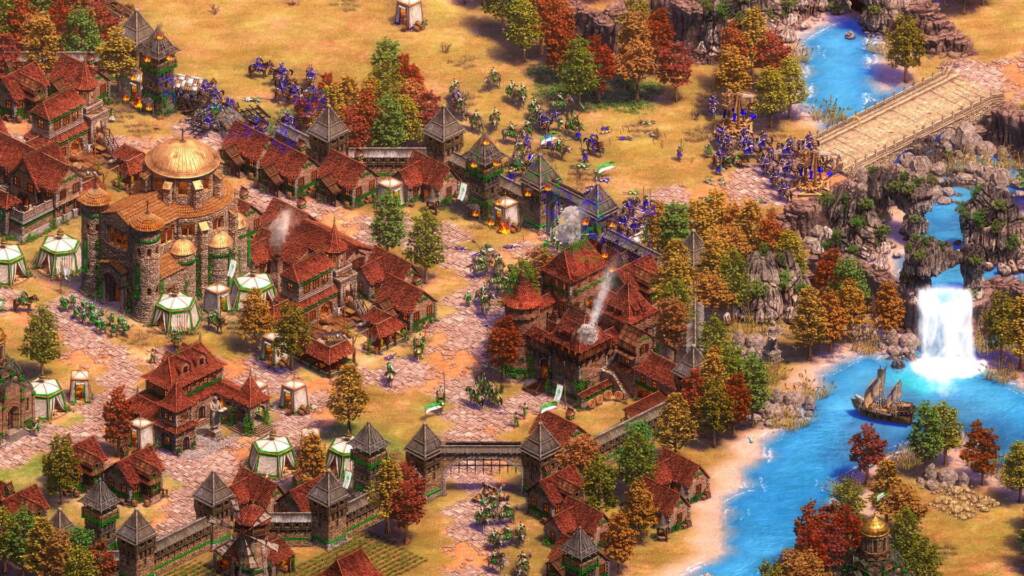
Age of Empires II has survived long enough to see several generations of strategy games come and go, and the remarkable part is that it still feels relevant.
The fundamental loop remains beautifully readable: gather food, wood, gold, and stone; move through technological ages; build an economy; produce military units; scout the map; counter the enemy; and decide exactly when economic growth needs to become aggression.
Its current Definitive Edition is enormous. The base package currently advertises 42 civilizations and 229 campaign missions, alongside single-player, multiplayer, co-op, cross-play, an editor, mods, and years of continued updates.
Why it ranks #1: it combines historical flavor, approachable fundamentals, very high competitive depth, huge campaign content, co-op, multiplayer, and extraordinary replayability better than anything else here.
Core strength: one of the most complete RTS packages available, medieval or otherwise.
Main weakness: understanding the basics is easy; becoming genuinely good at multiplayer can take years.
Best for: almost anyone who wants traditional medieval strategy, whether they prefer campaigns, co-op, skirmishes, or competitive multiplayer.
Current status: fully released, actively supported, and still receiving new content.
Grab Age of Empires II: Definitive Edition on G2A.COM
Which medieval game should you play?
| If you want… | Pick |
|---|---|
| The best all-around medieval RTS | Age of Empires II: Definitive Edition |
| Politics, family drama, and dynasties | Crusader Kings III |
| Castle building and sieges | Stronghold Crusader: Definitive Edition |
| Tactical turn-based battles | Wartales |
| A finished medieval survival city builder | Farthest Frontier |
| The most promising organic city builder | Manor Lords |
| First-person medieval village life | Medieval Dynasty |
| The deepest nation simulator | Europa Universalis V |
| Dark comedy and automation | Graveyard Keeper 2 |
| Medieval business and local politics | The Guild 1 Remake: Europa 1410 |
Current G2A.COM picks
| Game | Our verdict | G2A.COM |
|---|---|---|
| Age of Empires II: Definitive Edition | Best overall | Check offer |
| Crusader Kings III | Best for politics and dynasties | Check offer |
| Stronghold Crusader: Definitive Edition | Best castle strategy | Check offer |
| Manor Lords | Best Early Access city builder | Check offer |
G2A Plus: earn Plus Points when shopping. Premium members can also get better member prices, higher discount codes, a monthly gaming reward, and priority assistance after purchase.
Related G2A News reading
For a broader list that includes medieval RPGs and action games as well as strategy, see Best Medieval Games You Can Play Right Now.
If settlement management is the main attraction, continue with Best Medieval City-Building Games or our Games Like Medieval Dynasty guide.
For large-scale historical campaigns beyond the games ranked here, our Best Total War Games ranking covers another major branch of historical strategy.
FAQ
What is the best medieval strategy game overall?
Age of Empires II: Definitive Edition takes the top spot here because it combines an enormous amount of campaign content with strong multiplayer, co-op, modding, historical variety, and decades of refined RTS design.
What is the best medieval game for politics and role-playing?
Crusader Kings III. Its rulers, marriages, succession laws, rivalries, religions, schemes, and inherited problems turn grand strategy into a dynasty-driven role-playing game.
Should you buy Manor Lords now or wait for 1.0?
Buy it now if organic city building and watching the project evolve appeal to you. Wait if you want a finished campaign structure and stable, finalized systems. It remains an Early Access release.
The medieval strategy throne still belongs to a classic
The interesting thing about this ranking is how differently these games approach the same broad historical fantasy.
Medieval Dynasty cares about surviving winter. Farthest Frontier wants you to make agriculture work. Stronghold asks whether your castle can survive a siege. Crusader Kings III wonders whether your heir will destroy everything after you die. Age of Empires II reduces the same era to one of strategy gaming’s cleanest loops: build, expand, adapt, and conquer.
That is why the 1999 classic, in its heavily expanded Definitive Edition form, still wins. Plenty of newer games simulate individual parts of medieval life in more detail, but few combine accessibility, depth, content, multiplayer, and replayability as effectively.
If your ideal Middle Ages involve family betrayal rather than armies, move Crusader Kings III to number one. If you only care about castles, Stronghold may be your winner. But as the strongest all-around medieval strategy game, Age of Empires II: Definitive Edition remains extraordinarily difficult to dethrone.