




Quick answer: Some of gaming’s most hated mechanics include escort missions, slow NPC-following sections, equipment durability, inventory weight limits, fetch quests, and out-of-combat stamina. The problem is rarely the idea itself.
Games such as Resident Evil 4 Remake, Ghost of Tsushima, Monster Hunter, Death Stranding, The Witcher 3, and Elden Ring show how familiar mechanics can become enjoyable when they support tension, pacing, decision-making, or the game’s central fantasy.










TL;DR – Hated Game Mechanics That Can Actually Work
| Mechanic | Game That Makes It Work | Why It Works |
|---|---|---|
| Escort Missions | Resident Evil 4 Remake | The escort target adds tension without behaving irrationally. |
| Following the NPC | Ghost of Tsushima | NPCs adapt to the player’s movement speed. |
| Equipment Durability | Monster Hunter | Weapon maintenance becomes a tactical combat decision. |
| Weight Limit | Death Stranding | Cargo weight directly affects traversal and balance. |
| Fetch Quests | The Witcher 3 | Simple objectives are supported by memorable stories and consequences. |
| Out-of-Combat Stamina | Elden Ring | Unlimited sprinting outside combat keeps exploration moving. |
Table of Contents
Every gamer knows the feeling: you’re deeply immersed in a beautiful open-world, and suddenly the game hits the brakes.
You are tasked with keeping a suicidal NPC alive, managing an inventory weight limit, or jogging behind a slow-moving villager to hear his prolonged monologue about the current state of the realm. Then he asks you to gather ten mushrooms.
While universally hated, the mechanics discussed in this article are not necessarily examples of bad design; they are often just poorly executed. When creativity strikes, even the most notoriously exhausting tropes can become a memorable gameplay highlight.
Escort Missions
A merchant needs help traveling the dangerous road between the cities. Instead of staying behind the heroes, he decides to lead the way, running away from one group of enemies straight into another and aggroing the entire goblin population.
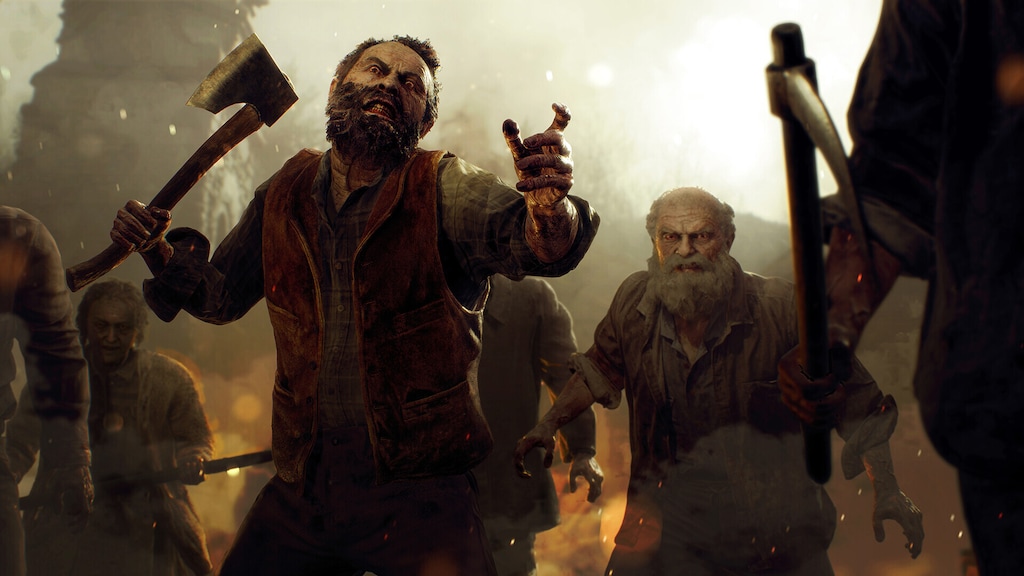
Creative Solution – Resident Evil 4 Remake: Ashley is fragile and, by design, a liability. But she is not running around mindlessly; she sticks close to the protagonist and does not try to catch every projectile coming her way. Trying to protect her creates yet another layer of tension.
Following the NPC
A city guard asks you to help him get rid of a group of bandits. He walks painfully slowly through the city, showing every important location. When you leave the city walls, he starts trekking – just a little faster than you walk and a little slower than you run.
Creative Solution – Ghost of Tsushima: Make the NPC match the protagonist’s speed. It’s that simple.
Equipment Durability
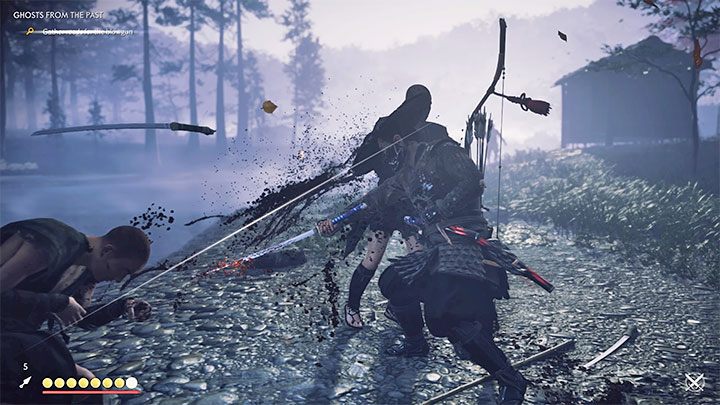
You fight your way through the dungeon, juggling multiple weapons to save the strongest one for the last chamber. Right before the boss room, you dip your toe in an acid pool (hello Dark Souls 2), damaging your armor, trinkets, and both your main and backup weapons.
Creative Solution – Monster Hunter series: Instead of forcing players to fight the enemy bare-handed or return to the city for repairs, weapons gradually lose their sharpness. Using a whetstone mid-battle requires knowledge of boss attack patterns and the ability to find a safe window during chaotic encounters.
Weight Limit
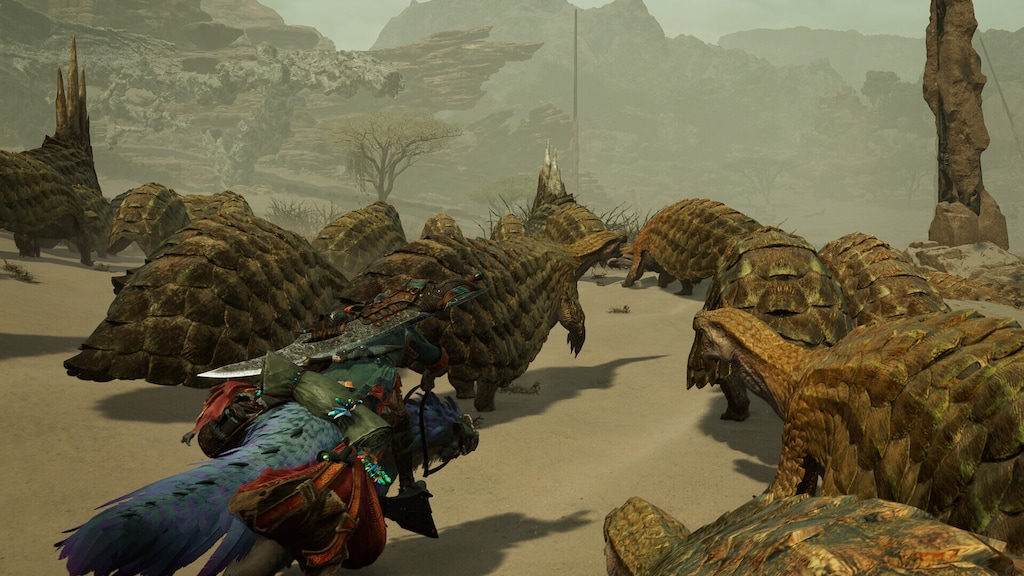
You return from your escapades with a bag full of loot. Problem is, you’re encumbered, and every merchant in the city has spent his life savings on gambling or a pyramid scheme. You waddle from store to store, trying to liquidate ancient weaponry.
Creative Solution – Death Stranding: Weight limit stops being a random number designed to prolong the playtime and becomes the mechanic itself. Cargo weight dictates Sam’s balancing capabilities and stability against the wind. If you want to carry more, you’ll have to risk losing your balance and the cargo along the way.
Fetch Quests
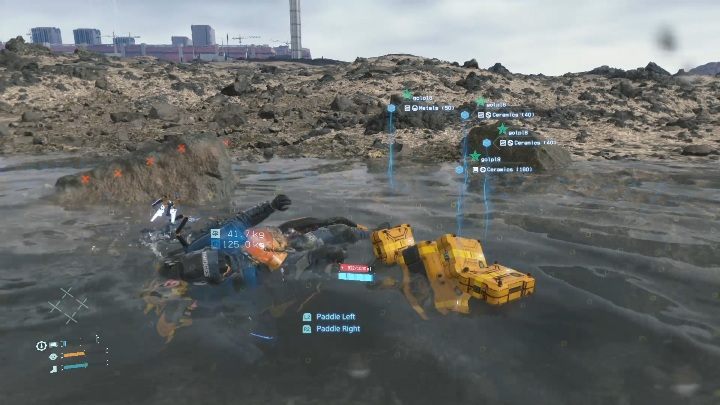
The village chief tries to save his people from starving. He sends you into beast-infested fields to gather ten turnips. After finishing his request, the alchemist appears, asking you to collect mint for his laboratory.
Creative Solution – The Witcher 3: Turns out people don’t mind basic fetch quests when they’re wrapped in an amazing storyline. Simple retrieval tasks can escalate into complex, morally grey storylines involving tragic character arcs.
Out-of-Combat Stamina
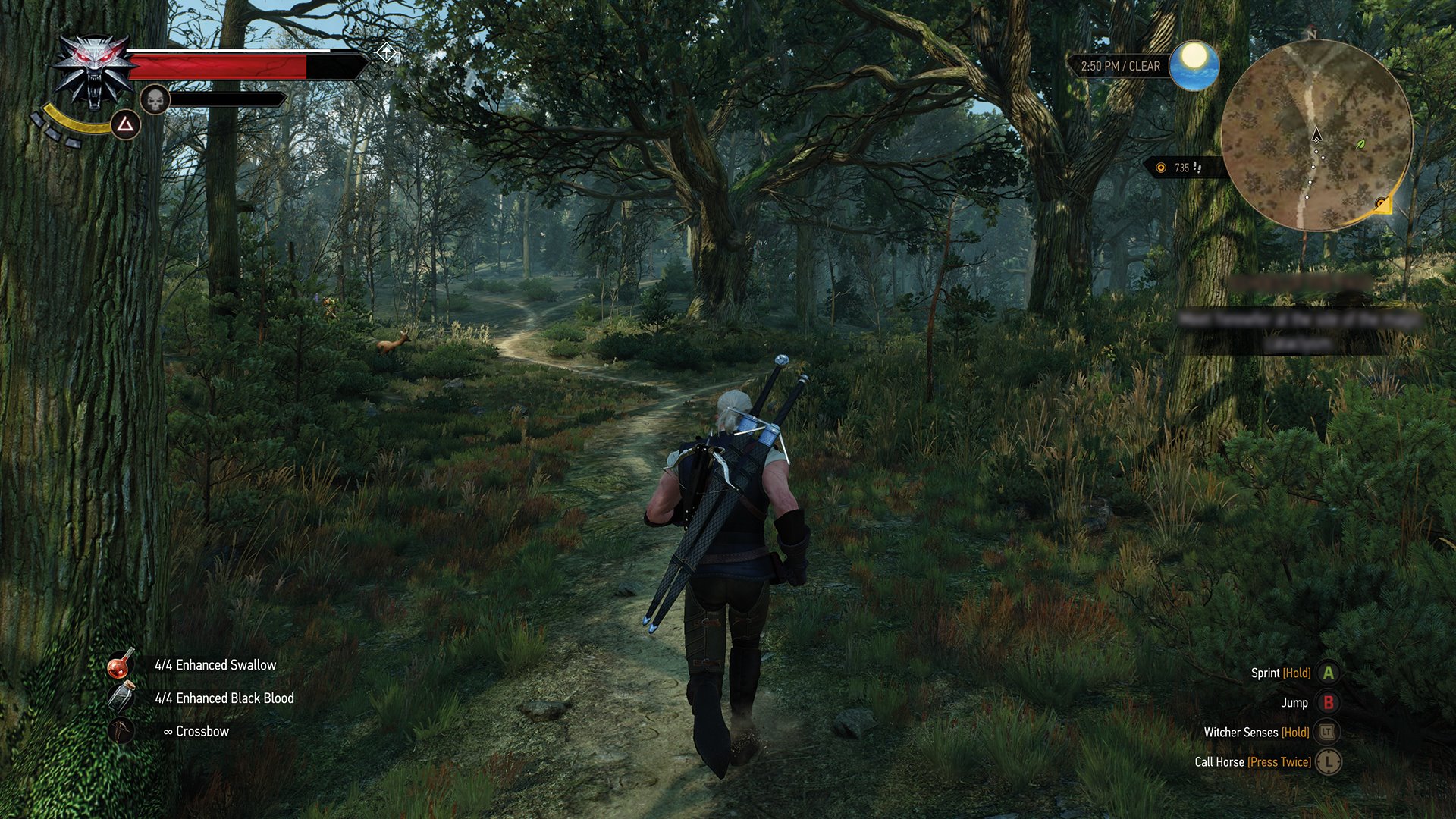
To reach the capital, you must first cross the vast landscape. You get tired after a few seconds of sprinting – after all, running in full armor is pretty tiresome – so the journey becomes an endless cycle of sprinting and recovery. At least you can appreciate the beauty of the surroundings until it all starts looking the same.
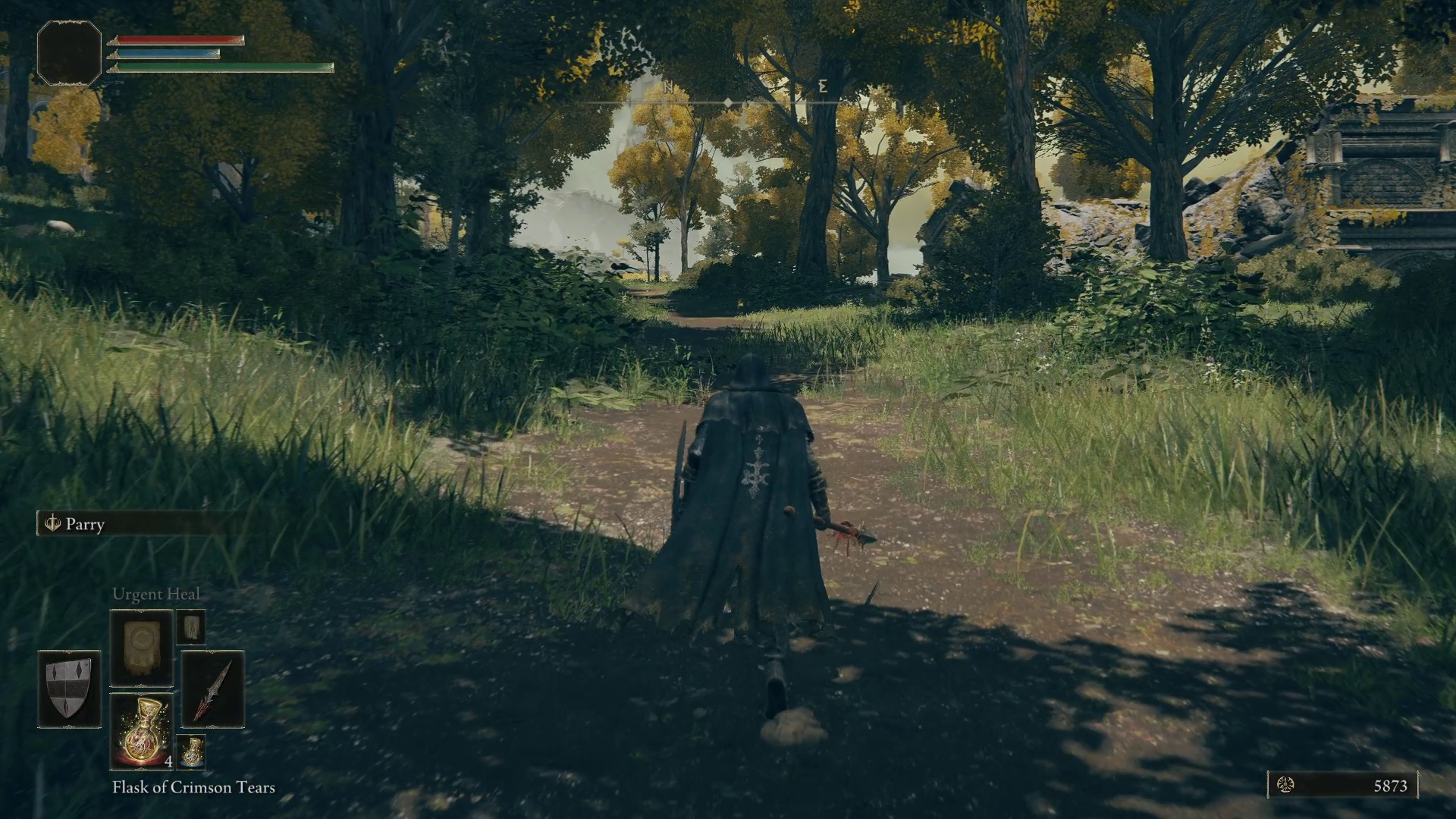
Creative Solution – Elden Ring: Allowing players to sprint endlessly out-of-combat completely removes the frustration of having exploration interrupted by stamina recovery. If you move fast, exploration never feels like time wasted.
Games That Put Annoying Mechanics to Better Use on G2A.COM
The examples above are also a useful reminder that context matters. A mechanic that feels irritating in one game can become a major part of another game’s identity. If you want to see those approaches firsthand, several of the featured games currently have active marketplace offers on G2A.COM.
Less Grinding for a Better Deal
A G2A Plus subscription can provide member pricing and Plus Points on eligible marketplace purchases, alongside additional membership benefits.
Most Hated Video Game Mechanics FAQ
Why do players hate escort missions?
Escort missions often become frustrating when the NPC moves unpredictably, cannot defend themselves, or forces the player to constantly correct the AI’s mistakes. Resident Evil 4 Remake shows that an escort objective can work when the companion behaves consistently and adds deliberate tension.
Why are fetch quests so common in games?
Fetch quests give developers a simple structure for sending players toward locations, characters, or story events. They become repetitive when the objective is the entire experience, but games such as The Witcher 3 use simple retrieval tasks as a framework for stronger stories.
Can weapon durability be a good mechanic?
Yes. Durability works better when maintenance creates an interesting decision instead of simply deleting equipment. Monster Hunter’s sharpness system gives players reasons to judge when it is safe to stop attacking and use a whetstone.
Why does Death Stranding’s weight limit work?
Because carrying capacity directly affects movement. The amount and arrangement of cargo influence Sam’s balance and traversal, so weight is connected to the game’s central challenge instead of existing only as an inventory restriction.
Does Elden Ring use stamina outside combat?
Elden Ring allows unlimited sprinting while the player is outside combat. Stamina becomes important again during encounters, keeping it relevant to fighting without repeatedly interrupting normal exploration.
Are annoying game mechanics always examples of bad design?
No. Mechanics such as escorting NPCs, durability, inventory limits, or fetch quests can support tension, strategy, storytelling, or immersion. Execution and repetition usually determine whether players find them engaging or exhausting.
Final Thoughts
The most hated mechanics aren’t necessarily the ones that are half-baked; much of the frustration comes from repetition. If you’ve seen the same mechanics countless times, presented in exactly the same way, you’re naturally more likely to grow tired of them.
That’s why it’s so important to refresh familiar mechanics from time to time and ask a simple question during development: how can we make this experience more enjoyable?