



What happens when a studio isn’t afraid to experiment? For me, Monolith Productions has always been the answer! Founded in 1994 in Kirkland, Washington, the team quickly earned a reputation for innovative, memorable games.
From first-person shooters like FEAR to stylish action-adventures such as No One Lives Forever and even quirky platformers, Monolith consistently blended smart AI, creative gameplay, and cutting-edge technology.
Over the years, we watched them push boundaries, from the LithTech engine powering their early hits to the groundbreaking Nemesis System in Shadow of Mordor and Shadow of War.
Sadly, the studio was closed in early 2025, but its legacy lives on through the classics and innovations it left behind.
Studio’s History
Monolith Productions was founded in 1994 by a group of developers who saw the rapidly growing PC market as the perfect space to experiment:
- Bryan Bouwman was a game designer and programmer who helped shape Monolith’s early creative vision.
- Toby Gladwell focused on project management and production, keeping early development on track.
- Brian Goble brought technical expertise and programming skills to the studio’s first titles.
- Jace Hall acted as producer and business strategist, guiding Monolith through early industry partnerships.
- Garrett Price contributed as an artist and designer, helping define the studio’s visual style.
- Paul Renault worked on level design and gameplay systems, adding creative depth to early projects.
- Brian Waite served as technical lead and engineer, supporting LithTech development and overall game architecture.
The studio operated simply as Monolith Productions, but after being acquired by Warner Bros. Interactive Entertainment in 2004, the studio’s games were often co-branded, reflecting its new parent company while retaining its identity.
From the beginning, Monolith focused on ambitious PC titles that blended technical innovation with bold creative direction, building its momentum with:
- Blood (1997) — a cult-classic FPS known for dark humour and inventive weapons
- Shogo: Mobile Armor Division (1998) — an anime-inspired mech shooter powered by early LithTech technology
- The Operative: No One Lives Forever (2000) — a stylish spy FPS praised for writing and design
By the mid-2000s, the studio had earned widespread respect and was winning numerous awards. Its innovation in AI and action design became a defining strength. Some of its most notable awards and accolades include:
- F.E.A.R. (2005) won multiple “Best Action Game” awards and was widely praised for its groundbreaking enemy AI.
- Middle-earth: Shadow of Mordor (2014) received numerous Game of the Year awards.
- Shadow of Mordor (2014) was recognized across the industry for innovation, particularly for introducing the Nemesis System.
- Middle-earth: Shadow of War (2017) earned multiple nominations for action design and technical achievement.
Over three decades — from PC cult hits in the ’90s to blockbuster action titles in the 2010s – Monolith evolved into a studio known for intelligent systems and technical ambition. We can clearly see that its legacy still resonates, even after the studio closed last year.
Monolith’s Most Iconic Games
Monolith Productions made its name by taking risks and pushing boundaries – and they sure delivered! From early cult classics to blockbuster action adventures, every game brought something really unique. Here’s a chronological look at the studio’s most memorable titles and what made them stand out:
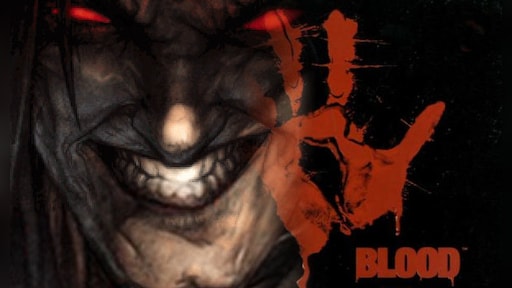
Blood (1997)
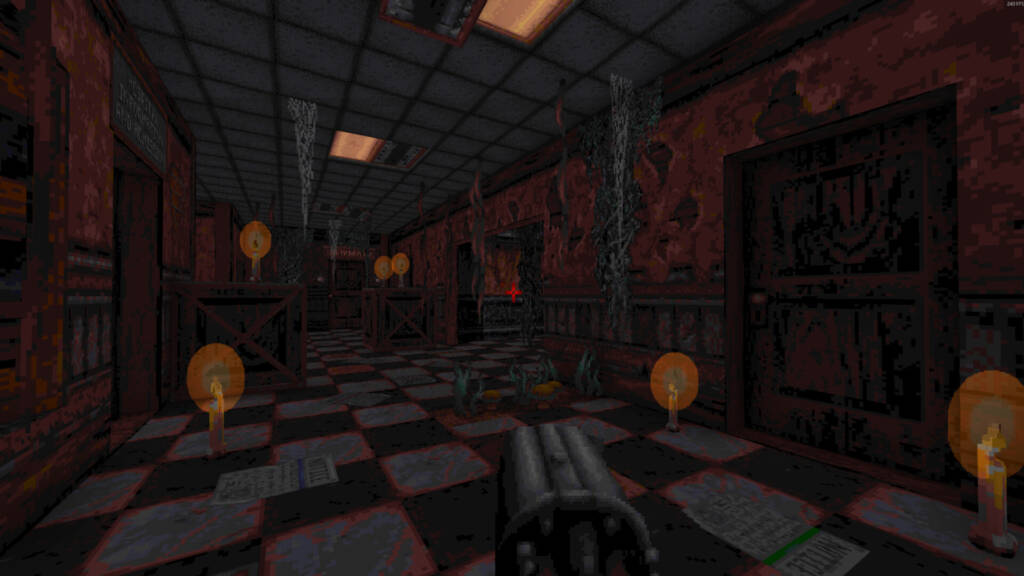
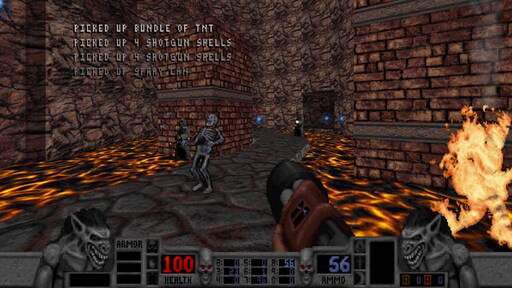
- It was a classic horror first-person shooter for PC, featuring dark humor and inventive weapons.
- The game offered fast-paced, action-packed gameplay that stood out in the late ’90s.
- It gained a cult following thanks to its unique style, memorable levels, and over-the-top tone.
Blood: Fresh Supply
Release Date: May 09, 2019
Genres: Shooter
Blood: One Unit Whole Blood
Release Date: July 15, 1998
Genres: Shooter, Adventure
Blood II: The Chosen (1998)
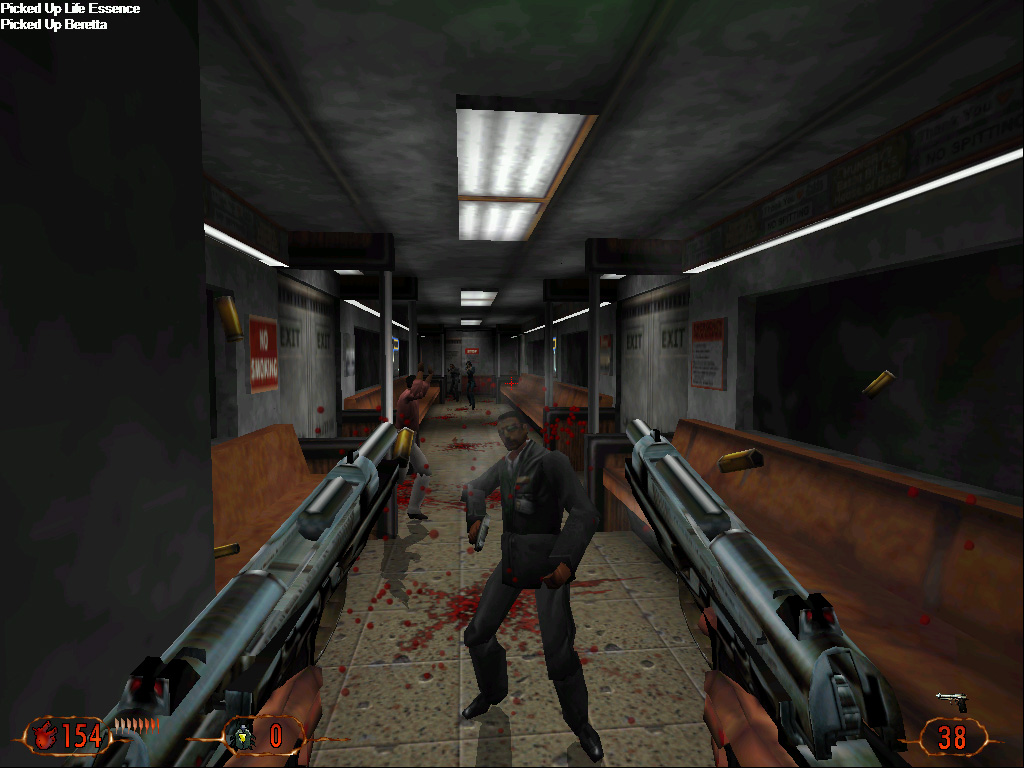
- It was a first-person shooter for PC that continued the dark humor and intense action of its predecessor.
- The game showcased early use of the LithTech engine, demonstrating Monolith’s technical innovation.
- It expanded on gameplay with new weapons, environments, and multiplayer features.
Blood II: The Chosen + Expansion
Release Date: October 31, 1998
Genres: Shooter
Shogo: Mobile Armor Division (1998)
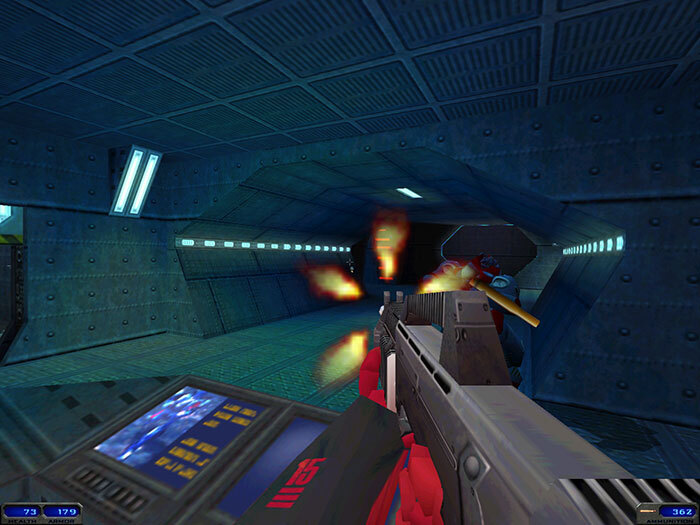
- It was a mech-focused first-person shooter for PC with an anime-inspired art style.
- The game showcased the LithTech engine and was praised for its unique visuals and fast-paced gameplay.
- It offered a distinctive blend of shooter mechanics and mech combat that set it apart from other FPS games of its time.
Gruntz (1999)
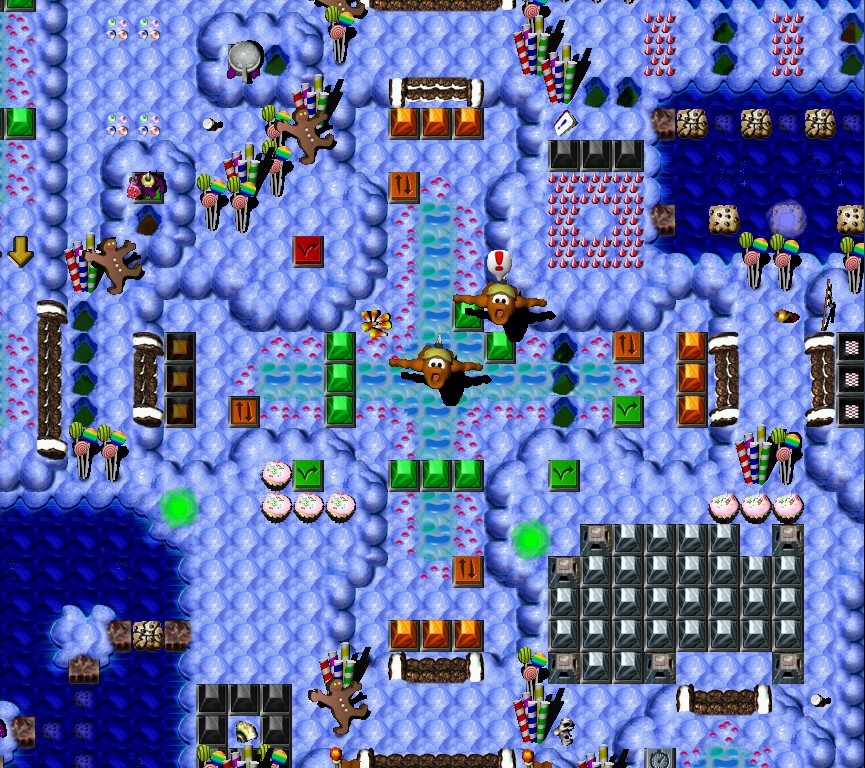
- It was a puzzle/strategy game for PC that combined humor with creative mechanics.
- This game stood out for its inventive level design and charming, quirky visuals.
- It challenged players to think strategically while navigating imaginative, colorful environments.
Claw (1997)
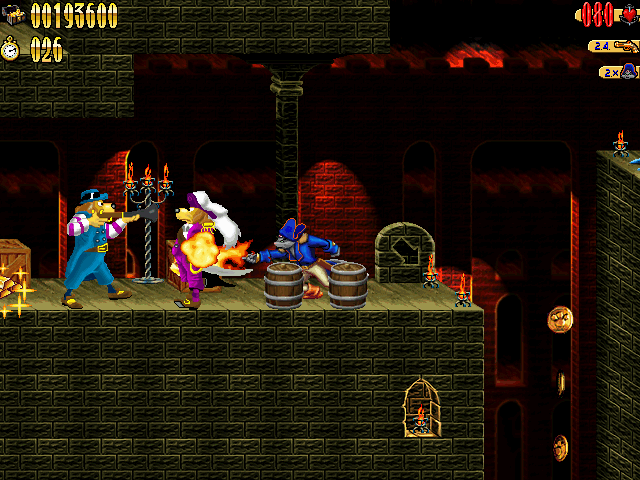
- It was a side-scrolling platformer for PC and later consoles with colorful graphics.
- It featured cooperative multiplayer, allowing friends to play together in fast-paced, platforming action.
- The game’s responsive controls and charming art style made it accessible and fun for a wide audience.
The Operative: No One Lives Forever (2000)
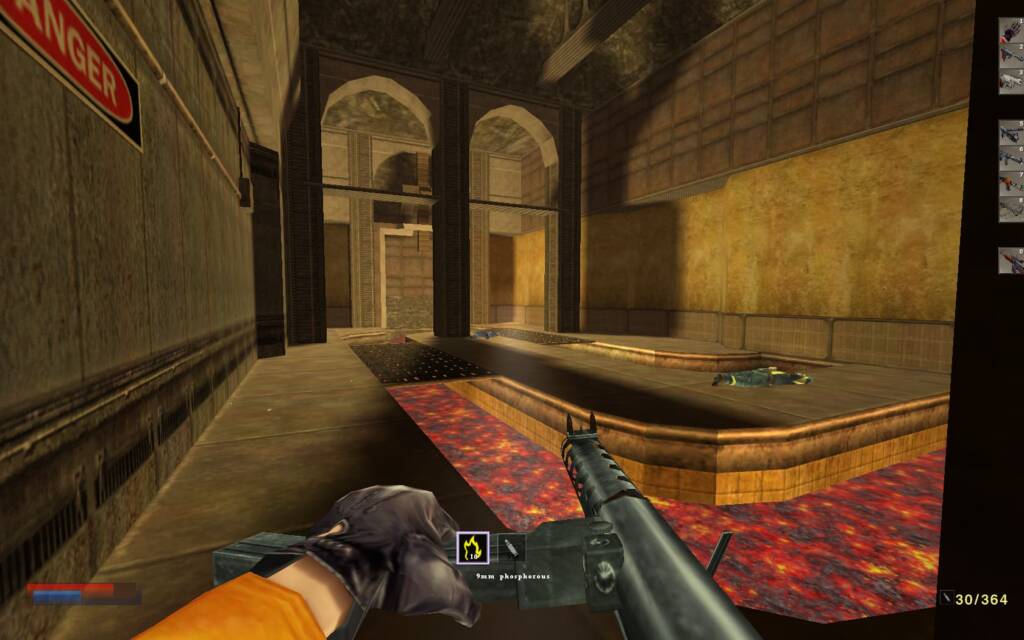
- It was a spy-themed action FPS for PC and Mac with stylish 1960s aesthetics.
- The game combined witty humor with immersive storytelling and cleverly designed levels.
- It stood out for blending stealth, action, and creative gadget-based gameplay.
Get Medieval (1998)
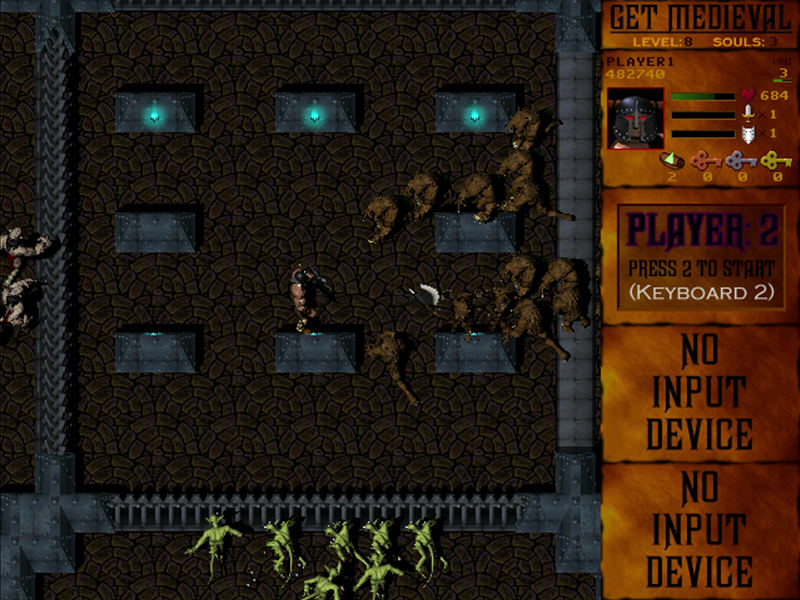
- It was a hack-and-slash action game for PC with a fantasy theme.
- It included cooperative multiplayer, letting players team up for fast-paced combat.
- The game’s simple but addictive mechanics made it a standout multiplayer experience of its era.
Condemned: Criminal Origins (2005)
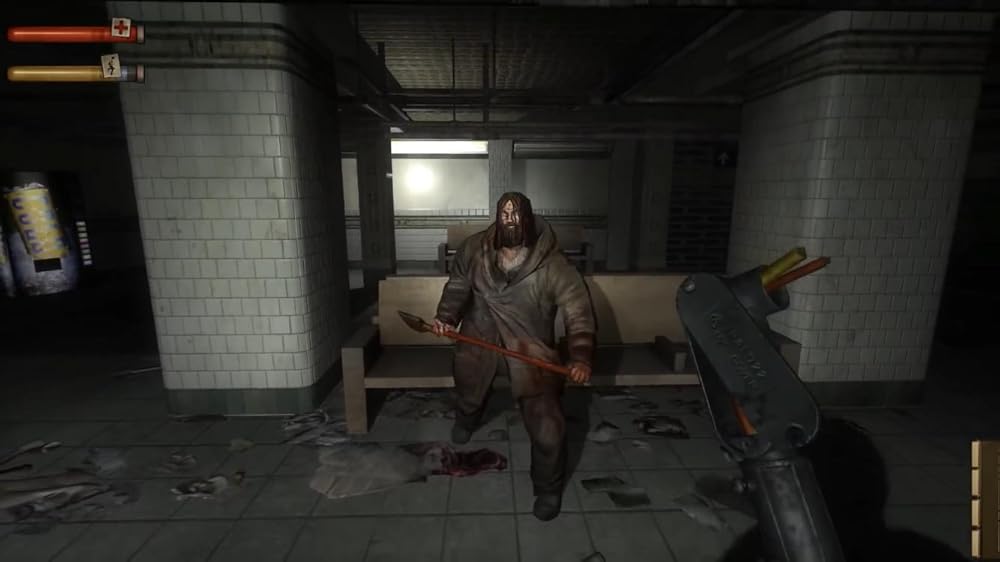
- It was a first-person horror/mystery game for PC and consoles.
- This game blended investigative gameplay with tense melee combat.
- Advanced AI and physics created an immersive and terrifying horror experience.
F.E.A.R.: First Encounter Assault Recon (2005)
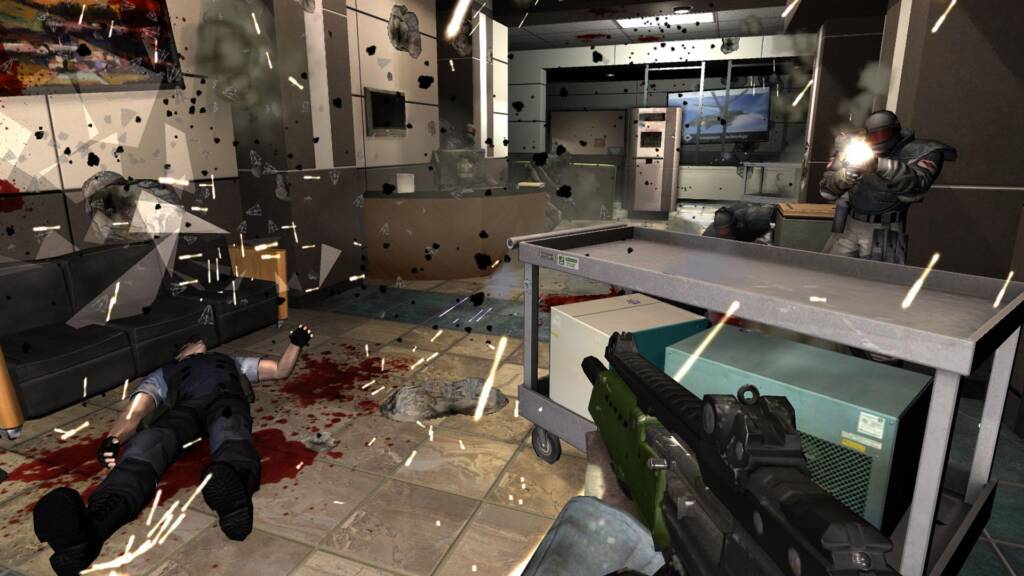
- It was a first-person shooter for PC and consoles that mixed horror and cinematic action.
- The game stood out for its intelligent enemy AI and realistic physics, including bullets and ragdoll effects.
- It raised the bar for tension and tactical combat in horror-themed shooters.
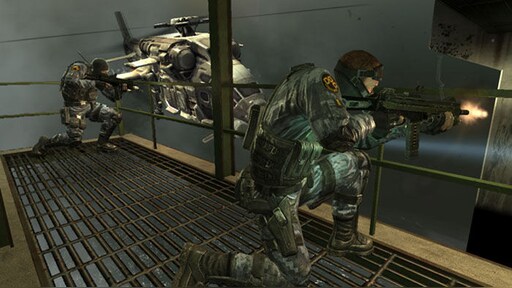
F.E.A.R. Complete Pack
Release Date: February 12, 2009
Genres: Shooter
Middle-earth: Shadow of Mordor (2014) & Shadow of War (2017)
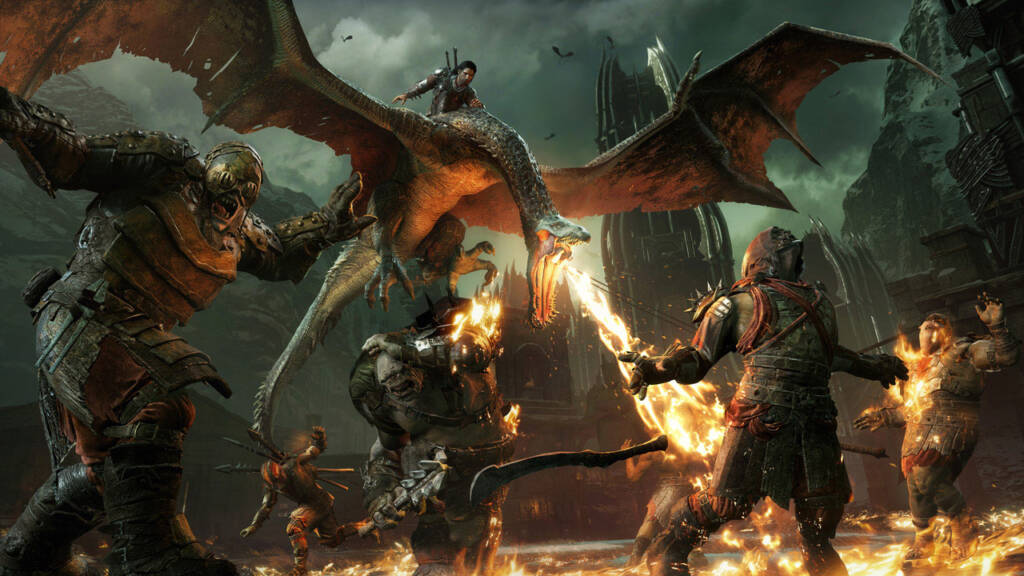
- They were open-world action-adventure games for PC and consoles set in Middle-earth.
- The Nemesis System generated procedural enemies and evolving rivalries, making every playthrough unique.
- Fluid combat, exploration, and rich storytelling made these titles some of Monolith’s most ambitious and celebrated games.
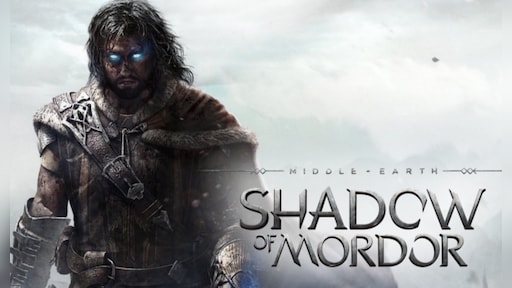
Middle-earth: Shadow of Mordor
Release Date: September 30, 2014
Genres: Role-playing (RPG), Hack and slash/Beat 'em up, Adventure
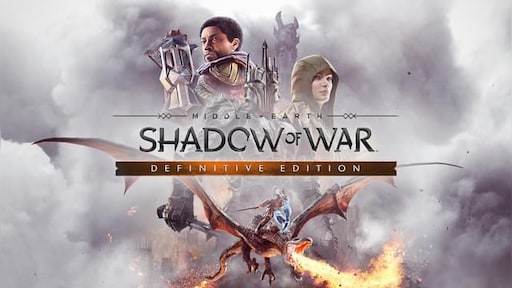
Middle-earth: Shadow of War
Release Date: October 10, 2017
Genres: Role-playing (RPG), Adventure
Signature Features Across Games
Monolith Productions became famous for pushing the limits of gameplay, technology, and design. Looking at their games, a few things appear again and again:
- Their AI was impressive, from the smart enemies in F.E.A.R. to the Nemesis System in Shadow of Mordor and Shadow of War, which made each playthrough feel different.
- Gameplay mechanics were so flashy, with exciting melee combat, clever puzzles, and procedural systems that kept the games incredibly fun and replayable.
- Humor and style were important, too! The funny spy missions in No One Lives Forever and the colorful, playful action in Claw showed the studio’s personality.
- Engine innovation mattered a lot back then. LithTech was Monolith’s flagship product, powering many games and allowing technical achievements on PC and consoles.
Final Thoughts
Monolith Productions will always be remembered as a studio that dared to do things differently. Creative, technically ambitious, and not afraid to push genres, they made games with smart AI, cool engines, and moments you just don’t forget! Even after they closed in 2025, titles like F.E.A.R. and Shadow of Mordor still set the bar for action, strategy, and storytelling.
Before shutting down, they were working on a Wonder Woman open-world project, but it never saw the light of day. The good news? Many former Monolith developers have moved on to new studios, like Wizards of the Coast and other Warner Bros. teams, and they’re still building projects that carry that Monolith creativity forward. That’s for sure!
Fans keep buzzing about spiritual successors and new ideas from ex-staff, which just shows one thing: the Monolith spirit isn’t gone!
Thinking about their legacy, from Blood to Shadow of War, Monolith built worlds we definitely loved getting lost in and…we still do, right?