



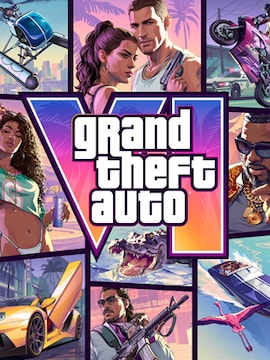

AAA games are not collapsing because players suddenly stopped caring about expensive productions. Huge releases can still dominate sales when they deliver something audiences actually want. The problem is that the cost of making those games has risen so dramatically that one wrong bet can turn into a financial disaster.
At the same time, games such as Balatro, Clair Obscur: Expedition 33, and Slay the Spire 2 show that smaller teams can capture enormous audiences without competing on map size, cinematic budgets, or sheer content volume. The emerging divide is therefore less about AAA versus indie and more about risk, identity, and whether a game has a clear reason to exist.
Table of Contents
Why AAA development has become so risky
The biggest problem facing modern AAA development is not simply that games cost more. It is that rising costs make failure increasingly difficult to absorb.
Some of the industry’s largest productions now carry development and marketing commitments measured in hundreds of millions of dollars. That does not mean every AAA release costs $200 million or $300 million, nor that every game needs an identical number of sales to break even. But at the top end of the market, there is far less room for a project to merely perform adequately.
- Escalating budgets: Expensive technology, huge teams, outsourcing, performance capture, marketing, localisation, and years of production can make a missed target extremely costly.
- Long development cycles: A project can spend years chasing a trend that looks very different by the time the finished game actually arrives.
- Live-service competition: Every persistent game is competing for the same finite resource: players’ time. Most people cannot maintain daily relationships with half a dozen “forever games.”
- Formula fatigue: Huge maps, repeated activities, loot tiers, battle passes, and familiar progression systems are not selling points by themselves anymore.
- Monetisation pressure: Premium pricing becomes harder to justify when it is layered with expensive editions, microtransactions, battle passes, or other recurring purchases.
- Creative risk aversion: The more money tied to a project, the stronger the temptation to follow proven market categories rather than build something genuinely distinctive.
The irony is that attempting to remove creative risk can create commercial risk. If several publishers arrive at the same conclusion about what the market supposedly wants, players end up choosing between products built around remarkably similar assumptions.
Suicide Squad vs. Balatro: Money cannot manufacture a compelling loop
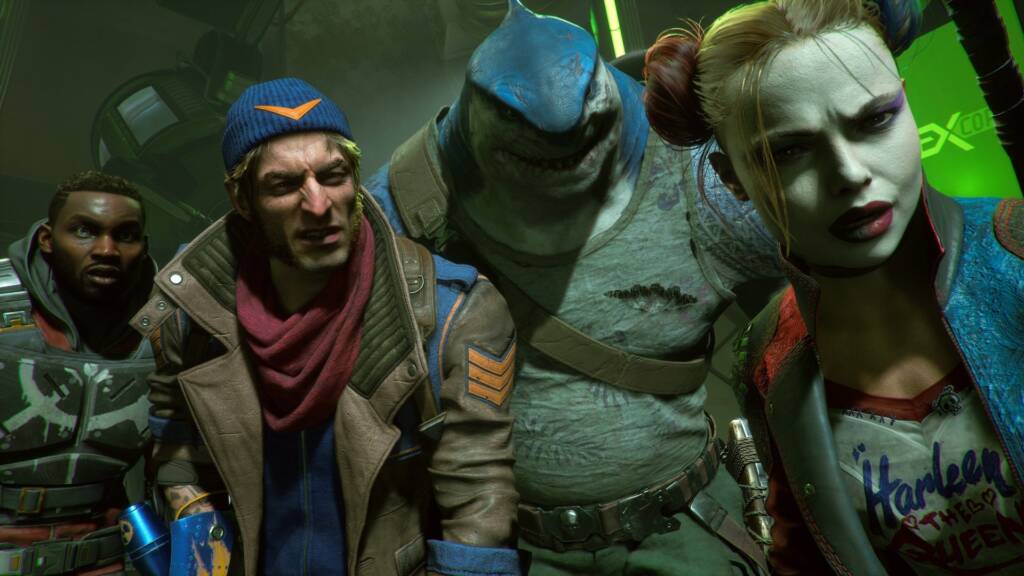
Suicide Squad: Kill the Justice League became one of the clearest examples of how expensive a failed AAA bet can become. Rocksteady had built its reputation on the Batman: Arkham series, but Suicide Squad arrived as an online action-shooter structured around loot, co-op, seasonal content, and long-term engagement.
Warner Bros. Discovery later described the release as disappointing and said the game contributed to a $200 million impact on first-quarter EBITDA. That is not simply a story about players disliking live-service games. Successful live-service games clearly exist. It is a warning about the cost of committing years of development to a crowded format without a sufficiently strong reason for players to move away from the games they already play.
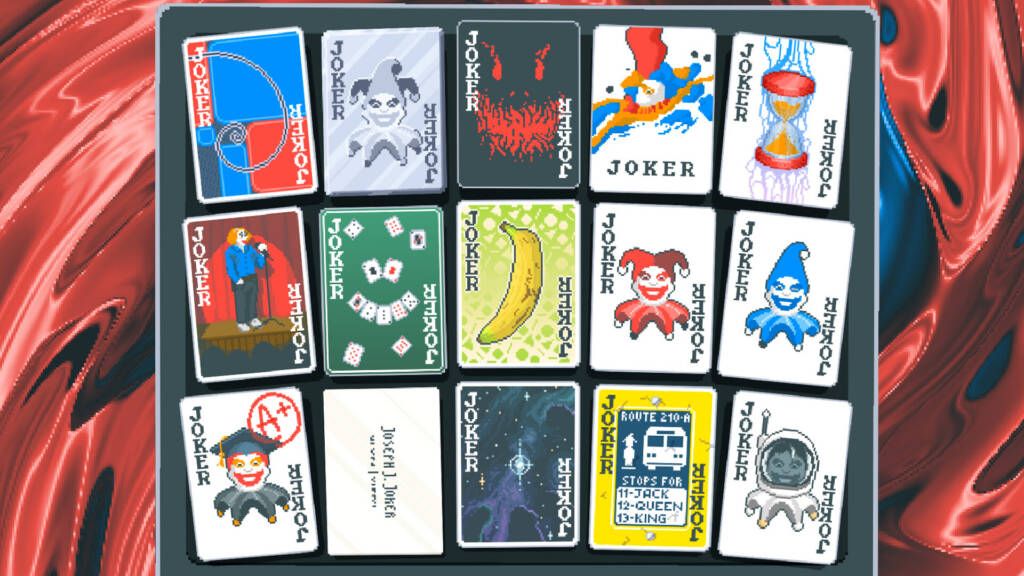
Then there is Balatro. Created primarily by solo developer LocalThunk and published by Playstack, the poker-inspired roguelike sold more than five million copies by January 2025.
Suicide Squad’s bet: Large-scale production, a major licence, online co-op, seasons, loot, and long-term engagement.
Balatro’s bet: One immediately understandable mechanic deep enough to produce hundreds of surprising interactions.
Balatro did not win because small games are inherently better. It succeeded because its entire design points towards the same fantasy: build increasingly absurd poker combinations and see how far the system can bend before it breaks. Its scope is limited, but its identity is extremely clear.
Assassin’s Creed Shadows vs. Clair Obscur: Scale is no longer enough
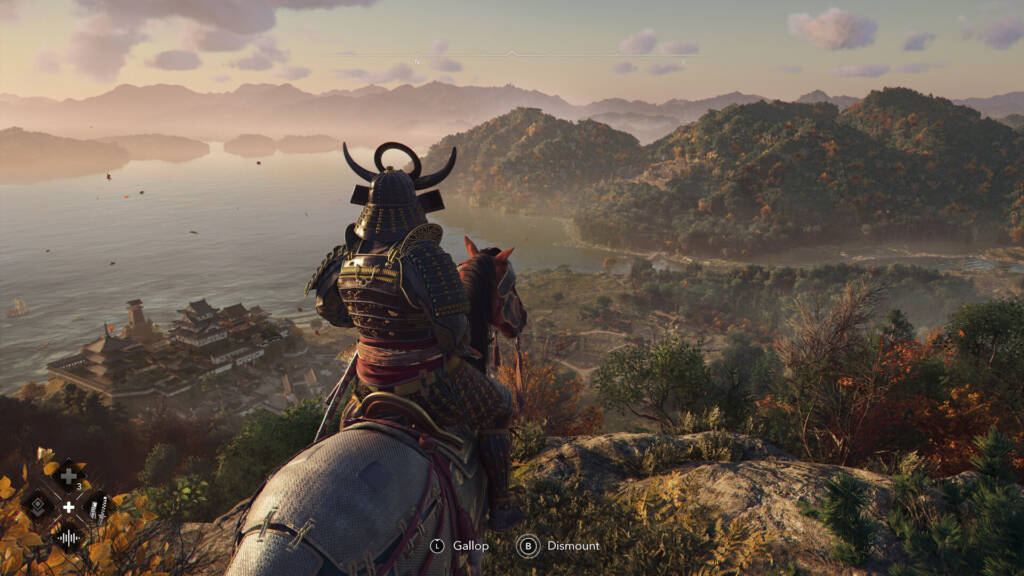
The comparison between Assassin’s Creed Shadows and Clair Obscur: Expedition 33 is useful, but not because Shadows was a commercial flop. It was not.
Ubisoft reported five million players for Assassin’s Creed Shadows by July 2025, and its launch generated the second-highest day-one sales revenue in Assassin’s Creed history, behind Valhalla. Ubisoft was still describing Assassin’s Creed as a strong-performing franchise in its 2026 financial reporting.
What makes the comparison interesting is that Clair Obscur reached the same five-million-sales milestone within months of release and climbed to eight million copies sold by its first anniversary.
Sandfall Interactive was founded by developers including former Ubisoft staff, and the studio explicitly describes its philosophy as combining high production values with the creativity and agility of a small team.
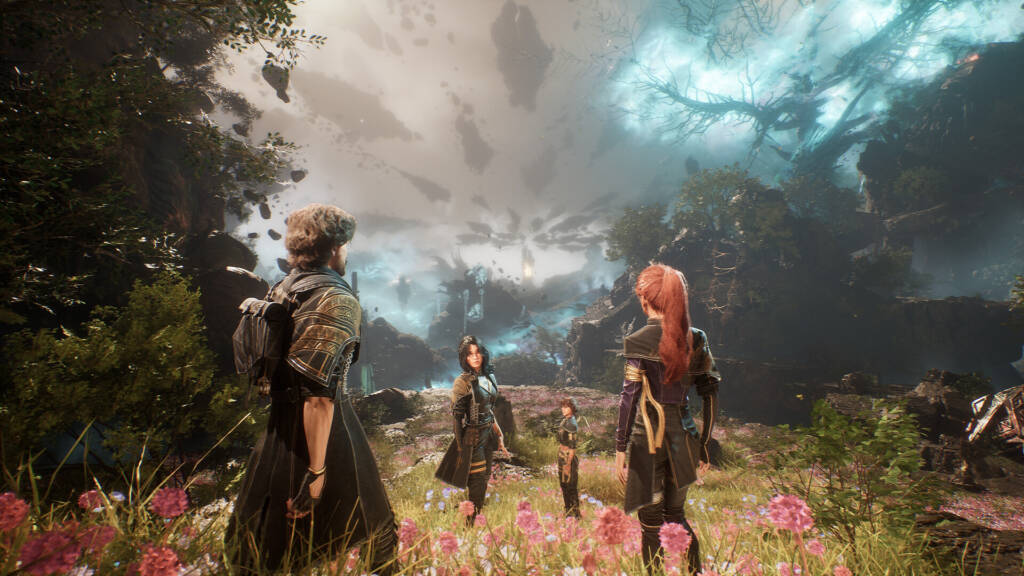
That philosophy is visible in Expedition 33. Its turn-based combat incorporates real-time dodges, parries, and timing mechanics rather than abandoning the genre in pursuit of a supposedly broader action audience. Its Belle Époque-inspired world also looks immediately unlike most other major RPGs.
| Game | What it demonstrates |
|---|---|
| Assassin’s Creed Shadows | Traditional AAA franchises can still attract millions when execution and brand demand are strong. |
| Clair Obscur: Expedition 33 | A much smaller studio can now reach blockbuster-scale audiences through a distinctive concept and focused production. |
The lesson is therefore not that smaller games automatically beat AAA games. It is that enormous scale is no longer enough to monopolise attention.
Marathon vs. Slay the Spire 2: Two very different March launches
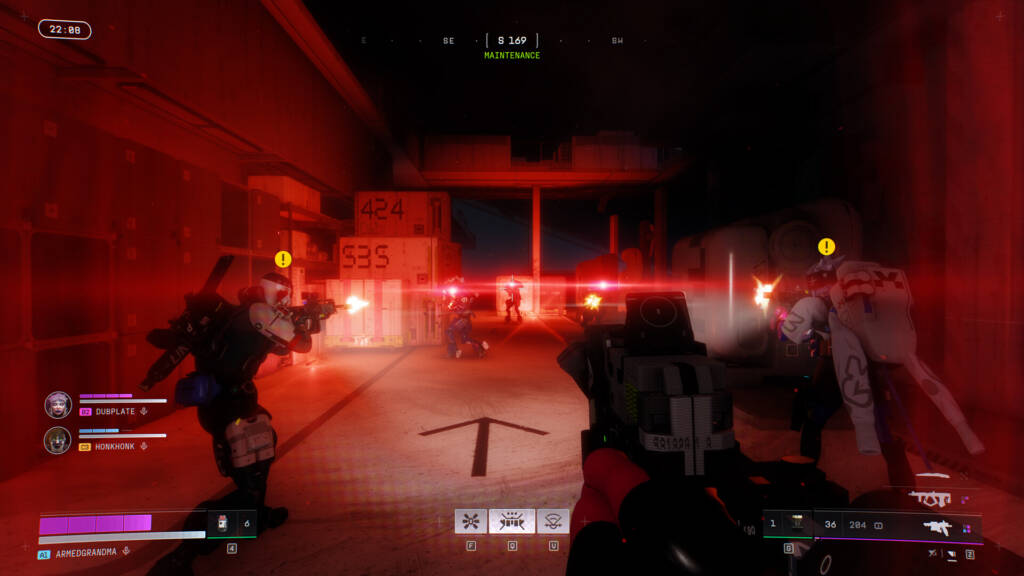
Marathon and Slay the Spire 2 provide an unusually neat comparison because both launched on March 5, 2026.
Bungie’s Marathon is a PvP extraction shooter built around persistent progression, Runners, squads, seasonal content, and an evolving live game. It did launch, so describing it as a project still trapped in an identity crisis would now be outdated.
What happened afterwards is arguably more revealing. Bungie has publicly acknowledged player concerns around onboarding, progression, rewards, clarity, and reasons to keep returning. Its 2026 roadmap is now reshaping the live experience, including progression changes, permanent PvE content, social features, and a move away from a strict seasonal schedule.
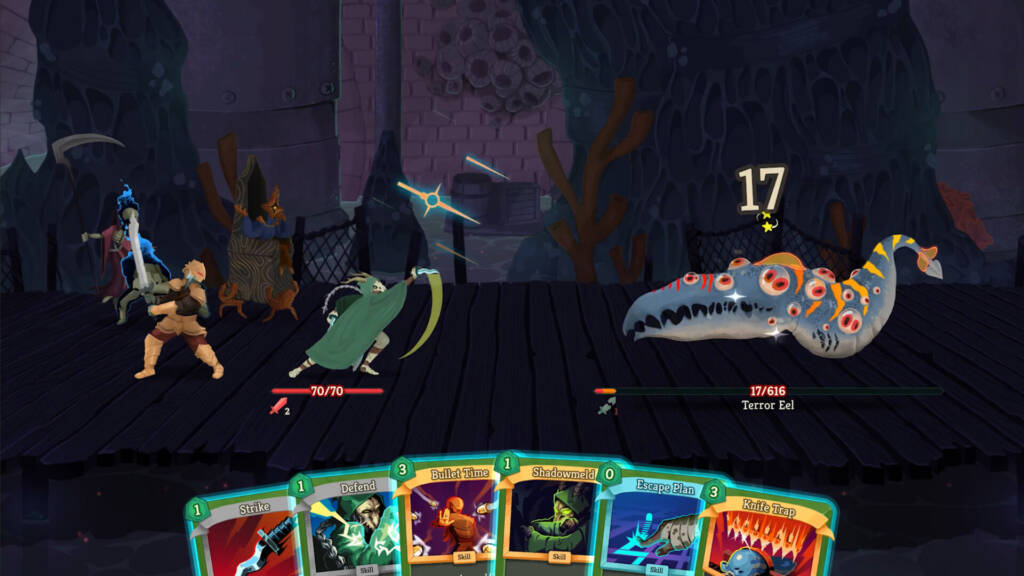
By contrast, Slay the Spire 2 entered Early Access by expanding the exact design philosophy that made its predecessor successful: deckbuilding, repeatable runs, difficult decisions, systemic interactions, and now co-op. Its English Steam reviews remain Very Positive, with tens of thousands of reviews recorded since launch.
That does not automatically make one development model superior. Marathon has vastly different technical demands, content expectations, infrastructure costs, and multiplayer requirements. But the contrast shows why clarity of identity matters. Slay the Spire 2 never has to explain why it exists. Players already understand the fantasy the moment they start building a deck.
Layoffs are changing who makes games
The AAA identity crisis is also inseparable from the employment crisis affecting game development.
The 2025 GDC State of the Game Industry survey found that 11% of respondents had been laid off during the previous year. The 2026 report paints an even broader picture: 28% of respondents said they had been laid off during the previous two years, while two-thirds of respondents working at AAA studios said their companies had conducted layoffs within the previous 12 months.
That does not mean every laid-off AAA developer immediately forms a successful indie studio. Starting a studio requires financing, publishing support, technology, leadership, and luck. But the movement of experienced developers into smaller teams is undeniably creating studios capable of producing work that would once have required much larger organisations.
Sandfall Interactive is a useful example. Its founders brought AAA experience with them, but deliberately built a smaller studio around premium single-player games and efficient production pipelines.
The structural shift towards smaller teams
The industry is not simply shifting from AAA to indie. A more interesting space is forming between them.
Modern engines, outsourced production, digital distribution, middleware, performance-capture services, remote collaboration, and specialist publishers allow relatively small teams to create games with production values that once demanded hundreds of permanent employees.
That creates something close to a new middle class of game development: studios capable of delivering impressive 3D worlds without automatically inheriting the cost structure of the largest publishers.
Smaller scope can be an advantage
A smaller team cannot compete with the biggest publishers on every axis simultaneously. That limitation can force clearer decisions about what actually matters.
Instead of building a 100-hour open world, a studio can concentrate resources on combat. Instead of hundreds of quests, it can focus on a distinctive story. Instead of chasing photorealism everywhere, it can establish a recognisable visual identity.
Marketing power has changed too
A huge marketing campaign still matters, but it no longer controls the entire conversation. Twitch, YouTube, Steam reviews, Discord, Reddit, TikTok, and word of mouth can turn an unfamiliar game into a global hit extremely quickly.
That does not mean “quality sells itself.” Plenty of excellent indie games disappear without finding an audience. Discoverability remains brutal. What has changed is that a small team with the right game can now break through without first possessing a blockbuster marketing budget.
The future is not anti-AAA. It is anti-generic
Players have not rejected AAA production values. Games with huge budgets, spectacular worlds, expensive cinematics, and major licences still sell in enormous numbers. What appears increasingly dangerous is spending that money without a strong creative identity underneath it.
The studios most likely to navigate that problem are not necessarily those that become smaller. They are the ones that can shorten the distance between creative decisions and player feedback while resisting the temptation to design every project around the same market assumptions.
- Agile development: Smaller milestones, regular review cycles, and the ability to react to problems before years of work are locked in can reduce some of the risks created by enormous production pipelines.
- Clear creative direction: A project needs an identifiable experience rather than a collection of fashionable features.
- Focused scope: More content is not automatically more value. Concentrating resources on the game’s strongest ideas can be more effective than trying to compete on every metric.
- Useful player feedback: Community input works best when it helps refine a clear vision rather than replacing one.
AAA is not disappearing, and indies are not suddenly guaranteed success. Both ends of the market remain brutally competitive.
What has changed is the advantage of scale. A huge budget can still create something extraordinary, but it can no longer compensate for an unclear identity. In a market where players have more games than they could ever finish, being memorable may be more valuable than simply being bigger.
G2A Plus: Free members can earn Plus Points on eligible purchases, while Premium adds member discounts and other benefits.