





Dragon’s Dogma 2 has 10 Vocations, and you are not expected to stick with the one you choose at the beginning. Fighter, Archer, Thief and Mage are available immediately, while Warrior, Sorcerer, Mystic Spearhand, Magick Archer, Trickster and Warfarer have to be unlocked through exploration, quests or specific NPCs.
The important part is that choosing a class is not a permanent commitment. You can switch between unlocked Vocations at Vocation Guilds, rank several of them up and carry useful Augments from one class into another. That makes experimenting one of the best ways to play Dragon’s Dogma 2 rather than something you should avoid.

Quick recommendation: Fighter is the safest beginner choice, Thief is excellent if you want fast aggressive combat, Archer gives you comfortable ranged damage, and Mage is best if you enjoy supporting a Pawn-heavy party. Later on, Mystic Spearhand and Magick Archer are especially approachable advanced choices, while Trickster and Warfarer reward players who already understand the game’s systems.
Table of Contents
All Dragon’s Dogma 2 Vocations at a glance
Only the Arisen can use Mystic Spearhand, Magick Archer, Trickster and Warfarer. Pawns are limited to the six regular Vocations.
How changing Vocations works
Changing your class is intentionally easy once the Vocation itself has been unlocked. Visit a Vocation Guild, spend Discipline Points to acquire the class and equip it.
You earn Discipline Points primarily through combat and questing. Each Vocation also has its own rank progression, which unlocks new Weapon Skills, Core Skills and Augments.
Augments are the reason you should try multiple Vocations
Augments are passive bonuses that can remain equipped even when you change to another Vocation. This is what makes cross-class progression useful rather than cosmetic.
You might level Archer for a stamina-focused Augment and later use it while playing Thief, or unlock Strength-oriented bonuses before settling into Warrior. You do not need to maximize every class, but trying several is actively rewarded.
The current version of Dragon’s Dogma 2 supports up to six equipped Weapon Skills, giving each Vocation considerably more room for specialized loadouts than at the original 2024 launch.
Fighter, Archer, Thief and Mage: the four starting Vocations

Image credit: Capcom
You select one of these at character creation, but the other three remain available through Vocation Guilds once you begin exploring properly.
Fighter
Best for: beginners, defensive players and anyone who wants to stay close to monsters.
Fighter uses a sword and shield. Its biggest advantage is reliability: you can block, parry, draw enemy attention and survive situations that punish less durable classes.
If you are new to Dragon’s Dogma, Fighter gives you time to understand enemy animations without constantly being thrown across the battlefield.
Archer
Best for: ranged combat, flying monsters and players who prefer positioning over blocking.
Archer deals physical damage from range and can target monster weak points without climbing all over them. It is particularly convenient against Harpies, Griffins and enemies with exposed elevated targets.
Thief
Best for: aggressive players, climbing monsters and fast melee combat.
Thief trades Fighter’s shield for speed and evasion. Daggers let you attack rapidly, reposition quickly and turn monster climbing into a major source of damage.
For players who want something fast but still straightforward, Thief is arguably the strongest alternative to Fighter as a starting choice.
Mage
Best for: healing, buffs, elemental weaknesses and support.
Mage can attack with spells, but its real strength is party utility. Healing, weapon enchantments and protective magic can completely change how comfortably a group handles long journeys.
Because healing is so useful, many players prefer having a Mage Pawn rather than playing the Vocation themselves. But if you enjoy controlling the rhythm of the whole party, it is a strong choice for the Arisen too.
How to unlock Warrior and Sorcerer
Both advanced Vocations are tied to the same early side quest: Vocation Frustration.
Visit the Vocation Guild in Vernworth and speak to Klaus. He explains that the guild cannot currently provide access to Warrior and Sorcerer because the necessary weapons have gone missing.
You need:
- A greatsword to unlock Warrior.
- An archistaff to unlock Sorcerer.
Both can conveniently be found in Trevo Mine, east of Vernworth. Return the appropriate weapon to Klaus and the corresponding Vocation becomes available.
Warrior
Choose Warrior if: you want extremely heavy attacks, high knockdown potential and do not mind slower animations.
Warrior’s greatswords and hammers make individual hits feel enormous. The downside is commitment. Missing a charged attack hurts far more than missing one Thief slash.
Sorcerer
Choose Sorcerer if: you want the most spectacular offensive magic in the game and are comfortable managing long casting times.
Sorcerers trade much of the Mage’s support identity for enormous destructive spells. Pawns keeping enemies busy becomes particularly important because the strongest incantations require time.
How to unlock Mystic Spearhand

Image credit: Capcom
Mystic Spearhand is unlocked through Sigurd.
The easiest opportunity comes when you return to Melve and encounter the dragon attack connected to Readvent of Calamity. After the fight, look for Sigurd carrying his distinctive duospear and speak with him about his fighting style.
If you miss him there, you can encounter Sigurd again later at Dragonsbreath Tower, so the Vocation is not permanently lost.
Should you choose Mystic Spearhand?
Yes, if you want one of the most versatile combat styles without the complexity of Warfarer.
Mystic Spearhand combines melee strikes, mobility and magical crowd control. It can deal with enemies at several ranges and has tools for both offense and defense, making it a very comfortable transition once you have learned the basic combat systems.
How to unlock Trickster
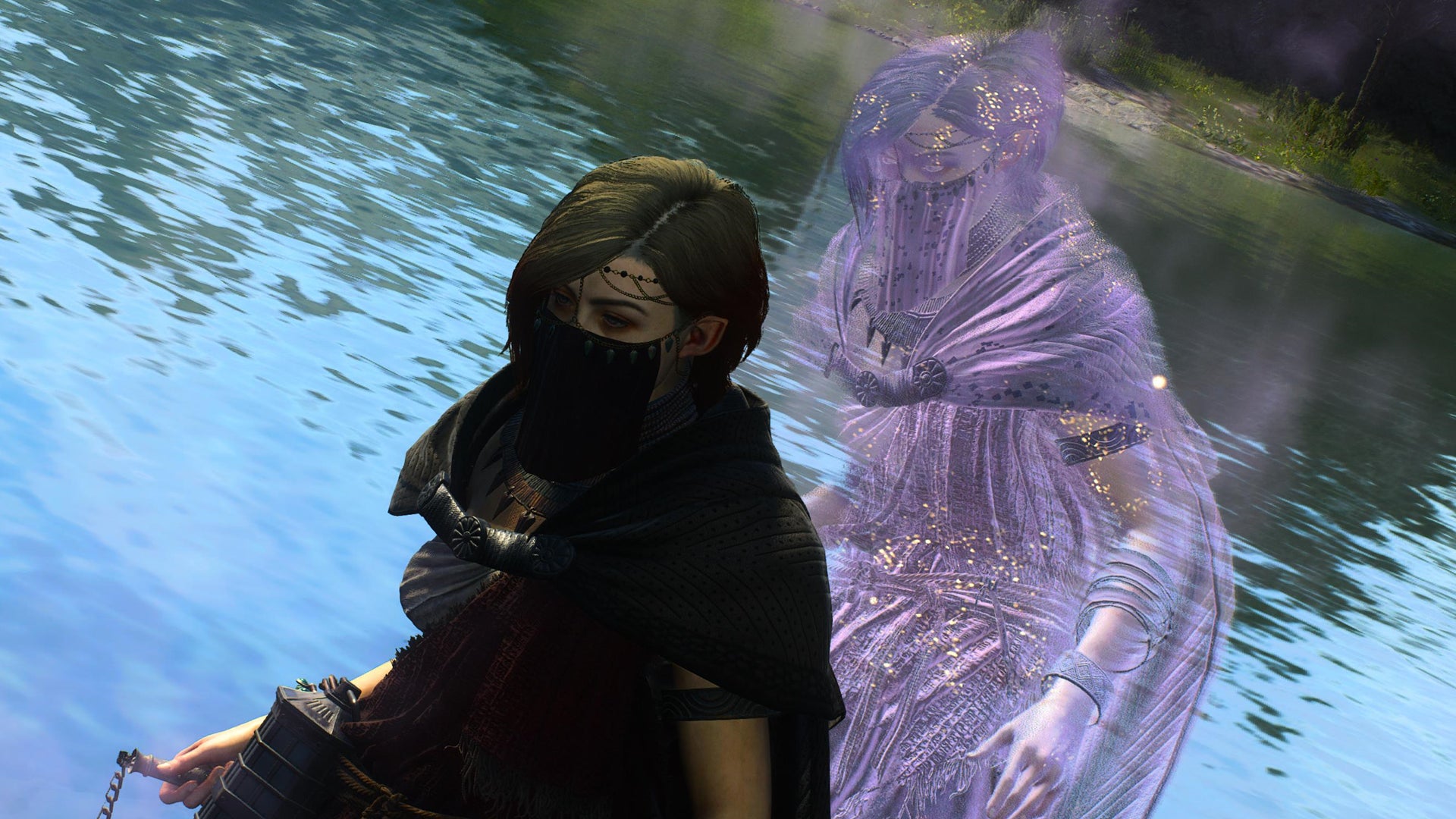
Travel to the Reverent Shrine in Battahl and speak with Luz. The main story will eventually direct you toward her during Flickering Shadows, but you can reach the shrine and unlock Trickster without waiting for that quest.
Should you choose Trickster?
Only if you enjoy controlling fights indirectly.
Trickster is the strangest class in Dragon’s Dogma 2. Its censer creates smoke-based illusions, manipulates enemy attention and strengthens Pawns rather than focusing on direct damage.
That means your Pawn composition matters enormously. A strong Fighter, Warrior or Sorcerer party can become devastating when supported properly, but Trickster feels frustrating if you expect to personally delete health bars.
How to unlock Magick Archer
Magick Archer is found much farther south, around Agamen Volcanic Island.
Meet the dwarf Gautstafr near Windwalker’s Home and complete Put a Spring in Thy Step. The quest eventually has you escort him to the hot spring at Geyser Hamlet.
After the escort, his wife Cliodhna reveals herself and teaches you the Magick Archer Vocation.
Should you choose Magick Archer?
Choose it if you want powerful ranged combat without having to manually aim every attack like a standard Archer.
Magick Archer uses magical projectiles that can track targets, exploit elemental weaknesses and provide support. It is particularly comfortable against flying enemies and monsters whose weak points are difficult to reach.
It is one of the easiest late-game Vocations to recommend because its power is immediately obvious without demanding elaborate weapon swapping or Pawn micromanagement.
How to unlock Warfarer
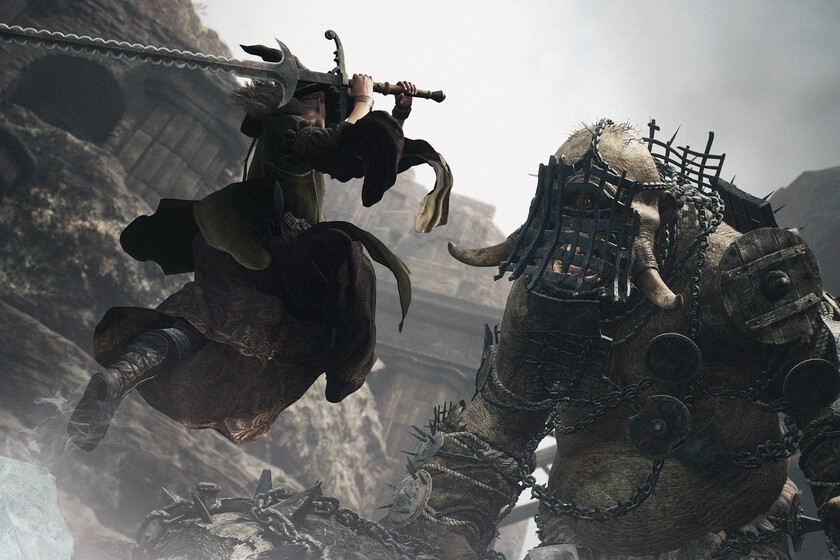
Image credit: Capcom
Warfarer is also unlocked around the Volcanic Island Camp.
Find Lamond near the hot springs and complete The Sotted Sage by giving him three bottles of Newt Liqueur.
Once satisfied, Lamond unlocks Warfarer. Speak with him again to obtain the teaching for Rearmament, the skill that lets Warfarer switch between equipped weapon types during combat.
Why Warfarer is so different
Warfarer can equip every weapon type and mix skills from multiple Vocations. You can carry a bow for flying enemies, swap to a greatsword when something needs to be knocked over, then pull out a Mage staff for utility.
That flexibility comes with trade-offs. Warfarer has lower base combat stats than specialist classes, Rearmament occupies one of your skill slots and the class cannot simply combine every Vocation’s strongest Maister ability into one broken build.
Warfarer is best treated as the class you play after learning several other Vocations, not the class you rush toward immediately.
Which Dragon’s Dogma 2 Vocation should you choose?
Best starting Vocation: Fighter or Thief
Fighter gives you defense and simple fundamentals. Thief gives you mobility and very strong close-range offense. Either teaches you how positioning, stamina and monster weak points work without forcing you to manage spell casting or complicated class mechanics.
Best all-round advanced Vocation: Mystic Spearhand
Its combination of melee, magic, defense and movement gives it an answer to almost every normal combat situation.
Best ranged Vocation: Magick Archer
It is powerful, flexible and particularly good at solving the annoying problem of enemies that simply refuse to stand somewhere convenient.
Most customizable Vocation: Warfarer
Nothing offers more freedom, but that freedom becomes much more useful after you have ranked up other classes and learned which skills you actually want to combine.
If that sort of flexible, physical action-RPG combat is what attracts you to Dragon’s Dogma 2 in the first place, our games like Dragon’s Dogma 2 guide also has more open-world RPGs built around similarly hands-on combat and exploration.
Which Vocations are best for Pawns?
Your Main Pawn can use Fighter, Archer, Thief, Mage, Warrior and Sorcerer. The four Arisen-exclusive Vocations are unavailable to Pawns.
The easiest approach is to use your Pawn to cover whatever your Arisen lacks.
- Playing Archer or Sorcerer? A Fighter or Warrior Pawn can keep monsters occupied.
- Playing Fighter, Warrior or Thief? A Mage Pawn gives you healing and elemental support.
- Playing Trickster? Prioritize high-damage Pawns because they will be doing most of the killing.
- Unsure what to use? Mage remains one of the safest Main Pawn choices because healing is valuable in almost every party.
Getting ready for another journey through Vermund and Battahl?
G2A Plus Free lets you earn Plus Points on marketplace purchases, with 100 Plus Points worth €1 toward future orders. Plus Premium can also provide automatic discounts of up to 10% on 10 eligible items each month, higher discount codes, monthly rewards and priority post-purchase help.
Dragon’s Dogma 2 Vocations FAQ
How many Vocations are in Dragon’s Dogma 2?
There are 10: Fighter, Archer, Thief, Mage, Warrior, Sorcerer, Mystic Spearhand, Magick Archer, Trickster and Warfarer.
Can you change Vocation whenever you want?
Yes. Once a Vocation has been unlocked, visit a Vocation Guild and switch to it. You are encouraged to experiment rather than permanently commit to one class.
Can Pawns use every Vocation?
No. Pawns can use Fighter, Archer, Thief, Mage, Warrior and Sorcerer. Mystic Spearhand, Magick Archer, Trickster and Warfarer are exclusive to the Arisen.
Should you level every Vocation?
You do not have to, but ranking multiple Vocations unlocks useful Augments that can be equipped while using another class. It is especially useful if you eventually want to build a flexible Warfarer setup.
There is no single best Vocation
Dragon’s Dogma 2’s class system works best when you stop treating your first choice as your permanent RPG build.
Start with something comfortable, rank it up, unlock a few Augments and then try something completely different. Fighter teaches defense. Thief teaches mobility. Archer teaches positioning. Mage shows you how much party composition matters. The advanced Vocations then remix those fundamentals in much stranger ways.
And if none of them quite fits, Warfarer eventually lets you build the answer yourself.