




Phantom Blade Zero looks intimidating when Soul and a boss start exchanging fifteen attacks in three seconds, but the basic rules are surprisingly readable once you stop treating every encounter like Sekiro with a different coat of paint.
This beginner guide covers the things that matter during the first several regions: how to handle Sha-Chi, when to parry or dodge, why weapon switching is part of the combat loop, which resources are worth caring about, what Bells actually do, and why leaving a region too quickly can cost you useful side content.
For the wider overview, including story, bosses, endings, PC requirements, editions, and completion content, start with our complete Phantom Blade Zero guide. If you are still deciding whether the game is for you, our Phantom Blade Zero review roundup breaks down what critics liked and disliked.

TL;DR – 15 Phantom Blade Zero beginner tips
| # | Tip | Why it matters |
|---|---|---|
| 1 | Pick the right difficulty | You do not need to prove anything on your first hour |
| 2 | Blue means parry, red means dodge | This solves a huge part of the defensive system |
| 3 | Blocking is useful too | You do not need to perfect-parry every hit |
| 4 | Swap weapons for Sha-Chi | Weapon switching is part of your stamina economy |
| 5 | Stay aggressive | Normal attacks help break enemy Sha-Chi |
| 6 | Save heavy pressure for openings | Broken enemies are where your strongest moves shine |
| 7 | Use Phantom Edges | Their charges return when you rest |
| 8 | Experiment with weapons | Reforging lets you recover upgrade investment |
| 9 | Do not forget stealth | Removing one enemy can simplify a whole encounter |
| 10 | Explore for permanent stats | HP, attack, and Sha-Chi growth are tied to exploration |
| 11 | Interact with everything | Notes and objects can give Remnant Dust or reveal quests |
| 12 | Rest at Bells | Healing and Phantom Edge resources return without respawning normal enemies |
| 13 | Expect to backtrack | New Phantom Edges can open routes you could not access earlier |
| 14 | Finish accessible side quests | Some quests can become missable |
| 15 | Do not fear dying or leaving a boss | Death is forgiving and optional bosses can wait |
Table of Contents
1. Choose your difficulty deliberately
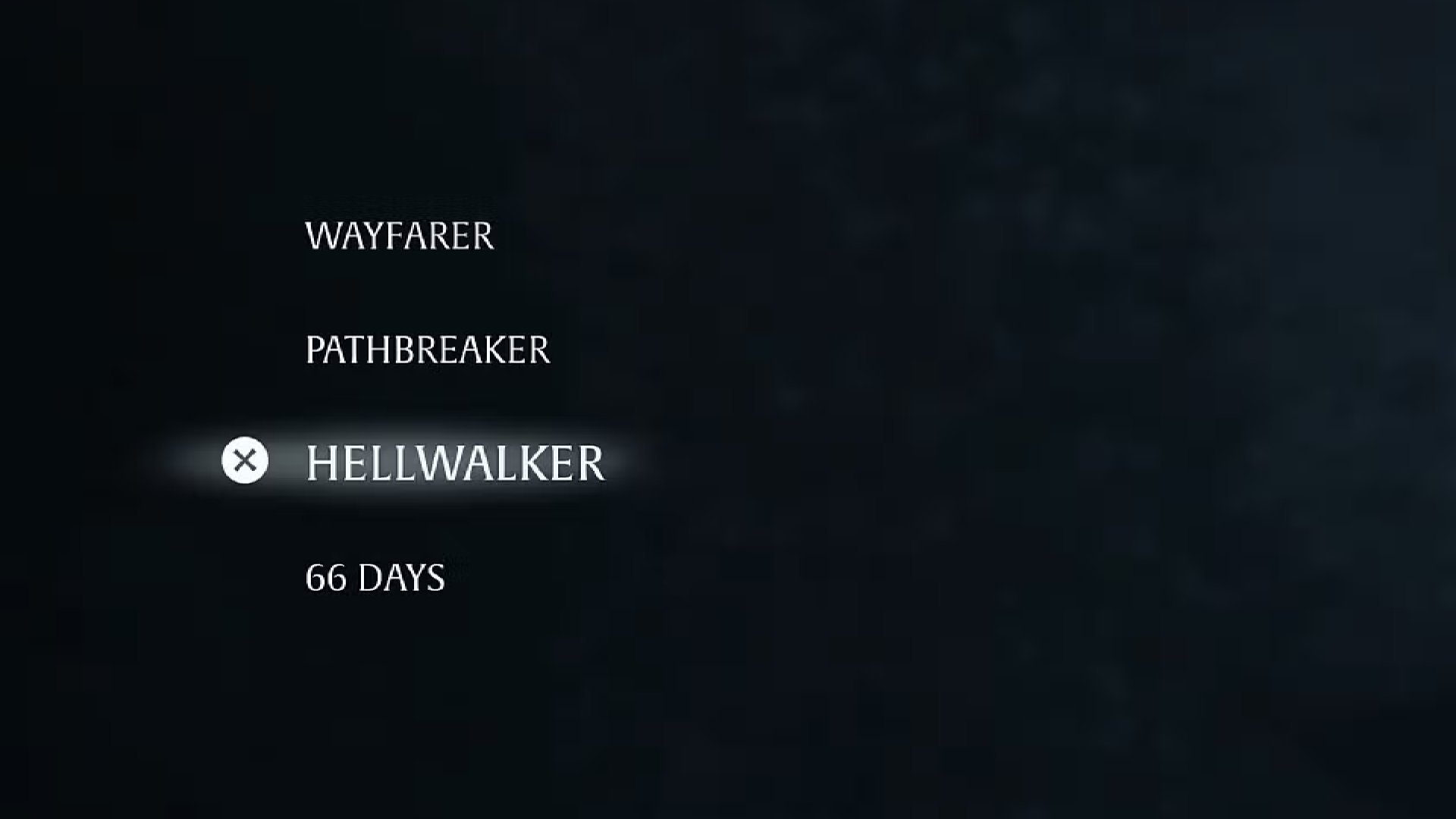
Phantom Blade Zero has several difficulty options instead of forcing every player through one fixed challenge level. Wayfarer emphasizes experiencing the story, while Hellwalker pushes enemy behavior further with more advanced and adaptive AI. Sixty-Six Days sits at the extreme end of the spectrum.
For most action-game players, the middle ground is a sensible place to start. The point of the opening hours is to learn the combat system, not to spend 45 minutes proving you can beat the first serious enemy under the harshest possible conditions.
Learn the combat rules before chasing fancy combos
2. Blue attacks are for parrying, red attacks are for dodging
The color language is one of the most useful things the game teaches you. When an attack flashes blue, prepare to parry. When it flashes red, get out of the way instead.
Once that becomes instinctive, encounters that initially look like a tornado of swords become much easier to read. The game is fast, but it is not asking you to guess randomly.
3. Blocking a difficult sequence is better than missing five perfect parries
Holding your guard still matters. Blocking consumes Sha-Chi, so you cannot turtle forever, but it is often the safer response when a boss begins a long sequence you do not understand yet.
Perfect parries are much more rewarding because they damage the enemy’s Sha-Chi and push them toward a guard break. The useful beginner mindset is therefore simple: block while learning, parry once you understand the rhythm.

4. Swap your two main weapons when Sha-Chi runs low
This is the mechanic beginners are most likely to underuse. Soul equips two main weapons, and switching between them rapidly restores Sha-Chi.
That means weapon switching is not just about choosing whether you want a sword or a polearm for the next enemy. It is part of the combat resource system. Finish a sequence, swap, recover your Sha-Chi, and continue fighting instead of backing away and waiting.
5. Stay aggressive because ordinary attacks are cheap
A common Soulslike habit is waiting for the boss to attack first. Phantom Blade Zero rewards more initiative. Your regular attacks do not burn through Sha-Chi the way blocking and heavier techniques do, and landing hits also pressures the opponent’s own Sha-Chi.

You still need to respect incoming attacks, but you should not spend entire fights circling a boss from the other side of the arena. Make them defend too.
6. Use your strongest pressure after breaking the enemy’s Sha-Chi
Emptying an opponent’s Sha-Chi creates the opening you have been working toward. This is when heavier attacks and your strongest offensive options become especially valuable.
Attacking also builds Sha-Chi Essence. Once charged, it fuels Power Surge, a powerful attack capable of interrupting enemies and dealing substantial damage. Do not burn every resource the moment it appears. Use the combat loop to manufacture a vulnerable moment first.
Weapons and Phantom Edges
7. Use Phantom Edges instead of saving them forever
Phantom Edges are secondary weapons with specialized effects. Some attack from range, some summon help, some control enemies, and others interact with the environment.
Their limited charges can make them feel like something you should save for an emergency, but resting at a Bell restores those uses. If a Phantom Edge solves the problem in front of you, use it.
8. Experiment with weapons because upgrading the wrong one is fixable
Many action RPGs quietly punish experimentation by making upgrade materials scarce and irreversible. Phantom Blade Zero is much friendlier. Reforging lets you recover resources invested into an upgraded weapon and move them into something else.
That matters because the arsenal is huge. The official count is more than 30 main weapons plus 25 Phantom Edges, and different weapons introduce their own combos, status effects, ranges, defensive behavior, and special abilities.
Do not keep using the first sword for 30 hours purely because you already spent resources on it. Boss weapons are meant to be tried. For the broader weapon picture, the weapons section in our main Phantom Blade Zero hub explains how the arsenal fits into the rest of the progression system.

If you want to compare the marketplace with the regular storefront price first, our Phantom Blade Zero buying guide checks the current options in more detail.
9. Do not forget that stealth exists
Once the spectacular sword fights start, it is easy to forget that Soul can also remove enemies quietly. Assassinating a target before a larger encounter reduces the number of weapons pointed at you when everything inevitably goes loud.
Use it especially when approaching groups. A fair duel fits the wuxia fantasy. Getting stabbed by four soldiers at once because you deliberately ignored the guy standing alone behind a wall does not.
Exploration is character progression
10. Explore thoroughly because collectibles permanently strengthen Soul
Phantom Blade Zero does not funnel all meaningful progression through a conventional character-level number. Exploration itself makes Soul stronger.
Three collectible types are especially important early on: Blackstone, Sha-Chi Amber, and Memory Flowers. They contribute to permanent improvements including attack power, Sha-Chi, and health.
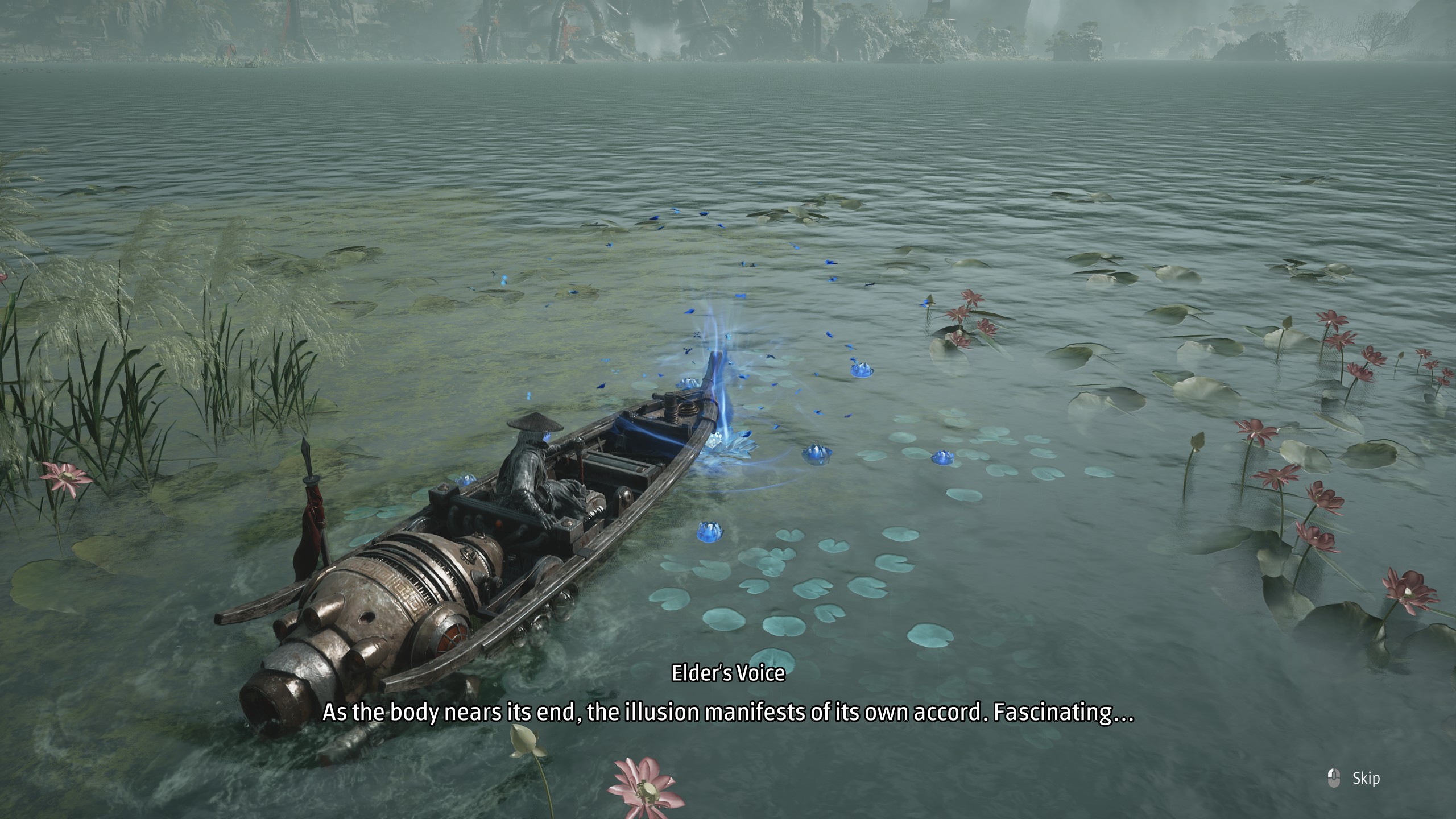
Memory Flowers are particularly easy to dismiss as lore collectibles. Do not. Completing the relevant sets can increase Soul’s maximum health, so skipping every blue flower because you want to reach the next boss faster can literally make that boss harder.
11. Examine notes, markings, and suspicious objects
Phantom Blade Zero regularly places readable objects, environmental clues, and strange interactables away from the main route. Checking them can reward Remnant Dust and, in some cases, point you toward additional side content.
This is also one of the better ways to understand a world whose main story can throw a lot of names, flashbacks, factions, and terminology at you very quickly. The launch reviews broadly agree that the world itself is more compelling than the way the central plot initially explains it.
For more on how those regions fit together, our earlier Phantom Blade Zero world deep dive explains the interconnected map structure and why this is not a traditional open-world game.
Bells, backtracking and side quests
12. Rest at Bells more often than your Soulslike instincts suggest
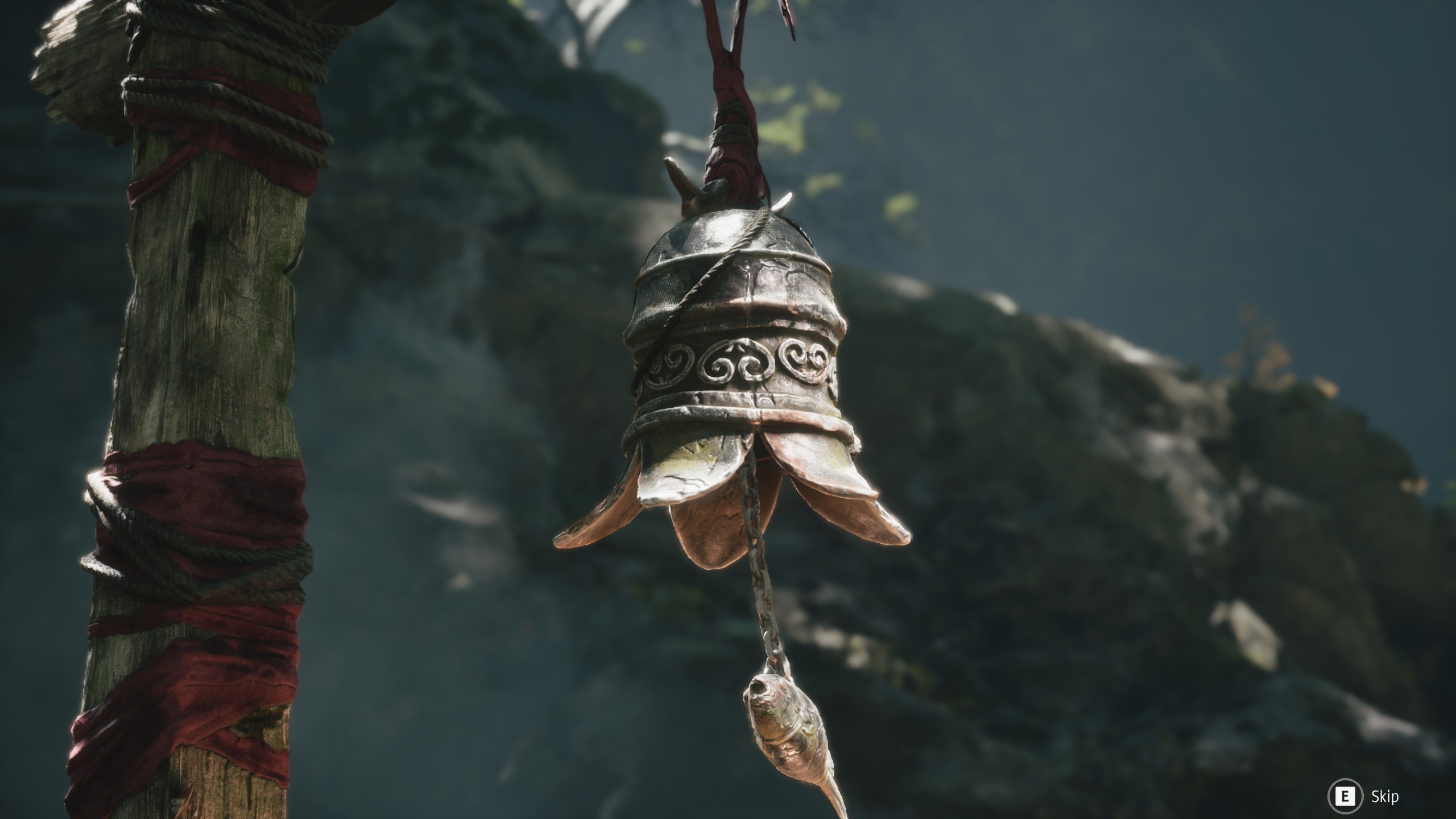
Bells are checkpoints and progression hubs, but Phantom Blade Zero changes one important Soulslike expectation: resting does not bring every defeated normal enemy back to life.
Resting replenishes useful combat resources such as healing medicine and Phantom Edge charges. Since cleared enemies generally stay cleared, resting is often pure upside rather than a decision about whether you want to repopulate the entire road behind you.
13. Mark inaccessible routes mentally and come back later
Not every blocked path is a puzzle you are supposed to solve immediately. Some routes require a specific Phantom Edge or another progression tool that you simply do not have yet.
S-GAME deliberately uses this to connect combat rewards with exploration. Beat the right enemy, obtain a new tool, and suddenly an obstacle from several hours ago has an answer.
The world is therefore worth revisiting. Fast travel between discovered locations makes that much less painful than manually running across every previously cleared area.
14. Finish side quests you can complete before leaving a region
Some Phantom Blade Zero quests expect you to return later, but others can become unavailable if you advance too far or leave them unresolved.
A useful rule is to deal with accessible objectives in your current region before pushing the main story forward. This becomes especially important if you care about optional story paths, collectibles, trophies, or the game’s different ending requirements.
S-GAME itself has stressed that helping citizens and completing side quests can open new story paths. In other words, side content is not merely a source of extra currency.
15. Do not panic about dying, and do not force every optional boss immediately
Phantom Blade Zero is considerably less punitive about failure than its visual similarity to some Soulslikes suggests. You do not lose your accumulated progression currency simply because a boss killed you.
Multi-stage bosses are also more forgiving than you might expect. Reaching a later phase can create a checkpoint for that part of the encounter instead of demanding that you replay everything from the opening exchange every time.
And if an optional boss is completely flattening you, leave. Explore somewhere else, find more permanent stat upgrades, improve your medicine, test another weapon, and return later. There is no prize for spending your entire evening trying to beat a hidden encounter before your build is ready for it.

Your first-hour Phantom Blade Zero checklist
- Choose a difficulty that gives you room to learn.
- Practice reading blue parry attacks and red dodge attacks.
- Block long strings until you understand their timing.
- Swap between your two main weapons whenever Sha-Chi becomes a problem.
- Try your Phantom Edges instead of saving every charge.
- Upgrade a weapon you enjoy, knowing that reforging gives you a route to change later.
- Search side paths for Memory Flowers, Blackstone, Sha-Chi Amber, resources, and optional encounters.
- Rest at Bells without worrying about repopulating every cleared fight.
- Remember blocked paths that obviously need a tool you do not have yet.
- Finish accessible local quests before racing into the next region.
G2A Plus: G2A Plus Free lets members collect Plus Points on purchases, with 100 Plus Points equal to €1 toward a later order. Plus Premium adds member pricing with up to 10% off as many as 10 eligible items each month, higher discount codes, additional monthly benefits, and priority post-purchase support.
Fight like Phantom Blade Zero wants you to fight
The biggest adjustment is psychological. Phantom Blade Zero looks like a game that wants you to creep around every arena, protect your resources, save every special weapon for later, and treat death like a financial disaster.
It mostly wants the opposite.
Attack. Swap weapons. Spend Phantom Edge charges. Try the ridiculous sword you just stole from a boss. Rest at Bells. Explore. Reforge something if you change your mind. Walk away from an optional boss if it is clearly too early.
Once you understand that rhythm, the combat stops looking like impossible kung fu choreography happening to your character and starts feeling like something you are actually controlling.
For more launch coverage, continue with our Phantom Blade Zero review roundup, the world and exploration breakdown, or the main Phantom Blade Zero guide hub.