
I’ll be honest: I bounced off Clair Obscur: Expedition 33 the first time I tried it. The setting caught my attention, and the opening was strong, but the combat? Not really my thing.
It mixed turn-based planning with real-time inputs, and something about that rhythm didn’t click with me.
And so, like a lot of games, I put it on a back burner. It basically ended up on my pile of shame.
Then a few things happened.
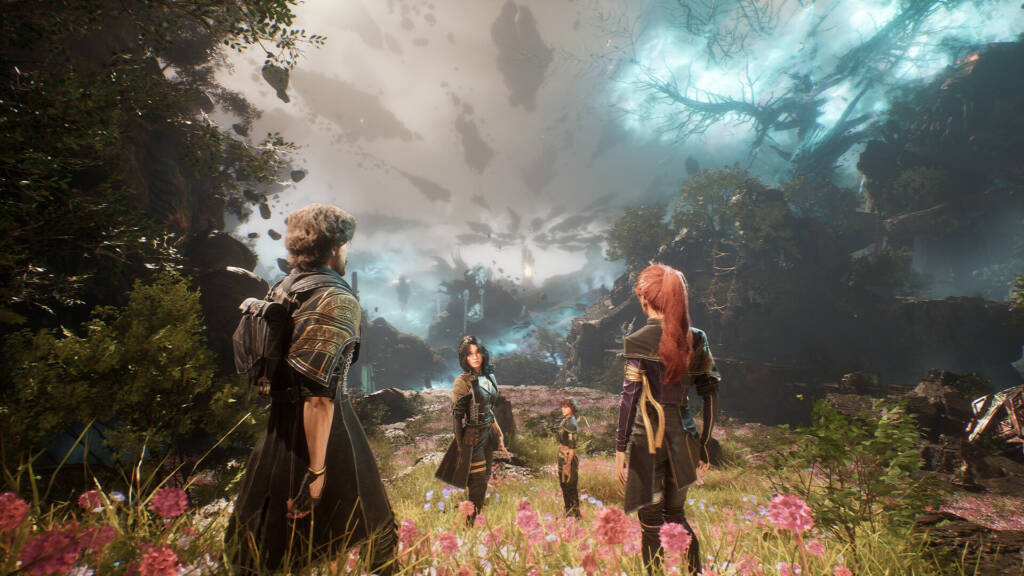
First, it blew up critically. By summer, Expedition 33 was sitting on Metacritic with a 91 average. Not just “good for an indie RPG” or “impressive for a debut studio”, but more like universal acclaim territory. It sold over five million copies by October.
Then it started winning awards.
Clair Obscur: Expedition 33 took Game of the Year in a record-setting run at this year’s Game Awards, winning nine out of ten categories it was nominated for. It picked up honors for Best Narrative, Best Music, and Best Performance, and led the pack against major titles like Death Stranding 2, Donkey Kong Bananza, Hollow Knight: Silksong, Hades 2, and Kingdom Come: Deliverance 2.
Reviewers and players praised it as one of the most original RPGs in recent memory, and betting markets like Polymarket showed overwhelming support for its sweep long before the results were announced.
It crushed expectations. And I started wondering: did I give up too early?
That question started to linger even more after I read a review from one of my colleagues on the G2A.COM Editorial Team here.
He explained how Clair Obscur gradually builds toward something much bigger, with Act II marking a clear turning point. That’s where the story takes on new weight, the systems start to work together more naturally, and the underlying themes come into sharper focus. His take added context I hadn’t considered, and it made me realize there was a lot I hadn’t seen yet.
That was enough for me. I’m going back in. And here’s why I think I got it wrong the first time.
It’s built for a second look
On the surface, Clair Obscur checks a lot of standard RPG boxes.
You’re in a mysterious, decaying world. There’s a chosen group, Expedition 33, tasked with stopping some unknowable threat, in this case the Malarka, a force that literally shortens people’s lifespan every year. The setup’s dark, but familiar.
What’s not standard is the pacing. The game doesn’t stretch to 60 hours. It clocks in around 25, depending on how thorough you are. And it makes good use of every hour. There’s no bloat. No random fetch quests or filler dungeons. RPGFan nailed it when they said that every interaction feels deliberate.
That compactness, I now realize, demands focus.
The focus stays on what the world is going through and how the characters respond to it, not on chasing collectibles or padding out playtime.
Everything is built to support the story, and the more attention you give it, the more it gives back. Skimming past the details means missing what the game is really trying to say.
Combat that wants you awake
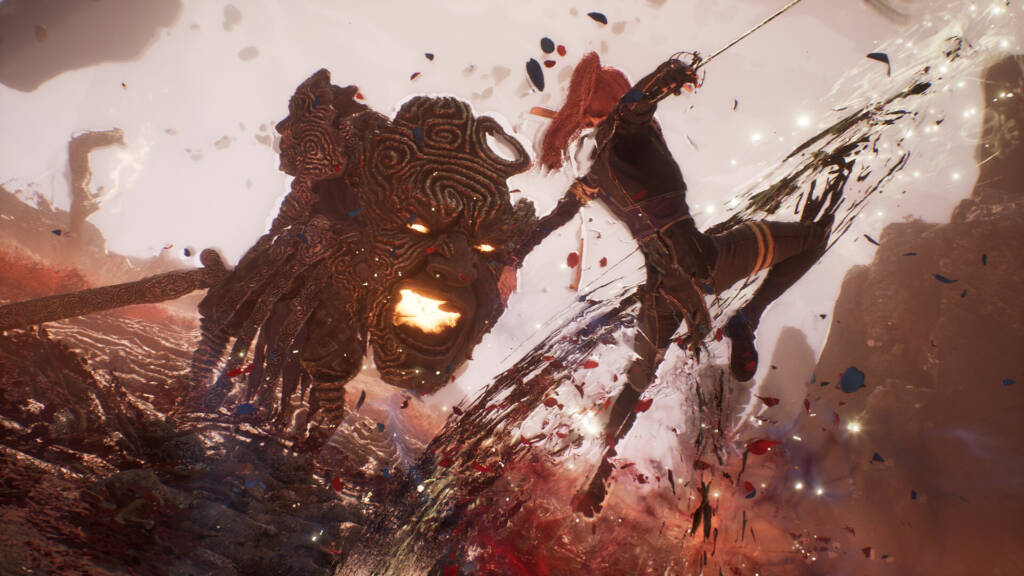
The battle system is where I struggled at first. It’s turn-based, yes, but you don’t just queue up moves and sit back. Every attack has an active input: timing buttons, parrying, dodging, and executing combos with precision. It’s a system that rewards mastery, not just planning.
Some critics described it as Paper Mario meets tactics and that feels pretty accurate. You strike to gain ability points, then spend them on bigger moves, which are powered by timed sequences. It adds tension to every encounter.
From what I’ve read, the deeper you go, the more that system opens up. Fights evolve, mechanics get layered, and timing becomes less twitchy and more strategic.
Now that I know what to expect, I’m ready to dig deeper and see how the mechanics develop.
Looks like a painting, sounds like a dream
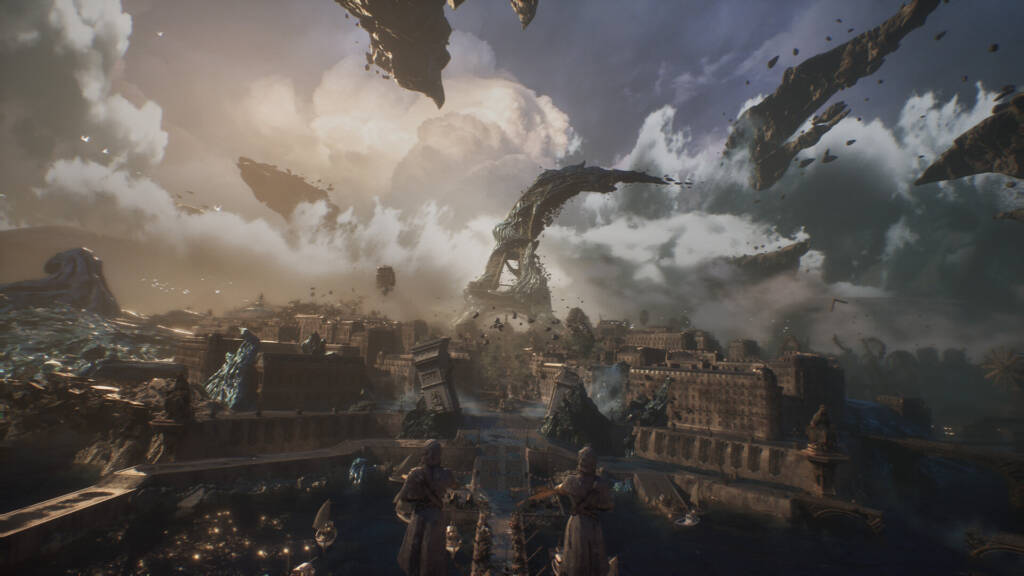
Visually, it’s stunning. Not just technically, but in tone, with fog-drenched ruins, golden light pouring through shattered glass, and cityscapes pulled from a turn-of-the-century fever dream. It feels painted, not rendered, and I think everyone agrees with that.
The soundtrack, by Lorien Testard, caught a lot of attention too. Piano, strings, and full orchestral moments that hit at just the right times. Critics even compared it to NieR: Automata, which says a lot. The voice acting is equally strong. Characters feel real without being overly dramatic. Maelle in particular stuck with me. Even early on, she felt like a person, not a plot device.
What makes it GOTY material
There’s a reason this game keeps showing up at the top of 2025 lists.
Every piece of Clair Obscur (the combat, the pacing, the world design, the music) feels like it was built with a clear purpose.
All of it works together to carry a story that stays grounded in questions about mortality, belief, and how people respond when their world starts to fall apart. The game avoids overexplaining and instead lets ideas unfold gradually, giving you time to absorb what it’s saying.
Looking back, that might be why it didn’t grab me right away.
The early hours move with intention, setting the stage rather than rushing through it. As the story deepens and the pieces start falling into place, everything begins to make more sense. Coming back to it now, knowing the shape of what’s ahead, I can already tell the experience feels more complete.
Why I’m coming back
Sometimes the timing’s wrong. Or the mechanics don’t click on the first try. That was my experience with Clair Obscur.
But the more I read, the more I realized this might be one of those games that rewards you for sticking with it.
I missed that turn in Act II the first time and I want to see it now.
And if the rest of the game lives up to what people are saying, then maybe I was too quick to move on.
Guess I’ll find out soon enough.