
At first glance, Samson looks like GTA without guns – but that’s only half the story.
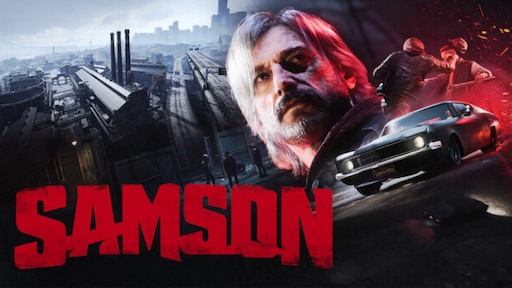
Samson
Release Date: April 08, 2026
Genres: Fighting, Racing, Adventure
Liquid Swords’ debut project brings a grounded, high-pressure take on open-world crime gameplay that’s aiming for something very different.
TL;DR – What You Need to Know
Table of Contents
Samson Launch Times
See more about Samson Release Time.
Is Samson Just a GTA Clone?
Short answer: no – but the comparison isn’t totally off.
Samson shares some DNA with GTA: an open world, crime-driven story, vehicles, and mission-based progression. But where GTA is about power fantasy and chaos, Samson leans into survival, pressure, and consequences.
Key difference: GTA makes you stronger over time. Samson constantly reminds you that failure is always around the corner.
That is the biggest reason the comparison only goes so far. On the surface, both games use a crime-world setup and an open city structure, but Samson seems far more interested in vulnerability than domination. Instead of gradually turning you into an unstoppable force, it frames progress as a struggle to stay alive, stay solvent, and avoid losing everything.
That makes Samson feel less like a sandbox for chaos and more like a pressure cooker. The tone is harsher, the stakes are more personal, and the loop appears to be built around stress rather than escalation. If GTA sells freedom, Samson seems to be selling desperation.
Core Gameplay Explained
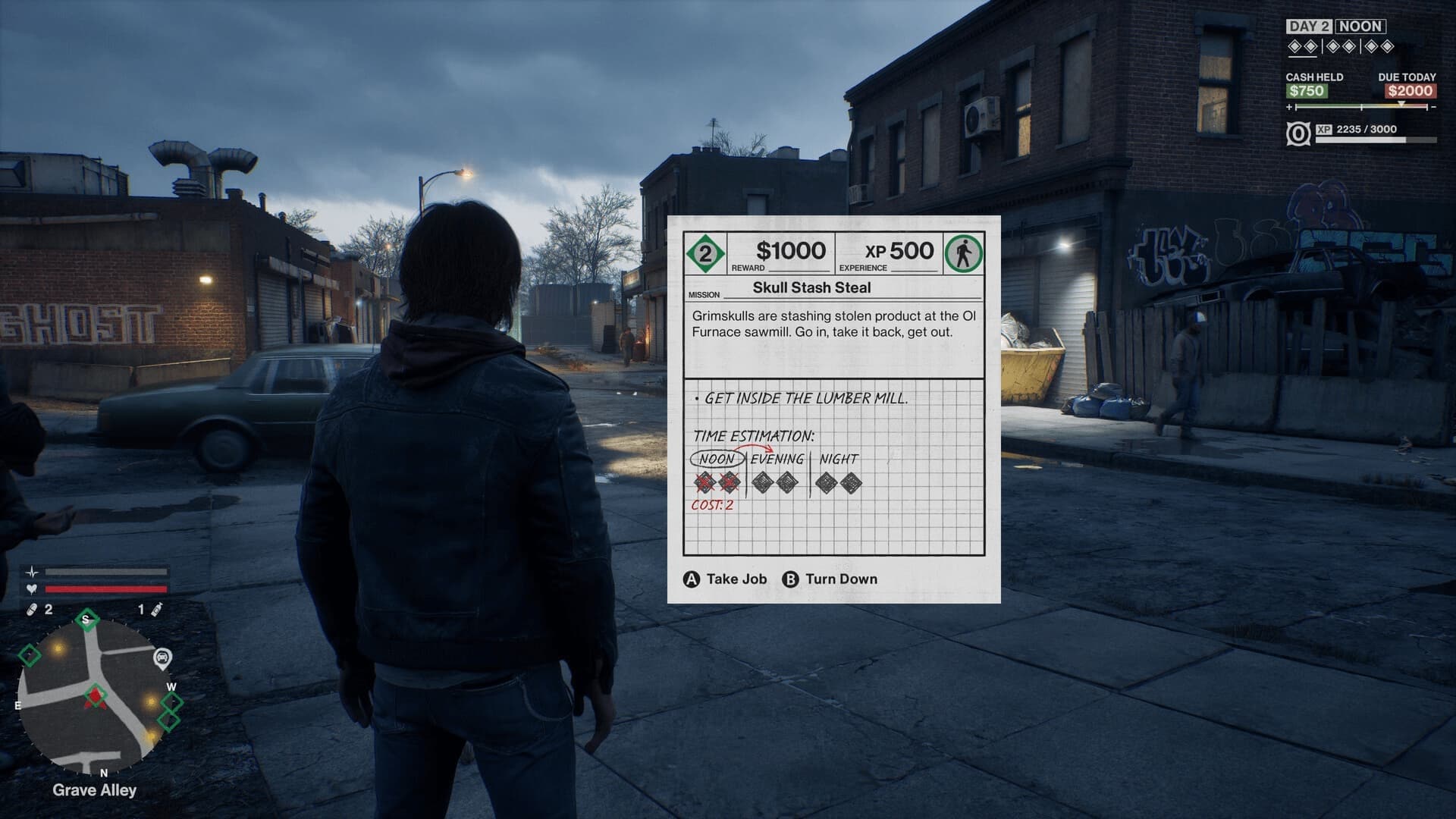
The biggest twist is the debt mechanic. After a failed heist, Samson owes money to dangerous mobsters – and your sister’s life is collateral.
- Meet payment deadlines or face consequences
- Interest grows if you fail missions
- Every decision impacts survival
This creates a constant sense of urgency you don’t usually get in open-world games. Instead of wandering around until you feel like doing the next mission, the game seems built around pressure pushing you forward. The debt is not just narrative flavor – it looks like the core system that gives structure to everything else.
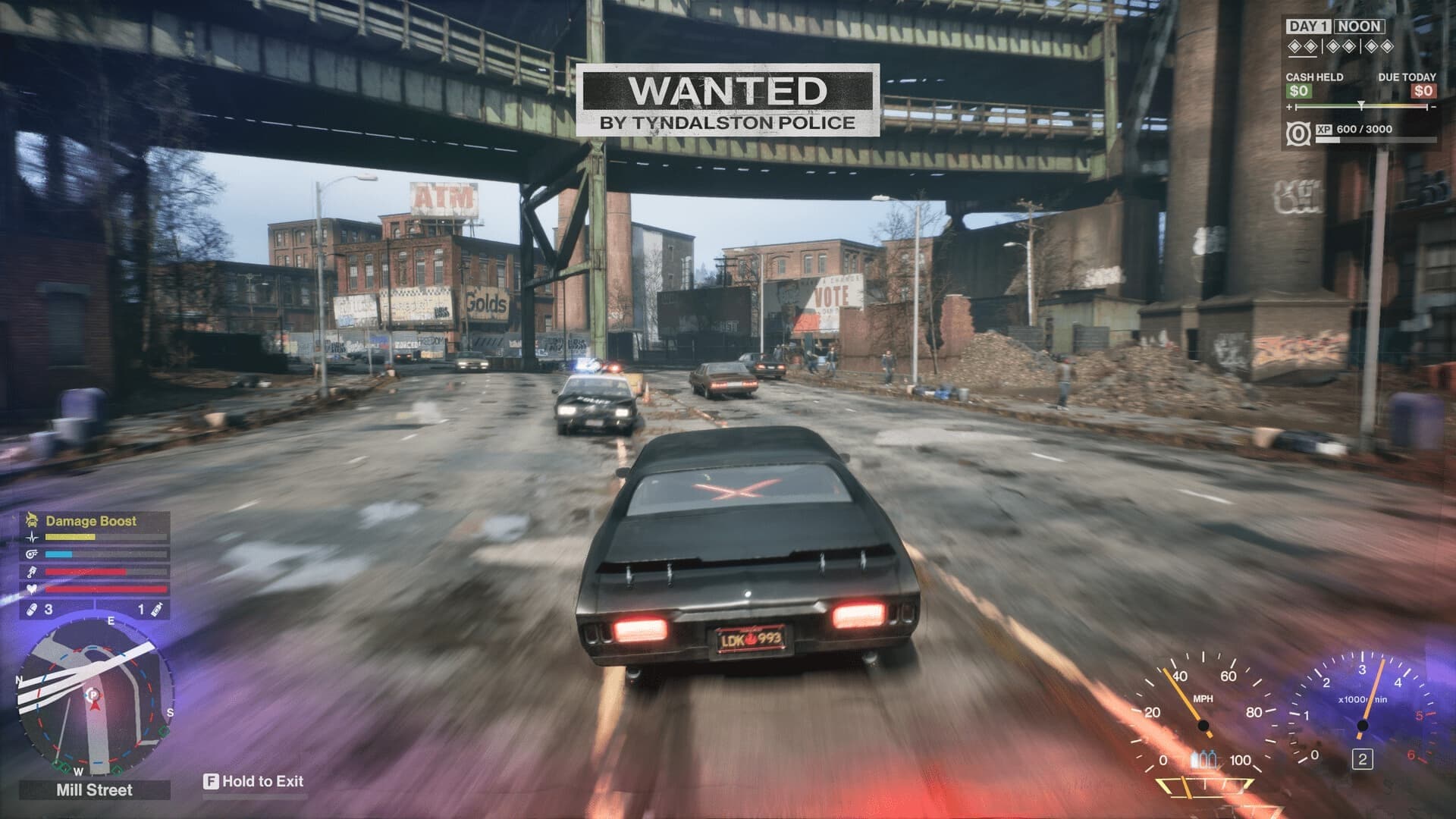
That is what gives Samson its stronger identity. The world is not just there for exploration. It is there to trap you in a cycle of obligations, risk, and survival decisions. Every mission matters because failure is not just a setback – it makes the next problem worse.
Melee-First Combat
Unlike GTA, there are no guns for Samson. Combat focuses on:
- Brawling and close-quarters fighting
- Skill-based encounters
- Environmental awareness
You can still use weaponized vehicles, but on-foot combat is raw, brutal, and personal.
That choice changes the whole feel of the game. Without firearms dominating every encounter, fights become more immediate and risky. Distance is no longer safety, and every confrontation feels more physical. That alone separates Samson from most crime-action games on the market.
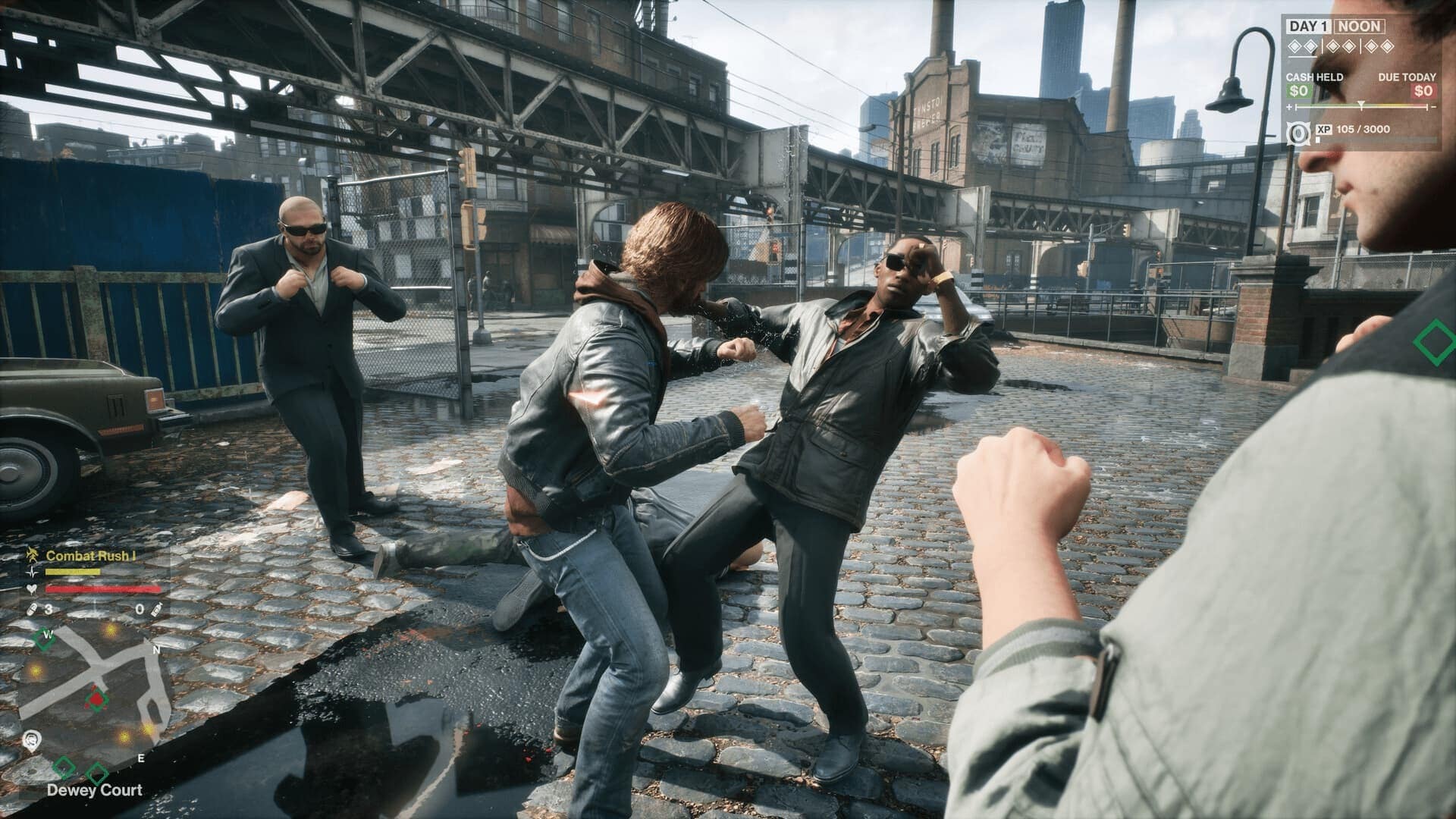
It also suggests a different gameplay rhythm. Instead of solving combat through escalation and better weapons, players will probably need better timing, awareness, and positioning. That makes the action feel more grounded, but also more tense, because every mistake happens up close.
Open World with Consequences
The city of Tyndalston is divided into districts filled with NPCs who remember your actions.
- Reputation matters
- Choices affect future interactions
- World reacts to your behavior
This is where Samson could become much more interesting than a simple “crime game with melee.” A reactive NPC system suggests the city is not just a background for missions, but a system that changes based on how you behave inside it. If that works well, it could give every district a stronger identity and make your choices feel more permanent.
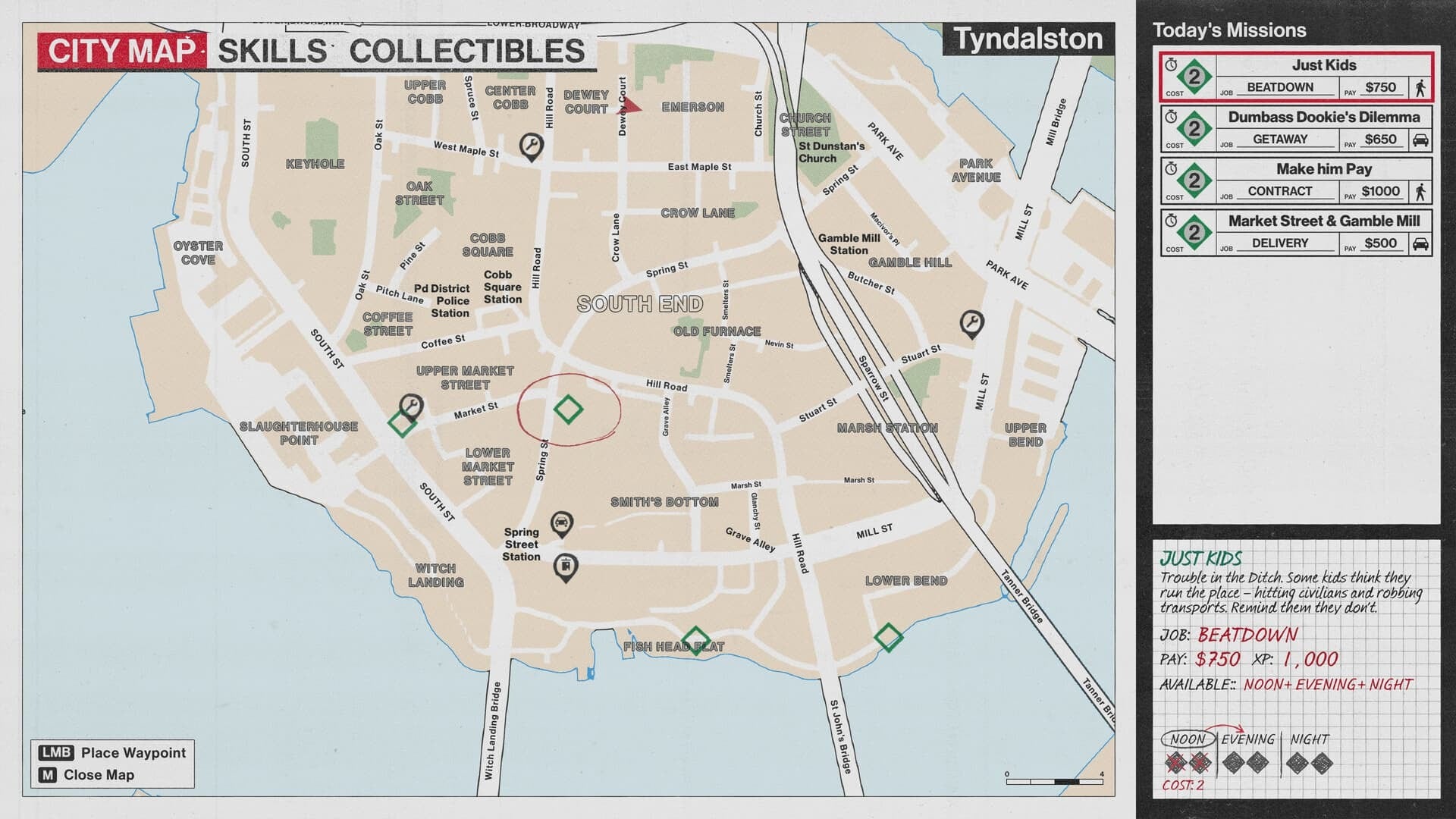
That kind of reactivity fits the survival angle too. In a high-pressure world, relationships and reputation matter because you cannot afford to treat the whole city like disposable scenery. Samson seems designed to make consequences stick.
GTA-Style Elements
- Open-world city
- Crime-based missions
- Driving and exploration
What Makes It Different
- No guns (melee focus)
- Debt & survival pressure
- No guaranteed power growth
- Reactive NPC system
Upgrades and Progression
Samson features 25+ upgrades that improve:
- Brawling effectiveness
- Driving skills
- Survivability
But unlike typical RPG systems, you’re not becoming unstoppable – you’re just trying to stay afloat.
That is an important difference. In many open-world games, upgrades are part of the fantasy of growth. They make you stronger, richer, safer, and more dominant. Samson seems to frame progression more as damage control. Improvements help you cope with pressure rather than erase it.
If the game sticks to that philosophy, upgrades could feel more meaningful than usual. They would not be about turning the player into a superhero – they would be about surviving a little longer, fighting a little cleaner, and buying yourself a little more room to breathe.
Development Story & Vision
The game comes from Christofer Sundberg, founder of Liquid Swords and creator of the Just Cause series. The studio was formed in 2022, but faced major restructuring in 2025, cutting features to focus on a tighter experience.
Developer insight: Samson is meant to feel like a “90-minute action movie” – shorter, sharper, and more intense than massive sandbox games.
That framing actually makes a lot of sense for what the game appears to be. Rather than trying to outdo the scale of bigger open-world blockbusters, Samson seems to be narrowing its focus and leaning into tension, pace, and atmosphere. That could work in its favor if the final experience feels concentrated rather than stripped down.
The restructuring also helps explain why the game sounds so specific. Tighter scope often forces a project to define what it really wants to be, and Samson’s answer seems to be clear: a rougher, leaner crime-action game built around pressure instead of endless sandbox sprawl.
Editions & Price
- Standard Edition: ~$25
- Supporter Edition: ~$30 (includes soundtrack, wallpapers, concept art, 3D model)
The pricing puts Samson in a range where it can take risks more easily. It is not presenting itself as a massive premium blockbuster, which makes the focused design pitch easier to accept. For players curious about something different in the open-world crime space, that price point makes the experiment a lot easier to justify.
Final Verdict – Should You Play Samson?
If you’re expecting GTA-level chaos and freedom, this might not be your game.
But if you want something grittier, more grounded, and pressure-driven, Samson could be a refreshing take on the open-world crime genre.
Think less “sandbox power fantasy,” more “fight to survive another day.”