



It’s when you stare at the screen, palms sweaty, trying again and again while the same boss stomps you into the floor. You’re not even mad anymore. You’re obsessed. Facing these overpowered enemies is often the ultimate test of skill.
So here’s a look at some of the most infamous bosses that pushed players to their limits.
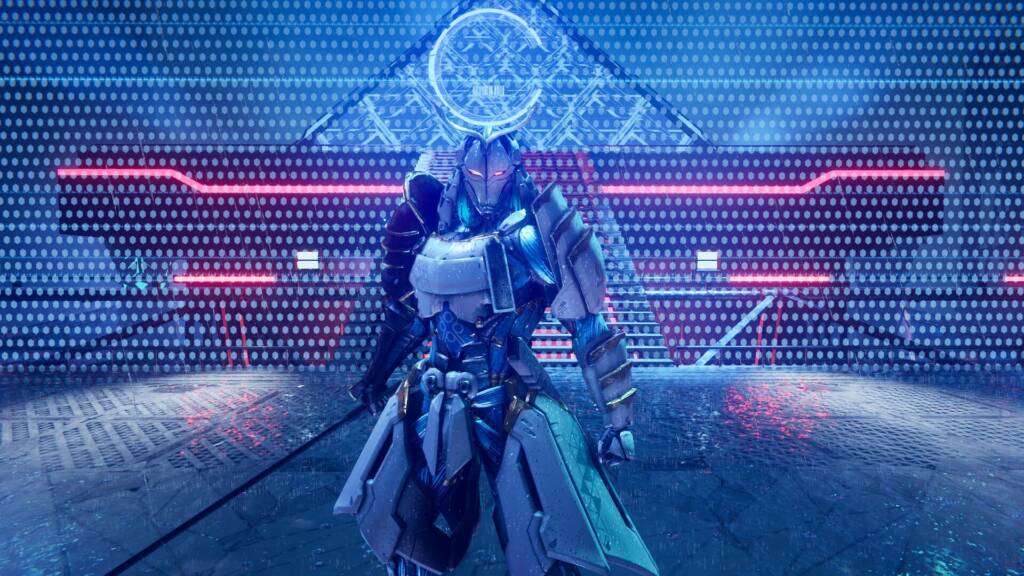
Ninja Gaiden 4: D.D.O. Commander
Ninja Gaiden’s always had a reputation for being punishing, but the D.D.O. Commander in part four hit different. He’s the first boss, and he’s already a wall. If you don’t understand how the game’s systems work (the cancels, the iframes, the perfect spacing), you’re done before you even start.
PlatinumGames Inc. / Team NINJA / KOEI TECMO GAMES CO., LTD. )
For comparison, in the classic Ninja Gaiden from 2004, the seventh boss, known as Alma, also required perfect reflexes. Dodging her projectiles and landing hits during narrow windows required full focus. There was no room for mistakes. That kind of demand has always defined Ninja Gaiden fights that push your reactions and execution to the edge.
This new chapter, made by Team Ninja together with Platinum Games, had players expecting serious difficulty right from the announcement. They did not hold back. The marketing promised a brutal throwback, and the first boss makes it clear they were not bluffing.
Kerafyrm the Sleeper (EverQuest)
MMOs have their own kind of difficulty.
In EverQuest (1999) Kerafyrm the Sleeper was designed to awaken once per server and wipe out every player before disappearing permanently. Initial attempts were always doomed to fail, and the storyline implied the fight was unwinnable.
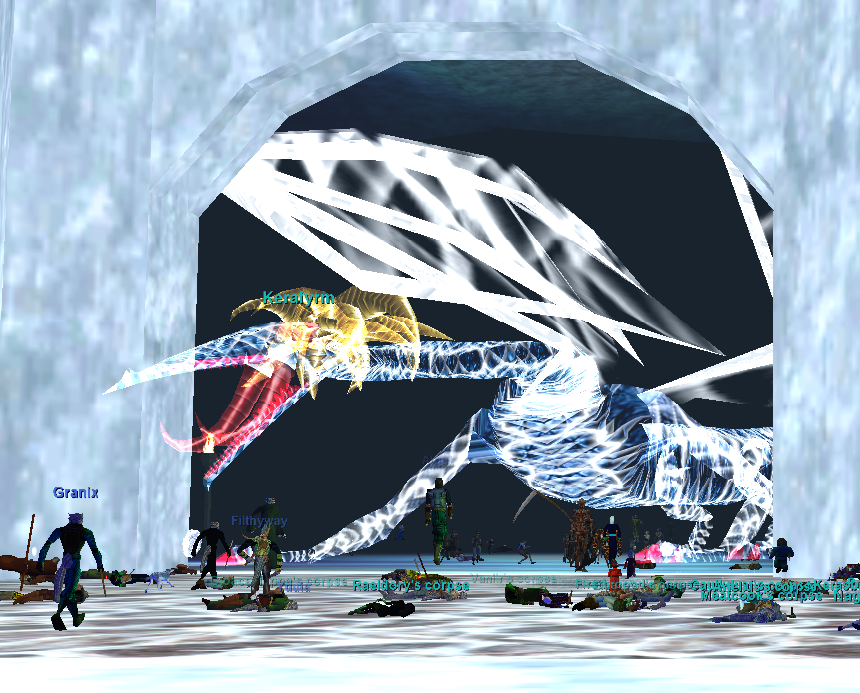
Eventually, players on the Rallos Zek server gathered nearly 200 people to fight for four straight hours, constantly reviving fallen allies. After hours of persistence, the “unkillable” Sleeper finally went down, earning a place in MMO history. Kerafyrm is a prime example of epic developer ambition.
No other group had ever taken on such a powerful boss, and the preparations took years. The encounter is remembered as a showcase of player stubbornness and strategic coordination. Gaming outlets wrote about it like a digital siege. That kind of stubbornness is what makes MMO history.
Pandemonium Warden (Final Fantasy XI)
The battle against Pandemonium Warden in Final Fantasy XI became the stuff of legend.
A guild of 36 players fought for more than 18 hours, and several of them reportedly vomited or passed out from exhaustion.
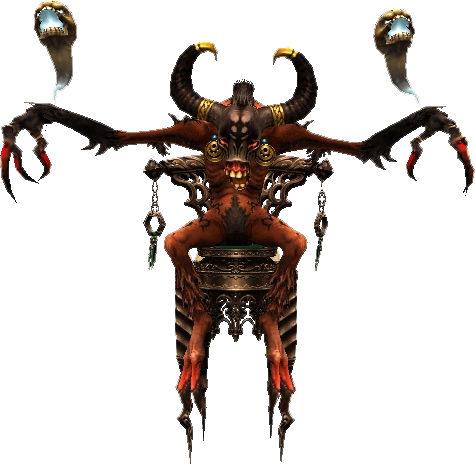
The fight was so punishing that developers eventually modified the boss. They cut his 20 forms down to 10 and added a two-hour time limit. Only after these changes did another team manage to defeat him, barely finishing within the time cap.
The Warden’s fight reached the gaming press as an example of how physically draining a boss battle could be. Players described staying almost completely still during the fight, focused entirely on execution. That first marathon attempt showed how virtual games could demand real-world physical and mental endurance.
Malenia, Blade of Miquella (Elden Ring)
Modern titles have not stopped delivering extreme encounters. In Elden Ring (2022), the optional boss Malenia gained notorious fame.
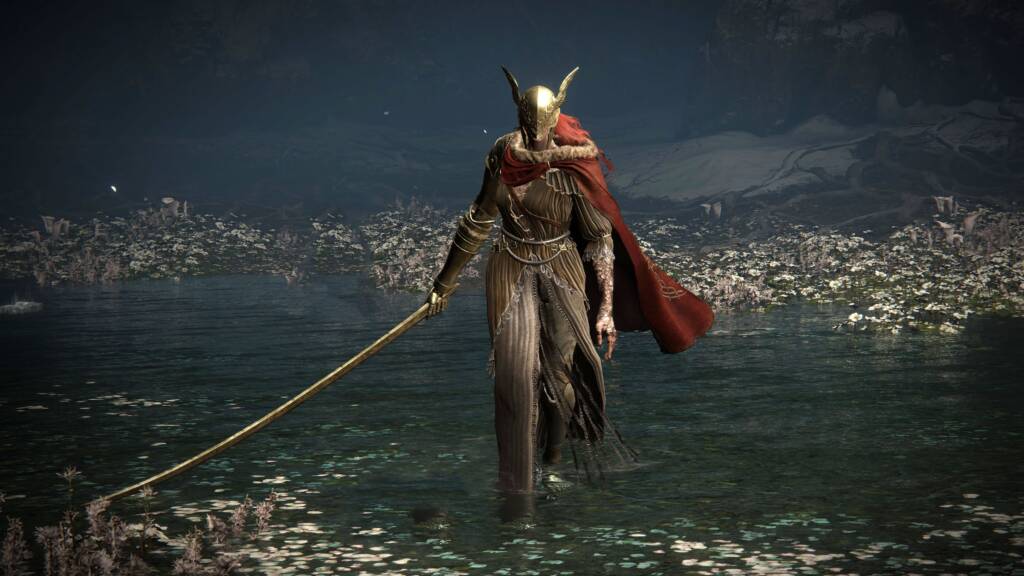
Her attacks are lightning fast and hard to read, and each strike heals her, even if the player blocks. After losing half her health, Malenia enters a second phase with new attacks and a damaging area-of-effect aura that makes it nearly impossible to continue attacking her effectively.
Her most feared move, the Waterfowl Dance, is nearly unavoidable. These features combined to make Malenia one of the most exhausting boss fights in FromSoftware history. Among the gaming community, she is seen as one of the most relentless bosses ever made. Even for veteran Souls players, she is a full test of skill and patience.
Demon of Hatred (Sekiro: Shadows Die Twice)
In Sekiro: Shadows Die Twice, the optional boss Demon of Hatred tests your mastery of every combat mechanic. You are not given a shield, so you must rely on perfect parries and dodges.
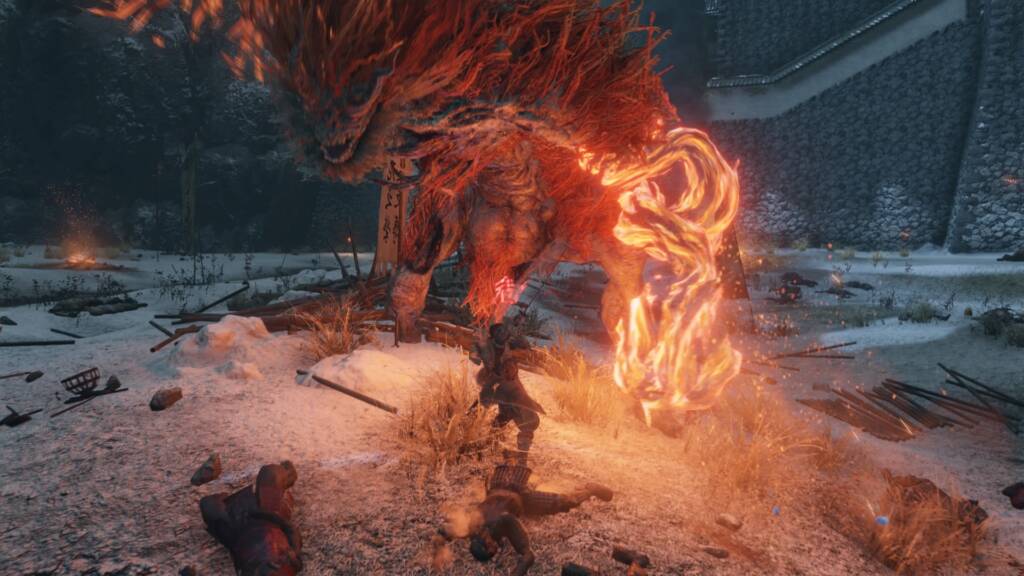
The Demon is huge and throws out massive fire attacks that cover wide areas. You cannot stagger him with brute force, so timing and precision are everything. His attack patterns feel straight out of Dark Souls, and for many players, he is the toughest challenge in Sekiro.
Beating him is seen as the game’s hardest milestone. Every part of the fight demands near-perfect execution. Most players describe going up against him dozens of times, each attempt forcing total concentration and constant adjustment.
Since he is optional and only shows up near the end of the game, choosing to fight him is a serious commitment. The grind, the frustration, and the repetition are all part of what makes the win so satisfying.
C’Thun (World of Warcraft)
Another standout MMO boss is C’Thun from World of Warcraft, released in 2006. He was the final challenge in the Temple of Ahn’Qiraj raid and, for a while, widely seen as the toughest boss in the game.
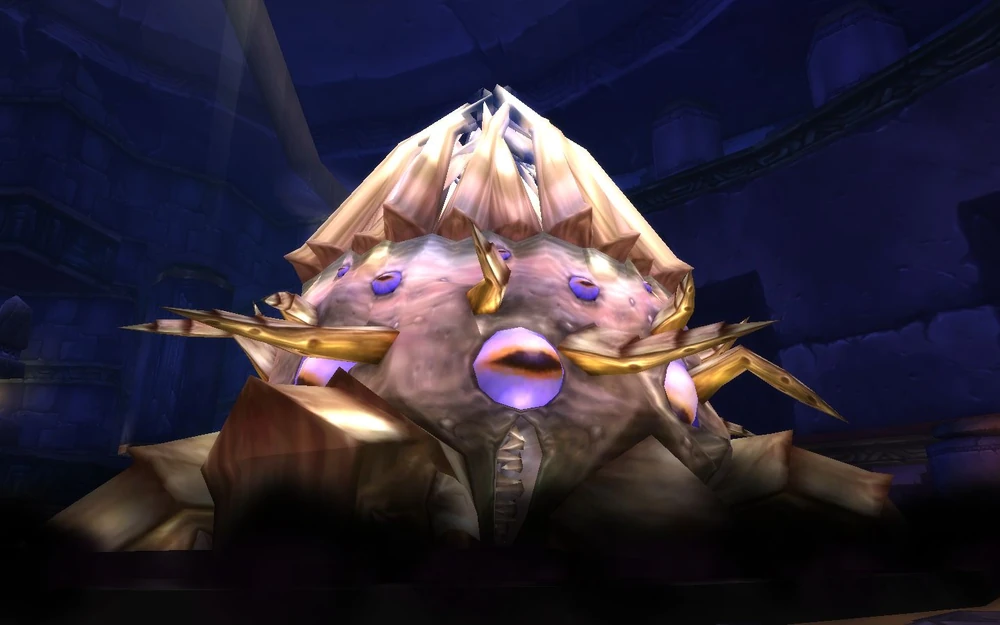
C’Thun had brutal mechanics. He could randomly swallow players whole and fire a deadly eye beam that wiped out entire teams. On top of that, he summoned massive tentacles that hit everyone nearby. Damage could only be dealt during short 45-second windows, which made timing and coordination critical.
Getting 40 players to work together under those conditions pushed everyone’s patience and focus.
It was only after Blizzard toned him down that the European guild Nihilum finally managed to take him down. C’Thun quickly became a symbol of punishing raid design, remembered for how hard he hit and how tight the teamwork had to be.
Why we keep fighting the “unbeatable” bosses
We all have that one boss. The one that almost made us quit, or actually did. Some are just hard, others become legendary. The ones you talk about years later, shaking your head, still half in disbelief that you ever pulled it off.
At first, every one of these bosses felt like a wall. But none of them were truly unbeatable. What made the difference was patience, learning how they worked, and refusing to give up. Often, it meant leaning on the community, watching videos, reading strategies, or just talking it out.
That kind of shared effort is part of what makes these victories stick. The ones that seemed impossible became markers of skill and grit. And every one of them left behind a story worth remembering.