


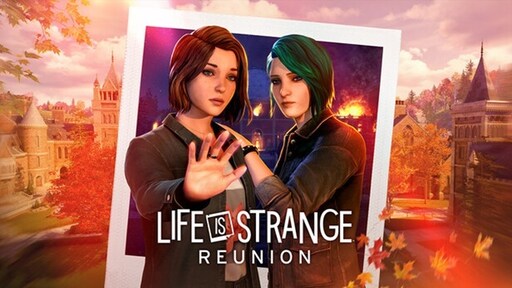
Life is Strange: Reunion
Release Date: March 26, 2026
Genres: Adventure
Early previews suggest Deck Nine understands that weight. The marketing language leans hard on emotion, yet the material described so far points toward consequences, trauma, and discomfort rather than a victory lap reunion.
TL;DR — Why Chloe’s Return Is So Risky
- Reunion revisits a story built on irreversible sacrifice.
- Dual protagonists suggest equal narrative weight for Max and Chloe.
- The story leans into trauma and fractured memory rather than nostalgia.
- Chloe’s return is both a creative gamble and a strategic franchise move.
Table of Contents
Dual Protagonists and Mechanics That Match Their Personalities
The preview structure alternates between Max and Chloe, which immediately signals that this is not a cameo but a shared narrative built around two distinct ways of moving through the world.
Max still uses her rewind power, and the preview examples keep it grounded in personal stakes rather than spectacle, with a comedy night scene that frames the mechanic as social pressure control rather than a world saving trick.
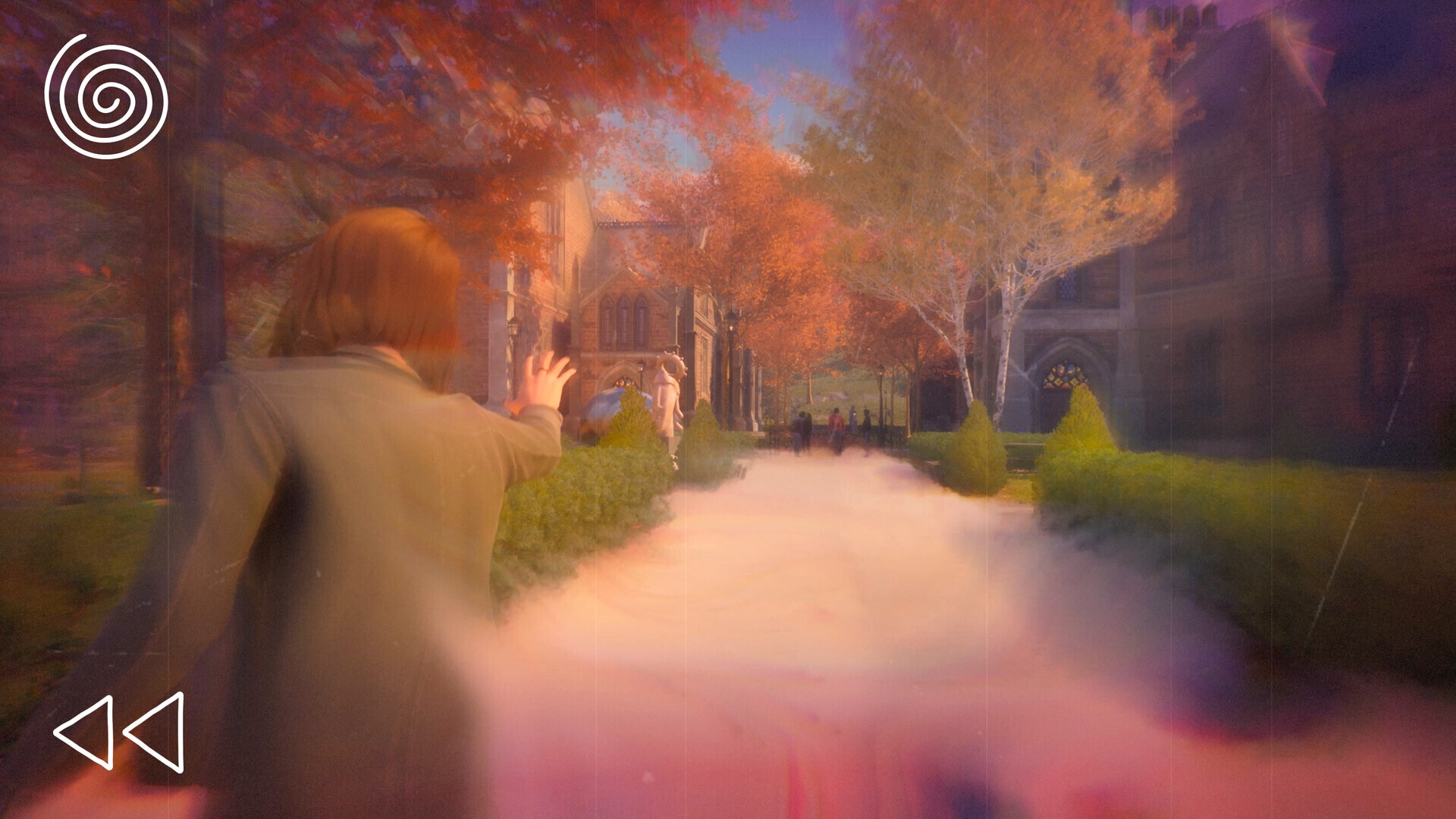
Chloe returns without supernatural leverage, relying on her backtalk mechanic from Before the Storm, and that choice matters because it keeps her identity rooted in confrontation, timing, and stubborn survival instead of turning her into a passive symbol of nostalgia.
Trauma, Memory Gaps, and the Cost of a Return
Narratively, tension builds fast. Max is back at Caledon University with a looming fire disaster in the background, yet the sharper instability comes from Chloe’s fragmented memories of a life or death scenario that may not fit the timeline players once accepted as final.
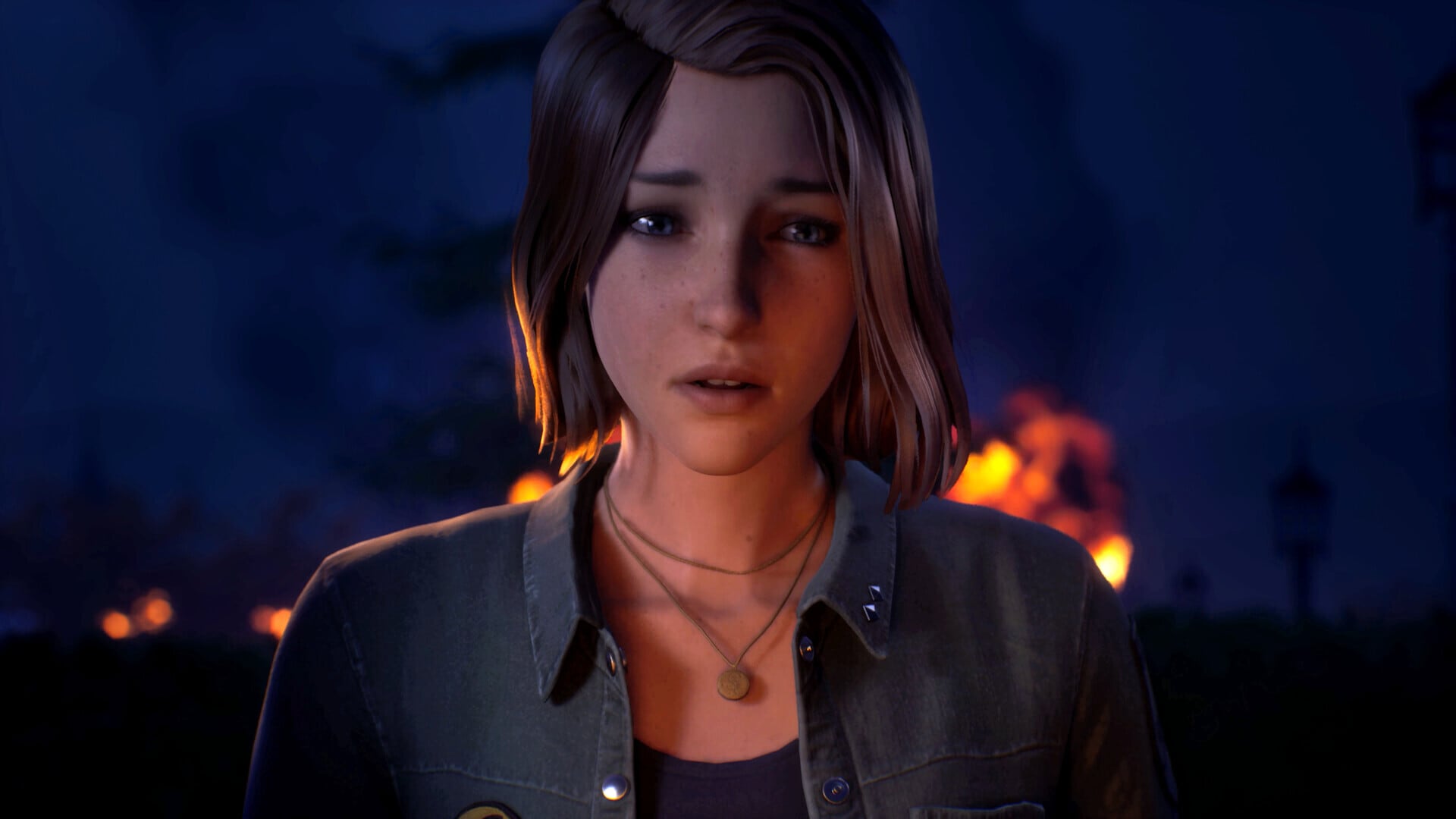
Their reunion reportedly unfolds near a building marked for demolition with police activity and hints of something cultish circling the edges, but the scene’s value comes from the quieter behavior that follows.
Max’s fear shows itself through vigilance, including staying awake simply to make sure Chloe does not disappear, and Chloe’s frustration comes through as confusion, not as easy relief.
A story like this needs that friction, because a painless return would feel like revision rather than continuation.
Choice After the Ending, Agency as Emotional Direction
Player agency shifts into a narrower lane. The original game let you determine survival. Reunion appears to give control over emotional direction instead, with dialogue choices shaping how reconciliation happens, how patient Max becomes, and how much Chloe is allowed to challenge the story being written around her.
Reunion puts players in an awkward position, and it doesn’t pretend otherwise. If you saved Chloe back then, this probably feels like picking up a thread you never wanted to cut. If you didn’t, her return can feel different.
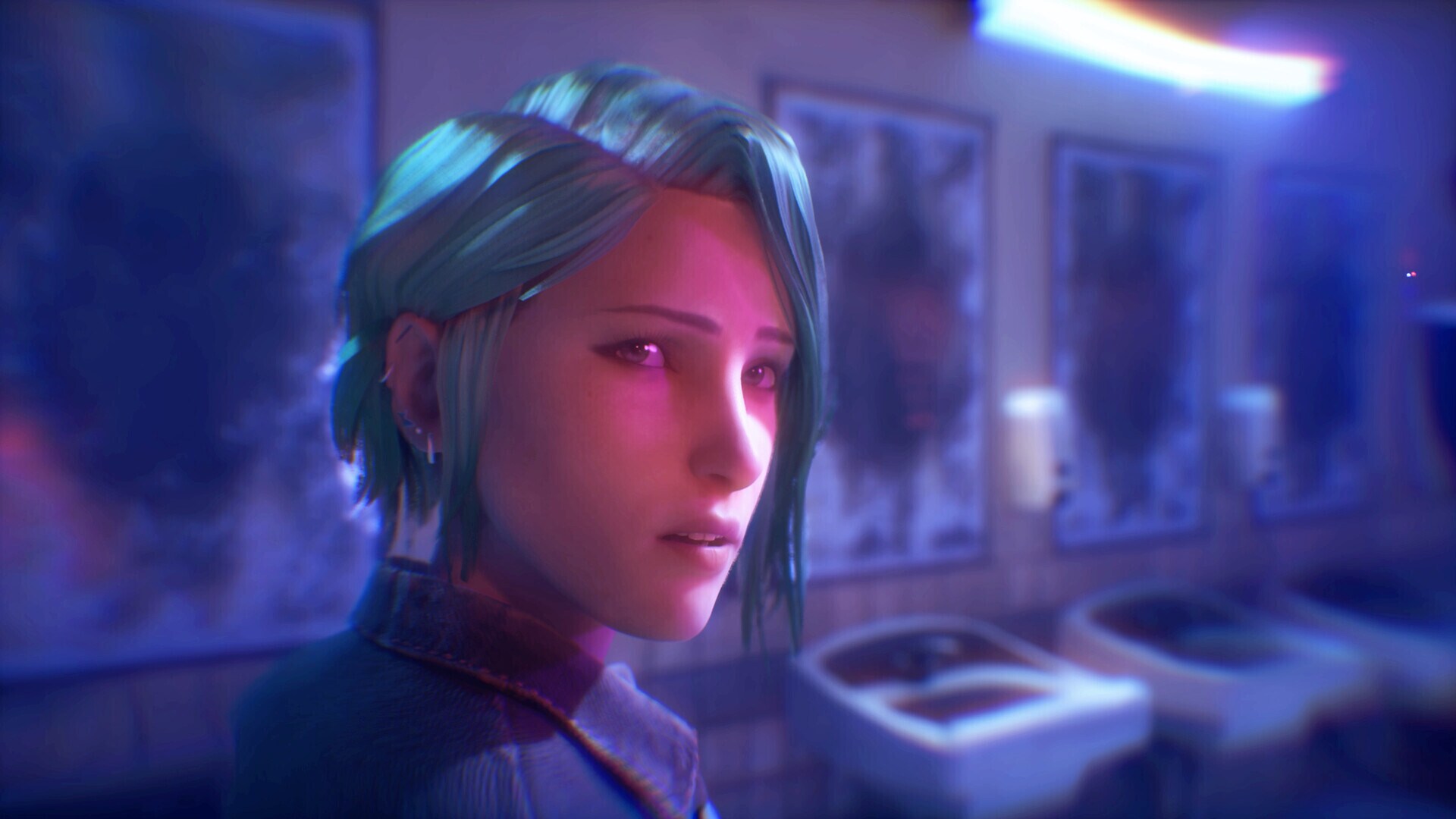
That old decision wasn’t abstract – it really hurt. People sat with it for years. Bringing her back shifts that memory, even slightly. You can explain it with timelines, alternate realities, whatever framework the script chooses, but that doesn’t automatically make it sit right.
The writing has to earn this. It has to show that the original choice still matters in a real, emotional way. Without that effort, the moment that once defined the series risks feeling smaller than it used to.
Presentation, Familiar Spaces, and the Risk of Comfort
Early technical impressions mention noticeably improved facial animation, which matters more than raw resolution in a game built on eye contact, hesitation, and micro-reactions.
There are still minor visual inconsistencies, especially around hair rendering, but those are surface issues. The more interesting question is how the world itself feels.
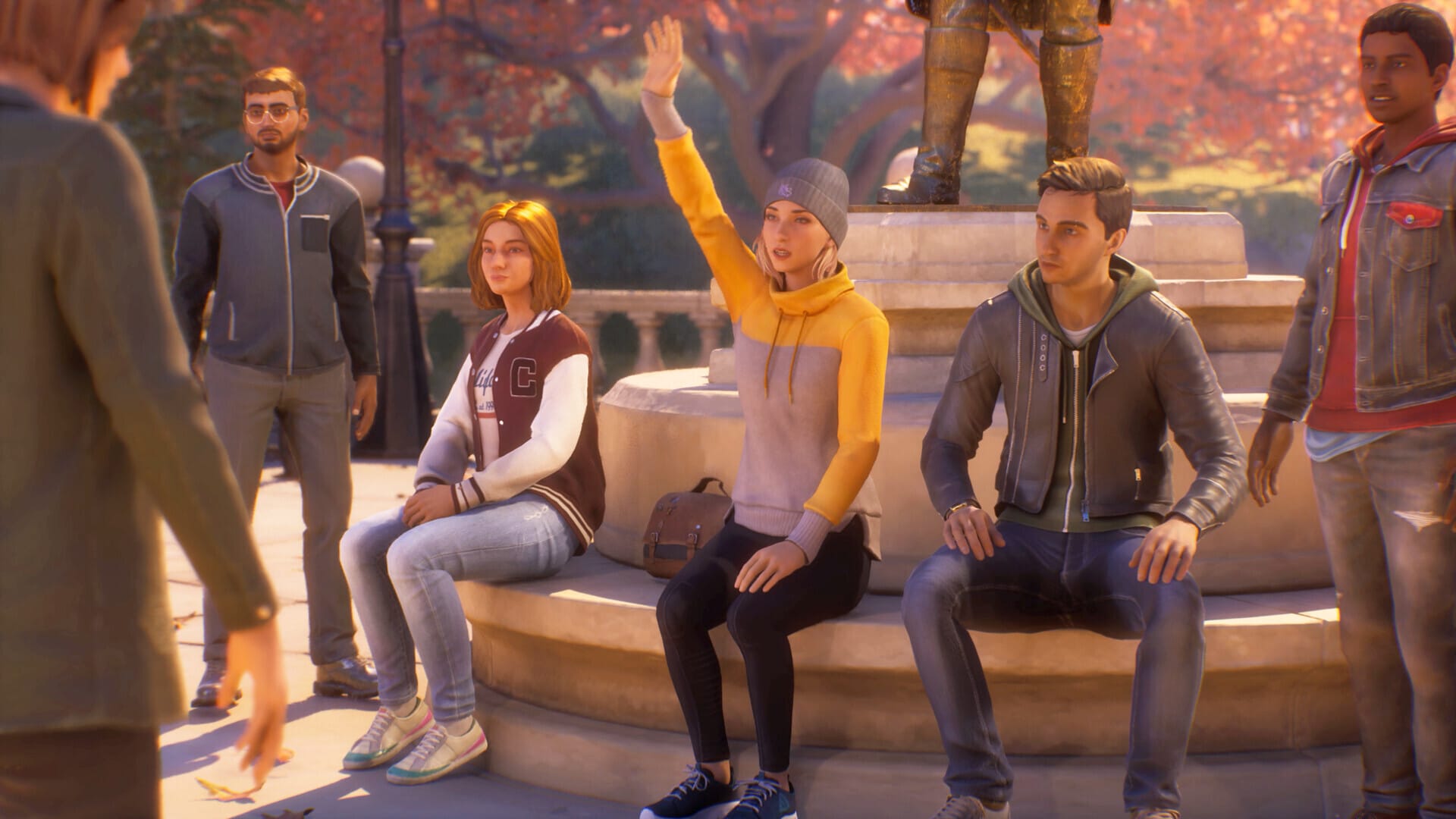
Reunion is set in a familiar territory: indie bars, campus hallways, dimly lit rooms filled with quiet conversations. That continuity fits the series, yet it walks a fine line. When familiar spaces start carrying the emotional burden on their own, the risk is not comfort but repetition, and that is something the writing will have to actively push against.
Strategy Meets Soul: Chloe Price Return Controversy
Let’s be real: in the AAA world, bringing back beloved characters is rarely just a stroke of luck. Square Enix has long treated Life is Strange as its crown jewel of storytelling, with Deck Nine acting as the quiet architect of the series’ growth since Before the Storm.
Pulling the “reunion card” is a power move: a way to anchor a shifting franchise in its most iconic relationship while fighting for airtime in a crowded market.
None of this takes away from the game’s heart, but it does remind us that Chloe’s return is as much a smart business move as it is a creative choice.