


I’m a parent now, which means that sooner or later I’m going to have to explain why three giant mice from Mars riding motorcycles seemed like one of the coolest things ever created. Totally looking forward to it, though!
I’ve been going back to the action cartoons I grew up with and asking a fairly simple question: would I actually show these to my own kids? Some are better than I remembered. Some are hopelessly dated but still bursting with personality. Some are campy nonsense that probably works much better when you’re seven. And a few make adult me wonder, “Hold on, I liked that?”
This isn’t a ranking, and I’m not pretending there’s a scientific formula for which old action cartoon your kid should watch. These are shows I actually watched, loved, or remember well enough to have something to say about.
I don’t need them to look modern. I need them to still have a personality.
Availability checked: September 16, 2026. Older cartoons move between services constantly and availability can differ dramatically by country, so the notes below describe current legal routes where they could be verified rather than promising worldwide access.
About the age suggestions: these are my own starting points as a parent, not medical or developmental recommendations. Kids differ enormously in what they find exciting, funny, boring or scary.
About the nostalgia: I’m not claiming old cartoons were universally better. Plenty were repetitive, cheap, toy-driven or just bad. I’m interested in the ones that left enough of an impression that I still want to see what my kids make of them.
Table of Contents
- What does “holds up” even mean?
- Why teams, gadgets and ridiculous vehicles mattered so much
- The ones I’d try with younger action fans
- When the kid wants more attitude
- Old CGI, big ambition
- Movie spin-offs that became their own thing
- The ones I’d save for older kids
- What I actually want my kids to get from these
What does “holds up” even mean?
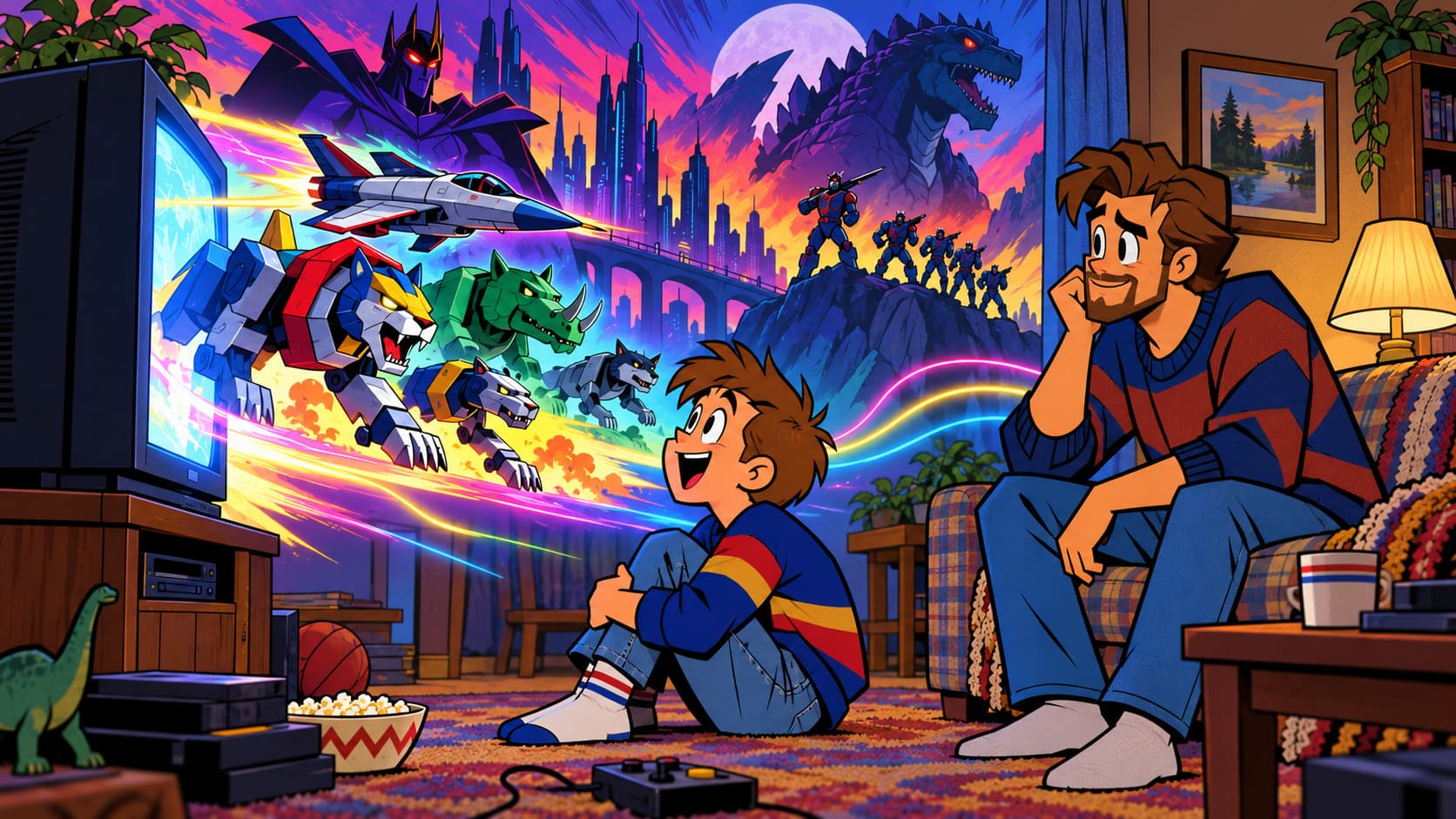
There are three different questions running through this whole experiment.
Did I love this because it was actually good, or because I was seven?
Would my kids enjoy it now?
And perhaps the most interesting one: what am I seeing as an adult that went completely over my head the first time?
Those questions don’t always produce the same answer.
A cartoon can be rough for an adult rewatch and still be exactly what an energetic seven-year-old wants. Another can look technically ancient and turn out to be far better written than I remembered. Then you get something like Batman Beyond, where the show almost reverses itself. As a kid, I saw the suit, flying cars and futuristic villains. As an adult, I see broken families, addiction, failed relationships, aging, regret and an increasingly lonely Bruce Wayne.
I also don’t think dated and bad mean the same thing.
Beast Wars looks old. Of course it does. It was making a fully CG television series in the mid-’90s. The models are primitive, environments can be barren, and some of the animal animation looks like it escaped from a very early 3D graphics demo.
But there’s a difference between outdated technology and weak visual direction.
The people making Beast Wars were trying to squeeze drama, expression, atmosphere and action out of whatever the technology and budget would allow. Today we have infinitely better tools, yet that doesn’t automatically stop a modern CG show from looking cheap when the production is obviously built around speed, reusable assets or an economical pipeline.
Old CGI can be ugly because the technology wasn’t there yet. New CGI can still be ugly because the ambition isn’t visible on screen. Those are different problems.
And then there’s music.
I think I took that for granted as a kid. I can still remember themes, guitar riffs, character voices and little pieces of incidental music from these cartoons decades later. Batman Beyond. SWAT Kats. Biker Mice from Mars. Godzilla. Men in Black. Sometimes you only needed five seconds of audio to know exactly what was on.
Maybe that’s the real test: did the show have enough personality to survive its own limitations?
Why teams, gadgets and ridiculous vehicles mattered so much to me
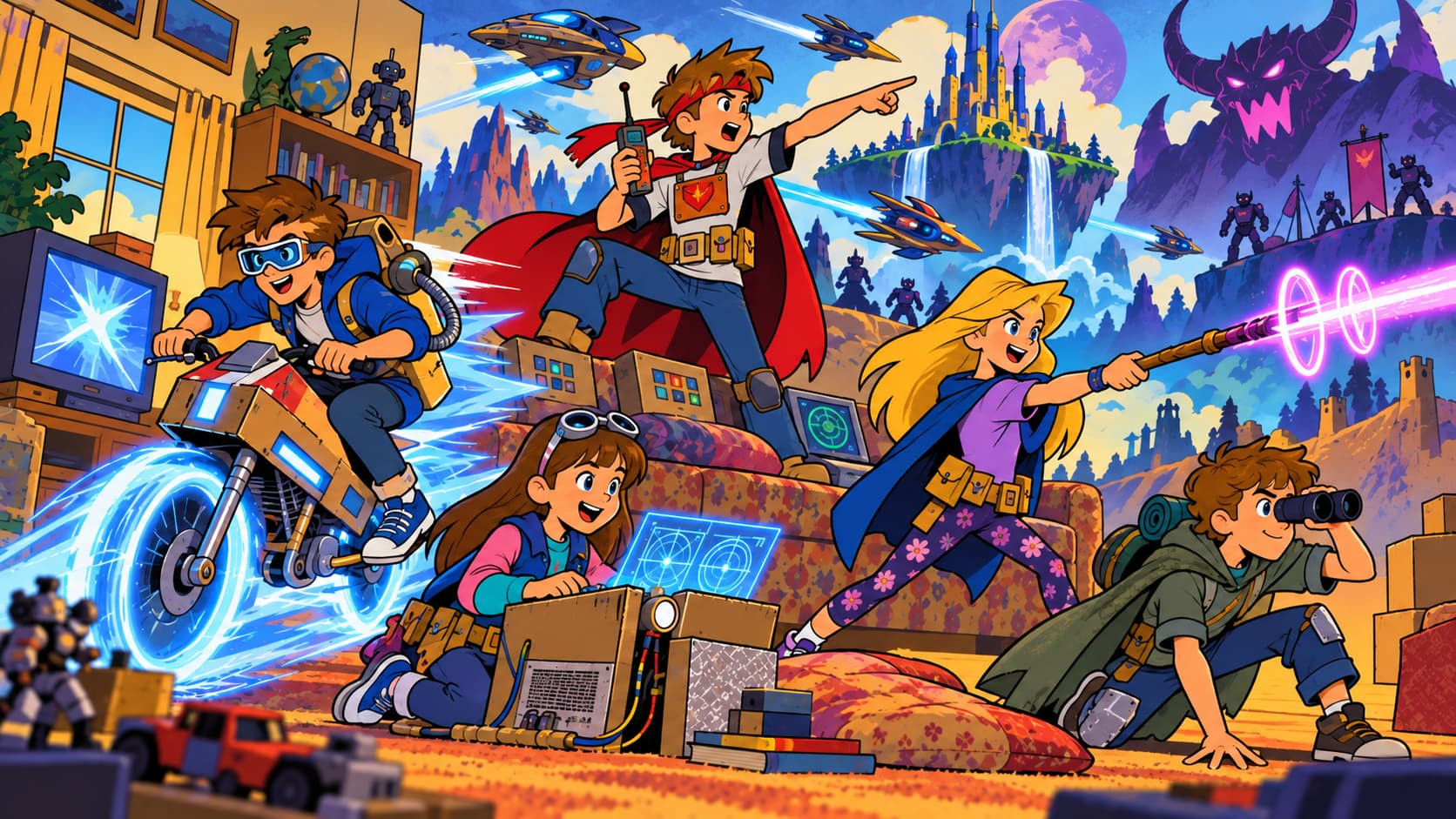
I don’t need to turn this into a grand theory about every boy on Earth. I can only tell you what I was like and what I’ve seen in plenty of other kids.
I had energy to burn. I wanted a gang, in the completely innocent kid sense of the word. A crew. A squad. A bunch of characters who clearly belonged together.
I wanted to pick which Biker Mouse I was. I wanted to be one of the SWAT Kats. I wanted a Transformer, a motorcycle, a secret base, a giant cannon, a jet, a weird sci-fi weapon or some completely impractical machine with six missiles attached to it.
Give a bunch of kids a strong team of characters and they’ll do half the work themselves. Everybody picks a favorite. Everybody gets a role. A bicycle becomes a motorcycle. The couch becomes headquarters. A stick becomes whatever outrageous weapon the episode introduced five minutes earlier.
That’s something I think a lot of these old action cartoons understood incredibly well.
They gave kids crews, rivalries, machines, weapons, monsters, villains, and heroes who looked competent and cool. Not everything needed to stop and explain its educational objective. Sometimes the whole point was to give a kid 22 minutes of excitement and enough material to keep the adventure going after the TV was switched off.
I sometimes miss children’s television that was confident enough to be exciting simply because being exciting was worthwhile.
That doesn’t mean every kid needs explosions or that an action cartoon somehow has more value than a quieter show. It means that for the kind of kid I was, and for plenty of high-energy kids who love teams, machines and pretend battles, this stuff can be fantastic fuel for the imagination.
The ones I’d try with younger action fans
Wild West C.O.W.-Boys of Moo Mesa
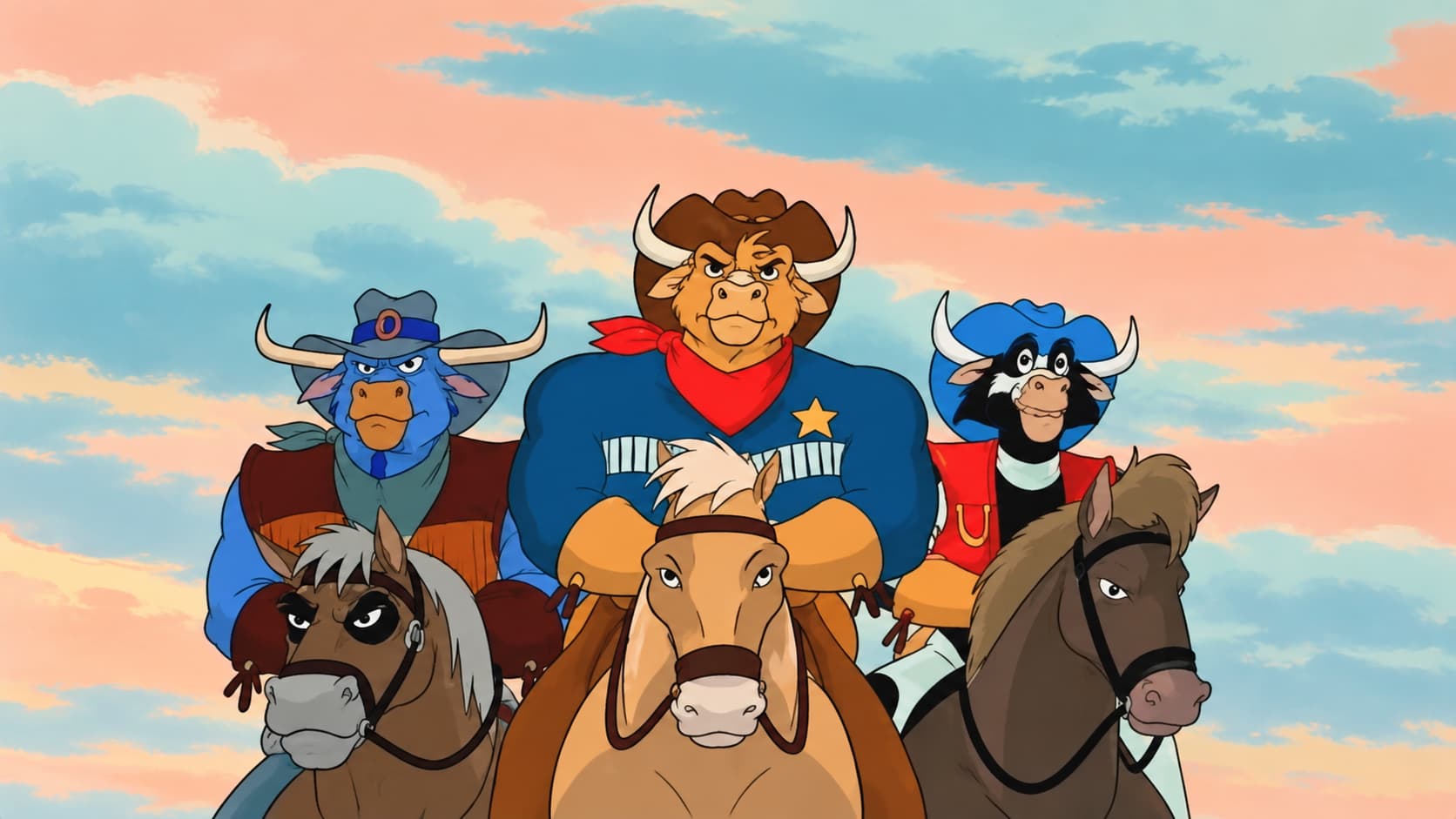
When I went back to Wild West C.O.W.-Boys of Moo Mesa, my immediate reaction was basically: this is Biker Mice from Mars, but wholesome.
You’ve still got anthropomorphic heroes, colorful villains, action, gadgets and a premise that sounds ridiculous if you explain it to another adult. But the whole thing feels friendlier.
Marshal Moo Montana and company are heroic in that wonderfully uncomplicated Saturday-morning way where doing the right thing doesn’t require an existential crisis first.
And now that I’m the parent choosing what’s on TV, I appreciate that more than I expected. If I wanted to introduce a younger kid to this whole style of action cartoon, this is one of the shows I’d be happiest starting with.
Dinosaucers
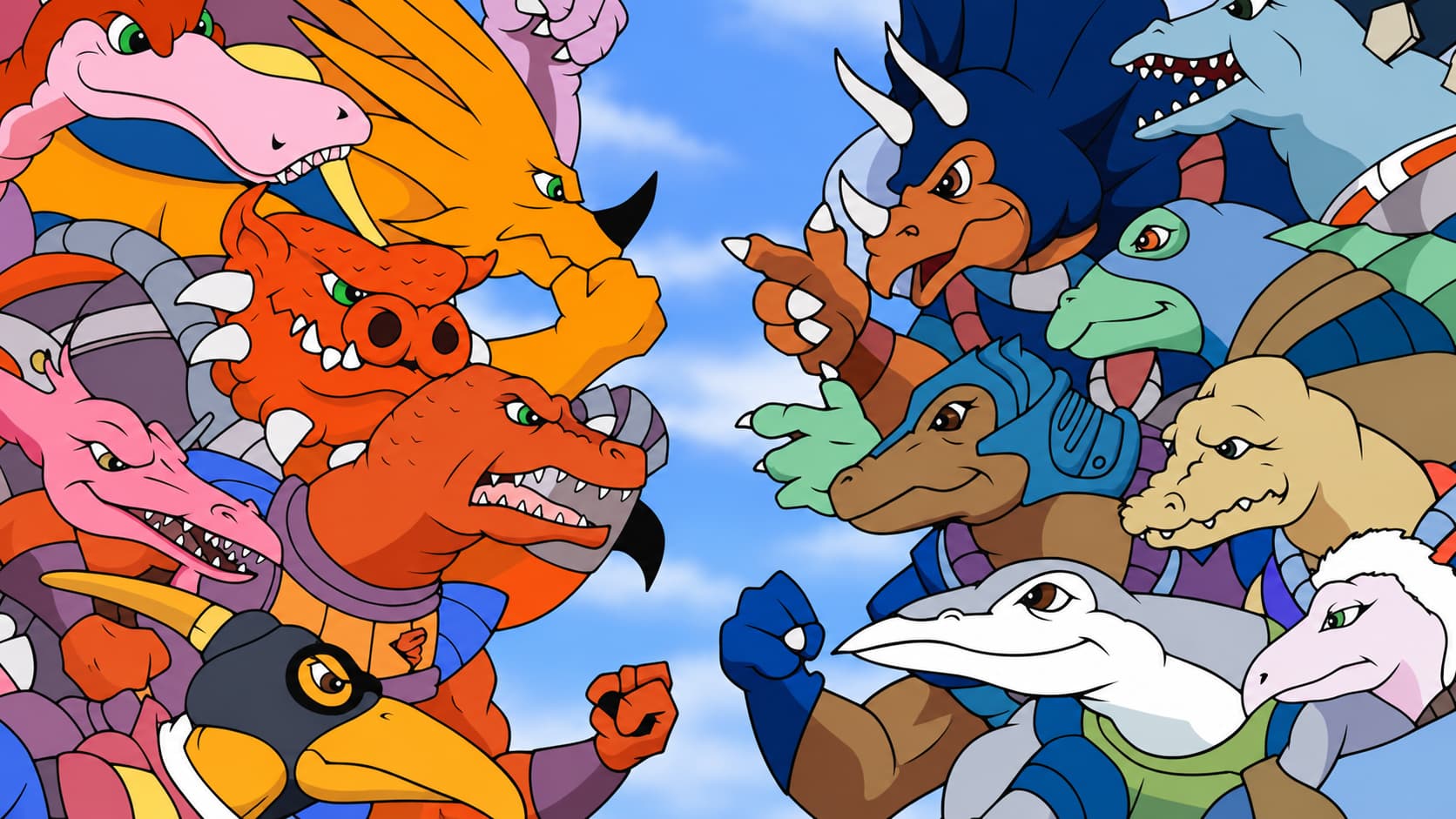
Dinosaucers has enormous Transformers G1 cartoon energy to me.
Heroes. Villains. A scheme. Somebody explains the scheme. There is a fight. Somebody makes a joke. Everybody comes back next week and does roughly the same thing again.
This is one of the dangerous rewatches. I remember loving it, but adult me can absolutely imagine turning toward childhood-me and asking, “Wait. This? This was one of your shows?”
It’s repetitive. It’s campy. It’s safe, straightforward ’80s action. But that doesn’t necessarily mean a kid won’t enjoy it. Dinosaur people from space fighting other dinosaur people from space remains a pretty solid proposition when you’re six.
Road Rovers
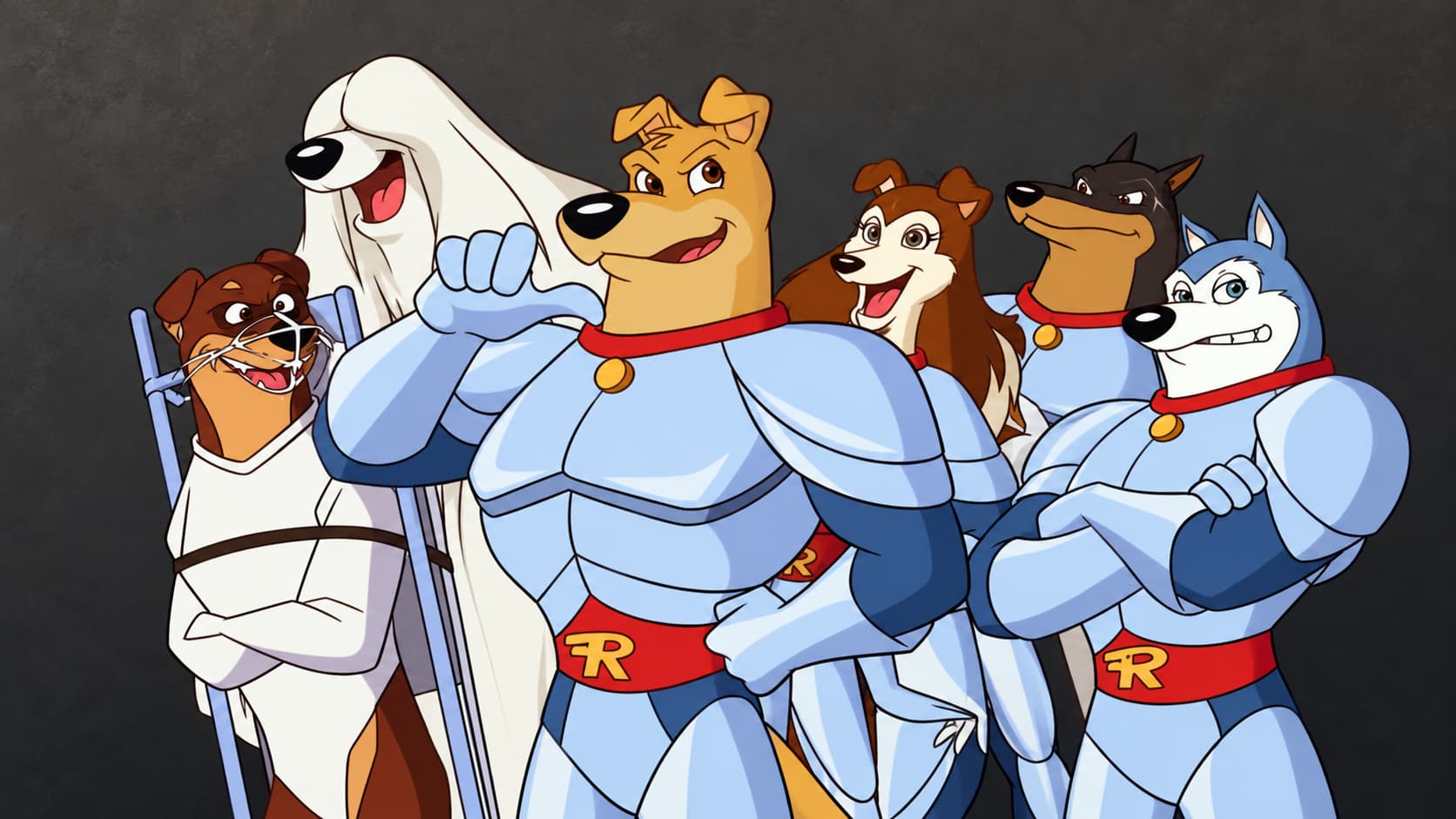
Road Rovers feels like somebody assembled a cartoon from ingredients specifically designed to get my younger self’s attention: super-powered dogs, a secret team, gadgets, vehicles, ridiculous villains and plenty of jokes.
And that’s enough.
I don’t need to uncover hidden adult sophistication before putting this one on. Part of the appeal is how shamelessly it commits to the concept. It also comes from an era where characters had to be readable instantly. Distinct silhouettes. Distinct voices. Distinct personalities.
And look, I’m only half joking here: if your kid is old enough for this kind of action and you’re about to put on PAW Patrol again, maybe try Road Rovers instead. It is absolutely not a preschool substitute, but once they’re in the right age bracket, I’ll take a secret team of super-powered crime-fighting dogs. Same broad “dogs with jobs” entry point, considerably more explosions.
The Secret Files of the Spy Dogs
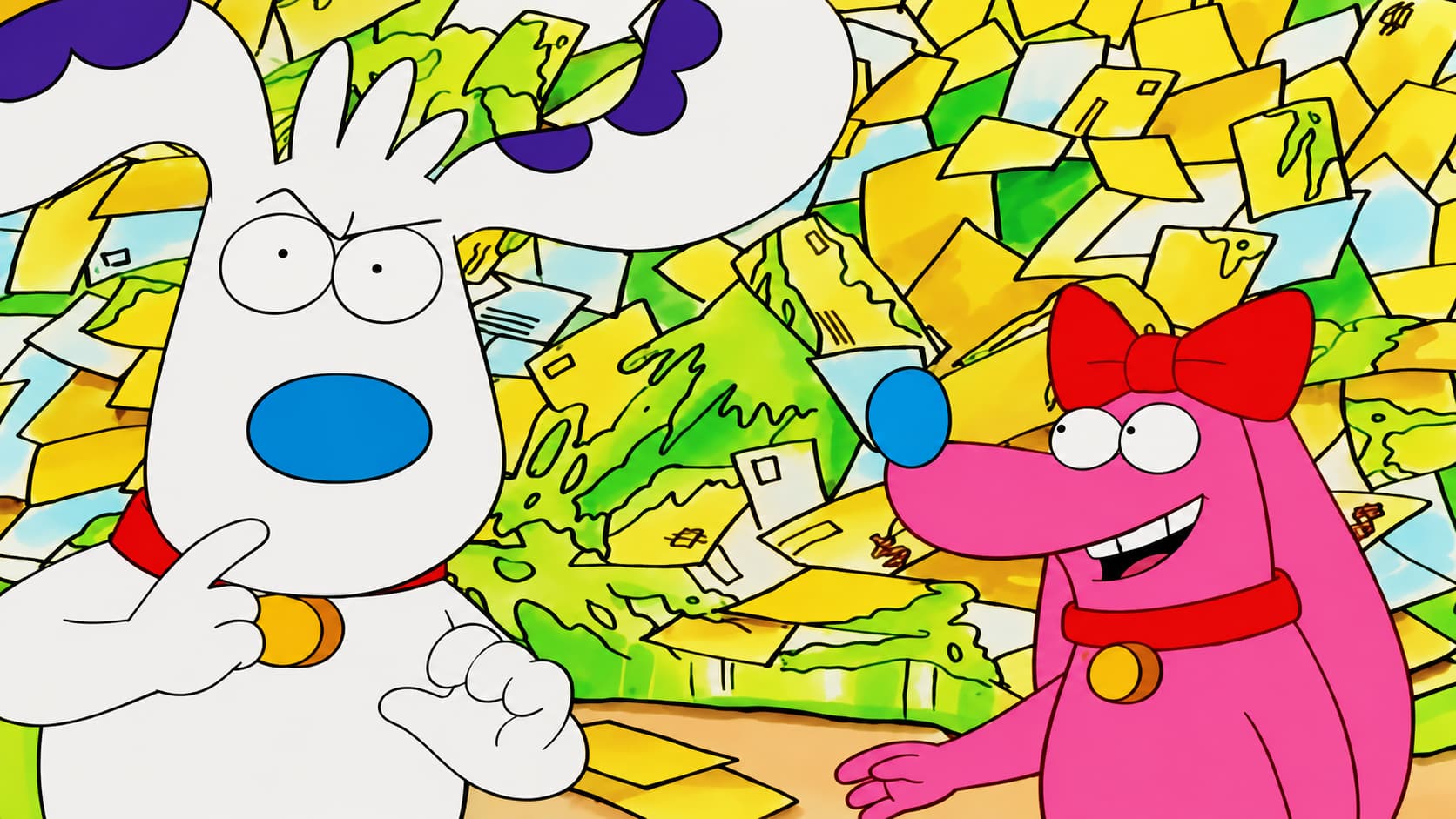
The Secret Files of the Spy Dogs is what happens when you take the spy genre, replace the operatives with dogs and decide that making sense is now optional.
I wouldn’t sell this as some forgotten masterpiece. It belongs here because it represents another thing I miss from that era: children’s cartoons being allowed to be completely silly while still functioning as adventure shows.
Spy dogs. Missions. Villains. Gadgets. Done.
Bucky O’Hare and the Toad Wars
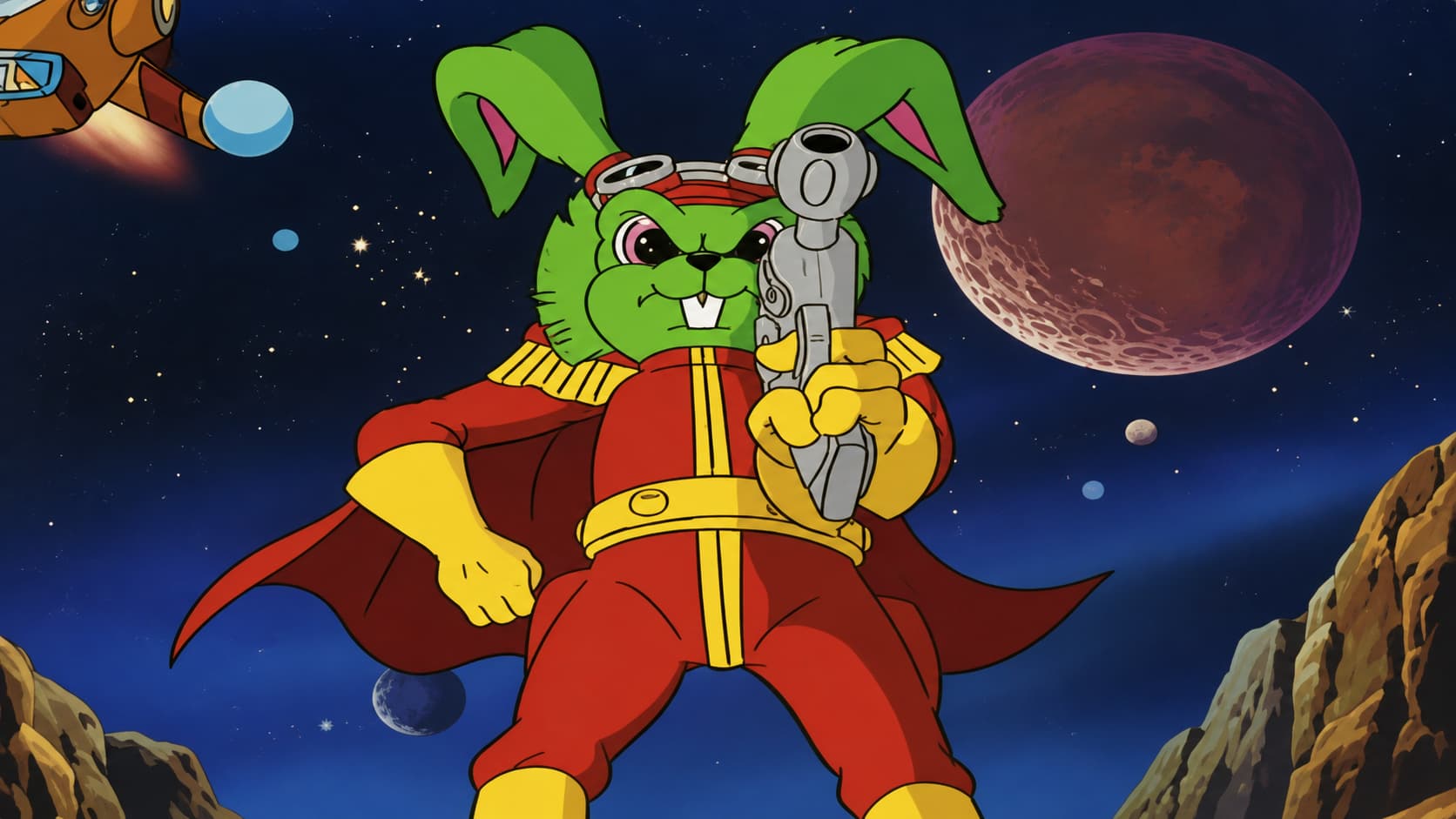
Bucky O’Hare is another example of an old cartoon taking a completely bonkers premise and acting as if there is nothing unusual about it.
A green space rabbit commands a crew of animal heroes in a war against an evil toad empire.
Sure. Why wouldn’t he?
That’s part of what I want my kids to encounter in these old shows. There is no embarrassed wink to the audience. No apology for being strange. The cartoon tells you this is the universe, gives everybody a laser gun and gets on with it.
When the kid wants more attitude
Biker Mice from Mars
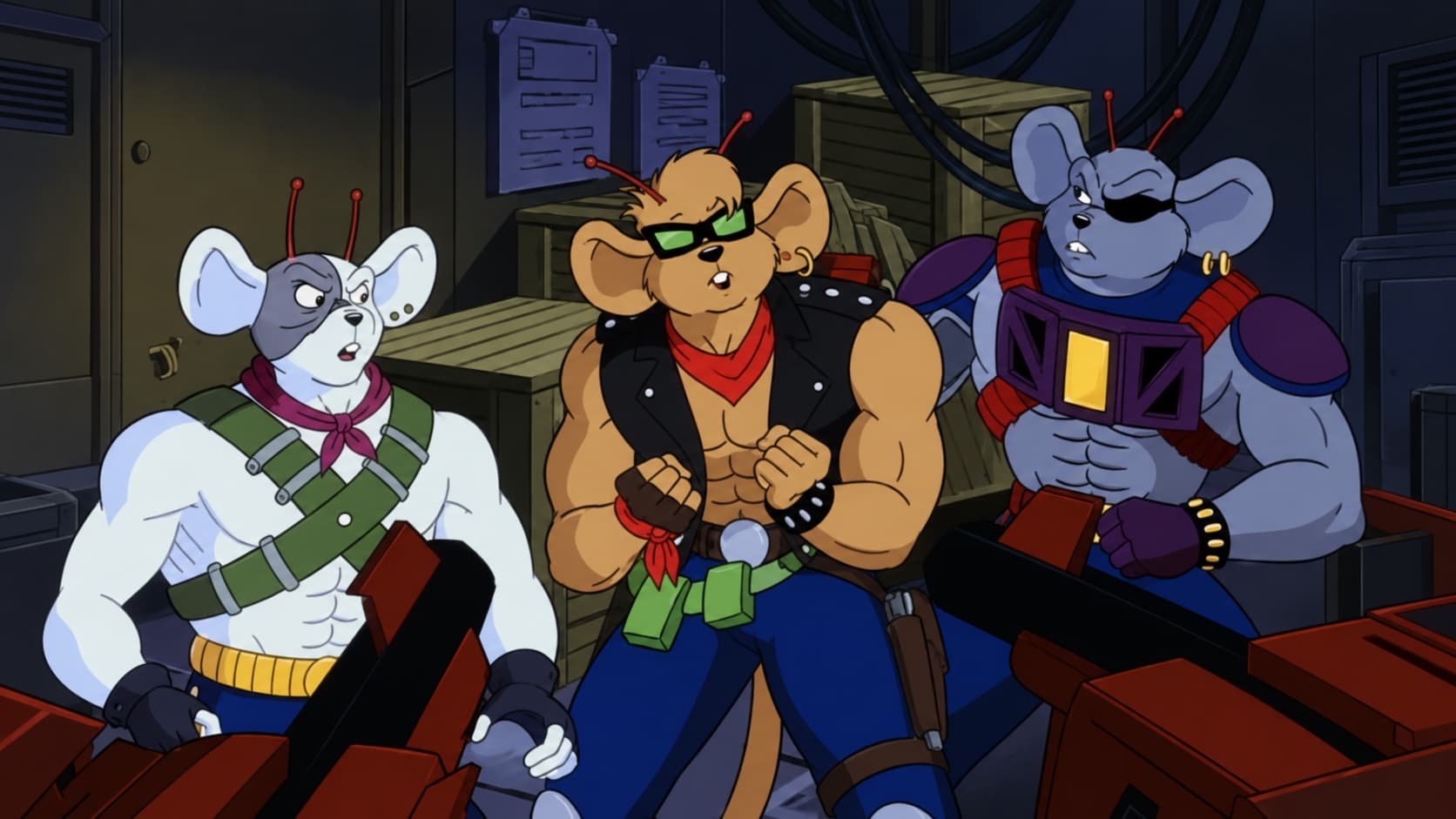
This is one of the big ones for me.
I still catch myself comparing modern cartoons with the original 1993 Biker Mice from Mars, which probably makes absolutely no sense, but there it is. Somehow this thing became a benchmark in my head.
And I mean the original. There was a 2006 version. I’ve tried. I just cannot get myself to like it the same way.
The original Biker Mice doesn’t give a damn about justifying itself as educational television.
Three giant mice from Mars ride motorcycles, fight an evil alien fish, crack jokes, trash machinery, and behave like they know perfectly well that they’re the coolest guys in the room.
It is campy as hell. It is repetitive. Some of the plots are pure Saturday-morning machinery.
But it has personality for days.
Throttle is still a huge part of that for me. Rob Paulsen gives him this effortlessly cool voice that immediately tells you who the leader is. Then you’ve got Vinnie’s completely unhinged cackle, one of those sounds that permanently embeds itself somewhere in your brain.
Would I sit an adult down and tell them this is sophisticated television? Absolutely not.
Would I show it to a high-energy kid who wants motorcycles, aliens, action, gadgets, and a crew of heroes he can immediately choose a favorite from? Absolutely.
SWAT Kats: The Radical Squadron
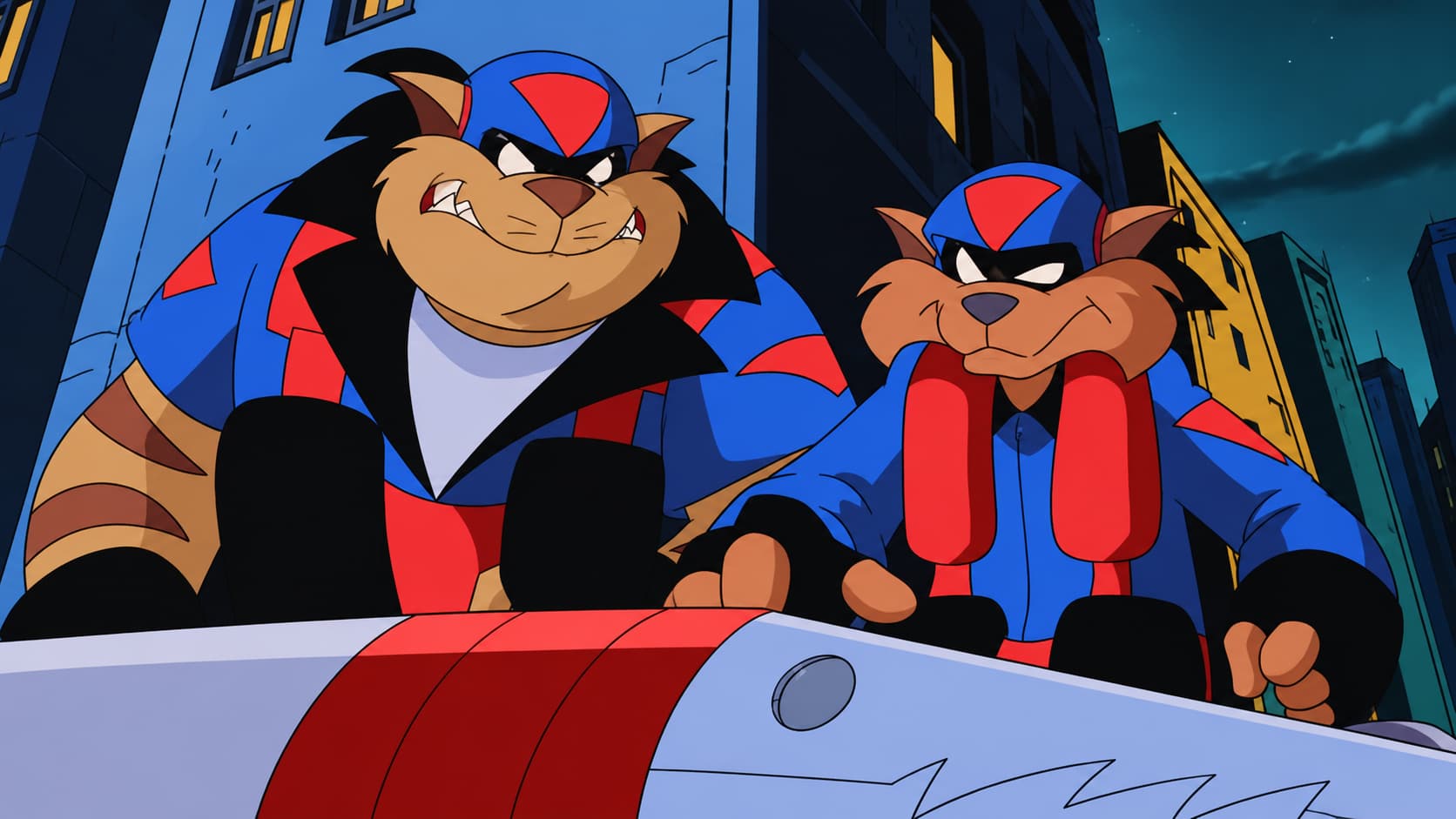
SWAT Kats was basically my Batman Beyond when I was around seven.
Looking back, the difference is obvious. SWAT Kats is still very much a children’s action show. It doesn’t have the same psychological edge or adult subtext that makes Batman Beyond operate on several levels.
And yeah, it can be schlocky.
But man, does it have style and heart.
The TurboKat still looks cool. Megakat City has an identity. The villains are huge. Everything explodes. The music treats every dogfight like civilization itself depends on two cats in an absurd fighter jet.
This is one of those shows where I don’t need to apologize for it being made for kids. Seven-year-old me knew exactly what he wanted and SWAT Kats delivered it.
The original creators, Christian and Yvon Tremblay, have also spent years trying to revive the property through SWAT Kats Revolution. Until there’s a firm current release announcement, though, I’m treating that as an ongoing revival effort rather than something that’s definitely around the corner.
Extreme Dinosaurs
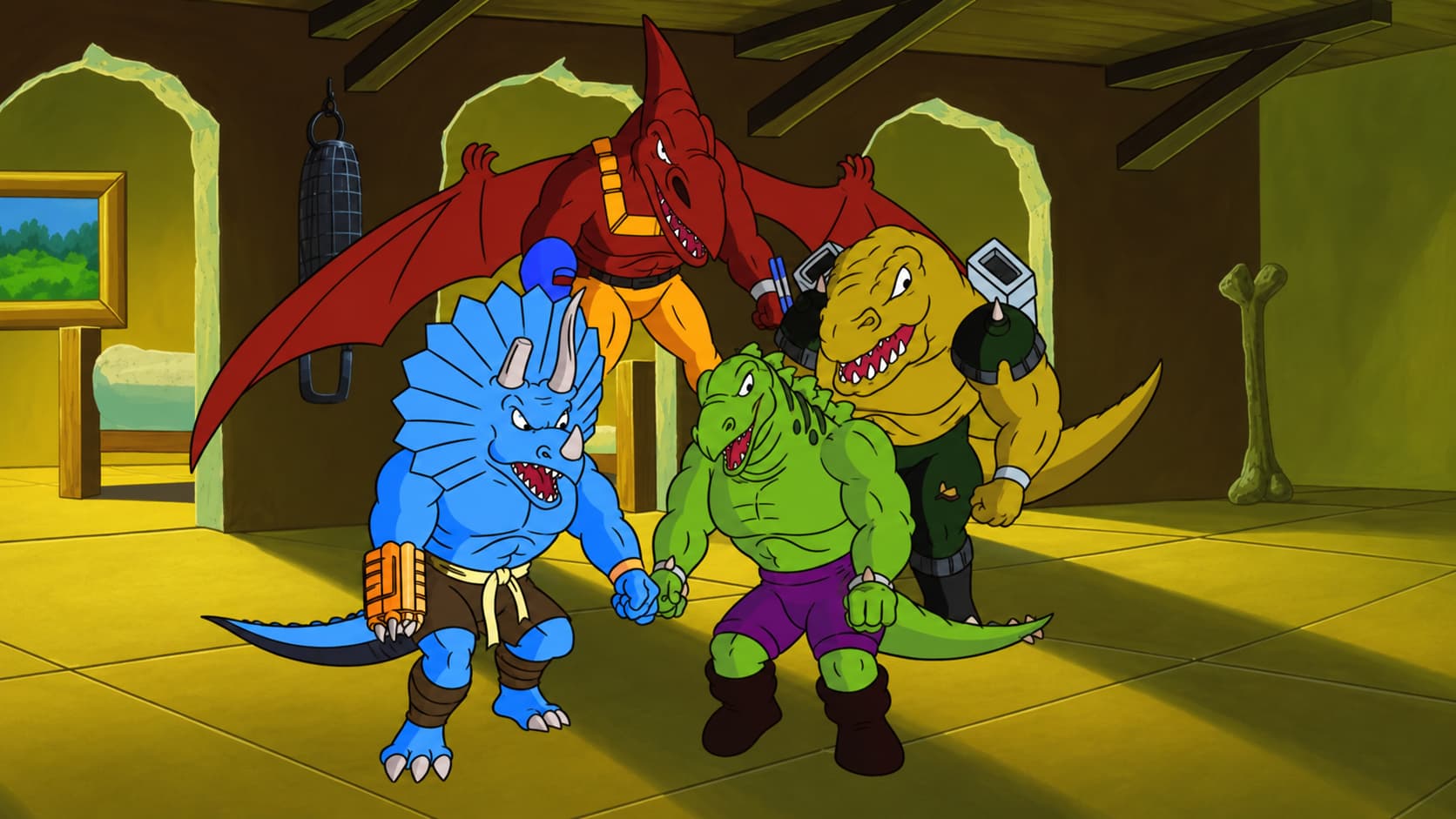
If Dinosaucers feels like dinosaur-flavored Transformers G1, Extreme Dinosaurs feels like somebody revisited the same childhood obsession several years later and asked, “Okay, but what if the dinosaurs were absolutely shredded?”
This one is louder, edgier and more aggressively ’90s. The characters look like they should be airbrushed onto the side of an arcade cabinet.
Compared with Dinosaucers, I think this is probably the easier sell once the kid wants a little more attitude and a lot more muscle.
Project G.e.e.K.e.R.
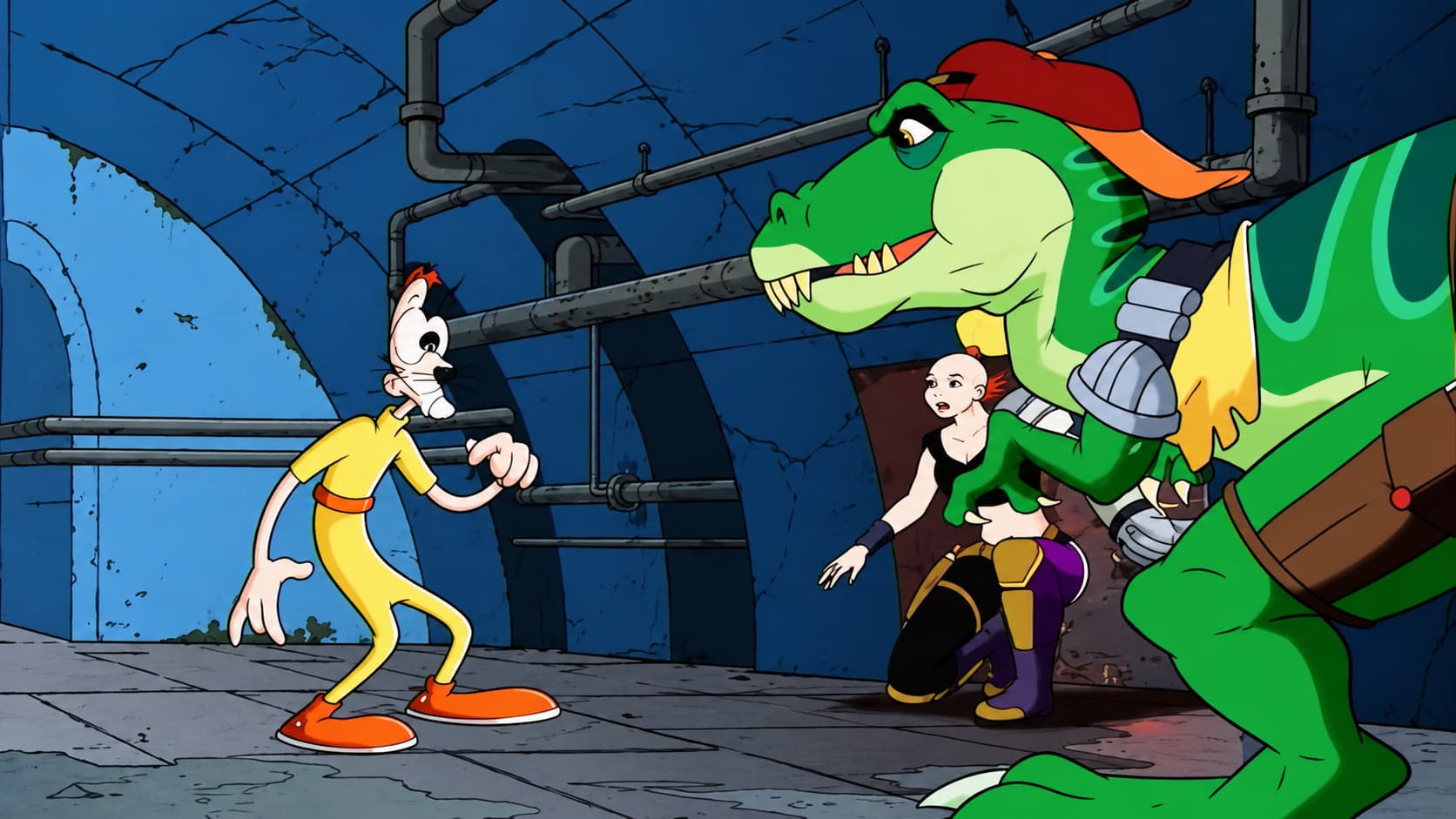
I absolutely adore Project G.e.e.K.e.R.
This is Douglas TenNapel territory, so naturally it gets weird. The character designs are bizarre. The world is bizarre. The comedy is bizarre. Somehow the whole thing feels completely confident about it.
It also has dinosaurs, which improves almost anything.
What sticks with me most is how much personality the show squeezes into everybody. The villains are fantastic. Jim Cummings’ wonderfully deadpan work as Mister Moloch is the kind of voice performance that can make a line funny before you’ve even processed what was said.
This is one of the obscure cartoons I’d most like to put in front of my kids just to watch their reaction. It doesn’t look like something designed by committee. It looks like somebody had a very specific, very strange idea and was allowed to go nuts with it.
Captain Simian & the Space Monkeys
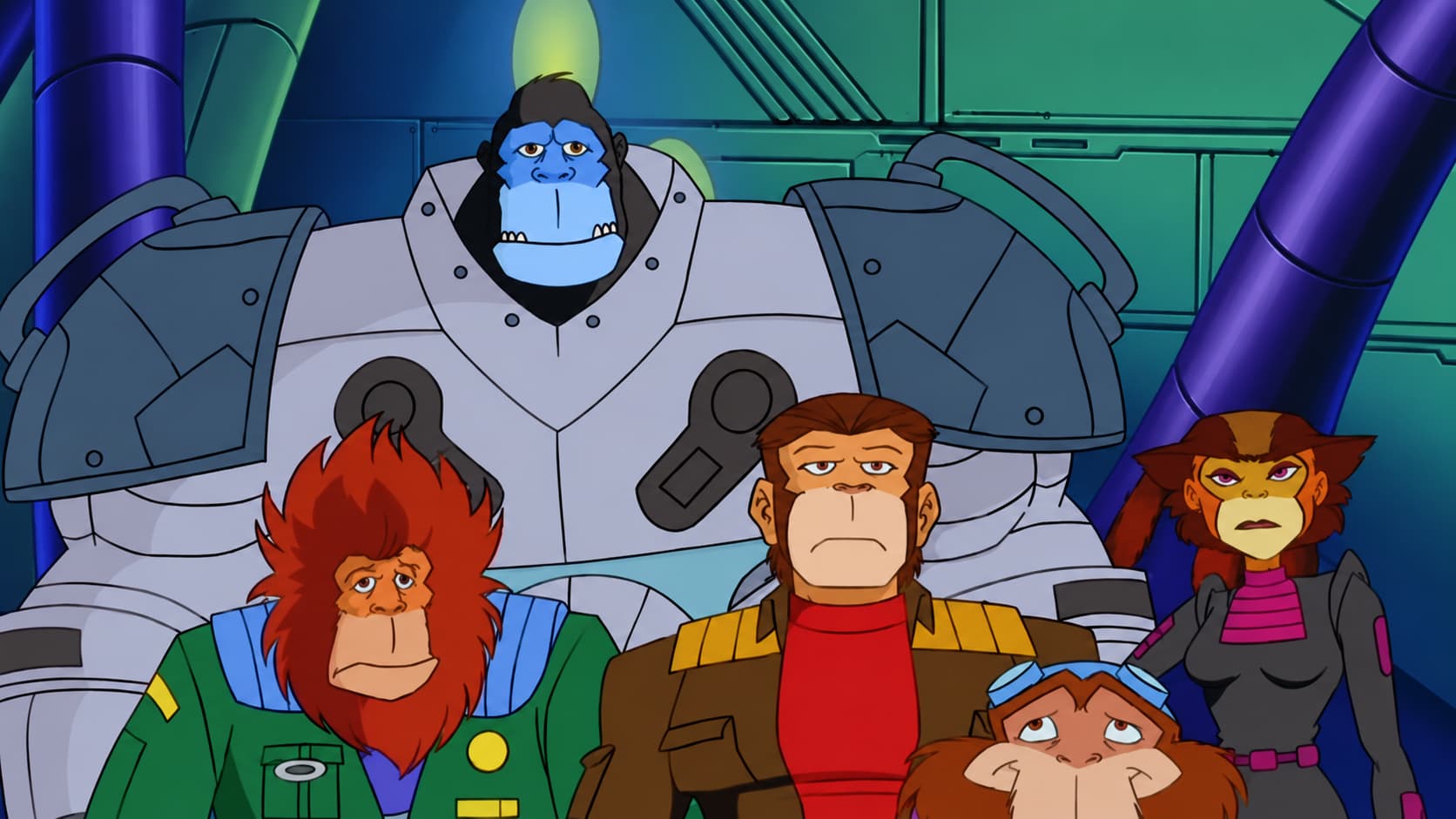
Captain Simian & the Space Monkeys sits somewhere near Project G.e.e.K.e.R. in my memory.
It’s zany, knowingly ridiculous and immensely memorable.
It could also become surprisingly nasty for something this goofy. I still remember a scene involving Rhesus 2 getting blown apart as being shockingly violent for a children’s cartoon. Childhood memory may have added a few extra details over the years, but the fact that the moment is still in my head tells you something.
That combination of sci-fi comedy and occasional intensity made the show feel unpredictable in a way I liked.
Cadillacs and Dinosaurs
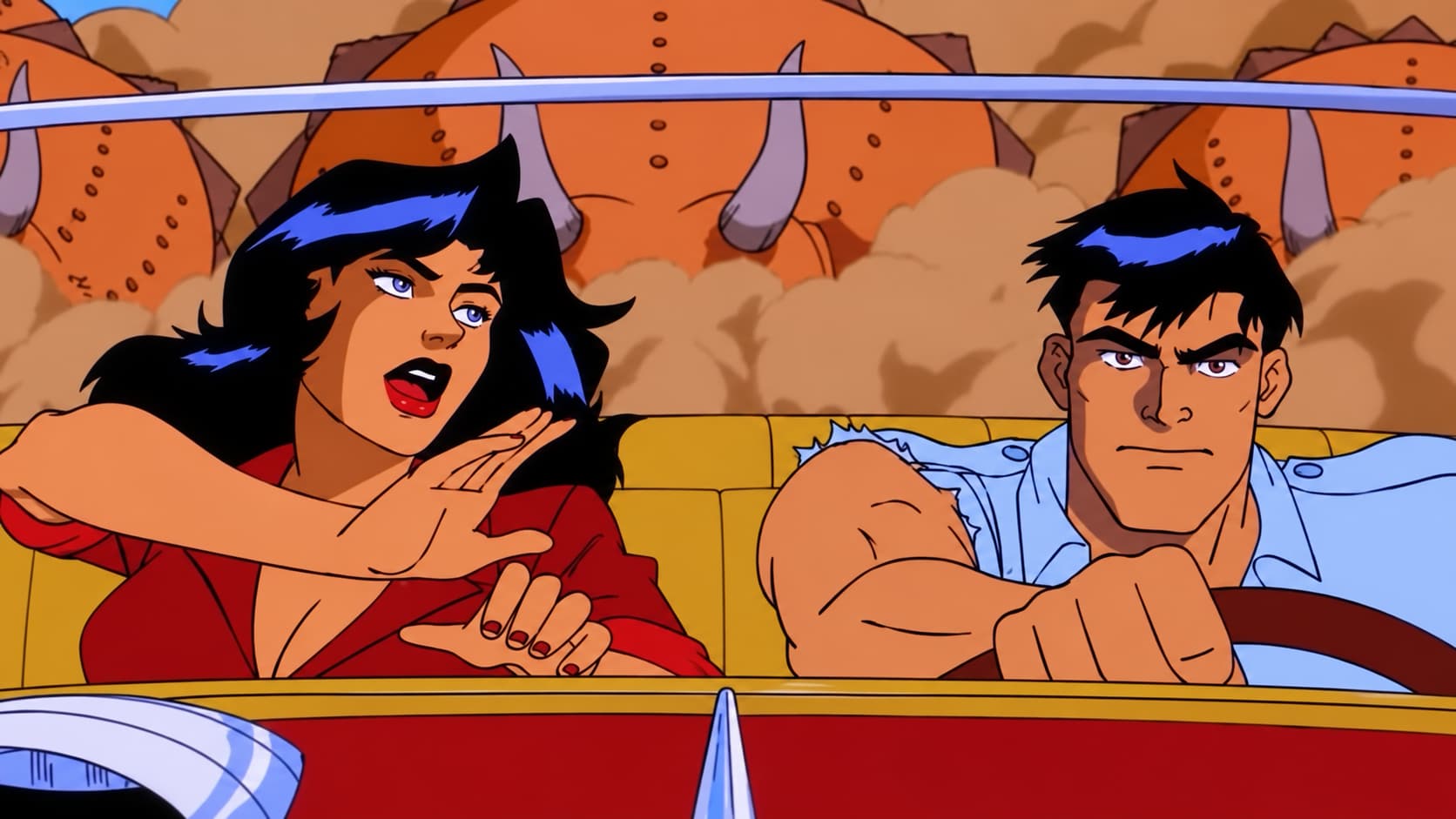
I mean, the title is Cadillacs and Dinosaurs.
At some point, you have to respect an elevator pitch that efficient.
This is another show from that wonderful period when a cartoon could combine post-apocalyptic adventure, dinosaurs, cool cars, environmental themes and pulpy action and simply expect a kid to keep up.
I don’t need some grand adult reinterpretation of this one. I mostly want to know whether cars plus dinosaurs remains as indestructible a concept for kids as I suspect it does.
Old CGI, big ambition
Beast Wars: Transformers
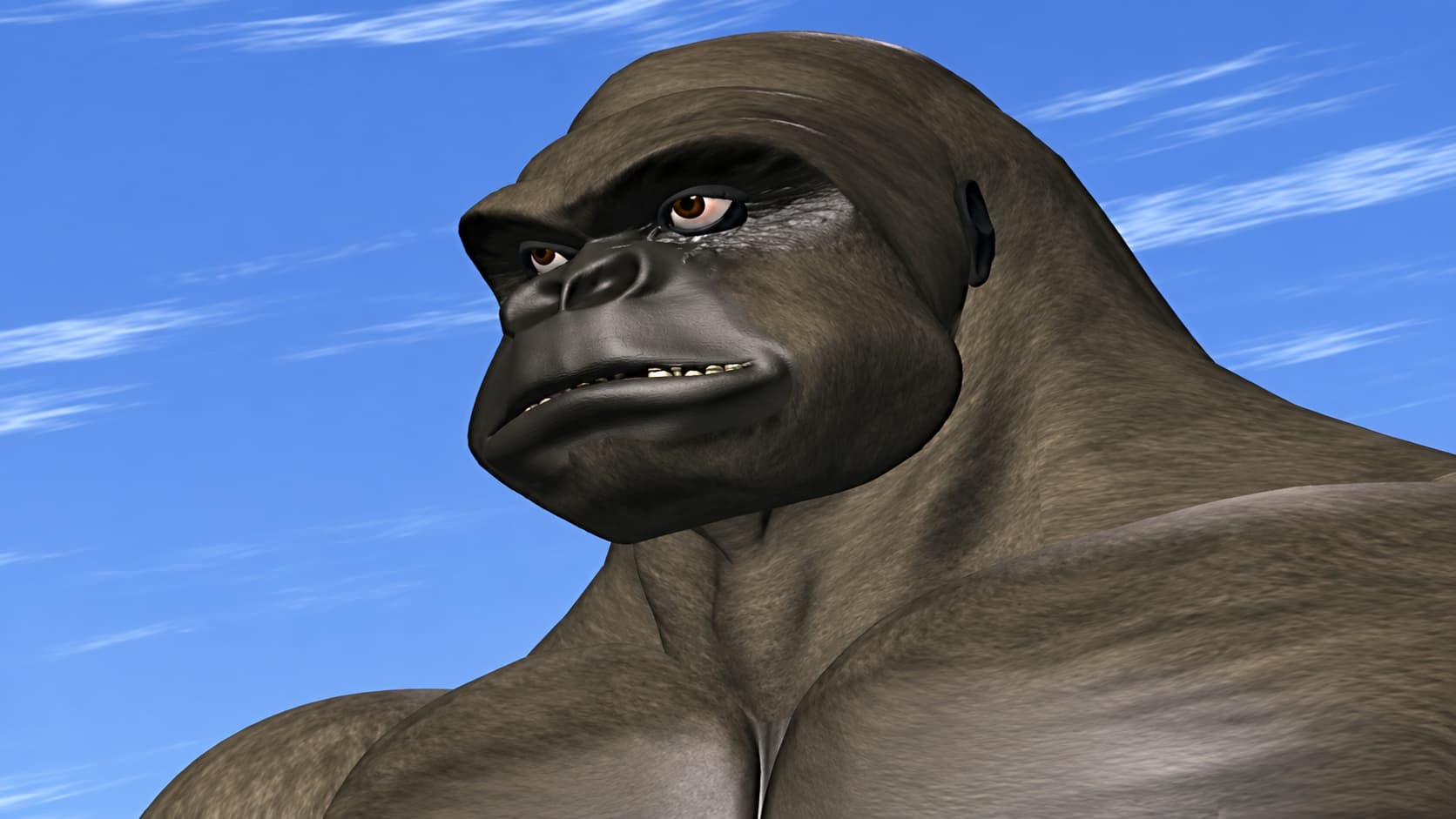
Beast Wars is one of my absolute favorites, and possibly the show I’m most curious to put in front of a kid who has grown up with modern animation.
Because let’s get the obvious problem out of the way.
The CGI is dated as hell.
There are barren environments. Primitive models. Weird animal movement. Characters constantly making animal noises. Catchphrases that aren’t nearly as cool as the characters think they are. Puns that deserve prosecution.
And then the damn thing gets good.
Not “good for an old CG cartoon.”
Just good.
The ensemble starts developing. Relationships change. Characters fail. Decisions matter. The atmosphere becomes stranger and more ominous. The writers start playing with loyalty, identity, honor, mortality and what a long war does to the people stuck fighting it.
That’s why the graphics don’t bother me as much as they probably should.
Beast Wars was produced while television CGI was still figuring itself out. The creators were working around enormous technical constraints and visibly trying to push past them. The environments get more ambitious. The characters become more expressive. The staging improves. The show learns what it can do while you’re watching it.
That’s very different from simply looking cheap.
There is also a fantastic story behind how the show found its voice. Story editors Bob Forward and Larry DiTillio weren’t walking into the job as lifelong Transformers obsessives. DiTillio later recalled that they knew of Transformers but hadn’t watched much of the old cartoon. He went looking for material, discovered Simon Furman’s Generation 2 comics and was struck by how layered the robots felt as characters.
That became part of the approach: don’t write toy robots. Write soldiers. Give them personalities. Let them hurt. Let them change.
And somehow people who weren’t starting out as walking Transformers encyclopedias helped create what I still consider the best damn Transformers cartoon ever made, and one of the greatest cartoons I’ve ever watched.
I do have a Season 3 caveat, though. For me, the show loses a lot of its original atmosphere there. There are still strong storylines and individual episodes I like, but quality-wise I don’t think it’s anywhere near Seasons 1 and 2.
Then the penultimate episode pulls off one shot that still blows me away. I’m not going to spoil what is coming out of the ocean, but the scene sells the scale of this thing magnificently. You look at it and think, “Holy heck, that is humongous.” For all the primitive CGI, they absolutely knew how to make something feel enormous.
And then there’s Beast Machines…
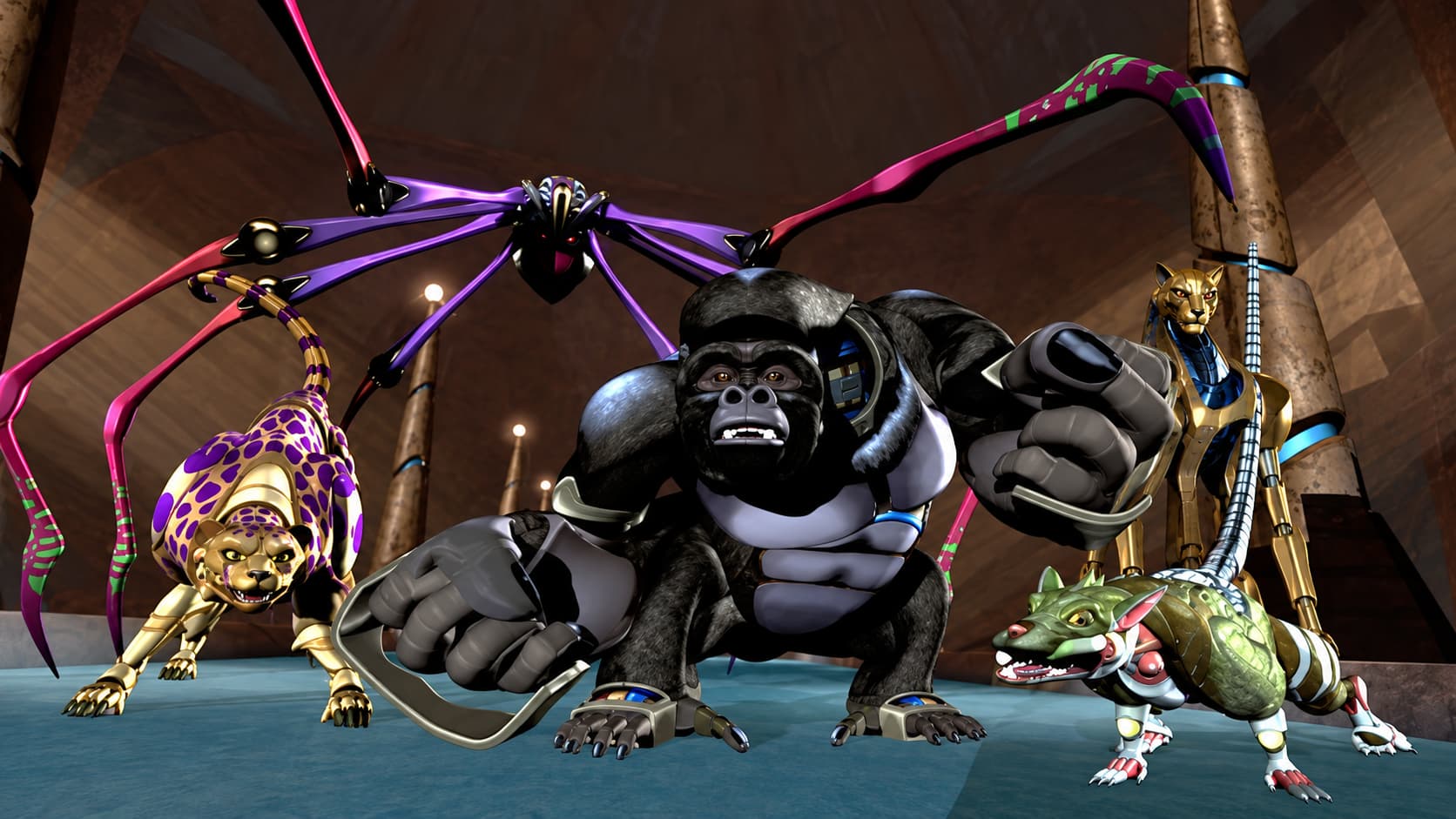
I wouldn’t give Beast Machines a completely separate place in the article because it makes more sense as the strange epilogue to Beast Wars.
Tonally, it is wildly different.
It barely feels like Transformers to me. The easiest description I can come up with is The Matrix meets The Terminator, except everything happens on Cybertron.
Some of that is criticism. Some of it isn’t.
I have to give Beast Machines credit for committing to serialized storytelling and taking some big swings. There are genuinely strong arcs in there, and the atmosphere can be excellent.
I just wish the music didn’t feel like the same handful of cues had been asked to carry an entire 26-episode show. More importantly, it loses so much of the warmth and personality that made Beast Wars feel like Beast Wars.
ReBoot
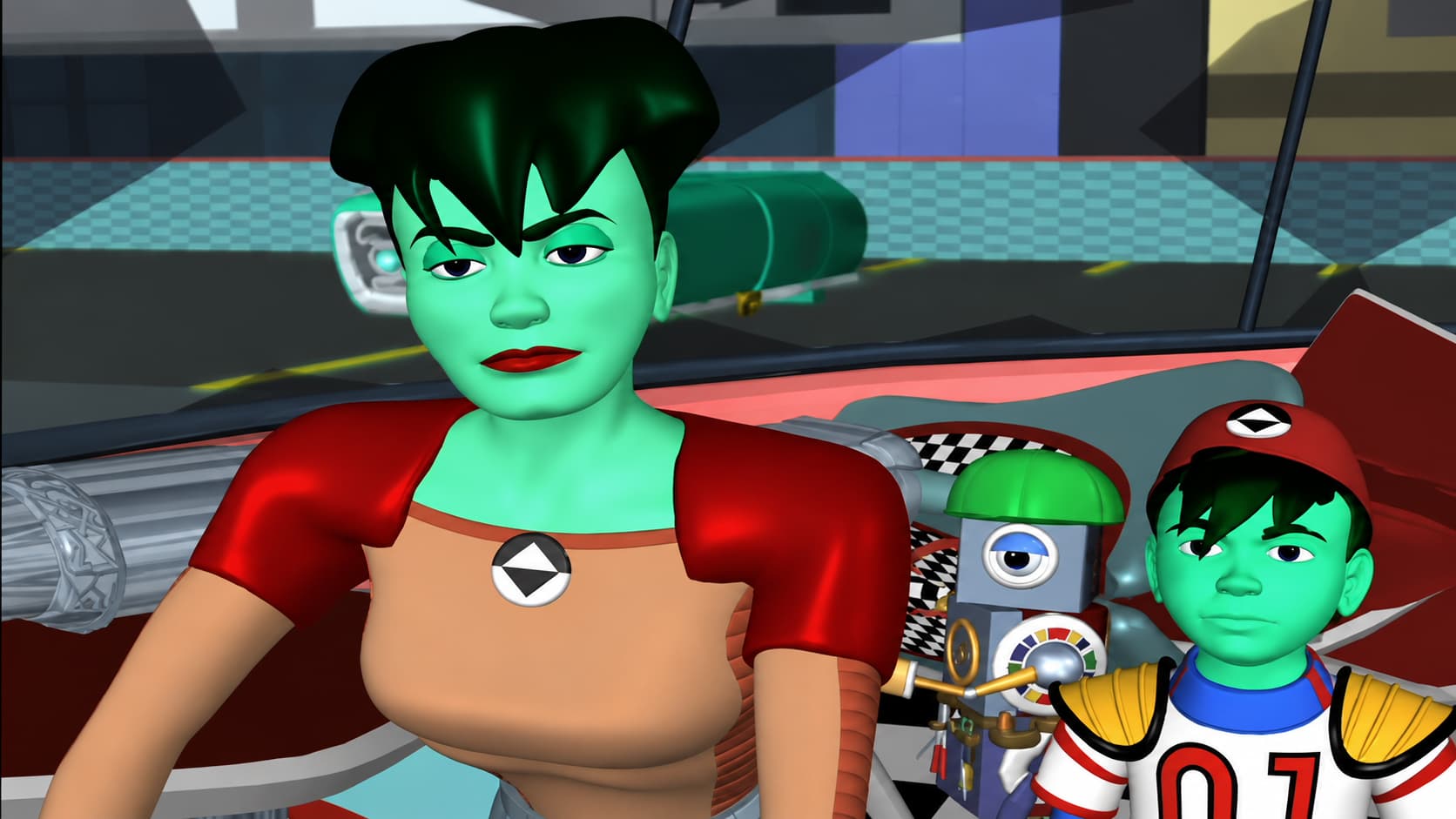
ReBoot has the same immediate problem as Beast Wars, only perhaps even more dramatically.
It looks ancient.
But this wasn’t somebody choosing a retro aesthetic. It was a series helping figure out what a fully computer-animated TV cartoon could even look like.
The early episodes can feel lightweight and very much of their time. Then the world starts expanding. The stakes change. The storytelling gets darker. Eventually the primitive rendering stops mattering nearly as much because you care about Mainframe and the characters living inside it.
This is the kind of show where I can already imagine myself telling the kids, “Yes, I know how it looks. Give it a few episodes.”
Movie spin-offs that became their own thing
Godzilla: The Series
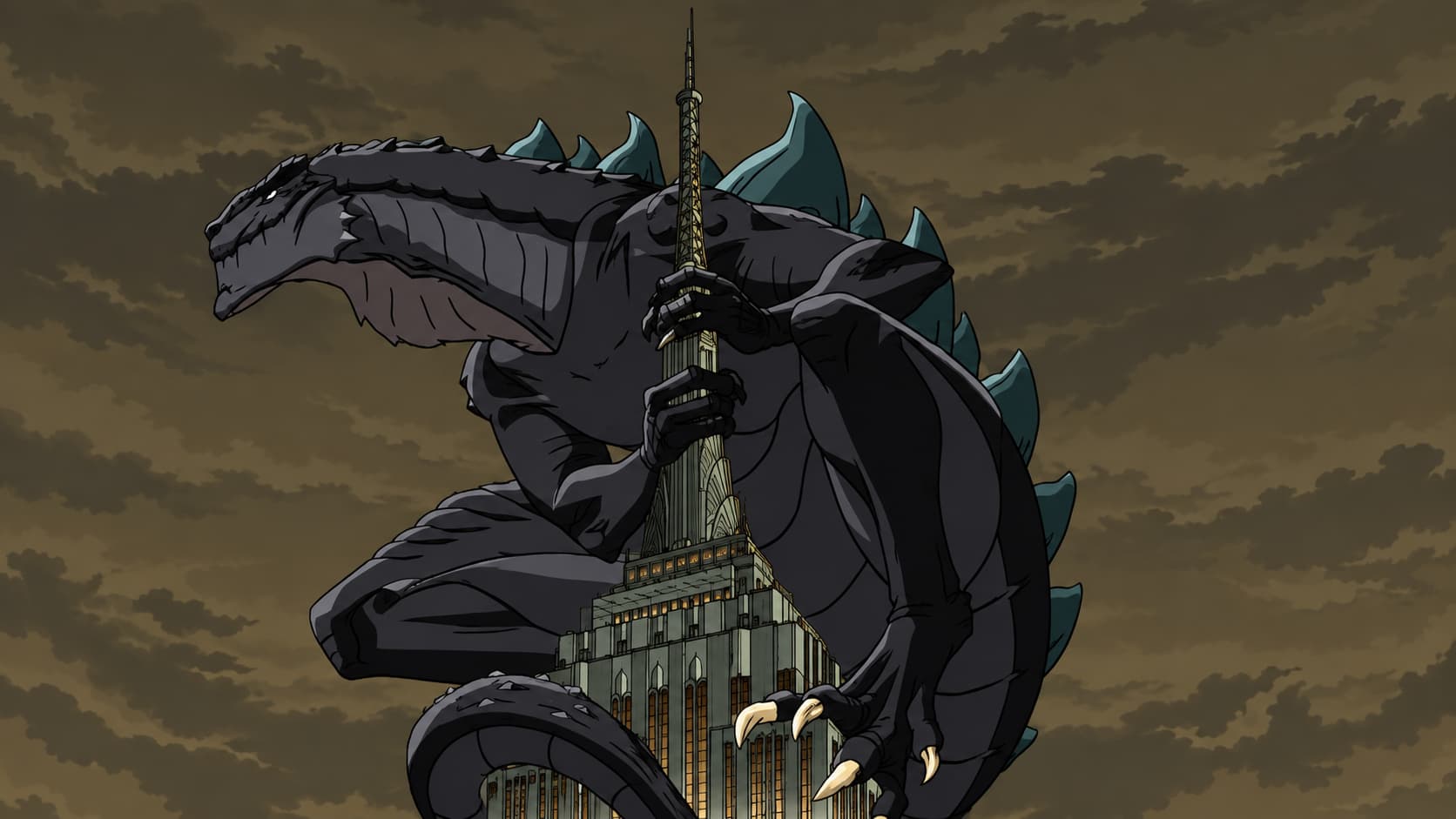
Godzilla: The Series is one of those cartoons I remember through pure atmosphere.
The creature designs are fantastic. The music is fantastic. The overall visual language is fantastic. It’s shadowy, edgy and full of monsters that look like they should be absolutely terrifying.
Which is funny because the show itself isn’t actually as dark as it looks.
That’s probably the weirdest thing about revisiting it. Visually, it sells danger incredibly well. Then the human characters start talking and some of them can be kind of cringe. Not unwatchable, just much goofier and more traditionally “cartoon” than the creature designs and atmosphere initially suggest.
And yet I still love that contrast. Instead of feeling like a cheap animated afterthought to the 1998 movie, the show establishes its own visual identity almost immediately. The monsters alone are enough to make me want another episode.
Weird creature appears. H.E.A.T. investigates. Something goes horribly wrong. Godzilla gets involved.
Let’s go.
Men in Black: The Series
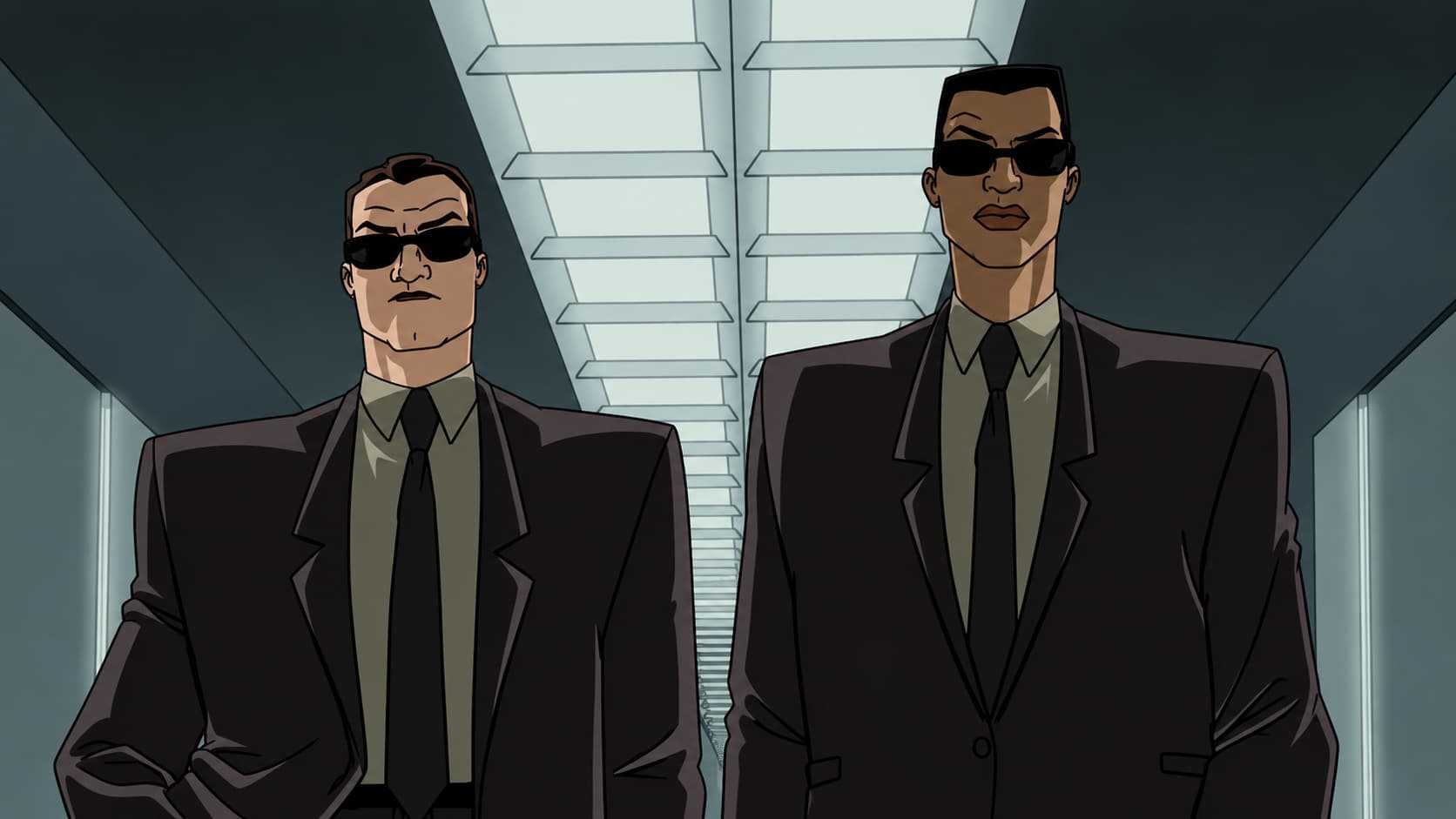
Men in Black: The Series scratches a similar itch, except this time it’s aliens instead of kaiju.
Again, the visual identity and music do enormous amounts of work. But unlike Godzilla, I don’t get the same weird tonal disconnect.
Men in Black knows exactly what it is. The deadpan humor, bizarre alien designs, gross creatures, secret-agent cool, and character banter all feel like parts of the same package.
It clearly belongs to the Men in Black universe, but it also looks and behaves like its own cartoon instead of an inexpensive imitation of the movie. Animation gives the series room to get considerably stranger with aliens and sci-fi concepts than a weekly live-action show could realistically have managed at the time.
RoboCop: Alpha Commando
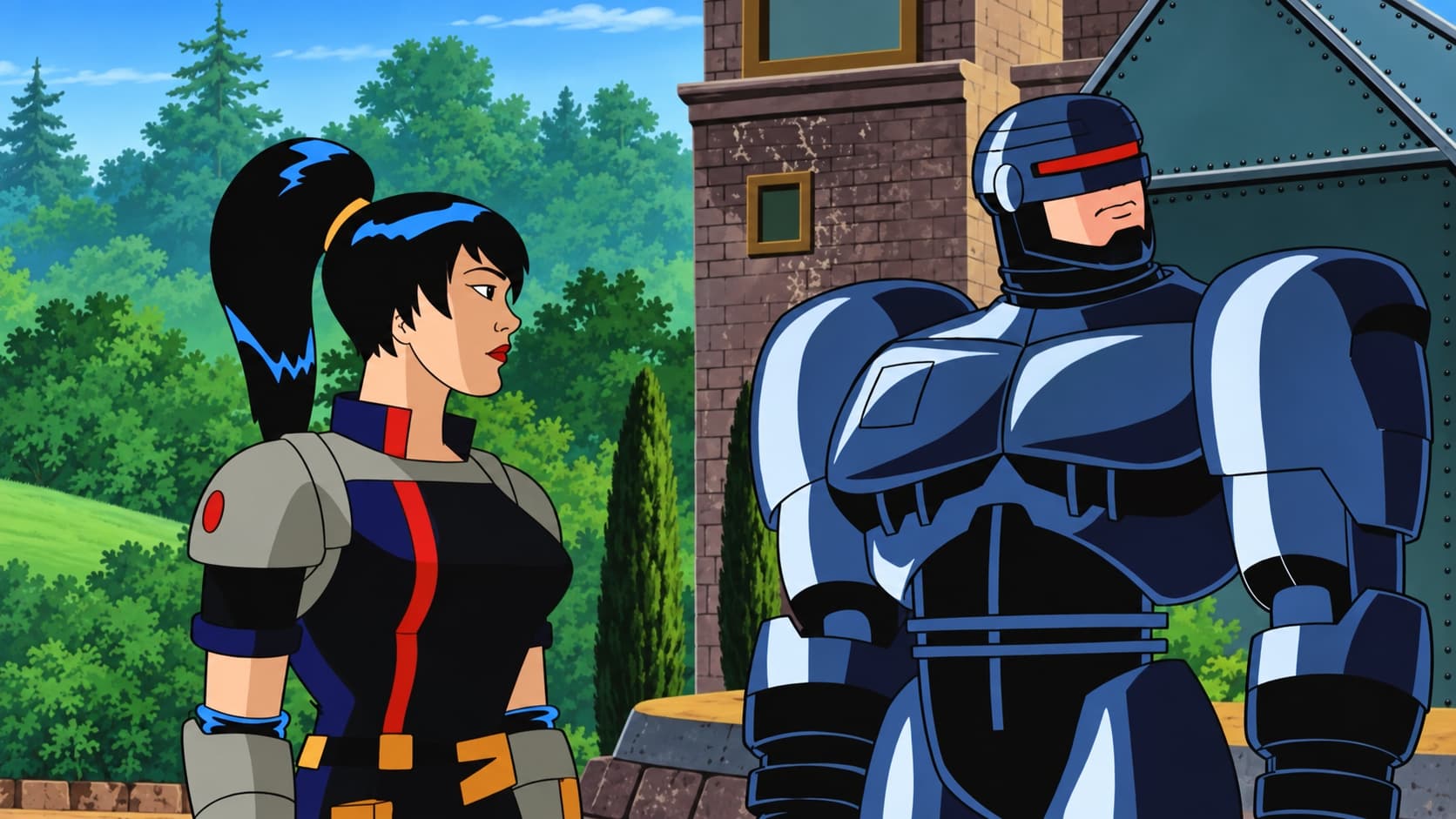
And then we get to RoboCop: Alpha Commando, a show I seem destined to defend forever.
I know why people dump on it.
It takes RoboCop, a character born from an extremely violent corporate satire, and turns him into the star of a syndicated children’s action cartoon. It can feel surprisingly close to Inspector Gadget at times because RoboCop seems to have another tool, attachment or completely absurd piece of hardware hidden in his body whenever the plot needs one.
And there’s another criticism I understand: it barely feels like the movie universe.
Even Sgt. Reed feels like a different character to me. But I don’t actually mind. In my head, movie RoboCop and Alpha Commando RoboCop live in separate universes and everybody is happier that way.
Because taken on its own terms, I still think the cartoon has a lot going for it.
The ensemble is great. Agent Nancy Miner and Dr. Cornelius Neumeier give Murphy actual cartoon partners to bounce off. The character designs are strong. There are storylines I genuinely remember liking. And David Sobolov is terrific as RoboCop, giving him exactly the heavy, controlled delivery the character needs.
Then every once in a while the show suddenly remembers that this is still RoboCop.
As I remember it, there’s a scene where one of the recurring villains realizes that RoboCop is leaving them behind with people who are probably going to kill them. They protest and Sobolov drops an absolutely ice-cold “And I don’t care.”
Holy heck.
That’s the stuff I remember. For all the Inspector Gadget silliness, the show occasionally lets RoboCop be frighteningly RoboCop.
So no, I don’t need to convince myself that Alpha Commando was secretly prestige animation. It’s schlocky. It is often ridiculous. I just think it has good characters, excellent voice work, cool designs, and enough genuinely strong stories that I still understand exactly why childhood-me was hooked.
The ones I’d save for older kids
Batman Beyond
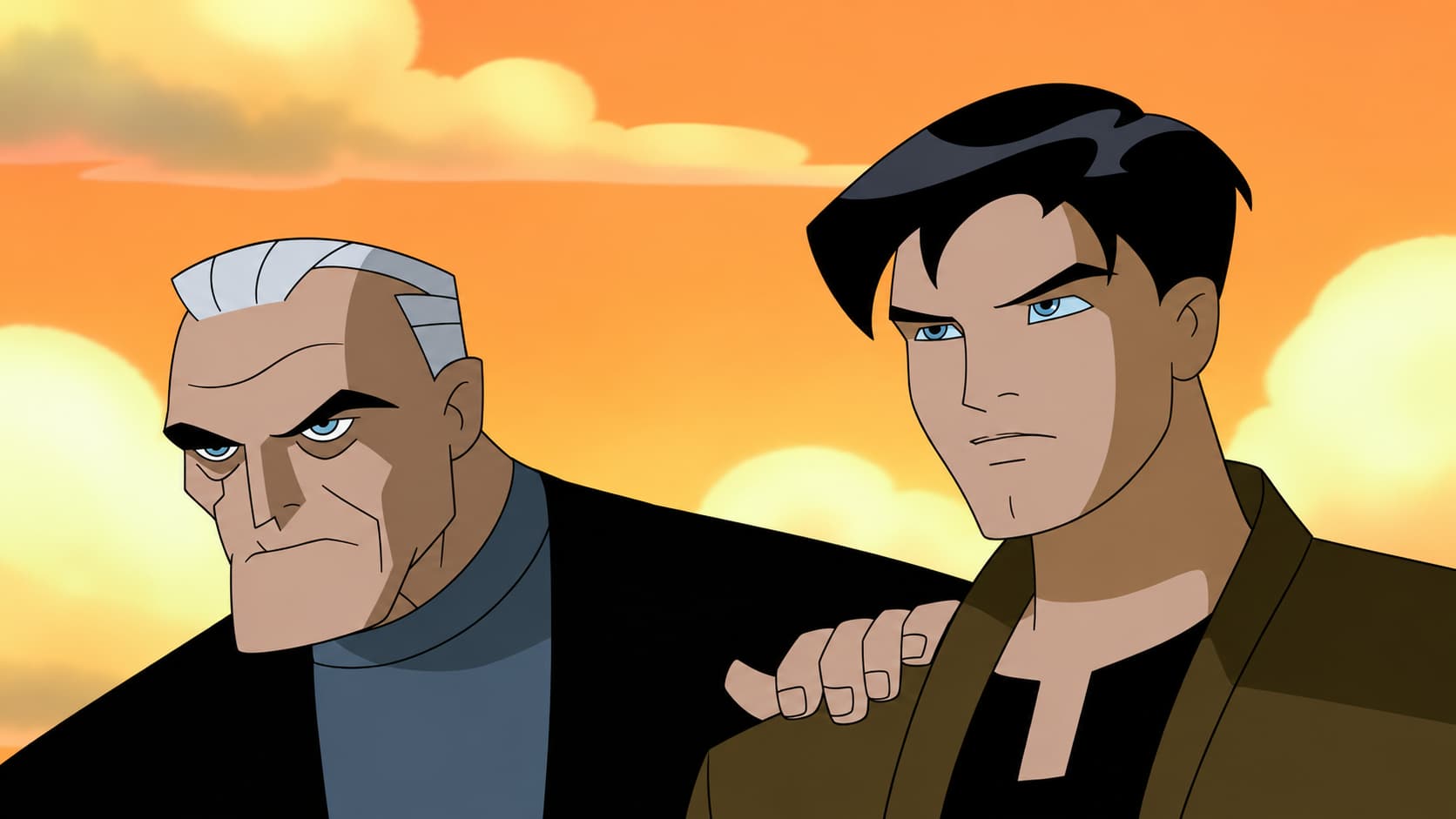
Batman Beyond is the show I’d resist throwing on simply because a younger kid sees the suit and says, “Cool Batman.”
The suit is schway as heck.
So is Neo-Gotham. So is the intro. So is the music, even if some of the guitar shredding inside individual episodes occasionally crosses the line from edgy into wonderfully tacky.
But watching it as an adult, I’m struck by how much more is happening underneath all that style.
This isn’t merely “cyberpunk Batman for kiddos.”
The show gets into dysfunctional families, drugs and addiction parallels, marital infidelity, corporate abuse, broken relationships, aging, regret, and the rather bleak question of what happens when Bruce Wayne spends an entire lifetime choosing Batman over almost everything else.
A younger kid will miss plenty of that.
That’s okay. They still have Terry, the suit, villains and flying cars.
Meanwhile the adult sitting next to them gets a show considerably more ambitious than the pitch suggests.
And visually, I think it remains amazingly fresh. Terry’s Batman suit is so clean and modern that you could launch essentially the same design today and it would still work.
What surprises me is how little screen love this particular version of Batman seems to get considering how often Batman gets reinvented. DC does keep Terry alive in comics, including Batman/Static: Beyond, but I keep waiting for somebody to take another serious animated swing at Neo-Gotham. The original concept still has way too much juice left in it.
The Zeta Project
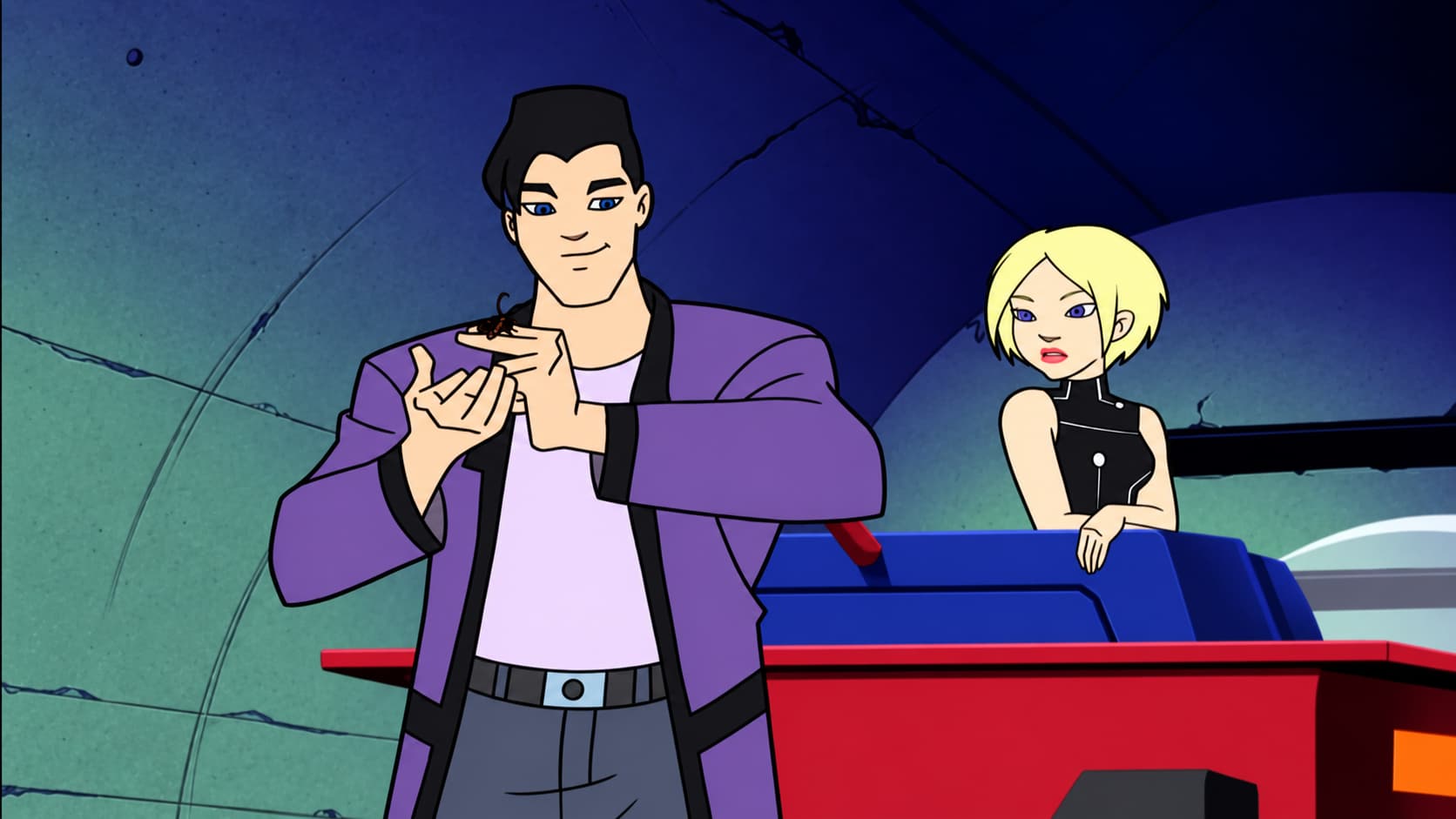
And then there’s The Zeta Project, which I think is freaking awesome.
Zeta originated in Batman Beyond, but I much prefer what happens once he becomes the protagonist of his own show.
A weapon designed to kill decides that it doesn’t want to be a weapon anymore. The government hunts it because the people in charge assume that decision cannot possibly be genuine. A teenage girl becomes its closest friend and ally.
From there you get identity, free will, trust, personhood and the question of whether somebody gets to decide what they were created for.
That’s surprisingly mature material for a show that isn’t particularly violent.
The character dynamic works. The pursuit format works. The stories work. In fact, I can think of maybe one episode I remember as genuinely weaker. Maybe two if I really start digging.
That’s a pretty absurd hit rate for a show like this, and probably the biggest testament I can give to its consistency. Your mileage may vary, obviously, but I remember remarkably little filler.
And the Season 2 finale is still one of the most gripping cartoon finales I can remember.
I won’t spoil it.
I’ll just say that getting there makes the cancellation hurt considerably more.
Which of these classic cartoons can you actually stream?
Here’s the annoying part about revisiting old cartoons: availability is all over the place. A show can be included with a major subscription in one country, free with ads somewhere else, available only as a digital purchase in another market, and completely missing next door.
The table below focuses on current mainstream streaming and digital-store options I could verify as of September 16, 2026. The country list is deliberately based on confirmed listings rather than pretending every service has the same catalog worldwide. Streaming rights change constantly, so check your local version of the service before paying for anything.
Important: “Apple TV Store” above means buying episodes or seasons from Apple’s digital store. It does not mean that the show is included with an Apple TV+ subscription. Likewise, Amazon Channels such as CN Rewind can require an additional subscription on top of using Amazon’s platform.
G2A.COM availability also varies by country. If you use one of the links above, choose an option compatible with the country, currency, and account you actually use.
Trying to track down the easier-to-find shows?
Older animation rights are a mess, so always check your local catalog first. Several of the more accessible cartoons above rotate through Prime Video or digital storefronts depending on the country.
Check Prime Video options on G2A.COM
Browse digital-store gift cards on G2A.COM. Choose something compatible with the account and storefront you actually use.
Using G2A.COM for a retro-cartoon binge?
G2A Plus members can earn Plus Points on eligible purchases, with 100 Plus Points equal to 1 EUR. Premium adds member pricing with up to 10% off on 10 eligible items each month, higher discount codes and a free game every month.
I’m not trying to recreate my childhood. I want to see what deserves another one.
That’s really where I land on all of this.
I don’t expect my kids to watch Beast Wars and forgive the CGI because Dad gave them a lecture about the history of computer animation.
I don’t expect them to hear Biker Mice from Mars and immediately understand why I thought Throttle was the coolest guy alive.
And if they watch five minutes of Dinosaucers, look at me, and conclude that childhood-me clearly had terrible taste, fair enough.
But I want to give these shows a chance.
Because the cartoons that stayed with me weren’t necessarily the ones with the biggest budgets, smartest scripts or smoothest animation.
They were the ones with voices, music, villains, vehicles, teams, gadgets, weird worlds, and completely ridiculous ideas that lodged themselves in my head and never left.
Biker Mice could simply try to be cool.
SWAT Kats could blow up half of Megakat City and make a seven-year-old lose his mind.
Project G.e.e.K.e.R. could be unapologetically weird.
RoboCop: Alpha Commando could turn RoboCop into something dangerously close to Inspector Gadget, then suddenly let him drop a line cold enough to remind you exactly who this guy is.
Godzilla could look like the darkest cartoon in the room while its human characters occasionally acted like complete dorks.
Beast Wars could start with animal noises and terrible puns and eventually make me care about honor, sacrifice and mortality.
Batman Beyond could sell me a futuristic Batman suit as a kid and then give adult me an entirely different show to discover underneath it.
And maybe that’s what I’m actually looking for as a parent.
Not cartoons that somehow escaped aging. Cartoons with enough personality that aging didn’t finish them off, and enough imagination left inside them to send another kid running away from the TV to invent an adventure of his own.