
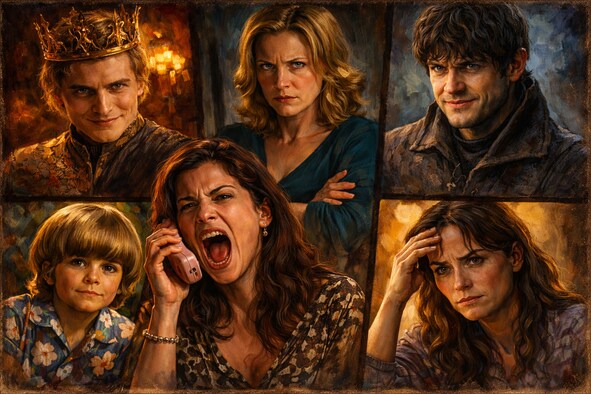
There are some television characters you simply can’t forget — not because they were charismatic or inspiring, but because watching them was downright exhausting. They irritated viewers, derailed storylines, sparked genuine anger, and sometimes made you seriously consider turning the show off altogether. What’s interesting is that many of them still regularly show up in rankings of the worst TV characters, and debates about them continue to set Reddit, X, and comment sections on fire.
So why are certain characters branded as the “worst”? Sometimes it’s because they’re morally repulsive. Sometimes it’s due to bad TV writing. And sometimes it’s because the creators clearly lost control of the character somewhere along the way. Below is a ranking of characters who have gone down in television history as case studies in audience frustration — from intentionally hateable villains to spectacular examples of narrative failure.
What Does “The Worst TV Character” Actually Mean?
Let’s clear this up upfront. “The worst” doesn’t automatically mean badly acted or even poorly conceived. In this ranking, we’re talking about characters who:
- consistently sabotaged the plot or internal logic of a television series,
- were morally problematic without enough depth to justify it,
- behaved in ways that contradicted their own character development,
- or simply became emotionally unbearable for audiences.
Sometimes that reaction was precisely what the writers wanted — provoking dislike was the goal. Other times, it was an entirely unintended side effect. Either way, audience reception was intense. Below, you’ll find a list ranging from mildly frustrating characters to absolute, undeniable, most hated TV roles.
10. Skyler White – Breaking Bad (2008-2013)
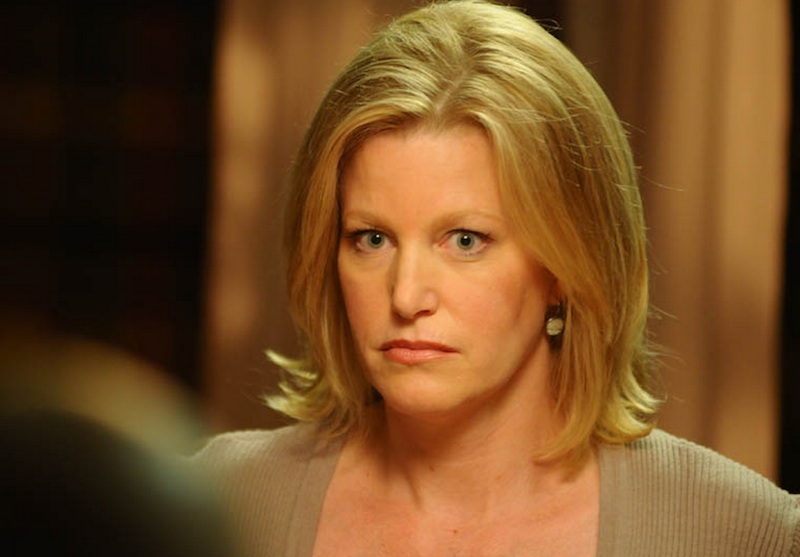
For years, Skyler White was one of the most disliked characters in television history — to the point where actress Anna Gunn publicly spoke about the sheer volume of hate she received. The paradox? Skyler often behaved rationally and reacted the way a reasonable person might in similar circumstances. The problem was simple: she stood in the way of viewers rooting for Walter White.
Skyler became a symbol of how strongly a character’s perception depends on viewer perspective and emotional alignment. To some, she was the voice of reason; to others, a constant obstacle and an endless source of irritation. Discussions around Skyler still resurface today, often framed through conversations about sexism and double standards applied to female characters in pop culture.
9. Fatima – From (2022-)
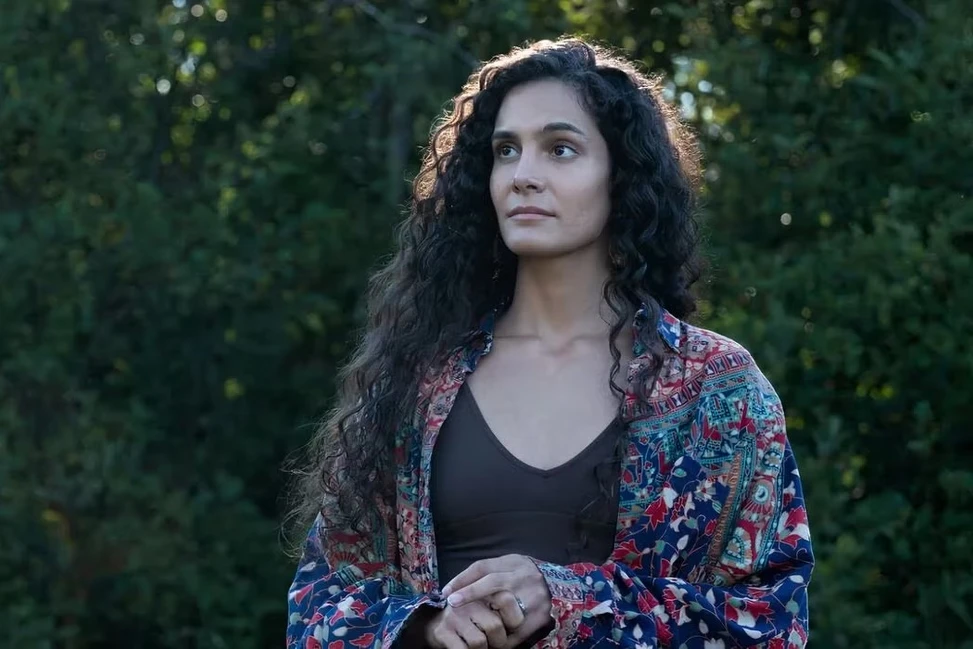
In a show built on mystery and tension, Fatima quickly became a source of frustration for many viewers. Her decisions often felt chaotic, while her arc remained frustratingly unclear. Instead of deepening the emotional layer of the story, Fatima appeared to be a narrative disruption.
Social media discussions regularly single her out as one of the most irritating characters in the show — and that’s saying something, considering From features several characters who behave irrationally and make questionable choices. Still, Fatima somehow “wins” this particular race. It’s a perfect example of how thin the line is between “enigmatic” and simply poorly handled storytelling.
8. Xander Harris – Buffy the Vampire Slayer (1997-2003)
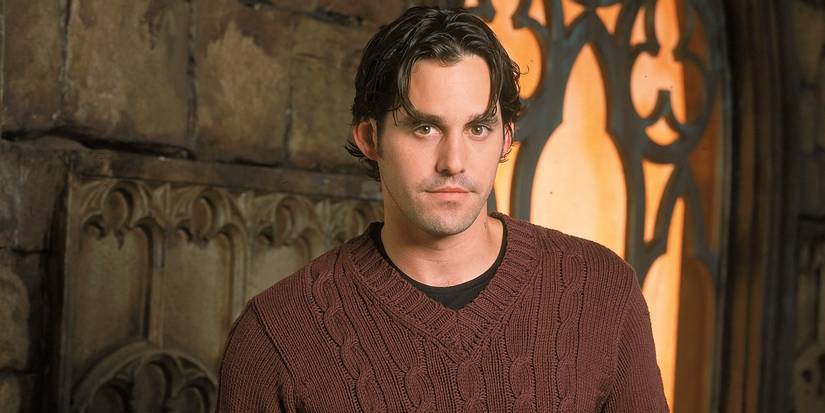
Xander Harris is a textbook case of a character who aged badly. What passed for awkward charm and comedic clumsiness in the 1990s is now frequently read as toxic, jealous, and manipulative behavior.
Modern TV criticism frequently calls out Xander as a character who rarely faced real consequences for his actions, despite constantly moralizing others. Over time, this imbalance caused a noticeable shift in audience sympathy — and not in his favor.
7. Pierce Hawthorne – Community (2009-2015)
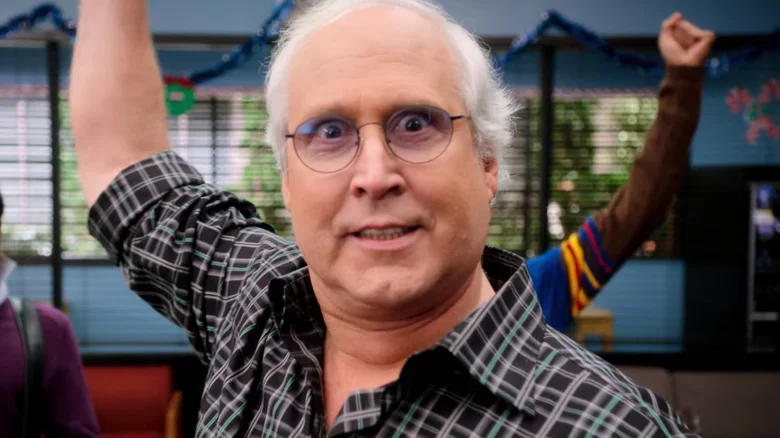
Pierce Hawthorne started out as an eccentric, slightly politically incorrect older member of a very diverse community college study group — the kind of “grandpa who says inappropriate things but somehow gets away with it”. Over time, however, his character was reduced almost entirely to that problematic edge.
Behind-the-scenes tensions between the Community writers and actor Chevy Chase reportedly influenced how Pierce was written. The result? A character who stopped being funny and increasingly disrupted group dynamics — to the point where he was killed off and later appeared only once as a hologram.
6. Carmela Soprano – The Sopranos (1999-2007)
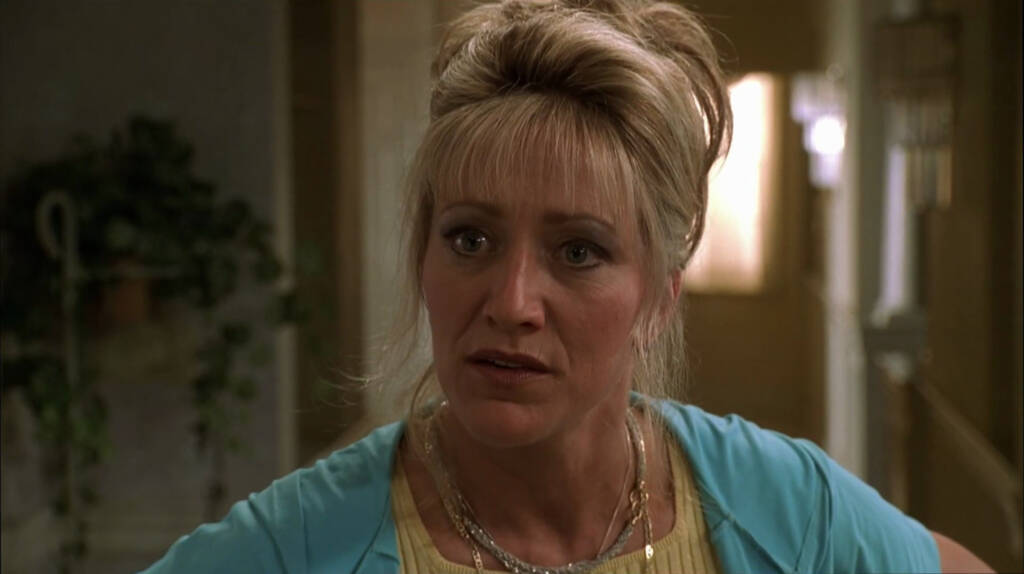
Carmela Soprano is one of the best-written characters on this list — and simultaneously one of the most morally uncomfortable. Her hypocrisy, rationalization of violence, and willingness to enjoy the benefits of Tony’s criminal life led many viewers to see her as complicit.
Carmela isn’t “evil” in a simple, cartoonish way. She’s realistic. And that realism is precisely what makes her so unsettling and frequently criticized.
5. Chuck McGill – Better Call Saul (2015-2022)
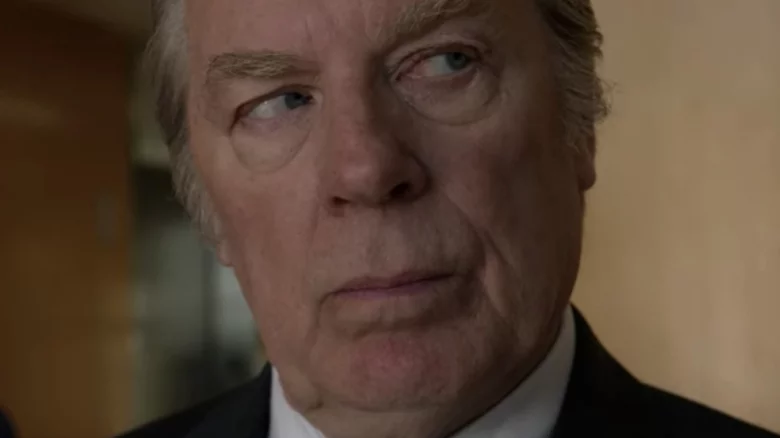
Chuck McGill emotionally drained not only Jimmy (Saul), but viewers as well. His intellectual superiority, manipulation, chronic lack of empathy, and constant positioning of himself as the victim made him one of the most disliked characters in the Breaking Bad universe.
Importantly, Chuck was written this way on purpose. His role was to demonstrate how a toxic relationship can slowly destroy even the most talented individual. It was a deliberate and painful narrative choice by the showrunner team.
4. Cersei Lannister – Game of Thrones (2011-2019)
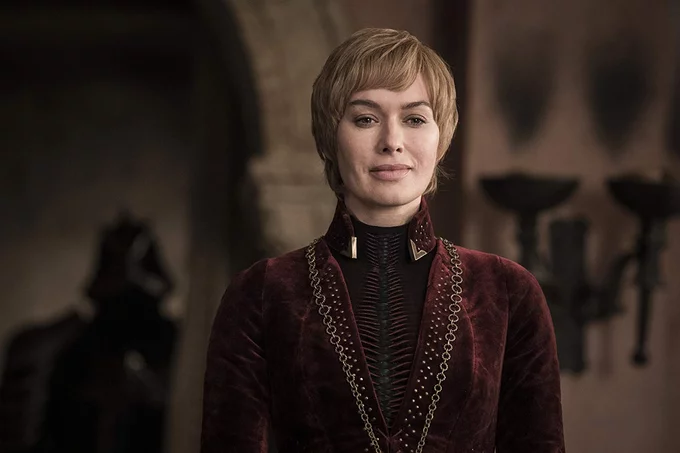
Cersei Lannister walks the line between a brilliantly written antagonist and a character whose presence became exhausting. Her cruelty, paranoia, and obsession with power turned her into an icon among controversial TV characters.
In the later seasons, criticism of Cersei intensified, largely due to stagnation in her storyline and a lack of meaningful consequences. Her ending disappointed many viewers as well. Not only did she outlive far more characters than expected, but she also died in a strangely romantic and deeply unsatisfying way — hardly the payoff audiences anticipated.
3. Joffrey Baratheon – Game of Thrones (2011-2019)
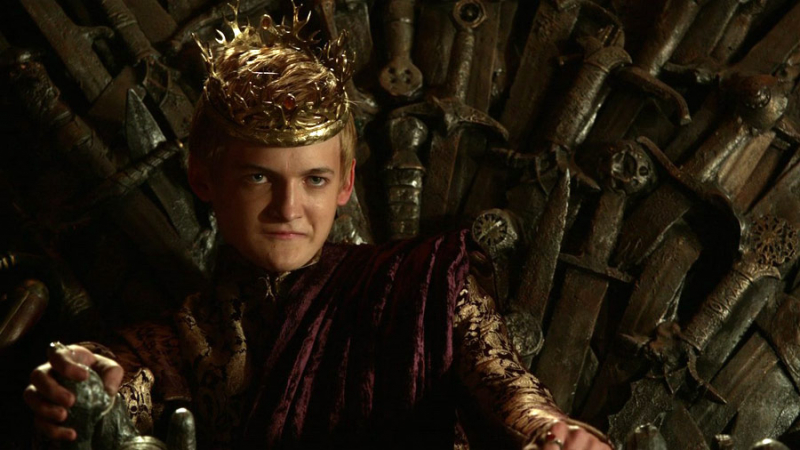
Joffrey Baratheon was created to be hated — and he fulfilled that purpose flawlessly. Sadistic, petulant, and completely devoid of empathy, he became the embodiment of cruel, joyless power.
Audience reactions were so extreme that actor Jack Gleeson stepped away from acting for years. It’s one of the clearest examples of how successfully crafted hatred can spill beyond the screen and into real life.
2. Elizabeth Keen – The Blacklist (2013-2023)
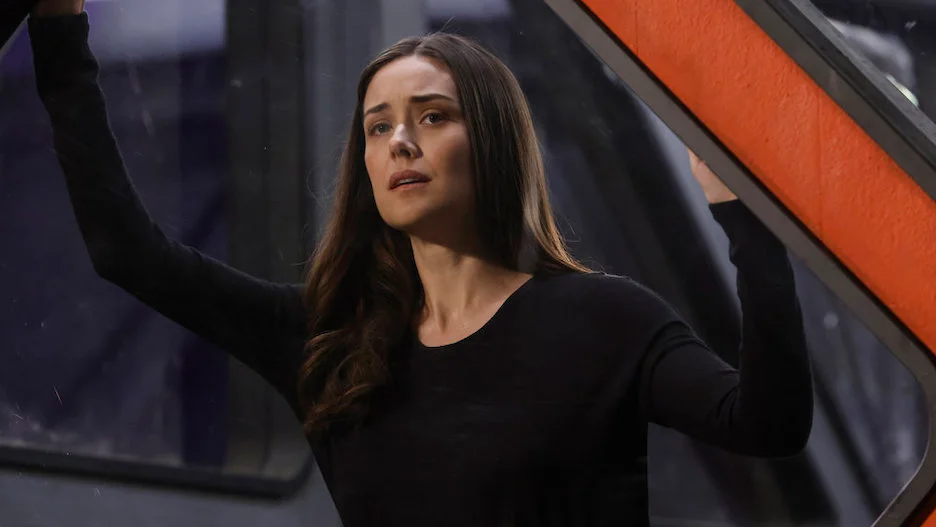
Elizabeth Keen is a prime example of a character who lost all internal logic over time and veered into a completely nonsensical, self-destructive direction. Her choices increasingly contradicted her earlier development, while her relationship with Reddington became chaotic and defined by a pointless, rebellious streak.
At times, it felt like she was cutting off her nose to spite her face — acting against her own interests purely out of stubborn defiance. Many viewers point to Elizabeth as the main reason for the show’s decline. Emotional tension was replaced by exhaustion and frustration. Even her death failed to fix the problem; she continued to be referenced and posthumously “whitewashed” by other characters, as if everyone had collectively forgotten her irrational and reckless actions.
1. Zach Goodweather – The Strain (2014-2017)
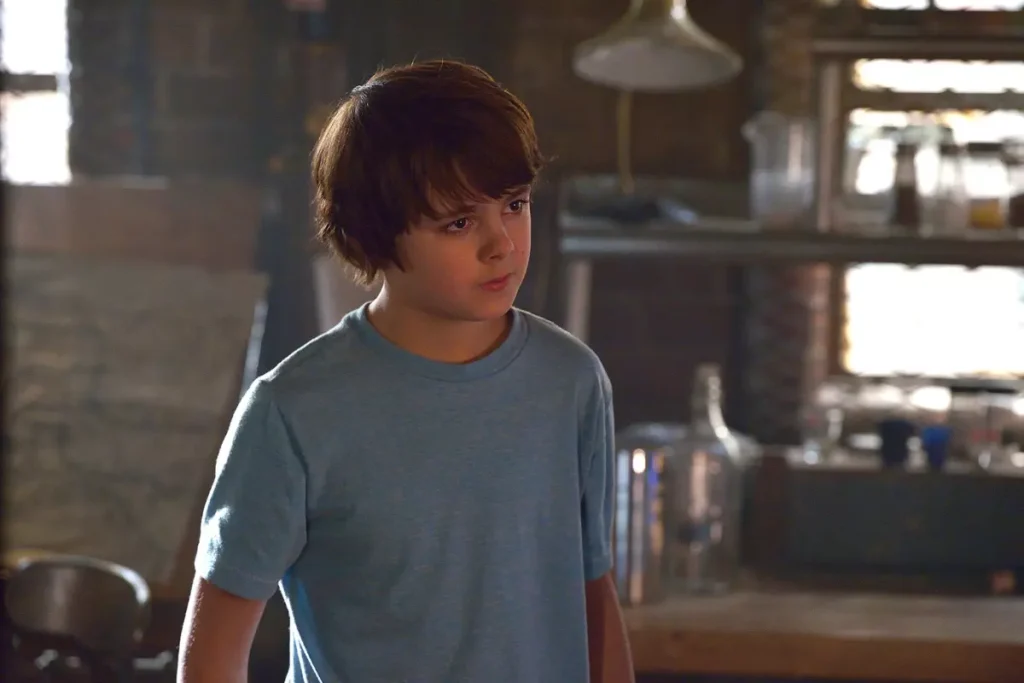
The number one spot belongs to the absolute worst character — and not just in my opinion. Zach Goodweather consistently tops lists of the worst TV characters ever written. His decisions weren’t merely irritating; they were actively illogical and destructive — to himself, his family, the people around him, the fictional world of the show, and the overall narrative.
Much like Cersei, Zach lived far too long and died far too well. Viewers accused the creators of turning him into a chaos catalyst instead of realistically exploring childhood trauma. The result? One of the most universally despised characters in modern television history. Ugh.
Why Are “the Worst” Characters Still So Fascinating?
From classic TV to modern streaming platforms, lists of unpopular characters have evolved alongside viewer expectations. Today, audiences wield more influence than ever before — reactions, memes, and social media backlash can reshape character arcs or even entire shows.
Paradoxically, it’s these unpopular TV characters that often generate the highest engagement. Hate-watching, memes, and endless fan debates are now part of how fan communities interact with television. And while some characters push viewers to the brink, without them many shows wouldn’t be nearly as discussed — or as memorable — within TV criticism and pop culture at large.