




For almost 25 years, The Sims has had this genre pretty much to itself. A lot of people grew up with it, got attached to it, and kept coming back because nothing else really filled the same space. That’s changing in 2026.
Paralives is finally in early access, InZoi is doing its own thing with realism, and life sims suddenly feel a lot less one-sided. More than just competition, this feels like players finally have real options. You can stick with what you know or try something that comes at the genre from a different angle.
Table of Contents
The Sims 4: Still the Safe Bet
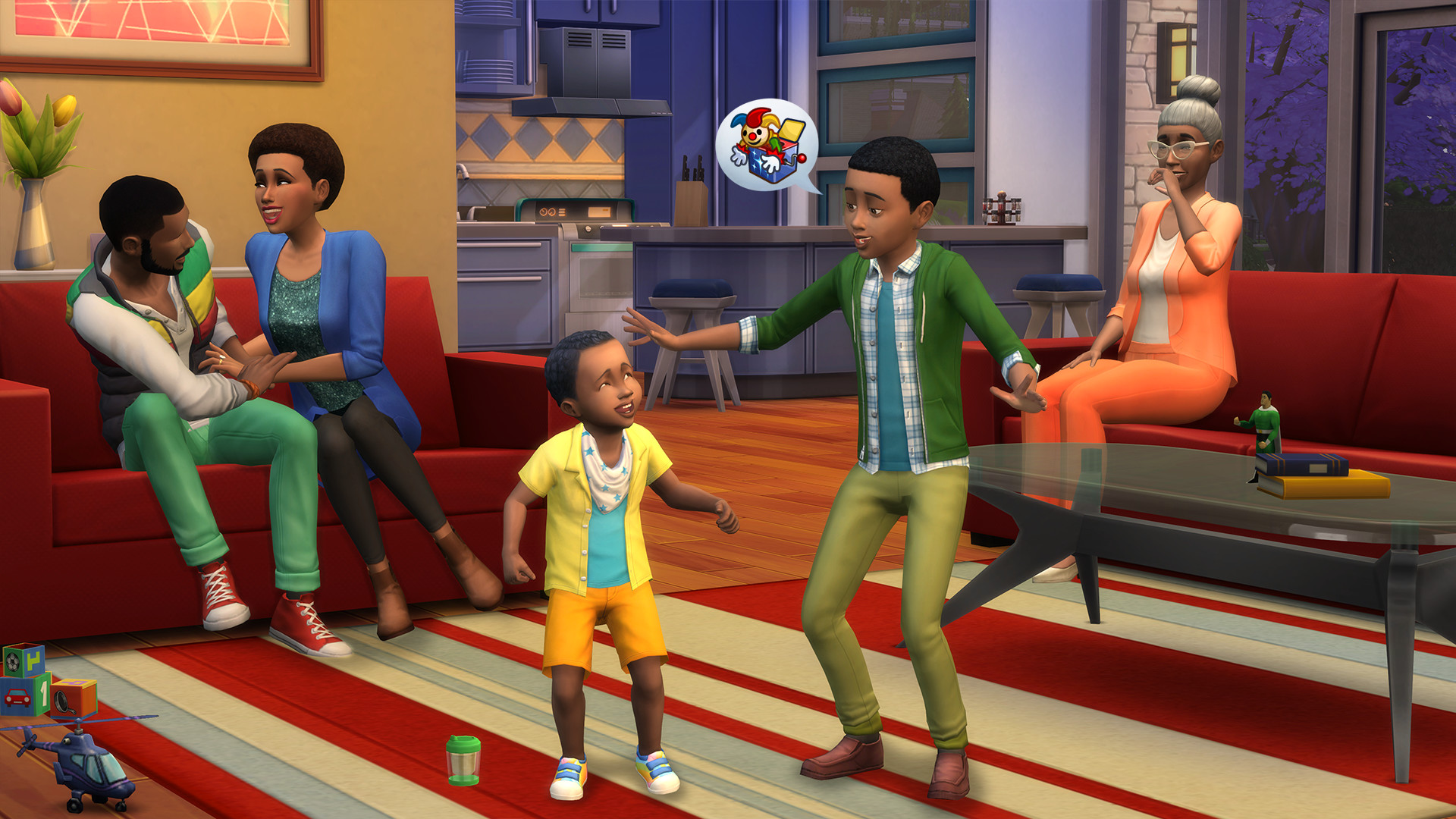
Even with new games showing up, The Sims 4 still feels like the easy default for a lot of people. A big reason is simple: it runs on almost anything. You do not need a strong PC, and that’s important in a genre with such a huge casual audience.
Then there is the amount of stuff packed into it after all these years. By May 2026, the game has 112 packs. That is a ridiculous amount of content, whether you see that as a strength or a warning sign. Seasons, school, jobs, family gameplay, branded crossovers, weird little side themes, all of it is in there. A lot of players have already spent years building saves, buying packs, downloading mods, and shaping the game into something that fits them. Walking away from that is not easy, especially when the full collection now costs around $1,596.89.
Mods help keep it alive too. People like Twisted Mexi and Turbo Driver have done a lot of work to patch holes, fix annoying issues, and add things players feel should have been there already. That support makes a difference.
The Sims 4 is not exciting right now, but it is reliable, proven, and deeply familiar to the largest audience in the genre.








Paralives: A Smaller Game With Its Own Personality
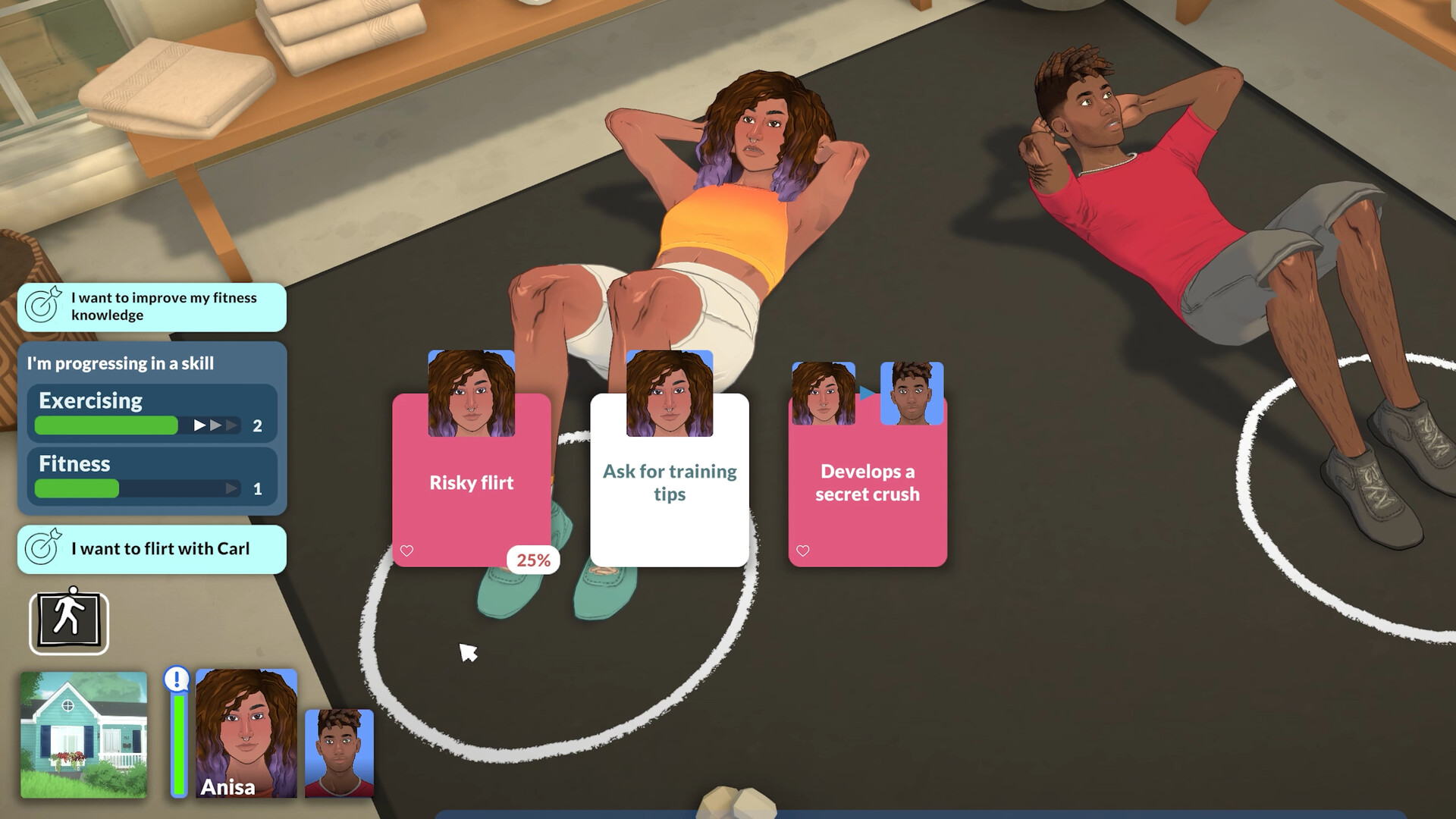
In contrast to the corporate giant stands Paralives, an ambitious project from an independent studio that has won hearts with its unique identity. The art style is stylized and soft, almost like an interactive sketchbook. That helps it stand out, and it avoids the weird stiffness that more realistic life sims can run into.
The biggest thing people notice is the freedom in build mode. This is where Paralives looks like it actually listened to years of player complaints. You are not boxed in by a strict grid, so walls can go at different angles and curved builds are actually possible. Furniture can be stretched and adjusted in ways that feel obvious once you see them, which kind of raises the question of why other games made this stuff so awkward for so long.
Character creation looks strong too. The color wheel is back, textures are more flexible, and ParaMaker gives you more control over how characters actually look. Height sliders, layered clothing, tattoo placement, small details like that all help. The whole thing feels more open and less locked down.
Paralives
Release Date: May 25, 2026
Genres: Simulator, Indie
Gameplay: Simulation Meets Strategy
Many players find that Paralives brings back the genre’s strategic roots, evoking nostalgia for the days of The Sims 2. One of the more interesting systems is Storytellers. These are characters that shape how easy or demanding the game feels. Stella gives you a softer experience, and Ricardo pushes things in a harsher direction. That kind of setup is a smart idea because it lets players decide early on how much pressure they want.
Live Mode has a more deliberate feel. Conversations use a card system tied to mood and traits, with visible success chances. So instead of just clicking random social actions until something works, you actually have to pay attention to how your Para feels in the moment.
Paralives vs The Sims 4: The Hardware Reality
Platform access shapes who can actually play these games. Not everyone can run every life sim, and that still shapes who ends up playing what. The Sims 4 stays on top partly because the barrier to entry is low. It only needs 4GB of RAM and basic graphics support, which is nothing by current standards.
Paralives asks for more. You need at least 12GB of RAM and a GTX 1060, which already cuts out some players. InZoi goes even further. It looks impressive, sure, but it leans hard on high-end hardware. Smooth performance often means something like an RTX 5070 or 5080, and that is way out of range for a lot of people. On weaker systems, the game can stutter, crash, or just feel rough enough to kill the mood.
It is important to remember that Paralives is still in Early Access. Bugs are part of the deal right now. Characters can get stuck, autonomy still needs work, and some moments make Parafolks feel a bit too dependent on direct input. However, the developers are actively collaborating with the community, and their pledge that all future updates will be free is a strong draw for those tired of the traditional paid DLC model.
Where This Leaves Players
Life sim fans are in a better spot now than they were a few years ago. The Sims 4 still makes sense for people who want something familiar, easy to run, and full of content. Paralives looks like the option for players who want more freedom, more personality, and systems that feel a bit less passive. InZoi is chasing realism and visual detail, but that comes with a much steeper hardware cost.
For the first time in a long time, this genre does not feel locked to one name. That alone makes 2026 feel more interesting. Players have real choice now, and honestly, we all needed that.