




Video games speak a language most players never notice they’re learning.
Table of Contents
The Invisible Language of Games
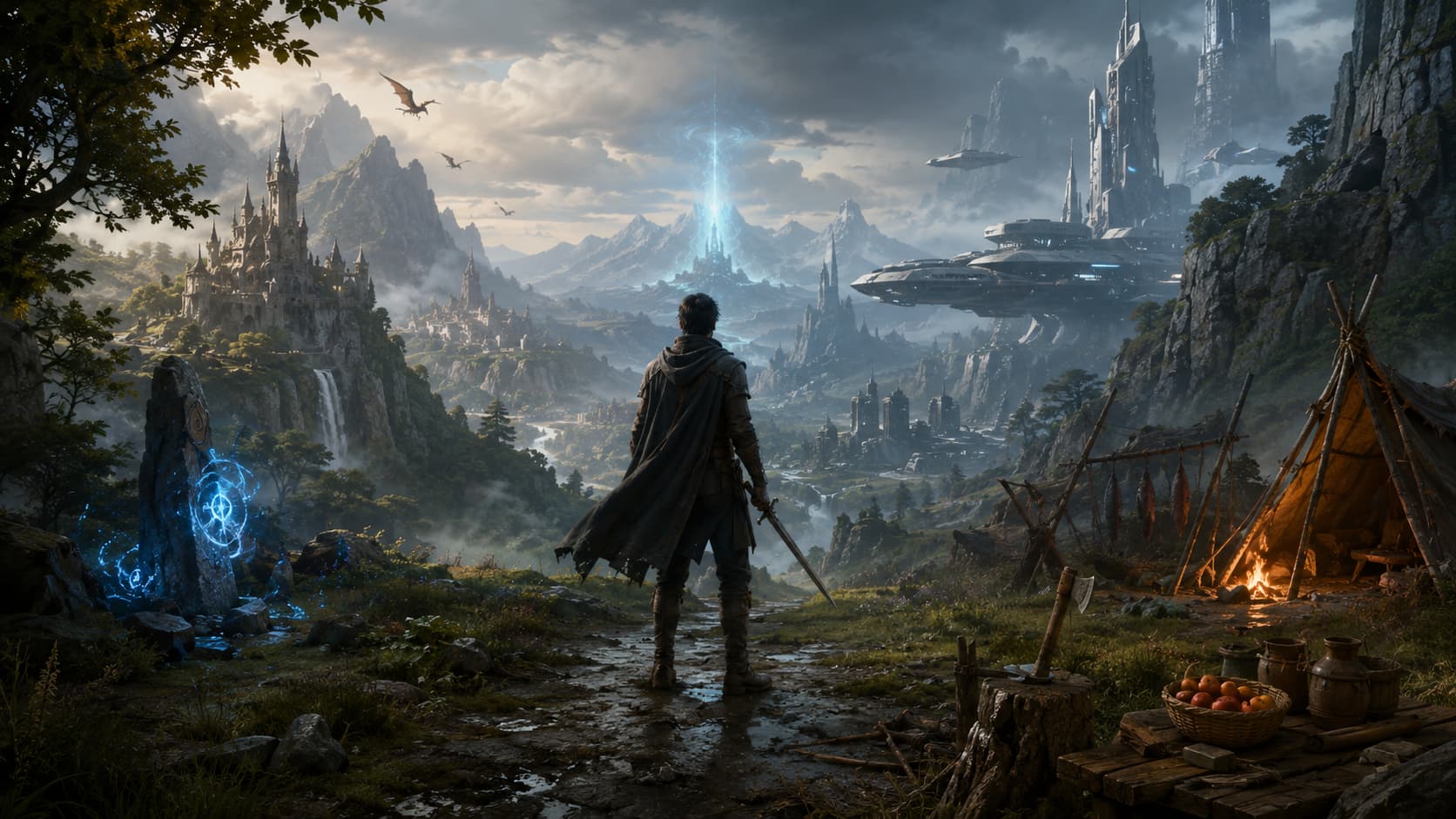
When making a video game, developers must consider different perspectives if they care about attracting as many players as possible. This can be extremely tricky, because the understanding of core gaming principles varies greatly between players who rarely play games and those who play frequently.
Game creators often rely on some well-established gameplay rules and mechanics that are thought to be obvious to everyone. They’re so obvious, in fact, that even the in-game tutorial might not explain how some things work.
How did you know that the character would jump when you press the space key? Because that’s how most video games work.
If there’s health or life points, you know that once it drops to zero, you’ll die or get knocked out.
If there’s energy or mana, you automatically assume that it’s a resource that is probably used to cast spells or use abilities.
If you’re playing a survival game, one of your top priorities should probably be finding a source of food, or you’ll starve to death.
Once you’ve played enough games, things like these become natural, and you understand them intuitively even if the game doesn’t explicitly explain how they work.
The Danger of Breaking the Conventions
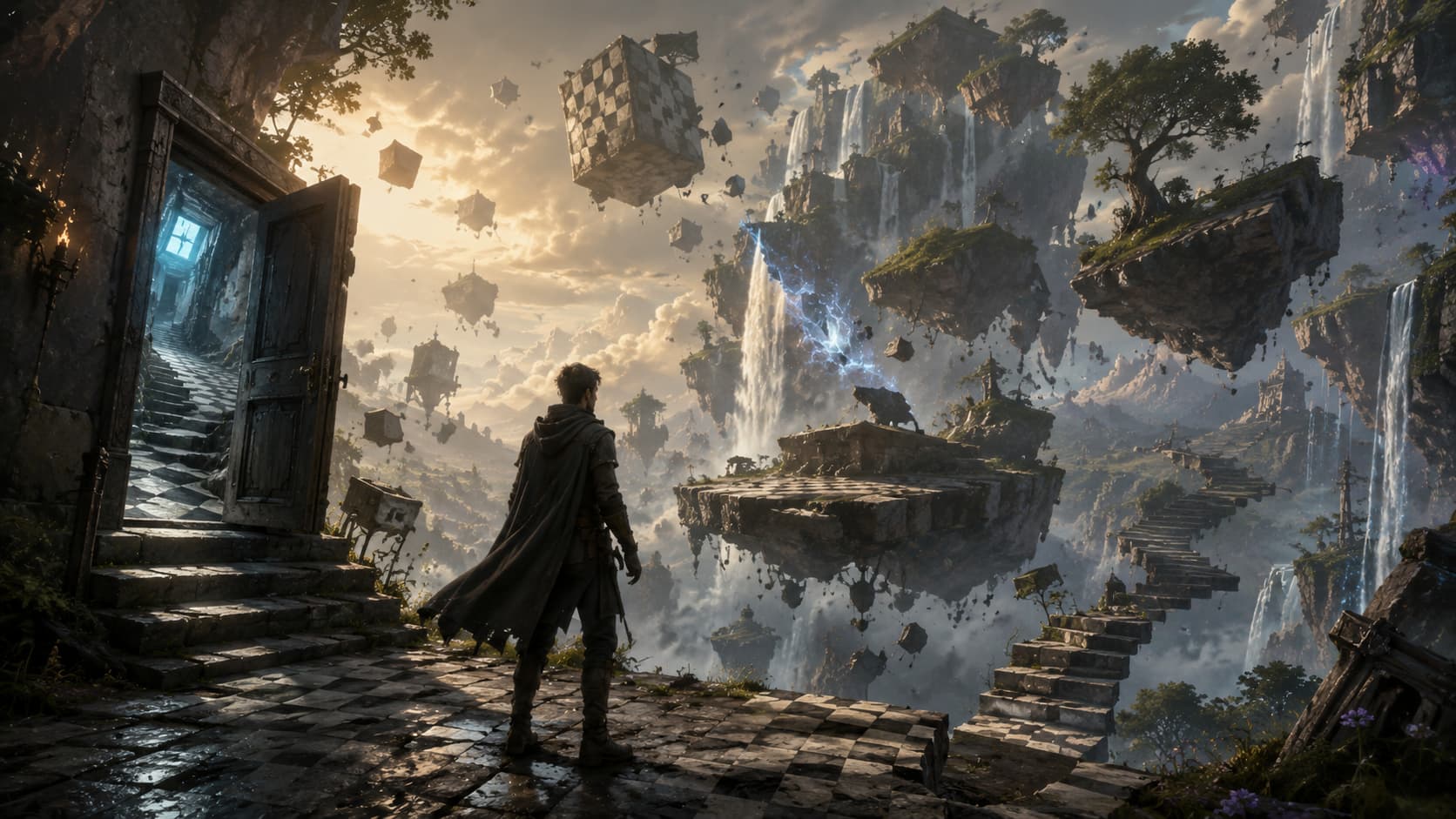
Some things are so deeply ingrained in our gamer brains that we might even get confused when we pick up a new game and realize that it does certain things differently. Sometimes developers feel like they need to reinvent the wheel for the sake of making their game feel special and unique. Even though it won’t make a huge difference for players who rarely play video games, the result can be unnecessary friction for players who are already familiar with established video game conventions.
That’s not to say creators should stick to conventions at all costs. However, each time a game strays from the well-trodden path, there should be a reason beyond novelty for novelty’s sake.
Some games are so distinct in their design that players enter them with few preconceived expectations. Because they are unlike almost anything else on the market, developers have far more freedom to define their own rules and conventions. That’s how new genres are born; think of Vampire Survivors, which popularized what’s now known as the “bullet heaven” genre.
Now let’s take a closer look at some practical examples of things that gamers and game developers think are obvious to everyone – but are not.
Press “E” to Understand – Interacting with Game World
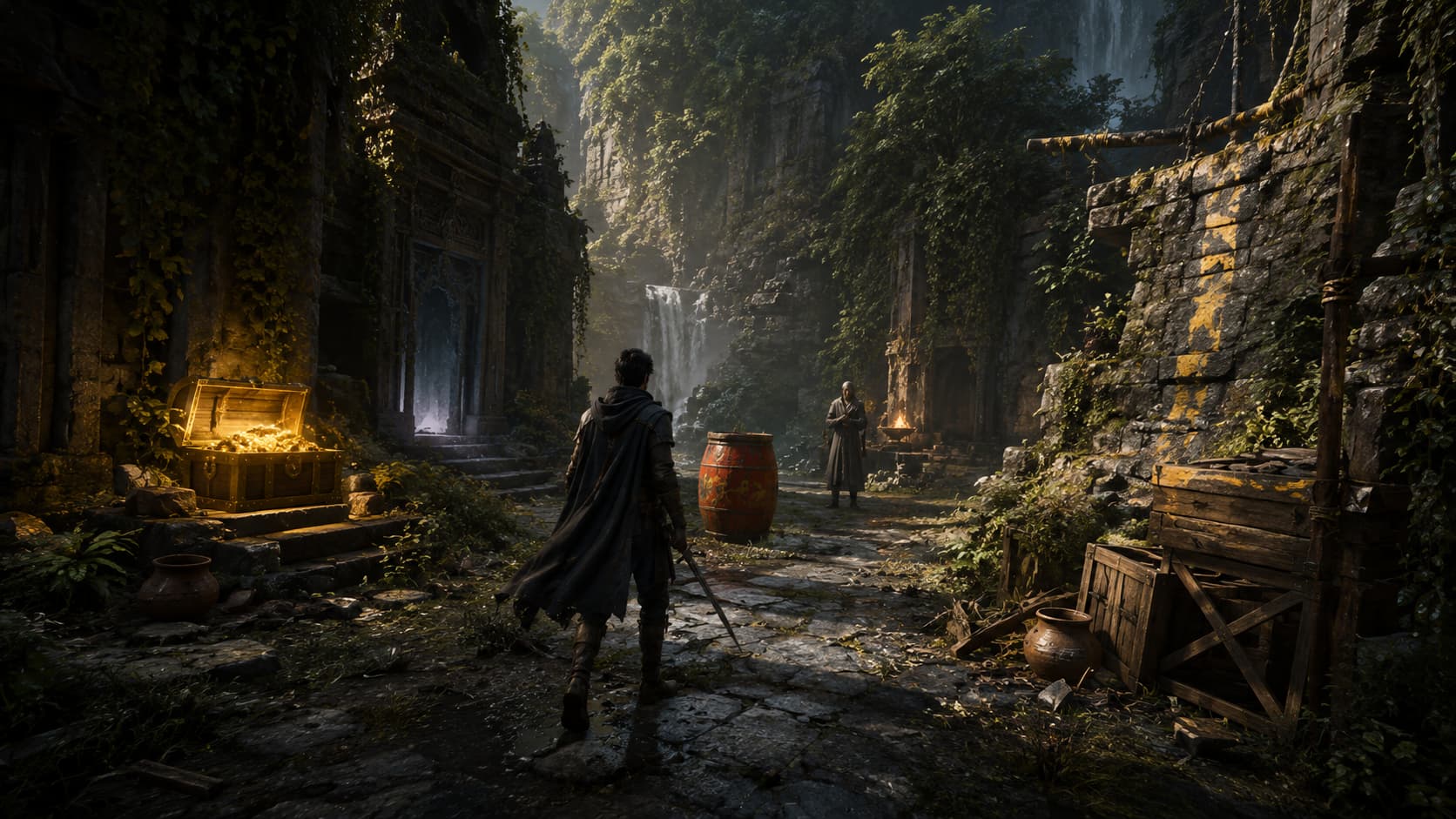
Video games where you control a character in a 2D or 3D world, whether linear or not, often assume you’ve got some basic understanding of how games work and thus don’t focus too much on explaining all the details. Tutorials can serve as an introduction and explain basic controls or how combat works, but even tutorials tend to skip certain things.
Interacting with the surroundings is one such thing. Usually, when you get close to an object that can be used, it gets highlighted, and a text appears. It could be something along the lines of “press E to pick up” or “press X to steal”. It’s self-explanatory and doesn’t need a tutorial. However, this only works for objects close to you. So, what about objects further away? You’re not expected to walk up to everything and examine each one like this, right?
Games may feature something that’s colloquially known as a “sixth sense”, where you press the button to highlight all potentially interesting objects on the screen. It was present in The Witcher 3, Death Stranding, and the rebooted Tomb Raider series, for example. But not all games have that. What then?
In that case, developers may use certain visual cues to help you determine from a distance which objects can be interacted with. Such objects can emit a light aura or sparkles to grab your attention. And that’s obvious for gamers, but not so much for non-gamers. You need to be actively looking for these cues; if you don’t know what you’re looking for, it’s easy to miss.
But there’s more. Sometimes an object can have multiple interactions. Approaching an NPC normally triggers “talk.” If you sneak up on them, that might change to “steal”. With certain weapons in your possession, like a dagger, you may even unlock extra interactions, such as “assassinate.”
Other examples include:
- Boxes can often be broken when hit and may contain loot.
- Red barrels will explode instead, damaging everything in the area, including the player.
- Colored paint or markings may indicate a climbable ledge or a path you should follow.
- A large open arena may indicate a boss fight.
- A treasure chest in an unexpected place can be a trap – beware of ambush and mimics.
User Interface Conventions
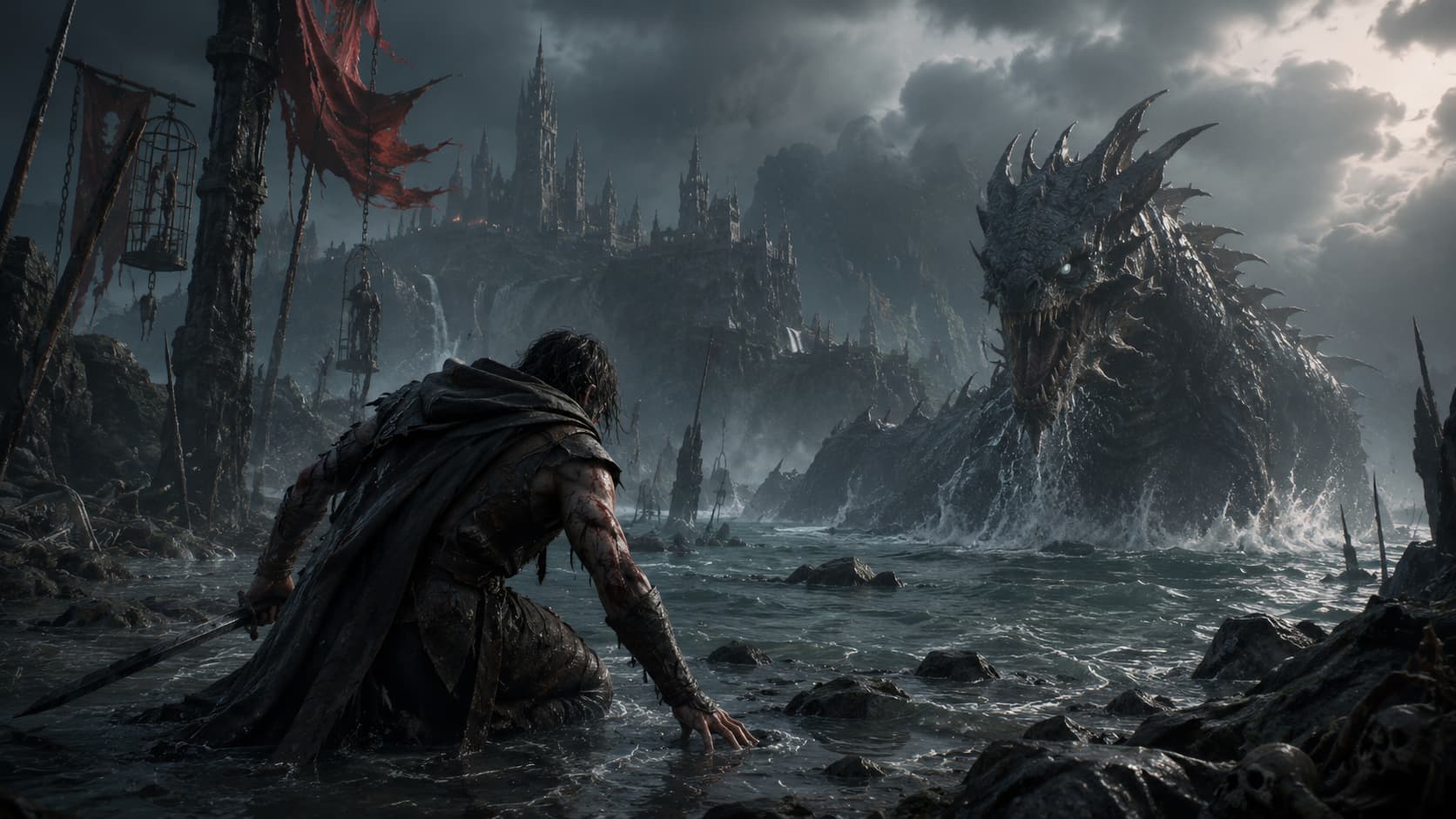
The user interface may also feature things that are obvious to gamers but not so much to players who play sporadically.
If there’s a minimap, make sure to pay attention to it. It often shows icons for objectives or interesting places or people that can be found nearby, such as merchants, quest givers, treasures, collectibles, or cave entrances.
When the game screen goes red and you hear a heart beating, it means you’re about to die, so you should act immediately.
A skull icon often signals danger. It could be a dangerous opponent you’re not supposed to fight just yet or a high-level area with opponents that are considered to be stronger than you. You’ll often find this in open-world video games; just because you technically can go anywhere you want doesn’t mean you should.
If you’re diving, an oxygen meter may appear somewhere on the screen. Keep an eye on it, as you’ll likely drown if you remain underwater after it depletes.
Not-So-Obvious Gameplay Mechanics
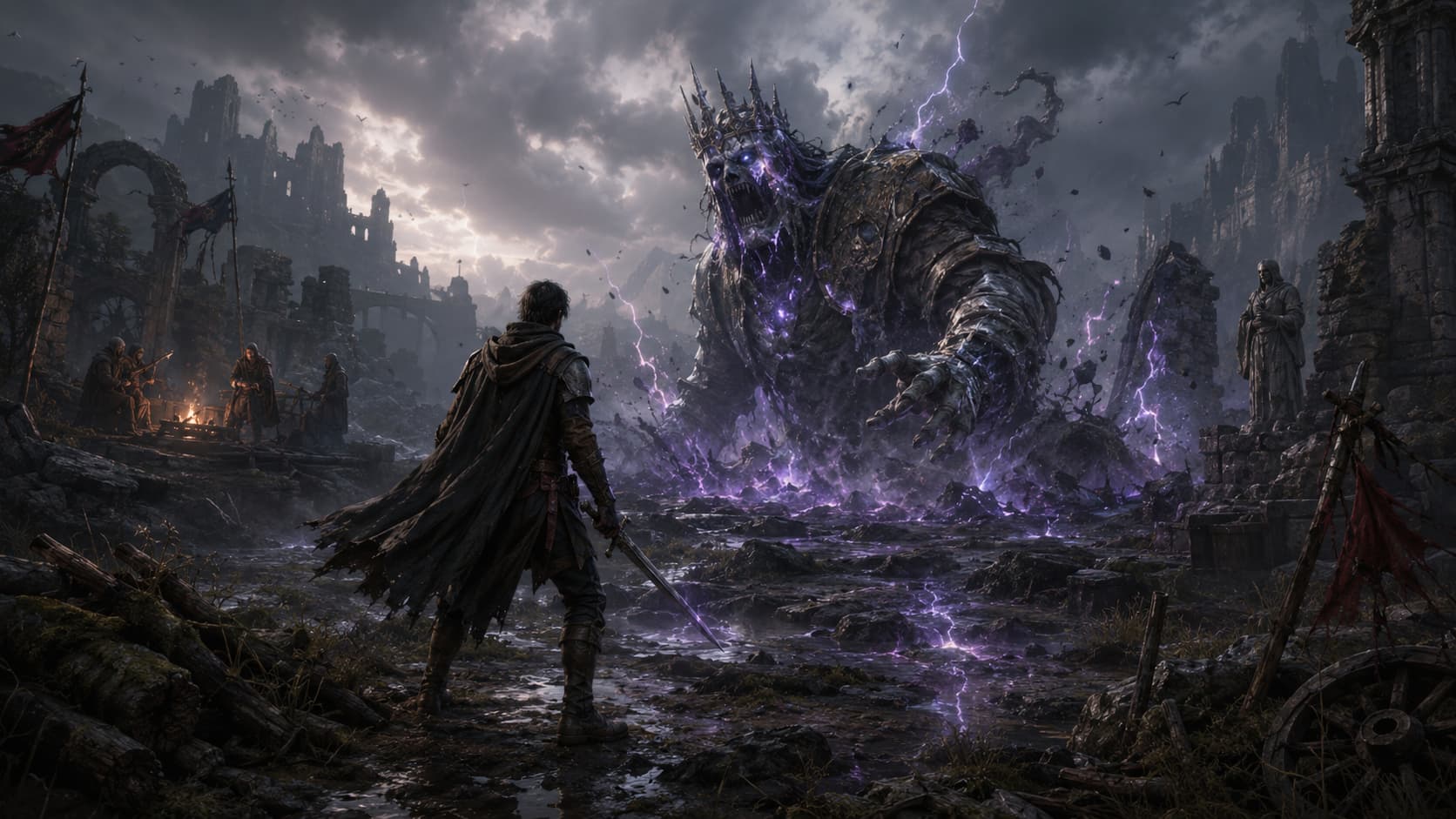
In RPGs or games that feature role-playing elements, your character can often accumulate experience. Once you get enough experience points, your character will get a new level, which may grant you attribute and skill points that can be spent to upgrade your skills or acquire new ones. Experience can be gained in a variety of ways, but usually it’s a reward for either completing quests or defeating enemies.
Side quests in games are usually optional and can be skipped entirely. With that being said, they’re still worth doing, as they may give you extra experience or items. They may also grant you access to special tasks or services and discounts, which may prove useful in your future adventures.
Some games feature stamina, a replenishable resource that can be spent to perform certain actions, such as sprinting, swimming, blocking, or attacking. In games like Dark Souls, running out of stamina can prevent you from dodging an incoming strike, which can be fatal. In other games, exhausting your stamina while swimming may cause you to drown.
Speaking of dying in games, sometimes the cause is not as obvious as getting shot or hit by an enemy. If you’re playing a survival game, death can result from things such as malnourishment or dehydration. It could also be caused by a disease or infection. Survival games rarely explain these mechanics – learning about them as you go is part of the fun – but they’re often present in one form or another.
You should also avoid celebrating too early after defeating a boss. Bosses in games may have multiple phases, so always be prepared for another round.
Conclusion
Video games are full of things that players understand intuitively because similar elements appear across many different games. As we spend more time playing, we naturally learn this hidden language over time. It’s only when we hand the controller to non-gamers that we realize how large the gap in understanding really is.