


Imagine a world you once knew has already collapsed. The virus spread like wildfire, and now you’re tasked with becoming the last line of defense for what’s left of humanity.
TL;DR
Quarantine Zone: The Last Check — First 5 Hours Survival Guide (Quick Summary)
In Quarantine Zone: The Last Check, the first 5 hours are where most runs live or die. Success comes from calm inspections, controlled growth, and fuel-proof defenses — not flashy combat.
- Hours 0–1: learn the inspection loop fast — check documents + symptoms + behavior every time. Rushing = outbreaks or unrest later.
- Don’t overcorrect early: letting infected in can collapse the camp, but being too strict crashes morale and creates instability.
- Hours 1–3: resources become the real enemy — food, medicine, fuel, materials vanish quicker as arrivals increase camp consumption.
- Use tools smart: start with visual checks, then use diagnostics only when something doesn’t add up to avoid wasting limited equipment.
- Quarantine is a tool, not storage: treat it like a short test step to verify risk, not a permanent “dump zone.”
- Hours 3–5: build a repeatable inspection workflow (same order every time) to reduce mistakes during peak pressure.
- Research matters: investigating infected cases helps reveal patterns and unlocks better diagnostics, reducing “missed infection” failures.
- Defense is non-negotiable: keep generators/turrets fueled daily — no fuel = no power = no defense when attacks hit.
- Calculated risks only: aggressive choices can pay off, but blind gambles usually snowball into disaster a few hours later.
- Important tips: slow down inspections, manage resources before expanding, quarantine for verification, and keep defenses powered at all times.
You won’t do it by going on an epic journey or mowing down infected hordes in flashy, Hollywood-style combat. Instead, survival depends on difficult decisions and moral choices that often weigh more than a single human life…
Quarantine Zone: The Last Check is a game where every choice has consequences, and the first five hours of gameplay often decide whether your quarantine zone survives — or spirals into chaos.
This Quarantine Zone beginner guide explains what to focus on at the very start, how to avoid common mistakes, and how to prepare for rising difficulty — without ruining your run. Remember: thorough checkpoint inspection and smart resource management are essential. What else should you keep in mind? Let’s break it down.
Gameplay Basics – First Hours Tips (Hours 0–1)
The first hour is all about learning the core gameplay loop. You play as an inspector stationed at a checkpoint in a small survivor camp, and your main task is to examine incoming refugees — their documents, health condition, behavior, and potential infection symptoms. Based on that information, you decide whether they’re allowed into the camp, sent to quarantine… or neutralized.
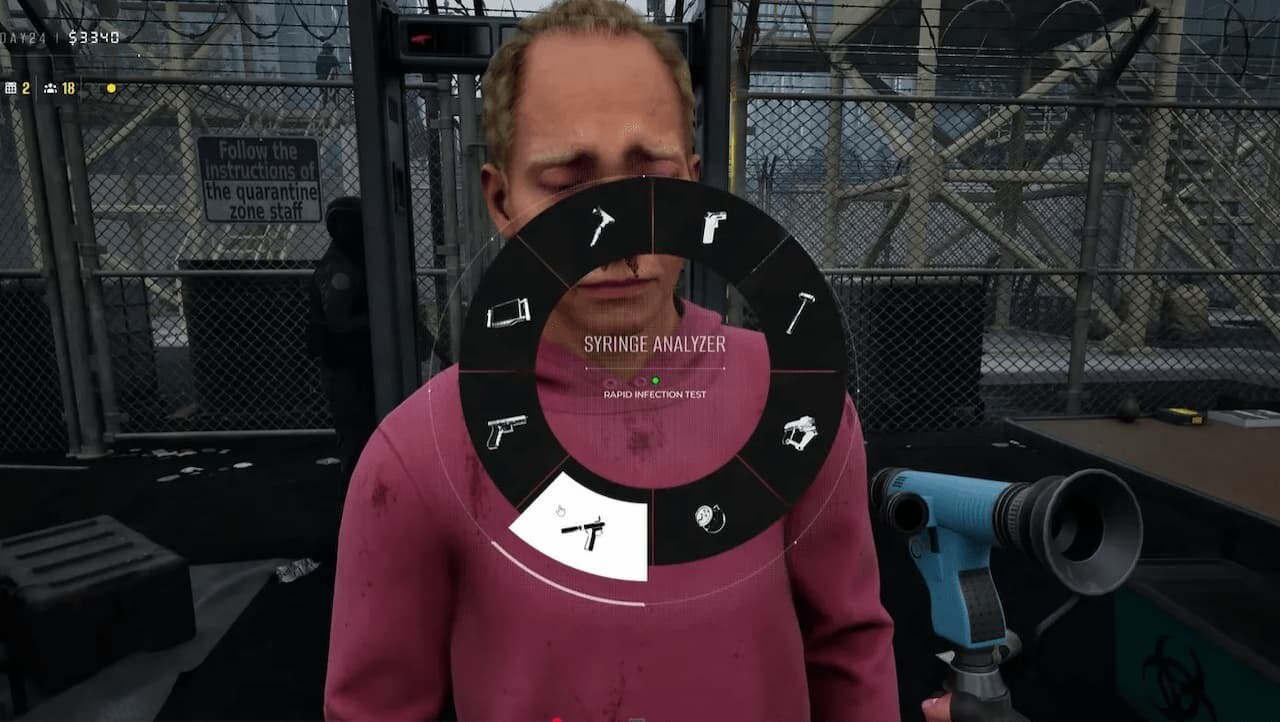
The interface is fairly straightforward, but it’s unforgiving when you lose focus. Every decision affects future progression. Letting an infected person through can trigger an outbreak inside the camp, while being overly strict will quickly tank morale and cause unrest.
Common beginner mistakes include rushing inspections, checking data too superficially, and ignoring small warning signs — like suspicious behavior — which doesn’t always mean illness, but could point to contraband instead. From the very start, it’s worth building a habit of calm, methodical inspections, even if it costs you a few extra seconds per person. This is the foundation of any solid inspection gameplay guide.
Resource Management and Decision-Making (Hours 1–3)
Once you’ve mastered the basics, the real challenge begins: keeping the camp “alive” through smart resource management. Food, medicine, fuel, and technical materials are extremely limited, and every new arrival increases overall consumption. At the same time, a more developed camp opens up new possibilities — advanced diagnostic tools, better infection testing methods, stronger weapons, defensive systems, and various upgrades.
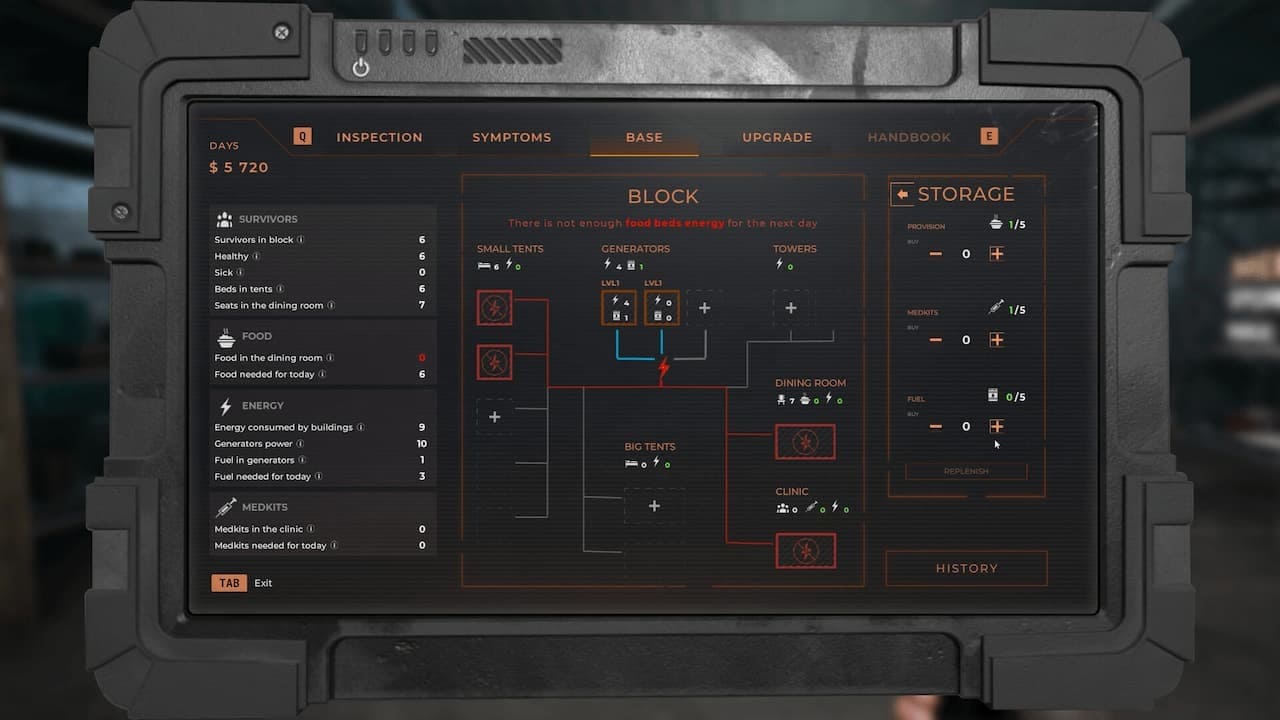
Your player decisions now affect not just individual civilians at the gate, but the stability of the entire quarantine zone — and with it, your long-term progress. You’ll constantly be balancing compassion and pragmatism, speed and accuracy, especially during inspections. To avoid wasting diagnostic tools, it’s best to rely on visual assessment first and only use equipment when something genuinely doesn’t add up. Bribery attempts should also raise red flags. Quarantine, meanwhile, should be treated as a diagnostic tool — not a permanent holding area.
Rookie Survival Strategies and Advanced Early-Game Play (Hours 3–5)
Once the basics become second nature, it’s time to think systemically. Recognizing behavioral patterns, recurring symptoms, and common deception tactics can significantly speed up inspections and reduce costly mistakes. Establishing your own inspection “workflow” — a fixed order for checking documents, symptoms, and data — helps reduce stress and prevents slip-ups during peak hours.
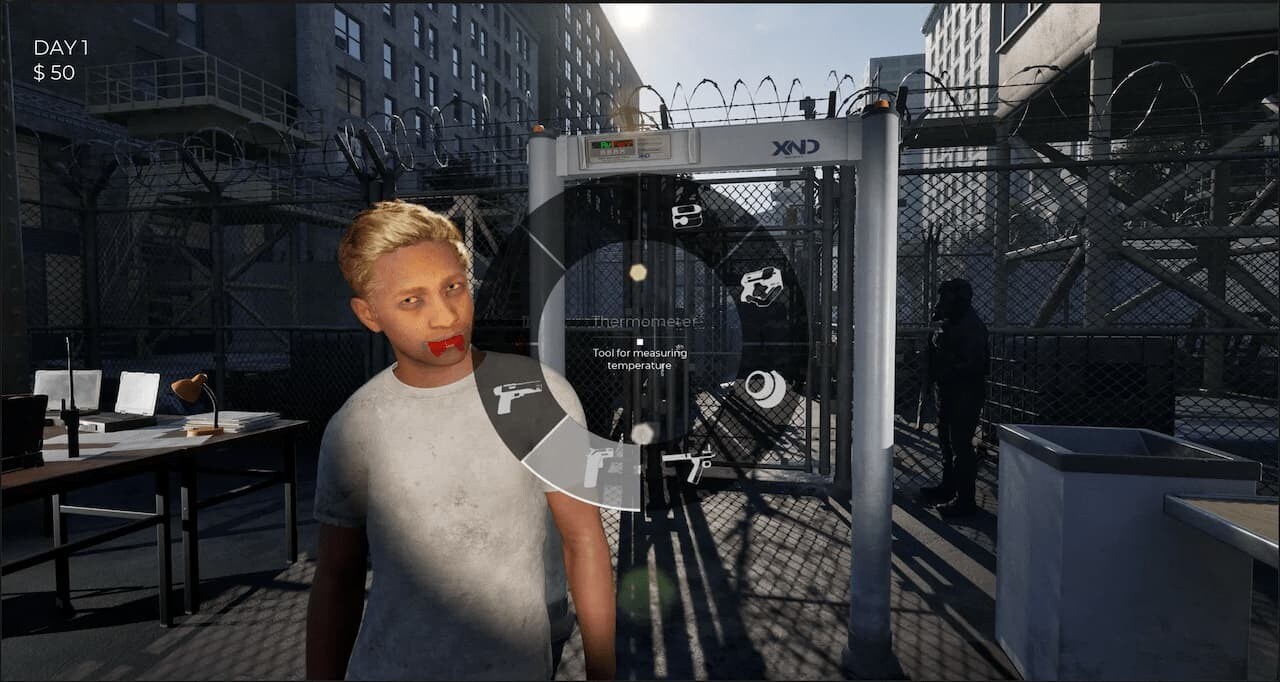
Conducting detailed research on infected individuals inside the camp allows you to discover new symptoms and unlock better diagnostic tools. This, in turn, lets you control incoming refugees more effectively while minimizing the risk of infected people slipping through.
Camp security is just as important. You need to be prepared for zombie attacks from the outside, which means maintaining defenses, upgrading them, and constantly monitoring supplies. Daily refueling of generators and turrets is crucial — no fuel means no power, and no power means no defense when things go south. Risk-taking can pay off, but only when it’s calculated. Blind gambles almost always come back to haunt you a few hours later. That’s early game survival in a nutshell.
Context and Background – an Indie Survival Game with a Twist
Quarantine Zone: The Last Check blends inspection simulation with survival mechanics, focusing on systemic interactions, moral tension, and long-term consequences. Instead of relying on constant combat (which does exist, but isn’t the core focus), the game emphasizes analysis, planning, and managing people and resources in a world devastated by an epidemic.
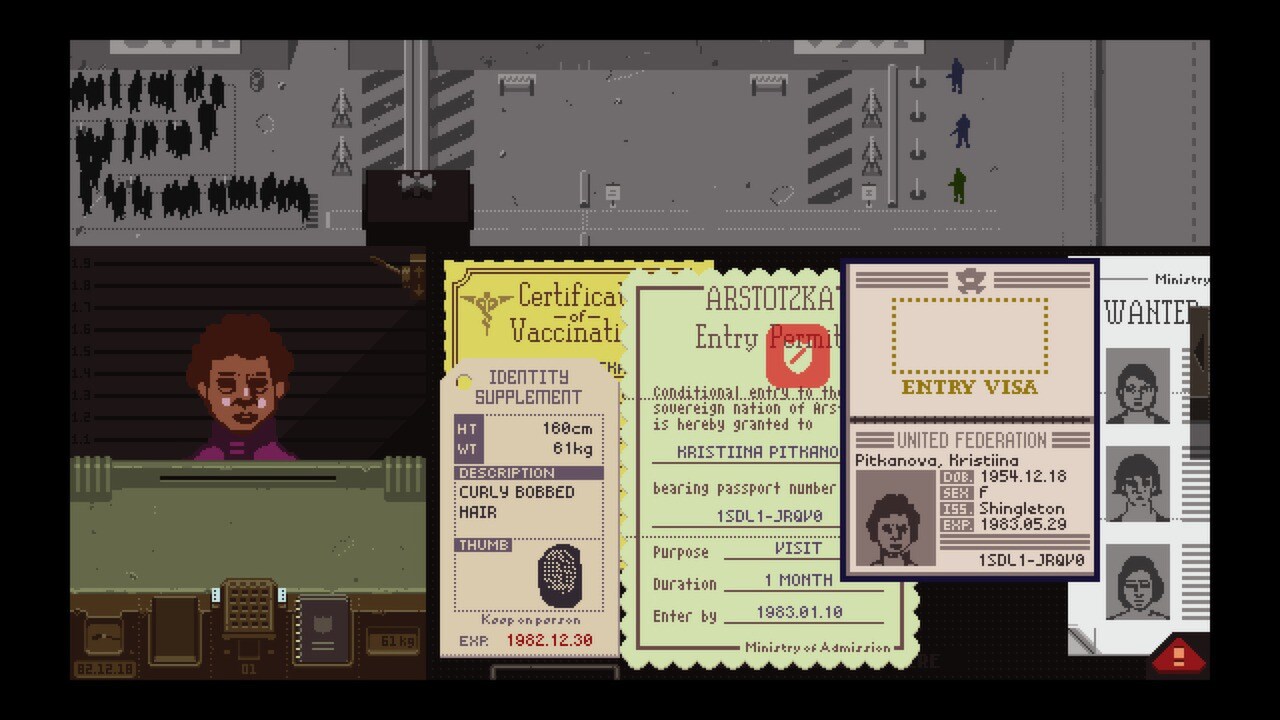
Often compared to Papers, Please — one of its clear inspirations — the game goes a step further by expanding camp management systems, long-term outcomes, and the sense of responsibility for an entire community, rather than limiting gameplay to gate inspections alone. The design philosophy deliberately places players in situations with no good answers. Every decision has a cost.
One of the game’s biggest strengths is its replayability. Different choices lead to different playthroughs, challenges, and endings. Even though the game launched just days ago, the community is already actively sharing strategies, comparing approaches, and analyzing outcomes — encouraging experimentation with different early game strategy paths and playstyles.
Early Game Survival Without Regrets
The first five hours in Quarantine Zone: The Last Check are a test of patience, awareness, and planning skills. If you manage to prepare yourself — especially mentally — for what lies ahead and survive those initial hours, there’s a good chance the game will pull you in for the long haul.
The key to survival is mastering the basics, managing resources wisely, and remembering that every decision will come back to you sooner or later. Even failure is part of the learning process… and each new run helps you make smarter, more informed choices.
Good luck on your first shift at the gate, Inspector!