



A fast way to spot infected civilians in Quarantine Zone: The Last Check is to look for strange movement, clear physical changes, and warning signs from your scanner. You definitely need this skill early because it helps you avoid danger.
Infected people often infection symptoms such as pale skin, dark veins or unfocused eyes. They may move jerkily, react slowly, or suddenly act aggressive. Your HUD and scanner also help by showing abnormal vitals or corrupted IDs.
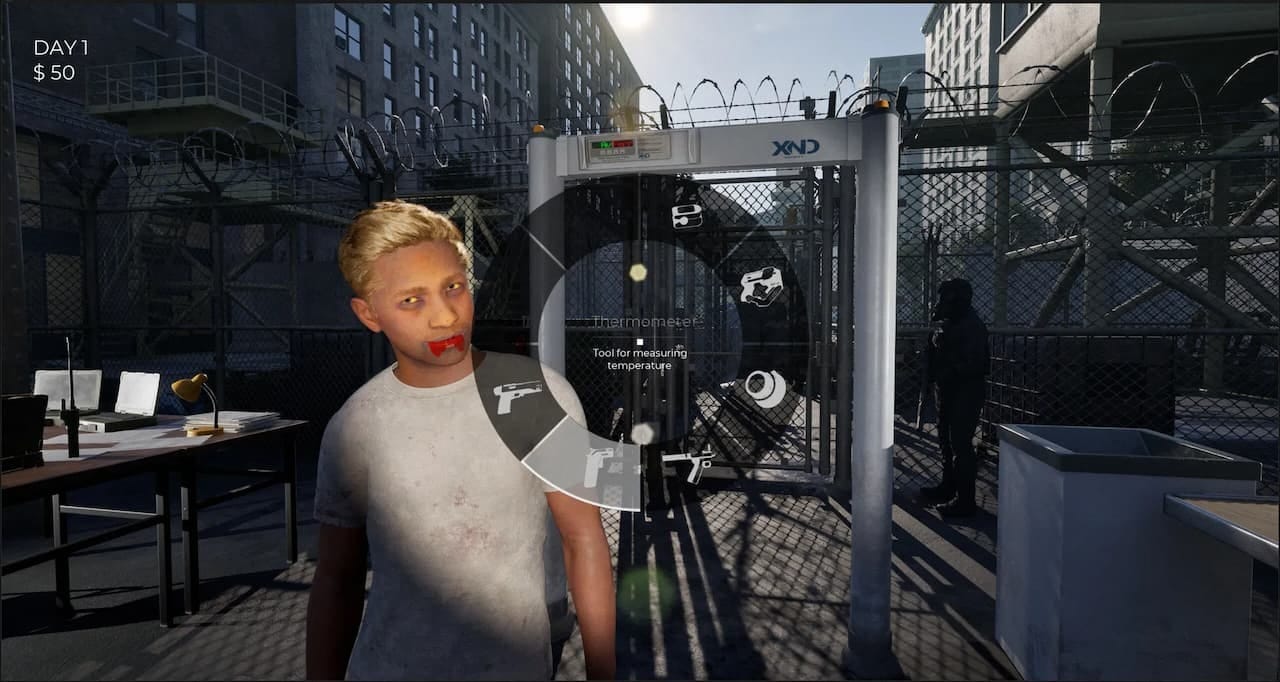
Learning these simple clues makes it much easier for rookies to stay safe and make smart choices in the quarantine zone, especially since infection detection is one of the game’s key survival mechanics.
Core Gameplay Breakdown in Quarantine Zone
The core gameplay in Quarantine Zone: The Last Check revolves around checking civilians under pressure at a busy quarantine checkpoint and deciding who is safe to let through. You need to follow simple inspection steps:
- check documents and compare them with scanner data
- watch short dialogue cues for hesitation or odd reactions, using basic behavioral analysis
- confirm identity details before approving or rejecting
- manage time pressure as the line grows
At the same time, you must look for visible symptoms like:
- unnatural skin tones or dark veins that stand out even in normal lighting
- shaky or stiff movement that shows the body isn’t responding naturally
- unfocused or overly alert eyes that reveal confusion, stress, or an abnormal level of awareness
Hidden indicators often reveal more than the obvious signs. They include:
- mismatched IDs, such as subtle inconsistencies in documents that don’t align with the person’s story
- nervous behaviour, such as avoiding eye contact or showinf unusual tension
- delayed answers, for example hesitations that suggest someone is searching for a believable response rather than speaking naturally
The game rewards correct decisions with resources and time bonuses, but punishes mistakes with penalties or rising threat levels. New players often rush, rely only on one clue, or misread harmless nervousness as infection – classic rookie mistakes. To avoid false positives, it helps to slow down just enough to confirm at least two signs before making a final call.
Advanced Tips and Strategies
Advanced play in this game demands calm decision‑making and smart long‑term planning as the infected civilians detection becomes more unpredictable. These tips highlight the key strategies experienced players should rely on:
- Prioritize the most suspicious civilians to make the best use of limited time and attention.
- Use quick visual checks before deeper inspection so you can filter out obvious cases efficiently.
- Take calculated risks when time is low and choose actions that offer the highest potential benefit.
- Avoid detaining people without solid evidence to prevent unnecessary penalties and wasted resources.
- Notice recurring behaviours across shifts since patterns often reveal hidden problems.
- Track how procedural changes affect clues because new rules can shift what counts as suspicious.
- Balance speed with accuracy to avoid mistakes that could cost you progress.
- Save resources by avoiding unnecessary detentions and reserve your tools for truly uncertain cases.
- Adapt as symptoms become harder to spot by updating your approach and staying alert to subtle signs.
- Weigh moral dilemmas and debatable choices since tough decisions often shape the outcome of each run.
Setting and Atmosphere
The world of Quarantine Zone: The Last Check is set in a society struggling to control a dangerous infection, where checkpoints are the last line of defense.
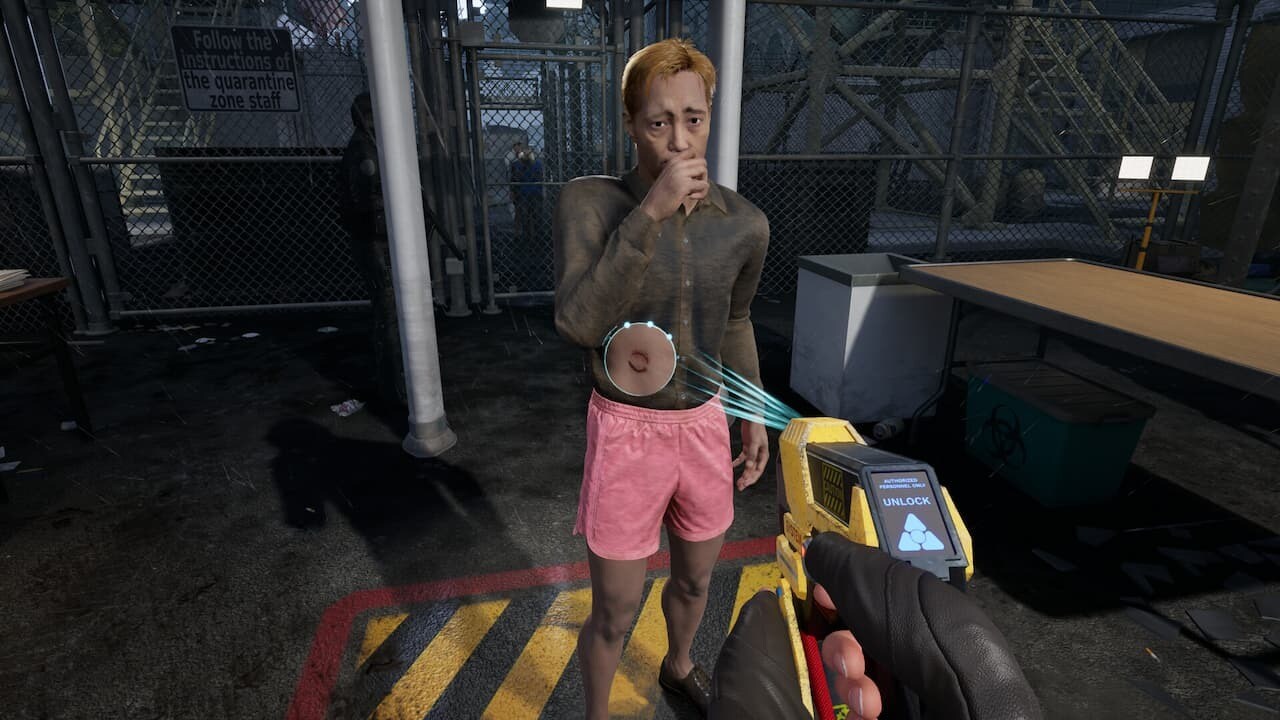
Civilian inspection is a key part of the story, creating tension as you judge who is safe and who might be a threat, often forcing you into difficult moral choices. The developers designed this system to feel personal and morally challenging. It helps the game stand out from other survival and inspection titles.
Community and Replay Value
This game stays fresh thanks to:
- constantly changing clues that make you think in new ways
- rising difficulty that pushes you to adapt, as each level becomes more challenging
- regular updates that introduce new challenges so the experience stays exciting over time
These elements keep every shift feeling different and encourage players to refine their detection skills over time. Many fans also enjoy sharing strange cases, smart tricks, and close‑call stories, which helps the community grow and keeps the discussion lively.
Mastering infection detection is important for long‑term success, because the more you learn, the better you become at recognising subtle warning signs. So, share your best detection tips, unusual cases, and personal stories with the community. By learning from each other’s experiences, we can grow faster and avoid common mistakes. Let’s master infection spotting together!