




Capcom is not recycling old horror. In Resident Evil Requiem, the infected are no longer just moving targets, but they remember and they hesitate. They act out fragments of who they used to be. That changes the entire dynamic.
This time, enemies are shaped by leftover instincts and patterns, not just proximity triggers.
A creature might start wiping a mirror. Another could be organizing tools. One might stare at a stove before turning to attack. These moments are quiet, strange, and disarming. Then they shift.
Resident Evil Requiem Enemy AI
The system behind this is built on “behavioral echoes.” It does not rely on fixed paths or random events. Each enemy has a set of habits connected to their pre-infection identity. A janitor might return to a closet. A nurse could patrol between medical carts. These patterns are not predictable enough to exploit.
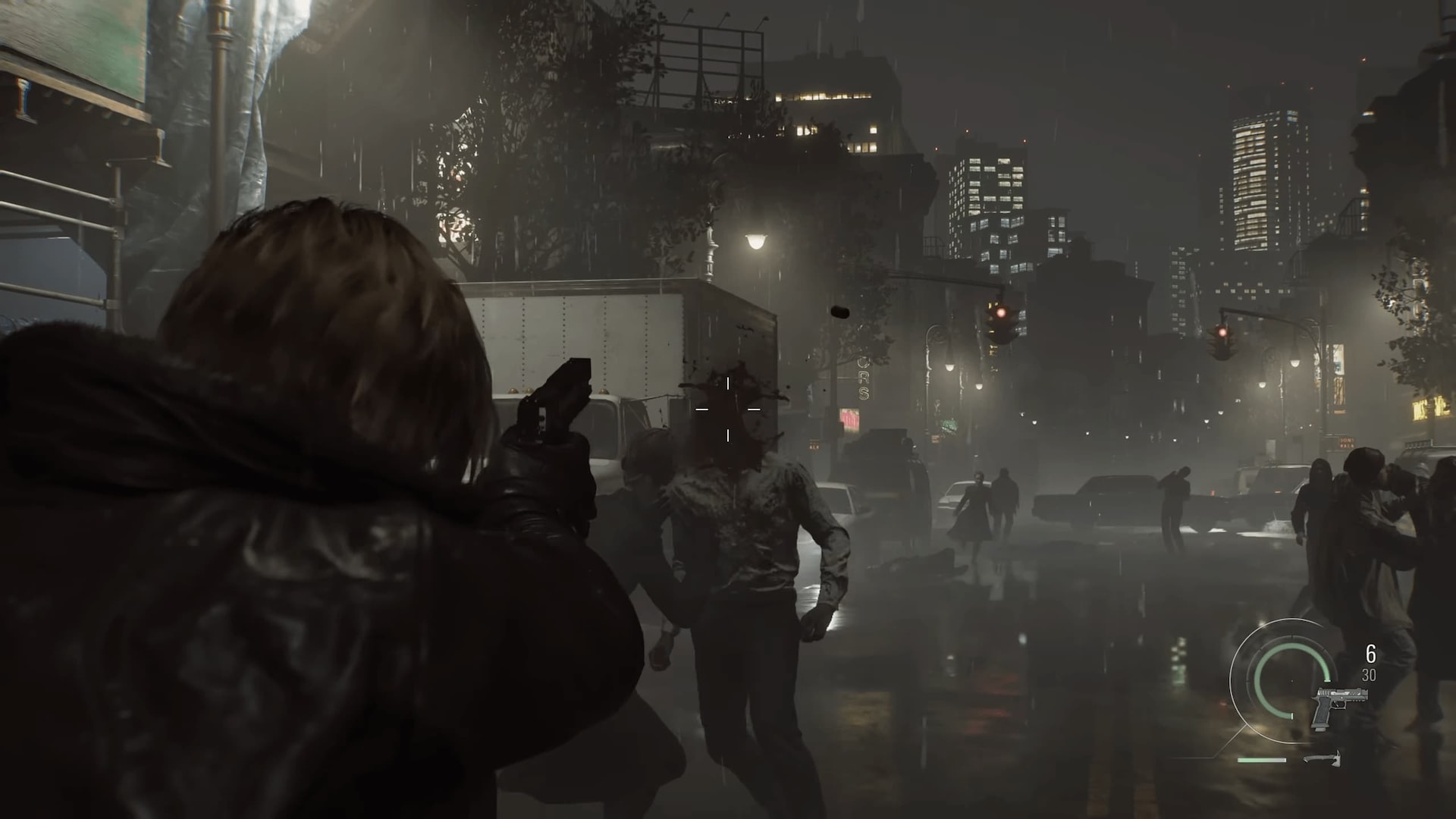
One example shown during early gameplay footage involves a maid zombie compulsively scrubbing a blood-smeared mirror with the glass embedded in her face. Another infected figure, once a professional singer, screams with such force that it throws off your aim for several seconds. These actions are not flavor. They affect the way you move, shoot, and survive.
Capcom is layering multiple AI systems to track not only spatial logic and enemy placement, but also memory and player behavior. You might think you are safe behind a closed door, only for an enemy to retrace a cleaning routine and end up right behind you.
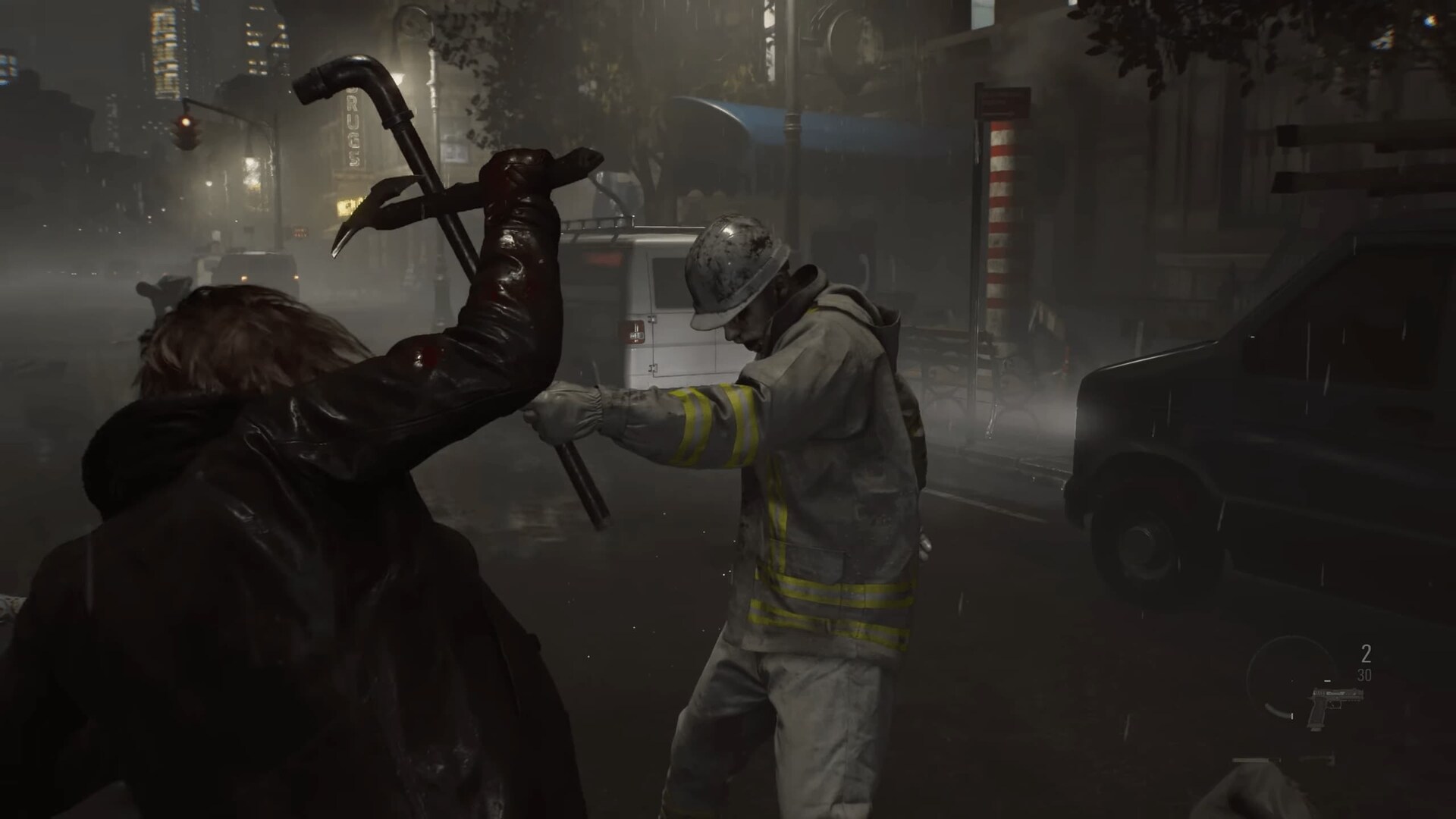
In one scene, a character drops a chainsaw after a critical hit. Instead of ending the threat, another infected stumbles in and picks up the weapon. You cannot count on patterns to stay stable.
Survival Is Now About Reading the Room
The new lead, Grace Ashcroft, is not a brawler. She does not have the tools to fight her way through situations unless she plans several steps ahead. Stealth used to mean memorizing routes. Now, it means reacting in real time to things that should not be happening.
Enemies no longer walk set patrols. Some move randomly, others circle back, and a few pause to engage with objects. That makes hiding far more difficult.
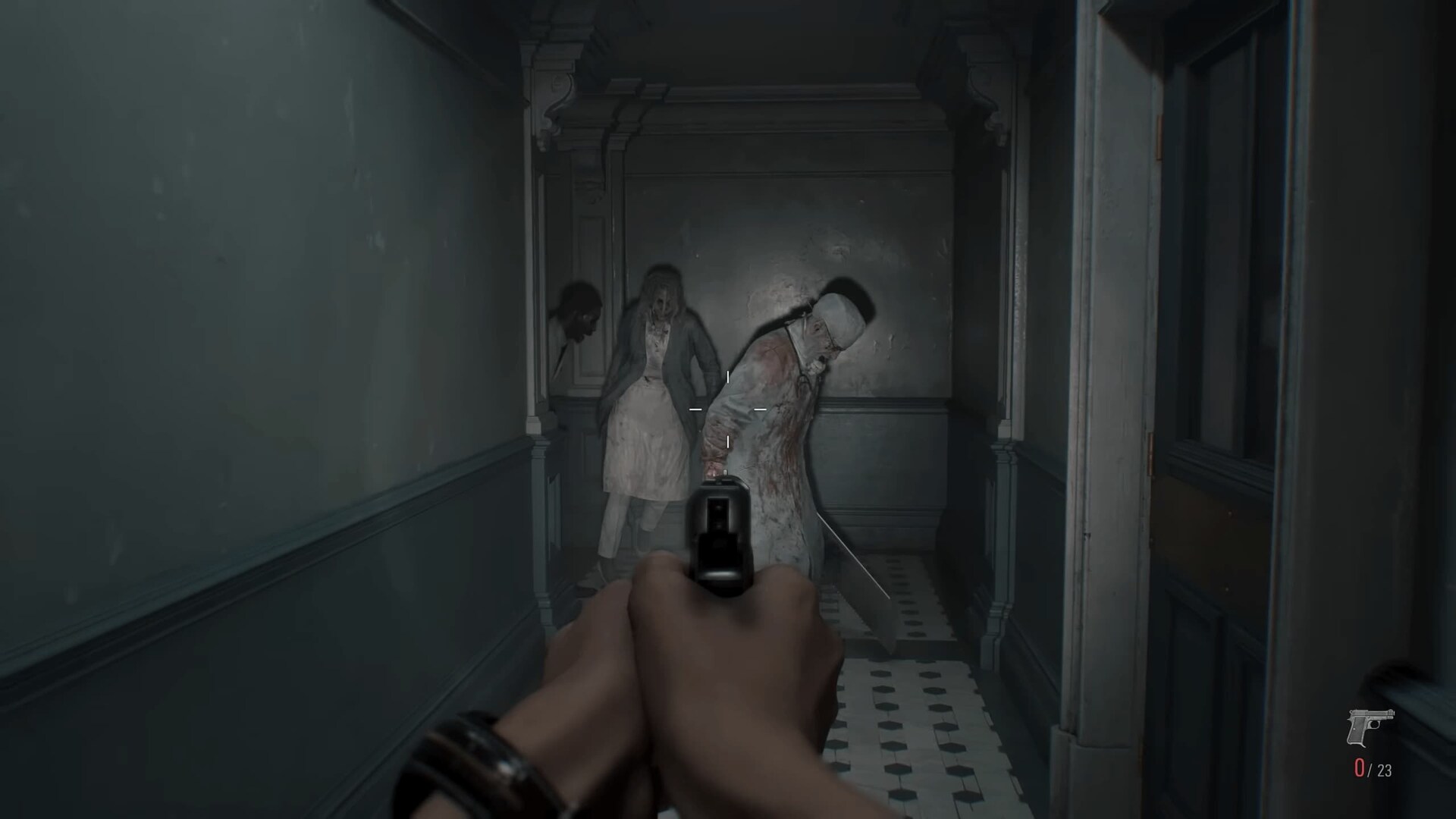
Ammo is scarce by design. Leon’s new limb-targeting mechanic becomes essential. Shooting out knees or disabling hands can delay a threat just long enough to reload or escape. But these delays do not always give you control. You are reacting, not dictating the pace.
The game’s sound design supports this tension. On PlayStation 5, Capcom is using twelve-channel spatial reverb. You can hear echoes behind drywall or footsteps in vents overhead. Sometimes you hear a faint humming or tapping and realize someone is repeating a task they used to perform.
A Technical Pivot That Reshapes the Franchise
Requiem uses the RE Engine, but not in the same way as the last few entries. Instead of returning to either the over-the-top pace of RE6 or the claustrophobic dread of RE7, this title sits somewhere in between. The tone is pressure-focused. The game does not rely on constant combat or silence. It forces you to make decisions under threat.
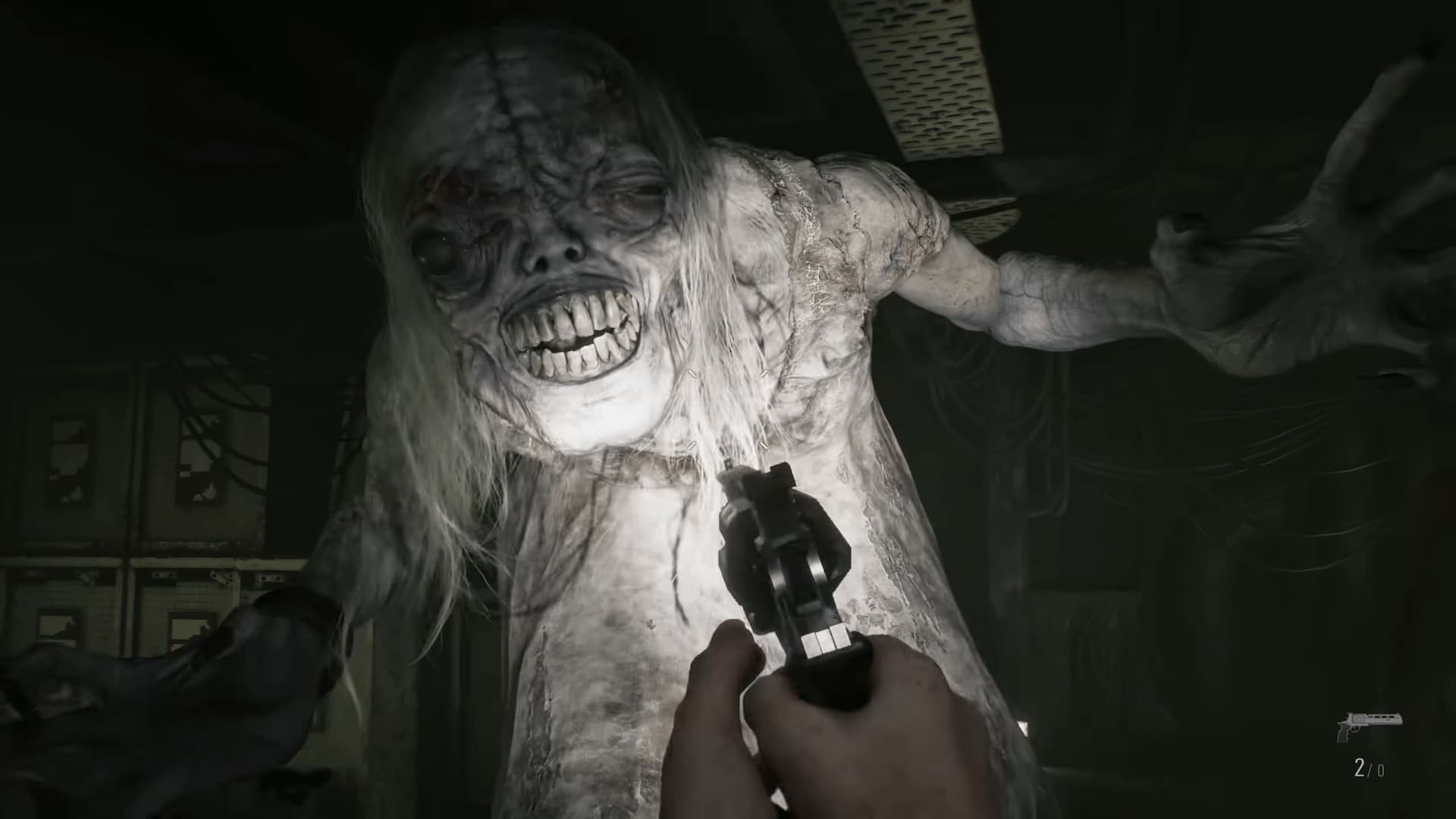
This shift pushes the series into more emergent horror. There is no script for what a zombie might do next. One could remember how to use a lightswitch. Another might return to a vending machine and block your escape without realizing it. The randomness feels grounded because it is not truly random.
Not Everyone Will Be Happy About It
Some players are already nervous. Smarter enemies mean fewer chances to exploit bad AI. That will frustrate people who rely on testing boundaries.
That said, the new “Standard (Classic)” difficulty offers a more tactical pace. Ink ribbons are back, which means save decisions carry weight. You plan, not just reload after a bad run.
Third-person mode gives a bit more awareness, and watching Grace panic during near-death moments adds tension of its own. Her animations reflect the stress. Her hands shake. She looks over her shoulder. That visual feedback creates pressure during close calls.
This Is Not Just a Harder Game
Requiem is not a harder Resident Evil, but it is a smarter one. Zombies that remember who they were force you to stop treating them like walking loot piñatas. Every encounter feels loaded with possibility, even if it is just a hallway with one infected holding a wrench.
You are not just managing resources. You are reading the room, adjusting your plans on the fly, and hoping the next thing through the door does not know how to open it. That is what makes this one special.