
I first ran into this game through a short TikTok clip that popped up while I was scrolling. It showed a blocky character mixing sketchy ingredients, lighting up a joint, then suddenly turning into an electric cyclops before blowing up.
It was so ridiculous that I stopped laughing long enough to wonder what game I was even looking at.
That was my introduction to Schedule 1, an indie game that seemingly came out of nowhere. Within days, this quirky drug-dealing simulator had rocketed to the top of Steam’s charts virtually overnight.
A viral indie sensation
Schedule 1 is far more than a one-off meme. Developed by a single Australian developer (Tyler, aka TVGS) and launched in Early Access in March 2025, it swiftly became a huge hit.
Within 48 hours of release, the game shot up to number 1 on Steam, peaking at over 116,000 players. Player reviews have been overwhelmingly positive, with approximately 98% of Steam ratings being positive, an astonishing score for a new release.
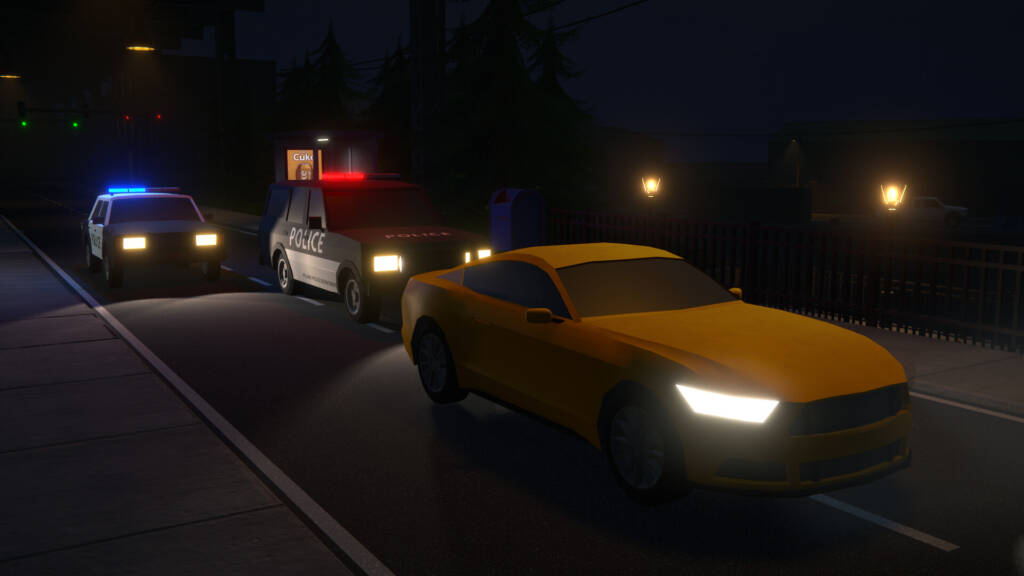
Despite its illicit theme, Schedule 1 deftly blends dark, drug-fueled humor with cozy management gameplay.
In other words, behind the wild subject matter lies a well-designed and strangely comforting sandbox.
The entire game was created by just one person (Tyler), and a budget-friendly price plus a free demo on Steam helped entice hordes of curious players early on.
TikTok: the new game changer
If solid gameplay provided the spark, TikTok and streamers provided the fuel.
Short clips packed with broken physics, absurd reactions, and moments spiraling out of control spread fast.
Exploding customers, failed drug lab experiments, and situations going completely off the rails made perfect scroll-stopping content.
A lot of players did not find Schedule 1 through trailers or store pages, they ran into it by accident while scrolling their feed and stopped to watch because it looked unhinged in the best way.
Streaming platforms picked it up from there. Twitch and YouTube creators started playing it live, leaning into the chaos and letting the game surprise them in real time. Those streams were clipped, trimmed, and pushed back onto TikTok, where they pulled in millions of views.
That loop kept feeding itself.
The developer did not need paid ads or sponsored posts. The game spread through clips, reactions, and people telling their friends to check it out. It shows how fast a small indie game can take off when the gameplay creates moments people actually want to share.
Why did Schedule 1 blow up?
Several factors combined to turn Schedule 1 into an overnight sensation:
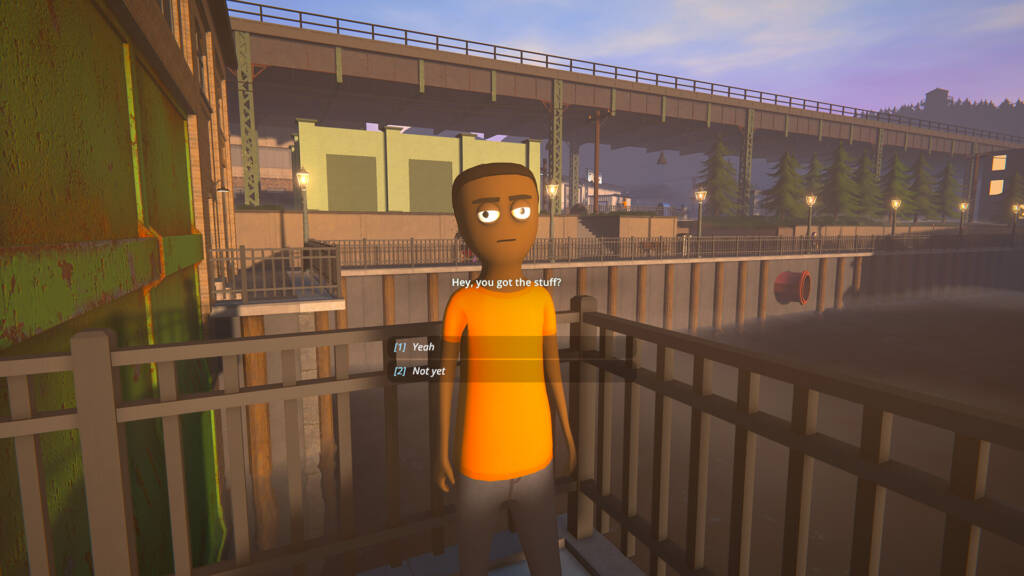
- Novel tone: imagine combining Breaking Bad and Stardew Valley. Schedule 1 is a darkly comic crime sim wrapped in a cartoony, South Park-style art direction, instantly distinctive.
- Engaging gameplay: even the grind is fun. Mundane jobs (watering plants, cooking meth) become simple mini games instead of tedious menus, so players stay hooked.
- Co-op Chaos: it is also a blast in 4-player co-op, prompting friends to rope each other in and play together (which only fueled its spread).
- Low entry barrier: Schedule 1 launched cheaply and even had a free demo, so trying it was a no-brainer for many. And as a one-man indie with zero microtransactions, it had an authentic charm that gamers appreciated.
Breaking Bad, sandbox-style
In Schedule 1, you build a drug operation from nothing. You start small, taking care of a few indoor cannabis plants, but that is only the beginning. The game uses a bright, cartoon look, so the whole crime theme feels silly and light instead of dark or heavy.
So what do you spend your time doing? You begin as a low-level dealer trying to make rent. At first, you grow weed in a messy apartment and sell it to people in the neighborhood. As you earn more money and control more areas, things scale up. You move on to cooking meth and cocaine, setting up new labs as your influence spreads across the city.
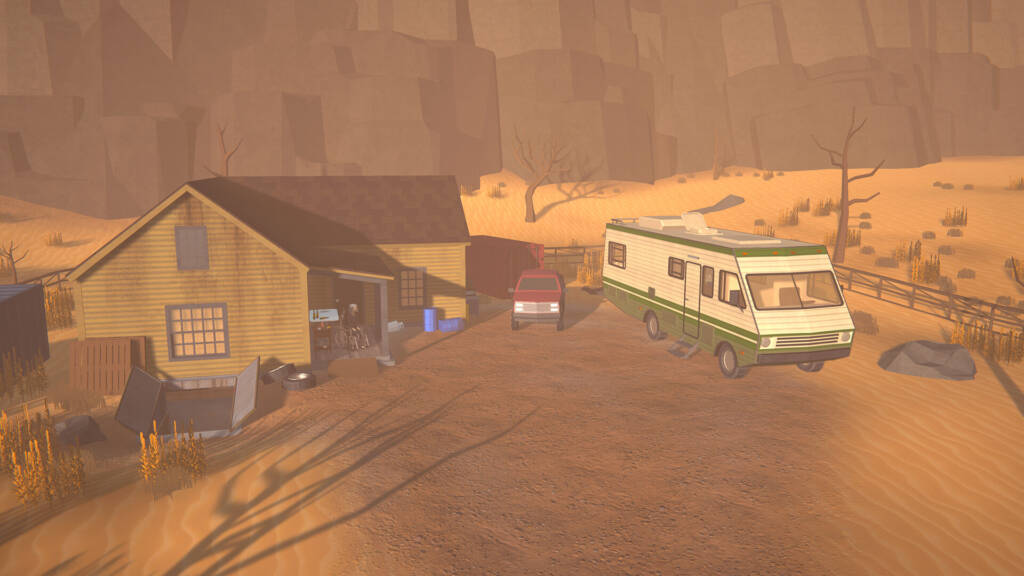
One of the reasons the game stands out is how weird it lets you get with your products. You can mix in strange ingredients just to see what happens. Add soda to a batch and customers might walk away with glowing hair. Other mixes can end much worse, sometimes with customers blowing up on the spot. One viral clip even showed a recipe involving horse semen, purely for shock value and laughs. The game clearly wants you to experiment and enjoy the chaos.
Outside of the drug labs, the city works like a small sandbox. It feels a bit like a mini version of Grand Theft Auto, but with a stranger sense of humor. You can skate through the streets to meet buyers, get into fights with rival dealers, and keep an eye out for cops who are always ready to ruin your plans.
The police system follows familiar rules. Cause too much trouble and the heat goes up. You either hide, slow things down for a while, or make a run for it until the attention fades. At the same time, the game is not always intense. A calm lo-fi hip-hop soundtrack plays in the background, and the soft visuals make the experience feel relaxed. Even when everything is going wrong, the game often feels more cozy than stressful.
Impressions from the fame: a sign of the times
The success of Schedule 1 shows how unpredictable the games industry can be right now. It was a small project that caught attention at the right time. In just a few months, the game reportedly made more than 60 million dollars. For a solo-developed indie game, that number is hard to believe.
A lot of players see Schedule 1 as a break from the usual big releases. Many AAA games follow safe formulas and try to appeal to everyone at once. This game does the opposite. It keeps things simple and silly.
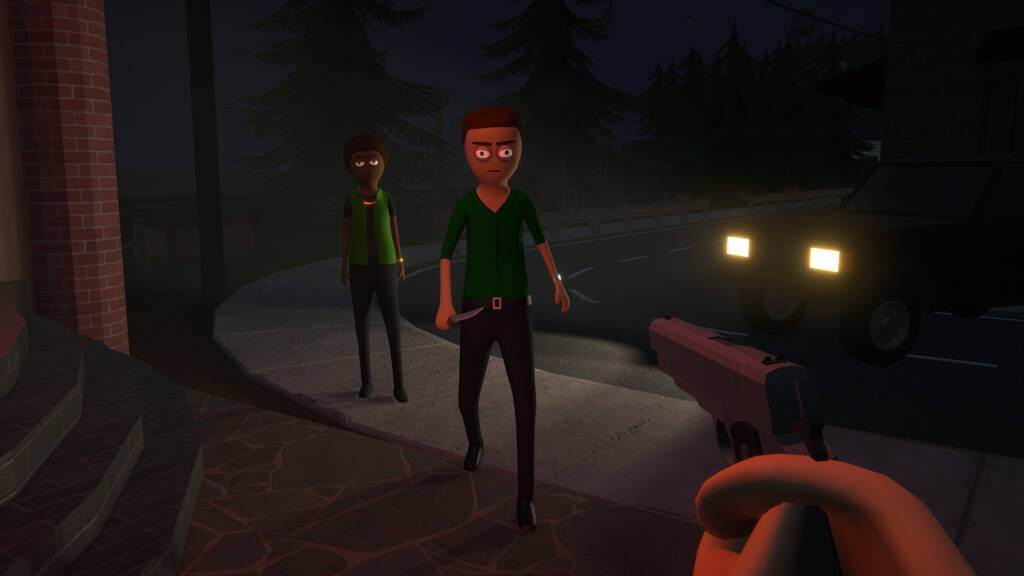
The game also brings back memories of older sandbox titles. It shares the same playful freedom found in games like Grand Theft Auto, but it adds a low-budget indie spin. Instead of realistic graphics and serious tone, it leans into jokes, chaos, and unexpected outcomes. That mix feels fresh to players who are tired of polished but predictable releases.
No one knows how long Schedule 1 will stay popular, but its impact is already clear. For Tyler, the solo developer behind it, the success has completely changed his life.
For other indie developers, it sends a clear message.
You do not need a massive team or a giant publisher to break through.
Sometimes all it takes is a strange idea, a fun game, and the right moment online.