
The Spire Awakens! (Again)
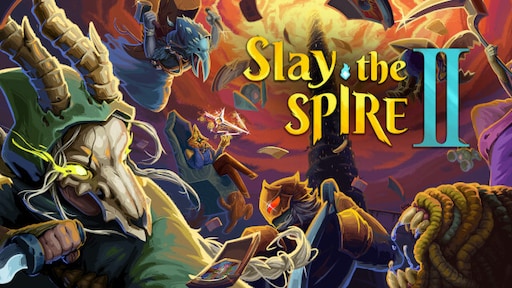
Slay the Spire 2
Release Date: March 05, 2026
Genres: Strategy, Indie, Card & Board Game
The community reception has been nothing short of phenomenal: the game launched to Overwhelmingly Positive reviews (97% positive from almost 4,000 reviews in the first day), which honestly tracks with my own experience. I lost hours to it immediately.
TL;DR — Slay the Spire 2 Early Access
- Release: March 5, 2026 (Steam Early Access)
- Reviews: 97% Overwhelmingly Positive (~4,000 reviews day one)
- Early Access length: estimated 1–2 years
- New features: Alternate Acts, Enchantments, Timeline progression
- Playable characters: 5 at launch including two new ones
- Major addition: 4-player online co-op
- Engine: Godot (with native Linux + Steam Deck support)
- Console versions: planned for 2027 after full release
Table of Contents
The Engine Underneath Everything
One of the most interesting things about STS2 that you might not notice immediately is what’s powering it. Mega Crit migrated entirely to the Godot engine after famously speaking out against Unity’s controversial 2023 runtime licensing changes.
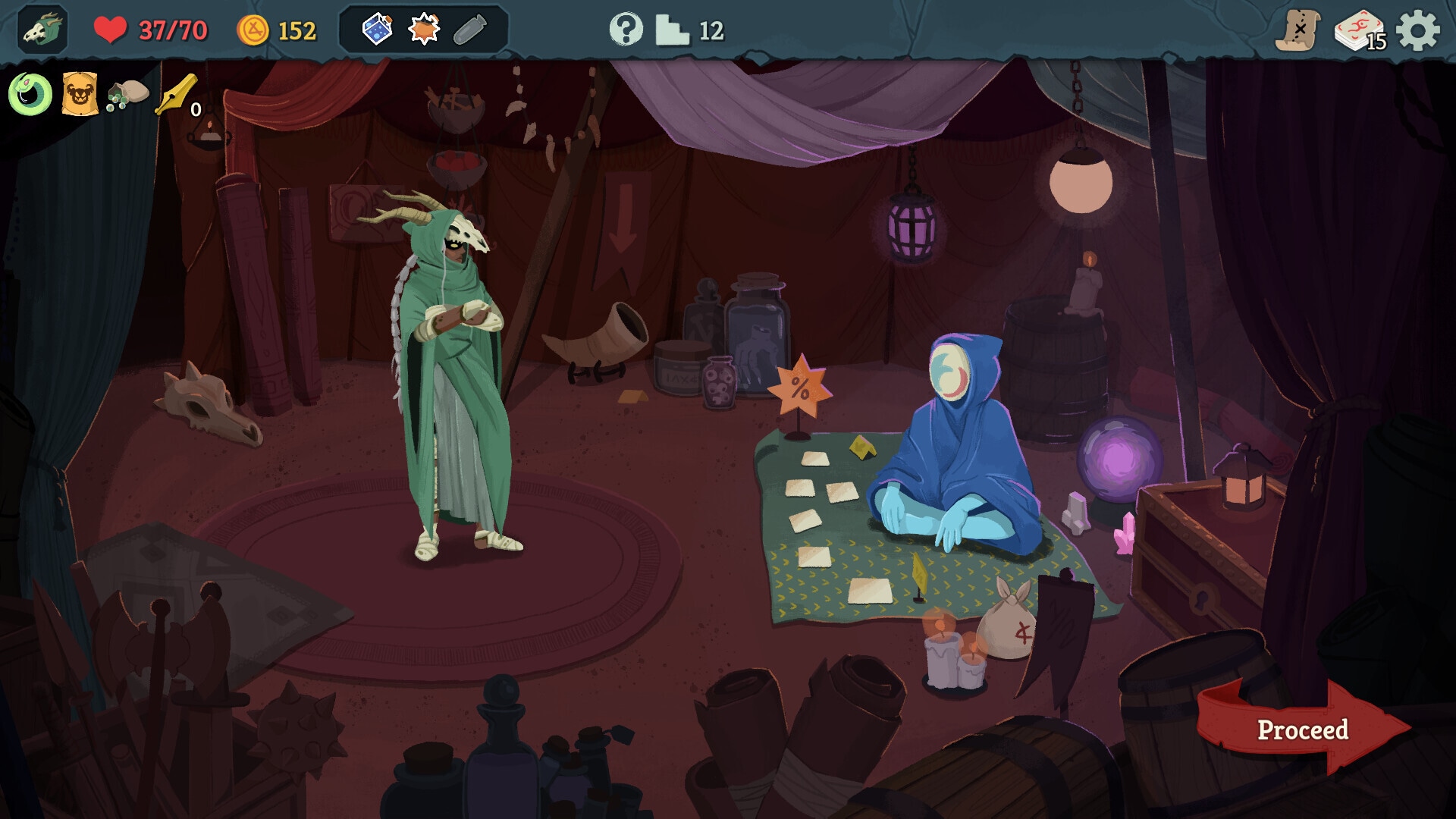
This wasn’t just a political statement – it’s had real gameplay-feel consequences. The game runs silky smooth, animations are fluid thanks to Spine2D integration, and it’s available natively on Linux with day-one Steam Deck support. Battery life on the Deck is noticeably better than comparable titles.
The art direction has also been completely overhauled with a new visual style featuring fluid animations powered by Spine2D, and the result is a game that feels genuinely premium compared to the original’s charming-but-rough aesthetic.
Familiar Foundations, Massively Expanded
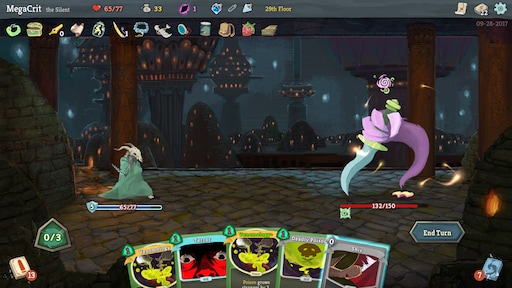
At its core, the loop is intact. You pick a character, build a deck through combat rewards, manage relics, potions, and gold, and push through three acts toward a final boss. Enemy intentions are telegraphed. Runs end in permadeath. Each attempt feels like a puzzle.
What’s different is everything around that core. Every system has been expanded, layered, and refined. One of the biggest structural additions is Alternate Acts – each act now has two completely different versions with distinct environments, enemies, events, and bosses. This alone dramatically increases replayability and keeps long-time veterans from running on autopilot.
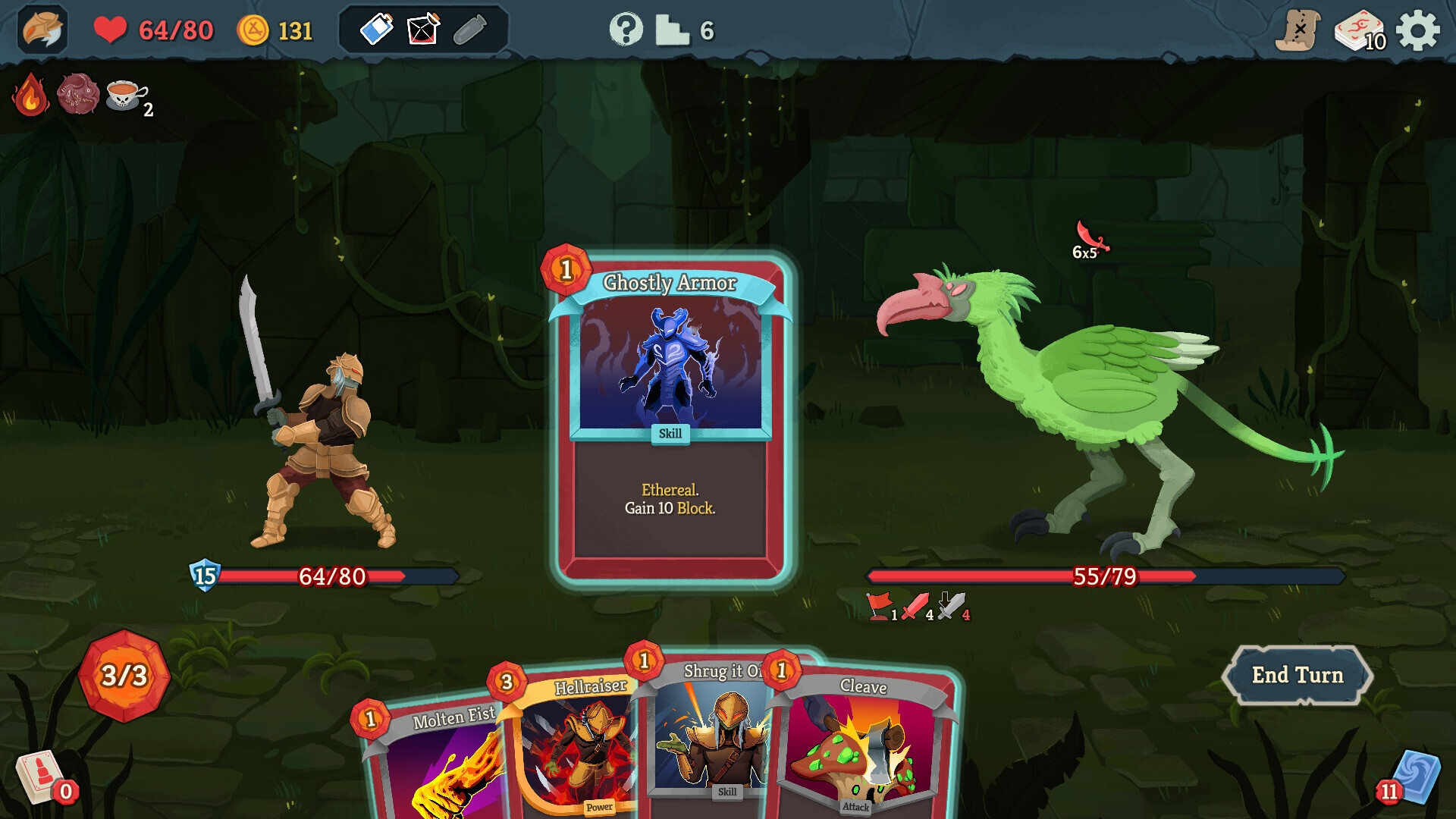
There’s also a new Enchantment system: cards can now receive persistent modifiers that last your entire run, shown in purple text. These range from small stat bumps to genuinely run-defining transformations. Finding an early Enchantment on a key card completely changes how you draft for the rest of the run. For example, the “Corrupted” enchantment makes an attack deal 50% more damage – but drains 3 HP every time you play it. That kind of risk/reward tension is very STS.
The Timeline is another new system, used to unlock lore fragments and progression content across runs. The Spire’s history can now be discovered in pieces, giving repeated attempts a sense of cumulative meaning beyond the metagame unlocks of the original.
The Roster: Old Friends and Wild Newcomers
There are five playable characters at Early Access launch. Three return from the original – Ironclad, Silent, and Defect – each rebuilt with updated card pools and reworked synergies. Notably, the Watcher (from the first game’s final update) is not in the current build but is expected to return later in Early Access.
The two genuinely new characters are where STS2 shows off its design ambition.
The Necrobinder
She is the standout addition to the roster. A “sassy lich” who was once part of the Spire’s forgotten history, the Necrobinder starts with significantly lower HP than any other character. Her saving grace is Osty, a reanimated giant skeletal hand that fights alongside her as an independent unit: Osty has its own HP bar, intercepts incoming attacks, and attacks enemies separately. Managing Osty’s health while keeping your own stable is its own mini-game within every combat.
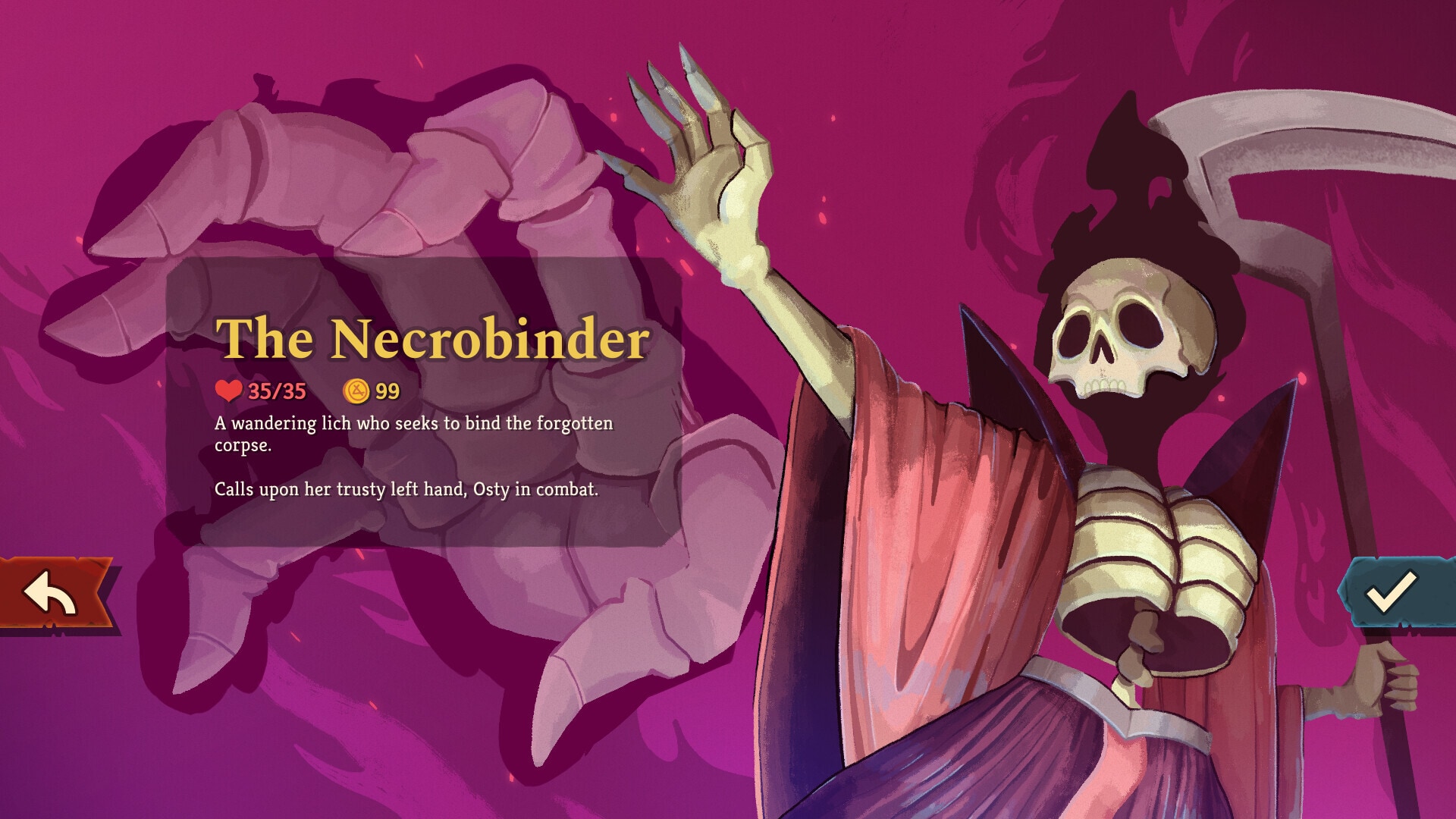
Her mechanics revolve around a Graveyard system – exhausted cards aren’t gone; they’re a resource. She can retrieve them, gain power from burning cards, and treat discards as fuel. She also introduces Doom, a death-mark mechanic that executes enemies once their HP drops to their accumulated Doom stack.
The high-risk, high-reward feel extends to her ability to spend her own HP to draw extra cards or trigger powerful effects – running at 10 HP to set up a kill turn is the intended play pattern, not a panic move. She’s the most skill-intensive character I’ve played in either game.
The Regent
The Regent is an arrogant, star-headed alien royal carried on a throne by tiny minions, and his mechanics are as strange and satisfying as his lore. He operates on a secondary resource called Stars (granted by his starting relic, the Crown of Stars) which persists between turns – unlike energy, which resets. This enables delayed burst turns and scaling plays that other characters simply can’t replicate.
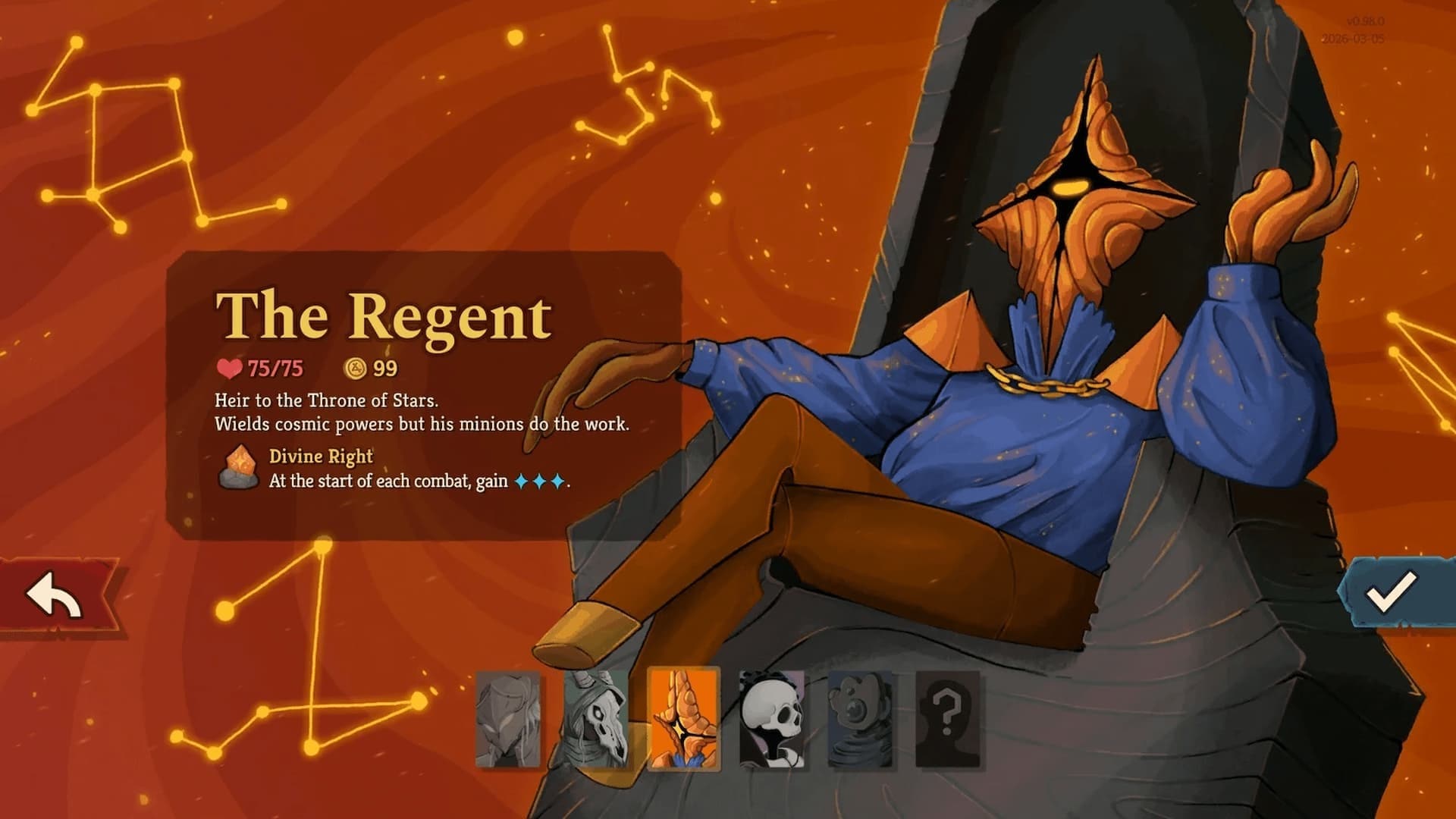
His signature mechanic is Forge: the first time you play a Forge card in combat, it creates the Sovereign Blade – a colorless card with Retain (it stays in hand between turns). Every subsequent Forge in that combat increases the Blade’s damage, building toward a massive single strike.
The Regent can also transform cards into loyal minions that attack and defend for him, and uniquely, he interacts with colorless cards in ways no other character can. He rewards players who want more control over deck direction rather than full randomness.
The Headline New Feature: 4-Player Co-op
This is the one that genuinely surprised me. Up to 4 players can now climb the Spire together online. Players coordinate routes on the shared map, can pass potions to each other, and watch teammates’ combats in real time.
The mode introduces multiplayer-specific cards and a Combo system where one player’s debuff can be exploited by a teammate’s specialized follow-up – creating cross-character synergies that solo play simply can’t offer.
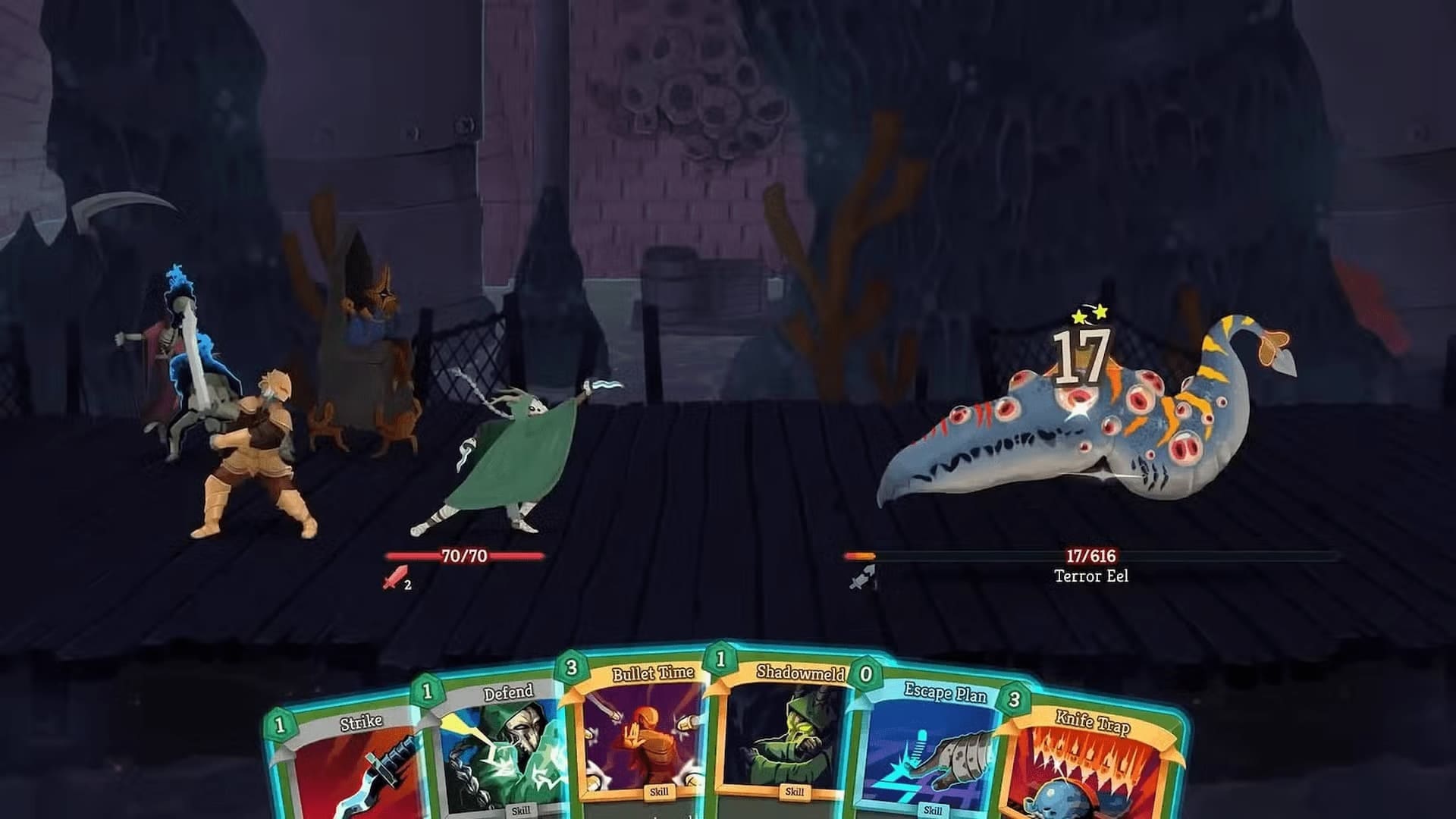
Playing with friends who know the game is an entirely different experience. Negotiating which path to take, who takes the Elite fight, who needs the campfire – suddenly all that individual decision-making becomes a group conversation.
There are team-specific cards that only unlock in co-op, and some builds genuinely shine in ways they never could solo. It’s not a tacked-on feature; it clearly received serious design attention.

Early Access Caveats (and Why They Don’t Matter Much Yet)
To be clear about what’s missing or incomplete right now:
- No true ending – the full narrative conclusion isn’t in yet
- Steam Achievements disabled – they’ll be added once the full content count is finalized
- No console version – PC (Windows/macOS/Linux) only during Early Access
- Balance is actively changing – expect nerfs, buffs, and reworked cards across updates
- Some bugs present – Mega Crit already shipped a day-1 hotfix addressing crashes and a bug displaying all in-game text as the letter “W” for unsupported languages
- No Watcher yet – she’s confirmed coming but isn’t in the current build
Mega Crit’s track record with STS1’s Early Access gives me real confidence here. They took STS1 from Early Access to 1.0 in about 1.5 years, and the community engagement was exceptional throughout. They’re collecting feedback in-game now (you can submit bug reports directly from within a run), which is a smart structural upgrade from relying only on Discord.
Just Slay the Spire
Slay the Spire 2 in Early Access already has more content than the original game did at full release. The new characters are mechanically fresh, co-op is genuinely fun and not just a marketing bullet point, the visual and engine overhaul makes a real difference, and the Alternate Acts system keeps runs feeling unpredictable. If you poured hundreds of hours into the first game, this will eat you alive in the best way.
It’s Early Access. Go in knowing that. But if you’re excited to be part of the Spire’s next evolution as it’s built – which honestly makes the whole thing more fun – there’s no reason to wait.
The Spire is open. The climb continues.