




Steam Deck 2 is now being linked to a potential 2028 release window, based on insider claims — not official confirmation, but a timeline that actually fits Valve’s slow and deliberate approach to hardware evolution.
Steam Deck 2 is now being tied to a 2028 release window, based on an insider post. This is not official information from Valve, and nothing has been confirmed on record.
TL;DR — Steam Deck 2
Table of Contents
The claim still gained traction, mostly because it lines up with how slowly Valve has approached hardware updates so far.
Steam Deck 2 Release Date
The original Steam Deck launched in early 2022 with a custom AMD APU built on Zen 2 CPU cores and RDNA 2 graphics.
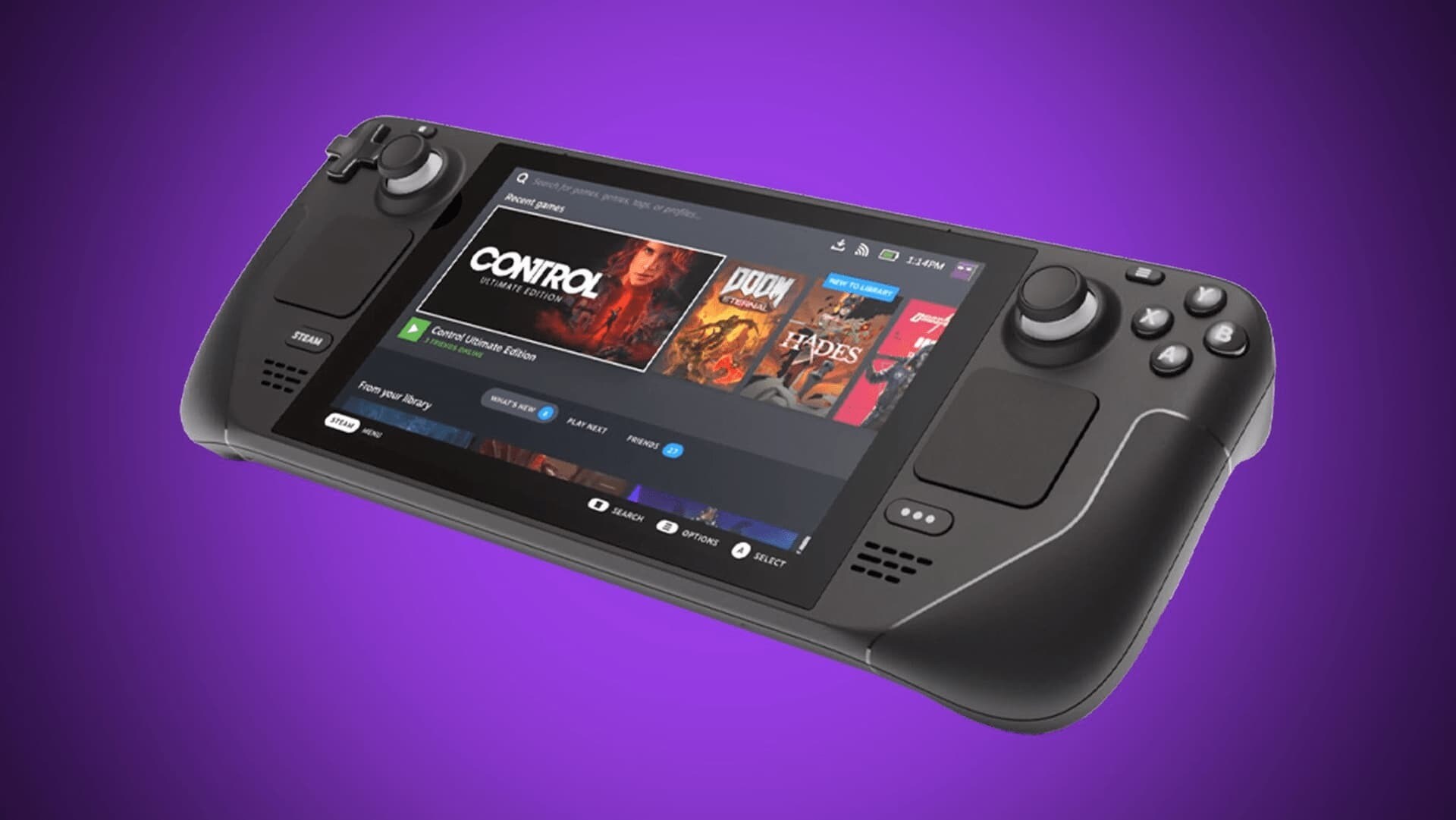
The OLED refresh in 2023 improved the display, battery efficiency, and thermals, but it kept the same performance profile. A full generational jump has not happened yet, which is why any mention of a new model draws attention.
Steam Deck Enters a Quiet Transition Phase
Valve has not announced a successor, but changes in availability suggest a transition period. The LCD model has been quietly phased out in selected regions, and stock shortages appeared across multiple stores.
This is not unusual for hardware nearing the end of its lifecycle. Production shifts often happen months or years before a replacement is ready. In this case, it points more to supply chain adjustments than to an upcoming launch.
For now, the OLED version is the main model on sale, and it uses the same Aerith APU with better power efficiency.
Memory Supply Problems Could Push It Back
The estimates for 2028 should be viewed with some caution. According to the same source, RAM and NAND availability could delay development and production.
This is not speculation pulled out of nowhere. Modern handheld PCs depend on LPDDR5 or newer memory standards, and high speed NAND storage for fast load times and system responsiveness. Both are shared across multiple industries, including smartphones, laptops, and AI hardware.
When supply tightens, manufacturers face two problems at once. Component costs go up, and production volumes go down. That directly affects launch timing and final pricing.
Valve has already acknowledged ongoing pricing pressure tied to memory costs. That pressure is expected to continue into 2026, which slows down decisions around new hardware.
Why Valve Has Room to Wait
One detail from the leak stands out: Valve is not locked into a fixed semi-custom chip design in the same way consoles are.
PlayStation and Xbox systems rely on long-term contracts around a specific APU configuration. Once that design is finalized, it rarely changes before launch. Valve works differently. The Steam Deck uses a custom AMD chip, but it is closer to a configurable PC platform than a fixed console pipeline.
This gives Valve room to wait. A later launch could mean access to newer Zen CPU cores, updated RDNA graphics, or even a shift toward newer architectures depending on AMD’s roadmap. Memory standards could move from LPDDR5 to LPDDR6 by that point, which would impact bandwidth and efficiency.
What the Next Steam Deck Needs to Fix
The real question is not just timing, but what changes would justify a new device.
Performance remains the main limitation today. Many newer games already push the current APU to its limits, especially at native resolution. A stronger GPU, better upscaling support, and improved CPU performance would extend the device’s lifespan.
Battery life is another pressure point. The OLED model improved efficiency, but heavy games still drain it quickly. Any next version needs gains in both power draw and thermal handling.
Display upgrades are mostly handled already with OLED, but higher refresh rates or variable refresh support would still matter. Storage speeds, memory bandwidth, and cooling design will also play a role in how the system handles newer titles.
Final thoughts
The rumored 2028 window may sound far away, but it fits Valve’s pattern of waiting for meaningful technological leaps rather than rushing incremental upgrades.
If supply chain issues and hardware improvements align, the next Steam Deck could be a much bigger jump than expected.
For now, though, it remains a waiting game — and one that depends as much on the market as it does on Valve itself.