


STEINS;GATE RE:BOOT is much more than the original visual novel with sharper artwork. It keeps the time-travel story, Phone Trigger system, branching endings, and core cast intact, but rebuilds the presentation, reworks the pacing, re-records every Japanese voice line, remakes the soundtrack, and adds an entirely new Gamma Worldline route.
Original: STEINS;GATE
New version: STEINS;GATE RE:BOOT
PC release: August 20, 2026 officially, with August 19 displayed on Steam in some regions
Biggest addition: Gamma Worldline with a new ending
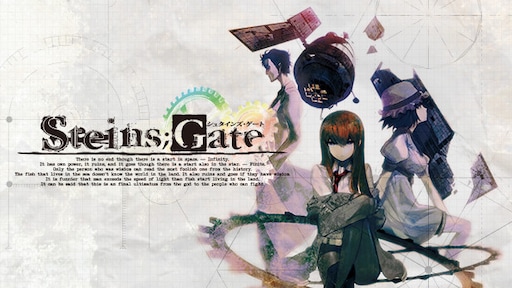
STEINS;GATE
Release Date: September 08, 2016
Genres: Adventure, Visual Novel
Calling STEINS;GATE RE:BOOT a remaster undersells what MAGES. has changed. Calling it a completely different game would be equally misleading.
The easiest way to think about it is this: RE:BOOT preserves the foundation of STEINS;GATE while rebuilding almost everything used to present that story to the player.
So what exactly changes, what stays the same, and is there enough new material to justify another trip through Akihabara?
STEINS;GATE vs STEINS;GATE RE:BOOT at a Glance
Does STEINS;GATE RE:BOOT Change the Original Story?
The core STEINS;GATE story remains intact. Rintaro Okabe and the Future Gadget Laboratory still stumble into a method of sending information into the past, D-Mails still alter worldlines, and the consequences still pull Okabe into the conflict surrounding SERN.
What changes is how that story is presented.
RE:BOOT uses a scenario based on STEINS;GATE ELITE and adjusts the pacing to create a smoother reading experience. MAGES. has also added new dialogue and narrative text throughout the game.
That means longtime players should recognize the major events, routes, and emotional turning points, but individual scenes may contain additional context or flow differently.
Gamma Worldline Is the Biggest Story Difference
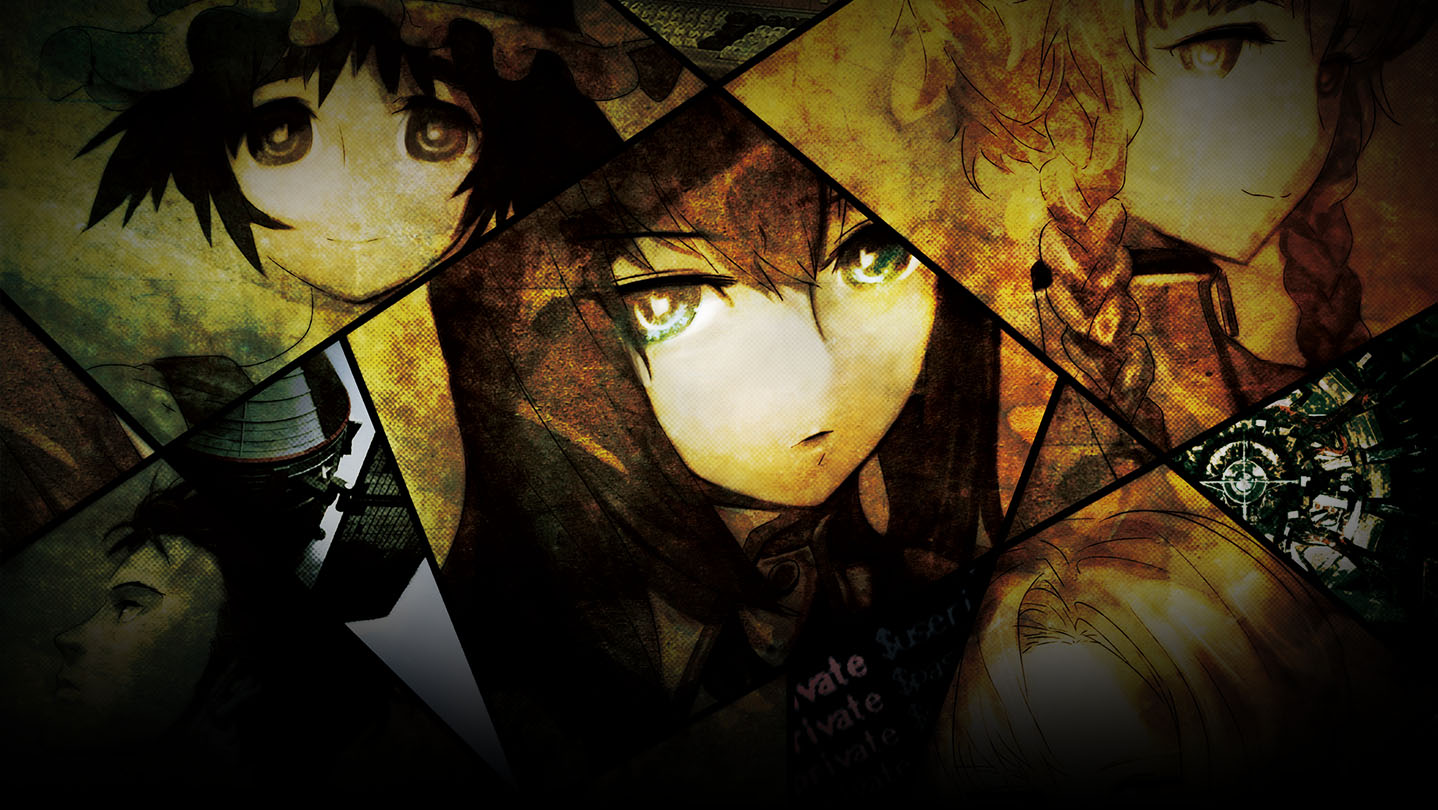
The strongest reason for a veteran to play RE:BOOT is the Gamma Worldline, a route that did not appear in the original 2009 release.
Gamma puts Okabe into a radically different version of his life.
In this worldline:
- The time machine was never completed.
- D-Mails do not exist.
- The Future Gadget Lab members react to Okabe with hostility.
- The Hououin Kyouma persona never existed.
- Okabe becomes closely connected to Moeka Kiryu.
Instead of simply repeating familiar events from another angle, Gamma changes the conditions that shaped Okabe himself. The result is a darker route built around isolation, desperation, and an Okabe who developed very differently from the protagonist players already know.
Gamma also leads to an additional ending, making RE:BOOT the first version of the main story to include this route as part of the game itself.
The Visuals Have Been Rebuilt From Scratch
This is where the difference between the two versions becomes immediately obvious.
All major visual components in RE:BOOT have been redrawn, including:
- Character artwork
- Backgrounds
- Event stills
- Outfits and accessories
- Akihabara environments
Character designer huke returned for the new designs, so RE:BOOT does not simply replace the original visual identity with an unrelated modern anime style.
Instead, familiar characters have been redrawn with more detail and slightly updated clothing while retaining the distinctive look associated with STEINS;GATE.
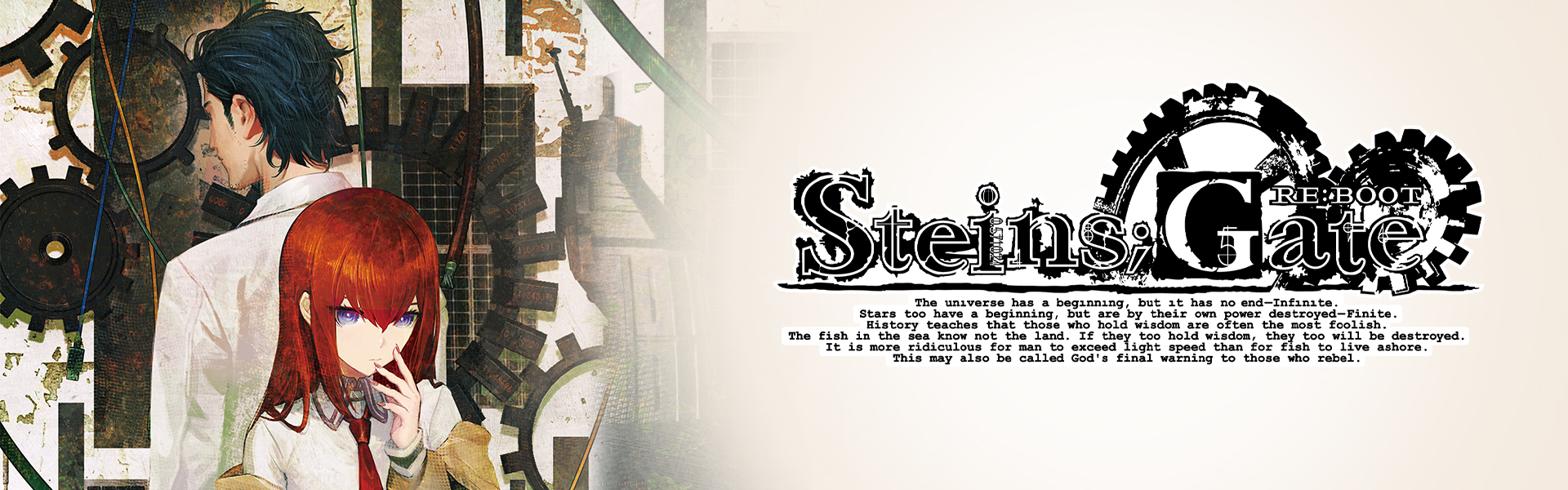
The amount of artwork has increased too. Spike Chunsoft says RE:BOOT contains approximately twice as many event stills as the original Xbox 360 version and roughly 20% more background graphics.
So even scenes you already know should have more visual variation than before.
E-mote Makes Characters Less Static
The original STEINS;GATE follows the traditional visual novel approach of character portraits changing expressions while remaining mostly static.
RE:BOOT uses the E-mote animation system, previously featured in Anonymous;Code.
Characters can now show subtle movement, breathing, and more fluid facial expressions during conversations. It does not transform STEINS;GATE into an animated adventure game, but it makes dialogue scenes feel more active without abandoning the visual novel format.
This is one of the areas where RE:BOOT differs significantly from both the original game and the anime-heavy presentation of STEINS;GATE ELITE.
The Cast Re-recorded Every Voice Line
RE:BOOT does not reuse the Japanese audio from the original.
The returning voice cast recorded all in-game dialogue again.
That gives returning players a rare opportunity to hear the same characters and scenes performed again many years later, alongside the newly written dialogue and Gamma material.
The music received the same treatment. Series composer Takeshi Abo returned to remake the soundtrack rather than simply recycling the existing audio files.
For a story that relies heavily on atmosphere and long dialogue sequences, these are meaningful changes even when the underlying scene remains familiar.
What Does Not Change: Phone Trigger and Branching Routes
RE:BOOT remains a visual novel. Players expecting a completely redesigned gameplay system should temper those expectations.
The defining Phone Trigger mechanic returns.
Controlling Okabe’s phone can influence the story, and decisions surrounding communications help determine which routes and endings you reach.
The original Steam version already offered:
- Phone-based choices
- Multiple endings
- A nonlinear narrative structure
- Approximately 30-50 hours of reading
RE:BOOT retains those fundamentals and lists a similar approximate playtime, although the addition of Gamma and new narrative material gives returning players more content to uncover.
Akihabara Is More Detailed in RE:BOOT
Akihabara is practically another character in STEINS;GATE, and the reboot pays particular attention to rebuilding it.
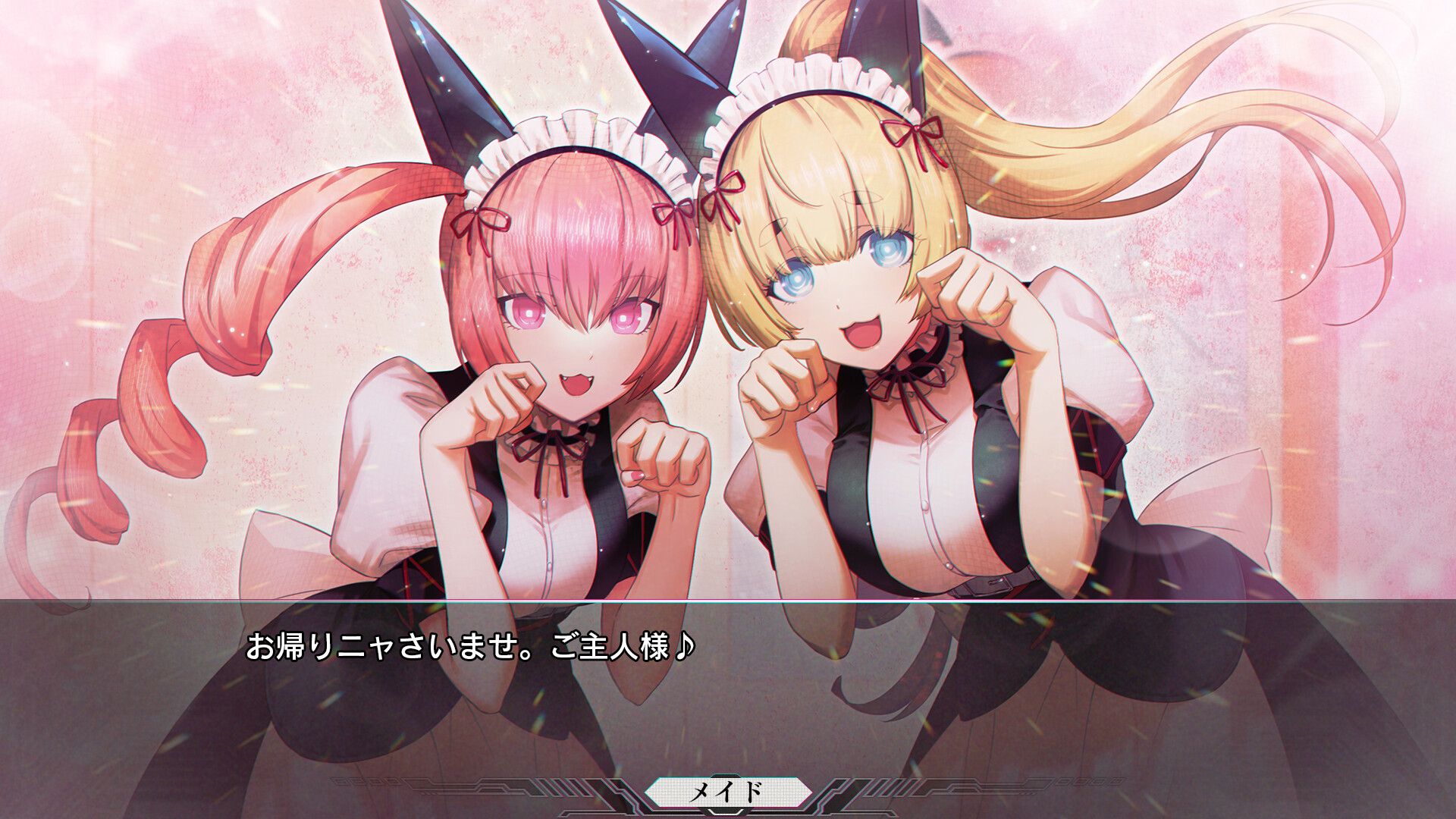
MAGES. used references from the period to recreate the cityscape with more detail while adding new scenes and backgrounds. This matters because STEINS;GATE takes place in a very specific version of Akihabara, not simply a generic modern interpretation of Tokyo.
The goal is therefore not to move the story into 2026. RE:BOOT modernizes the presentation while preserving the period and atmosphere in which the original events take place.
Should You Play the Original STEINS;GATE or RE:BOOT?
If You Have Never Played STEINS;GATE
RE:BOOT is likely the easiest entry point.
You still get the central story and Phone Trigger structure, but with a more modern interface, refreshed pacing, new artwork, expanded scenes, re-recorded performances, and Gamma already included.
The original remains valuable if you specifically want to experience the artwork, audio, and presentation that defined STEINS;GATE when it first became a visual novel classic.
If You Already Finished the Original
This is where the decision becomes more interesting.
If RE:BOOT only offered redrawn sprites, buying it again would be harder to justify. Gamma changes that equation. New narrative text, a completely new worldline, an additional ending, fresh performances, and rebuilt visuals mean this is not simply another HD port.
At the same time, the original is not made obsolete. Its artwork and presentation remain distinct, and players who prefer the older huke illustrations may still want to keep that version around.
What About STEINS;GATE ELITE?
RE:BOOT should not be confused with another edition of ELITE.
Its scenario is based on the ELITE version and has been refined for pacing, but RE:BOOT uses newly redrawn artwork and E-mote animation rather than building its identity around footage from the anime adaptation.
That makes RE:BOOT a separate interpretation of the original visual novel rather than a simple replacement for ELITE.
STEINS;GATE Offers on G2A.COM
If you want to experience the classic before comparing it with RE:BOOT, the original STEINS;GATE and its follow-up are currently available through G2A Marketplace.
Planning a STEINS;GATE marathon?
G2A Plus can provide member prices, Plus Points for future orders, and additional marketplace benefits.
More About STEINS;GATE RE:BOOT
- STEINS;GATE RE:BOOT Release Date, Editions & Gameplay Details
- Biggest Remakes and Remasters Coming in 2026
STEINS;GATE vs RE:BOOT FAQ
Is STEINS;GATE RE:BOOT the same story as the original?
The main STEINS;GATE story remains the foundation, but RE:BOOT refines the pacing, adds new dialogue and narrative text, and introduces the completely new Gamma Worldline route with an additional ending.
Does STEINS;GATE RE:BOOT replace the original?
No. RE:BOOT offers more content and a modernized presentation, but the original remains a distinct version with its own artwork, recordings, soundtrack, and pacing.
Does RE:BOOT keep the Phone Trigger system?
Yes. Okabe’s phone remains an important gameplay mechanic, and player choices continue to influence the routes and endings.
Are the graphics only upscaled?
No. Character art, backgrounds, and event stills have been redrawn from scratch. RE:BOOT also has approximately twice as many still images and around 20% more background graphics than the original Xbox 360 release.
Are the original voice recordings reused?
No. The Japanese cast returned to re-record all in-game voice lines for RE:BOOT.
Is the Gamma Worldline in the original STEINS;GATE?
No. Gamma is an additional route created for RE:BOOT and was not depicted in the original 2009 game.
Same Worldline, Very Different Experiment
STEINS;GATE RE:BOOT works because it does not treat the original as something that needs to be discarded.
The Phone Trigger, branching structure, central mystery, and characters remain recognizable. What changes is the amount of material surrounding them. More artwork, animated expressions, new performances, a rebuilt soundtrack, revised pacing, and Gamma all give familiar scenes a different texture.
For newcomers, RE:BOOT looks like the most complete modern entry point. For veterans, the new route means there is finally something more compelling than cleaner artwork waiting at the end of another journey through the worldlines.
The experiment is familiar. The result is not.