




Pragmata is not a typical third-person shooter.
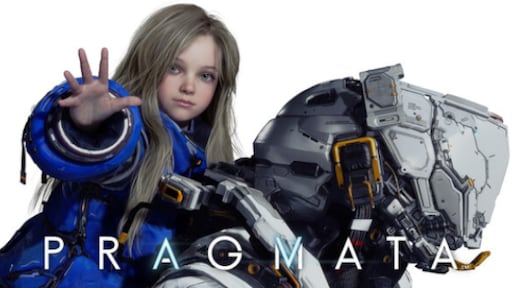
PRAGMATA
Release Date: April 17, 2026
Genres: Shooter, Adventure
Capcom’s sci-fi action game is built around Hugh’s gunplay and Diana’s hacking working together at the same time, which is why even basic fights can feel overwhelming early on.
TL;DR – Best Beginner Tips
Table of Contents
- Success comes from using Hugh and Diana together, not separately
- Healing items are limited, so use the Shelter constantly
- Hacking does not fail unless Hugh takes damage
- Switching weapons is better than waiting for your main gun
- Heat is one of the most important combat mechanics
- The Decoy Generator is absurdly useful
- Simulation missions are not filler
- Final thoughts
Success comes from using Hugh and Diana together, not separately
The most important thing to understand before Pragmata really clicks is that the combat systems are meant to be layered together.
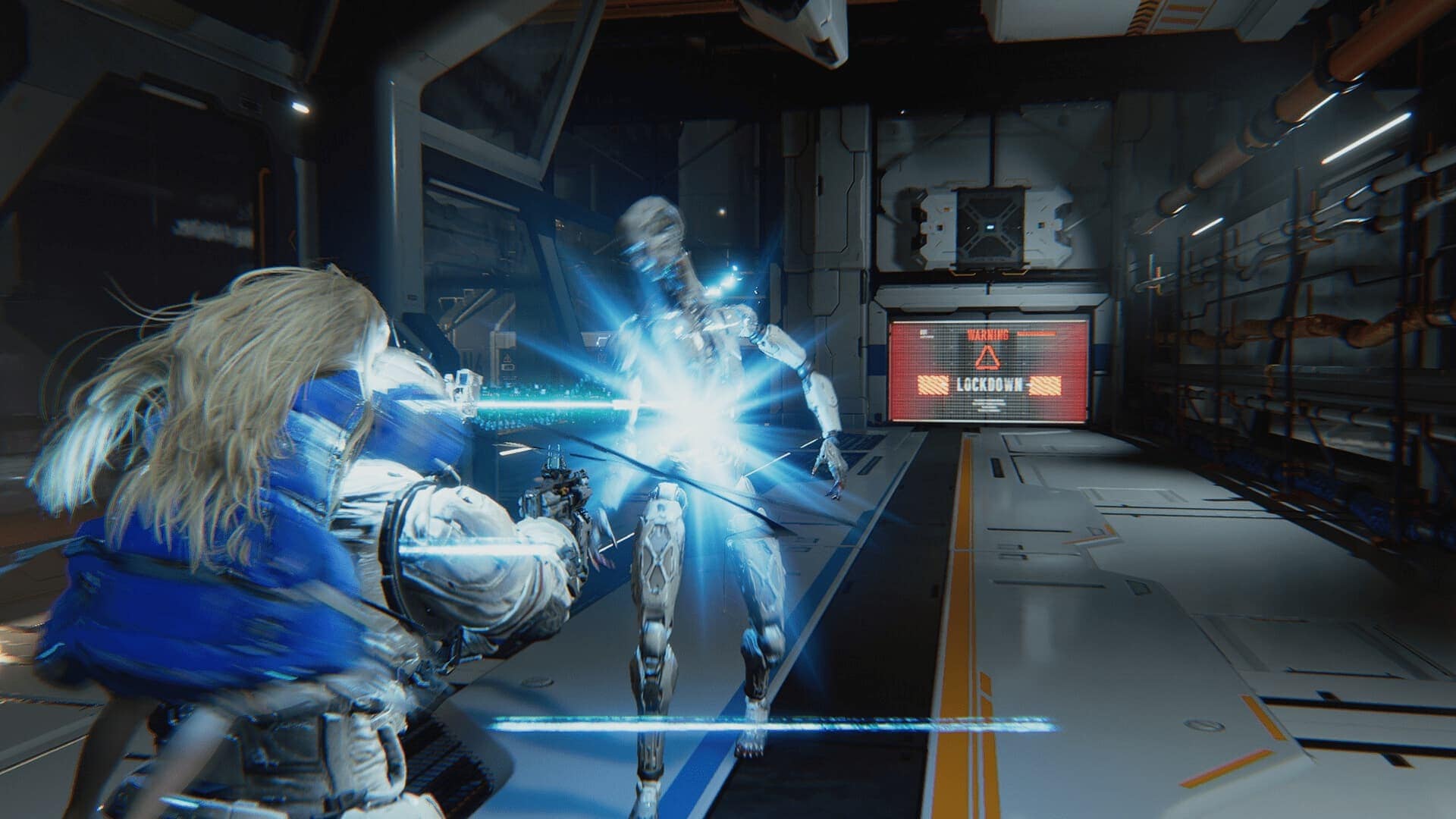
Capcom’s official site describes the game as built around Hugh and Diana working as a pair, while early hands-on coverage repeatedly highlights that the real challenge comes from juggling movement, shooting, and hacking at once.
That means:
- charging Hugh’s attacks while Diana hacks,
- breaking defenses while lining up the next shot,
- using movement, hacking, and weapon timing as one rhythm.
Once that loop clicks, the whole game feels far more natural. Thinking of Hugh and Diana as one combat system split across two characters is the best way to approach it. That final takeaway is an inference based on Capcom’s description and early guide coverage.
Healing items are limited, so use the Shelter constantly
One of the easiest early mistakes is treating healing like it works in a standard action game. It does not.
The Shelter is the game’s safe hub, and Capcom explicitly says it is where you return after using Escape Hatches or falling in combat, then regroup and upgrade before heading back out.
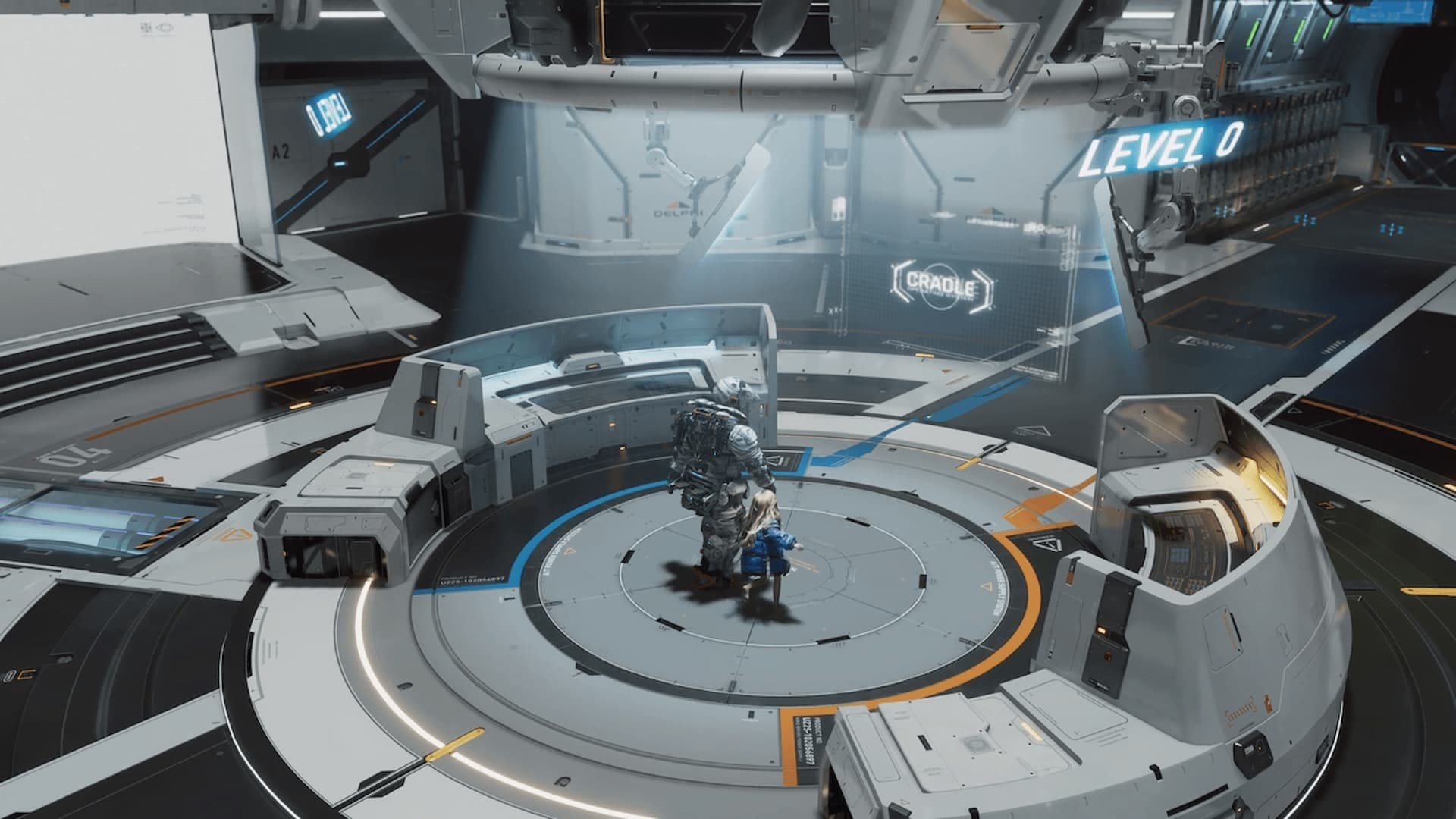
That makes the Shelter more than a simple menu space – it is a strategic reset point. If you are low on health or resources, returning is often smarter than trying to brute-force your way through the next encounter.
That specific recommendation is an inference based on how the Shelter and checkpoint loop works.
Pro Tip: If you are even slightly running low, going back to the Shelter is usually worth it.
Hacking does not fail unless Hugh takes damage
At first, Diana’s hacking can feel more stressful than it actually is.
Early beginner guides note that the key pressure point is not losing aim for a second – it is keeping Hugh safe while the hack is in progress. That is why repositioning and dodging matter so much during fights.
In practical terms, this means you should not panic every time you need to stop aiming for a second. Reposition, avoid damage, then resume.
The exact “progress only resets when Hugh is hit” wording is best treated as a player-facing interpretation of how the system feels in current guides, not a quoted official mechanic breakdown.
Switching weapons is better than waiting for your main gun
PRAGMATA’s weapon setup is not built around one endlessly reliable gun.
Hugh’s Primary weapon is rechargeable, while other weapon categories are limited-use and rely on pickups or resource management. That structure naturally rewards quick swapping instead of standing around exposed.
If your main gun is cooling down and enemies are closing in, swapping immediately is usually the safer play. Pragmata rewards momentum, and waiting passively is often the mistake. That is an inference based on the game’s weapon categories and combat flow.
Heat is one of the most important combat mechanics
As the game opens up, Heat becomes one of the most useful combat systems to understand.
Boss guides and walkthrough coverage repeatedly mention Heat-related options, hacking nodes, and weapons like Homing Missile as strong tools for controlling tougher encounters.
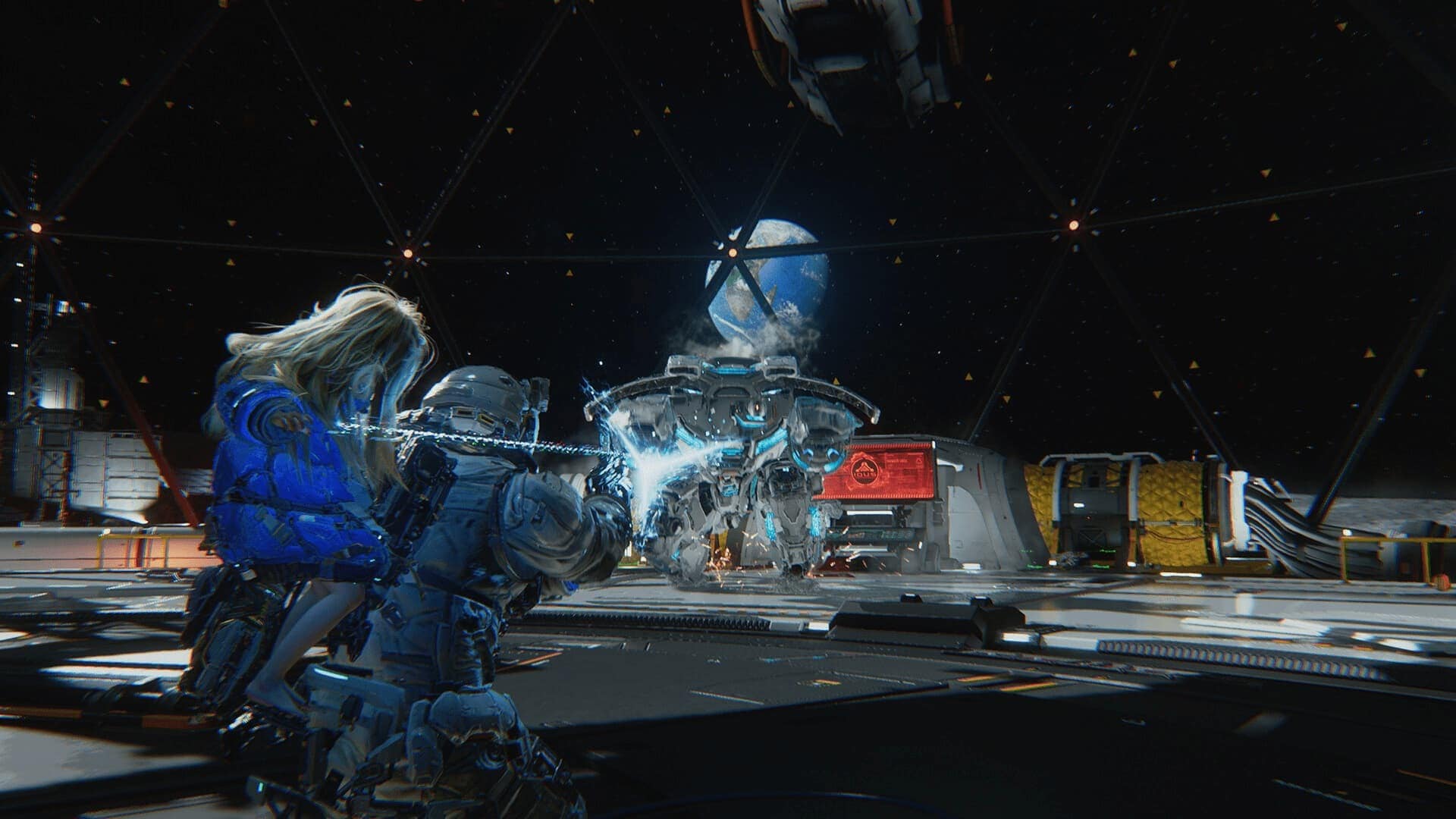
If you are struggling in fights, this is one of the first systems worth leaning into. Builds that generate Heat faster seem to help enemies break down more efficiently, especially in harder encounters. That is an inference based on current guide recommendations rather than a formal official ranking from Capcom.
Worth knowing: If an upgrade helps you build Heat faster, it is usually worth serious consideration.
The Decoy Generator is absurdly useful
Not every great tool in PRAGMATA is about raw damage.
Community and guide coverage has already singled out utility-heavy equipment like the Decoy Generator as especially strong because it creates space, interrupts enemy pressure, and gives you room to finish hacks or reset a fight.
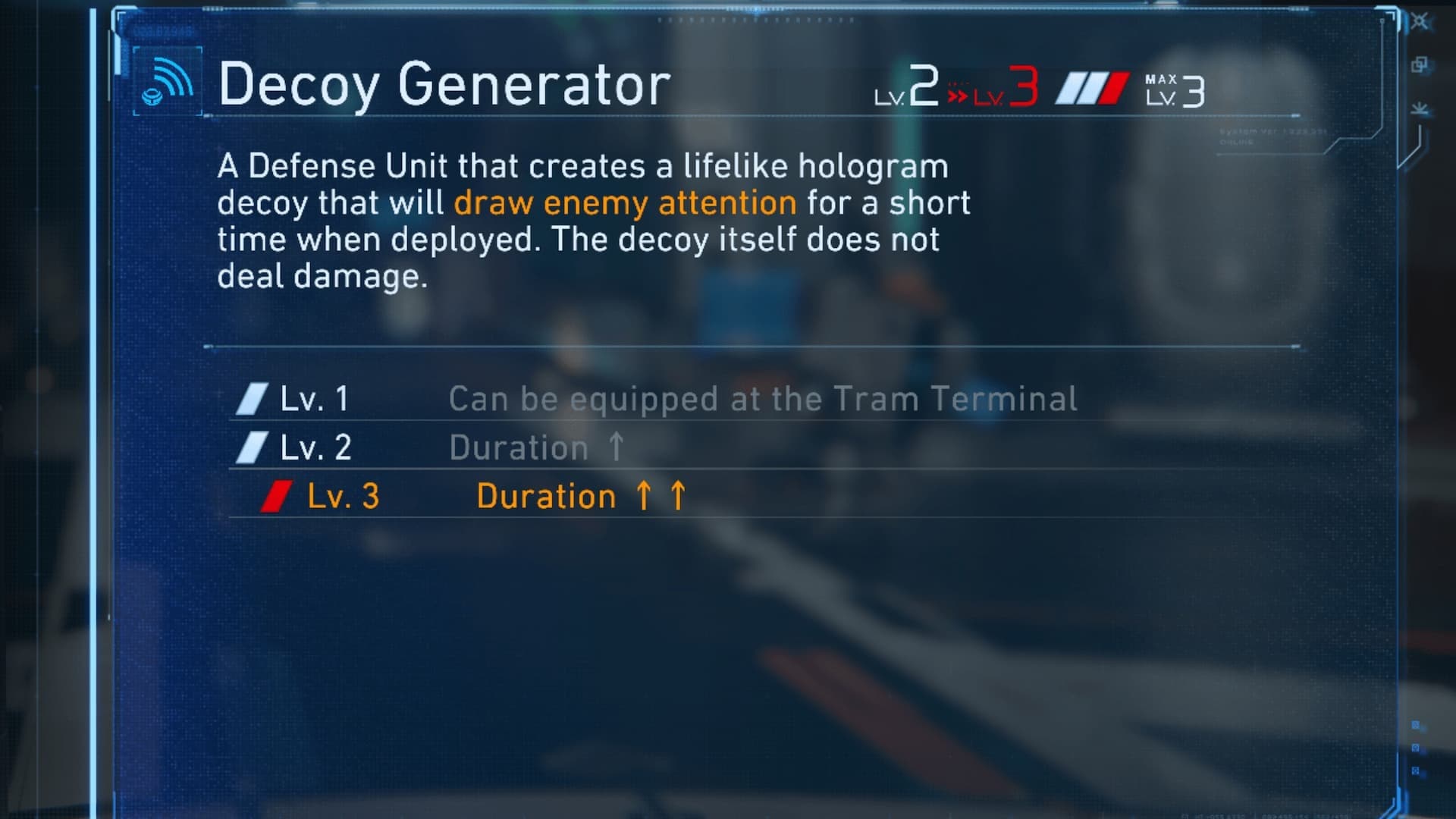
If you get cornered or need breathing room, this kind of utility option can be more valuable than pure offense. The exact “best tool in the game” phrasing is a gameplay judgment rather than an official statement, but the underlying usefulness is strongly reflected in current guide material.
Simulation missions are not filler
It is easy to treat simulation missions like optional side content, but current guide hubs and walkthrough coverage point to them as a meaningful part of progression.
Sim Pod missions are part of the game’s broader upgrade and post-game structure, and other guide hubs treat training simulations and upgrade content as worth doing rather than ignoring.
Because Pragmata’s progression appears to be built around many smaller upgrades rather than one giant game-breaking unlock, those rewards add up fast. That is an inference based on the way multiple guides describe the upgrade loop.
Final thoughts
Pragmata can feel awkward at first because it asks you to do more at once than most action games.
But that complexity is also what makes it stand out. Once you start using the Shelter efficiently, stop panicking during hacks, lean into Heat, and coordinate Hugh and Diana properly, the game becomes much more intuitive – and much more satisfying. That overall conclusion is an inference based on Capcom’s official gameplay framing and early critical guidance.
If you go in expecting a straightforward shooter, it may throw you off. If you go in ready to multitask, experiment, and think a little smarter, PRAGMATA starts to show why so many early players are clicking with its systems.
PRAGMATA
Release Date: April 17, 2026
Genres: Shooter, Adventure