

Warner Bros. Discovery executives have confirmed that the company’s biggest gaming franchises will return between 2027 and 2028 following a strategic reset planned for 2025.
TL;DR — Warner Bros. Gaming Reset Explained
- Major franchises return between 2027–2028.
- 2025 is officially labeled a “rebuilding year.”
- Focus narrowed to four brands: Hogwarts Legacy, Mortal Kombat, Game of Thrones, DC (Batman).
- Wonder Woman canceled, Monolith dissolved.
- 48% revenue drop after Suicide Squad underperformed.
Table of Contents
Financial Pressure and Structural Consequences
Leadership is concentrating future output around four core brands, Hogwarts Legacy, Mortal Kombat, Game of Thrones, and DC with a strong focus on Batman, after a stretch of financial setbacks, cancelled projects, and studio shutdowns that forced a reassessment of how large-scale development is handled.
Instead of spreading their talent across dozens of different projects, the gaming division is narrowing its vision. In a candid interview with Variety, the leadership team described 2025 as a “rebuilding year” rather than a time for major launches.
They admitted that the company previously tried to work on too many ideas at once across too many internal teams, which led to inconsistent quality and a lack of focus. This new reset is designed to steady the ship before the next wave of blockbusters arrives.
The shift was not subtle. Suicide Squad: Kill the Justice League failed to meet commercial expectations and played a significant role in a reported 48% revenue decline during a recent quarter. A contraction of that magnitude pointed to systemic weaknesses within the division rather than a one off release that simply missed projections.
The reaction from the top was swift and decisive. Development on the Wonder Woman game was brought to a halt, and Monolith Productions was dissolved shortly after. Other studios, including WB San Diego and Player First Games, were shuttered as part of a wide-reaching restructuring effort.
Even the plans to expand the massive success of Hogwarts Legacy with new content or a revised edition were set aside. The internal culture has clearly moved toward strict cost management and a refusal to gamble on expensive projects without a guaranteed return.
The New Focus: Four Brands, Nothing More
Hogwarts Legacy proved that a large single-player RPG tied to a globally recognized universe can sell for months without aggressive monetization.
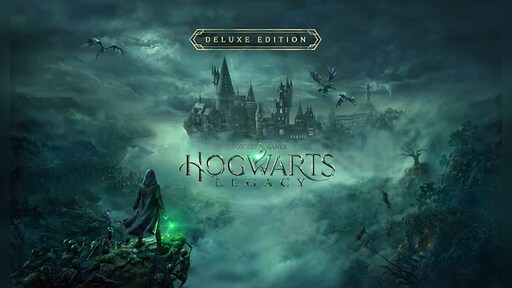
Hogwarts Legacy
Release Date: February 07, 2023
Genres: Role-playing (RPG), Adventure
A sequel timed alongside HBO’s upcoming Harry Potter series would concentrate attention and marketing spend into one moment instead of splitting it across platforms and media cycles.
| Franchise | Strategic Role |
|---|---|
| Hogwarts Legacy | Large single-player RPG aligned with HBO series |
| Mortal Kombat | Predictable evolution model with steady monetization |
| Batman (DC) | Narrative-driven single-player anchor brand |
| Game of Thrones | High-risk, high-recognition IP testing demand |
Mortal Kombat operates on a different model. It evolves gradually. New fighters, balance changes, competitive visibility.
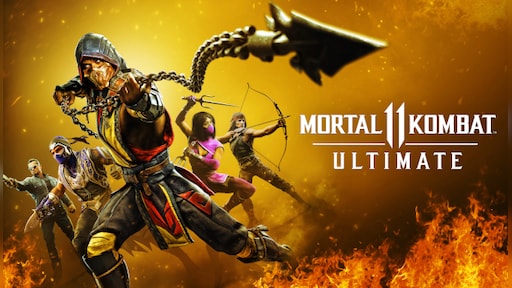
Mortal Kombat 11
Release Date: November 17, 2020
Genres: Fighting
The formula is known, and it works. For executives, that kind of predictability reduces financial volatility.
See more about upcoming Mortal Kombat 2 movie.
Batman remains the most dependable DC gaming property. The Arkham era set a standard for narrative-driven action games, and any future Batman title will inevitably be measured against that bar.
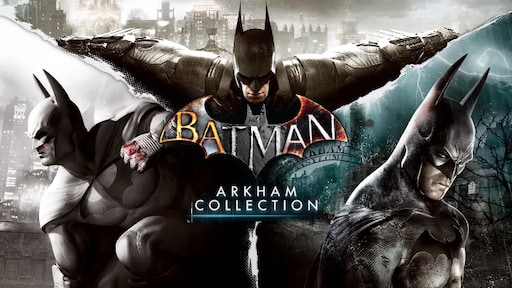
Batman: Arkham Collection
Release Date: November 28, 2018
Genres: RPG, Hack and slash/Beat 'em up, Adventure
After the live service experiment failed, a focused single-player direction seems far more likely.
Batman Arkham Collection: Still the Best Superhero Games Ever?
Game of Thrones carries more risk. The brand is widely recognized because of the television series, but its gaming history is uneven. The strategy project War for Westeros, scheduled for 2026, will effectively test how much appetite remains before larger scale investment resumes.
Why This Feels Familiar Across the Industry
Warner Bros. is not alone in pulling back. AAA production costs continue to rise, and development timelines now stretch across five or more years. A single underperforming release can offset multiple profitable ones.
Publishers are reacting by narrowing portfolios around recognizable intellectual property. Known brands lower marketing costs and offer a baseline audience. That does not guarantee success, but it limits downside exposure.
Cross media alignment is also becoming more deliberate. Film, television, and gaming releases are increasingly planned around shared windows. A synchronized Hogwarts sequel makes strategic sense in that environment. DC projects could follow similar coordination patterns. The trade-off is obvious. Fewer risks mean fewer surprises.
The 2027 to 2028 Window Is a Test
Major results from this reset will not be visible before 2027. Smaller projects, including Lego Batman: Legacy of The Dark Knight and War for Westeros, are expected in 2026. The flagship AAA releases are positioned later to give the division time to restructure pipelines and budgets.
From a player perspective, the next two years may look quiet. Internally, they represent stabilization. With fewer projects in motion, each launch carries greater weight and less margin for error.
Warner Bros. has shifted from expansion to controlled output. The 2027 to 2028 cycle will determine whether that focus restores financial stability and long-term confidence in its gaming division.