
Scrolling through TikTok recently, I stumbled onto a wave of viral games that, while often starting as memes, somehow end up eating hours of your time. Some of them got me so curious that I had to try them myself.
One of them was Schedule I, the debut from Australian studio TVGS, which surprised me with how deep its illegal business sim actually goes. I’ve started playing out of curiosity, and it turned out to be really fun.
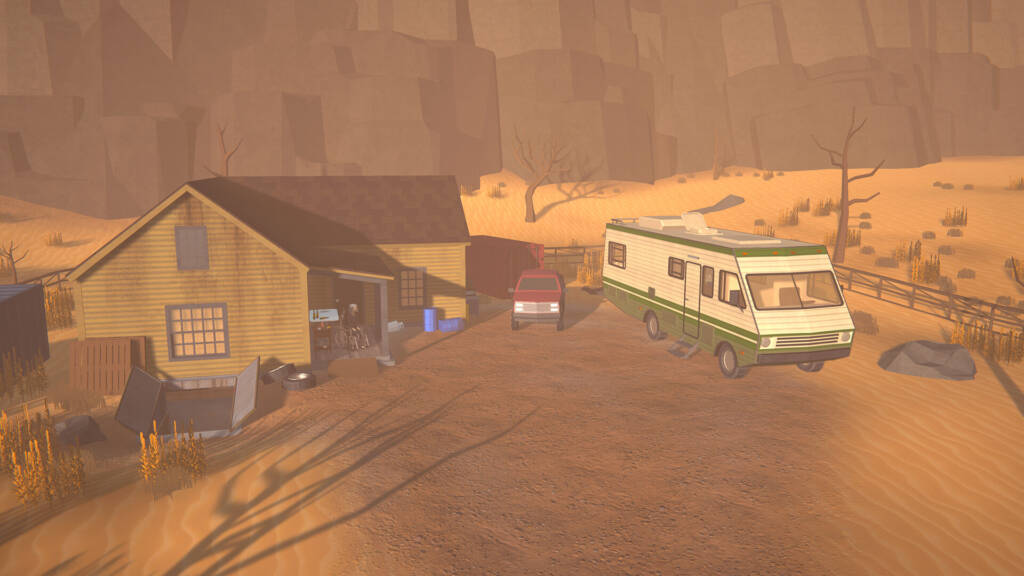
Then there is the freshly updated Deluxe Ski Jump 4, which still holds up after all these years. I also saw the pixel art stealth game Project Shadowglass, where every move you make leaves a trail, turning each level into a slow, methodical puzzle. And if you are just in the mood for something completely absurd, Fever Meme and RV There Yet? totally scratch that itch.
But all this got me thinking. What actually makes a game blow up on TikTok? I mean, what is the pattern that pushes some obscure indie out of nowhere and into everyone’s feed?
Turns out, someone really looked into this.
One creator watched over 100 game-related TikToks, mostly devs showing off early builds or wild mechanics, and tracked over 50 titles to see what actually resonated with the community. The result was a detailed breakdown of what works and why.
So what is the takeaway?
The types of games that go viral
First takeaway: most viral games on TikTok fit into a few reliable buckets.
- Cozy vibes: here we have soft colors, chill pacing, and satisfying loops, almost like an ASMR vibe. Games like Stardew Valley, Spirittea, and even Mineko’s Night Market. They’re comforting to look at and easy to clip.
- Co-op chaos: games that are funny when everything goes wrong. Content Warning, Lethal Company, and Repo are great examples. You and your friends running from monsters and yelling the whole time? Always fun.
- Builder or sandbox games: things like Tiny Glade, where players can quickly show off satisfying creations. You don’t need context, because the visual side is enough to pull you in.
- Weird horror: always a hit. Jump scares, unsettling mechanics, or offbeat visual styles make people stop scrolling and start sharing. Fear the Spotlight and Iron Lung blew up with minimal marketing.
- Simulation games with a twist: vehicle-based games, physics chaos, survival systems and anything that looks bizarre at a glance often do well.
In short, if the game is easy to “get” in five seconds and has something visually or mechanically unique, it’s got a shot.
Originality beats genres
Just being in the right genre isn’t enough. TikTok is all about stopping the scroll. That means the game has to stand out, fast.
It could be a unique art style. It could be a mechanic no one’s seen before. It could just be absurd. One game that went viral was RV There Yet?, where you survive by smoking cigarettes and eating burgers inside a rundown camper van.
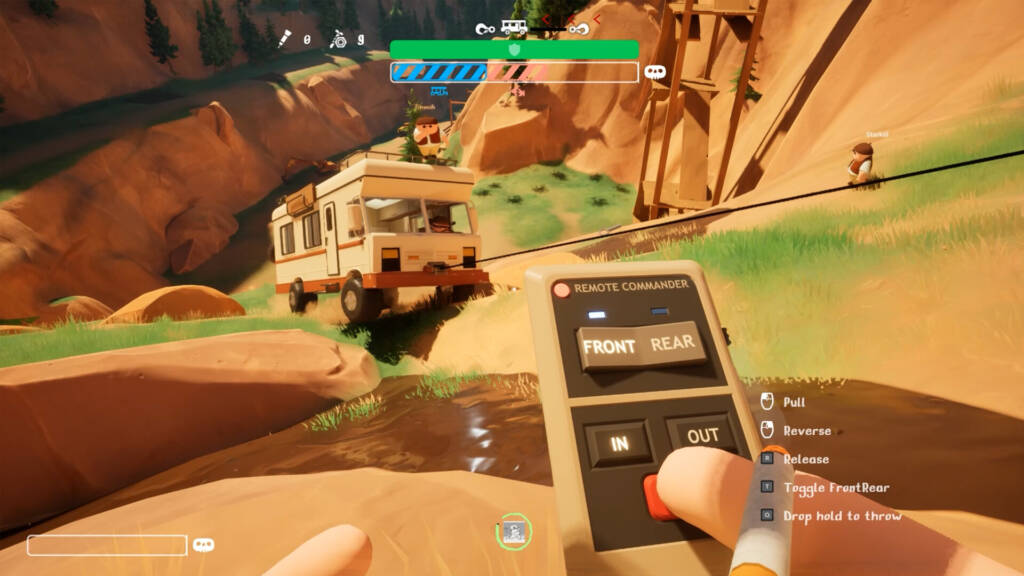
Another one, Fever Meme, just leans hard into surrealism and meme energy. Neither of these would make sense in a pitch deck. But they look weird enough that people click, and that’s the whole point.
TikTok rewards the unexpected, and it’s all about being memorable.
What actually converts
Just because a clip goes viral doesn’t mean people will wishlist the game. Some videos pull in views but lead nowhere. But certain types consistently spark real interest: the kind that makes people look up the game, share it, or add it to their list. What influences this?
Unfiltered gameplay No commentary, no edits, just the game doing what it does. If the mechanic is good or the moment is strong, people notice and share. Authentic clips tend to perform better than overproduced trailers.
Development progress or behind the scenes Seeing how a game changes over time is always interesting. You get to see the progress, not just the final result. It makes you want to stick around and see what happens next.
Funny bugs or unexpected moments When a game breaks in a funny way, that’s often more effective than a polished reel. Those clips feel honest, and they show off the kind of chaotic fun that sticks.
Smart responses to comments Especially the negative ones. Turning “no one cares” into a showcase moment gets attention fast. It shows confidence, creativity, and makes people root for the dev.
Feature feedback loops If someone jokes about adding something silly, like a honk button , and the dev actually does it, then shows it working, that creates real community engagement. People want to be part of that.
Visual comparisons Progress-based clips like “early vs late game” help show scale and depth without needing any context. It gives viewers a sense of what they’re working toward if they play.
On the flip side, overly produced trailers, lore dumps, or vague “atmosphere” clips rarely do well.
What doesn’t really go viral?
Some genres just don’t catch on, at least not that easily. Turn-based strategy, MMOs, visual novels, slow-burn narrative games… these rarely make the cut. Not because they’re bad, but because they don’t translate well into short clips.
TikTok gives you a few seconds to grab attention. If your game takes longer than that to explain, you’re already at a disadvantage. Unless it looks wild or plays like nothing else, it’s tough to break through.
That said, nothing is off the table. Roguelikes, platformers, detective games, even metroidvanias: they can go viral if they’ve got something specific that jumps out right away.
Show, don’t tell
These days, TikTok has become way more than just dance trends and memes. It’s genuinely where you can discover some of the coolest games before anyone else is talking about them.
Could be a sketchy business sim, a horror game that costs three bucks, or some sandbox thing where you just build cozy cottages.
If the usual game store front pages are starting to feel samey (same franchises, same safe bets), TikTok’s where people are stumbling into the weird ones. The risky ones. The ones that look like a joke, then end up in your wishlist a few minutes later.
The good stuff is there; you’ve just got to be willing to scroll past a few dance videos to find it.