

There are games where the hero has everything: charisma, great voice acting, a strong visual design, and a story you want to follow. Then a few years pass, and the character you still remember is someone else.
The one who ruined your plan. The one who showed up at the perfect moment, took away your sense of control, and made you stop “clearing the mission” and start genuinely wanting to win. A great antagonist is not just part of the game, but in many cases, they are the reason the game stays in your memory.
Table of Contents
The Enemy Gives the Hero Weight
In books and films, the antagonist drives the conflict. Games do the same thing, but they add another layer. The antagonist does not just challenge the hero in the story. They challenge the player through the mechanics. They block progress, force adaptation, test reflexes, and make you rethink your build, your weapon choice, your tactics, or the way you read the whole game.


That comes through clearly in a study titled Players and Villains: Role of Antagonists in Video Games. The villains people remembered most were not just obstacles in the plot. They were characters who triggered specific emotions: fear, frustration, anger, pity, helplessness, or the urge to get even. That is where games part ways with film and literature. An antagonist cannot only serve the narrative. They have to come into direct conflict with the player.
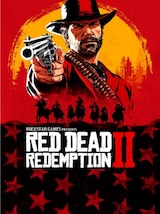
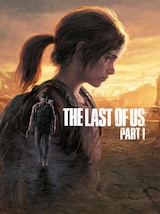
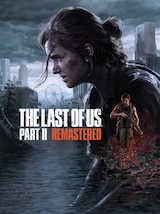
Arthur Morgan without Micah Bell would still be a strong character. Micah’s betrayal gives Arthur’s story its last and most painful turn. Ellie without Abby would still be driven by grief. Abby takes away the player’s moral comfort and forces a harder question: does revenge fix anything at all?
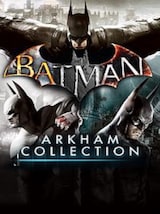
Batman without the Joker would still be an icon. The Joker is the one who pulls out the tension that a routine mission target never could.
In Games, the Antagonist Is Gameplay Design Too
The best antagonists work on more than one level. They shape the story, but they also shape the rhythm of play. They tell you when the game is giving you room to breathe and when it is about to pin you to the wall. A boss fight stops feeling like a short break before the next cutscene. It becomes an exam built around everything the game has been teaching you.
Malenia in Elden Ring is memorable for her design, sure, but that is not the main reason players talk about her. People remember her because she tests patience, timing, and humility with almost no mercy. Adam Smasher in Cyberpunk 2077 feels like a living consequence of a world where the body became hardware and the human being became a product. The Xenomorph works as more than a story enemy. Its presence turns every hallway, every locker, and every wrong step into a risk.
Villains Explain the World Faster Than Lore
Sometimes a great antagonist tells you more about a game world than ten pages of codex entries ever could.
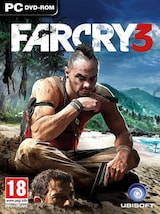
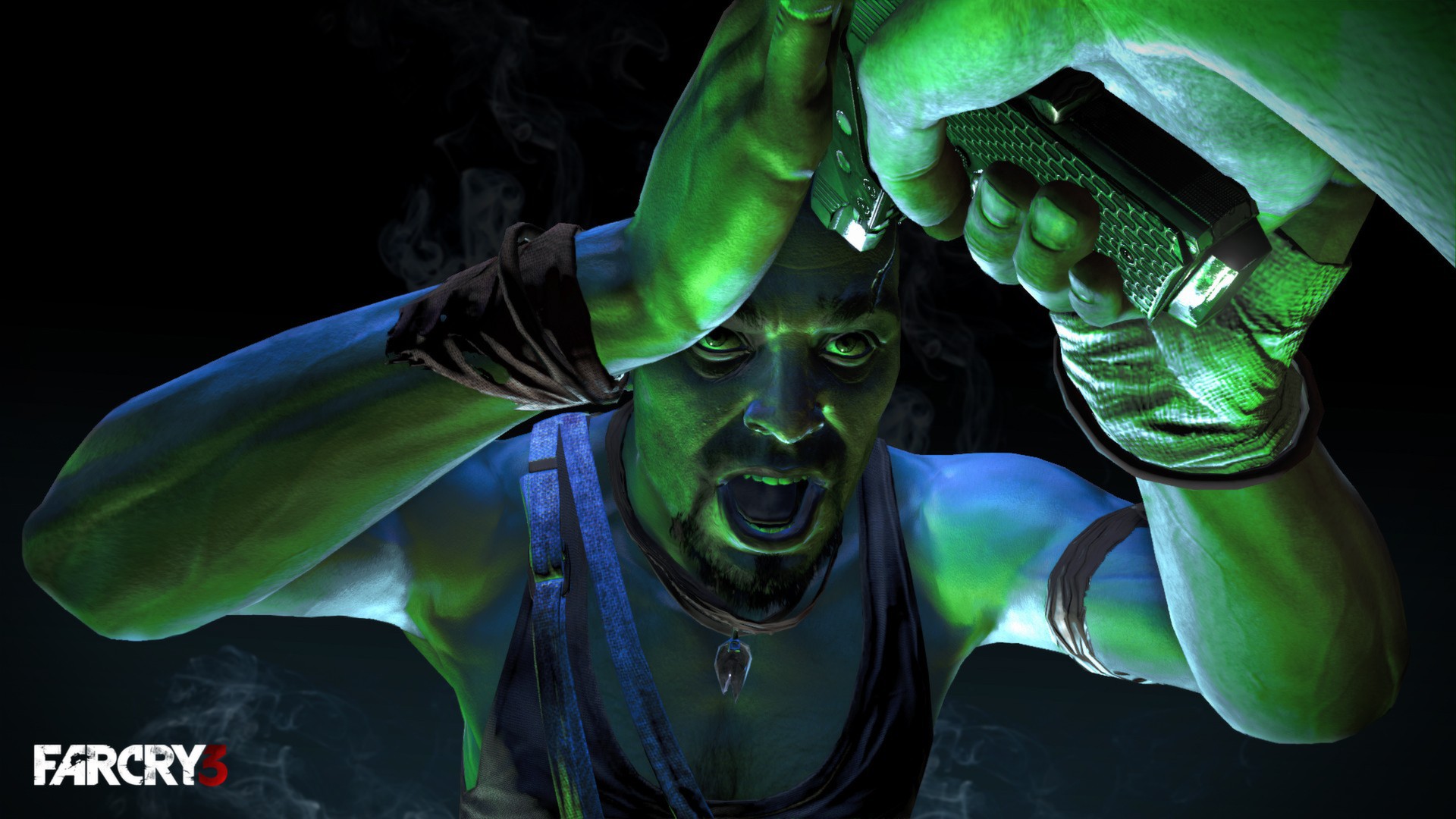
Vaas in Far Cry 3 sums up the logic of violence, madness, and decay in just a few scenes. GLaDOS gives you the entire mood of Portal at once: sterile, absurd, cruel, and funny. Sephiroth carries the central tragedy of Final Fantasy VII inside one character: trauma, experimentation, a god complex, and the sense that this disaster cannot be solved with a simple good versus evil showdown.
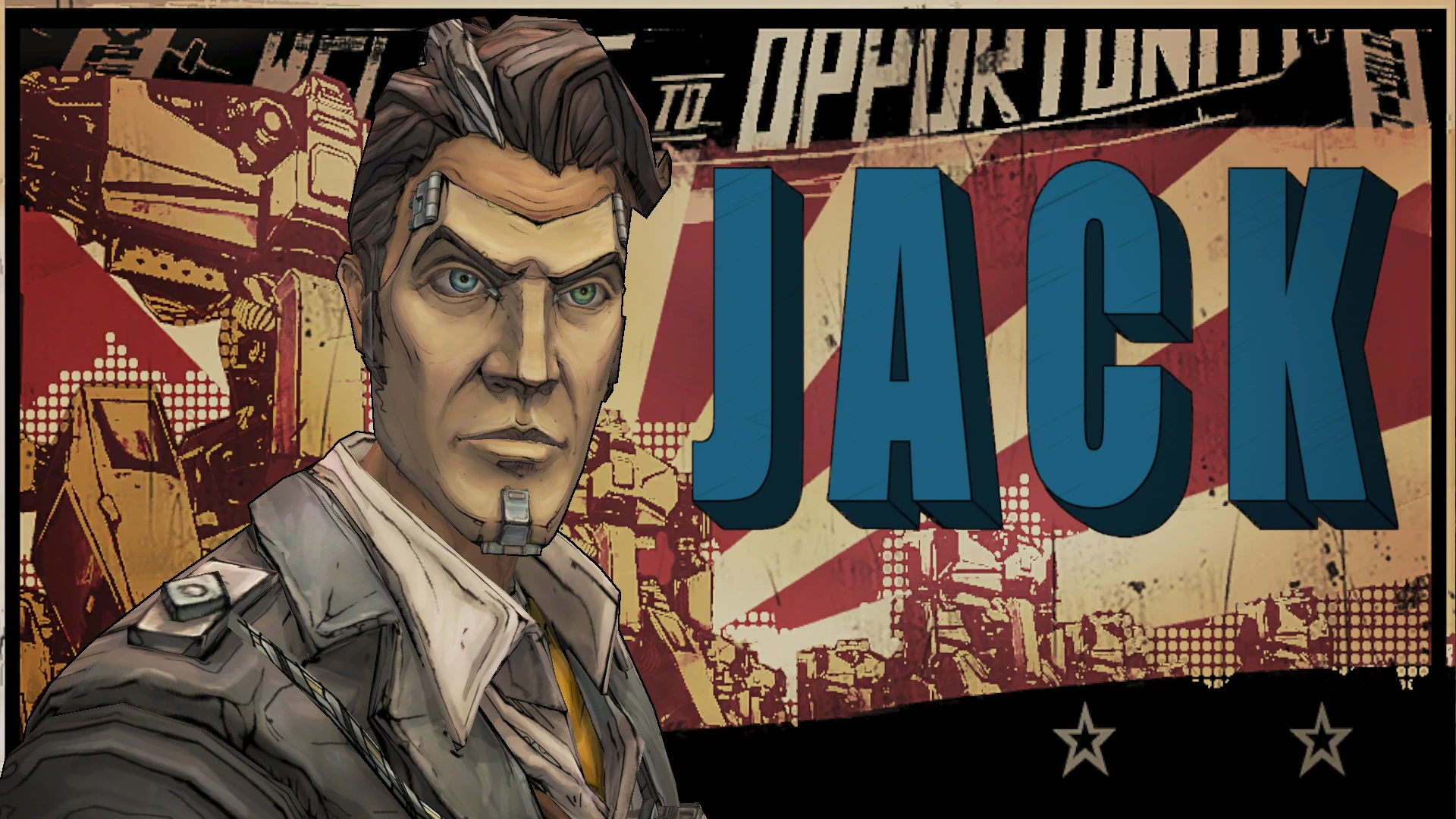
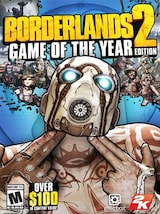
That helps explain why Ubisoft kept selling Far Cry through its villains as much as through its heroes. That helps explain why Borderlands 2 still lives in memory through Handsome Jack. In cases like these, the antagonist becomes the face of the experience. Sometimes they become more memorable than the protagonist himself.
77% OFF 75% OFF 61% OFF 31% OFF 91% OFF 78% OFF 24% OFF 10% OFF 3% OFF 81% OFF 68% OFF 53% OFF 75% OFF 81% OFF
What Players Actually Remember
Sales figures do not prove that people buy games for the antagonist alone. Nobody picks up Red Dead Redemption 2, Cyberpunk 2077, or The Last of Us Part II just because one specific enemy is waiting inside. That is not how buying decisions work.
Still, the numbers show something useful. The biggest games need more than a good world and a strong lead. They need tension with real weight behind it. Red Dead Redemption 2 passed 85 million copies sold. Cyberpunk 2077 passed 35 million. Borderlands 2 passed 31 million. The Last of Us Part II passed 10 million. That does not prove that a better villain automatically means stronger sales. It suggests something more useful: games that last in players’ minds tend to have conflict with a clear shape and real emotional weight.
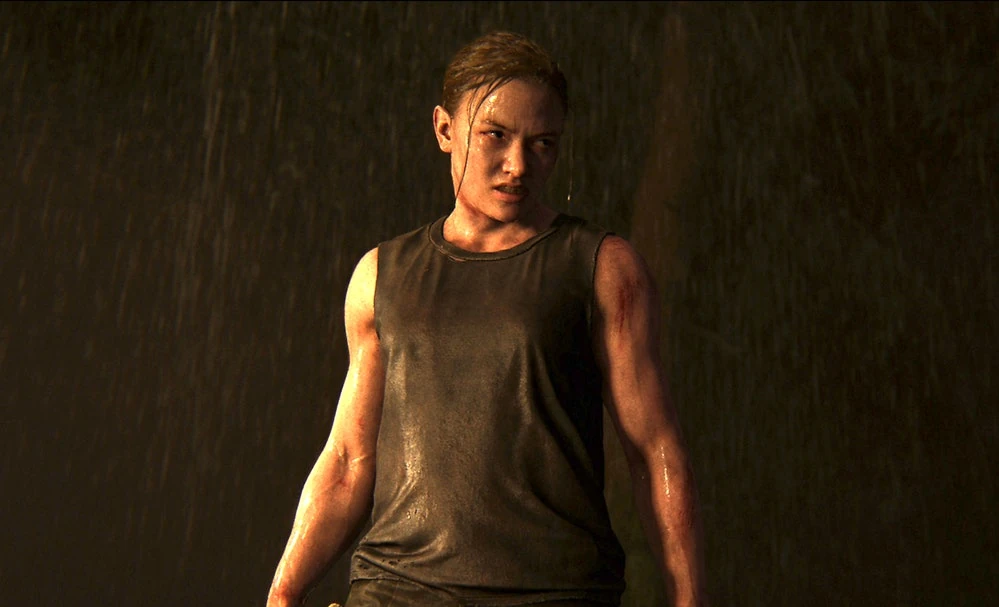
Sometimes that comes from a classic villain like Handsome Jack, Vaas, or Sephiroth. Sometimes it comes from a system, like Arasaka and Night City in Cyberpunk 2077. Sometimes it comes from a man collapsing under the weight of his own myth, like Dutch in Red Dead Redemption 2.
Sales measure scale. Player memory shows something deeper. A well built antagonist helps turn a game from a product into an experience people still talk about after the credits.
The Best Enemy Survives the Credits
A good antagonist earns their place through impact. They make the world easier to read, push the hero into sharper focus, and pull the player deeper into the conflict. Some unsettle you. Some make you laugh at the worst possible moment.
That is why antagonists matter so much in games. The hero can be your avatar, your voice, or your point of view. The enemy is often the one who decides whether the journey has tension, meaning, and bite. Without them, you are left with a map, a combat system, and a list of objectives.
With them, you get a reason to keep going.