
Two soulslike games, one Chinese mythology backdrop – how do Wuchang: Fallen Feathers and Black Myth: Wukong stack up?
Although soulslike trends 2025 suggest that the gaming market is steadily becoming oversaturated with Eastern games of this genre, their enthusiasts are happily welcoming its brand-new representative – Wuchang: Fallen Feathers. This release naturally makes you wonder how this title compares to last year’s successful Black Myth: Wukong.
At first glance, both draw inspiration from Chinese mythology, offer a high difficulty level, and are Unreal Engine 5 RPGs. Sounds like perfect copies! Nothing could be further from the truth, as a closer look at the details reveals how different they are. For more information on the topic, welcome to this ultimate Wuchang vs Black Myth soulslike comparison!
Setting & Narrative
Developed by Leenzee and published by 505 Games, Wuchang: Fallen Feathers is a soulslike RPG set during the dark Ming Dynasty in the land of Shu – an authentic kingdom that later became Sichuan Province. Although the game presents an alternative version of events from that period, players can encounter real historical figures and enjoy influences from original Chinese mythology.
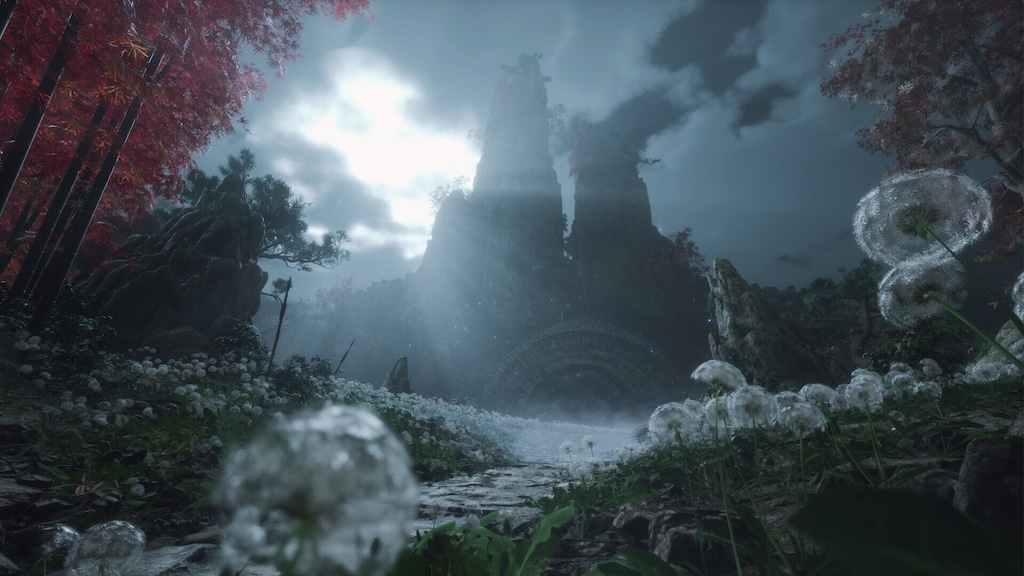
The story follows a female pirate warrior, Bai Wuchang, cursed with Ornithropy (Feathering Disease). It’s a terrifying condition that slowly transforms her into a monster while simultaneously granting her superhuman powers.
Meanwhile, Black Myth Wukong is an action role-playing game developed and published by Game Science. Inspired by the classic Chinese novel Journey to the West, the title tells the story of the Destined One, a fearless warrior on a quest to acquire the full power of the legendary Monkey King, Sun Wukong.
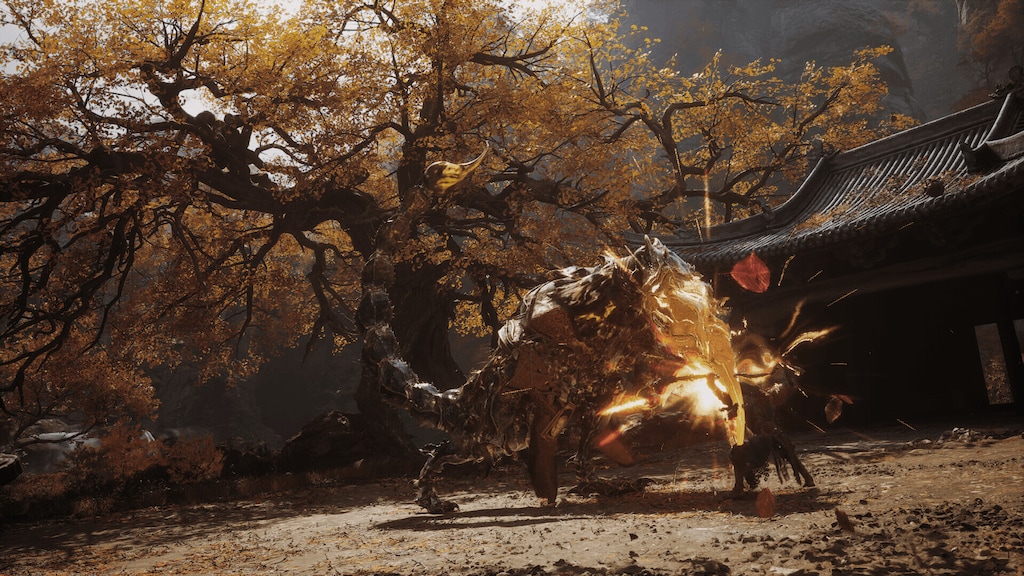
Unlike Wuchang, Wukong’s setting is entirely fictional, though it also draws from Chinese mythology. Wuchang is darker and explores disturbing themes of the ever-spreading disease, memory loss, and one’s influence in shaping their fate in a collapsing world.
Combat System Comparison
Regarding combat, Wuchang: Fallen Feathers’ system resembles more that of Sekiro: Shadows Die Twice than Black Myth: Wukong. Every fight in this game requires precision and a dodging-parrying rhythm. When executed well, Perfect Dodge rewards the player with Skyborn Might – a currency necessary for unlocking more advanced skills. Interestingly, players can also acquire Focus in Wukong by performing Perfect Dodge. It’s a particularly vital currency, crucial for upgrading attacks and abilities.
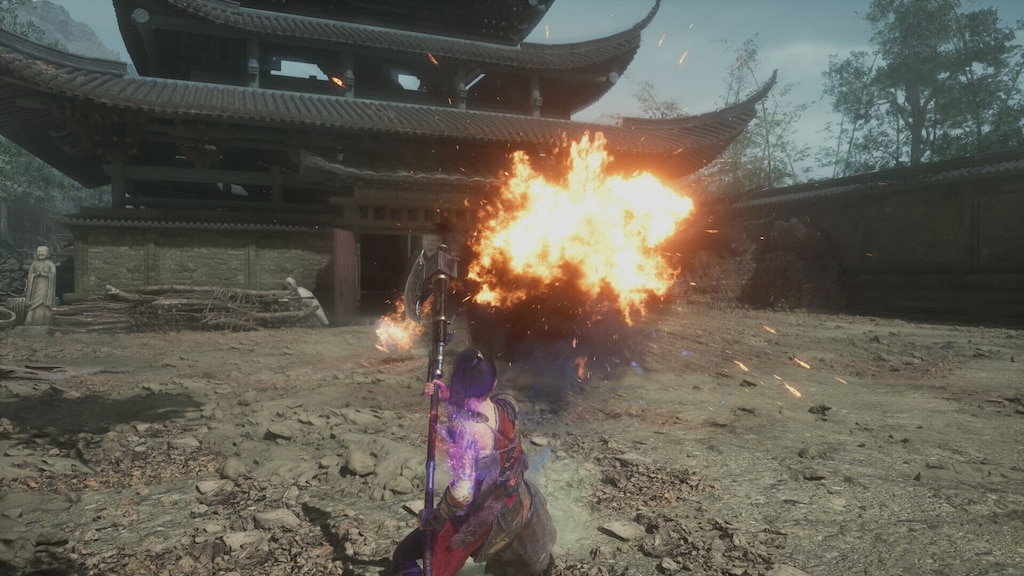
Another essential currency in Wukong is Qi, required to unlock Transformations and use Spirits. Players can earn it by attacking enemies, resting at shrines, acquiring specific items, and more. Wuchang also has a second currency – Madness. When the player kills human characters, dies, or uses Maddening Incense, its meter increases. However, the higher the Madness level, the more powerful the attacks and the weaker the defense. And if that weren’t enough, dying with the Madness meter maxed out spawns the Inner Demon – a terrifying entity the protagonist must defeat to regain her Red Mercury Essence.
Overall, Wukong relies more on staff-and-magic versatility than the dodge-centric combos of Wuchang. It’s also much more beginner-friendly, as the gameplay doesn’t feature the risk-reward Madness system of Wuchang. Many players compare its combat system to that of God of War. In contrast, they often describe Fallen Feathers as the Chinese Sekiro.
Exploration & Structure
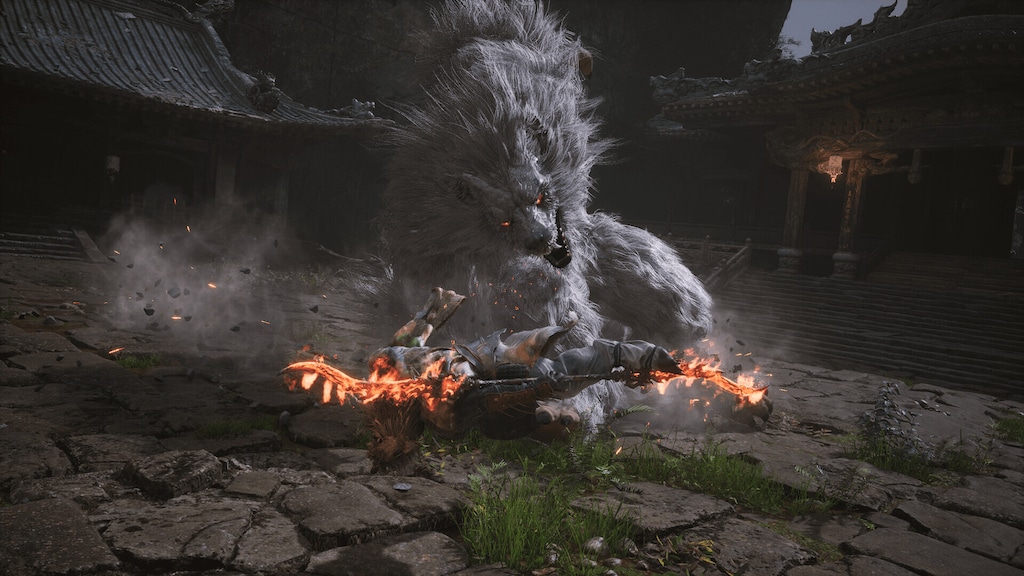
The most vital difference between these two video games is the world structure. Since its developers were heavily inspired by Dark Souls, Wuchang features a semi-open, non-linear layout with the Shu Sanctum as the central hub. There are many shortcuts and hidden paths, letting players decide how to shape their adventure.
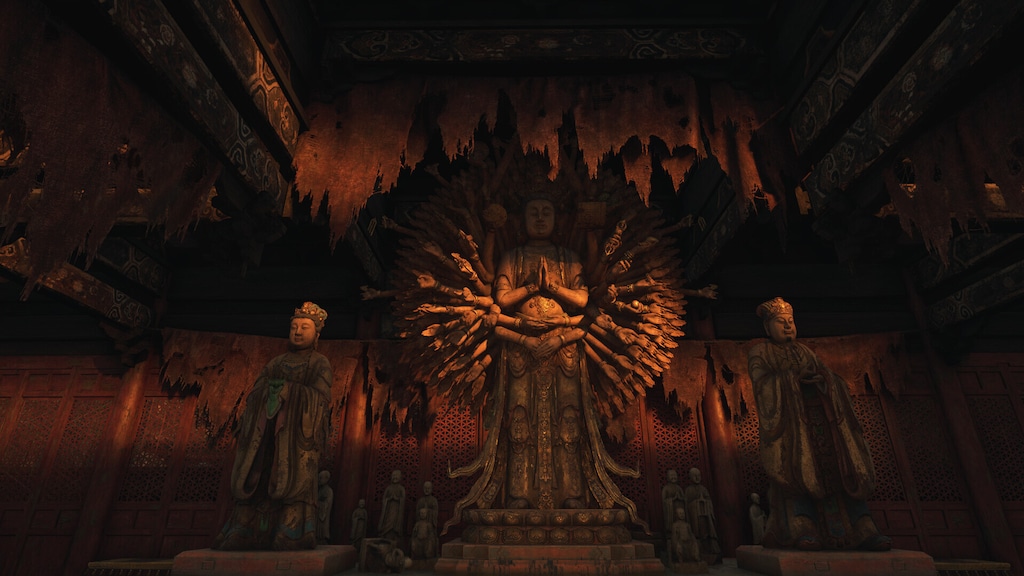
Wukong consists of chapters involving locations separated by loading screens. Each area is quite vast, but invisible barriers limit freedom of movement beyond its borders. Nevertheless, the game encourages exploration of the many hidden secrets within each location and the use of fast travel for returning to cleared areas.
Difficulty & Boss Design
Let’s start with the fact that boss encounters in Black Myth: Wukong offer a significantly lower difficulty level than those in Wuchang. The title guides players linearly through following chapters, so stumbling upon an overly powerful boss is virtually impossible. Yes, some of them are easy to miss, but that’s precisely why the game encourages intense exploration and experimentation with skills and items.
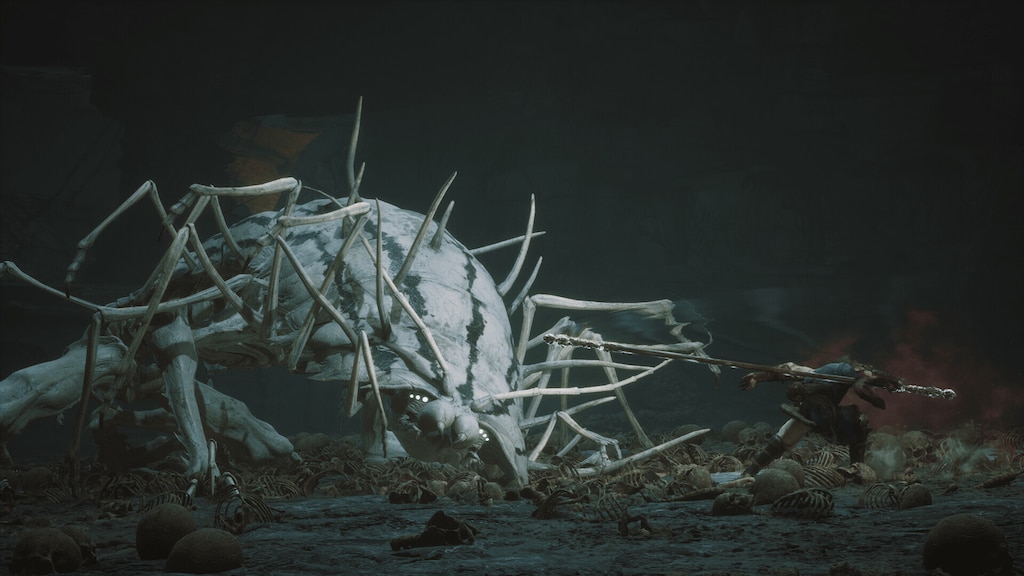
Meanwhile, Wuchang lets players choose their fights in a completely non-linear manner. Each such encounter, however, requires precision, timing, and the wise use of defensive moves. Therefore, this title may appeal to players seeking a challenge and a more punishing experience.
Visuals & Sound
In terms of graphics, both games use Unreal Engine 5 to deliver exceptionally high-quality visuals. While each features a unique setting, the hyper-realistic graphics guarantee an unimaginably immersive experience.
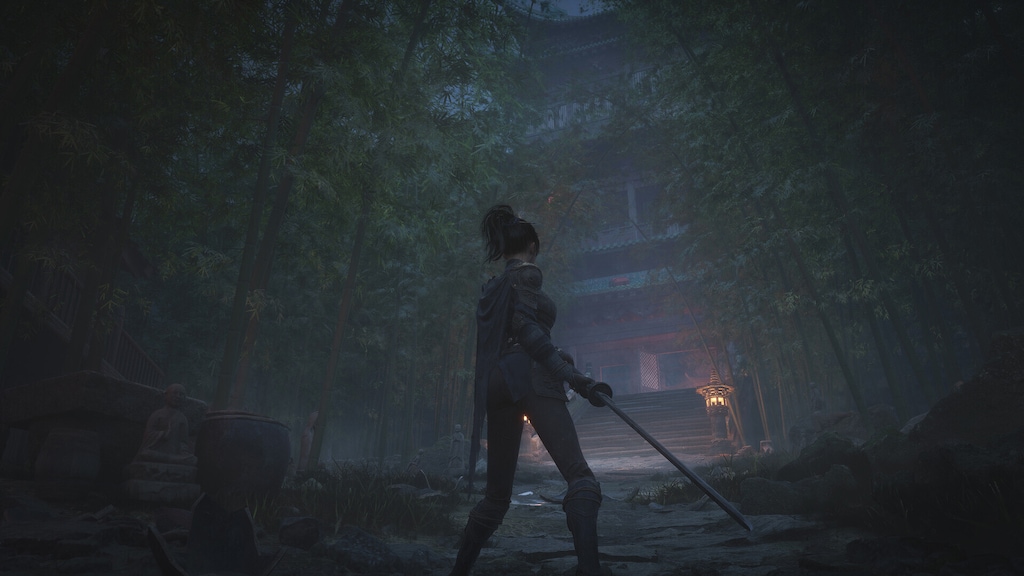
In terms of sound, Wukong focuses on delivering an authentic ambiance, introducing traditional instruments and orchestral crescendos during more intense moments, like battles. That not only brings players closer to its mythological roots but also perfectly highlights the emotional impact of each moment.
Wukong’s soundtrack reflects an atmosphere of mystery and emotion. Using traditional Chinese instruments and orchestral sequences, the title equally well highlights its identity and the protagonist’s emotional experiences.
Conclusion
Although the gaming market is facing an oversaturation of Souls-like releases, Black Myth: Wukong and Wuchang: Fallen Feathers offer a fresh perspective on various aspects of Chinese culture, mythology, and history. Neither of them replicates Dark Souls mechanics, but instead explores new solutions implemented in unique environments.
Their existence and popularity may suggest not only a shift in the genre but also a greater openness among players worldwide towards enjoying themes that, until now, remained mostly unknown or forgotten.