
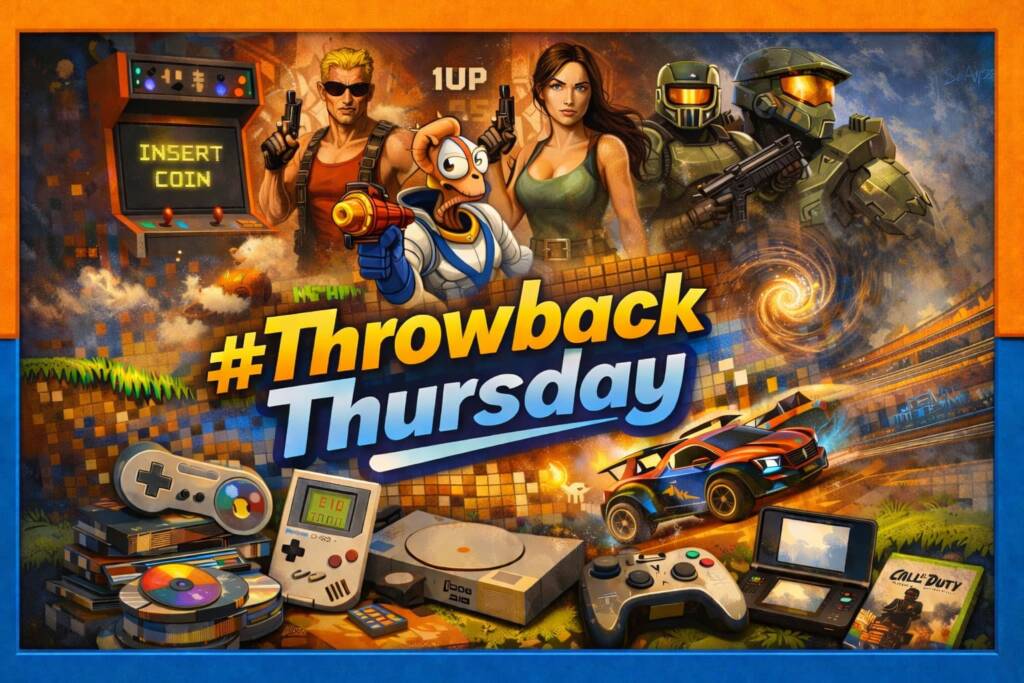
Why is 2011 in gaming still such a big deal? Because in a single calendar year we got a lineup of titles that still shape the industry today. Genre-defining RPGs, games that pushed creativity and digital distribution forward, a multiplayer powerhouse that flexed serious technical muscle… And one particular release that completely redefined hardcore difficulty in action games and sparked an entirely new subgenre.
When we talk about the best games of 2011, we immediately think of The Elder Scrolls V: Skyrim, the ever-living Minecraft, and what many still consider the strongest entry in its franchise – Battlefield 3. But those weren’t the only gems that dropped fifteen years ago. 2011 wasn’t just “a good year.” It was the year that set the direction for entire franchises, multiple genres, and arguably the whole decade that followed.
The Evolution of RPGs: Open Worlds and Mature Storytelling
Skyrim – The Sandbox That Refuses to Age
November 11, 2011 – a date many of us remember better than our grandma’s birthday. The Skyrim release sold several million copies on day one and has since surpassed 60 million. Its Metacritic scores? A jaw-dropping 96/100. On Steam? Overwhelmingly positive reviews. On the PlayStation Store? 4.74/5.
As the fifth main entry in the franchise, Skyrim didn’t just continue the The Elder Scrolls saga – it completely outpaced its predecessors. Players were pulled into a massive open-world RPG with no loading screens between cities, enormous freedom in character building (no rigid class system), and a gigantic modding community.
What kept it alive for over a decade? Deep lore, satisfying mechanics, massive replayability – and mods. From visual overhauls to total gameplay conversions, the community turned the game into a platform. That’s a key part of the Bethesda Game Studios legacy: proving a game can be an ecosystem. Today, “living” RPGs with active communities are standard. Back then? Total game changer.
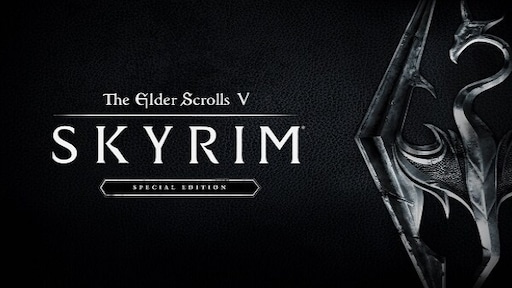
The Elder Scrolls V: Skyrim Special Edition
Release Date: October 27, 2016
Genres: Role-playing (RPG), Adventure
The Witcher 2 – A Grown-Up RPG
Released on May 17, 2011, The Witcher 2: Assassins of Kings leaned heavily into narrative depth and meaningful consequences. Its second act could look entirely different depending on your choices, delivering radically different gameplay experiences – and in 2011, that wasn’t common.
Reviews hovered around 90/100, with Very Positive ratings on Steam. It sold millions and earned global recognition for the studio, marking a major milestone in CD Projekt RED history. It also paved the way for The Witcher 3: Wild Hunt four years later. This was the moment the world realized a small, Central European studio could compete with Western RPG giants.
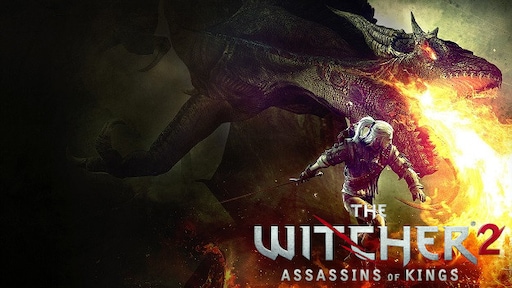
The Witcher 2 Assassins of Kings Enhanced Edition
Release Date: November 5, 2017
Genres: Role-playing (RPG), Adventure
The Birth of “Git Gud” and the Soulslike Era
When Dark Souls launched on September 22, 2011, many players bounced off it like it was a brick wall. No hand-holding, brutal combat, and world designed around careful exploration and layered shortcuts…
But the Dark Souls debut wasn’t about punishment – it was about learning. Every death was a lesson. Asynchronous multiplayer (player messages, invasions) created a strange but powerful sense of shared struggle. That design approach became central to what we now recognize as the FromSoftware philosophy.
The result? The birth of the “soulslike” subgenre. Without Dark Souls, many later hits – both from FromSoftware and other developers – simply wouldn’t exist. And yes, “git gud” became part of gaming vocabulary forever.
It’s also worth mentioning Demon’s Souls, the spiritual predecessor released two years earlier. It was more niche, PS3-exclusive, and focused on Japan. Dark Souls, launching on multiple platforms, amplified the formula globally and became the true starting point of the “Souls” phenomenon.
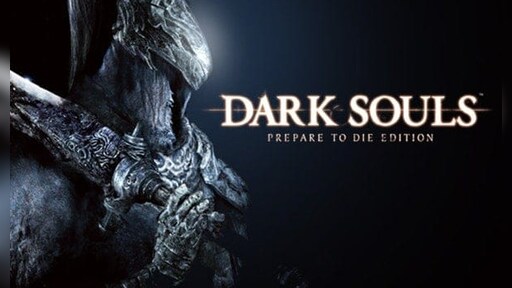
Dark Souls Prepare to Die Edition
Release Date: August 23, 2012
Genres: Role-playing (RPG), Hack and slash/Beat 'em up, Adventure
Multiplayer and the Technical Leap
Powered by the Frostbite 2 engine, Battlefield 3 graphics were a benchmark in 2011 – and honestly, it still looks impressive. Environmental destruction, 64-player maps on PC, realistic sound design… it was a full-scale technical flex.
The game sold 8 million copies in its first month and 15 million within a year. Its Metacritic scores hit 89/100, with Very Positive Steam reviews. It dominated franchise rankings and surged ahead in the eternal military shooter rivalry. It’s easy to say that Battlefield 3 became one of the defining titles of that generation.
Even today, despite console servers shutting down, PC players still jump in for multiplayer sessions. That says a lot.
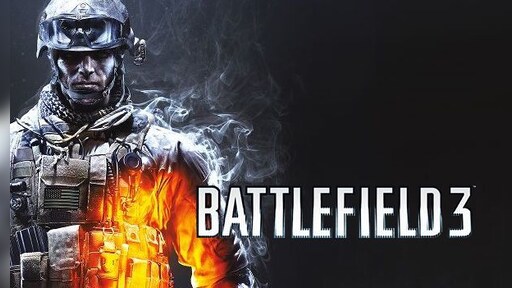
Battlefield 3 Limited Edition + Battlefield 3 Premium Pack
Release Date: October 25, 2011
Genres: Shooter
Indie Creativity and the Digital Revolution
Minecraft – From Project to Global Phenomenon
Although it first appeared in alpha in 2009, the Minecraft official launch on PC happened on November 18, 2011. Few predicted the scale of what was coming. Today, it’s a global phenomenon with around 50 million monthly players in 2026 and popularity that has long expanded beyond gaming.
Blocky visuals? Simple mechanics? Exactly the point. Its sandbox gameplay offered a blank canvas for imagination, servers, and mods. It became a pillar of the indie boom and a symbol of player-driven creativity. Minecraft proved that players don’t just want to consume worlds – they want to co-create them.
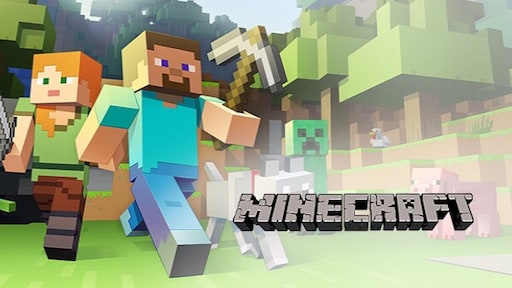
Minecraft
Release Date: November 19, 2013
Genres: Simulator, Adventure
Portal 2 – Design Perfection
Released on April 18, 2011, Portal 2 showed how to build a sequel the right way: not by overpowering its predecessor, but by refining it. The Portal 2 impact lies in its perfectly balanced solo campaign, brilliant co-op mode, razor-sharp humor, and masterful level design.
With 95/100 on Metacritic, Overwhelmingly Positive Steam reviews, and multiple game of the year awards, it proved puzzle games could absolutely be blockbuster experiences.
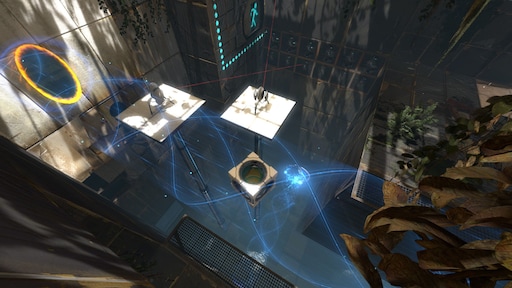
Portal 2
Release Date: April 18, 2011
Genres: Platform, Puzzle, Adventure
2011 and the Industry Shift
Beyond the games themselves, 2011 marked a major turning point. It was the twilight of the PS3 era and Xbox 360 generation, with developers mastering aging hardware. Meanwhile, Steam growth accelerated, digital distribution gained momentum, modding communities expanded, and streaming culture began to take recognizable shape (Twitch, as we know it today, launched in 2011).
Studios like Bethesda Game Studios, CD Projekt, FromSoftware, DICE, and Mojang Studios seized that transition moment. 2011 became a bridge between the past and the future of gaming, reshaping the gaming industry totally.
Why It Still Matters
Modern open worlds, punishing action RPGs, service-based multiplayer, and community-driven content all carry the DNA of 2011. That was the year players realized:
- sandbox gameplay can be endless,
- hardcore difficulty can be a strength,
- an open-world RPG can deliver real narrative consequences,
- multiplayer can be more than a side mode you launch after finishing the campaign.
And it still works today, even 15 years later.
Some years in gaming are remembered. Others – like 2011 – are celebrated.