





You play a tiny Guardian leading groups of creatures called Pouics across the burned world of Hedera. They help restore life, reach important locations, and overcome environmental problems. Meanwhile, scorched territory keeps spreading across the map, threatening places you already thought you had saved.
That creates the game’s best idea. Progress is not only about pushing forward. Sometimes you need to turn around and make sure the world behind you is not quietly burning again.
The quick comparison: BloomKeeper has genuine Pikmin-like DNA because you guide a crowd of small creatures through environmental challenges in real time. Its big twist is territorial restoration: corruption keeps spreading, restored land can be lost again, and up to four players can tackle that pressure together.
How we assessed this: based on BloomKeeper’s current Steam page, official developer trailers and announcements, demo information, and editorial comparison. No first-hand play is claimed.
What is BloomKeeper?
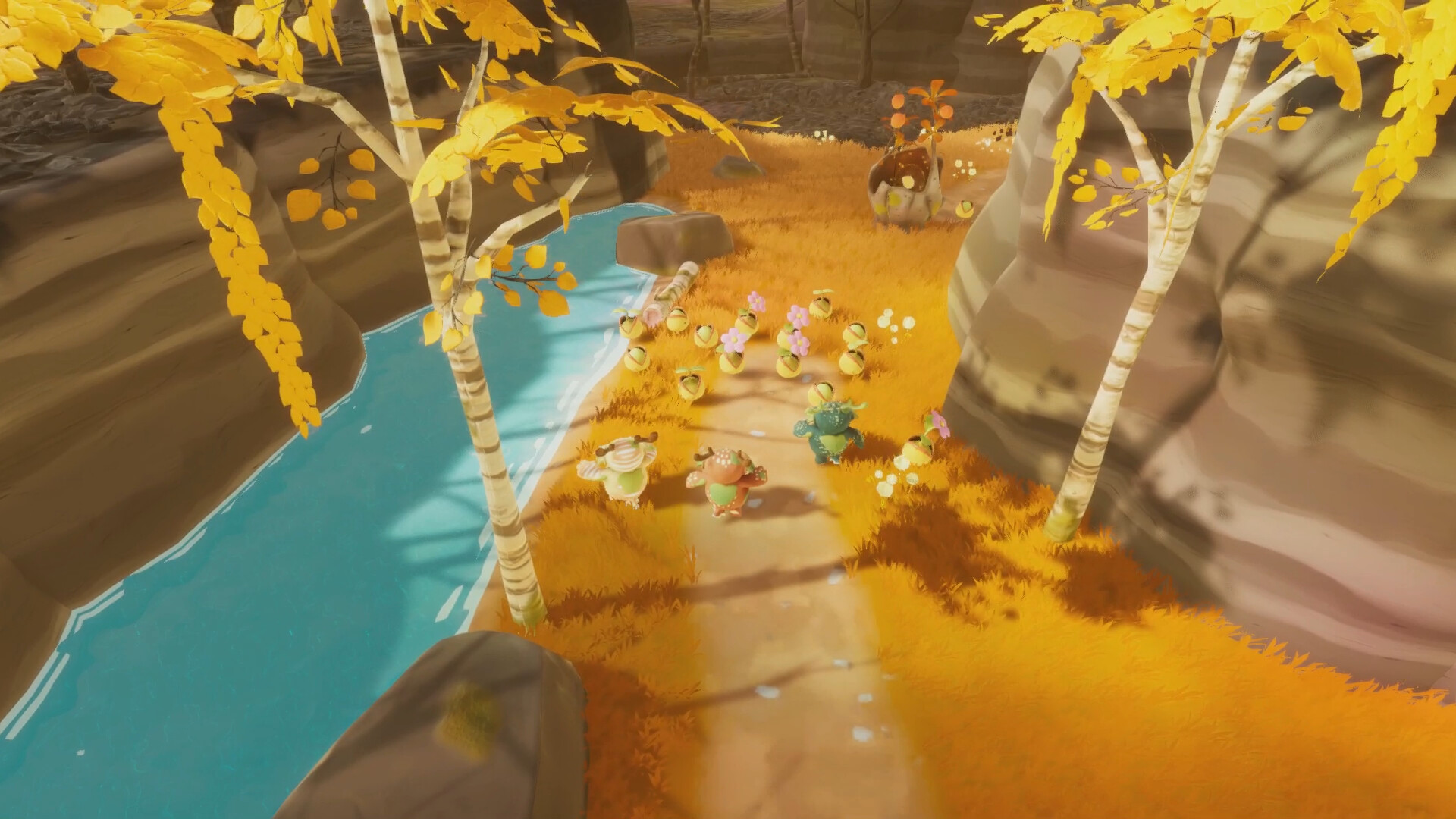
BloomKeeper is a cooperative adventure about repairing an ecosystem rather than conquering it.
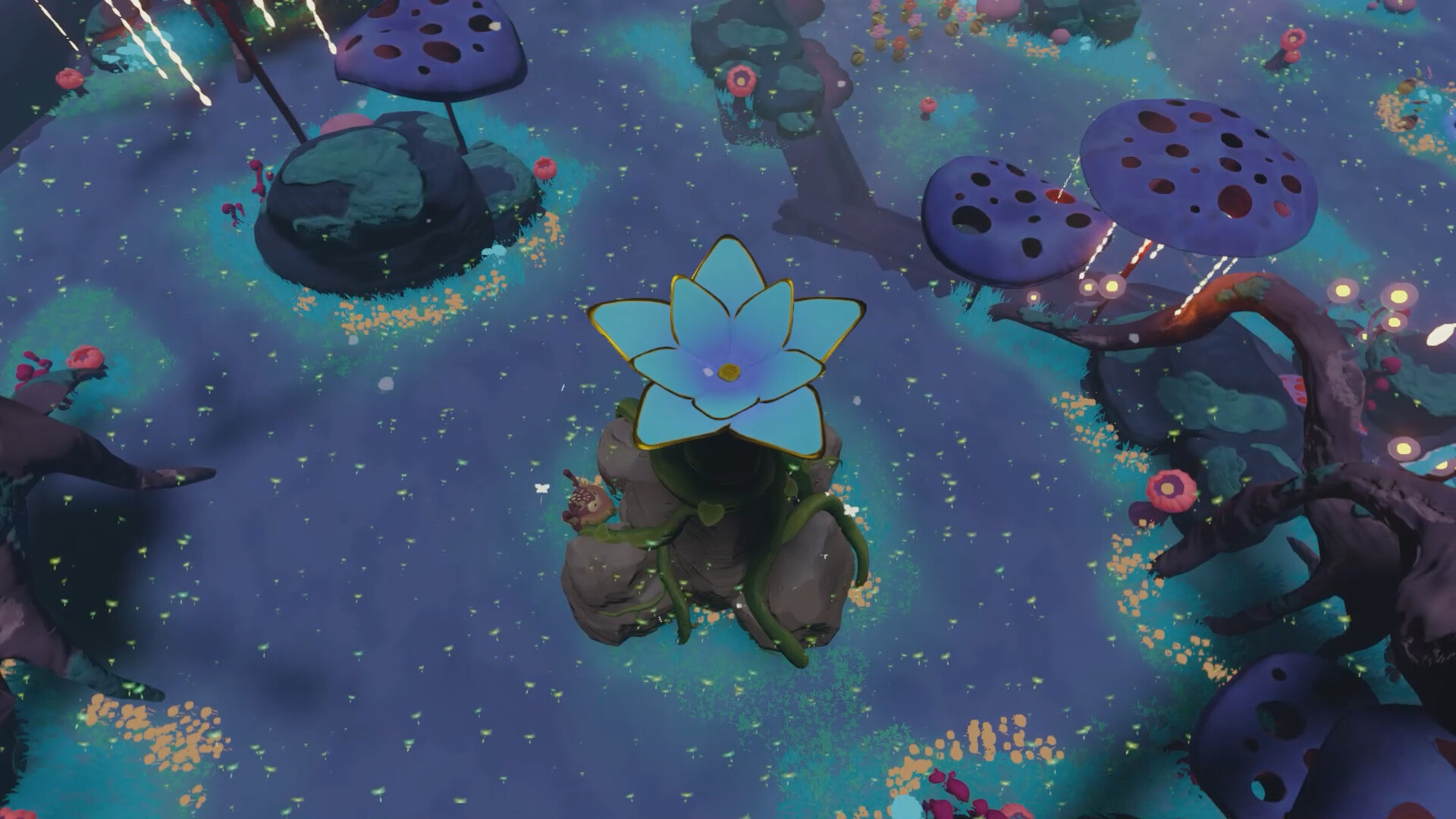
The world of Hedera has been burned. As a small Guardian, you explore its different biomes and direct creatures called Pouics toward places where their abilities can help nature return.
The basic fantasy is immediately cozy: tiny creatures, colorful environments, plants returning to dead ground, friends working together.
The systems underneath it are less relaxed.
Scorched territory continues to spread. Corrupted Pouics can become Malpouics and contribute to that destruction. Restored areas therefore need protection, while environmental features can help slow the advance and create safer ground.
BloomKeeper is cute, but it gives that cuteness something to fight against.
Why the Pikmin comparison works
Calling every game with tiny creatures “Pikmin-like” would be lazy. BloomKeeper gives us more to work with than that.
| Shared idea | Why the comparison fits | What BloomKeeper changes |
|---|---|---|
| Creature management | You guide groups of little creatures rather than solving everything directly. | The Pouics are tied heavily to ecological restoration and spreading corruption. |
| Real-time positioning | Where your creatures are and what they are doing matters. | You are simultaneously managing territory that can deteriorate again. |
| Environmental problems | Progress comes from reading the environment and putting your small helpers to work. | BloomKeeper supports online co-op for as many as four players. |
So, no, BloomKeeper is not simply Pikmin on PC. But if the appeal of Pikmin for you is being the tiny commander of a chaotic little workforce, the bridge is real.
The world can burn behind you
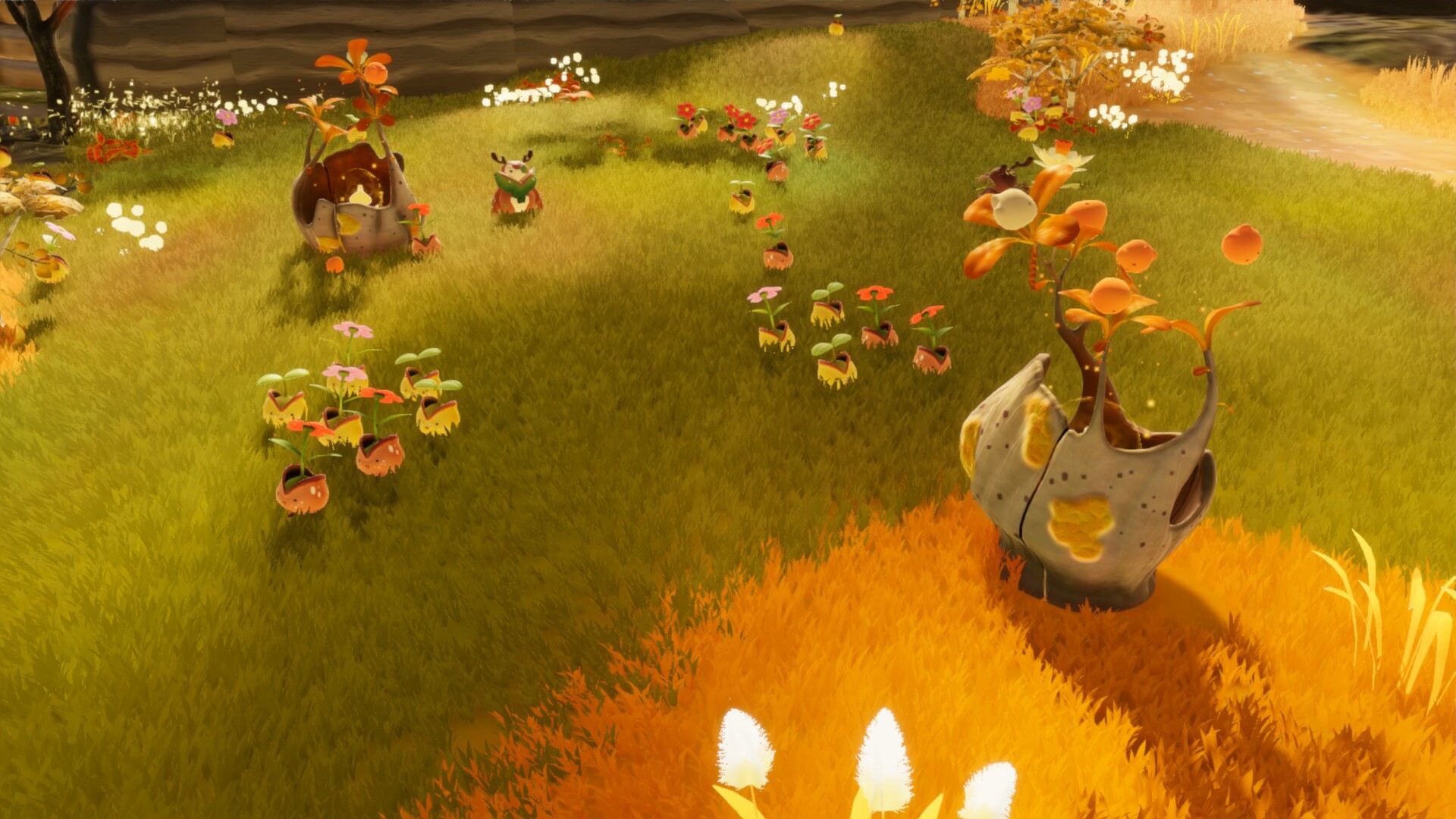
This is BloomKeeper’s most interesting system.
The scorched parts of Hedera are active rather than static. They spread, and areas closer to the source of the corruption can become especially dangerous.
That forces a choice between momentum and security.
You can push toward the next objective and try to make fast progress, but moving too aggressively may leave restored areas exposed. Spend too much time consolidating old ground, meanwhile, and the source of the problem keeps waiting ahead.
It gives the adventure a light strategic layer. The map is not simply a checklist where finished means finished. Your work exists inside a changing environment.
Pouics are helpers and liabilities
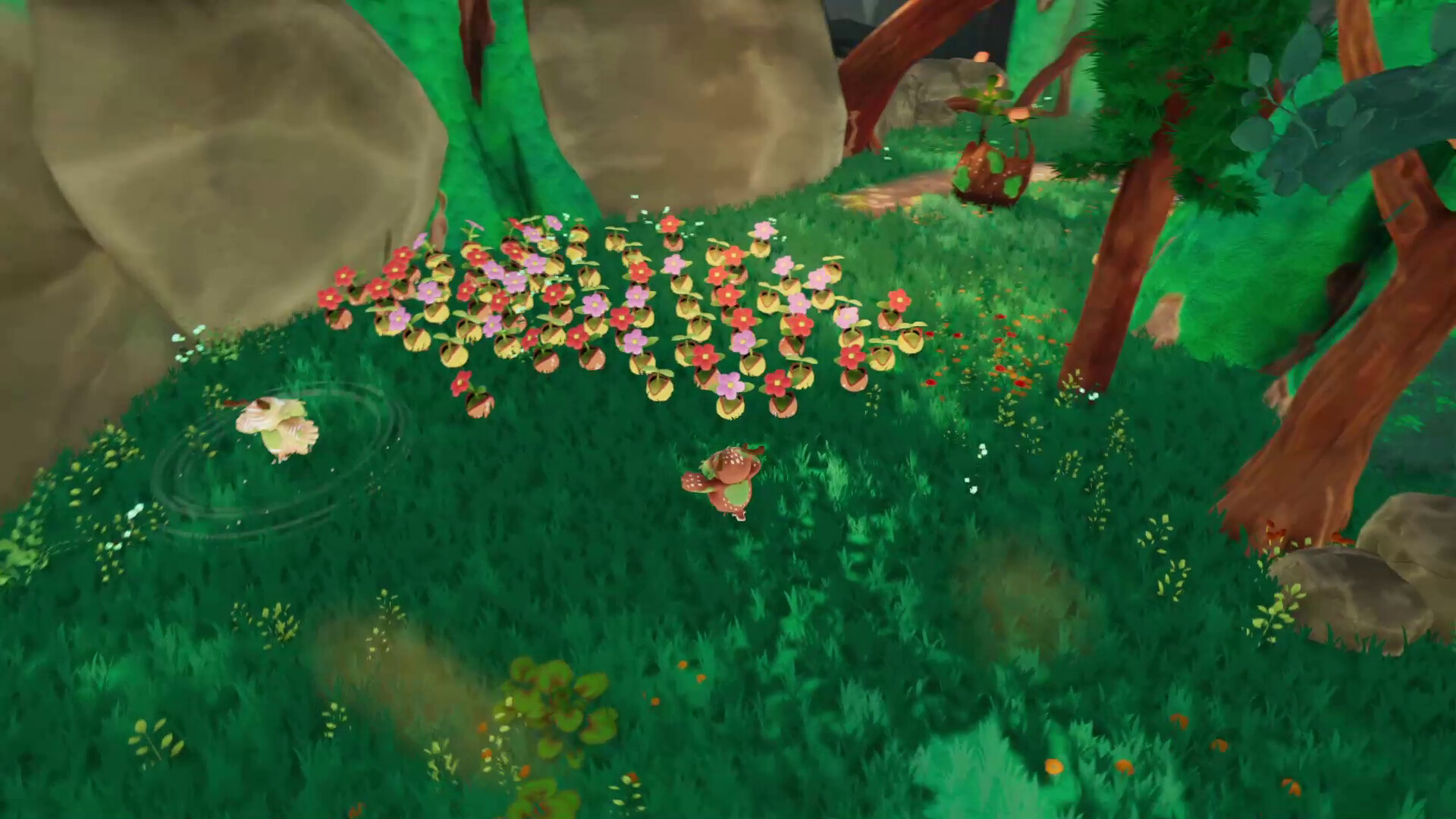
The Pouics may look like the world’s cutest workforce, but BloomKeeper makes their vulnerability important.
You need them to progress, yet they are fragile. Worse, corrupted Pouics can become Malpouics, turning part of your own little ecosystem against the restoration effort.
That makes protecting the group part of the challenge rather than just collecting the biggest possible crowd.
And because different runs can develop differently depending on how corruption spreads and where players focus their efforts, there is room for the restoration process to become more than a fixed sequence of puzzles.
Why four-player co-op changes the idea
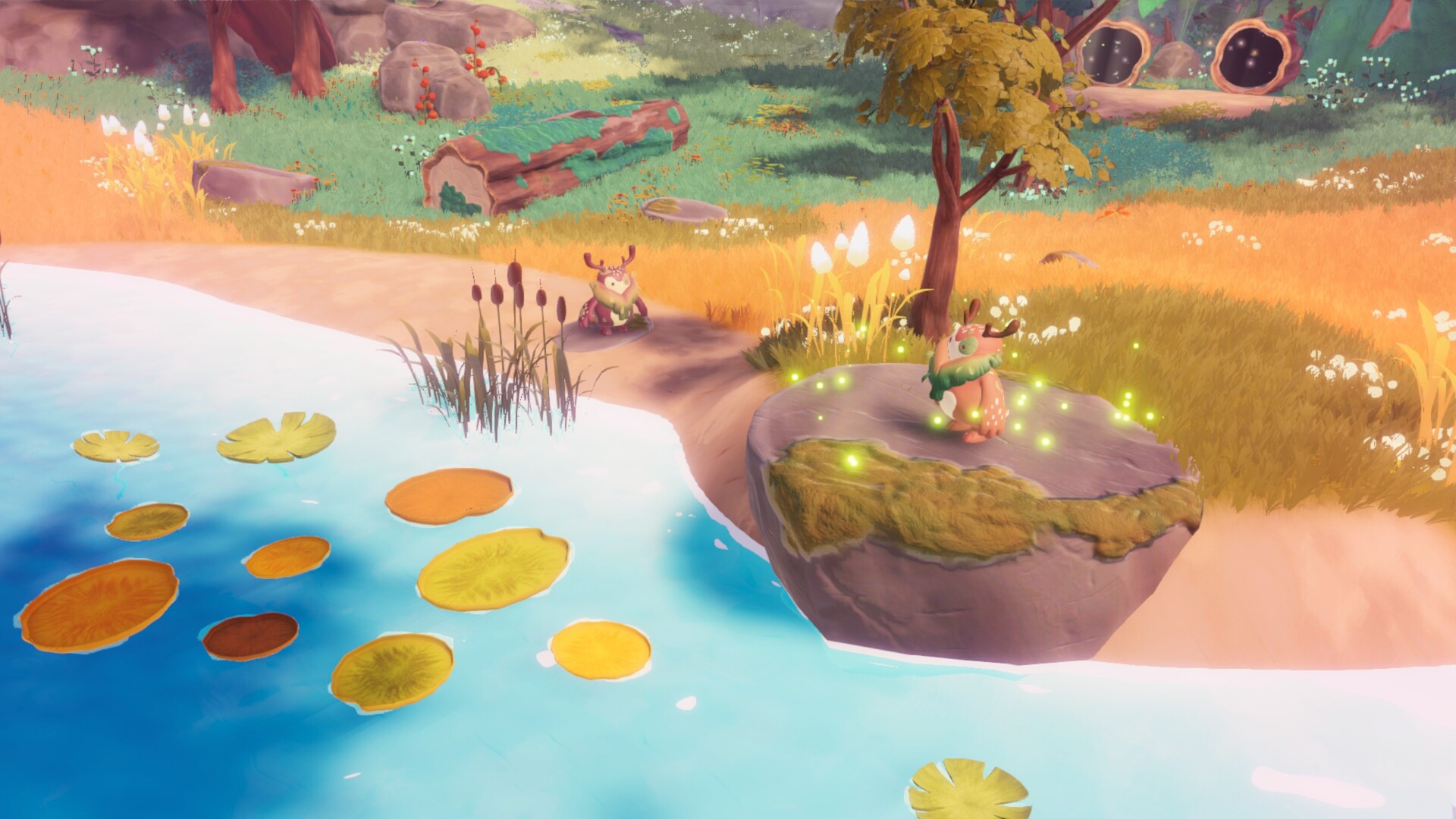
BloomKeeper supports solo play, but its systems make a lot of sense in co-op.
One player can concentrate on advancing toward a goal while someone else watches vulnerable territory. Players can split responsibilities, recover from mistakes, gather Pouics, respond to new danger, and generally create the sort of cheerful logistical disaster that co-op games are very good at producing.
The developers describe solo play as a more contemplative option, which tracks with the design. Without three other people turning Pouic management into group project chaos, the restoration loop should naturally become slower and more deliberate.
That flexibility is useful because BloomKeeper does not have to choose between being a cozy solo game and being a social co-op game. It can lean into both moods.
Who is BloomKeeper for?
The obvious audience is players who like Pikmin’s basic creature-command fantasy, but BloomKeeper also has hooks for fans of cooperative puzzle-adventures and cozy games that still want some pressure underneath the flowers.
If you want pure combat, deep character builds, or a completely stress-free restoration sandbox, this probably is not the pitch.
If you like small creatures doing big jobs while you frantically decide which part of the world needs saving first, however, BloomKeeper has something much more distinctive than its adorable screenshots initially suggest.
Planning to play BloomKeeper on Steam?
You can also check Steam Gift Cards on G2A.COM if you want to add Steam Wallet credit before buying. Make sure the card’s currency and compatibility match your Steam account.
Save more with G2A Plus
G2A Plus members can collect Plus Points when shopping. Premium also adds better member prices, discounts of up to 10% on up to 10 eligible items each month, exclusive discount codes, monthly gaming rewards, and priority help after purchase.
Related G2A News articles
Saving the world is apparently a maintenance job
BloomKeeper’s nicest idea is that restoring nature is not the end of the task. You have to keep it alive.
That turns a colorful creature game into a constant tug-of-war between expansion and protection, with the Pouics caught in the middle.
Sometimes being the Guardian means planting flowers. Sometimes it means realizing everything behind you is on fire and running back with thirty tiny weirdos in tow.