




Can a well-made movie or TV adaptation actually boost the popularity of video games?
- Fallout 4 Player Count Skyrockets After Season 2 Premiere
- Fallout New Vegas Benefits From Strong Story Connections To The Show
- Renewed Interest in The Entire Fallout Series
- Why Fallout Succeeded Where Other TV Adaptations Failed
- What’s Next? Updates, Rumours, and Fallout 5
- Fallout Proves Games and TV Can Thrive Together
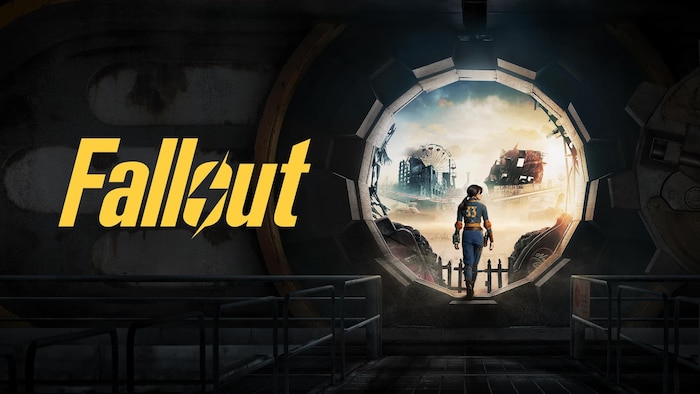
Amazon’s Fallout Season 2 has just delivered a clear answer! The new season didn’t just pull millions of viewers in front of their screens; it also sparked a noticeable surge across the digital wasteland.
TL;DR
Fallout Season 2 proves TV adaptations can massively boost video game popularity
Amazon’s Fallout Season 2 didn’t just succeed as a show — it triggered a major resurgence across the entire Fallout game franchise.
Immediate impact after Season 2 premiered
- Fallout 4 jumped from ~16,000 to over 40,000 concurrent Steam players, with sustained activity beyond launch weekend.
- Fallout: New Vegas more than doubled its player count, rising from ~6,500 to nearly 19,000 concurrent players.
Why New Vegas benefited so strongly
- Season 2 draws heavily on themes, tone, and worldbuilding associated with Fallout: New Vegas.
- The show reminded players why New Vegas is still considered one of the best-written RPGs in the series.
Franchise-wide resurgence
- Fallout 76 saw renewed interest alongside ongoing live updates.
- Fallout 3 tripled its active Steam player base despite its age.
- Even Fallout 1 and 2 experienced increased activity, despite many players using non-Steam versions.
Why Fallout succeeded where other adaptations failed
- The show tells a new, original story instead of retelling game plots.
- It respects Fallout’s tone, lore, and dark humor.
- References and Easter eggs reward fans without alienating newcomers.
- The series expands the universe instead of replacing it.
What’s next for Fallout
- Continued updates for Fallout 76.
- Ongoing Fallout 4 renaissance with updates and new editions.
- Growing rumors around ports (including Switch 2).
- Fallout 5 remains unannounced, but interest in the franchise is at a peak.
Important tips: Fallout Season 2 shows that when a TV adaptation respects its source material and adds something new, it can revive entire game libraries — not just promote a single title.
Players have been returning en masse, both to the newer entries and to much older games in the series. Steam charts for the Fallout franchise have started to resemble launch-era numbers again — back when Fallout was everywhere and everyone was talking about it.
Fallout 4 Player Count Skyrockets After Season 2 Premiere
The most visible effect of the show’s success can be seen in one of the more recent entries in the series — Fallout 4. A game that had maintained a steady but fairly moderate level of activity for years suddenly exploded in popularity after the new season aired.
According to SteamDB, the Fallout 4 player count jumped from around 16,000 concurrent players to over 40,000, and the surge lasted far longer than just the release weekend.
For many players, it was the perfect excuse to return to the Commonwealth — to revisit faction conflicts, settlement building, and the ruins of post-apocalyptic Boston. For others, it marked their first real encounter with a game that, even years later, remains one of the most accessible and welcoming entries in the series.
Fallout New Vegas Benefits From Strong Story Connections To The Show
An even more interesting case is Fallout: New Vegas. Season 2 draws heavily from themes, locations, and the overall vibe closely associated with this beloved 2010 title.
Obsidian’s cult classic saw a similar, more than twofold increase in activity, climbing from roughly 6,500 to nearly 19,000 concurrent Steam players, putting it right alongside Fallout 4’s resurgence.
For many fans, this was a chance to return to one of the best-written RPGs in the franchise — packed with political intrigue, morally complex choices, and that signature dark humour. The show clearly reminded audiences why New Vegas still holds legendary status among Fallout fans.
Renewed Interest in The Entire Fallout Series
The impact of Fallout Season 2 wasn’t limited to just the game that inspired it or one standout entry. Nearly every title in the series benefited. Multiplayer-focused Fallout 76 once again drew players in, fueled by both the show’s popularity and ongoing updates and live events.
Even Fallout 3 — a game with minimal narrative ties to the series and very much showing its age — managed to triple its active player base.
Surprisingly, increased activity was also recorded for the truly “ancient” entries, Fallout 1 and Fallout 2. In this case, it’s worth noting that Steam numbers don’t tell the full story — many players still enjoy these ’90s classics outside Valve’s platform. Yes, younger readers, once upon a time we really did just put a disc in the drive and start playing. No launcher required.
All of this strongly suggests that the show acted as a catalyst for the entire universe, not just a marketing boost for one specific game. That said, timing also played a role.
Steam discounts during Fallout Days in late October, followed by another round of sales tied to the show’s release, undoubtedly helped. Still, there’s no denying that renewed hype around the franchise was the real driving force behind so many players jumping back in.
Why Fallout Succeeded Where Other TV Adaptations Failed
This success didn’t come out of nowhere. The creative team behind the show — Jonathan Nolan, Lisa Joy, Graham Wagner, and Geneva Robertson-Dworet — avoided the classic mistakes that plague many video game adaptations.
Instead of retelling familiar stories that are often difficult to translate faithfully, they focused on new characters, an original narrative, and a deep respect for the tone and lore of the universe.
They embraced references, Easter eggs, and knowing nods to fans, while confidently filling in narrative gaps the franchise had left open over the years.
As a result, the show works both as an accessible entry point for newcomers and a treasure trove of details for longtime fans. This TV adaptation doesn’t just retell Fallout — it expands it.
Because of that, Fallout on Prime Video has become a natural gateway into the games themselves, encouraging viewers to experience the world not just as spectators, but as players who can shape it on their own terms.
What’s Next? Updates, Rumours, and Fallout 5
Bethesda certainly isn’t short on attention right now. Fallout 76 continues to receive support, Fallout 4 is enjoying yet another renaissance thanks to new editions and updates, and industry chatter around potential ports for the recently launched Switch 2 has been growing louder.
More seasons of Amazon’s Fallout series also seem inevitable.
In the background, the topic of Fallout 5 continues to resurface, even if official details remain a distant promise. One thing is clear, though — Fallout is once again a franchise everyone’s talking about.
Fallout Proves Games and TV Can Thrive Together
Season 2 of Amazon’s series showed that TV screens and controllers can coexist in perfect harmony. The show reminds audiences why Fallout’s world is so compelling, while the games let them dive back in on their own terms.
And if someone installs one of the games “just for a moment” after watching a few episodes — well, we all know how that ends. Another sleepless night, with “I don’t want to set the world on fireeeee” playing softly in the background.