





Gravebound launches into Steam Early Access on September 22, 2026 with a wonderfully stupid problem: humanity is gone, household appliances have inherited the Earth, and apparently the microwave has learned how to snipe.
The actual game underneath that joke is surprisingly easy to understand. Gravebound is a six-player co-op PvE extraction shooter where squads enter a ruined wasteland, complete events, fight increasingly ridiculous machines, improve their builds, collect loot, and decide how long they are willing to stay before extracting.
That puts it somewhere between the tension of an extraction game, the build-stacking pleasure of a roguelite, and the kind of co-op chaos where a perfectly respectable run can collapse because somebody decided the giant blender probably was not that dangerous.
What is Gravebound?
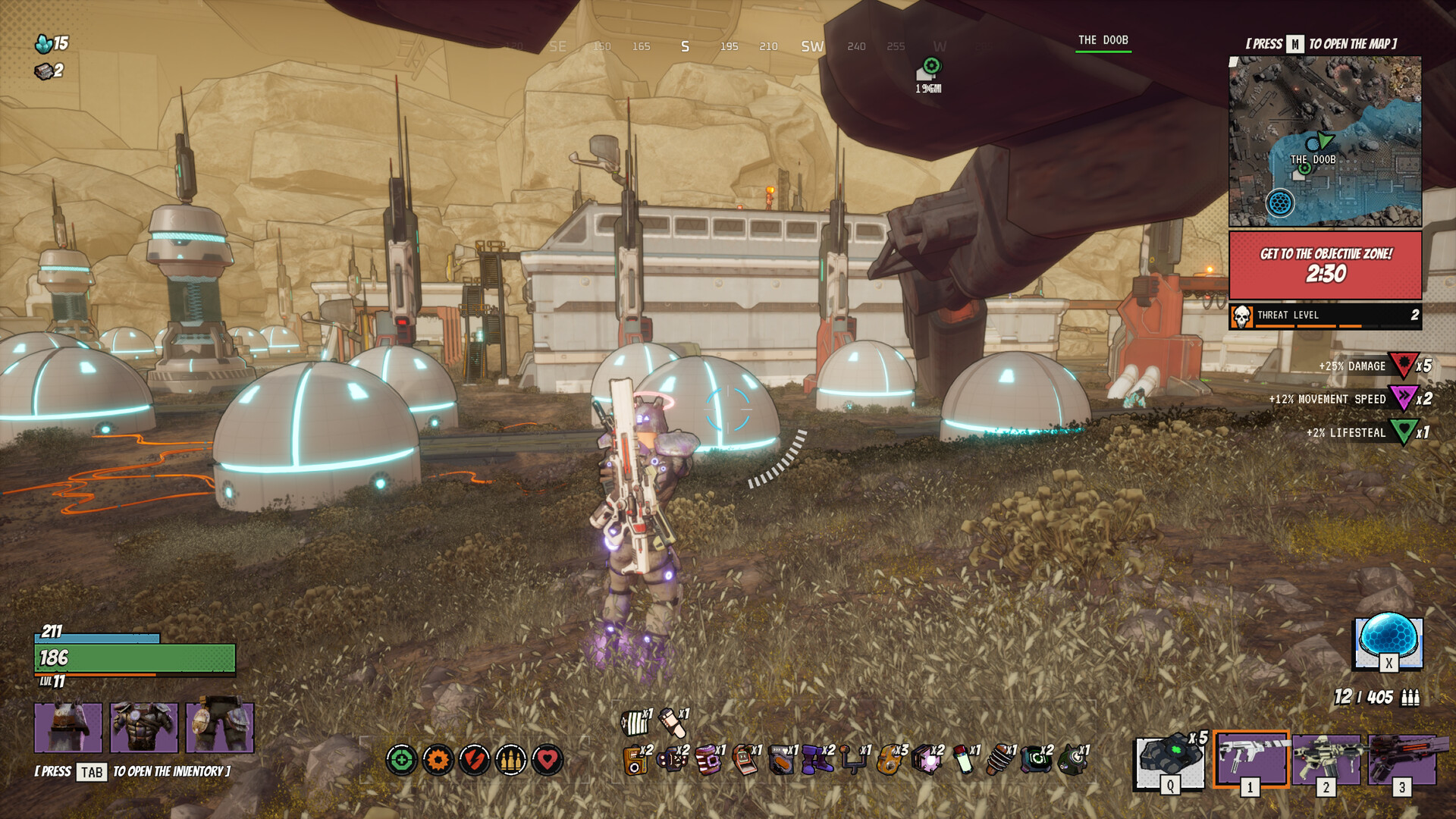
Gravebound is a co-op extraction shooter built around repeatable PvE runs rather than a traditional linear campaign.
You enter the wasteland alone or with a squad, hunt for better gear, complete events, visit weapon stations, improve your equipment during the run, and eventually make the central extraction-game decision: leave with what you have, or keep pushing for bigger rewards while the danger gets worse.
Where Gravebound gets more interesting is in how aggressively it layers roguelite progression over that structure. Relics, Augmentations, weapon upgrades, character skills, and longer-term progression systems mean the run is not simply about finding a slightly better rifle and leaving.
It is about assembling a build while everything around you becomes less reasonable.
The appliance apocalypse is the real hook
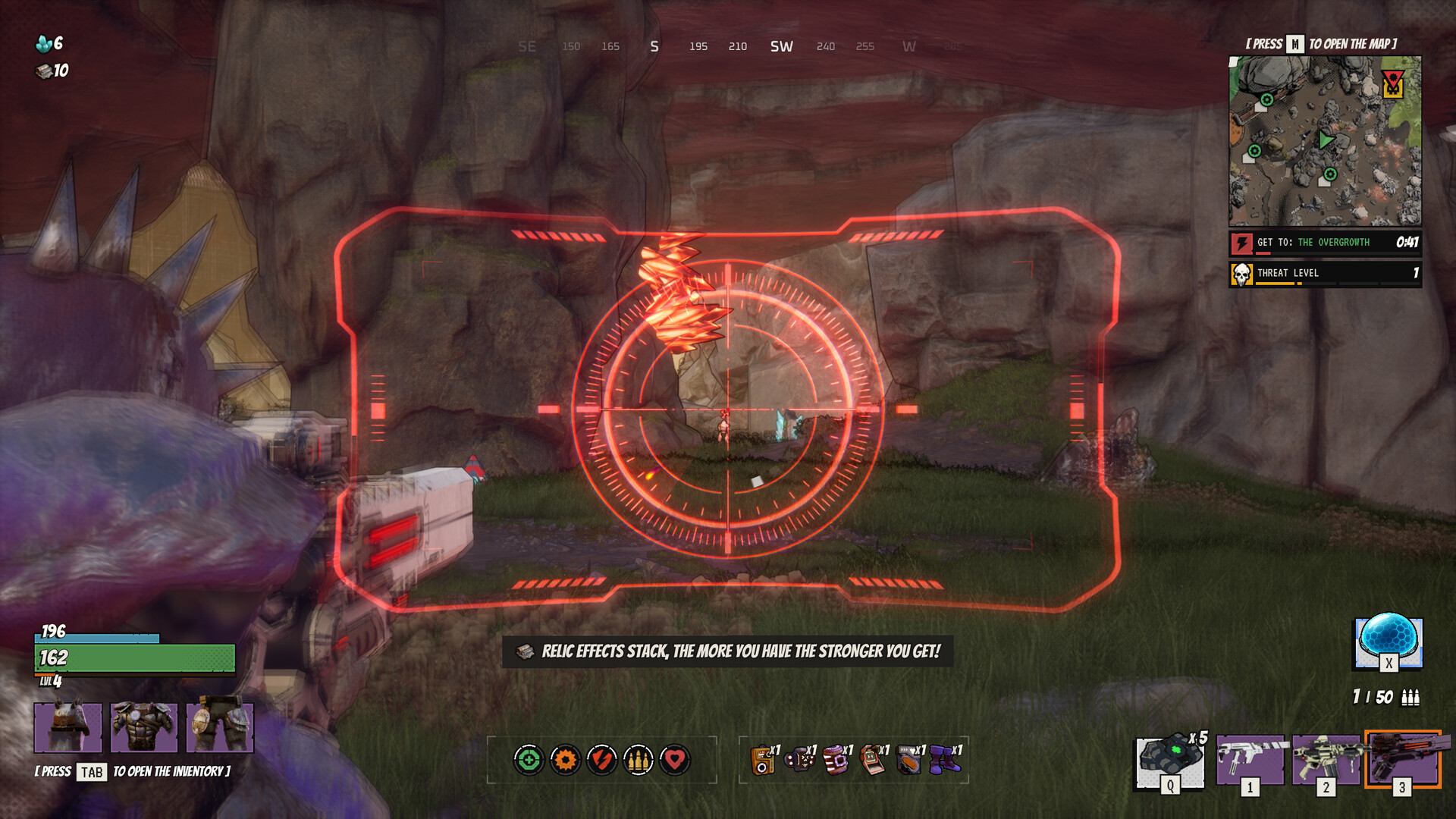
The thing that makes Gravebound immediately easier to remember than another anonymous ruined-world shooter is the enemy roster.
Crater Studios has populated its apocalypse with corrupted household technology. The Steam page calls out fridge tanks, sniper microwaves, exploding toasters, and furious vacuums, while the current boss lineup includes machines such as the Blender, TV, Jukebox, and Freezer.
That sounds like a meme, but it also gives the combat a useful visual identity. One of the hardest problems for a new extraction shooter is explaining why anybody should care about its particular wasteland when the genre already has military operators, aliens, robots, mutants, abandoned cities, and industrial sci-fi coming out of every vent.
Gravebound’s answer is basically: what if the boss room contained the worst kitchen appliance you have ever owned?
That is silly enough to catch attention while still supporting a real gameplay purpose. Different mechanical enemies can have distinct attacks and boss mechanics, which gives the co-op side something more interesting to organize around than simply increasing enemy health.
Extraction without the usual PvP focus
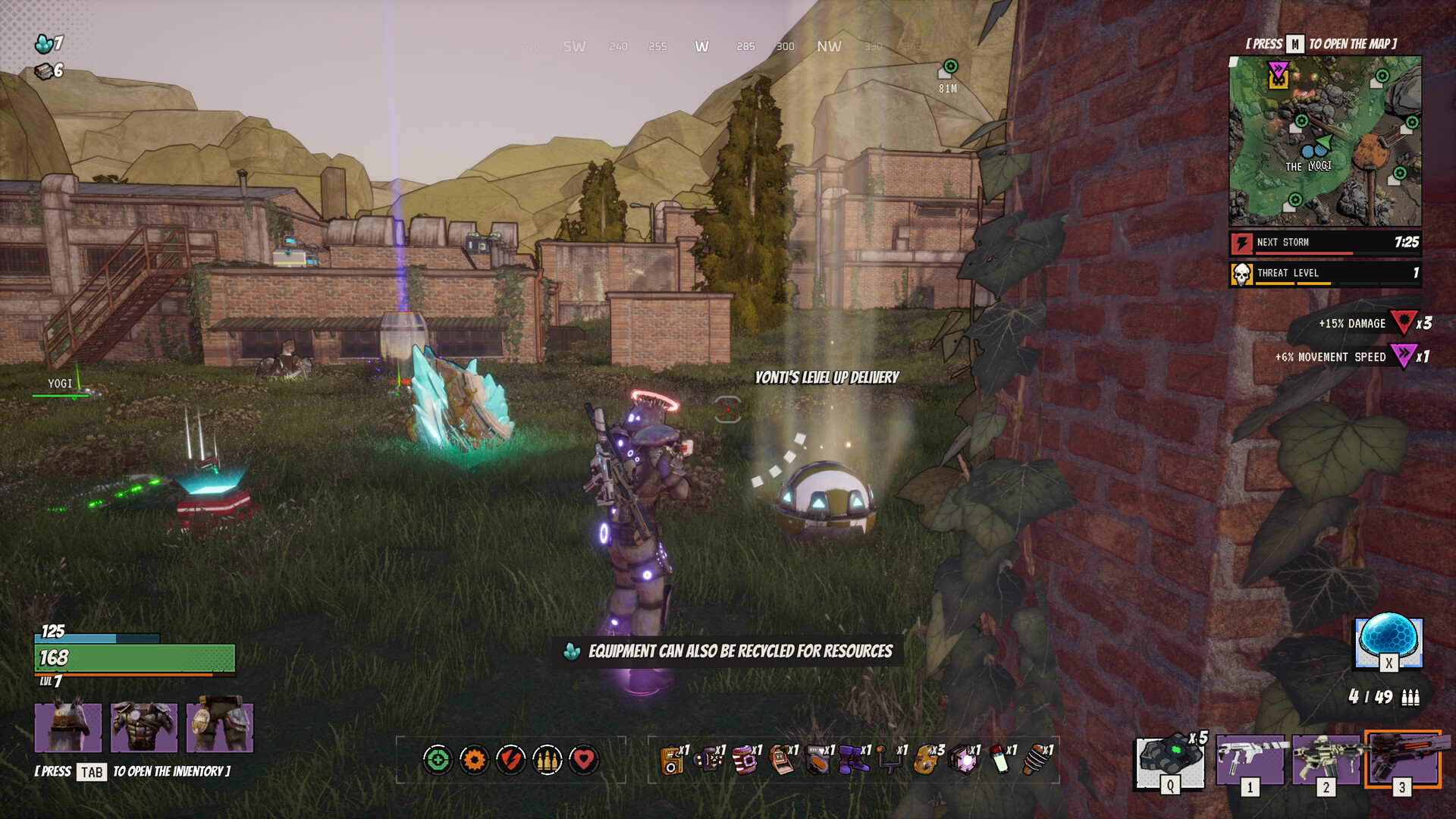
The current Steam positioning describes Gravebound as a co-op PvE extraction shooter. That distinction matters.
Extraction games are usually associated with the constant possibility that another human squad is going to ruin your evening. Gravebound keeps the central risk-reward structure, but aims the pressure at escalating machine encounters, bosses, objectives, and the temptation to stay longer.
You still have something to lose. You still have to decide whether one more objective is worth the risk. But the fantasy is closer to surviving an increasingly chaotic expedition with friends than hunting other players.
That could make it an easier entry point for people who enjoy extraction progression but do not particularly enjoy having their best run ended by somebody hiding in a bush three zip codes away.
Relics, upgrades, and persistent progression
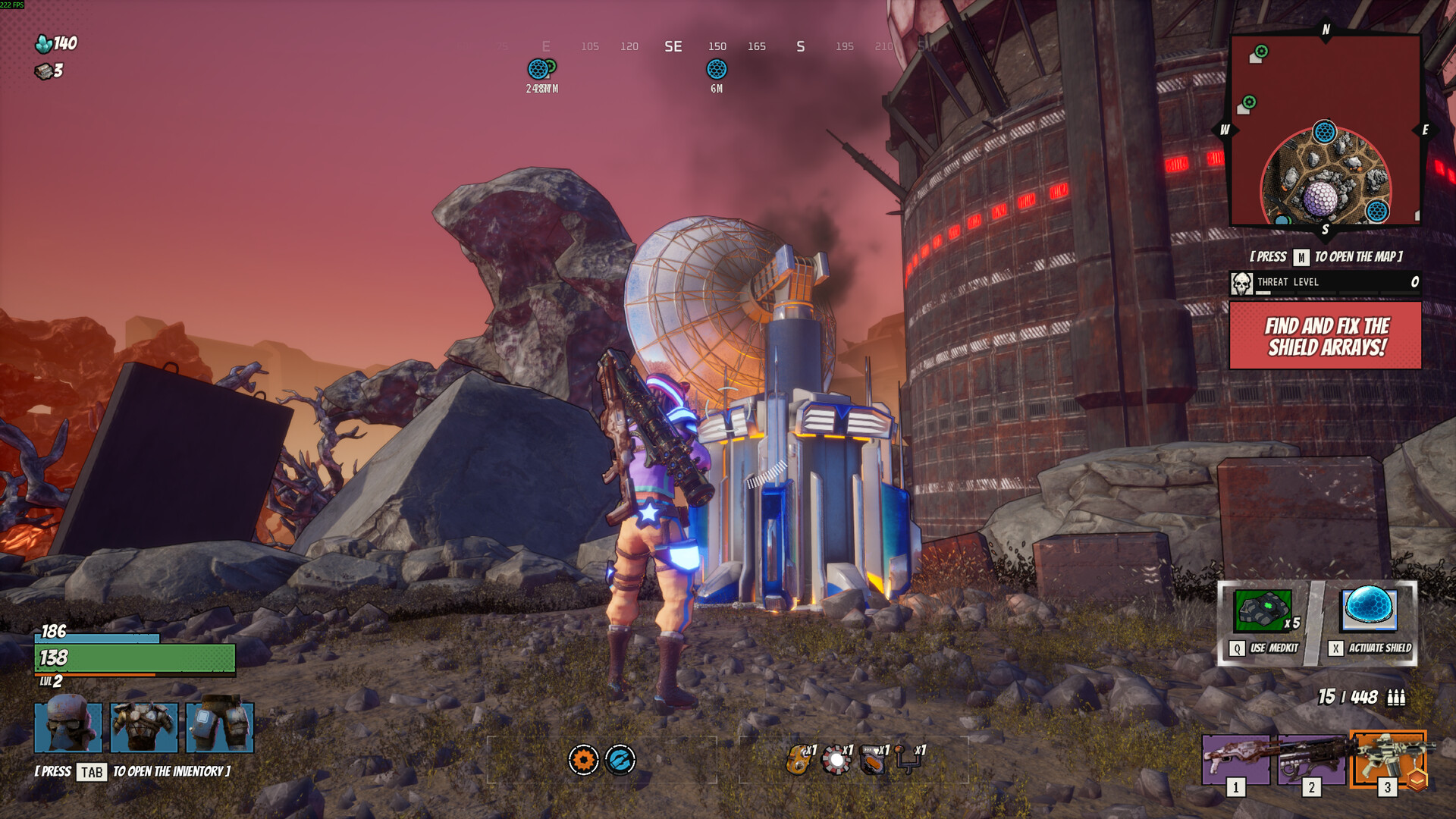
Gravebound also borrows heavily from the “one more run” school of progression.
Relics and Augmentations can reshape a build during a session, weapons can be upgraded in the wasteland, and character progression continues outside individual runs. The developer also names longer-term systems including CEP progression and the Tinkerer.
That gives failure a different role. A dead run is not necessarily an hour thrown into the furnace. Ideally, you learned something about a build, unlocked something useful, or made enough permanent progress to change the next attempt.
The important caveat is right there in the Early Access label. Gravebound is explicitly launching as a work in progress, with Crater Studios saying player feedback will help influence balancing and development priorities. That means the current progression balance, content volume, and run variety should not be treated as finished.
What does Gravebound resemble?
| Reference | Shared DNA | What is different here? |
|---|---|---|
| Extraction shooters | Risk, loot, objectives, deciding when to leave | The current Steam version is positioned around co-op PvE |
| Roguelites | Run-based builds, stacking upgrades, repeat attempts | Third-person shooting and extraction structure sit at the center |
| Co-op horde shooters | Squad coordination and escalating enemy pressure | Keeping loot and judging extraction timing adds another decision layer |
How to grab Gravebound through Steam
Gravebound is launching on Steam. If you prefer topping up your Steam Wallet first, you can check Steam gift-card options on G2A.COM and choose a denomination and currency compatible with your account.
Check Steam gift cards on G2A.COM
Want more from G2A Plus? Members can collect Plus Points on purchases, while Premium includes member pricing on eligible items, additional discount codes, a monthly free digital reward, and priority post-purchase assistance.
Who should keep an eye on Gravebound?
Gravebound makes the most sense for players who like the decision-making pressure of extraction games but would rather deal with a six-player co-op disaster than a competitive PvPvE sweatfest.
The stranger enemy design is doing a lot of work here, but so are the build systems. If Relics, Augmentations, persistent unlocks, and increasingly dangerous runs combine properly, the ridiculous appliance premise could support something with real replay value.
The Early Access warning still matters. Launch day is the beginning of that process, not evidence that every system has already landed perfectly.
But as elevator pitches go, “six friends enter a ruined wasteland and try not to die to a sniper microwave” is considerably easier to remember than most.