




The drought began when BioShock Infinite launched in 2013. Since then, nothing new has landed from Ken Levine or the universe he created.
Every time a State of Play or a Geoff Keighley showcase aired, fans sat there like hopeful fools, fingers crossed, waiting to see what Ghost Story Games might finally reveal. BioShock 4 still feels far away, but Judas is slowly shifting from mystery to something real.
As of early 2026, it no longer looks like just another spiritual successor. It might be Levine’s most reactive, player-driven project yet. This time, the focus moves away from scripted storytelling and heads toward something that lives and breathes with your decisions.
Shifting the Paradigm: From Narrative Rails to a Judas Simulator
Anyone expecting a traditional corridor shooter where the game tells you where to go and what to shoot will need to adjust. Ken Levine has said directly that Judas moves away from his earlier designs.
BioShock, for all its memorable moments, was still a linear experience. Judas aims for something else entirely. The goal now is to fully inhabit the main character and decide how her story unfolds. According to the team, this is not just a shooter. They call it a Judas simulator. You are not just progressing through a world. You are deciding who to trust, who to ignore, and what consequences you are willing to accept.
The setup is heavy. You are on a ship as the human race nears collapse. That already creates tension, but the real innovation comes from how the game tracks and responds to your behavior.
Ghost Story Games spent five years in the research and development phase, building systems designed to reflect not only major decisions but small, cumulative actions. It is not about choosing A or B during a cutscene, but more about patterns over time. How you act consistently will shape how characters view and respond to you. The aim is not to just branch the narrative. It is to generate a sense of agency that builds across the entire game.
The Villainy System: Spinning Plates and Making Enemies
The standout mechanic is something Ghost Story Games calls Villainy. According to Levine, this system is the backbone of how conflict works in Judas. It turns relationship management into a kind of high-pressure balancing act. You try to maintain trust and influence with several major characters at once, knowing full well that you cannot please them all.
Relationships shift and characters will like you one moment and hate you the next, depending on how you behave. There is no way to win everyone over. Eventually, the game will force a confrontation. One of those characters will turn into your enemy. This is not random.
It is a direct result of your choices: who you helped, who you ignored and who you betrayed. Ghost Story wants these moments to feel personal, not scripted. They want players to argue about who they sided with, and which characters became fan favorites or despised enemies.
The Long Game: Five Years of R&D and the Path to Launch
Judas has taken a long time to surface, and that is by design. Ghost Story Games has been singularly focused on creating a new kind of reactive gameplay. Spending half a decade on research and systems is rare in modern development, but it signals a clear priority. They want this to be more than another story-driven shooter. They want something where the gameplay and story are inseparable.
The current mood from the studio is optimistic. They are working quietly toward their next big milestone. Development updates are finally being shared.
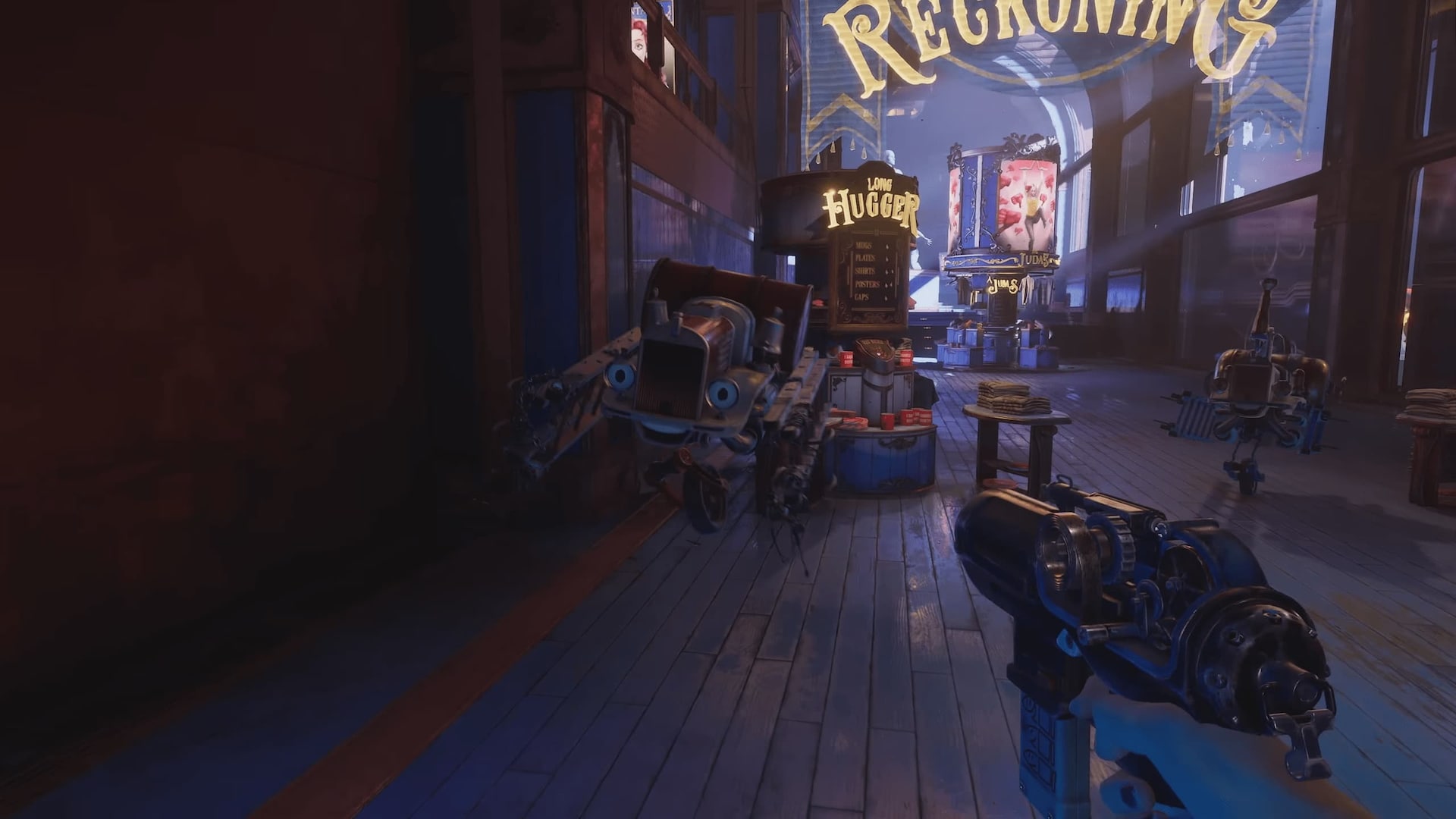
A few are already public, with more to come. The silence that defined the first few years of Judas is finally breaking. Players can expect more traditional previews and trailers as launch nears. There is no fixed release date yet, but Judas is confirmed for PlayStation 5, Xbox Series X and S, and PC.
This is the longest gap we have seen from Ken Levine. But if Judas delivers on its promise to create the most reactive narrative game yet, it will not just mark a return. It might reshape expectations for how story and systems can work together. The next big showcase might finally give us that date. For now, this is one worth watching closely.
How It Might Play in Practice
What does this all mean for the average player? Judas is positioning itself as a story experience you influence through every conversation and combat decision. You might face familiar moral dilemmas, but how those dilemmas unfold could look different based on subtle, accumulated choices.
Expect tensions that build over hours, not just decisions with immediate feedback. The game is built to respond to who you become, not just what you do. That design could push players to think twice before treating it like a standard shooter.