





Liquidation enters Steam Early Access on August 4, 2026, and its premise sounds like someone trapped a classic hero-led RTS, a grim science-fiction war game, and several boxes of angry fantasy miniatures on the same dying planet.
That planet is Veá, a world torn apart by a cataclysm known as the Splintering. Its surviving factions are now fighting over Quenrium, a rare substance with life-sustaining properties and enough strategic value to turn the planet’s final days into one enormous military argument.
The combat hook is just as specific. Liquidation is not about selecting every unit on the map, pointing at the enemy base, and hoping your enormous blob is angrier than theirs. It is built around mid-sized armies, defined unit roles, careful composition, positioning, timed abilities, and commanders who support an army without replacing it.
In other words, it sits somewhere near Warcraft III, Warhammer 40,000: Dawn of War, SpellForce, and old-school science-fiction RTS design, but its golden zealots, high-tech Frogkin, Lamia warriors, and reality-tearing demons give it a very different battlefield identity.
TL;DR – Liquidation
- What is Liquidation?
- Veá, the Splintering, and the Quenrium War
- How Liquidation gameplay works
- The three Early Access factions
- Commanders, abilities, and army support
- Campaign, co-op, PvP, and skirmish content
- Is Liquidation like Warcraft III or Dawn of War?
- Liquidation Early Access roadmap
- Editions, price, and future increases
- Recent Liquidation updates
- Liquidation system requirements
- Similar RTS games on G2A.COM
- How to get Liquidation through Steam
- Get more from G2A.COM with G2A Plus
- Who should play Liquidation?
- More RTS reading on G2A News
- Liquidation FAQ
- Veá is dying, but this RTS has a pulse
What is Liquidation?
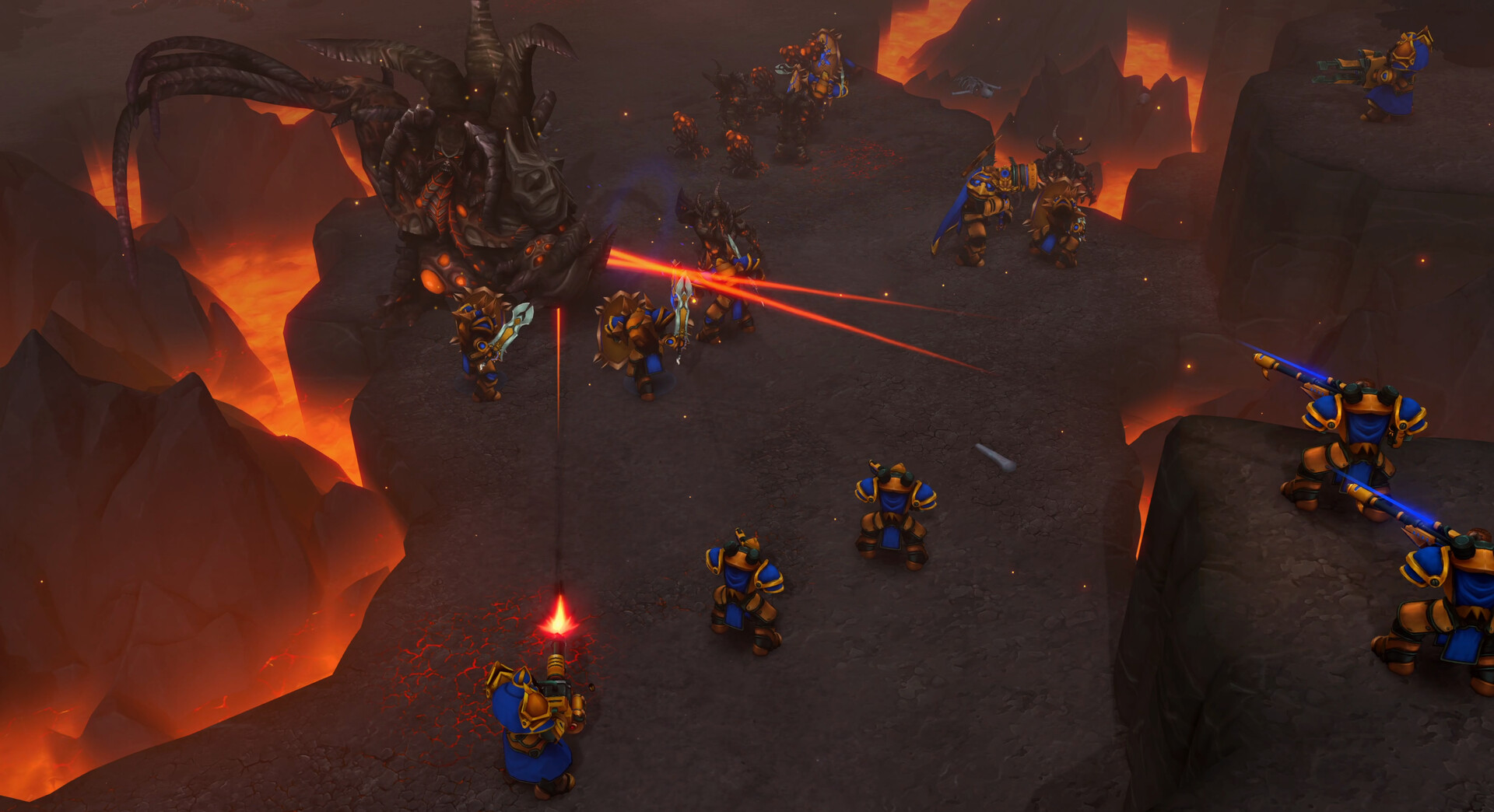
Liquidation is a real-time strategy game that combines science-fiction technology, dark-fantasy creatures, commander progression, campaign missions, and competitive or cooperative skirmishes.
Its battles are deliberately smaller and more controlled than the giant unit floods seen in some traditional RTS games. Units are designed to have clear battlefield jobs, which means army composition matters before the fighting even begins.
A durable frontline without ranged support may get picked apart. A force packed with expensive specialists may struggle if it cannot protect them. A commander may have powerful abilities, but sending that commander into battle without an army is still an excellent way to create a very expensive corpse.
The game therefore asks you to think at two levels. You need enough macro awareness to produce the right forces, reinforce losses, and manage the wider battle. At the same time, you need enough micro control to position units, trigger abilities, focus important targets, and avoid wasting valuable troops.
Veá, the Splintering, and the Quenrium War
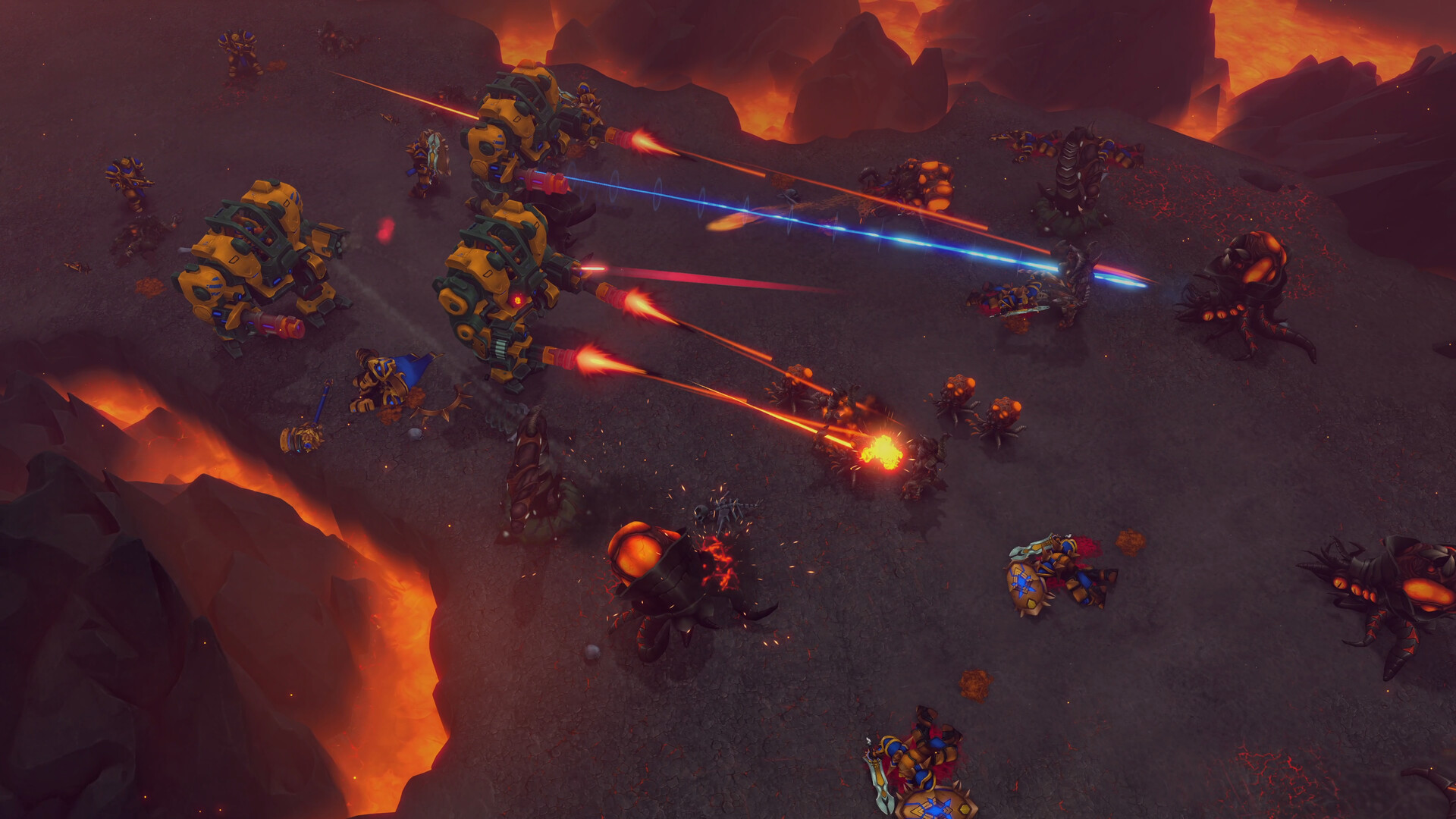
Liquidation takes place on Veá, a dying planet whose civilizations were devastated by an event known as the Splintering.
The disaster wiped out species, destroyed established powers, and left the survivors competing for whatever might keep them alive. The most important remaining resource is Quenrium, a powerful substance with life-sustaining properties.
Naturally, everyone responded to this discovery by forming a sensible planetary committee and discussing fair distribution.
They did not.
Instead, Veá descended into the Quenrium War, with religious armies, uneasy alliances, technologically advanced species, tribal warriors, and beings from beyond reality all fighting for control.
This setup gives Liquidation room to combine machinery, magic, biological creatures, armored soldiers, and demonic entities without making the battlefield feel like a random collection of unrelated units. Every faction has a reason to be there, even if that reason usually involves taking the Quenrium and removing everyone else from the discussion.
How Liquidation gameplay works
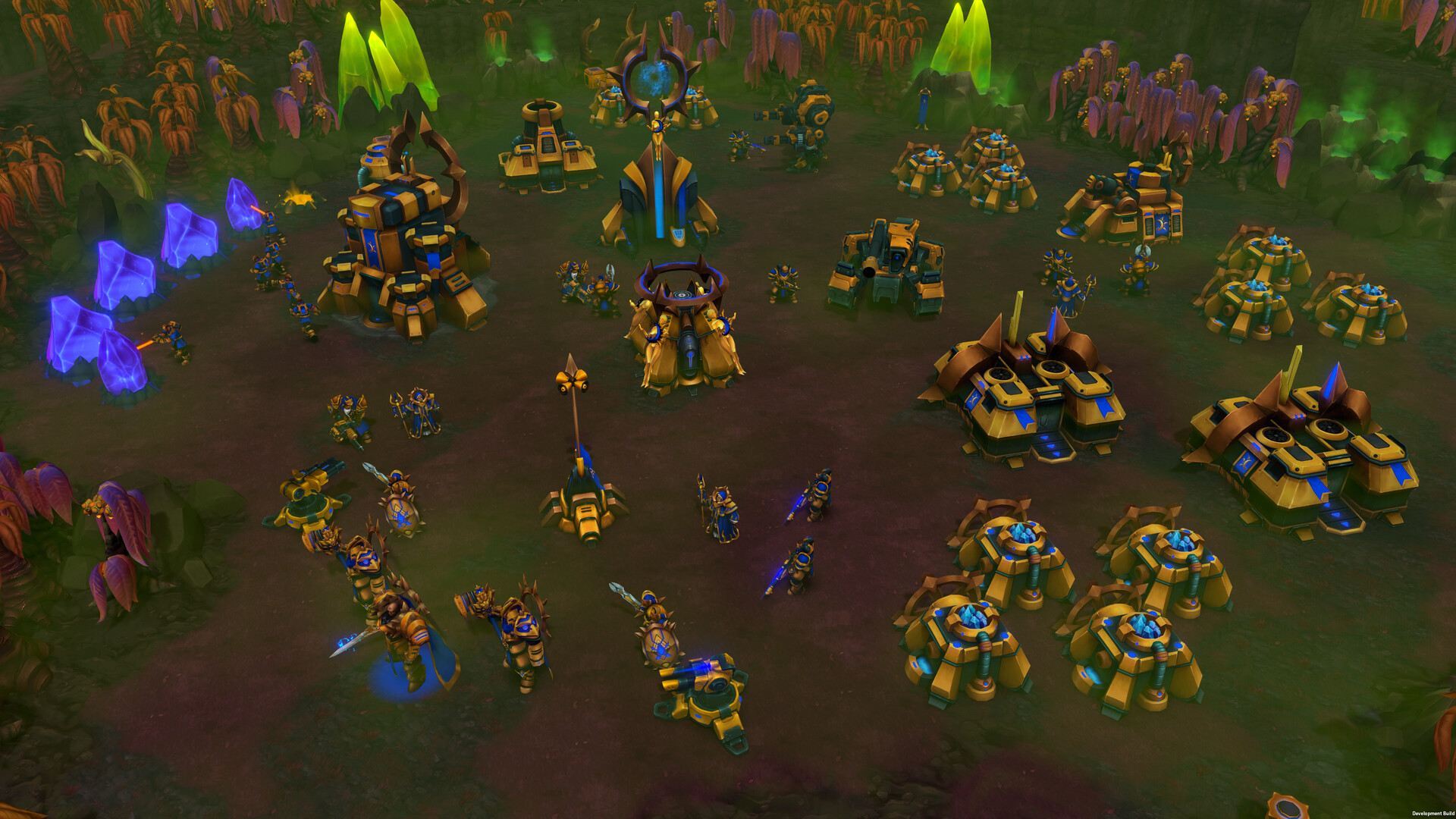
Liquidation is built around tactical real-time battles with mid-sized armies. The goal is not to overwhelm the opponent with the biggest possible pile of units. The goal is to assemble a force whose individual pieces can support one another.
Units have intentional battlefield roles
Every unit is meant to contribute something specific. Some hold the frontline. Some deal damage from range. Some provide mobility, control, support, or specialized counters.
That makes composition important. Recruiting more units is not automatically the answer if the army lacks the tools needed for the current fight.
Positioning matters
Compact armies make movement and formation more meaningful. A badly placed support unit can be removed before it contributes. A commander caught away from friendly forces can become vulnerable. A well-timed flank can disrupt an otherwise stronger formation.
Abilities reward timing
Commanders and specialist units bring activated abilities into battle. These are not meant to replace basic strategy. They create moments where timing, target choice, and battlefield awareness can change the outcome of an engagement.
Micro and macro must work together
You still need the classic RTS fundamentals. Production, reinforcement, resource use, map awareness, and long-term planning matter. Liquidation simply puts more emphasis on what happens after the armies meet.
A strong economy can provide replacements, but it will not make a badly constructed army clever. Likewise, excellent micro will only carry you so far if your opponent controls the map and keeps feeding fresh troops into the battle.
The three Early Access factions
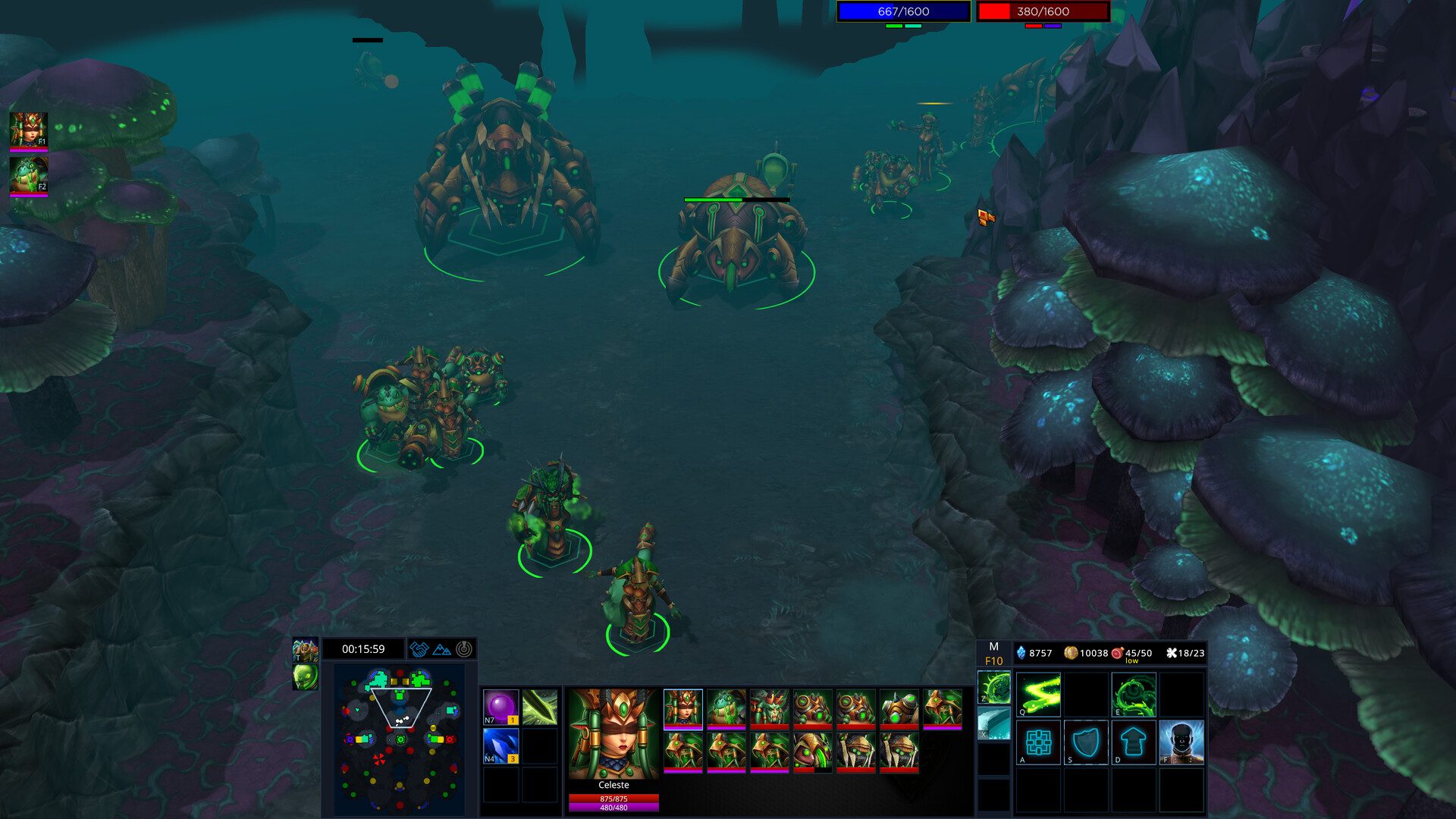
Liquidation launches into Early Access with three playable factions. Each approaches the Quenrium War from a very different cultural, visual, and military direction.
Twilight Crusade
The Twilight Crusade is a force of fanatical zealots clad in elaborate golden armor. Its members seek absolute control and appear perfectly comfortable with eradicating anyone who stands in their way.
Visually, the faction blends religious authority with heavy science-fiction military design. It is the army for players who like disciplined formations, imposing armor, and the general battlefield energy of someone announcing that diplomacy has been permanently discontinued.
Scourge Alliance
The Scourge Alliance unites the Lamia tribes with the technologically advanced Frogkin.
That combination gives the faction an intentionally unusual identity. Primal aggression and tribal ferocity sit beside advanced machinery and high technology, creating an alliance that should feel less uniform than the Crusade.
It is also the faction most likely to make someone ask, “Wait, are those heavily armed frogs?” before the heavily armed frogs solve the misunderstanding themselves.
Legion
The Legion consists of demonic beings that emerged through a tear in reality. They are shaped by a godlike Nether entity and bring the darkest fantasy elements into Liquidation’s otherwise technological war.
Their presence changes the tone of the setting. Veá is not only dealing with political collapse and resource warfare. Reality itself has apparently decided that the situation was not complicated enough.
These three factions give Early Access a strong starting spread: religious science-fiction soldiers, a mixed-species alliance, and supernatural invaders. A fourth fully developed faction is planned for the complete version.
Commanders, abilities, and army support
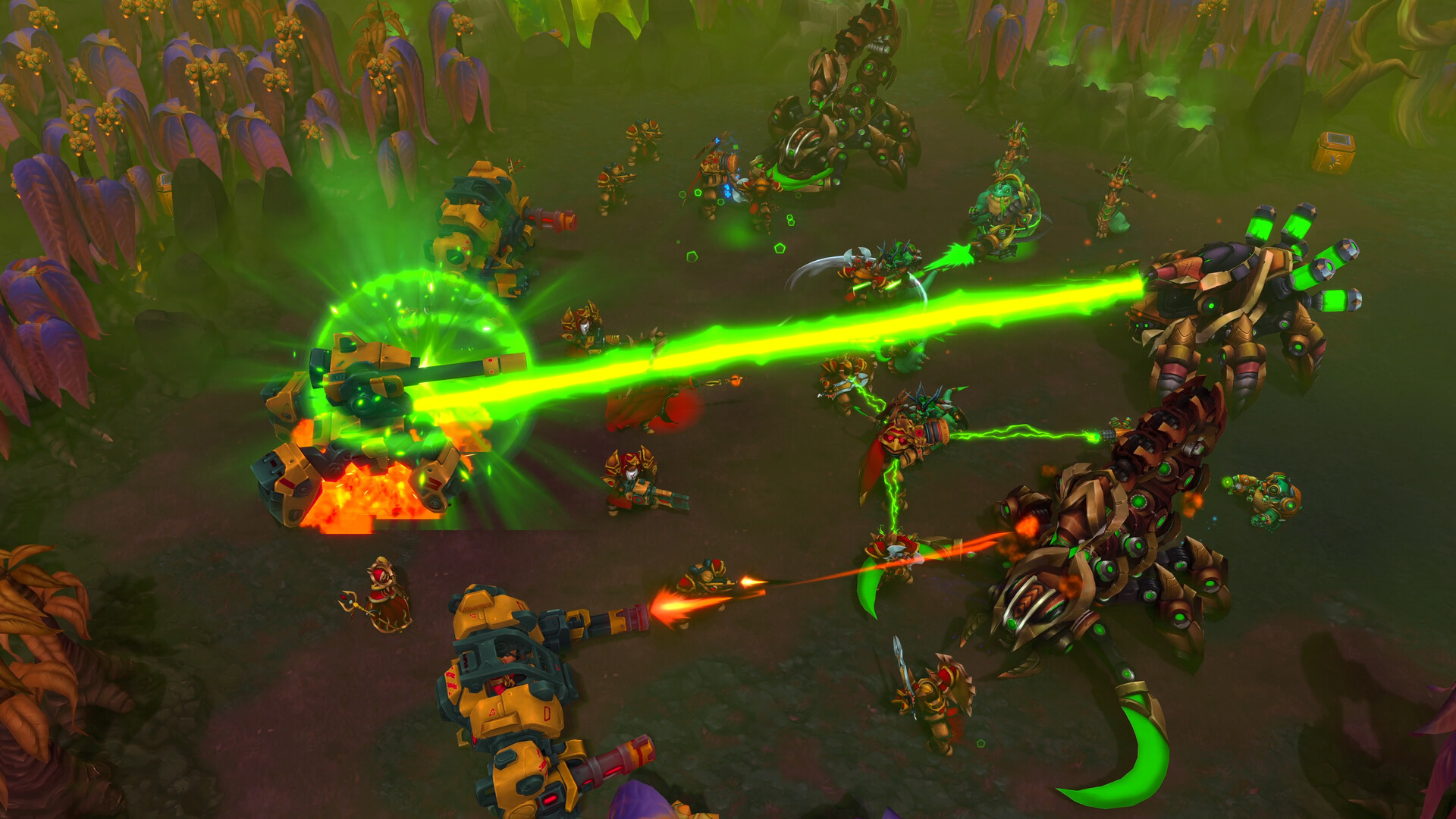
Commanders are central to both Liquidation’s narrative and its battles.
During the campaign, commanders can level up and unlock additional abilities. That gives the story mode a progression layer beyond simply moving from one mission to the next.
However, commanders are not intended to become one-unit armies. They have strengths and weaknesses, and they still need regular troops around them. Their job is to improve the force, create tactical opportunities, and give the player more options during important engagements.
This distinction matters. Hero units can easily take over an RTS if their statistics become more important than army composition. Liquidation’s stated approach keeps commanders significant without turning every battle into two superheroes fighting while the rest of the units provide decorative background noise.
The result should appeal to players who enjoy Warcraft III-style hero progression but still want the army itself to remain the main strategic instrument.
Campaign, co-op, PvP, and skirmish content
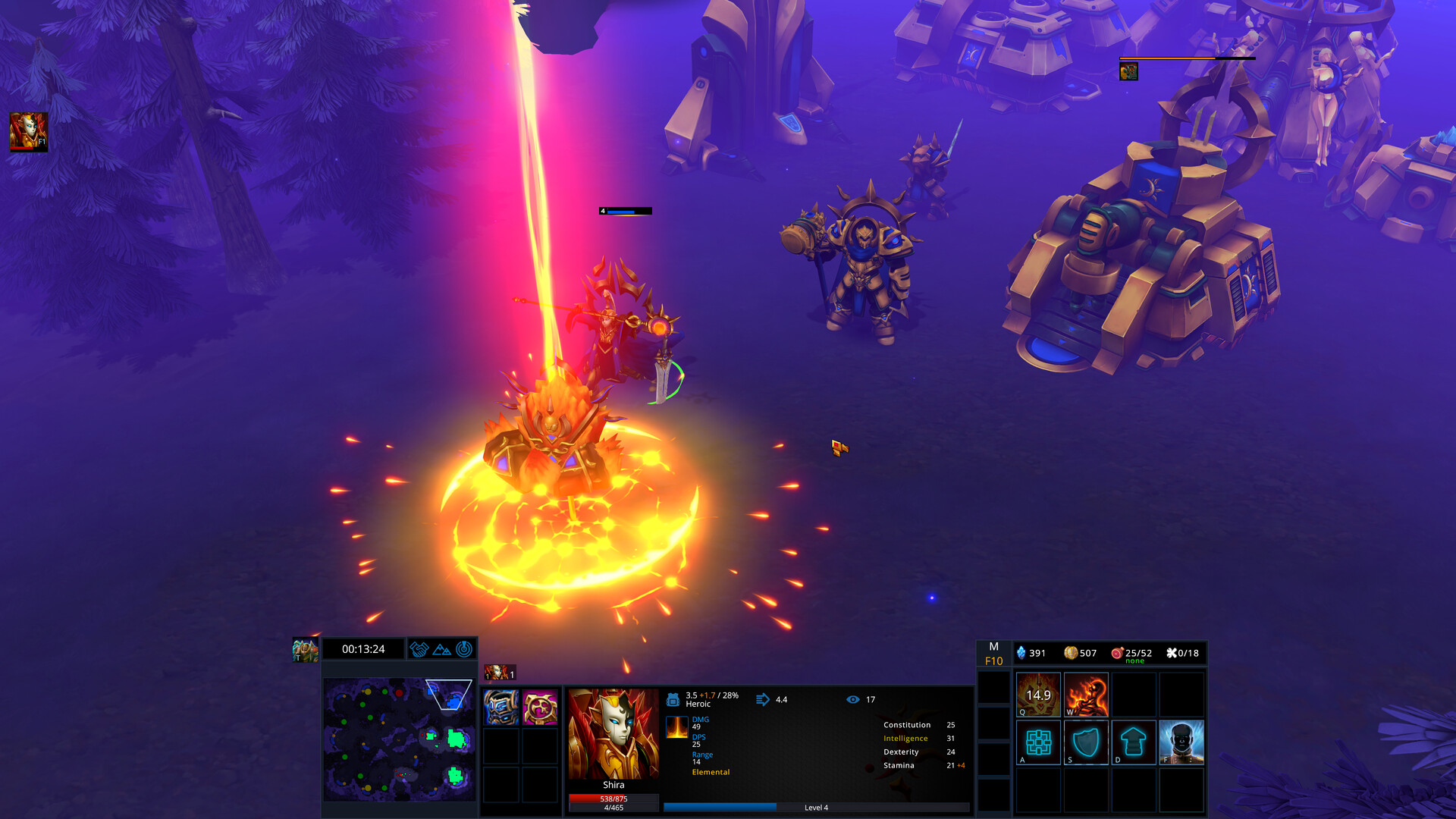
The Early Access version includes the first two chapters of Liquidation’s campaign, covering six missions.
It also launches with:
- three playable factions
- several PvE and PvP skirmish maps
- single-player support
- online PvP
- online co-op
- replay functionality
- Steam achievements
- Steam Cloud support
The Steam listing confirms online co-op as a supported feature, although the precise structure and availability of cooperative play may depend on the selected mode.
Six campaign missions will not satisfy someone looking for a finished, weekend-devouring story campaign. That is the Early Access tradeoff. The initial release is meant to establish the combat system, factions, opening narrative chapters, and multiplayer foundation while Divio gathers feedback.
Players primarily interested in skirmishes, faction experimentation, replays, and helping shape balance may find more immediate value than someone who only wants the complete campaign.
Is Liquidation like Warcraft III or Dawn of War?
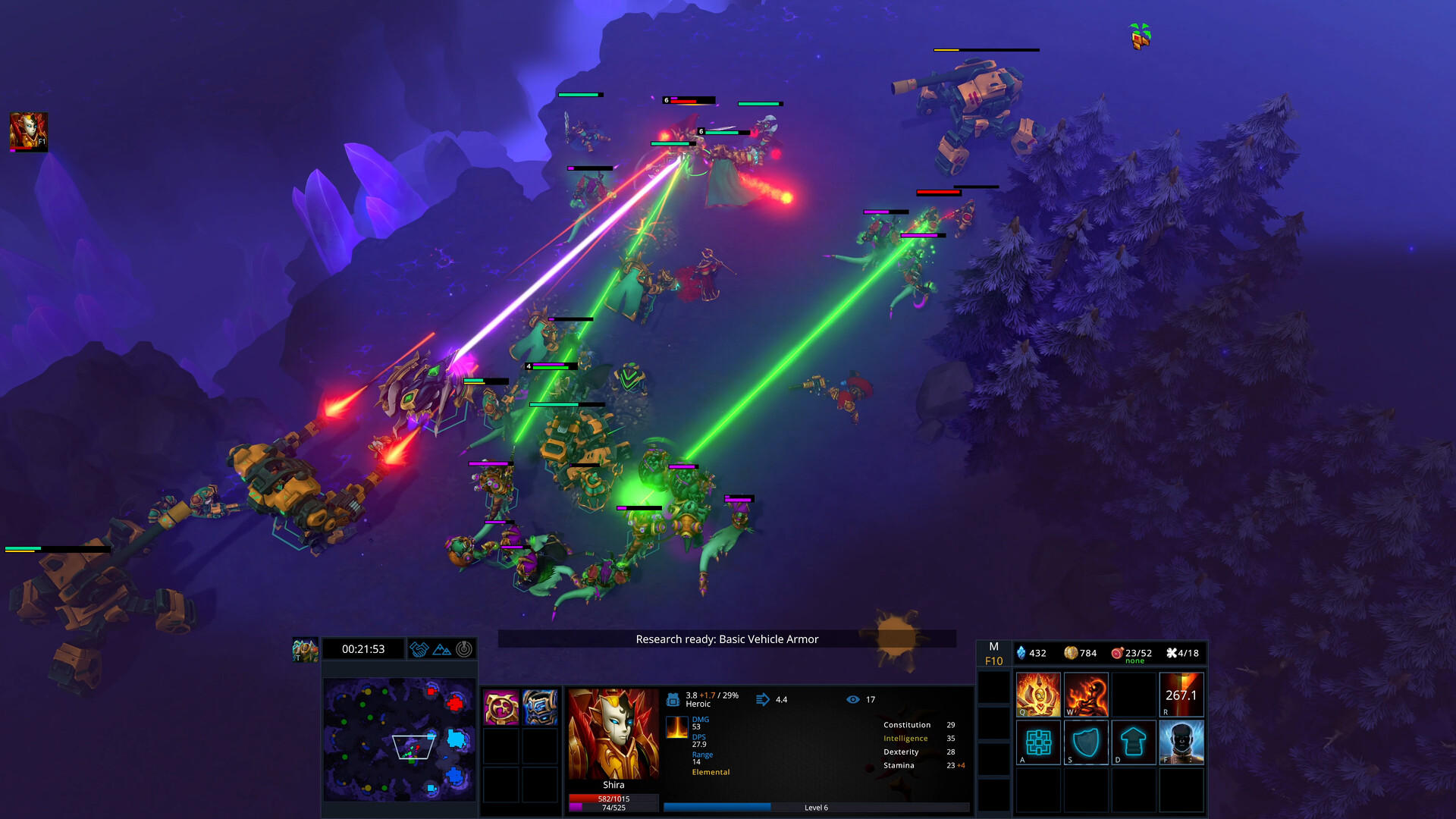
Liquidation is not a direct copy of one classic RTS, but several comparisons help explain what it is trying to do.
The Warcraft III comparison
The clearest connection is the use of important commanders, ability-driven battles, faction identity, and campaign progression. Like Warcraft III, Liquidation wants its named characters to matter without removing the need to build and control a proper army.
The Dawn of War comparison
The compact forces, brutal science-fiction aesthetic, strong faction asymmetry, and emphasis on positioning put Liquidation in a similar tactical neighborhood to the original Dawn of War games.
The armies look like groups that are supposed to clash over objectives and key positions, rather than two endless streams of disposable units meeting in the middle of the map.
The SpellForce comparison
SpellForce is a useful reference for the mixture of fantasy, heroes, abilities, and traditional RTS structure. Liquidation leans more heavily into science fiction and appears less focused on role-playing exploration, but both understand the appeal of putting recognizable characters inside a wider strategic battle.
The StarCraft comparison
The three sharply different factions and focus on carefully balanced competitive encounters invite an obvious StarCraft comparison. Liquidation appears slower and more commander-driven, but players who enjoy learning faction matchups, unit counters, and tactical ability use should recognize the broader appeal.
The important point is that Liquidation is not promising the largest RTS battles. It is promising battles where the pieces are readable, the army has a deliberate structure, and a few seconds of good or terrible decision-making can matter.
Liquidation Early Access roadmap
Divio currently expects Liquidation to leave Early Access during the second half of 2027. The studio also warns that the date may change if more development time is needed.
The studio plans to gather feedback through discussions, polls, and its Discord community. That makes sense for an RTS, where small numerical changes can completely alter unit matchups, faction strategies, and the value of particular abilities.
The planned jump from six missions to 32 is substantial. Players interested primarily in the story may therefore prefer to wait for more chapters, while skirmish players can begin testing the factions and combat systems earlier.
Editions, price, and future increases
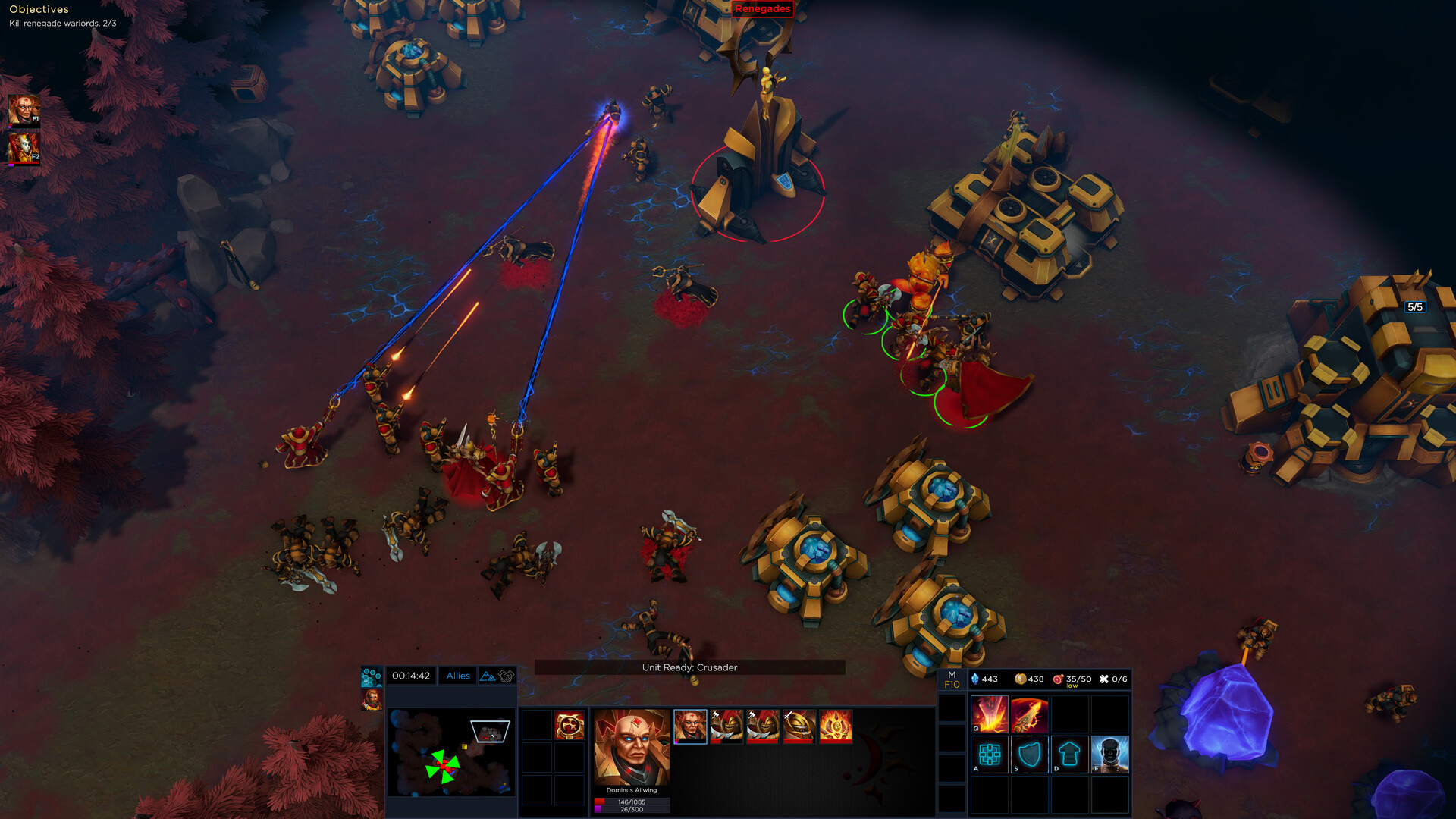
At the time of writing, Liquidation’s Steam page presents the game as a standard Early Access release. No separate Deluxe Edition, Ultimate Edition, or Collector’s Edition is officially listed.
The developers expect the price to increase as more content and features are added. That is a common Early Access structure: earlier players receive a smaller version at its initial price, while the cost rises as the game approaches completion.
That does not automatically mean buying early is the best choice. The decision depends on what you want from Liquidation.
- Buy during Early Access if you enjoy testing RTS balance, experimenting with factions, providing feedback, and following development.
- Wait for later updates if your priority is a longer campaign, more maps, matchmaking, and a larger review sample.
- Wait for the full release if you want the planned four factions and 32-mission campaign in one finished package.
Recent Liquidation updates
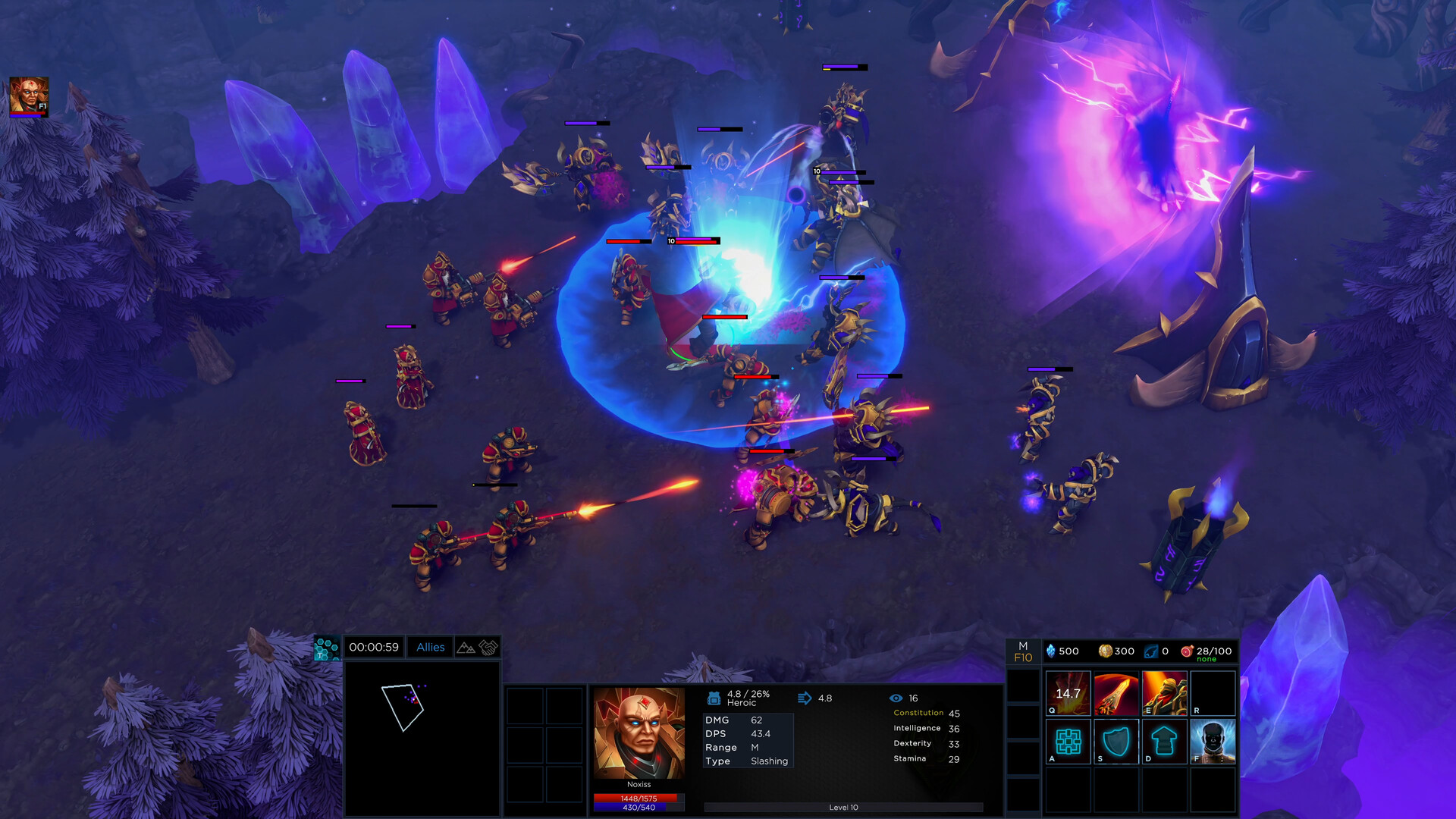
Divio’s pre-release announcements have highlighted several practical improvements, including:
- a keybindings editor
- Replays 2.0
- a debriefing screen
- widescreen support
- a major movement and collision upgrade
Taken together, these updates suggest that recent work has focused not only on producing campaign and faction content, but also on controls, match analysis, display support, post-battle information, and the way units move around one another.
Those areas matter more in an RTS than they might sound. Poor pathfinding can ruin a carefully timed attack. Limited key customization can make competitive control uncomfortable. Weak replay tools make it harder to study mistakes, share matches, and understand why a strategy failed.
Liquidation will still need to prove how well these systems hold up under Early Access pressure, especially once more players begin testing faction matchups and unusual unit combinations.
Liquidation system requirements
The developers note that the requirements have not been fully tested and may change during Early Access.
The requirements are relatively modest for a modern strategy game, although performance during larger battles may change as the developers add units, maps, visual effects, and other content.
Similar RTS games on G2A.COM
Liquidation is entering Early Access with only part of its campaign and three of the four planned factions. These RTS games can help fill the gaps while Veá’s war expands, especially if you enjoy asymmetric armies, commander abilities, science-fiction settings, or tactical battles where unit roles matter.
How to get Liquidation through Steam
A direct Liquidation offer did not appear in the G2A.COM results checked for this article.
Since the game is launching on Steam, the practical alternative is to use a Steam gift card from G2A Marketplace, add the funds to your Steam Wallet, and purchase Liquidation through its official Steam page.
Need Steam funds for Liquidation?
Compare available Steam gift cards, check the currency and region, and choose an option that matches your account.
Always verify the card’s region, currency, activation instructions, and account compatibility before completing a purchase.
Get more from G2A.COM with G2A Plus
A G2A Plus subscription can help you find even better marketplace deals through member discounts and Plus Points.
Membership benefits can also include monthly digital extras, exclusive discount codes, special offers, and priority support. That makes it useful for players who regularly buy PC games, expansions, gift cards, and other digital items rather than making a single purchase every few years.
Check out G2A Plus
Get access to member deals, Plus Points, digital extras, exclusive codes, and additional marketplace benefits.
Who should play Liquidation?
Liquidation’s strongest audience is probably the player who misses the middle ground between giant traditional RTS armies and tiny squad-based tactics games.
It offers bases, factions, production, and wider strategic decisions, but it wants individual units, commanders, formations, and abilities to remain visible enough that a battle does not become an unreadable cloud of health bars.
More RTS reading on G2A News
Looking for more real-time strategy games, classic campaigns, faction warfare, and modern RTS revivals? These G2A News features are useful places to continue:
- Best RTS Games on PC
- Games Like Command & Conquer
- Games Like StarCraft
- Best Old and Classic Strategy Games
- Best Space Strategy Games
Liquidation FAQ
When is the Liquidation release date?
Liquidation enters Steam Early Access on August 4, 2026. Its full release is currently targeted for the second half of 2027, although that schedule may change.
Is Liquidation an Early Access game?
Yes. The initial version contains part of the campaign, three factions, skirmish maps, multiplayer features, and replays. Additional content and systems are planned during development.
How many factions are in Liquidation?
The Early Access version includes the Twilight Crusade, Scourge Alliance, and Legion. Four fully developed factions are planned for the complete game.
Does Liquidation have a single-player campaign?
Yes. Early Access launches with the first two campaign chapters, containing six missions. The complete version is planned to include 32 missions.
Does Liquidation have multiplayer and co-op?
Yes. Steam lists online PvP and online co-op, alongside PvE and PvP skirmish content.
Is Liquidation like Warcraft III?
The games share an interest in commanders, abilities, faction identity, and campaign progression. Liquidation has a darker science-fiction setting and places strong emphasis on tactical mid-sized armies.
Is Liquidation available on consoles?
No console version is officially listed at the time of writing. The announced release is for Windows PC through Steam.
How long does Liquidation take to finish?
An average completion time is not currently available. Early Access includes six campaign missions, while the finished campaign is planned to contain 32.
Does Liquidation have a review score?
No reliable average score was available at the time of writing.
Veá is dying, but this RTS has a pulse
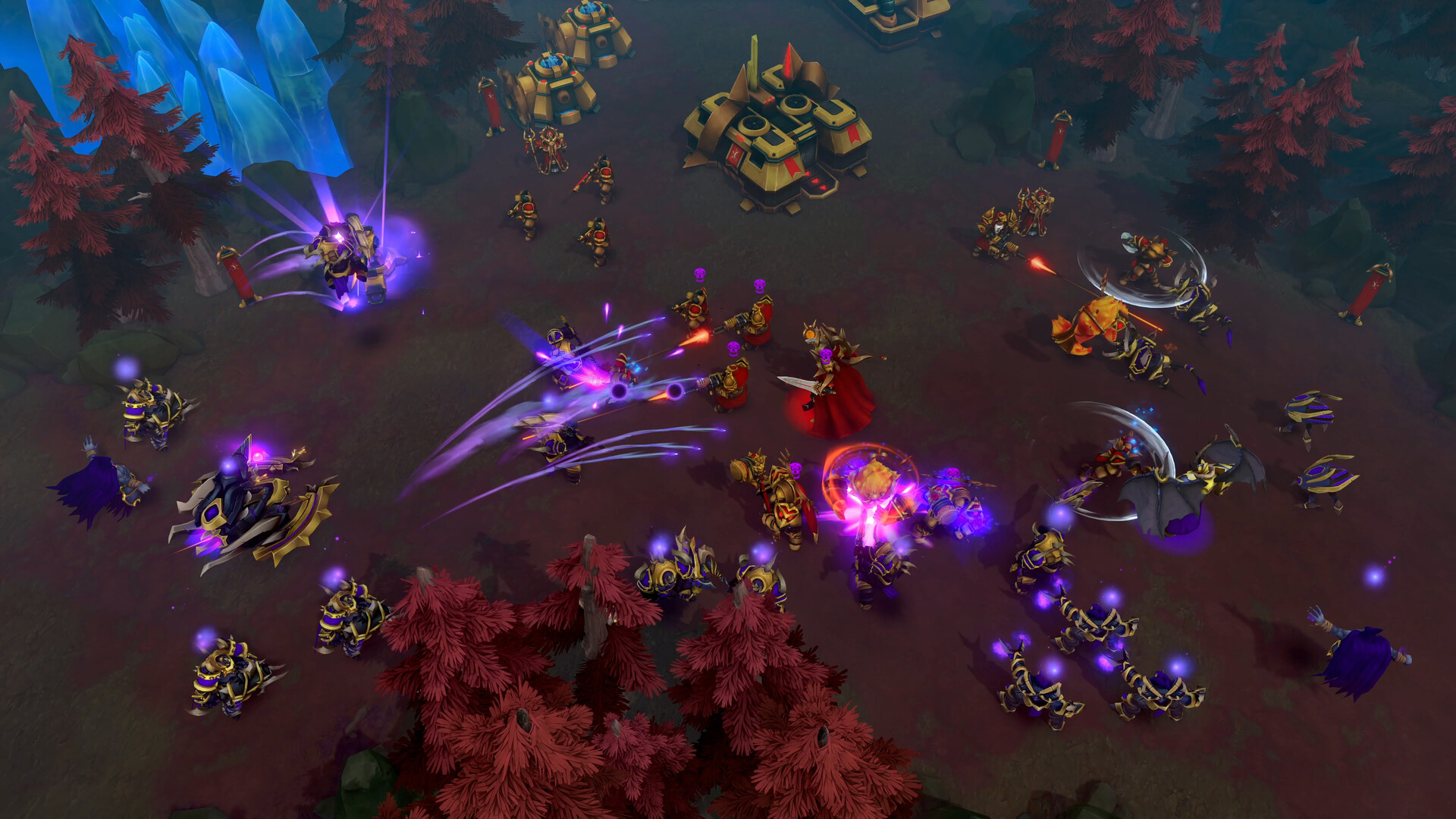
Liquidation has a clear idea of what kind of RTS it wants to be.
It is not chasing enormous army counts, endless economic complexity, or a single commander capable of deleting everything on the screen. It wants a middle ground where bases and production matter, but where players can still understand what each unit is doing once the battle begins.
The three starting factions already give it personality. The Twilight Crusade brings golden religious militarism. The Scourge Alliance combines Lamia ferocity with heavily armed Frogkin technology. The Legion brings demons, reality tears, and the helpful reminder that Veá’s week could always get worse.
The main question is not whether Liquidation has an interesting foundation. It does. The question is how steadily Divio can build from six campaign missions and three factions toward the planned 32-mission, four-faction final version.
For players who miss story-driven RTS campaigns, asymmetric armies, important commanders, and battles where positioning matters more than forming the largest possible unit blob, Veá may be worth visiting before it completely falls apart.